
From Manual to Automated: A StepbyStep Transition Guide for Aquarists

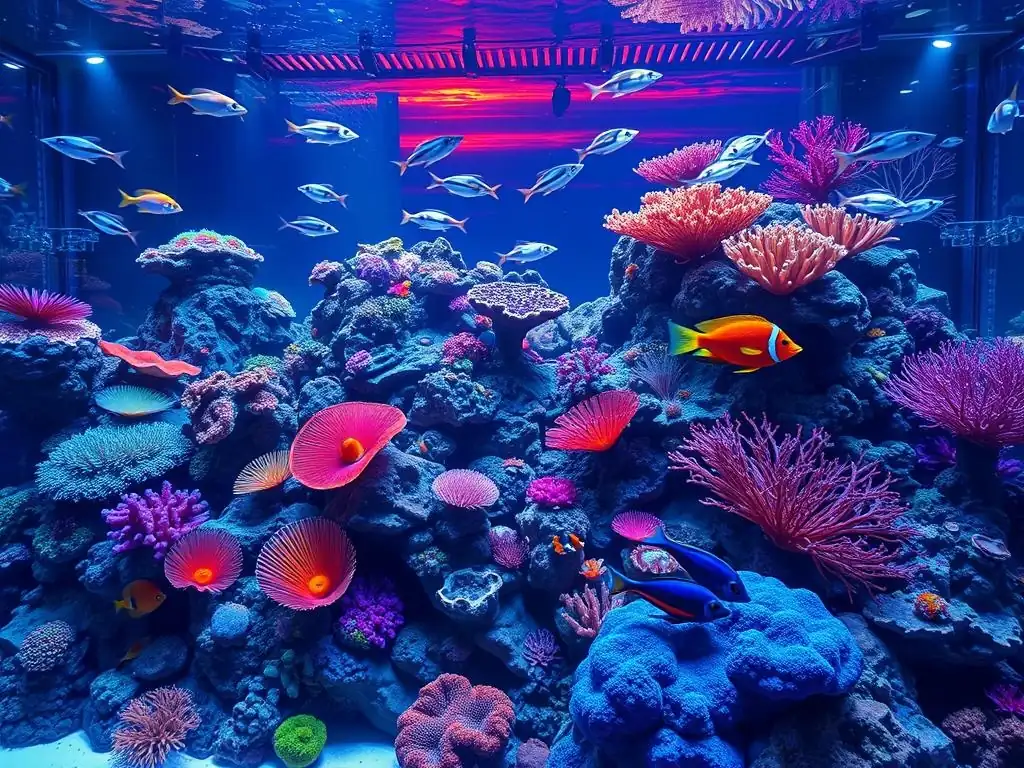
Welcome to Aquarium Mastery, fellow aquarist!
Ever dreamt of spending less time scrubbing algae and more time enjoying the vibrant ecosystem you've created? You're in the right place! Dive in to discover how to create an automated aquarium maintenance schedule that will revolutionize your tank care. Intrigued? Let's unlock the secrets to a thriving, low-maintenance aquarium, one automated step at a time!
- Understanding the Benefits of an Automated Aquarium Maintenance Schedule
- Evaluating Your Current Manual Aquarium Maintenance Routine
- Step 1: Automating Water Changes for a Healthier Aquarium
- Step 2: Implementing Automated Dosing for Optimal Water Chemistry
- Step 3: Automating Lighting for Plant Growth and Fish Health
- Step 4: Controlling Temperature with Automated Aquarium Heaters and Chillers
- Step 5: Integrating Smart Aquarium Controllers for Complete Automation
- Step 6: Monitoring and Maintaining Your Automated Aquarium System
- Troubleshooting Common Issues with Automated Aquarium Systems
- Advanced Aquarium Automation Techniques
- Conclusion: Enjoying the Benefits of Your Automated Aquarium
-
Frequently Asked Questions
- How can automation help with my aquarium maintenance?
- What are some examples of equipment used in an automated aquarium maintenance schedule?
- How do I determine the right automation schedule for my specific aquarium?
- What are the potential downsides of relying on automated aquarium maintenance?
- How do I get started with automating my aquarium maintenance schedule?
- Final Reflection: Embracing the Future of Aquascaping
- Transform Your Tank: Embrace Automation Today!
Understanding the Benefits of an Automated Aquarium Maintenance Schedule
Enhanced Aquarium Stability Through Automation
Automating various aspects of your aquarium's care significantly reduces the daily fluctuations that often occur with manual interventions. For instance, consistent, small daily water changes performed by an automated system prevent the "rollercoaster" effect on water parameters that can happen with large, infrequent manual changes.
This steady environment minimizes stress on fish, corals, and plants, leading to a healthier, more resilient ecosystem. Studies and long-term observations in advanced reef aquariums have shown that automated systems can maintain critical parameters like alkalinity and calcium within a tighter range, often less than 0.1 dKH and 5 ppm variation daily, compared to manual dosing which might see swings of 0.5 dKH or more.
This unwavering stability is particularly crucial for sensitive inhabitants and complex setups. For example, maintaining a constant pH, salinity, and nutrient level reduces susceptibility to disease outbreaks in fish and prevents common issues like coral bleaching or plant melt. An automated aquarium maintenance schedule ensures that the chemical environment remains within ideal ranges around the clock, promoting optimal biological processes and reducing the need for reactive adjustments. This proactive approach significantly contributes to the long-term success and vibrancy of your aquatic display.
Reduced Time Commitment with Automated Aquarium Systems
One of the most compelling advantages of transitioning to an automated system is the substantial reduction in time spent on routine tasks. Imagine eliminating daily manual top-offs, weekly water changes, or precise manual dosing. For a 100-gallon reef tank, manually topping off evaporated water can take 5-10 minutes daily, adding up to an hour or more per week, while a 25% weekly water change can consume 30-45 minutes. An automatic top-off (ATO) system and an automated water change unit can entirely eliminate these time sinks, freeing up significant portions of your week.
This newfound time can be redirected towards observing your aquarium, researching new species, or simply enjoying your hobby without the constant burden of chores. With an automated aquarium maintenance schedule, tasks like monitoring specific gravity, adjusting dosing pumps, or even managing lighting cycles become largely hands-off. This efficiency allows aquarists to maintain larger or more complex systems with less effort, making the hobby more accessible and enjoyable for busy individuals.
Improved Fish Health and Plant Growth via Automation
The consistent environment fostered by automation directly translates to improved health for your aquarium inhabitants and more robust growth for plants and corals. Fish thrive in stable conditions, experiencing less stress and thus being more resistant to common ailments like Ich or bacterial infections. When parameters like temperature, pH, and salinity are precisely maintained, fish exhibit better coloration, more natural behavior, and increased longevity.
For planted freshwater tanks and reef aquariums, an automated aquarium maintenance schedule ensures a steady supply of essential nutrients and optimal lighting. For instance, automated CO2 injection and daily micro/macro nutrient dosing in a planted tank can lead to a 20-30% increase in plant growth rates compared to sporadic manual additions, reducing nutrient deficiencies and outcompeting algae. Similarly, consistent calcium and alkalinity delivery in reef tanks, often split into multiple small doses throughout the day, promotes significantly faster and healthier coral calcification, leading to denser skeletons and more vibrant tissue coloration without the daily swings that can inhibit growth.
Evaluating Your Current Manual Aquarium Maintenance Routine
Identifying Time-Consuming Manual Tasks in Your Aquarium
Before embracing automation, it's crucial to pinpoint the specific aspects of your current manual routine that consume the most time or cause the most frustration. Common time-consuming tasks include daily water top-offs to compensate for evaporation, weekly or bi-weekly partial water changes, manual testing of water parameters, and the precise daily or weekly dosing of liquid fertilizers or reef supplements. Additionally, tasks like manually turning lights on and off, or adjusting heaters, can add up.
By creating a list of these regular chores and estimating the time spent on each, you can clearly see where automation will provide the greatest benefit. For example, a 50-gallon freshwater tank might require 15 minutes for a 25% weekly water change and another 5 minutes daily for gravel vacuuming and glass cleaning, totaling over an hour per week. Identifying these "pain points" is the first practical step toward designing an effective automated aquarium maintenance schedule that truly enhances your hobby experience.
Assessing Current Water Parameters and Stability
A thorough assessment of your current water parameters and their stability is a foundational step. Begin by consistently testing key parameters relevant to your aquarium type: pH, ammonia, nitrite, nitrate, alkalinity, calcium, magnesium, and phosphate. Log these results over several days or weeks to observe any daily or weekly fluctuations. For instance, a reef tank might show alkalinity dropping by 1.0 dKH over a 24-hour period after manual dosing, indicating a need for more consistent delivery.
This baseline data will highlight areas where your manual efforts might be inconsistent or insufficient, making a strong case for automation. If your pH fluctuates significantly between morning and evening, or if nitrates steadily climb despite regular water changes, an automated aquarium maintenance schedule focused on precise dosing or more frequent, smaller water changes could resolve these issues. This assessment provides concrete evidence of where automation will have the most impactful positive effect on your aquarium's health.
Determining Your Aquarium Automation Goals
Defining clear goals for your automation journey is essential to select the right equipment and implement an effective automated aquarium maintenance schedule. Do you primarily want to reduce the time spent on daily chores, achieve more stable water parameters, improve the health and growth of specific inhabitants, or gain peace of mind while away from home? Perhaps you aim to eliminate manual top-offs entirely, or ensure precise daily dosing of vital nutrients without fail.
Your specific goals will dictate the priority and type of automation you pursue. For example, if your main objective is to keep alkalinity perfectly stable in a reef tank, an automated dosing pump will be a high priority. If you frequently travel, an integrated smart controller with remote monitoring and alerts becomes invaluable. Clearly outlining these objectives ensures that your investment in automation directly addresses your needs and delivers the desired improvements to your aquarium keeping experience.
Step 1: Automating Water Changes for a Healthier Aquarium
Selecting the Right Automatic Water Change System
Choosing an appropriate automatic water change (AWC) system involves considering your tank size, budget, and desired level of automation. Systems typically fall into categories: continuous drip systems, which slowly add new water and remove old water over 24 hours; batch systems that perform a set percentage change at scheduled intervals; and integrated systems often controlled by smart aquarium controllers. For a smaller 20-gallon nano tank, a simple gravity-fed drip system might suffice, while a 200-gallon reef tank often benefits from a robust batch system capable of exchanging 25-50 gallons weekly.
Key features to look for include reliable pumps, accurate sensors to prevent overflows or dry-running, and a robust build quality. Consider the capacity of your freshwater and waste reservoirs; for a 120-gallon tank, having 30-gallon reservoirs for both new and waste water allows for a 25% weekly change or smaller daily changes over several days without constant refilling. Some advanced systems also offer salinity matching or auto-shutoff features for added safety, ensuring a smooth automated aquarium maintenance schedule.
Setting Up Your Automatic Water Change System
The physical setup of your automatic water change system requires careful planning to ensure safety and efficiency. This typically involves placing two reservoirs – one for fresh saltwater (or freshwater) and one for waste water – near your aquarium or sump. Pumps are then plumbed from the new water reservoir into the display tank or sump, and from the display tank/sump to the waste reservoir. Tubing should be securely fastened to prevent accidental disconnections or kinks.
Initial programming involves setting the volume and frequency of water changes. It's advisable to start with a conservative volume, such as 0.5% to 1% of your total tank volume daily, and closely monitor water parameters for the first few days. For example, a 120-gallon tank might start with 1.2 gallons changed daily. Always perform a test run with just water (no livestock) if possible, to check for leaks and proper pump operation before fully integrating it into your automated aquarium maintenance schedule. Ensure all electrical connections are safe and away from water.
Monitoring and Adjusting the Automated Water Change Schedule
Even with an automated water change system in place, continuous monitoring of your aquarium's water parameters is essential. Regular testing of nitrates, phosphates, and salinity (for saltwater tanks) will help you determine if the current volume and frequency of water changes are adequate. For instance, if nitrates remain consistently high despite daily 1% water changes, you might need to increase the daily volume to 1.5% or adjust feeding habits.
Adjustments to your automated aquarium maintenance schedule should be made gradually. If your corals are showing signs of stress or your fish are exhibiting unusual behavior, the water change volume or frequency might need to be fine-tuned. Conversely, if parameters are consistently stable and ideal, you've found a good balance. Remember that the needs of your aquarium can change over time due to growth of inhabitants or increased bioload, necessitating periodic re-evaluation and adjustment of your AWC system.
Step 2: Implementing Automated Dosing for Optimal Water Chemistry
Understanding the Importance of Automated Dosing
Maintaining stable water chemistry is paramount for the health and vitality of any aquarium, especially planted and reef tanks. Essential elements like calcium, alkalinity, magnesium for corals, and macro/micro nutrients for plants are constantly consumed by inhabitants. Manual dosing often leads to daily fluctuations; a large dose once a day causes a spike, followed by a gradual decline until the next dose. These swings stress delicate organisms and can inhibit growth or even cause health issues.
Automated dosing pumps eliminate these harmful fluctuations by delivering small, precise amounts of solutions multiple times throughout the day or night. This creates a much more stable environment where parameters remain within a tight, optimal range. For instance, an automated system can keep alkalinity within +/- 0.1 dKH in a reef tank, which is critical for consistent coral calcification, whereas manual dosing might result in daily swings of 0.5 dKH or more. This precision is a cornerstone of an effective automated aquarium maintenance schedule.
Choosing an Automated Dosing Pump for Your Aquarium
When selecting an automated dosing pump, consider the number of solutions you need to dose, the required flow rate accuracy, and the overall reliability of the unit. Peristaltic dosing pumps are commonly used due to their precision and ability to prevent back-siphoning. Pumps typically come with 1 to 4 channels, but some advanced units offer up to 8 or more. For a basic reef tank, a 3-channel pump is often sufficient for alkalinity, calcium, and magnesium.
Look for pumps that offer high accuracy, typically stated as +/- 1% or better, and a wide range of dosing volumes, from fractions of a milliliter to hundreds of milliliters per day. Connectivity options like Wi-Fi or Bluetooth for programming via a smartphone app can also be a significant convenience. For a standard 90-gallon reef tank with moderate coral growth, a dosing pump capable of delivering between 50-150 mL per day per channel is generally adequate to meet demands for the core elements, ensuring a consistent automated aquarium maintenance schedule.
Calibrating and Programming Your Dosing System
Proper calibration is critical to ensure your dosing pump delivers the exact volume programmed. This typically involves measuring the actual output of the pump over a set period (e.g., 1 minute) and comparing it to the programmed volume, then adjusting the pump's internal settings or software accordingly. Most quality dosing pumps come with calibration instructions, often recommending using a graduated cylinder to verify accuracy.
Once calibrated, programming involves determining the daily consumption rate of each element in your tank through consistent testing, then calculating the total daily dose needed. This total dose is then divided into multiple smaller doses throughout the day to maximize stability.
For example, if your reef tank consumes 1 dKH of alkalinity daily, and your solution is concentrated to raise alkalinity by 1 dKH per 10 mL, you would program 10 mL total daily, perhaps split into 24 doses of 0.41 mL each, ensuring continuous delivery as part of your automated aquarium maintenance schedule. Always start with a slightly conservative dose and adjust upwards based on subsequent parameter testing.
Dosing Schedules: Freshwater Planted Tank, Reef Tank, African Cichlid Tank
Dosing Schedules: Freshwater Planted Tank
For freshwater planted tanks, automated dosing typically focuses on macro-nutrients (Nitrogen, Phosphorus, Potassium) and micro-nutrients (trace elements like Iron, Manganese, Zinc). A common strategy is to dose a comprehensive liquid fertilizer daily or multiple times daily to provide a steady supply for plant growth, preventing nutrient deficiencies and outcompeting algae. For example, a 50-gallon planted tank might receive 5 mL of a balanced all-in-one fertilizer daily, split into two doses, one in the morning and one in the afternoon, to coincide with peak photosynthetic activity.
Some advanced setups might even dose CO2 via a solenoid valve connected to a pH controller, turning the gas on and off to maintain a target pH range, ensuring optimal carbon availability for plants. This precise delivery of nutrients and CO2 is a cornerstone of a high-tech planted tank's automated aquarium maintenance schedule, leading to lush, vibrant plant growth.
Dosing Schedules: Reef Tank
Reef tanks have complex dosing needs, primarily for calcium, alkalinity (carbonate hardness), and magnesium, which are rapidly consumed by corals for calcification. Trace elements are also vital. An automated aquarium maintenance schedule for a reef tank typically involves dosing these elements multiple times daily to maintain very stable levels. For example, a 100-gallon reef tank might receive 10 mL of calcium solution, 15 mL of alkalinity solution, and 5 mL of magnesium solution daily, each split into 12-24 small doses throughout the 24-hour cycle.
This frequent, small-dose approach prevents large fluctuations in water chemistry, which can stress corals and inhibit growth. Many aquarists also dose specific trace elements like iodide, strontium, or potassium, often on a less frequent schedule (e.g., once or twice a week) or as part of a comprehensive trace element mix, depending on the tank's specific needs and coral types.
Dosing Schedules: African Cichlid Tank
While not as common for daily automated chemical dosing as planted or reef tanks, African Cichlid tanks can still benefit from automation, particularly for maintaining stable high pH and alkalinity levels characteristic of their Rift Lake origins. Some aquarists may use automated systems to periodically dose buffers or mineral salts to counteract pH drift or replenish hardness. For instance, if tap water is soft, an automated system could add a cichlid-specific mineral supplement solution (e.g., 20 mL of a buffer solution twice a week) to maintain a target pH of 8.2 and a KH of 10-12 dKH.
This ensures that the water parameters remain consistently within the narrow range preferred by these sensitive fish, reducing stress and susceptibility to diseases like Malawi Bloat. While less intensive than reef tank dosing, maintaining specific water parameters via an automated aquarium maintenance schedule can significantly contribute to the long-term health and vibrancy of an African Cichlid setup.
Step 3: Automating Lighting for Plant Growth and Fish Health
Selecting Appropriate LED Lighting for Your Aquarium
The right lighting is crucial for both aesthetic appeal and the biological needs of your aquarium inhabitants. LED lighting systems are increasingly popular due to their energy efficiency, longevity, and unparalleled control over spectrum and intensity. When selecting LEDs, consider the specific requirements of your tank: high PAR (Photosynthetically Active Radiation) values are essential for demanding planted tanks and coral reef systems, while a broader spectrum is beneficial for enhancing fish coloration.
For a high-tech planted tank, look for fixtures that provide a PAR value of at least 80-100 µmol/m²/s at the substrate level, with adjustable red, green, and blue (RGB) channels to fine-tune the spectrum for optimal plant growth and color rendition. For reef tanks, fixtures offering a balance of blue and white LEDs, often with UV and violet diodes, are preferred to promote coral fluorescence and growth. Many modern LED units come with integrated controllers or are compatible with external smart controllers, making them ideal for an automated aquarium maintenance schedule.
Programming Your Aquarium Lights for Optimal Plant Growth
Effective lighting for planted aquariums involves more than just turning lights on and off; it requires a precise photoperiod and intensity control. Most aquatic plants thrive with a consistent photoperiod of 8-10 hours. Programming your lights to include a gradual "sunrise" and "sunset" simulation is highly beneficial. This involves slowly ramping up the light intensity over 30-60 minutes in the morning and gradually dimming it down in the evening.
For example, an automated aquarium maintenance schedule for a planted tank might program lights to begin dimming up at 7:00 AM, reaching full intensity (e.g., 80% of maximum) by 8:00 AM. This intensity would then be maintained until 4:00 PM, followed by a gradual ramp-down to off by 5:00 PM. This gentle transition reduces stress on fish and prevents the sudden shock of lights flicking on, while also mimicking natural conditions that promote healthier plant growth and reduce the likelihood of algae blooms often triggered by inconsistent or excessively long photoperiods.
Simulating Natural Light Cycles with Automated Lighting
Beyond simple on/off cycles, advanced automated lighting systems can replicate the nuanced beauty of natural light cycles, significantly enhancing the aesthetic and biological aspects of your aquarium. Many high-end LED fixtures allow programming for dawn, noon, dusk, and even lunar cycles. Simulating dawn and dusk with gradual intensity changes and color shifts (e.g., warmer tones in the morning, cooler blues at night) provides a more natural environment for fish, reducing stress and encouraging more natural behaviors.
Some sophisticated controllers can even mimic cloud cover, lightning storms, or a full 29.5-day lunar cycle, providing dim moonlight for nocturnal fish activity. This level of environmental simulation, seamlessly integrated into your automated aquarium maintenance schedule, not only creates a breathtaking visual display but also contributes to the overall well-being and natural rhythm of your aquatic ecosystem. Observing fish exhibit natural schooling or spawning behaviors under these simulated conditions is a true testament to the power of advanced automation.
Step 4: Controlling Temperature with Automated Aquarium Heaters and Chillers
Selecting a Reliable Aquarium Heater with a Thermostat
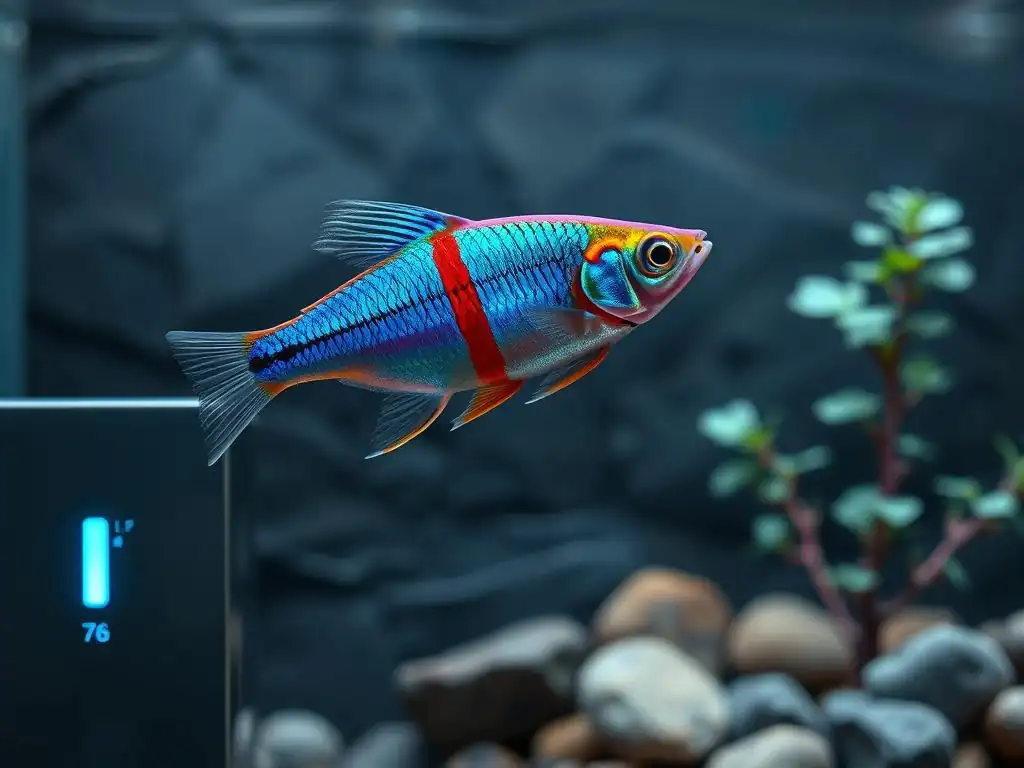
Maintaining a stable temperature is critical for the health of nearly all aquarium inhabitants, as sudden fluctuations can cause severe stress and lead to disease. When selecting an aquarium heater, reliability and an accurate thermostat are paramount. Submersible heaters are the most common, but in-line heaters (integrated into filter plumbing) are also available. A general rule of thumb for sizing is 3-5 watts per gallon, but this can vary based on ambient room temperature and tank insulation. For example, a 75-gallon tank in a room consistently at 68°F might require a 200-250 watt heater to maintain a stable 78°F.
Opt for heaters with an external thermostat probe or those designed to be controlled by a smart aquarium controller. This provides a crucial layer of safety, as the controller can monitor the temperature independently and cut power if the heater malfunctions or overheats. This integration into an automated aquarium maintenance schedule ensures precise temperature control, often within +/- 0.5°F, preventing temperature swings that can compromise the health of sensitive fish and corals.
Integrating an Aquarium Chiller for Temperature Stability (If Needed)
While heaters prevent temperatures from dropping too low, chillers are essential in environments where ambient temperatures are consistently high, or for tanks with heat-generating equipment like powerful lighting or pumps. They are particularly vital for cold-water species or reef tanks where temperatures exceeding 80°F can cause coral bleaching. Chillers work by actively cooling the water, much like a refrigerator.
When selecting a chiller, consider its horsepower (HP) rating in relation to your tank volume and the maximum ambient temperature. For instance, a 1/4 HP chiller is often recommended for a 75-100 gallon reef tank in a room that regularly reaches 85°F, aiming to maintain a target of 78°F. Integrating the chiller with a smart controller allows for precise temperature management, ensuring it only activates when needed, optimizing energy consumption, and providing a comprehensive automated aquarium maintenance schedule for temperature control.
Setting Temperature Parameters for Your Fish and Plants
Establishing the correct temperature range for your specific aquarium inhabitants is a critical step in setting up your automated heating and cooling systems. Most tropical freshwater fish thrive between 72-78°F (22-26°C), while reef tanks typically prefer a slightly warmer range of 76-80°F (24-27°C). Cold-water species like fancy goldfish or certain temperate fish require temperatures below 70°F (21°C), often necessitating a chiller.
Once the ideal range is determined, program your automated thermostat or smart controller to maintain this precise window. For example, you might set the heater to activate if the temperature drops below 77°F and the chiller to activate if it rises above 79°F. This narrow 2°F buffer ensures optimal stability, preventing temperature stress that can weaken immune systems, inhibit plant growth, or even lead to fatal conditions for sensitive species. This precision is a hallmark of an effective automated aquarium maintenance schedule.
Step 5: Integrating Smart Aquarium Controllers for Complete Automation
Exploring Features of Smart Aquarium Controllers
Smart aquarium controllers are the central nervous system of a fully automated aquarium, integrating and managing various pieces of equipment and sensors. These sophisticated devices offer a centralized platform for monitoring critical parameters, controlling pumps, lights, and heaters, and providing alerts for deviations. Key features often include multiple controllable power outlets, sensor inputs for pH, ORP (Oxidation-Reduction Potential), temperature, and salinity, and dedicated ports for connecting dosing pumps or ATO units.
Many controllers come with intuitive web interfaces or mobile applications, allowing remote monitoring and control from anywhere with an internet connection. Popular examples include the Neptune Systems Apex and the GHL Profilux, which offer extensive customization, data logging, and intricate programming capabilities. This comprehensive control allows for the creation of a highly refined automated aquarium maintenance schedule, ensuring every aspect of your tank's environment is precisely managed.
Connecting and Configuring Sensors (pH, Temperature, ORP)
The accuracy of your smart controller's data and subsequent automation depends heavily on properly connected and calibrated sensors. pH probes, temperature probes, and ORP probes are typically plugged directly into the controller's dedicated ports. Initial calibration is a crucial step, often requiring calibration solutions of known values (e.g., pH 7.0 and pH 10.0 for pH probes). This process ensures the sensor readings are accurate and reliable, typically within 0.01 pH units or 0.5°F.
Regular re-calibration, typically monthly for pH probes and quarterly for ORP probes, is essential as sensor accuracy can drift over time. This meticulous attention to sensor maintenance ensures that your automated aquarium maintenance schedule is based on precise, real-time data, allowing the controller to make accurate decisions regarding dosing, heating, or other automated functions. Without accurate sensor data, automation can inadvertently lead to imbalances rather than stability.
Setting Up Alerts and Notifications for Water Parameter Deviations
One of the most valuable features of a smart aquarium controller is its ability to provide immediate alerts and notifications for critical water parameter deviations or equipment malfunctions. You can program the controller to send emails, SMS messages, or push notifications to your smartphone if, for example, the temperature exceeds a safe threshold, the pH drops too low, or the automatic top-off reservoir runs empty.
These proactive alerts are invaluable for preventing catastrophic tank failures, offering peace of mind, especially when you are away from home. Imagine receiving an alert that your heater has failed in cold weather, allowing you to take immediate action before your fish are severely impacted. This early warning system, integrated into your automated aquarium maintenance schedule, empowers you to respond swiftly to potential issues, safeguarding your investment and the health of your aquatic inhabitants.
Step 6: Monitoring and Maintaining Your Automated Aquarium System
Regularly Inspecting Equipment for Proper Function
Even with a sophisticated automated aquarium maintenance schedule in place, regular visual inspection of your equipment is paramount to ensure everything is functioning correctly. Automation reduces manual labor but does not eliminate the need for oversight. Weekly checks should include looking for any leaks around plumbing, ensuring pumps are free of blockages, verifying that sensors are clean and submerged, and checking that dosing lines are clear and free of kinks or salt creep.
For example, a quick glance at your ATO reservoir to confirm water levels are decreasing as expected, or observing the output of your dosing pumps, can catch minor issues before they escalate. A proactive approach to equipment inspection, perhaps dedicating 15-20 minutes once a week, can prevent major malfunctions and ensure the continued smooth operation of your automated setup.
Calibrating Sensors and Dosing Pumps
The accuracy of your automated system relies heavily on the precise readings from its sensors and the exact delivery from its dosing pumps. Therefore, periodic calibration of these components is non-negotiable. pH probes typically require calibration monthly using specialized pH calibration solutions (e.g., pH 7.0 and 10.0). ORP and salinity probes might need quarterly calibration, while temperature probes are generally factory calibrated but should be checked against a known accurate thermometer periodically.
Dosing pumps should also be re-calibrated quarterly or whenever you change the concentration of your dosing solutions. This involves measuring the actual volume dispensed over a set time and adjusting the pump's settings accordingly. Neglecting these calibration steps can lead to gradual parameter drift, negating the benefits of your automated aquarium maintenance schedule and potentially causing stress to your aquarium inhabitants.
Adjusting Automation Schedules as Needed
An automated aquarium maintenance schedule is not a static "set and forget" system; it requires periodic adjustments as your aquarium evolves. Tank inhabitants grow, bioload increases, coral and plant consumption of elements changes, and evaporation rates can fluctuate with seasons. For instance, if your corals are growing rapidly, their demand for calcium and alkalinity will increase, necessitating a higher daily dose from your automated pump.
Similarly, if you add more fish, you might need to slightly increase the frequency or volume of your automated water changes to manage rising nitrate levels. Regularly reviewing your water test results (e.g., monthly) and correlating them with your automation settings will guide these necessary adjustments. This iterative process of monitoring, testing, and adjusting ensures that your automated system continues to meet the dynamic needs of your thriving aquarium.
Troubleshooting Common Issues with Automated Aquarium Systems
Addressing Water Parameter Imbalances
Even with an automated aquarium maintenance schedule, water parameter imbalances can occasionally occur. If you notice unexpected high nitrates, low pH, or drifting salinity, the first step is to verify your sensor readings by manually testing the water with a reliable test kit. If the manual test confirms an imbalance, troubleshoot your automation components. For example, if nitrates are high, check your automated water change system for clogs, ensure the correct volume is being exchanged, and verify that your filtration media is not exhausted.
For pH or alkalinity issues, re-calibrate your pH probe and dosing pumps, ensuring dosing lines are clear and solutions are not expired. Sometimes, external factors like CO2 levels in the room can also influence pH. Systematically checking each component of your automated setup that influences the specific parameter will help diagnose and resolve the imbalance, restoring stability to your aquarium.
Resolving Equipment Malfunctions
Equipment malfunctions can happen with any system, automated or manual. Common issues include dosing pump failures, ATO pump blockages, or sensor errors. If a pump isn't working, first check its power supply, then inspect for physical obstructions like debris in the impeller or kinks in the tubing. For sensor errors, ensure the probe is clean, properly submerged, and calibrated correctly.
If a smart controller acts erratically, a simple power cycle (unplugging and replugging) can often resolve minor software glitches. Always consult the manufacturer's manual for specific troubleshooting steps. Having spare parts for critical components like ATO pumps or dosing pump heads can minimize downtime. Regular cleaning and preventative maintenance, as outlined in your automated aquarium maintenance schedule, can significantly reduce the likelihood of these malfunctions.
Preventing Algae Blooms in an Automated System
While automation helps maintain stable parameters, it doesn't automatically prevent algae blooms if nutrient input exceeds export. Algae are typically a sign of excess nutrients (nitrates, phosphates) or an imbalance in lighting. If you observe an algae bloom in your automated system, first verify your water parameters. Are your automated water changes sufficient to export nutrients? Is your protein skimmer (for saltwater) functioning optimally?
Next, evaluate your lighting schedule and intensity. An automated aquarium maintenance schedule with too long a photoperiod or too high an intensity can fuel algae growth. Consider reducing the photoperiod by an hour or slightly dimming your lights. Also, review your feeding habits; overfeeding is a common cause of nutrient excess. Adjusting your automated feeding system to dispense smaller, more frequent meals can help. By systematically addressing these factors, you can bring your automated system back into balance and control algae.
Advanced Aquarium Automation Techniques
Integrating Automated Feeding Systems
Automated feeding systems offer a significant convenience, especially for busy aquarists or those who travel frequently. These devices ensure consistent, portion-controlled feeding, which is crucial for fish health and can prevent overfeeding, a common cause of poor water quality. Feeders typically dispense flakes, pellets, or granules at programmed intervals, ranging from 1 to 4 meals per day.
Some advanced feeders can even dispense frozen foods or have multiple compartments for different food types. For example, a system might be programmed to dispense a small amount of flake food at 8:00 AM and again at 6:00 PM, mimicking natural feeding patterns. Integrating an automated feeder into your automated aquarium maintenance schedule ensures your fish receive regular, appropriate nutrition without manual intervention, contributing to their overall well-being and reducing nutrient spikes from irregular feeding.
Implementing Automated Protein Skimmers (Saltwater Aquariums)
For saltwater aquariums, particularly reef tanks, protein skimmers are vital for removing organic waste before it breaks down into nitrates and phosphates. Modern protein skimmers often come with automated features that enhance their efficiency and reduce manual maintenance. These can include automated neck cleaning systems, which scrape the inside of the skimmer neck to prevent protein buildup, ensuring consistent foam production.
Some skimmers also integrate with smart controllers via optical sensors that detect when the collection cup is full, triggering an automatic shut-off or sending an alert to prevent messy overflows. This level of automation ensures continuous, optimal performance of this critical piece of equipment, significantly contributing to the overall water quality management within an automated aquarium maintenance schedule for a reef system.
Using Automated Calcium Reactors (Reef Aquariums)
For large, densely stocked reef aquariums with high calcium and alkalinity demands, automated calcium reactors are often a more efficient and cost-effective solution than traditional two-part dosing. Calcium reactors work by dissolving calcium carbonate media (like crushed coral) using CO2 gas to lower the pH within the reactor, releasing calcium and alkalinity into the tank.
These systems are typically integrated with a pH controller that precisely manages the CO2 injection, maintaining a specific pH within the reactor to optimize the dissolution rate. A well-tuned calcium reactor can maintain calcium levels within 10-20 ppm and alkalinity within 0.5 dKH, even in a tank consuming 1.5 dKH daily, providing a highly stable environment for rapid coral growth. While more complex to set up initially, an automated calcium reactor is a powerful component of an advanced automated aquarium maintenance schedule for demanding reef systems.
Conclusion: Enjoying the Benefits of Your Automated Aquarium
The Future of Aquarium Automation
The landscape of aquarium automation is continuously evolving, promising even more sophisticated and intuitive solutions for the future. Emerging technologies like artificial intelligence and machine learning are poised to analyze vast amounts of real-time data from your aquarium, providing predictive maintenance alerts and optimized parameter adjustments before issues even arise. Imagine a system that learns your tank's specific nutrient consumption patterns and automatically adjusts dosing, or one that detects subtle changes in fish behavior indicating stress and suggests preventative measures.
Further integration with smart home ecosystems will likely make managing your aquarium as seamless as controlling your household lighting or thermostat. These advancements will make the hobby more accessible to a wider audience, reduce the learning curve, and ultimately lead to healthier, more stable aquatic environments with less human intervention. The ongoing innovation ensures that the automated aquarium maintenance schedule of tomorrow will be even more intelligent and effortless.
Resources for Further Learning about Automated Aquarium Maintenance
Embarking on the journey of aquarium automation is an exciting step that can profoundly enhance your hobby experience. To further refine your automated aquarium maintenance schedule and explore new technologies, a wealth of resources is available. Online aquarium forums and communities are invaluable for sharing experiences, troubleshooting specific issues, and discovering innovative solutions from fellow aquarists. Many equipment manufacturers also provide detailed guides, tutorials, and dedicated customer support for their automation products.
Websites like AquariumMastery.com serve as comprehensive guides, offering in-depth articles on various aspects of aquarium keeping, including detailed reviews and setup instructions for automation equipment. Continuously educating yourself on the latest advancements and best practices will empower you to maximize the benefits of your automated system, ensuring a thriving and beautiful aquatic display for years to come.
Frequently Asked Questions
How can automation help with my aquarium maintenance?
Automation can significantly reduce the manual workload associated with aquarium keeping. It allows for consistent and reliable performance of tasks like water changes and dosing, leading to a healthier environment.
What are some examples of equipment used in an automated aquarium maintenance schedule?
Common automation tools include automatic water changers, dosing pumps for supplements, and smart controllers to manage lighting and temperature. These devices streamline routine tasks.
How do I determine the right automation schedule for my specific aquarium?
The optimal schedule depends on your aquarium's size, the species it houses, and its overall bioload. Careful monitoring and gradual adjustments are crucial to fine-tune the system.
What are the potential downsides of relying on automated aquarium maintenance?
Over-reliance can lead to a lack of direct observation of your aquarium's health. It's vital to still regularly inspect your tank and equipment for any signs of problems.
How do I get started with automating my aquarium maintenance schedule?
Begin by identifying the most time-consuming tasks in your current routine. Then, research and select automation equipment that addresses those specific needs, starting with small, manageable upgrades.
Okay, here's a final reflection designed to resonate with aquarists after reading your "From Manual to Automated: A Step-by-Step Transition Guide for Aquarists" article, aiming to rank for "Automated aquarium maintenance schedule":
Final Reflection: Embracing the Future of Aquascaping
The journey from manual aquarium maintenance to a fully automated system, as we've explored, isn't just about technological advancement; it's about reclaiming time and enhancing the well-being of our aquatic ecosystems. In a world demanding more of our attention, automation offers a powerful solution, allowing us to nurture thriving underwater worlds without sacrificing our precious hours. This shift represents a significant leap forward, promising healthier fish, more vibrant corals, and a more sustainable approach to aquascaping.
This transition profoundly impacts how we interact with our aquariums. No longer are we chained to daily routines, but instead, we become observers and curators, able to truly appreciate the beauty and complexity of our aquatic creations. It allows us to focus on the artistry of aquascaping and the subtle nuances of our ecosystems. As the renowned marine biologist Sylvia Earle once said, Even if you never have the chance to see or touch the ocean, the ocean touches you with every breath you take, every drop of water you drink, every bite you consume. Everyone, everywhere is inextricably connected to and utterly dependent upon the existence of the sea.
This quote reminds us of the profound responsibility we have to care for these miniature oceans we create.
Now, as you stand at the precipice of automation, consider the possibilities. Reflect on the time you'll gain, the health you'll restore to your aquarium, and the deeper connection you'll forge with your aquatic world. Embrace the future, aquarist, and let automation empower you to create a truly thriving and sustainable underwater paradise. Let's all strive to be better stewards of these miniature ecosystems, ensuring their beauty and vitality for years to come.
Transform Your Tank: Embrace Automation Today!
Thanks for diving deep into the world of aquarium automation with us! We hope this guide gave you the insights and confidence to take your aquarium keeping to the next level. Now, it's time to put that knowledge into action!
Here are some steps you can take right away:
- Start small: Automate one key function in your aquarium this week.: Whether it's lighting or feeding, experiencing the benefits firsthand will motivate you to go further.
- Explore online aquarist communities to share your experiences and learn from others who have automated their setups. You might discover innovative solutions or avoid common pitfalls.
- Record a short video showcasing your initial automation efforts and share it on social media with the hashtag #AquariumAutomation.
What's the first aspect of your aquarium you're excited to automate, and why? Let us know in the comments!