
Help! My Saltwater Angelfish Isn't Eating: Causes and Solutions

Welcome to Aquarium Mastery!
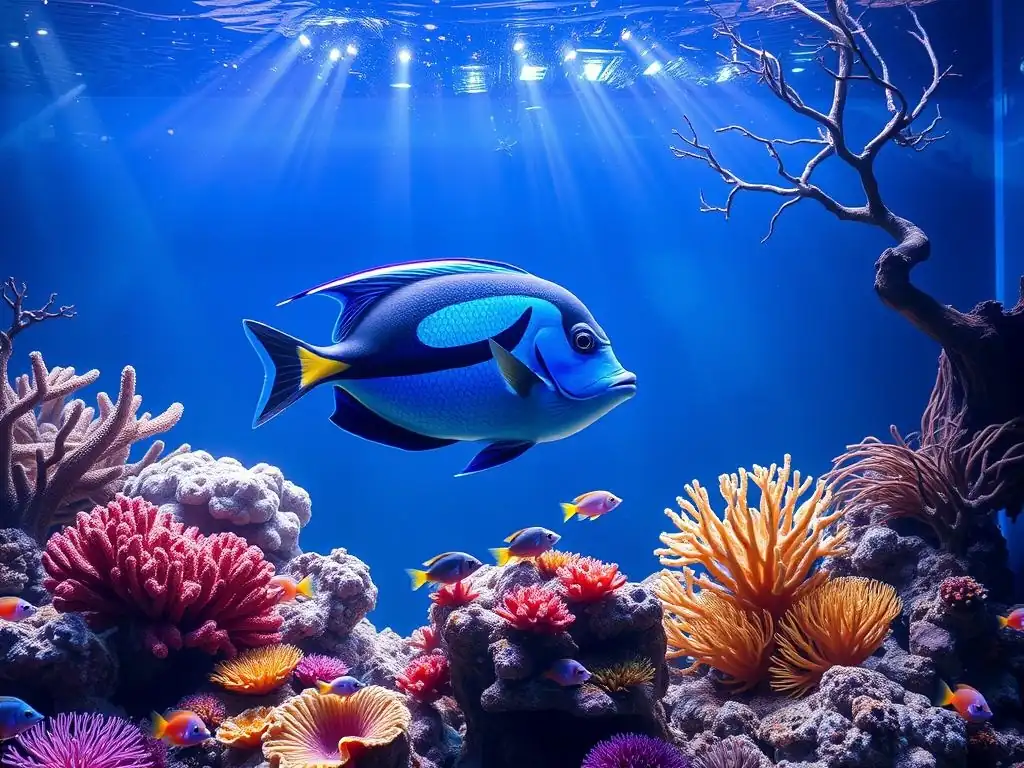
Is your beautiful saltwater angelfish refusing to eat? Don't panic! We understand the worry that comes with a picky eater. This guide dives deep into the common causes behind why your saltwater angelfish won't eat, offering practical solutions to help you get them back to their vibrant, healthy selves. Keep reading to unlock the secrets to a thriving angelfish and a stunning saltwater aquarium.
- Understanding Why Your Saltwater Angelfish Refuses Food
- Common Causes of Angelfish Appetite Loss in Saltwater Aquariums
- Troubleshooting: Getting Your Angelfish to Eat Again
- Preventing Future Feeding Problems in Saltwater Angelfish
- When to Seek Professional Help for Your Angelfish
-
Frequently Asked Questions
- Why is my saltwater angelfish refusing to eat?
- What are some common signs of a sick angelfish that might explain its lack of appetite?
- What kind of food should I be offering a saltwater angelfish that is refusing to eat?
- How important is water quality in getting my angelfish to eat again?
- What if I've tried everything and my saltwater angelfish still won't eat?
- Final Reflection: The Delicate Dance of Marine Life
- Revitalize Your Angelfish: Take Action Now!
Understanding Why Your Saltwater Angelfish Refuses Food
Identifying Initial Signs of Feeding Problems in Angelfish
Observing your saltwater angelfish's behavior is crucial for early detection of feeding issues. Beyond the obvious sign that your saltwater angelfish won't eat, look for subtle changes such as a lack of interest when food is introduced, spitting out food after taking it in, or simply ignoring it as it drifts by. Healthy angelfish are typically active and will eagerly approach the surface or feeding area when it's mealtime. A notable shift in this routine, such as hiding more frequently, lethargy, or staying at the bottom of the tank, often precedes a complete refusal of food.
Furthermore, physical changes can also indicate underlying problems. A noticeable thinning of the body, particularly around the dorsal area, or a sunken belly, suggests prolonged periods of inadequate nutrition. Even if your saltwater angelfish isn't eating much, these physical markers confirm that its caloric intake is insufficient. Early intervention based on these observations can prevent severe health decline and increase the chances of a successful recovery, addressing why your saltwater angelfish won't eat before it becomes critical.
The Importance of Diet for Saltwater Angelfish Health and Color
A comprehensive and balanced diet is fundamental to the vitality and longevity of your saltwater angelfish. These vibrant fish, depending on the species, can be omnivores, herbivores, or even spongivores, each with specific nutritional requirements.
For instance, many dwarf angelfish species like the Flame Angelfish ( Centropyge loriculus) benefit significantly from a diet rich in spirulina and marine algae, while larger species such as the Emperor Angelfish ( Pomacanthus imperator) often require specialized foods containing sponges or tunicates to thrive. Inadequate nutrition is a primary reason a saltwater angelfish won't eat properly or thrive, leading to a dulling of their typically brilliant colors and a compromised immune system.
Proper nutrition directly impacts several key aspects of angelfish health. It supports robust immune function, making the fish more resilient against common marine diseases like Marine Ich or Brooklynella. A well-fed angelfish will display more vibrant coloration, stronger finnage, and increased activity levels. Conversely, a prolonged period where a saltwater angelfish won't eat appropriate foods can lead to nutrient deficiencies, stunted growth, and susceptibility to infections, ultimately shortening their lifespan. Ensuring a varied diet, including high-quality frozen foods, marine flakes, and even live foods occasionally, is paramount to maintaining their overall well-being.
Common Causes of Angelfish Appetite Loss in Saltwater Aquariums
Stress as a Major Factor in Saltwater Angelfish Feeding Habits
Stress is one of the most prevalent reasons a saltwater angelfish won't eat. Fish, like all living creatures, are susceptible to environmental stressors that can severely impact their physiological functions, including their digestive system and appetite. When an angelfish experiences stress, its body releases cortisol, a hormone that suppresses the immune system and can lead to a complete loss of interest in food. Identifying and mitigating these stressors is critical for encouraging your saltwater angelfish to resume eating.
Stress can manifest from various sources within the aquarium, ranging from physical parameters to social dynamics. A consistently stressed angelfish will often exhibit behaviors such as rapid gill movement, clamped fins, erratic swimming, or prolonged hiding. If your saltwater angelfish isn't eating, it's essential to consider whether its environment is contributing to its discomfort, as even subtle stressors can have a profound effect on their willingness to feed.
Tank Size and Overcrowding Stressing Angelfish
The size of the aquarium plays a critical role in the well-being of saltwater angelfish. Many species, especially the larger ones like the Queen Angelfish ( Holacanthus ciliaris), can grow quite substantial, reaching lengths of 10-18 inches. Housing such a fish in a tank smaller than 125-200 gallons can lead to chronic stress due to limited swimming space and inadequate territory.
Even smaller dwarf angelfish species like the Coral Beauty ( Centropyge bispinosa), while only growing to about 4 inches, still require a minimum of 30-50 gallons to thrive. When space is restricted, angelfish may become territorial, aggressive towards tank mates, or simply shut down, causing a saltwater angelfish not to eat.
Overcrowding exacerbates this issue by increasing competition for resources and hiding spots, and by accelerating the accumulation of waste products. In an overcrowded tank, even if the water parameters are seemingly stable, the constant presence of too many fish can create an oppressive environment. This perpetual state of alert and competition can suppress the angelfish's natural feeding instincts, making it a common reason why a saltwater angelfish won't eat. Providing ample space, including plenty of live rock for hiding and foraging, is crucial for reducing stress and encouraging healthy feeding behaviors.
Incompatible Tank Mates Causing Feeding Issues
The social dynamics within a saltwater aquarium significantly influence an angelfish's comfort and willingness to feed. Aggressive or overly boisterous tank mates can intimidate a saltwater angelfish, preventing it from accessing food or even coming out of hiding. For example, some triggerfish or larger damselfish species are known for their territorial and nippy behavior, which can constantly harass angelfish. This persistent bullying creates a stressful environment where a saltwater angelfish won't eat, fearing reprisal or simply being outcompeted for food.
Conversely, some angelfish species can be aggressive themselves, especially towards conspecifics or similar-looking fish. Introducing multiple angelfish without proper research into their compatibility or in tanks that are too small often leads to severe aggression, which can stress the subordinate fish to the point where it stops eating.
Researching the specific temperament and compatibility requirements of your angelfish species and its potential tank mates before introduction is paramount. Examples of generally peaceful tank mates that coexist well with angelfish include tangs (if space allows), certain gobies, and blennies, helping to ensure your saltwater angelfish isn't eating due to social pressure.
Poor Water Quality Impacting Angelfish Appetite
Pristine water quality is non-negotiable for the health of saltwater angelfish, as they are particularly sensitive to fluctuations and pollutants. Suboptimal water parameters are a frequent cause when a saltwater angelfish won't eat, as they directly impact the fish's respiratory function, immune system, and overall comfort. Even slight deviations from ideal conditions can induce physiological stress, leading to a suppressed appetite and lethargy.
Maintaining stable and appropriate water parameters is a continuous responsibility for any aquarist. Regular testing and prompt correction of any issues are essential to prevent the cumulative stress that leads to feeding cessation. If your saltwater angelfish isn't eating, a thorough check of your water chemistry should be among your first diagnostic steps.
Ammonia, Nitrite, and Nitrate Levels: A Critical Overview
The nitrogen cycle is the backbone of a healthy aquarium, and disruptions to it are a primary cause of stress and illness in marine fish. Ammonia (NH3/NH4+) and nitrite (NO2-) are highly toxic compounds that should always be at undetectable levels (0 ppm) in a cycled saltwater aquarium. Even trace amounts can burn a fish's gills, impair its ability to absorb oxygen, and severely suppress its appetite, leading to a saltwater angelfish not eating. High levels of these compounds indicate an immature tank, overfeeding, or insufficient biological filtration.
Nitrate (NO3-), the final product of the nitrogen cycle, is less toxic than ammonia or nitrite but can still be detrimental at elevated concentrations. While ideal levels are often below 20 ppm for most reef tanks, levels exceeding 40-50 ppm can cause chronic stress, weaken the immune system, and lead to a saltwater angelfish won't eat over time. Regular partial water changes (e.g., 10-20% bi-weekly) and efficient protein skimming are crucial for keeping nitrates in check and ensuring a healthy environment where your angelfish feels comfortable enough to feed.
The Role of pH and Salinity in Angelfish Health
Stable pH and salinity are fundamental requirements for saltwater angelfish, as these parameters directly affect their osmotic regulation and enzymatic functions. The ideal pH range for most marine aquariums is between 8.1 and 8.4. Fluctuations outside this narrow range, especially sudden drops, can cause severe stress, acidosis, or alkalosis, impairing gill function and leading to a saltwater angelfish not eating. Maintaining alkalinity (KH) between 7-12 dKH helps buffer the pH and prevent drastic swings.
Salinity, or specific gravity (SG), should be consistently maintained between 1.023 and 1.026. This range mimics natural ocean conditions and is crucial for the angelfish's internal fluid balance. Deviations, particularly sudden drops, can lead to osmotic shock, where the fish's cells either swell or shrink excessively. This physiological distress is a significant reason why a saltwater angelfish won't eat and will often exhibit lethargy, rapid breathing, or unusual swimming patterns. Regular testing with a refractometer and using high-quality salt mix are essential for stability.
Disease and Parasites Affecting Angelfish Feeding
Disease and parasitic infections are common and serious reasons why a saltwater angelfish won't eat. When a fish becomes ill, its body dedicates energy to fighting the pathogen, often at the expense of its appetite and normal behavior. Many diseases directly affect the digestive system or cause enough discomfort to make feeding unappealing or impossible.
Early detection and accurate diagnosis are paramount for successful treatment. Observing your angelfish daily for any changes in appearance or behavior, beyond just appetite loss, can provide crucial clues. If your saltwater angelfish isn't eating and also shows other symptoms, immediate action is usually required to prevent the condition from worsening.
Identifying Common Angelfish Diseases that Suppress Appetite
Several common saltwater fish diseases can cause a saltwater angelfish to stop eating. Marine Ich ( Cryptocaryon irritans) is characterized by tiny white spots resembling salt grains on the body and fins, accompanied by rapid breathing and scratching against decor. These parasites irritate the gills and skin, causing immense discomfort and leading to a complete refusal of food. Similarly, Marine Velvet ( Amyloodinium ocellatum) presents as a dusty, yellowish-brown coating, often with rapid breathing, and is highly aggressive, quickly causing an angelfish appetite loss.
Bacterial infections, such as fin rot or body ulcers, can also severely impact appetite. These often manifest as red streaks, cloudy eyes, or open sores. Internal bacterial infections might not show external signs initially but can cause bloating, lethargy, and a complete cessation of feeding. Fungal infections, while less common in saltwater, can appear as white, cotton-like growths. If your saltwater angelfish won't eat and shows any of these physical symptoms, it's a strong indicator of a disease requiring specific treatment.
Parasitic Infections and Their Impact on Feeding Behavior
Beyond external parasites like Ich and Velvet, internal parasites can also be a significant reason why a saltwater angelfish won't eat. Worms such as nematodes or cestodes can infest the digestive tract, competing for nutrients and causing internal damage. Infected fish may appear emaciated despite eating, or they might simply refuse food altogether due to discomfort or blockages. Symptoms can include stringy white feces, bloating, or a general wasting away.
External parasites, like gill flukes ( Dactylogyrus or Gyrodactylus), attach to the gills and feed on blood and tissue. This irritation impairs the fish's ability to breathe, leading to rapid gill movements, gasping at the surface, and a profound lack of interest in food. The constant irritation and energy drain from these parasites mean a saltwater angelfish isn't eating because it's too busy trying to survive the infestation. Effective dewormers or specific antiparasitic treatments are often necessary to resolve these issues and restore the angelfish's appetite.
Introducing a New Saltwater Angelfish to Your Aquarium
The process of introducing a new saltwater angelfish to an established aquarium is a critical period that often determines its initial health and willingness to feed. The stress associated with capture, transport, and acclimation to a new environment is immense, and it's a very common reason why a new saltwater angelfish won't eat for the first few days. Patience and proper procedure are key to minimizing this stress.
A newly acquired angelfish is particularly vulnerable during this time, both to environmental stressors and potential pathogens. Understanding these challenges and implementing best practices can significantly improve the chances of a smooth transition and ensure your angelfish starts eating promptly.
Acclimation Stress and Initial Feeding Challenges
When a new saltwater angelfish arrives, it has undergone significant stress due to changes in water parameters, light cycles, and confined transport. This "acclimation stress" can cause a temporary shutdown of the digestive system and immune response. It's completely normal for a new saltwater angelfish not to eat for the first 24-72 hours after introduction, as it needs time to adjust to its new surroundings, find hiding spots, and feel secure.
During this period, avoid overly aggressive feeding attempts. Instead, offer small amounts of highly palatable food, such as live Mysis shrimp or enriched brine shrimp, which can tempt even reluctant eaters. Provide plenty of hiding spots to help the angelfish feel secure. Forcing the issue or constantly disturbing the fish will only prolong the stress and delay the onset of feeding. Patience is paramount; observe quietly and allow the angelfish to settle in at its own pace.
Proper Quarantine Procedures for New Angelfish
One of the most critical steps in introducing a new saltwater angelfish, especially if your existing angelfish isn't eating, is proper quarantine. A dedicated quarantine tank (QT) of at least 20-30 gallons allows you to observe the new fish for signs of disease or parasites without risking your main display tank. Most experts recommend a quarantine period of at least 4-6 weeks. During this time, you can monitor for common issues like Marine Ich, Velvet, or bacterial infections, which are often latent and emerge under stress.
Quarantining also allows the new angelfish to de-stress and begin feeding consistently in a controlled environment before facing the social dynamics of the main tank. You can proactively treat for common parasites during this period, such as using copper-based medications for Ich or administering dewormers. This proactive approach significantly reduces the risk of introducing pathogens that could make your established saltwater angelfish not eat, or even worse, decimate your entire aquarium population.
Troubleshooting: Getting Your Angelfish to Eat Again
Testing and Adjusting Water Parameters for Optimal Conditions
When a saltwater angelfish won't eat, the very first step in troubleshooting should always be a comprehensive assessment of your aquarium's water parameters. Suboptimal water quality is a leading cause of stress and illness in marine fish, directly impacting their appetite and overall vitality. Even if you perform regular maintenance, unforeseen issues can arise, making consistent testing crucial.
Addressing water quality issues promptly can often resolve the feeding problem without the need for more drastic interventions. Stable and ideal parameters create a comfortable and healthy environment that encourages your angelfish to resume its normal feeding habits.
Step-by-Step Guide to Water Quality Testing and Correction
- Test Ammonia, Nitrite, and Nitrate: Use reliable liquid test kits, not test strips, for accuracy.
- Ideal: Ammonia 0 ppm, Nitrite 0 ppm. Nitrate <20 ppm for reef tanks, <40 ppm for fish-only tanks.
- Correction: If ammonia or nitrite are detected, perform an immediate 25-50% water change using properly mixed saltwater. Reduce feeding. Check filtration and biological media. For high nitrates, perform larger or more frequent water changes.
- Test pH and Alkalinity (KH):
- Ideal: pH 8.1-8.4, Alkalinity 7-12 dKH.
- Correction: If pH is low, check alkalinity first. Use a marine buffer or kalkwasser solution to slowly raise alkalinity and stabilize pH. Avoid rapid changes.
- Test Salinity (Specific Gravity): Use a calibrated refractometer.
- Ideal: 1.023-1.026 SG.
- Correction: If high, slowly add RO/DI freshwater to top-off. If low, add pre-mixed saltwater over several hours/days.
- Test Temperature: Use an accurate thermometer.
- Ideal: 75-80°F (24-27°C).
- Correction: Adjust heater or chiller as needed. Maintain stability; sudden swings are highly stressful.
Performing these tests regularly, perhaps weekly or bi-weekly, allows for proactive management. When your saltwater angelfish isn't eating, an immediate full suite of tests is essential to pinpoint any environmental stressors.
Reducing Stress in the Aquarium Environment
If water parameters are pristine and your saltwater angelfish still won't eat, stress from the environment or tank mates is often the next culprit. Angelfish are sensitive creatures, and their well-being is heavily influenced by their surroundings and social interactions. A peaceful, secure, and appropriately structured environment is critical for encouraging a good appetite and overall health.
Addressing environmental stressors requires careful observation and, at times, creative solutions. Creating an atmosphere where your angelfish feels safe and unthreatened can be the key to encouraging it to resume feeding.
Creating a Peaceful and Secure Environment for Angelfish
A secure environment is paramount for a saltwater angelfish to feel comfortable enough to eat. Provide ample hiding spots and caves within the live rock aquascape. Angelfish, especially when new or stressed, need places to retreat and feel safe from perceived threats. Aim for at least one large cave or overhang per angelfish. The arrangement of live rock should also break up lines of sight, reducing aggression between tank mates and allowing shy fish to avoid dominant ones.
Maintain stable lighting cycles, typically 10-12 hours of light followed by darkness, and avoid sudden light changes. Minimize external disturbances around the tank; loud noises, sudden movements, or constant human traffic can stress sensitive angelfish. If your saltwater angelfish isn't eating, consider if its environment is too open or exposed, or if it's being startled frequently. A calmer, more predictable environment can significantly reduce stress and encourage natural behaviors, including feeding.
Minimizing Aggression from Tank Mates
Aggression from tank mates is a significant cause of stress that can lead to a saltwater angelfish not eating. If you observe chasing, nipping, or constant harassment, intervention is necessary. First, try rearranging the live rock decor. This can disrupt established territories and create new hiding spots, sometimes alleviating aggression. If a new fish is being introduced, consider adding it last, or even using a clear acrylic divider for a few days to allow the fish to get accustomed to each other safely.
For persistent aggression, especially from species known to be problematic (e.g., some damselfish, triggerfish, or even another angelfish of the same genus), removing the aggressor may be the only solution. In some cases, adding more hiding spots or even another, larger, peaceful fish (if tank size allows) can diffuse aggression by spreading it out. If your saltwater angelfish won't eat due to bullying, addressing the source of the aggression is crucial for its survival and well-being.
Offering a Variety of Enticing Foods for Picky Eaters
Even if all environmental factors are ideal, a saltwater angelfish won't eat if it's a picky eater or accustomed to a specific diet. Angelfish can be notoriously finicky, especially when newly introduced or recovering from stress. Offering a diverse range of high-quality, enticing foods is essential to stimulate their appetite and provide complete nutrition.
Experimentation is key, as different angelfish individuals may have distinct preferences. The goal is to find something appealing enough to break the feeding strike and then gradually introduce a broader diet.
Live Foods to Stimulate Feeding Responses in Angelfish
When a saltwater angelfish won't eat anything else, live foods can often trigger a strong feeding response due to their natural movement and palatability. Live Mysis shrimp are highly nutritious and widely accepted by many marine fish, including angelfish. They are an excellent source of protein and fatty acids. Live brine shrimp, while less nutritious, can also be used as an initial appetite stimulant due to their erratic movements. However, they should not be a staple diet.
Other options include live blackworms or small feeder shrimp, depending on the angelfish's size. Always source live foods from reputable suppliers to minimize the risk of introducing diseases. Offer small quantities at a time to prevent uneaten food from fouling the water. Once your saltwater angelfish starts eating live foods consistently, you can begin to transition it to frozen or prepared alternatives by mixing them in.
Frozen and Prepared Foods That Angelfish Prefer
Once your saltwater angelfish shows signs of eating, even if it's just live food, gradually introduce high-quality frozen and prepared foods to ensure a balanced diet. Frozen Mysis shrimp, enriched with vitamins, are a staple for many angelfish and are highly palatable. Other excellent frozen options include spirulina brine shrimp, finely chopped krill, and specialized angelfish formulas that often contain sponge matter or algae. Thaw frozen foods in a small amount of tank water before feeding to prevent chilling the fish.
For prepared foods, high-quality marine flakes and pellets that list marine proteins (like fish meal, squid, or shrimp) as primary ingredients are ideal. Look for products fortified with spirulina or garlic, as garlic can act as an appetite stimulant. Offer small amounts multiple times a day rather than one large feeding to encourage consistent intake and minimize waste, especially if your saltwater angelfish isn't eating much initially. Variety is crucial to meet all nutritional needs and prevent a saltwater angelfish from becoming overly reliant on one food type.
Treating Disease and Parasites Affecting Appetite
If water quality and environmental stressors have been ruled out, and your saltwater angelfish still won't eat, disease or parasitic infection is a strong possibility. These conditions directly impact a fish's health, energy levels, and willingness to feed. Prompt and accurate treatment is essential for recovery.
It's critical to correctly identify the specific disease or parasite to apply the most effective treatment. Misdiagnosis can lead to ineffective remedies or even harm to the fish.
Identifying and Treating Specific Angelfish Diseases
If your saltwater angelfish won't eat and displays symptoms like white spots, rapid breathing, clamped fins, or lesions, it's crucial to diagnose the specific disease. For Marine Ich ( Cryptocaryon irritans) or Velvet ( Amyloodinium ocellatum), common treatments involve copper-based medications (e.g., Cupramine, Copper Power) or hyposalinity (reducing salinity to 1.009-1.010 SG), often in a hospital tank. Always follow the manufacturer's instructions for dosage and duration.
Bacterial infections, often characterized by fin rot, cloudy eyes, or open sores, typically require broad-spectrum antibiotics, which can be administered through medicated food or as a bath treatment in a hospital tank. Internal parasites, suspected if your angelfish is wasting away despite eating or passing stringy white feces, may require specific anti-parasitic medications like Metronidazole or Praziquantel, often mixed into food. Always ensure the medication is safe for angelfish and any invertebrates in the tank (if treating the main display, though a hospital tank is highly recommended).
Effective Parasite Control Methods
Effective parasite control goes beyond just treating an active infection; it also involves preventative measures. Beyond medications for specific parasites, consider freshwater dips for newly acquired fish (if appropriate for the species, typically 3-5 minutes in pH-buffered, temperature-matched RO/DI freshwater) to dislodge external parasites. Proper quarantine procedures, as discussed earlier, are the most effective preventative measure against introducing parasites to your main display tank.
Maintaining excellent water quality and a balanced diet strengthens your angelfish's immune system, making it more resilient to parasitic infestations. If your saltwater angelfish isn't eating due to a parasitic burden, consistent treatment and environmental hygiene are key. Remember that many parasitic life cycles involve free-swimming stages, so treating the entire water column or fallow periods (removing all fish for 6-8 weeks) might be necessary to eradicate persistent parasites like Ich.
Gradual Acclimation to New Foods and Environments
Sometimes, a saltwater angelfish won't eat simply because it's not accustomed to the food being offered or is overwhelmed by a new environment. This is especially true for wild-caught specimens or those from a different supplier with a varied feeding regimen. Patience and a gradual approach are crucial for success.
Forcing the issue or making drastic changes can further stress the fish and prolong the feeding strike. The goal is to slowly introduce new elements, allowing the angelfish to adapt at its own pace.
Transitioning Angelfish to Different Food Types
If your saltwater angelfish isn't eating the prepared foods you offer, but shows interest in live or frozen options, the key is a slow transition. Start by soaking the new, desired food in a small amount of the preferred live food's water or in an appetite stimulant like garlic guard. For example, soak frozen Mysis shrimp in a small amount of live brine shrimp water for a few minutes before feeding.
Another effective method is to mix a very small amount of the new food with the angelfish's current preferred food. Gradually increase the proportion of the new food over several days or weeks. Some aquarists have success by placing a small piece of nori (seaweed) or a veggie clip in the tank, as angelfish are often attracted to grazing. If your saltwater angelfish won't eat, consistency and a patient approach to food introduction are vital. Avoid overfeeding during this process, as uneaten food will degrade water quality.
Preventing Future Feeding Problems in Saltwater Angelfish
Preventing issues is always more effective than treating them. For saltwater angelfish, establishing and maintaining optimal tank conditions and husbandry practices is the best defense against future feeding problems. A proactive approach ensures a healthy, thriving environment where your angelfish is consistently active and has a robust appetite.
Consistency in care, careful planning, and diligent observation are the cornerstones of preventing a saltwater angelfish from losing its appetite again.
Maintaining Optimal Water Quality for Long-Term Health
Consistent, high-quality water parameters are the single most important factor in preventing your saltwater angelfish from refusing food in the future. Regular weekly or bi-weekly water changes (e.g., 10-20% of tank volume) using properly mixed, high-quality synthetic salt water will replenish essential trace elements and remove accumulated nitrates and other pollutants. This consistency minimizes stress and supports a robust immune system.
Beyond water changes, ensure your filtration system (sump, protein skimmer, refugium, live rock) is well-maintained and adequately sized for your tank's bioload. Perform routine maintenance on equipment, such as cleaning protein skimmer cups daily and rinsing filter socks or sponges weekly. Regular testing of ammonia, nitrite, nitrate, pH, alkalinity, and salinity should be a part of your weekly routine, allowing you to catch and correct any deviations before they impact your angelfish's health and appetite.
Providing a Balanced and Varied Diet
To prevent a saltwater angelfish won't eat scenario, establish a diverse and nutritionally complete feeding regimen from the outset. Do not rely on a single type of food. Offer a variety of high-quality frozen foods (Mysis shrimp, krill, spirulina brine shrimp, marine formulas), marine flakes, and pellets. For angelfish that are known to graze on algae or sponges in the wild, supplementing with marine algae sheets (nori) on a veggie clip or specialized angelfish pellets containing sponge matter is crucial.
Feed small amounts several times a day (2-3 times) rather than one large meal. This mimics their natural grazing behavior and reduces the amount of uneaten food that can foul the water. Rotational feeding, ensuring your angelfish receives different food types throughout the week, prevents nutritional deficiencies and keeps their interest in food high. A well-nourished angelfish is less prone to stress and disease, significantly reducing the likelihood of future appetite loss.
Careful Selection of Compatible Tank Mates
Preventing future feeding problems often starts with the careful selection of compatible tank mates. Research the temperament, adult size, and specific needs of any fish you plan to introduce to your aquarium, especially in relation to your angelfish. Avoid notoriously aggressive species that might bully or constantly outcompete your angelfish for food, such as some triggerfish, larger dottybacks, or overly territorial damselfish.
Consider the angelfish species itself; some are more prone to aggression (e.g., larger Pomacanthus species can be territorial), while others are generally more peaceful (e.g., many Centropyge dwarf angelfish). If you plan to keep multiple angelfish, ensure they are compatible species and that your tank is sufficiently large to accommodate their territorial needs (e.g., only one large angelfish per tank, or a carefully selected pair of dwarf angelfish in a spacious setup). A harmonious environment where your saltwater angelfish feels secure will ensure it continues to eat and thrive.
Regular Observation and Early Intervention
Establishing a routine of daily observation is perhaps the simplest yet most effective preventative measure against future feeding issues. Spend a few minutes each day watching your saltwater angelfish. Pay attention to its swimming patterns, coloration, fin position, and, most importantly, its feeding behavior. Is it eager to eat? Does it consume all the food offered? Does it interact peacefully with tank mates?
Any deviation from normal behavior, even subtle ones like hiding more than usual or showing slight disinterest in food, should prompt further investigation. Early detection of stress, minor injuries, or the initial signs of disease allows for immediate intervention, often preventing a full-blown crisis where a saltwater angelfish won't eat at all. Addressing problems quickly, whether it's adjusting a water parameter or separating an aggressive tank mate, can save your angelfish from prolonged suffering and help maintain its appetite.
When to Seek Professional Help for Your Angelfish
While many common feeding issues can be resolved with diligent home care, there are instances when professional intervention becomes necessary. Recognizing these critical signs can be the difference between recovery and irreversible decline for your saltwater angelfish. Do not hesitate to seek expert advice if you suspect a serious underlying condition.
Professional help can come from an aquatic veterinarian or a highly experienced local fish store owner or aquarist who specializes in marine fish health. They can offer diagnostic services, prescribe medications, or provide specialized advice that goes beyond general troubleshooting.
Recognizing Signs of Severe Illness
If your saltwater angelfish won't eat for an extended period (more than 3-5 days for an adult, or 1-2 days for a juvenile), especially when accompanied by other severe symptoms, it's time to seek professional help. Critical signs include:
- Significant weight loss/emaciation: A visibly sunken belly or thinning body indicates prolonged starvation.
- Rapid, labored breathing: Signifies severe gill distress or internal issues.
- Severe lethargy or complete immobility: The fish remains at the bottom, unresponsive.
- Open sores, severe fin rot, or large white patches: Indicates advanced bacterial or fungal infections.
- Bloating or abnormal swelling: Could point to internal bacterial infections, organ failure, or dropsy.
- Uncontrolled spinning or erratic swimming: Often indicative of neurological damage or severe internal parasitic burden.
These symptoms suggest a critical condition that likely requires specific medical treatment beyond general water quality adjustments or diet changes.
Consulting with a Veterinarian or Experienced Aquarist
When your saltwater angelfish isn't eating and exhibits severe symptoms, the first step is to contact an aquatic veterinarian. While not always easy to find, an aquatic vet can perform diagnostic tests (e.g., skin scrapes, gill biopsies, fecal analysis) to accurately identify the pathogen or underlying cause. They can then prescribe appropriate medications, many of which are not available over-the-counter.
If an aquatic veterinarian is not accessible, seek advice from a highly experienced local fish store (LFS) owner or a seasoned aquarist known for their expertise in marine fish health. They may have extensive knowledge of common angelfish ailments and effective treatment protocols. Be prepared to provide detailed information about your tank setup, water parameters, the angelfish's history, and the progression of symptoms. Bringing a water sample for testing can also be helpful. Their guidance can be invaluable in saving your beloved saltwater angelfish.
Frequently Asked Questions
Why is my saltwater angelfish refusing to eat?
Many factors can contribute, including stress from acclimation, poor water quality, or the presence of parasites. New tank syndrome can also cause water chemistry imbalances that make the fish refuse food.
What are some common signs of a sick angelfish that might explain its lack of appetite?
Look for symptoms like rapid breathing, clamped fins, or the presence of white spots, indicating possible parasitic infections. Also, check for signs of aggression from other fish.
What kind of food should I be offering a saltwater angelfish that is refusing to eat?
Try offering a variety of foods, including live foods like brine shrimp or blackworms. You can also try enticing them with frozen foods that are high in protein.
How important is water quality in getting my angelfish to eat again?
Extremely important! Poor water quality, such as high levels of ammonia or nitrites, can suppress appetite. Perform a water test and adjust as needed.
What if I've tried everything and my saltwater angelfish still won't eat?
Consult a veterinarian specializing in aquatic animals or an experienced aquarium professional. They may be able to diagnose a specific illness or provide additional guidance.
Okay, here's a final reflection tailored for your article "Help! My Saltwater Angelfish Isn't Eating: Causes and Solutions," designed to resonate with readers and encourage further engagement, while also considering the keyword "Saltwater angelfish won't eat":
Final Reflection: The Delicate Dance of Marine Life
The challenges of keeping saltwater angelfish, particularly when they refuse to eat, highlight the profound responsibility we undertake when bringing these vibrant creatures into our care. The complexities of their dietary needs and the sensitivity of their environment demand constant vigilance and a deep understanding of their natural behaviors. This isn't merely about keeping a fish alive; it's about fostering a thriving ecosystem within the confines of our aquariums.
The frustration and worry that accompany a saltwater angelfish refusing food are deeply felt by aquarists, often sparking a frantic search for answers and solutions. In the end, we will conserve only what we love; we will love only what we understand; and we will understand only what we are taught.
- Baba Dioum. This quote underscores the importance of continuous learning and observation in the aquarist's journey, transforming concern into informed action and fostering a deeper appreciation for the delicate balance of marine life.
As you navigate the intricacies of saltwater aquariums, remember that patience and dedication are your greatest allies. Let the knowledge gained from this article empower you to create a nurturing environment where your angelfish can thrive. Observe, learn, and adapt, and you will not only address the immediate problem of a fish that "won't eat," but also cultivate a deeper connection with the wonders of the ocean and the responsibility that comes with preserving its beauty.
Revitalize Your Angelfish: Take Action Now!
Thank you for diving into the world of Angelfish care! Now that you're equipped with the knowledge to diagnose and address feeding issues, it's time to put that expertise into action and ensure your aquatic friend thrives.
Here are a few things you can do right away:
- Prioritize Quarantine: If you suspect illness, immediately isolate your Angelfish in a quarantine tank to prevent potential spread and closely monitor its behavior and appetite.
- Introduce Variety: Experiment with different food options, including frozen, live, and prepared foods, to discover your Angelfish's preferred diet.
- Share Your Success (or Struggles!): Join our Aquarium Mastery community forum to share your experiences and tips on Angelfish feeding habits with other enthusiasts.
What specific food will you try introducing to your Angelfish's diet first, and what signs will you look for to determine if it's working?