
Observing Wrasse Spawning Spectacles in Your Home Aquarium: A Rare Treat

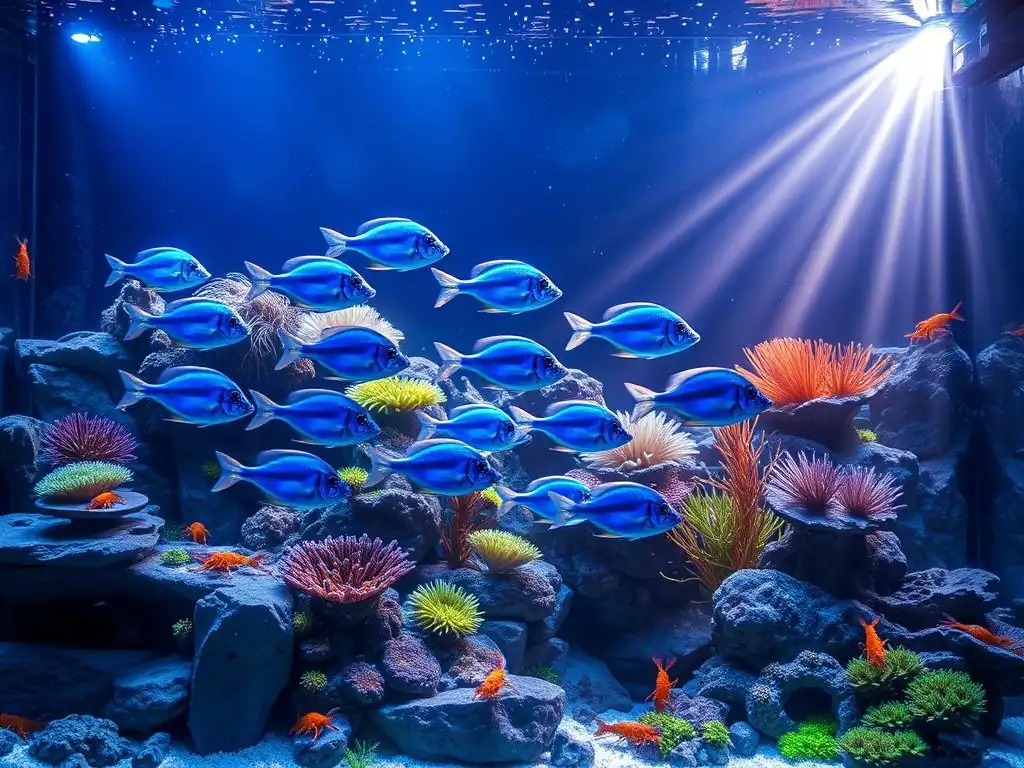
Welcome to Aquarium Mastery! Ever dreamed of witnessing the vibrant dance of life unfold in your own saltwater haven? Get ready to dive deep into the captivating world of Wrasse spawning! This article reveals essential Wrasse spawning aquarium setup tips that can help you create the perfect environment and, if you're lucky, observe this rare and beautiful spectacle firsthand. Intrigued? Let's unlock the secrets to encouraging these fascinating fish to breed in your home aquarium…
- Introduction: Witnessing the Wrasse Spawning Ritual
- Understanding Wrasse Reproductive Behavior
- Preparing Your Aquarium for Wrasse Spawning: Wrasse Spawning Aquarium Setup Tips
- Wrasse Spawning Aquarium Setup Tips: Essential Equipment and Considerations
- Triggering Wrasse Spawning in Your Aquarium
- Identifying Wrasse Eggs and Fry
- Raising Wrasse Fry: A Delicate Process
- Challenges and Solutions in Wrasse Spawning
- Documenting Your Wrasse Spawning Experience
- Conclusion: The Rewards of Witnessing Wrasse Spawning
-
Frequently Asked Questions
- How difficult is it to successfully spawn wrasse in a home aquarium?
- What are the most crucial water parameters for a wrasse spawning aquarium?
- What size aquarium is generally recommended for attempting wrasse spawning?
- What kind of rockscape and substrate should be used in a wrasse spawning aquarium?
- What specific foods should be provided to wrasse to encourage spawning?
- Final Reflection: Witnessing Life's Delicate Dance
- Dive Deeper: Transform Your Aquarium into a Wrasse Wonderland!
Introduction: Witnessing the Wrasse Spawning Ritual
Witnessing the intricate and often fleeting ritual of wrasse spawning in a home aquarium is a truly remarkable event, reserved for the most dedicated and observant aquarists. These vibrant marine fish, known for their dazzling colors and active personalities, exhibit complex reproductive behaviors that are rarely seen outside their natural reef habitats. The journey to encourage and observe wrasse reproduction is challenging but immensely rewarding, offering an unparalleled glimpse into the life cycle of these fascinating creatures.
This article delves into the specifics of preparing your marine tank, optimizing environmental conditions, and understanding the subtle cues that can lead to a successful wrasse spawning spectacle. From precise water parameters to specialized feeding regimens, we will explore the essential wrasse spawning aquarium setup tips necessary to create an environment conducive to breeding these elusive fish.
Understanding Wrasse Reproductive Behavior
Wrasses, a diverse family encompassing over 500 species, typically exhibit pelagic spawning, releasing their eggs and sperm into the water column to drift with currents. Many species are sequential hermaphrodites, often starting as females and transitioning to males later in life, a characteristic that adds complexity to their breeding dynamics. Their courtship rituals often involve elaborate displays of color intensification and specific swimming patterns, particularly during dusk or dawn.
The Nuances of Wrasse Spawning in Captivity
Successful wrasse spawning in captivity is a significant achievement, often hindered by the specific requirements of these delicate fish. Unlike some other aquarium inhabitants, many wrasse species are pelagic spawners, releasing microscopic eggs into the open water. These eggs are then highly susceptible to filtration systems, predation by tank mates, or simply being overlooked due to their minute size, often less than 1.0 mm in diameter. For instance, species like the Leopard Wrasse ( Macropharyngodon choati) are notably shy, and their delicate nature makes successful courtship and gamete release a rare occurrence in the confines of a home aquarium.
Furthermore, wrasses often form harems in the wild, with a dominant male overseeing several females. Replicating this social structure accurately, combined with providing sufficient space for the male's elaborate "nuptial dance" or "spawning rush," is critical. Observations of species like Flasher Wrasses ( Paracheilinus spp.) show that a male might court multiple females over weeks, exhibiting rapid color changes and fin flaring before a successful spawn. This intricate behavioral sequence requires an environment free from undue stress and aggression, making the wrasse spawning aquarium setup tips vital for success.
Why Wrasse Spawning is a Rare Event in Home Aquariums
The rarity of wrasse spawning in home aquariums stems from a combination of environmental and behavioral challenges. Tank size limitations often prevent the fish from performing their natural courtship rituals, which can involve significant vertical ascents and horizontal chases. Additionally, replicating the precise environmental cues found on natural reefs—such as specific currents, tidal cycles, and the availability of diverse live foods—is notoriously difficult. Many wrasse species, including the popular Six-Line Wrasse ( Pseudocheilinus hexataenia), require exceptionally stable and pristine water chemistry, with even minor fluctuations in parameters like pH or salinity potentially inhibiting reproductive readiness.
Moreover, the highly specialized dietary needs of wrasse larvae pose an immense hurdle. The fry are often microscopic and require specific live foods, such as rotifers and copepod nauplii, cultured to a precise size and nutritional profile. The vast majority of wrasse species (over 99%) have not been successfully bred in captivity due to these complex requirements, with only a handful of genera, primarily Paracheilinus and Cirrhilabrus, showing sporadic captive breeding success. This highlights the immense difficulty and the specialized knowledge required for wrasse spawning, making it a truly exceptional event for any aquarist to witness.
Preparing Your Aquarium for Wrasse Spawning: Wrasse Spawning Aquarium Setup Tips
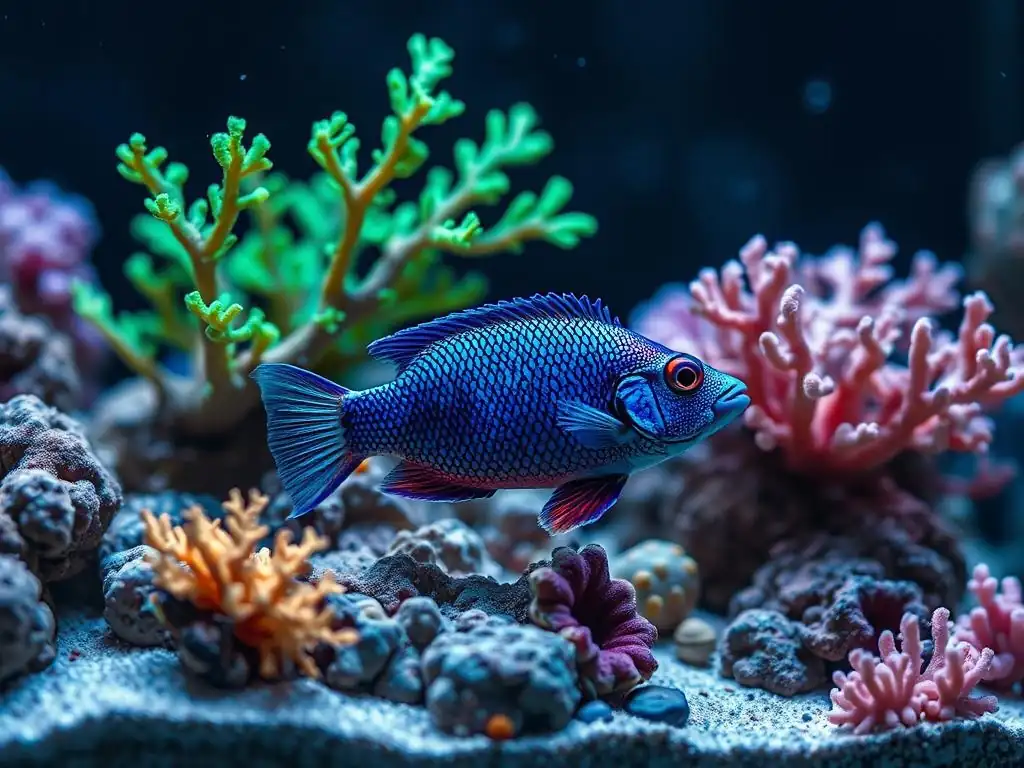
Preparing your aquarium for wrasse spawning requires meticulous attention to detail, focusing on mimicking the natural conditions that trigger reproductive behavior in these fascinating fish. This involves optimizing water parameters, creating a suitable physical environment, and carefully selecting compatible species.
Optimizing Water Parameters for Wrasse Breeding
Maintaining pristine and stable water parameters is paramount for encouraging wrasse spawning. Salinity should be kept consistently between 1.025 and 1.026 specific gravity, mirroring natural reef conditions. Temperature is also critical, ideally maintained within a narrow range of 78-80°F (25.5-26.7°C). Fluctuations of more than 1°F should be avoided, as they can stress the fish and inhibit breeding. Other vital parameters include pH (8.1-8.4), alkalinity (8-12 dKH), calcium (400-450 ppm), and magnesium (1200-1350 ppm). Consistent monitoring with reliable test kits and prompt adjustments are essential for reproductive success.
Beyond these core parameters, low nutrient levels are crucial for the overall health and reproductive readiness of wrasses. Nitrate levels should ideally be maintained below 5 ppm, and phosphates as close to zero as possible. This necessitates robust protein skimming, efficient mechanical filtration, and regular, small water changes—typically 10-20% weekly—using high-quality reverse osmosis/deionized (RO/DI) water mixed with a premium marine salt. Such rigorous water quality management forms the cornerstone of effective wrasse spawning aquarium setup tips.
Creating a Suitable Environment for Wrasse Reproduction
The physical layout and maturity of the aquarium play a significant role in promoting wrasse spawning. A well-designed environment provides both security and opportunities for natural behaviors.
Providing Ample Space and Hiding Spots
Wrasses, especially during courtship, require substantial open swimming space for their elaborate displays. For a breeding pair or small group of medium-sized wrasses, a tank of at least 120 gallons (approximately 450 liters) is highly recommended. This generous volume allows for territorial establishment among individuals and reduces aggression, which is vital for minimizing stress and encouraging successful wrasse spawning. Adequate space ensures that the male can perform his "spawning rush" without feeling confined, a critical aspect of their reproductive ritual.
Equally important is the provision of numerous hiding spots and secure sleeping areas. Many wrasse species, particularly those in the Halichoeres and Macropharyngodon genera, bury themselves in the sand at night or when startled. A deep sand bed, at least 3-4 inches (7-10 cm) of fine aragonite sand, is essential for these burrowing behaviors. Live rock formations with plenty of caves, crevices, and overhangs offer additional security and reduce overall stress, allowing the fish to feel safe enough to engage in reproductive activities.
Simulating Natural Reef Conditions
Simulating natural reef conditions goes beyond basic water parameters and includes aspects like water flow and lighting. Wrasses often inhabit areas of strong surge and currents on natural reefs, and replicating this with appropriate powerheads can stimulate natural behaviors and aid in egg dispersal for pelagic spawners. Aim for a total water flow of 10-20 times the tank volume per hour; for example, a 100-gallon tank might benefit from 1000-2000 GPH of circulation provided by multiple strategically placed powerheads.
A mature reef environment, rich in diverse microfauna, also contributes significantly to a wrasse's well-being and reproductive readiness. A well-established tank with live rock and sand provides natural foraging opportunities for the wrasses, supplementing their diet and reducing stress. Consider incorporating a refugium with beneficial macroalgae (e.g., Chaetomorpha) to enhance water quality and provide a stable micro-ecosystem, further contributing to the success of your wrasse spawning aquarium setup tips.
Selecting Compatible Wrasse Species for Spawning
When aiming for wrasse spawning, the choice of species is paramount. Focus on smaller, more adaptable wrasse species that have shown occasional success in captive breeding, such as certain Flasher Wrasses ( Paracheilinus spp.) or Fairy Wrasses ( Cirrhilabrus spp.). While still challenging, these genera offer a higher probability of success compared to larger or highly specialized wrasses. For example, Cirrhilabrus exquisitus and Paracheilinus cyaneus have been documented to spawn in home aquariums, albeit infrequently. Thorough research into the specific reproductive habits and social structures of your chosen species is crucial.
It is also vital to acquire healthy, well-conditioned individuals, ideally a male and two or three females to form a small harem, which is often the natural social structure for many wrasse species. All new arrivals should undergo a strict quarantine period of at least 4-6 weeks in a separate tank to prevent the introduction of diseases or parasites into the main breeding system. Furthermore, ensure that the selected wrasse species are compatible with each other and any existing tank mates, as aggression or excessive competition can severely inhibit reproductive behaviors and overall success in wrasse spawning.
Wrasse Spawning Aquarium Setup Tips: Essential Equipment and Considerations
Beyond the general environmental setup, specific equipment choices and ongoing maintenance practices are crucial components of effective wrasse spawning aquarium setup tips. These elements directly impact water quality, stability, and the ability to trigger and sustain breeding behaviors.
Choosing the Right Tank Size and Filtration System
For any serious attempt at wrasse spawning, tank size is a primary consideration. While some small wrasses might theoretically breed in tanks as small as 40-50 gallons, a minimum of 75 gallons (approximately 280 liters) is generally recommended for a single specimen, and for a breeding pair or small group, a 120-gallon (450-liter) or larger system is highly advisable. This expanded volume provides ample swimming room for courtship displays, helps diffuse aggression, and offers greater stability in water parameters, which are all critical for successful wrasse reproduction.
Complementing the appropriate tank size is a robust and efficient filtration system. A large protein skimmer, rated to process 2-3 times the tank volume per hour, is indispensable for removing organic waste and maintaining exceptionally low nutrient levels. A well-designed sump provides additional water volume, increasing overall system stability, and offers space for essential equipment like heaters, skimmers, and return pumps. Incorporating a refugium within the sump can further enhance water quality by growing beneficial macroalgae, which consume nitrates and phosphates, contributing significantly to optimal wrasse spawning conditions.
Implementing Proper Lighting for Spawning Triggering
Lighting plays a subtle yet important role in triggering wrasse spawning. A consistent photoperiod, typically 10-12 hours of light followed by 12-14 hours of darkness, is generally recommended to establish a stable day-night cycle.
However, some aquarists have found success by mimicking natural seasonal changes, such as gradually extending the daylight period by an hour or two (e.g., to 13-14 hours) during what would be the natural breeding season for the species. Programmable LED lighting systems that simulate gradual sunrise and sunset transitions can be particularly beneficial, as they reduce stress from sudden light changes and more accurately replicate natural light cycles.
While wrasses do not necessarily require extremely high PAR levels for spawning, a full-spectrum light that supports healthy coral growth (if corals are present) and provides adequate illumination for the fish's visual cues is advantageous. The quality of light can influence coloration, which is vital for courtship displays. Avoiding sudden changes in light intensity or spectrum is crucial, as such abrupt shifts can stress the fish and inhibit reproductive behavior, making careful management of the lighting schedule a key part of your wrasse spawning aquarium setup tips.
Maintaining Water Quality for Optimal Spawning Success
Consistent and impeccable water quality is the bedrock of successful wrasse spawning. Daily monitoring of key parameters such as temperature, salinity, and pH is essential to catch any deviations quickly. Weekly testing for nitrates, phosphates, alkalinity, calcium, and magnesium provides a comprehensive overview of the tank's chemical balance. Any necessary adjustments should be made gradually to avoid shocking the fish.
Regular water changes are the most effective way to export accumulated nutrients and replenish trace elements. Consistent small water changes, for example, 10% weekly, are often more beneficial than larger, less frequent ones, as they maintain greater stability in water chemistry. While not always necessary, some experienced breeders find that maintaining optimal levels of trace elements, which are naturally found in seawater, can support the overall health and reproductive vigor of their wrasses. However, over-supplementation can be detrimental, so precise testing and careful, measured dosing are critical for achieving optimal water quality in your wrasse spawning aquarium setup.
Triggering Wrasse Spawning in Your Aquarium
Once your wrasse spawning aquarium setup is optimized, the next step involves actively encouraging the fish to breed by mimicking natural spawning cues. This often requires patience and a keen eye for subtle behavioral changes.
Mimicking Natural Spawning Cues
Successfully triggering wrasse spawning often hinges on carefully replicating the environmental cues that stimulate reproduction in their natural habitat. This involves manipulating temperature, light cycles, and diet to signal that conditions are ideal for breeding.
Temperature Fluctuations and Light Cycles
A slight, gradual increase in water temperature can often act as a powerful spawning trigger for many marine fish, including wrasses. Mimicking seasonal warming by raising the temperature by 1-2°F (0.5-1°C) over several days can encourage reproductive activity. For example, a stable temperature of 78°F (25.5°C) might be gradually increased to 79.5°F (26.4°C) and held there for a week or two. This subtle change can signal to the fish that breeding season has arrived.
Beyond consistent photoperiods, some breeders experiment with slightly longer daylight hours (e.g., 13-14 hours) or specific light spectrums during the period when spawning is desired. The use of programmable LED lights that provide a gradual "sunrise" and "sunset" can further enhance natural behavior, particularly during the crepuscular hours when many wrasses spawn. A blue-heavy spectrum during these dawn and dusk transitions can be particularly effective in simulating the ambient light conditions on natural reefs, contributing to successful wrasse spawning.
Introducing a Variety of High-Quality Foods
A diet rich in high-quality, varied, and nutrient-dense foods is absolutely paramount for conditioning wrasses for spawning. Fish that are well-fed and in peak physical condition are far more likely to engage in reproductive activities. This includes a consistent supply of live foods such as enriched brine shrimp, copepods (e.g., Tisbe or Apocyclops), and live mysis shrimp. Frozen foods like cyclop-eeze, various marine preparations, and finely chopped seafood (e.g., shrimp, squid) should also be offered regularly. Feeding multiple small meals throughout the day (e.g., 3-4 times) ensures constant nutrient intake and keeps the fish in prime breeding condition.
Furthermore, these foods should be enriched with essential vitamins and highly unsaturated fatty acids (HUFA) to boost the wrasses' reproductive health and egg quality. Soaking frozen foods in products like Selcon, Vita-Chem, or other liquid vitamin supplements prior to feeding can significantly enhance their nutritional value. This superior nutrition directly impacts the fish's readiness to spawn, providing the energetic reserves needed for gamete production and courtship, making it a critical component of effective wrasse spawning aquarium setup tips.
Observing Courtship and Spawning Behaviors
Observing the subtle yet distinct courtship and spawning behaviors of wrasses requires patience and attentiveness. Males often undergo dramatic color intensification, displaying their most vibrant hues to attract females. They may engage in "flashing," which involves rapid, iridescent color changes, or perform specific swimming patterns such as vertical "dances" or rapid chases around the tank. Females, in response, may appear visibly plumper due to developing eggs. These courtship displays can last for several days or even weeks before actual spawning occurs.
The actual spawning act for most wrasses involves a rapid "spawning rush" or "nuptial ascent" towards the water surface, where eggs and sperm are simultaneously released into the water column. This event typically occurs at dusk or dawn, lasting only a few seconds. For example, a pair of Flasher Wrasses might perform several such rushes over a 10-15 minute period, releasing hundreds to thousands of microscopic eggs. Recognizing these fleeting moments is crucial for any attempt to collect the eggs and proceed with raising the fry, marking a pinnacle of success in wrasse spawning.
Identifying Wrasse Eggs and Fry
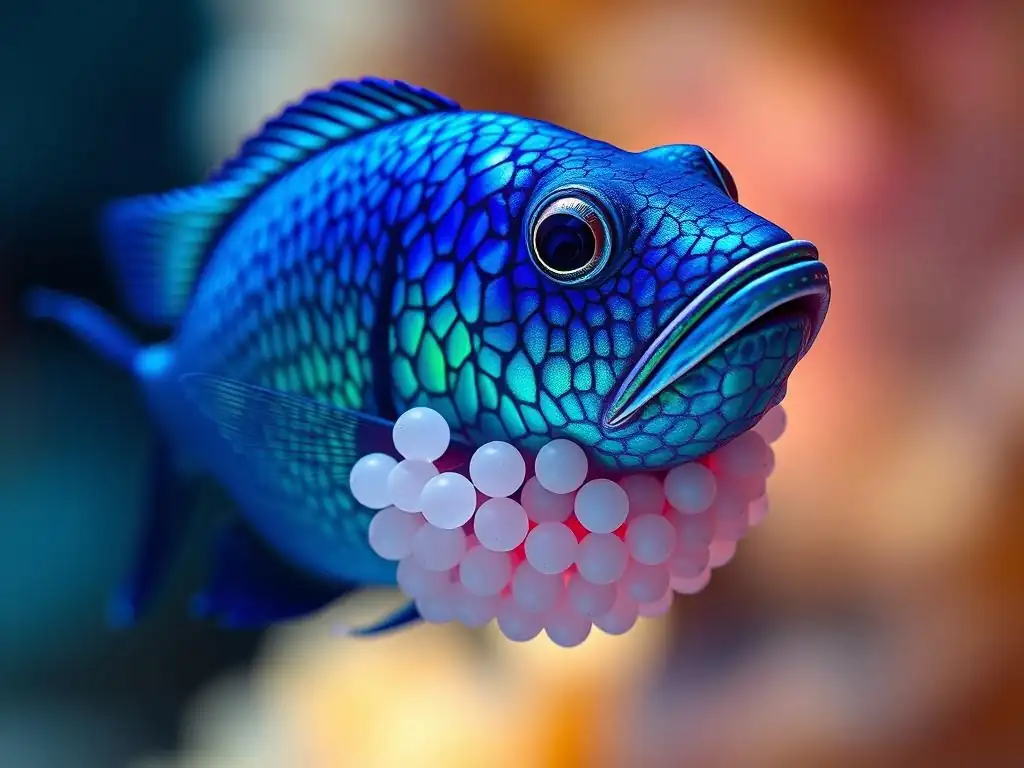
Following a successful spawning event, the next challenge lies in identifying the minuscule wrasse eggs and, subsequently, the even tinier fry. This stage requires quick action and specialized observation techniques.
Recognizing the Signs of Successful Spawning
Wrasse eggs are typically pelagic, meaning they float freely in the water column, usually near the surface. They are incredibly small, often measuring between 0.5 and 1.0 mm in diameter, and are clear or translucent, making them extremely difficult to spot with the naked eye. A strong flashlight shone through the water column, especially immediately after a suspected spawning event at dusk, can sometimes reveal tiny, shimmering specks. Post-spawning, the female wrasse's abdomen will appear noticeably thinner, indicating that eggs have been released.
Since adult wrasses exhibit no parental care and will readily consume their own eggs, swift action is required to collect them. Many breeders will dim the tank lights immediately after observing a spawning rush and then carefully siphon the surface water into a separate container. The presence of these tiny, clear spheres in the collected water is the definitive sign of a successful wrasse spawning event. This immediate collection is vital, as the eggs are highly vulnerable to predation by virtually all tank inhabitants.
Protecting Wrasse Eggs from Predation
In a community aquarium, wrasse eggs face immediate and overwhelming predation pressure from all tank inhabitants, including the parent wrasses themselves, other fish, and even invertebrates like corals or anemones. Without intervention, the survival rate of these pelagic eggs in a display tank is virtually zero. Even the most carefully executed wrasse spawning aquarium setup tips will not prevent this inherent predation.
The most effective method for protecting wrasse eggs is immediate removal from the main display tank. This can be achieved by gently siphoning the surface water into a dedicated collection container or a separate larval rearing tank. Some advanced breeding setups utilize specialized egg collectors or overflows designed to skim the surface water, where the pelagic eggs concentrate, into an external sump or container. This technique, often employed in public aquariums, ensures that the delicate eggs are safely transferred away from hungry predators, maximizing the chances of successful hatching and subsequent wrasse spawning efforts.
Raising Wrasse Fry: A Delicate Process
Raising wrasse fry is arguably the most challenging aspect of captive wrasse breeding, demanding meticulous care, specialized equipment, and a consistent supply of live, microscopic foods.
Setting Up a Dedicated Fry Tank
A dedicated fry tank is essential for raising wrasse larvae. This tank should be small, typically 5-10 gallons (19-38 liters), to make it easier to manage water quality and ensure the tiny fry have access to their food. It should be bare-bottomed to facilitate cleaning and prevent the accumulation of detritus that can harbor harmful bacteria.
Filtration should be minimal and extremely gentle; a simple air stone for circulation or a small, air-driven sponge filter is usually sufficient, as powerful filters can easily suck in or harm the microscopic fry. Initial water for the fry tank should be taken directly from the established spawning tank to minimize environmental shock.
Maintaining stable environmental controls identical to the spawning tank is crucial. Temperature, salinity, and pH must be kept constant within their optimal ranges. Dim lighting is often preferred during the initial stages to reduce stress on the newly hatched larvae. A secure lid is absolutely essential, as wrasse fry are incredibly small and can easily jump or be displaced from the water. This meticulous setup is a critical component of successful wrasse spawning efforts.
Providing Appropriate Food and Care for Wrasse Fry
The most significant hurdle in raising wrasse fry is providing appropriately sized and nutritionally complete live food from the moment they hatch. Wrasse larvae are typically planktivorous and possess extremely small mouths, requiring microscopic prey as their first food source.
Culturing Rotifers and Other Microfoods
Rotifers, specifically Brachionus plicatilis, are generally the first food offered to newly hatched wrasse fry, typically within 24-48 hours of hatching. A consistent and robust culture of rotifers, which are continuously enriched with Highly Unsaturated Fatty Acids (HUFA) and vitamins, is absolutely essential for their survival and development. Without a reliable supply of appropriately sized and nutritious rotifers, wrasse fry survival rates are virtually zero. This often requires maintaining multiple rotifer cultures simultaneously to ensure a continuous supply.
As the fry grow, their diet must gradually transition to larger live foods. This progression typically involves copepod nauplii, followed by newly hatched brine shrimp nauplii, and eventually finely crushed flake or pellet foods as they mature. This dietary transition can be challenging and requires careful observation of the fry's mouth size and feeding behavior. The high mortality rates often associated with wrasse fry, sometimes less than 1% survival through metamorphosis, are primarily due to difficulties in providing adequate and appropriate nutrition at each developmental stage, underscoring the complexity of wrasse spawning.
Maintaining Water Quality in the Fry Tank
Maintaining pristine water quality in a small fry tank is particularly challenging due to the high feeding rates required to sustain the larvae and the rapid accumulation of waste. Ammonia and nitrite can quickly become toxic in such small volumes. Daily small water changes, typically 10-20% of the tank volume, are critical. This water should be aged and conditioned, ideally from the main display system or a separate aged water reservoir, to ensure consistency and minimize stress.
Regular cleaning of the bare-bottom tank is also necessary. Uneaten food and waste should be gently siphoned from the bottom daily using a small airline tube, taking extreme care not to siphon out the delicate fry. Gentle aeration from an air stone is important to ensure adequate oxygenation without creating strong currents that could harm the tiny larvae. Maintaining these strict hygiene protocols is fundamental to preventing disease outbreaks and ensuring the best possible conditions for the delicate wrasse fry, a key aspect of successful wrasse spawning.
Challenges and Solutions in Wrasse Spawning
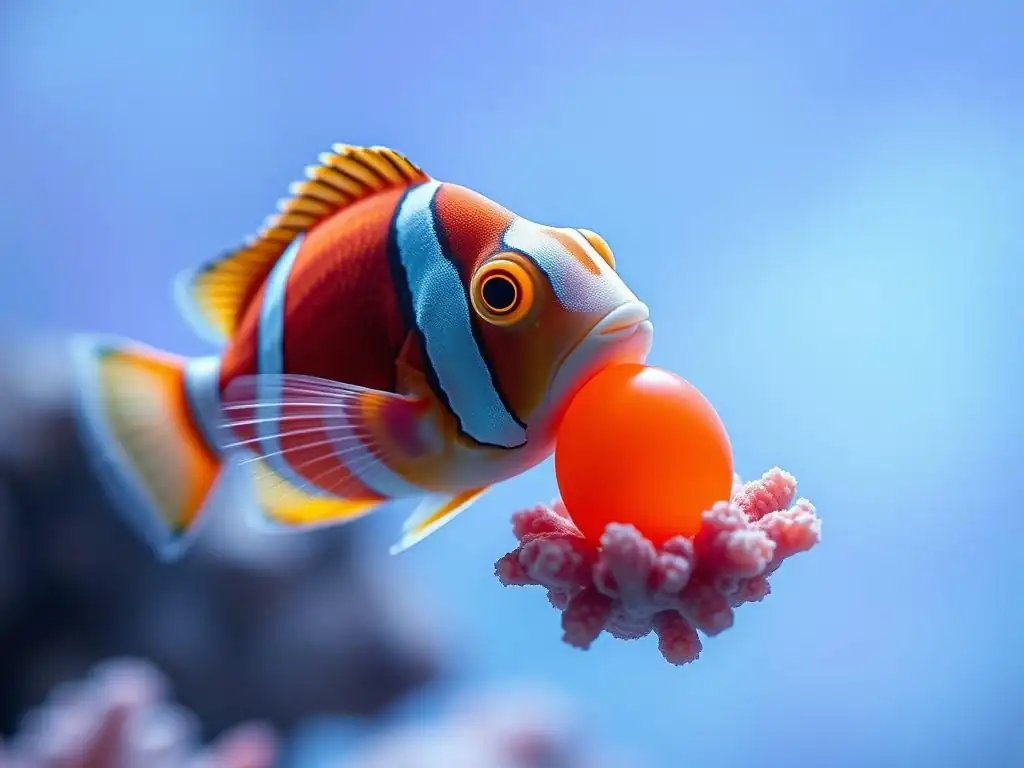
Despite meticulous preparation and care, attempting wrasse spawning in a home aquarium presents numerous challenges. Understanding these common issues and their potential solutions is vital for any aquarist embarking on this advanced endeavor.
Addressing Common Issues in Captive Wrasse Breeding
One of the most common issues in captive wrasse breeding is the lack of spawning despite seemingly ideal conditions. This can often be attributed to insufficient conditioning of the parent fish. A solution involves intensifying the feeding regimen with a wider variety of high-quality, protein-rich live and frozen foods, enriched with vitamins and HUFAs, for several weeks or even months.
Another issue is low egg viability, where eggs are produced but do not hatch. This often points to poor water quality during gamete development or a lack of specific micronutrients in the parents' diet. Ensuring pristine water parameters, consistent salinity, and supplementing trace elements can help.
Furthermore, fungal infections on eggs are a frequent problem, especially if water quality is not optimal or if eggs are not immediately removed from the spawning tank. Maintaining extremely low nutrient levels and providing gentle water flow around the collected eggs can mitigate this. Finally, high fry mortality is a persistent challenge, even after successful hatching.
The primary solution lies in a consistent and abundant supply of appropriately sized, highly nutritious live foods, such as enriched rotifers and copepod nauplii, coupled with meticulous water quality management in the fry tank. Addressing stress by ensuring compatible tank mates and ample hiding spots for the adults is also crucial for overall breeding success in wrasse spawning.
Troubleshooting Spawning Failures
If your wrasses are not spawning, despite your best wrasse spawning aquarium setup tips, a systematic troubleshooting approach is necessary. First, reassess the social structure of your wrasse group. Do you have a confirmed male and at least one, preferably two or three, healthy females? Sometimes, simply adding another female can stimulate a previously inactive male to begin courtship. Next, re-evaluate all water parameters: are they stable, and are they within the optimal range for the specific wrasse species you are attempting to breed? Even slight, consistent deviations can inhibit reproduction.
Examine the diet meticulously. Is it varied enough, and are the fish receiving sufficient quantities of nutrient-dense foods? Consider increasing the frequency of live food offerings.
Experiment with subtle environmental changes: a slight increase in water flow, a minor temperature fluctuation (e.g., 1-2°F increase), or an extended period of darkness (e.g., 14 hours of darkness instead of 12) can sometimes act as a trigger. Observe the fish closely for any signs of stress, aggression, or disease that might be inhibiting their reproductive drive. Patience is paramount, as some wrasse species may take many months or even years to fully condition and feel secure enough to spawn in a captive environment.
Preventing Disease Outbreaks in the Breeding Aquarium
Preventing disease outbreaks is paramount in a breeding aquarium, as the stress of spawning and the delicate nature of fry make them highly susceptible to pathogens. All new fish intended for breeding should undergo a strict quarantine period of at least 4-6 weeks in a separate observation tank.
This practice is crucial for preventing the introduction of common parasites like marine ich ( Cryptocaryon irritans), velvet ( Amyloodinium ocellatum), or bacterial infections, which can rapidly devastate a breeding program. During quarantine, observe the fish closely for any signs of illness and treat them as necessary before introducing them to the main breeding system.
Maintaining impeccable hygiene within the breeding aquarium is also fundamental. Regular tank maintenance, including daily siphoning of detritus from the sand bed, cleaning of filtration components, and performing consistent small water changes, is essential. Avoid overfeeding, as excess food can quickly degrade water quality and contribute to bacterial blooms, creating an environment ripe for disease. A healthy, stable, and clean environment, combined with preventative measures, is the best defense against disease and significantly increases the chances of successful wrasse spawning.
Documenting Your Wrasse Spawning Experience
Documenting your wrasse spawning experience is not only personally rewarding but also provides invaluable data for the broader aquarium community. Given the rarity of these events, every observation contributes to our collective understanding.
Recording Observations and Data
Maintaining detailed records of your wrasse spawning journey is crucial. This should include daily logs of key water parameters such as temperature, salinity, pH, alkalinity, calcium, magnesium, nitrates, and phosphates. Document your feeding regimen, including the types of food offered, frequency, and any supplementation.
Most importantly, record all observed courtship and spawning behaviors: note the specific time of day, the duration of displays, the male's coloration changes, and the exact timing of any spawning rushes. For instance, documenting a Paracheilinus cyaneus spawning event might include noting the male's intensified blue and red coloration and the precise time of the "spawning rush" at 6:30 PM, releasing an estimated 500-1000 eggs.
Beyond the adults, meticulously record data related to eggs and fry. Note the estimated number of eggs, their size, and the time to hatching. For the fry, document their initial feeding success, the types and quantities of live food consumed, growth rates, and any instances of mortality. This comprehensive data helps identify patterns, troubleshoot issues in subsequent attempts, and provides a valuable reference for future wrasse spawning efforts.
Given the limited success rates for wrasse spawning in captivity, sharing your observations and successes (or even challenges) is incredibly valuable for the entire aquarist community. Online forums, dedicated marine breeding groups, and local aquarium clubs are excellent platforms for disseminating your findings. While you cannot include images or videos in this article, you can describe the visual aspects of the spawning behavior and fry development in detail.
Sharing your wrasse spawning aquarium setup tips, feeding protocols, and troubleshooting steps can inspire and guide other aquarists attempting similar feats. This open exchange of knowledge contributes significantly to the collective understanding of wrasse reproduction, potentially leading to breakthroughs for other species and reducing the hobby's reliance on wild-caught fish. Your documented experience, no matter how small, adds to the growing body of knowledge on sustainable marine aquaculture.
Conclusion: The Rewards of Witnessing Wrasse Spawning
Witnessing wrasse spawning in your home aquarium is a truly unique and profound experience, offering insights into the natural world that few aquarists ever achieve. It represents the pinnacle of dedication and care in marine fishkeeping.
Contributing to Wrasse Conservation Through Captive Breeding
Successfully breeding wrasses in captivity, even on a small scale, contributes significantly to marine conservation efforts. Many wrasse species are collected from delicate coral reef ecosystems, and increased demand from the aquarium trade can put pressure on wild populations. Each successful wrasse spawning event in a home aquarium helps to reduce this reliance on wild-caught fish, promoting more sustainable practices within the hobby.
While captive breeding of wrasses remains exceptionally challenging, continued efforts, driven by dedicated aquarists, hold the potential for significant breakthroughs. By refining wrasse spawning aquarium setup tips and breeding techniques, the hobby can move closer to establishing self-sustaining populations of popular aquarium species. This not only benefits the environment but also ensures the long-term availability of these beautiful fish for future generations of aquarists.
Enjoying the Unique Spectacle of Wrasse Reproduction in Your Home Aquarium
Beyond the conservation aspect, the personal reward of witnessing wrasse reproduction is immense. The intricate courtship dances, the fleeting moment of gamete release, and the subsequent appearance of microscopic fry offer a rare and captivating spectacle within the confines of your own home. It deepens your understanding of marine life and fosters a profound connection to the delicate balance of a reef ecosystem.
While the journey of attempting wrasse spawning is demanding, requiring significant investment in time, resources, and patience, the educational value and the sheer joy of observing these natural wonders are unparalleled. It transforms your aquarium from a mere display into a dynamic, living ecosystem, offering a unique and unforgettable glimpse into the reproductive cycle of one of the ocean's most charismatic fish.
Frequently Asked Questions
How difficult is it to successfully spawn wrasse in a home aquarium?
Wrasse spawning in a home aquarium is considered quite challenging. It requires a very specific environment and a deep understanding of wrasse behavior. Success is rare, even for experienced aquarists.
What are the most crucial water parameters for a wrasse spawning aquarium?
Maintaining pristine water quality is paramount. Key parameters include stable temperature, low nitrates, and proper salinity levels, mirroring their natural reef environment.
What size aquarium is generally recommended for attempting wrasse spawning?
A larger aquarium is strongly recommended. A tank of at least 75 gallons or more provides the necessary space and stability for these active fish and potential spawning behaviors.
What kind of rockscape and substrate should be used in a wrasse spawning aquarium?
The aquarium should mimic a natural reef environment. This includes a complex rock structure for hiding and territorial displays, along with a fine sand substrate for natural digging behaviors.
What specific foods should be provided to wrasse to encourage spawning?
A varied diet is crucial. This should include high-quality frozen foods, live foods like copepods and brine shrimp, and nutrient-rich flakes to ensure the wrasse are healthy and ready to spawn.
Final Reflection: Witnessing Life's Delicate Dance
The journey into understanding and replicating the conditions for wrasse spawning in a home aquarium, as we've explored, is more than just a technical exercise; it's a testament to our ability to connect with the intricate rhythms of the natural world. The meticulous planning, the careful observation, and the sheer dedication required highlight a deeper appreciation for the delicate balance of life within our glass boxes and, by extension, the oceans they represent.
This endeavor, while challenging, underscores the profound impact we can have on preserving and understanding marine biodiversity. The ability to witness such a rare and beautiful event firsthand fosters a sense of responsibility and wonder that transcends the hobby itself. It reminds us that even within the confines of our homes, we can contribute to a greater understanding of the ocean's mysteries. In the end, we will conserve only what we love; we will love only what we understand; and we will understand only what we are taught.
- Baba Dioum
As you consider the possibility of creating your own wrasse spawning haven, remember that you are not just building an aquarium; you are cultivating an ecosystem, a microcosm of the ocean's vibrant tapestry. Embrace the challenge, learn from your experiences, and share your knowledge with others. Let the spectacle of wrasse spawning inspire you to become a steward of the marine environment, ensuring that future generations can also witness the beauty and wonder of life's delicate dance.
Dive Deeper: Transform Your Aquarium into a Wrasse Wonderland!
Thank you for exploring the fascinating world of wrasse spawning! We hope this article has sparked your curiosity and provided valuable insights into the possibility of witnessing this rare event in your home aquarium. Now, let's turn that knowledge into action!
Here's how you can take the next steps:
- Prioritize creating a thriving environment: Closely monitor water parameters and ensure optimal conditions tailored to wrasse species.
- Consider joining the Aquarium Mastery community forum to share your experiences, ask questions, and connect with other passionate aquarists.
- Research compatible tank mates and their impact on wrasse spawning behaviors to further optimize your aquarium's ecosystem.
What innovative aquascaping techniques might you employ to encourage spawning behavior in your wrasse?