
Can Dragonets Survive in a New Nano Tank? The Crucial Seeding Process

Welcome to Aquarium Mastery!
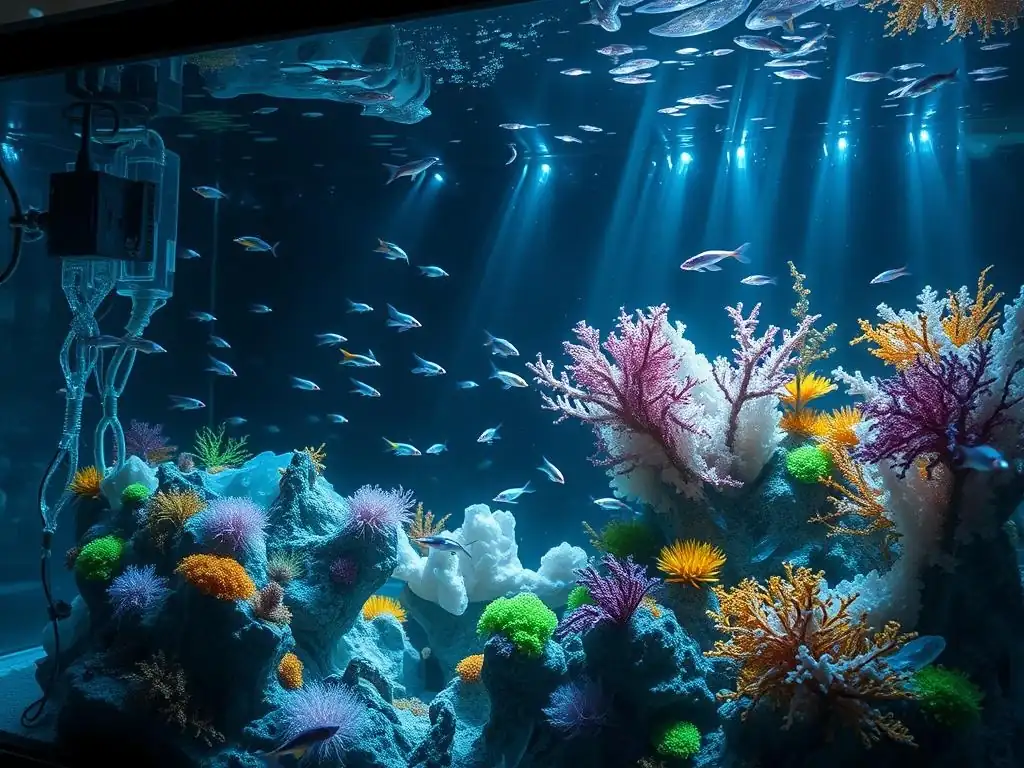
Ever wondered if you could create a thriving ecosystem for a Dragonet in a nano tank, even right from the start? The answer lies in understanding the critical Dragonet tank seeding process. Dive in to discover how to build a vibrant, sustainable environment that gives these stunning fish the best chance to flourish. Are you ready to unlock the secrets?
- Understanding the Dragonet's Delicate Ecosystem Needs in Nano Reefs
- What is the Dragonet Tank Seeding Process and Why is it Important?
-
Step-by-Step Guide to Seeding a Nano Tank for Dragonets
- Step 1: Selecting Appropriate Live Rock and Substrate for Seeding
- Step 2: Introducing a Starter Culture of Beneficial Bacteria
- Step 3: Adding Microfauna: Copepods, Amphipods, and Other Invertebrates
- Step 4: Monitoring Water Parameters During the Seeding Phase
- Step 5: Slowly Introducing the Dragonet to the Established Nano Reef
- Key Water Parameters for a Thriving Dragonet Nano Tank
- Selecting the Right Dragonet Species for Nano Reef Aquariums
- Feeding Dragonets in a Seeded Nano Tank: Ensuring Nutritional Needs are Met
- Common Problems and Solutions in Dragonet Nano Reefs
- Long-Term Maintenance of a Seeded Dragonet Nano Reef
- Conclusion: The Key to Dragonet Success in Nano Reef Aquariums
-
Frequently Asked Questions
- How long should I seed my nano tank before introducing a Dragonet?
- What is the "seeding process" for a Dragonet tank?
- Can I skip the seeding process if I feed my Dragonet frozen food?
- How do I know if my nano tank is properly seeded for a Dragonet?
- What happens if I introduce a Dragonet to a nano tank that hasn't been properly seeded?
- Final Reflection: Cultivating Life in Miniature
- Ignite Your Nano Tank Dream!
Understanding the Dragonet's Delicate Ecosystem Needs in Nano Reefs
The Challenge of Keeping Dragonets in Small Aquariums
Dragonets, particularly popular species like the Mandarin Dragonet ( Synchiropus splendidus), are highly specialized feeders. In their natural habitat, they spend their entire day meticulously sifting through live rock and sand, grazing on minute invertebrates such as copepods and amphipods.
This constant foraging behavior is driven by a high metabolic rate and a digestive system designed for continuous, small intake of live prey. In a nano aquarium, typically defined as tanks under 30 gallons, the limited volume and surface area inherently restrict the natural proliferation of these essential microfauna, making it exceptionally challenging to sustain a dragonet without a robust, mature ecosystem.
The primary hurdle in keeping dragonets in smaller systems is providing an adequate, consistent food supply. Unlike many fish that readily accept prepared foods, most dragonets are obligate microfauna grazers. A newly set up or insufficiently established nano tank simply does not possess the biological maturity or the sheer quantity of live rock and substrate required to support the dense populations of copepods and amphipods that a single dragonet consumes daily. Without a proper "Dragonet tank seeding process," these fish often succumb to starvation within weeks or a few months, even if water parameters appear stable.
Why a Stable Nano Reef is Essential for Dragonet Survival
A stable nano reef environment is not merely about maintaining pristine water chemistry; it encompasses a fully mature biological filtration system and a thriving, self-sustaining food web. For dragonets, stability means a consistent supply of live food and minimal environmental stress. A tank that has undergone a thorough "Dragonet tank seeding process" provides a bedrock of beneficial bacteria that efficiently processes waste, preventing toxic ammonia and nitrite spikes. This stable foundation allows the delicate microfauna to reproduce without interruption, ensuring a continuous food source.
Beyond just food, a stable ecosystem offers refugia and breeding grounds for these vital invertebrates within the live rock and substrate, simulating the dragonet's natural foraging environment. The presence of a diverse and abundant microfauna population also contributes to the overall health of the aquarium by consuming detritus and microalgae. This intricate balance, fostered through careful planning and patience during the nano reef seeding for dragonets, is the single most critical factor determining the long-term success and survival of these captivating fish in a confined aquarium setting.
What is the Dragonet Tank Seeding Process and Why is it Important?
Defining the Dragonet Tank Seeding Process
The "Dragonet tank seeding process" is a specialized, extended form of aquarium cycling that goes beyond merely establishing the nitrogen cycle. It involves the deliberate and extensive introduction and cultivation of not only beneficial nitrifying bacteria but, more importantly, a diverse and robust population of live copepods, amphipods, and other essential microfauna into a new or existing nano reef aquarium. This process is undertaken well in advance of introducing a dragonet, often taking several months, to ensure the tank can independently sustain the dragonet's unique dietary requirements.
This comprehensive seeding aims to create a mini-ecosystem teeming with the natural prey that dragonets graze on continuously. It transforms the aquarium from a sterile environment into a living, breathing habitat capable of supporting the high metabolic demands of these specialized feeders. Without this dedicated "Dragonet tank seeding process," the likelihood of a dragonet thriving, or even surviving, in a nano reef is exceedingly low, as their natural food source would be quickly depleted.
The Role of Beneficial Bacteria in a Dragonet's Nano-Reef Environment
Beneficial bacteria are the cornerstone of any healthy marine aquarium, facilitating the nitrogen cycle by converting toxic ammonia (from fish waste and decaying matter) into less harmful nitrate. Species like Nitrosomonas oxidize ammonia to nitrite, and Nitrobacter then convert nitrite to nitrate. In a dragonet's nano-reef environment, a robust and mature bacterial colony is paramount because it ensures impeccable water quality, keeping ammonia and nitrite at undetectable levels (0 ppm).
This stable water chemistry is not only vital for the dragonet's health but also for the survival and proliferation of the microfauna it consumes. Copepods and amphipods are sensitive to poor water quality; elevated ammonia or nitrite can decimate their populations, directly impacting the dragonet's food supply. Therefore, a successful "Dragonet tank seeding process" begins with establishing a strong bacterial foundation, which then allows the higher trophic levels of the food web to flourish.
Establishing a Healthy Microfauna Population for Dragonet Nutrition
The establishment of a healthy microfauna population is the most critical component of the "Dragonet tank seeding process." Dragonets are primarily micropredators, relying almost exclusively on tiny crustaceans like copepods ( e.g., Tigriopus californicus, Tisbe biminiensis) and amphipods as their food source. These invertebrates reproduce within the live rock and sand bed, consuming detritus, algae, and phytoplankton, thus forming a crucial link in the aquarium's food chain.
A well-seeded tank will visibly contain thousands, if not millions, of these tiny organisms, constantly replenishing themselves through reproduction. This ensures a continuous, self-sustaining food supply for the dragonet, mimicking its natural foraging strategy. Without a dense, diverse, and reproducing microfauna population, a dragonet will quickly exhaust the available food in a nano tank and starve, regardless of how stable the water parameters are. The entire effort of the "Dragonet tank seeding process" culminates in this thriving food source.
Step-by-Step Guide to Seeding a Nano Tank for Dragonets
Step 1: Selecting Appropriate Live Rock and Substrate for Seeding
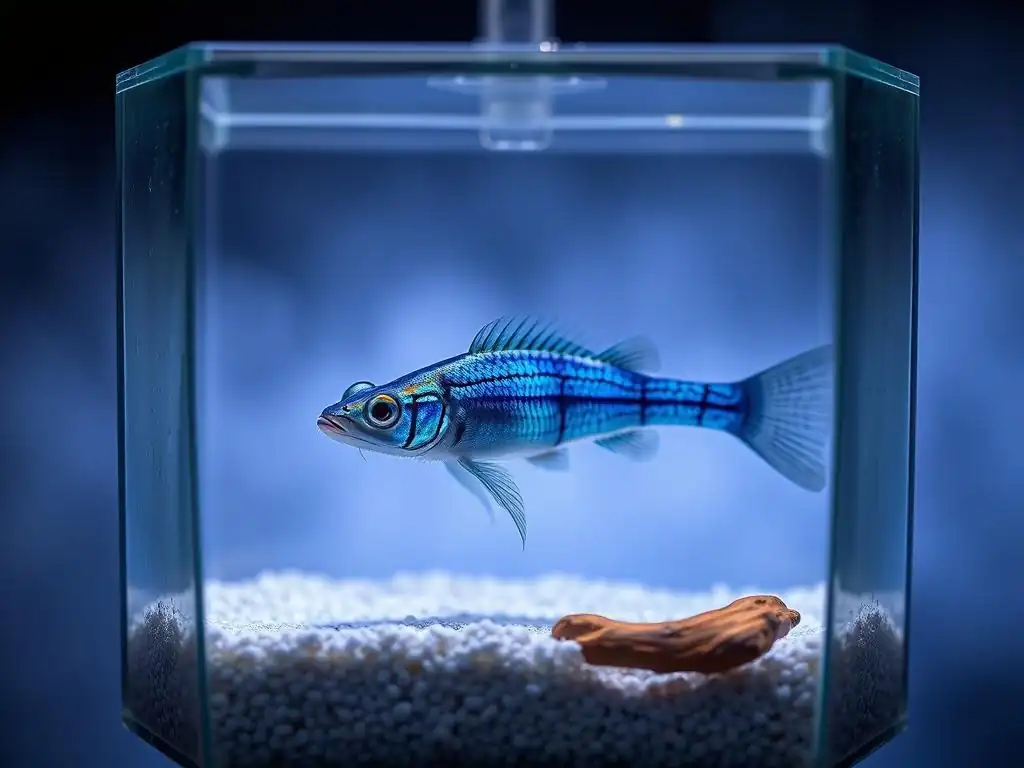
The foundation of a successful "Dragonet tank seeding process" begins with selecting the right live rock and substrate. Opt for high-quality, fully cured live rock, ideally from an established reef tank or reputable supplier, as it comes pre-seeded with beneficial bacteria and a nascent microfauna population. Aim for approximately 1 to 1.5 pounds of live rock per gallon of tank volume to maximize surface area for bacterial colonization and provide ample refugia for copepods and amphipods. For a 20-gallon nano, this means 20-30 pounds of live rock.
Complement the live rock with a deep sand bed, at least 3-4 inches (7.5-10 cm) in depth, using fine-grained aragonite sand. A deep sand bed offers additional surface area for anaerobic bacteria (which process nitrates) and, crucially, provides a vast habitat and breeding ground for the microfauna that dragonets consume. The porous nature of live rock and the extensive surface area of the deep sand bed are vital for nurturing the diverse microbial and invertebrate life essential for this specialized nano reef seeding for dragonets.
Step 2: Introducing a Starter Culture of Beneficial Bacteria
Once your live rock and substrate are in place and the tank is filled with properly mixed saltwater (salinity 1.025-1.026), it's time to kickstart the nitrogen cycle. Introduce a high-quality bottled bacterial starter culture, such as Dr. Tim's Aquatics One & Only or FritzZyme TurboStart 900, following the manufacturer's dosage instructions. To feed these bacteria and initiate the cycle, add a source of ammonia, typically in the form of pure ammonium chloride, aiming for a concentration of 2-4 ppm.
Monitor ammonia and nitrite levels daily using a reliable test kit. Ammonia should rise, then fall to zero, followed by a rise and fall of nitrite to zero. This process can take anywhere from 4 to 8 weeks, sometimes longer in colder temperatures. Do not rush this phase; a complete cycle ensures a robust biological filter that can handle the bioload of future inhabitants. This initial bacterial seeding is a fundamental preliminary step to the broader "Dragonet tank seeding process."
Step 3: Adding Microfauna: Copepods, Amphipods, and Other Invertebrates
After the nitrogen cycle is fully established (ammonia and nitrite consistently at 0 ppm), the most critical phase of the "Dragonet tank seeding process" begins: introducing the microfauna. Acquire several bottles of live copepod cultures (e.g., Tisbe biminiensis, Tigriopus californicus, Apocyclops panamensis) and, if possible, live amphipods. For a 20-gallon nano tank, starting with 2-3 large bottles of mixed copepods is a good initial quantity.
Introduce these cultures to the tank, ideally at night or by targeting them into crevices in the live rock where they can find immediate refuge from potential predation (if any hardy cleanup crew is already present). Allow a minimum of 4-6 weeks, and ideally 2-3 months, for these populations to establish, reproduce, and visibly proliferate before considering adding a dragonet. During this period, you might occasionally dose phytoplankton to feed the copepods and encourage their growth. This extended period ensures a self-sustaining food source, which is the cornerstone of successful nano reef seeding for dragonets.
Step 4: Monitoring Water Parameters During the Seeding Phase
Throughout the entire "Dragonet tank seeding process," diligent monitoring of water parameters is non-negotiable. During the initial cycling phase (Step 2), test ammonia and nitrite daily. Once these consistently read zero, shift to weekly testing of nitrates, salinity, pH, and alkalinity. Maintain a stable temperature between 76-78°F (24-25.5°C). Use a calibrated refractometer for salinity and reliable liquid test kits for chemical parameters.
Consistent monitoring ensures that the environment remains optimal for the proliferation of both beneficial bacteria and, crucially, the microfauna. Any significant fluctuations in parameters like salinity or pH can stress or even kill off the delicate copepod and amphipod populations, undermining the entire seeding effort. Early detection of issues allows for prompt corrective action, safeguarding the investment in time and resources for the "Dragonet tank seeding process."
Step 5: Slowly Introducing the Dragonet to the Established Nano Reef
After 3-6 months of dedicated "Dragonet tank seeding process," and once you can visibly confirm a thriving, reproducing microfauna population (e.g., by observing tiny organisms scurrying on the glass or live rock, especially at night), you can consider introducing a dragonet. Select a healthy, active specimen from a reputable vendor. Avoid fish that appear thin, lethargic, or have clamped fins.
Acclimate the dragonet very slowly to the tank's water parameters using a drip acclimation method over a period of 1-2 hours. Once introduced, observe the dragonet closely for the first few weeks. Ensure it is actively foraging, exhibits vibrant coloration, and maintains a plump belly. While the seeded microfauna should be its primary food, having supplemental food options ready (as discussed later) is a wise backup, especially during the initial adjustment period.
Key Water Parameters for a Thriving Dragonet Nano Tank
Maintaining Proper Salinity Levels for Dragonets
Maintaining stable and appropriate salinity levels is paramount for the health of dragonets and the entire nano reef ecosystem. The ideal specific gravity range for a dragonet nano tank is between 1.023 and 1.026, which corresponds to approximately 32-35 parts per thousand (ppt) salinity. Fluctuations outside this narrow range can induce osmotic stress, weakening the dragonet's immune system and making it susceptible to disease.
Regularly test salinity using a calibrated refractometer (not a hydrometer, which can be less accurate). Due to evaporation, salinity in nano tanks tends to rise quickly. Therefore, daily top-offs with fresh, reverse osmosis/deionized (RO/DI) water are crucial to maintain stability. Consistent salinity also ensures the well-being of the copepods and amphipods that form the backbone of the "Dragonet tank seeding process" and the dragonet's diet.
The Importance of Ammonia, Nitrite, and Nitrate Control
For any marine aquarium, and especially for sensitive species like dragonets, ammonia and nitrite levels must always be undetectable (0 ppm). These compounds are highly toxic even at low concentrations and can cause severe gill damage, stress, and ultimately death. A successful "Dragonet tank seeding process" establishes a robust biological filter capable of rapidly converting these toxins.
While nitrates are less toxic, they should still be kept as low as possible, ideally below 10-20 ppm. High nitrate levels can contribute to algae blooms, stress fish, and even inhibit the growth of beneficial microfauna. Regular partial water changes (e.g., 10-20% weekly or bi-weekly), efficient protein skimming (if applicable to nano size), and maintaining a healthy deep sand bed are vital strategies for long-term nitrate control.
pH and Alkalinity: Crucial Factors for Dragonet Health
A stable pH level, ideally between 8.1 and 8.4, is essential for the overall health of a marine aquarium. Significant pH swings can stress dragonets and disrupt the biological processes of beneficial bacteria. Closely linked to pH is alkalinity (KH), which acts as a buffer, preventing drastic pH fluctuations. For a reef environment, an alkalinity level between 7-11 dKH (degrees of carbonate hardness) is generally recommended.
Maintaining stable pH and alkalinity supports the calcification processes of coralline algae and any corals present, which in turn provide additional habitat and food sources for microfauna. Regular testing and, if necessary, the use of balanced alkalinity buffers can help maintain these crucial parameters. A stable chemical environment, a direct outcome of a successful "Dragonet tank seeding process" and ongoing maintenance, is key to the dragonet's long-term well-being.
Selecting the Right Dragonet Species for Nano Reef Aquariums
Identifying Dragonet Species Suitable for Small Tanks
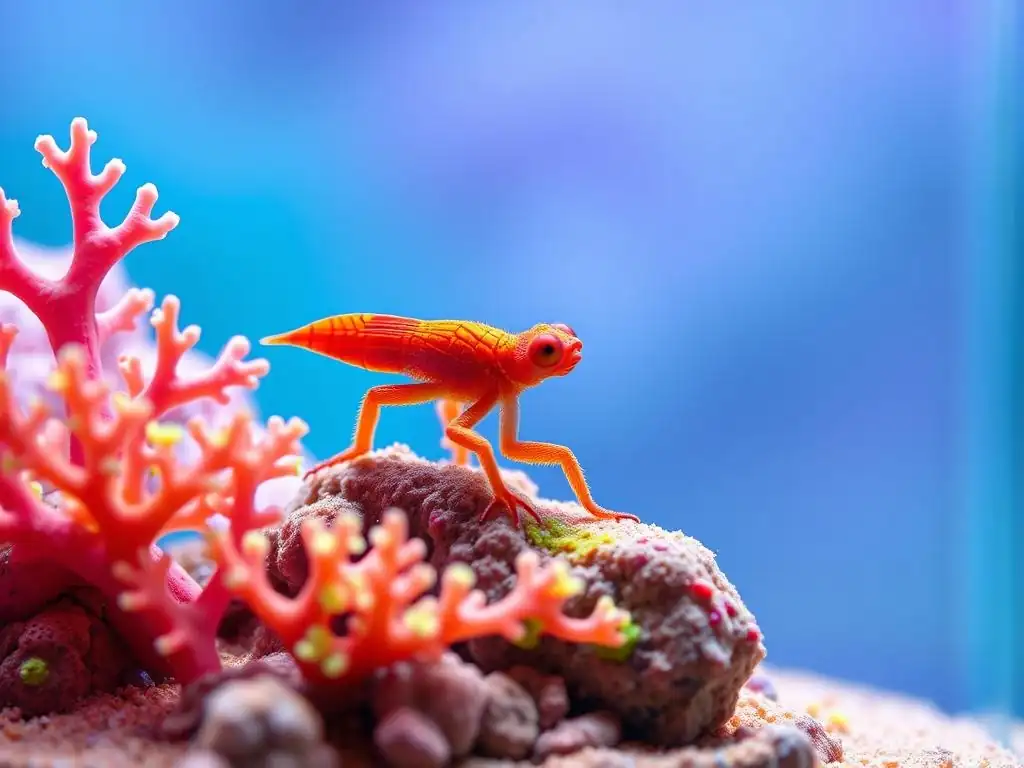
While the "Dragonet tank seeding process" is vital for all dragonets, some species are marginally more suitable for nano aquariums due to their smaller adult size and slightly less demanding dietary needs (though still significant). The most commonly seen species are the Psychedelic Mandarin ( Synchiropus splendidus) and the Spotted Mandarin ( Synchiropus picturatus). Both typically reach 3-4 inches (7.5-10 cm) in length and are the primary focus for nano reef enthusiasts.
It's crucial to understand that even these smaller species require a well-established, mature tank of at least 20-30 gallons, ideally with a connected refugium, to provide enough surface area and volume for microfauna reproduction. Larger dragonet species, such as the Green Dragonet ( Synchiropus sycorax) or the Ruby Red Dragonet ( Synchiropus moyeri), are generally not recommended for typical nano setups due to their larger size and potentially higher food demands, making the task of sustainable nano reef seeding for dragonets even more challenging.
Considerations for Dragonet Compatibility and Temperament
Dragonets are generally peaceful fish, making them excellent candidates for community nano reefs, provided their specific feeding needs are met. However, they can exhibit territorial behavior towards conspecifics, particularly between males. In most nano tank setups, it is advisable to keep only one male dragonet. If attempting a pair, ensure ample space, numerous hiding spots, and a significantly larger, exceptionally well-seeded tank (e.g., 40 gallons or more).
When selecting tank mates, prioritize peaceful, slow-moving species that will not outcompete the dragonet for food. Fast-feeding fish, aggressive species, or those that might harass the dragonet should be avoided. Compatible tank mates often include small, peaceful gobies (like Trimma or Eviota species), blennies, and various reef-safe invertebrates such as hermit crabs, snails, and cleaner shrimp. The success of the "Dragonet tank seeding process" allows the dragonet to spend its time foraging peacefully, undisturbed by aggressive neighbors.
Feeding Dragonets in a Seeded Nano Tank: Ensuring Nutritional Needs are Met
Culturing Copepods and Amphipods for Dragonet Consumption
Even after a successful "Dragonet tank seeding process," continuous supplementation of copepods and amphipods is often necessary, especially in smaller nano systems. The most reliable method is to establish a dedicated copepod culture in a separate container or, ideally, within a refugium plumbed into the main display tank. A refugium provides a safe haven for these microfauna to reproduce without predation by the dragonet or other tank inhabitants.
To culture copepods, provide them with phytoplankton as a food source and maintain optimal water parameters (salinity, temperature) in the culture vessel. Regularly harvest a portion of the culture and introduce it into the display tank, ideally at night or when the aquarium lights are off, to allow the copepods to disperse and find refuge before the dragonet becomes active. This ongoing culturing is an extension of the initial "Dragonet tank seeding process" and ensures a sustainable food supply.
Supplementing with Prepared Foods for a Balanced Dragonet Diet
While live microfauna should constitute the vast majority of a dragonet's diet, some individuals can be slowly weaned onto frozen or prepared foods. This offers a crucial backup food source and can provide dietary diversity. Suitable options include enriched frozen mysis shrimp, brine shrimp, cyclop-eeze, or finely chopped marine-based foods. It's important to note that not all dragonets will readily accept prepared foods, and it can take considerable patience.
To feed prepared foods, use a target feeder or turkey baster to direct the food directly to the dragonet, or turn off powerheads temporarily to allow the food to settle near its foraging areas. Feed small amounts multiple times a day, as dragonets are continuous grazers. However, never rely solely on prepared foods; the success of keeping dragonets long-term still hinges on a thriving, seeded microfauna population established through the diligent "Dragonet tank seeding process."
Common Problems and Solutions in Dragonet Nano Reefs
Addressing Algae Blooms in a New Dragonet Tank
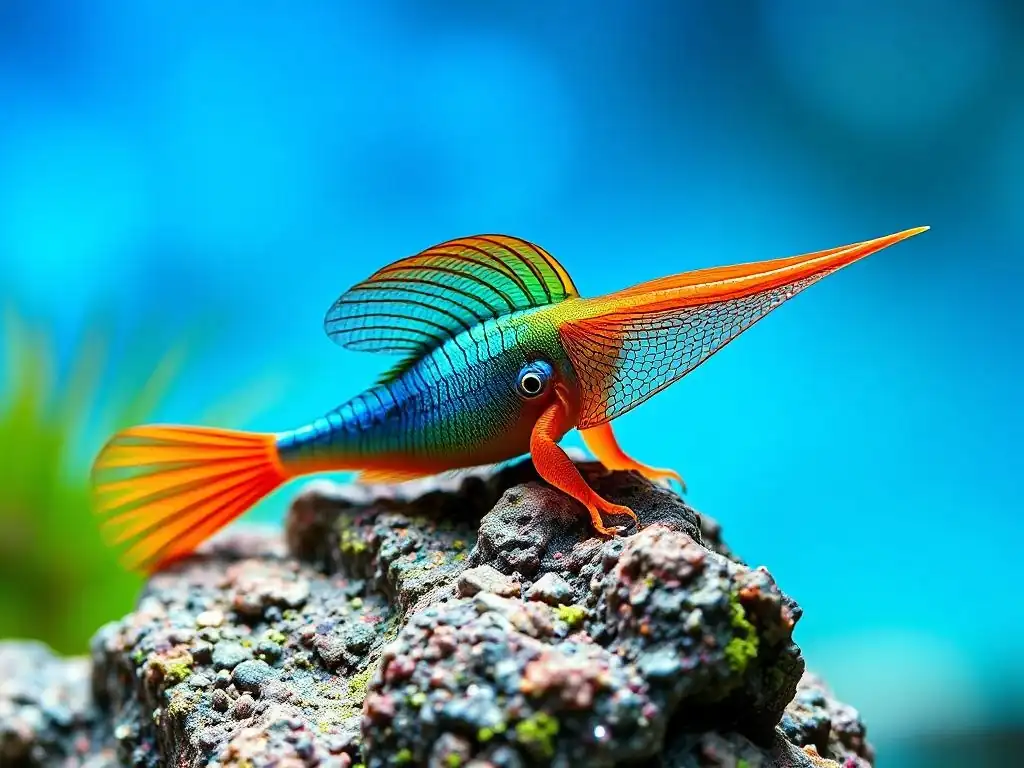
New nano tanks, even after a thorough "Dragonet tank seeding process," are susceptible to algae blooms, particularly diatom (brown) algae or green hair algae. These blooms are often a sign of excess nutrients (nitrates/phosphates) or an imbalance in the tank's maturity. Solutions include reducing the duration of aquarium lighting (e.g., 6-8 hours per day), ensuring RO/DI water is used for top-offs and water changes, and manually removing visible algae.
Introducing a small, reef-safe cleanup crew (e.g., Trochus snails, Nassarius snails, small hermit crabs) can help manage algae, but only after the tank is fully cycled and stable, and ensuring they won't outcompete the dragonet for microfauna. Address the root cause of nutrient buildup through regular water changes and careful feeding to maintain a healthy balance.
Dealing with Parasites and Diseases in Dragonets
Dragonets, especially when stressed by poor water quality or insufficient food, are susceptible to common marine parasites like marine Ich ( Cryptocaryon irritans) and Marine Velvet ( Amyloodinium ocellatum). Prevention is always the best approach: implementing a strict quarantine protocol for all new fish (4-6 weeks in a separate tank), maintaining pristine water quality, and ensuring the dragonet receives adequate nutrition from a successful "Dragonet tank seeding process."
Treatment options in a nano reef can be challenging as many medications are harmful to invertebrates and beneficial bacteria. If disease occurs, transferring the dragonet to a dedicated hospital tank for treatment is often the safest approach. Focus on reducing stress factors, as a healthy, well-fed dragonet from a properly seeded tank is more resilient to illness.
Troubleshooting Dragonet Feeding Issues in Nano Aquariums
The most common problem with dragonets in nano tanks is insufficient food, leading to emaciation and eventual starvation. If your dragonet appears thin, lethargic, or is not actively foraging, the first step is to assess the microfauna population. Are copepods and amphipods visibly abundant on the glass, rocks, and substrate, especially at night? If not, the "Dragonet tank seeding process" needs reinforcement.
Solutions include re-seeding the tank with several bottles of live copepods and amphipods, increasing the frequency of phytoplankton dosing to feed the copepods, or adding a refugium to boost microfauna production. If the dragonet is not accepting prepared foods, continue offering live cultures. Ensure no other tank mates are aggressively outcompeting the dragonet for food. Patience and consistent effort in maintaining the seeded food source are key.
Long-Term Maintenance of a Seeded Dragonet Nano Reef
Regular Water Changes and Their Importance
Regular partial water changes are a cornerstone of long-term maintenance for any marine aquarium, and especially for a dragonet nano reef. Weekly or bi-weekly water changes of 10-20% of the tank volume help to replenish essential trace elements, remove accumulated nitrates and other dissolved organic compounds, and maintain overall water quality. Always use high-quality RO/DI water and a reputable marine salt mix, ensuring the new water matches the tank's parameters (salinity, temperature, pH) as closely as possible.
Consistent water changes prevent the buildup of pollutants that can stress the dragonet and negatively impact the delicate microfauna population that was carefully established during the "Dragonet tank seeding process." They are a vital component of providing a stable and healthy environment for long-term dragonet well-being.
Maintaining a Healthy Microfauna Population
The ongoing health of the microfauna population is directly linked to the dragonet's survival. Regularly monitor the visible abundance of copepods and amphipods in the tank. If their numbers appear to decline, or if the dragonet seems less active in foraging, it's a clear signal to re-seed the tank with fresh cultures. Consider implementing a continuous culturing system in a separate vessel or a dedicated refugium if you haven't already.
Ensure there are ample hiding spots within the live rock and a deep sand bed to provide refuge and breeding grounds for the microfauna. Dosing phytoplankton periodically can also help support the copepod population. Think of this as an ongoing extension of the initial "Dragonet tank seeding process" – it's not a one-time event but a continuous commitment to providing a sustainable food source.
Monitoring Dragonet Health and Behavior for Early Signs of Stress
Diligent observation of your dragonet's health and behavior is crucial for long-term success. A healthy dragonet will exhibit vibrant coloration, be actively foraging throughout the day, and maintain a plump, rounded belly. Any changes in these indicators – such as faded colors, lethargy, clamped fins, or a sunken belly – are red flags indicating stress, illness, or most commonly, insufficient food.
Early detection allows for prompt intervention. If signs of stress appear, immediately check all water parameters, assess the abundance of microfauna, and ensure there are no aggressive tank mates or other environmental stressors. A proactive approach to monitoring and addressing issues ensures that the dragonet continues to thrive in the environment carefully cultivated through the "Dragonet tank seeding process."
Conclusion: The Key to Dragonet Success in Nano Reef Aquariums
Prioritizing the Dragonet Tank Seeding Process for a Healthy Ecosystem
The journey to successfully keeping dragonets in nano reef aquariums is fundamentally defined by one critical prerequisite: the "Dragonet tank seeding process." This intensive, patient, and deliberate cultivation of a thriving microfauna population, alongside robust biological filtration, is not merely an optional step but an absolute necessity. It lays the groundwork for a self-sustaining ecosystem that can meet the dragonet's unique and continuous dietary demands, which are often underestimated by new aquarists.
By investing the time and effort upfront to properly seed the tank, you establish a living food source that directly mimics the dragonet's natural environment. This proactive approach prevents the most common pitfalls of dragonet husbandry, such as starvation and stress-induced diseases, setting the stage for a truly healthy and vibrant nano reef.
Ongoing Observation and Adjustment for Long-Term Dragonet Wellbeing
While the "Dragonet tank seeding process" is the foundational element, long-term success with these captivating fish hinges on continuous observation and proactive adjustment. The dynamic nature of a nano reef requires regular monitoring of water parameters, diligent assessment of microfauna populations, and keen attention to the dragonet's health and behavior. This ongoing commitment ensures that the delicate balance established during seeding is maintained and adapted as the aquarium matures.
With meticulous planning, unwavering patience during the seeding phase, and consistent, informed care, dragonets can indeed flourish in smaller reef environments. Their unique beauty and fascinating foraging behaviors make them incredibly rewarding inhabitants, a testament to the power of a well-executed "Dragonet tank seeding process" and dedicated husbandry.
Frequently Asked Questions
How long should I seed my nano tank before introducing a Dragonet?
You should seed your nano tank for at least six to eight weeks before adding a Dragonet. This allows a healthy population of copepods and amphipods to establish, which are their primary food source.
What is the "seeding process" for a Dragonet tank?
The seeding process involves introducing live rock and/or refugium mud containing beneficial microorganisms, copepods, and amphipods into your tank. This creates a sustainable food web that Dragonets can rely on.
Can I skip the seeding process if I feed my Dragonet frozen food?
While some Dragonets can be trained to eat frozen food, it's not reliable. The seeding process is crucial to ensure a constant supply of live food, increasing the chances of your Dragonet's survival in a nano tank.
How do I know if my nano tank is properly seeded for a Dragonet?
Look for signs of a thriving microfauna population. You should see copepods and amphipods crawling on the glass and live rock, especially at night. Regular testing of your water parameters is also important.
What happens if I introduce a Dragonet to a nano tank that hasn't been properly seeded?
Introducing a Dragonet to an unseeded tank will likely result in starvation. Dragonets are notoriously picky eaters, and without a sufficient population of live food, they will quickly deplete their limited resources and perish.
Final Reflection: Cultivating Life in Miniature
The journey of establishing a thriving nano reef, especially for delicate creatures like dragonets, highlights the profound connection between meticulous preparation and sustainable ecosystems. The success of a dragonet tank hinges not just on the tank itself, but on the invisible foundation of life meticulously cultivated through the seeding process, a principle applicable far beyond the confines of a glass box.
This intricate dance of life, from microscopic bacteria to vibrant copepods, mirrors the delicate balance within larger ecosystems. Understanding and respecting this interconnectedness is paramount, not only for the well-being of our miniature reefs but also for our planet. The care of one life alone may be our salvation; the care of one life must be our salvation.
- Anne Lamott, reminding us that even small acts of stewardship can have profound consequences.
As you consider the principles of the dragonet tank seeding process, I encourage you to reflect on the ecosystems you nurture in your own life. What foundations are you building? What invisible connections are you fostering? Let the patience and dedication required for a successful nano reef inspire you to cultivate thriving environments, both within and beyond the aquarium glass.
Ignite Your Nano Tank Dream!
Thank you for exploring the essential world of nano tank seeding with us! Now that you understand the crucial steps for ensuring your dragonets' future home is a thriving ecosystem, it's time to take action.
- Commit to Seeding: Begin the seeding process for your nano tank today. A healthy start is the best investment for your dragonets' well-being.
- Dive deeper: Explore related articles on Aquarium Mastery about advanced nano tank filtration and optimal dragonet care.
- Share your journey: Connect with fellow aquarists and share your seeding progress and photos in the comments below.
What's the first small step you'll take to kickstart your dragonets' vibrant new home?