
Dwarf Zebra Lionfish (Dendrochirus zebra): Striped Wonder Care Sheet

Welcome to Aquarium Mastery!
Intrigued by the captivating beauty of the reef? Then you've come to the right place! We're diving deep into the fascinating world of saltwater aquariums, and today, we're focusing on a particularly striking inhabitant. Ever wondered if you could successfully keep the Dwarf Zebra Lionfish in your home aquarium? Our article unveils essential dwarf zebra lionfish care tips to help you understand the needs of this striped wonder and determine if it's the right fit for your underwater world. Keep reading to discover the secrets to thriving Dendrochirus zebra keeping!
- Introduction to the Dwarf Zebra Lionfish
- Dwarf Zebra Lionfish Care: Essential Tips for Success
- Understanding the Dwarf Zebra Lionfish's Natural Habitat and Behavior
- Feeding Your Dwarf Zebra Lionfish: A Comprehensive Guide
- Maintaining a Healthy Dwarf Zebra Lionfish: Disease Prevention and Treatment
- Setting Up the Ideal Aquarium for Your Dwarf Zebra Lionfish
- Breeding Dwarf Zebra Lionfish: Breeding is Extremely Difficult in Captivity
- Potential Challenges and Solutions in Dwarf Zebra Lionfish Keeping
- Conclusion: Enjoying Your Dwarf Zebra Lionfish
- Frequently Asked Questions
- Final Reflection: Embracing the Delicate Balance
- Unleash Your Inner Reef Keeper!
Introduction to the Dwarf Zebra Lionfish
Overview of Dendrochirus zebra
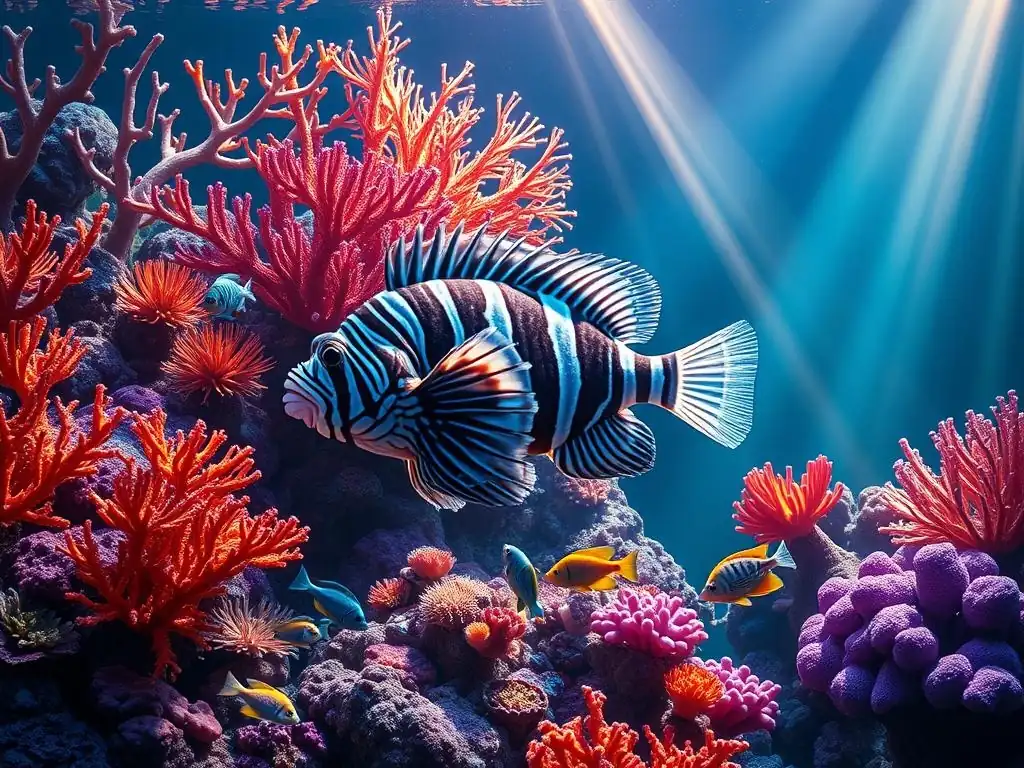
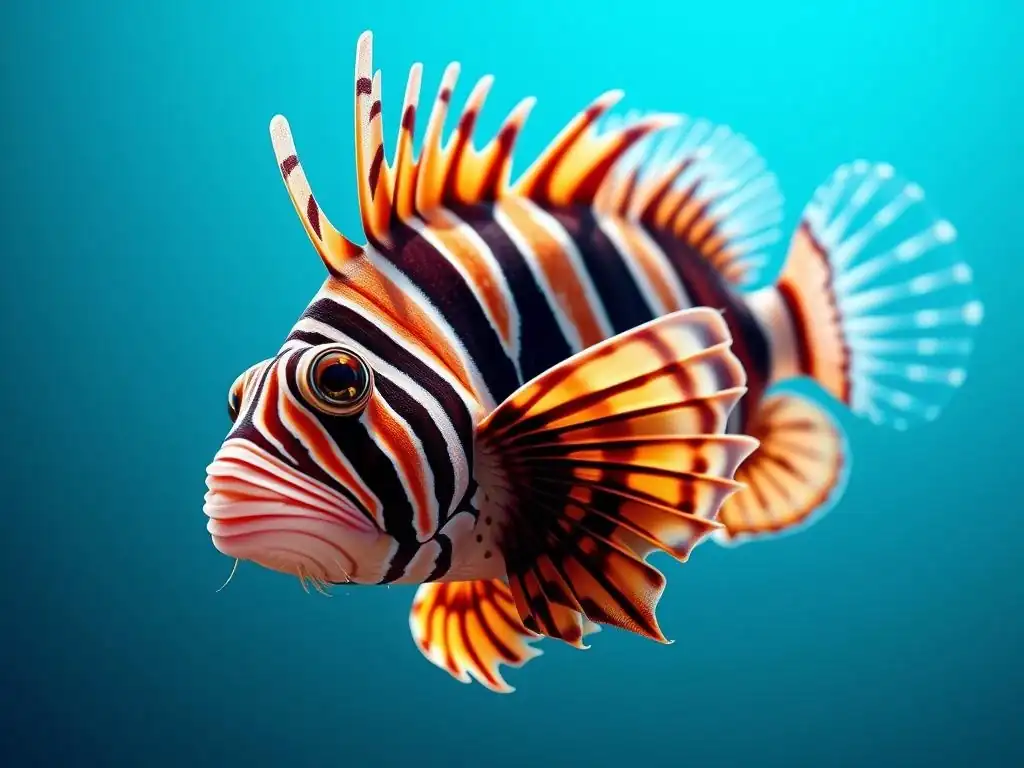
The Dwarf Zebra Lionfish, scientifically known as Dendrochirus zebra, is a captivating marine fish native to the Indo-Pacific region. This species stands out with its striking vertical stripes of reddish-brown and white, along with ornate pectoral fins that resemble delicate fans. Unlike its larger lionfish relatives, the Dwarf Zebra Lionfish typically reaches a maximum size of about 7 inches (approximately 18 cm) in captivity, making it a more manageable option for dedicated home aquarists. Its distinctive appearance and unique predatory nature make it a fascinating subject for any saltwater setup.
Found in shallow coastal waters, rocky reefs, and rubble zones at depths ranging from 3 to 100 feet (1 to 30 meters), Dendrochirus zebra is an ambush predator that often perches motionless, waiting for unsuspecting prey. While beautiful, it possesses venomous dorsal, anal, and pelvic spines, which are used purely for defense.
Understanding these characteristics is crucial for anyone considering adding this species to their tank, as effective dwarf zebra lionfish care tips revolve around respecting its natural behaviors and defensive mechanisms. With proper attention to its specific needs, this species can thrive for 5 to 10 years or even longer in a well-maintained aquarium.
Why Choose a Dwarf Zebra Lionfish for Your Saltwater Aquarium?
Choosing a Dwarf Zebra Lionfish for your saltwater aquarium offers a truly unique and visually stunning experience. Their intricate patterns and graceful movements add an unparalleled aesthetic appeal, transforming a standard tank into a dynamic display. Unlike some larger, more aggressive predatory fish, the Dwarf Zebra Lionfish’s smaller size means it can be housed in aquariums starting from 30 gallons, making it accessible to a wider range of hobbyists who might not have space for bigger species.
Beyond their beauty, keeping a Dwarf Zebra Lionfish provides an engaging challenge for experienced aquarists. Their specialized needs for diet, water parameters, and tank setup encourage a deeper understanding of marine husbandry. Successfully maintaining Dendrochirus zebra requires diligent application of dwarf zebra lionfish care tips, offering a rewarding sense of accomplishment and an opportunity to observe a fascinating creature up close. Their relatively peaceful demeanor towards non-prey tank mates, combined with their distinctive hunting style, makes them an enthralling centerpiece for a species-specific or carefully curated community tank.
Dwarf Zebra Lionfish Care: Essential Tips for Success
Maintaining Optimal Water Parameters for Dwarf Zebra Lionfish
Maintaining stable and pristine water parameters is paramount for the health and longevity of Dwarf Zebra Lionfish. These fish thrive in conditions that mimic their natural marine environment, requiring consistent temperature, salinity, and pH levels. Specifically, the water temperature should be kept between 72-78°F (22-26°C), with a stable specific gravity (salinity) ranging from 1.020 to 1.025. The pH level should ideally remain between 8.1 and 8.4. Regular testing, at least once a week, for ammonia, nitrite, and nitrate is crucial, with ammonia and nitrite levels needing to be undetectable (0 ppm) and nitrates ideally below 20 ppm.
Fluctuations in water quality can severely stress Dendrochirus zebra, leading to weakened immune systems and susceptibility to disease. To maintain these optimal conditions, bi-weekly water changes of 10-20% of the tank volume are highly recommended, using high-quality reverse osmosis/deionized (RO/DI) water mixed with a reputable marine salt mix. Employing robust filtration, including mechanical, biological, and chemical media, is also a vital dwarf zebra lionfish care tip to ensure that organic waste is efficiently processed and removed, preventing the buildup of harmful toxins.
Aquarium Size and Setup for Dendrochirus zebra
The minimum aquarium size for a single Dwarf Zebra Lionfish is generally considered to be 30 gallons (approximately 113 liters). While they do not swim extensively, they require adequate space for perching, hunting, and establishing territory. Larger tanks, such as 50 gallons (189 liters) or more, are always preferable, especially if considering housing them with compatible tank mates or if planning to keep more than one specimen. The tank should be well-established and fully cycled before introducing the fish, ensuring a stable biological filtration system is in place.
The setup of the aquarium is equally important for providing a secure and enriching environment. Dwarf Zebra Lionfish are ambush predators that appreciate plenty of hiding spots and perching opportunities. Aquascaping with ample live rock formations, including caves, overhangs, and crevices, is a critical dwarf zebra lionfish care tip. These structures not only provide shelter but also create visual barriers and hunting grounds. Additionally, due to their potential to jump, a secure, tight-fitting lid is essential to prevent escapes, as Dendrochirus zebra can be surprisingly agile when startled.
Ideal Tank Mates for Dwarf Zebra Lionfish
Selecting appropriate tank mates is a critical aspect of successful Dwarf Zebra Lionfish care, as their predatory nature dictates specific compatibility requirements. The general rule is that any fish or invertebrate small enough to fit into the lionfish's mouth will likely become a meal. Therefore, ideal tank mates include fish that are significantly larger than the lionfish's mouth, are non-aggressive, and share similar water parameter requirements. Examples of suitable companions include larger gobies (e.g., Diamond Watchman Goby), certain hawkfish (e.g., Flame Hawkfish), some blennies, and larger, peaceful damselfish.
It is crucial to avoid housing Dwarf Zebra Lionfish with small, docile fish such as clownfish, small wrasses, or cardinalfish, as these will invariably be seen as food. Furthermore, all crustaceans, including shrimp, crabs, and hermits, are highly vulnerable and should not be housed with Dendrochirus zebra. While they are generally peaceful towards non-prey species, their venomous spines mean that any fish that might nip or bother them could face a painful, or even fatal, encounter. Careful observation and thoughtful planning are key dwarf zebra lionfish care tips when integrating them into a community aquarium.
Understanding the Dwarf Zebra Lionfish's Natural Habitat and Behavior
Replicating the Natural Environment of Dendrochirus zebra
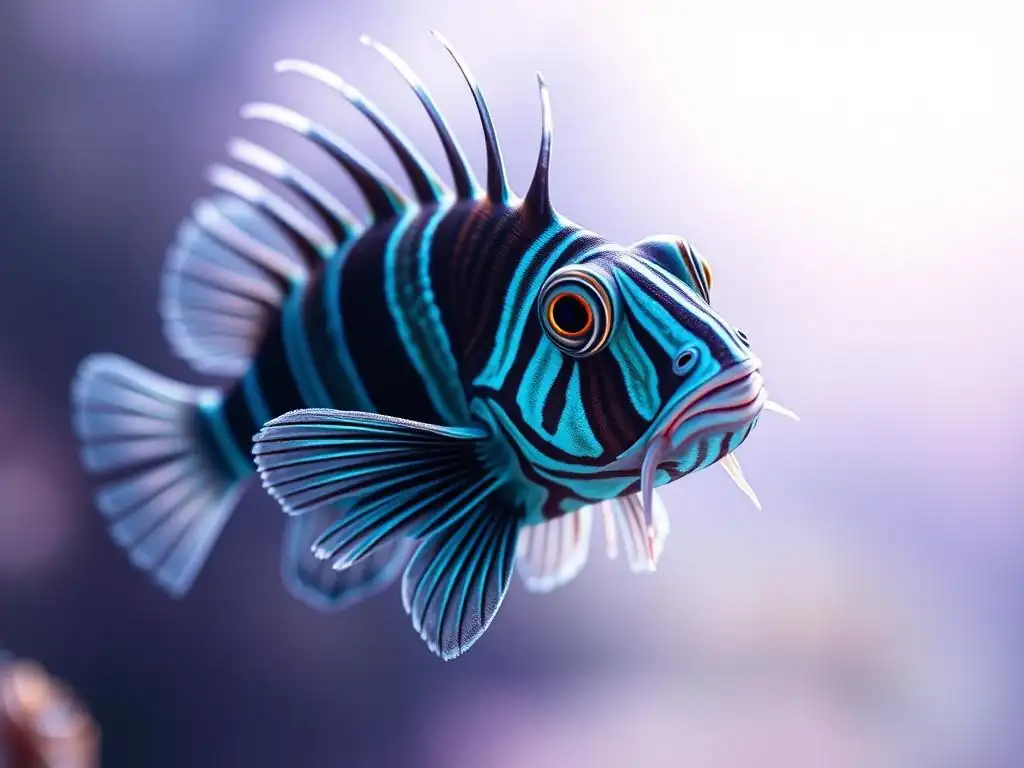
Replicating the natural environment of Dendrochirus zebra is fundamental to their well-being in captivity. In the wild, these lionfish inhabit the shallow waters of the Indo-Pacific, typically found among rocky reefs, coral rubble, and sheltered lagoons. They are often observed perching on ledges or within crevices, using these spots as ambush points for unsuspecting prey. The water in these areas is generally clear, with moderate flow, and consistent temperature and salinity.
To mimic these conditions in an aquarium, aquarists should focus on providing an abundance of live rock formations that offer numerous caves, overhangs, and sheltered areas. These structures not only provide essential hiding spots where the lionfish can feel secure but also serve as ideal perching locations from which they can observe their surroundings and prepare for feeding. Maintaining stable water parameters, as previously detailed, further contributes to replicating their natural habitat, reducing stress and promoting healthy behavior. Adhering to these dwarf zebra lionfish care tips ensures a comfortable and enriching home for your striped wonder.
Dendrochirus zebra Behavior: What to Expect in Your Aquarium
Observing the behavior of Dendrochirus zebra in an aquarium offers fascinating insights into their predatory instincts and unique adaptations. These fish are primarily ambush predators, spending much of their time motionless, patiently waiting for small fish or crustaceans to wander within striking distance. When prey is spotted, they will slowly maneuver into position, often using their large pectoral fins to herd the prey before a swift, sudden lunge to engulf it. This hunting strategy is a remarkable display of their efficiency and patience.
While generally peaceful towards tank mates that are too large to be considered prey, Dwarf Zebra Lionfish are equipped with venomous spines. These spines are used purely for defense, typically when the fish feels threatened or cornered. It is crucial for aquarists to exercise extreme caution during tank maintenance, avoiding direct contact with the fish. They are often more active during dawn and dusk (crepuscular), though they can be observed at any time. Understanding these behavioral traits is a vital part of dwarf zebra lionfish care, allowing owners to appreciate their unique nature while ensuring safety.
Feeding Your Dwarf Zebra Lionfish: A Comprehensive Guide
What Do Dwarf Zebra Lionfish Eat? (Dietary Needs)
Dwarf Zebra Lionfish are carnivores, and their natural diet in the wild consists primarily of small fish and crustaceans. In a home aquarium, replicating this diet with appropriate, high-quality foods is essential for their health and vibrant coloration. The cornerstone of their captive diet should be a variety of frozen, vitamin-enriched marine foods. Excellent choices include mysis shrimp, krill, silversides, and enriched brine shrimp. It is important to offer a varied diet rather than relying on a single food type to ensure they receive a full spectrum of nutrients.
While they may initially be hesitant to accept non-live foods, patience and persistence are key dwarf zebra lionfish care tips for successful feeding. Some aquarists find that using a feeding stick or tongs to present the food directly to the lionfish helps acclimate them to frozen options, mimicking the live prey experience. Avoid feeding live freshwater feeder fish, such as goldfish or guppies, as these lack the necessary nutritional value for marine predators and can introduce diseases. A well-fed Dwarf Zebra Lionfish will exhibit robust health and maintain its stunning striped appearance.
Live vs. Frozen Food for Dendrochirus zebra
When it comes to feeding Dendrochirus zebra, the choice between live and frozen food is a critical consideration for their long-term health. While Dwarf Zebra Lionfish may initially show a strong preference for live foods due to their natural predatory instincts, frozen, thawed foods are overwhelmingly recommended for the vast majority of their diet.
The primary advantage of frozen foods is their safety: they are typically free of parasites and diseases that can be introduced by live feeder fish. Furthermore, quality frozen foods are often enriched with vitamins and nutrients that are vital for the lionfish's immune system and overall well-being.
Conversely, relying heavily on live feeder fish, particularly freshwater species, poses significant risks. Freshwater feeder fish often lack essential marine nutrients, leading to dietary deficiencies over time. They can also carry internal parasites or bacterial infections that can be transmitted to the lionfish, potentially causing serious health issues. While live ghost shrimp or marine feeder fish can be used occasionally to stimulate a reluctant feeder, the consistent application of dwarf zebra lionfish care tips emphasizes weaning them onto a varied diet of high-quality frozen marine preparations. This approach ensures a healthier, more predictable nutritional intake for your Dendrochirus zebra.
Feeding Schedule and Techniques for Dendrochirus zebra
Establishing a consistent feeding schedule and employing appropriate techniques are vital components of effective Dwarf Zebra Lionfish care. Adult Dwarf Zebra Lionfish generally require feeding 2-3 times per week, while juveniles may benefit from more frequent, smaller meals, perhaps every other day. It is important not to overfeed, as this can lead to digestive issues and contribute to poor water quality. Observe your lionfish's body condition; a slightly rounded belly after feeding indicates a good meal, but excessive bloating suggests overfeeding.
Due to their venomous spines, direct hand feeding is strongly discouraged. Instead, use a long pair of aquarium tongs or a feeding stick to offer food directly to the lionfish. This method allows for precise delivery of food and minimizes the risk of accidental stings.
Presenting the food near their mouth, often wiggling it slightly, can trigger their predatory response. In a community tank, ensure that the lionfish receives its share, as faster, more aggressive eaters might outcompete it. Patiently training them to accept frozen foods from tongs is a cornerstone dwarf zebra lionfish care tip that ensures both the fish's health and the aquarist's safety.
Maintaining a Healthy Dwarf Zebra Lionfish: Disease Prevention and Treatment
Common Diseases Affecting Dendrochirus zebra
Despite their robust appearance, Dwarf Zebra Lionfish are susceptible to common marine aquarium diseases, particularly if water quality is poor or stress levels are high. Among the most prevalent ailments are Marine Ich ( Cryptocaryon irritans) and Marine Velvet ( Amyloodinium ocellatum). These parasitic infections manifest as white spots or a dusty film on the fish's body and fins, often accompanied by rapid breathing, lethargy, and scratching against decor. Bacterial infections, such as fin rot or body ulcers, can also occur, typically as secondary infections stemming from stress or injury.
Other issues can include internal parasites, which might cause weight loss despite regular feeding, and nutrient deficiencies, leading to faded coloration or poor growth. Preventing these conditions through diligent dwarf zebra lionfish care tips is always preferable to treatment. Recognizing the early signs of illness is crucial for successful intervention, as prompt action can significantly improve the prognosis for affected fish. Regular observation of their behavior, appetite, and physical appearance is therefore an essential part of daily husbandry.
Preventing Illness in Your Dwarf Zebra Lionfish Tank
Preventing illness in your Dwarf Zebra Lionfish tank hinges on a multi-faceted approach centered around optimal husbandry. The cornerstone of disease prevention is maintaining consistently stable and pristine water parameters, as outlined earlier. Fluctuations in temperature, pH, or salinity, or the presence of ammonia and nitrite, severely stress fish and compromise their immune systems. Regular water changes, robust filtration, and a high-quality protein skimmer are indispensable tools for maintaining excellent water quality, which is a fundamental dwarf zebra lionfish care tip.
Another critical preventative measure is a strict quarantine protocol for all new arrivals. Any new fish, invertebrates, or even live rock should be held in a separate quarantine tank for at least 4 to 6 weeks. During this period, observe them for any signs of disease and treat if necessary before introducing them to the main display tank. Providing a varied and nutritious diet, avoiding overstocking, and ensuring compatible tank mates also reduce stress and bolster the lionfish's natural defenses against pathogens, significantly lowering the risk of disease outbreaks.
Treating Sick Dwarf Zebra Lionfish: A Step-by-Step Guide
If a Dwarf Zebra Lionfish shows signs of illness, prompt and appropriate treatment is essential. The first step is accurate diagnosis; identifying the specific disease (e.g., Ich, Velvet, bacterial infection) is crucial for choosing the correct medication. Symptoms like white spots, rapid breathing, or unusual swimming patterns require immediate attention. Once diagnosed, the sick lionfish should be carefully moved to a dedicated hospital tank. This isolation prevents the spread of disease to other tank inhabitants and allows for precise medication dosages without affecting the main display tank's biological filter or corals.
Treatment typically involves using appropriate medications, such as copper-based treatments for parasitic infections like Ich or Velvet, or broad-spectrum antibiotics for bacterial infections. Always follow the manufacturer's instructions for dosage and duration carefully, as overdosing can be fatal. During treatment, continue to monitor water quality in the hospital tank diligently, as medications can sometimes impact beneficial bacteria.
After successful treatment, a period of observation in the hospital tank is advisable before reintroducing the fish to the main aquarium, ensuring full recovery and minimizing the risk of relapse. These detailed dwarf zebra lionfish care tips for treatment are vital for successful recovery.
Setting Up the Ideal Aquarium for Your Dwarf Zebra Lionfish
Substrate and Decoration Considerations for Dendrochirus zebra
When setting up the ideal aquarium for Dendrochirus zebra, the choice of substrate is not as critical as for some other marine species, as they are not bottom-dwelling sifters. A fine sand bed or a thin layer of crushed coral is generally suitable and will not pose any issues for the lionfish. The primary focus for aquascaping should be on providing ample decoration that caters to their natural behaviors as ambush predators.
The most important decorative element will be live rock. Arrange the live rock to create numerous caves, overhangs, and crevices. These structures serve multiple purposes: they provide essential hiding spots where the lionfish can retreat and feel secure, they offer excellent perching points from which the lionfish can survey its surroundings and ambush prey, and they contribute significantly to biological filtration. Ensure that all rockwork is stable and securely stacked to prevent collapses, which could injure the fish or damage the tank. These considerations are fundamental dwarf zebra lionfish care tips for creating a functional and enriching environment.
Water Flow and Filtration for Dwarf Zebra Lionfish
Maintaining appropriate water flow and robust filtration is paramount for the health of Dwarf Zebra Lionfish. These fish prefer moderate water flow, avoiding areas with strong, turbulent currents that can cause stress and make swimming difficult. Gentle to moderate flow allows them to comfortably perch and conserve energy while still providing adequate oxygenation and distributing nutrients throughout the tank. Strategically placed powerheads can help achieve this, ensuring flow is not directed directly at the lionfish's primary perching spots.
For filtration, a comprehensive system encompassing mechanical, biological, and chemical filtration is essential. A high-quality protein skimmer is perhaps the most critical piece of equipment for a Dwarf Zebra Lionfish tank, as it efficiently removes organic waste before it breaks down into harmful ammonia and nitrite. Biological filtration, primarily provided by well-cured live rock and a robust beneficial bacteria colony, is crucial for converting ammonia and nitrite into less toxic nitrates.
Mechanical filtration (e.g., filter socks, sponges) removes particulate matter, and chemical filtration (e.g., activated carbon, GFO) helps maintain water clarity and purity. These filtration strategies are core dwarf zebra lionfish care tips for maintaining a pristine environment.
Lighting Requirements for Dendrochirus zebra
The lighting requirements for Dwarf Zebra Lionfish are relatively straightforward and less demanding compared to tanks housing corals or photosynthetic invertebrates. As crepuscular (active at dawn and dusk) and often nocturnal predators, Dendrochirus zebra do not require intense lighting. Moderate lighting is generally sufficient for their well-being and to allow for proper viewing by the aquarist.
Extremely bright or high-intensity lighting can actually be detrimental, potentially stressing the lionfish as they naturally prefer dimmer conditions or shaded areas. A standard LED lighting system or fluorescent lights designed for saltwater fish-only tanks will usually suffice.
Some aquarists find that incorporating a dawn/dusk cycle or a moonlight phase can be beneficial, as it mimics their natural environment and activity patterns, encouraging more natural behavior. While specific light spectrums are not critical for the lionfish itself, adequate lighting allows for the growth of beneficial macroalgae on live rock, contributing to overall tank stability and aesthetics, all part of comprehensive dwarf zebra lionfish care.
Breeding Dwarf Zebra Lionfish: Breeding is Extremely Difficult in Captivity
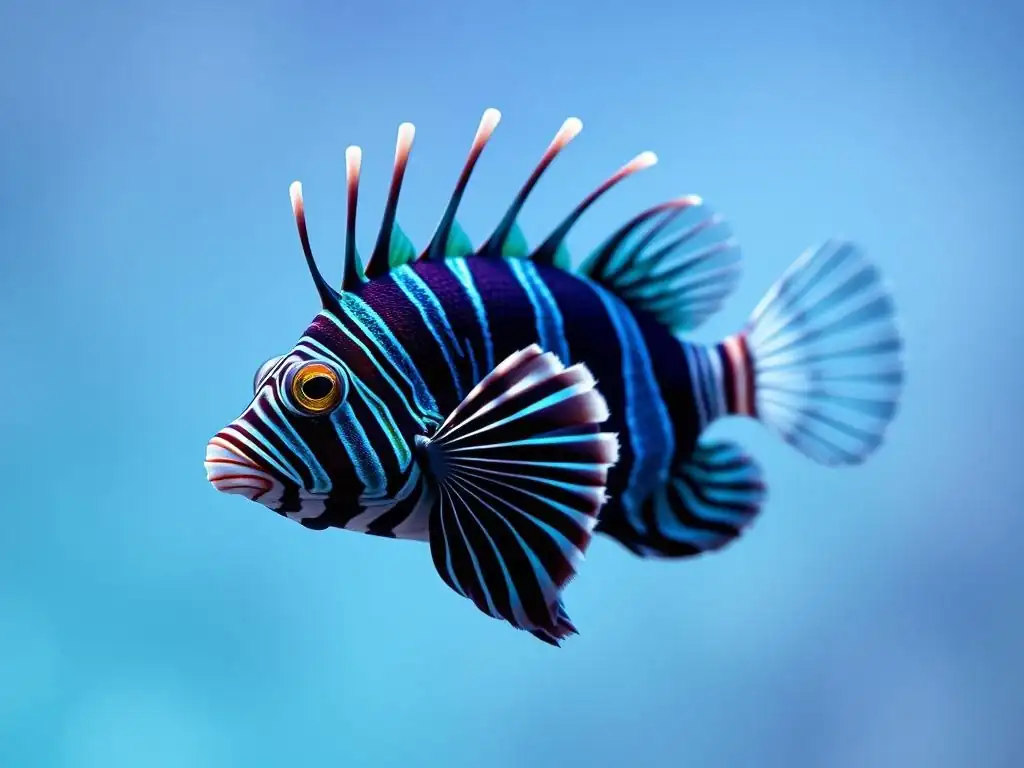
Breeding Dwarf Zebra Lionfish ( Dendrochirus zebra) in a home aquarium setting is considered extremely challenging, with successful documented instances being rare and primarily limited to large public aquariums or specialized research facilities. Unlike some other marine species that readily spawn in captivity, Dendrochirus zebra requires very specific environmental cues, precise water parameters, and often, a controlled diet that can be difficult to replicate in a typical home setup.
The breeding process typically involves complex courtship rituals, followed by the release of buoyant egg masses into the water column. The larvae are extremely small and require microscopic live foods for initial survival, which are notoriously difficult to culture in sufficient quantities.
Furthermore, the sheer volume of water and intricate filtration systems found in public aquariums provide a level of stability and environmental control that is nearly impossible to achieve in a hobbyist tank. Therefore, for the vast majority of aquarists, the focus of dwarf zebra lionfish care should remain on providing an optimal environment for their individual health and longevity, rather than attempting to breed them.
Potential Challenges and Solutions in Dwarf Zebra Lionfish Keeping
Addressing Common Issues with Dendrochirus zebra
Despite diligent dwarf zebra lionfish care, aquarists may encounter a few common challenges. One frequent issue is a new lionfish's reluctance to eat prepared frozen foods, preferring live prey. A solution involves patience and persistence: offer small, frequent portions of frozen mysis shrimp or krill using tongs, wiggling the food to simulate movement.
Occasionally, offering a live ghost shrimp can stimulate a feeding response, after which efforts to transition to frozen foods should be redoubled. Another challenge can be aggression or stress caused by inappropriate tank mates; if a lionfish appears withdrawn or stressed, re-evaluating tank mate compatibility or tank size is necessary.
Fin erosion or damage, while sometimes a sign of nipping tank mates, can also indicate poor water quality or bacterial infection. Regularly testing water parameters and maintaining pristine conditions is the first line of defense. If the issue persists, isolating the fish in a hospital tank for observation and potential treatment with antibiotics might be required. Addressing these issues proactively by understanding the specific dwarf zebra lionfish care tips related to diet, environment, and tank mates can prevent minor problems from escalating into serious health concerns.
Tips for Long-Term Success with Dwarf Zebra Lionfish
Achieving long-term success with Dwarf Zebra Lionfish hinges on consistency, observation, and a commitment to their specific needs. One of the most crucial dwarf zebra lionfish care tips for longevity is maintaining unwavering water quality. Regular water changes (10-20% bi-weekly) and diligent monitoring of parameters (temperature, salinity, pH, ammonia, nitrite, nitrate) are non-negotiable. A stable environment reduces stress, which is a primary contributor to disease.
Furthermore, providing a consistently varied and nutritious diet of high-quality frozen marine foods is essential for their health and vibrant coloration. Avoid overfeeding, which can lead to digestive issues and pollute the tank. Daily observation of your lionfish's behavior, appetite, and physical appearance allows for early detection of any potential issues, enabling prompt intervention.
Lastly, always exercise caution when performing tank maintenance due to their venomous spines; always know where your lionfish is before placing hands in the water. With these dedicated dwarf zebra lionfish care tips, your striped wonder can thrive for many years, becoming a captivating centerpiece of your saltwater aquarium.
Conclusion: Enjoying Your Dwarf Zebra Lionfish
The Rewarding Experience of Keeping Dendrochirus zebra
Keeping a Dwarf Zebra Lionfish ( Dendrochirus zebra) in a home aquarium is a truly rewarding experience for the dedicated marine aquarist. Their unique beauty, characterized by striking stripes and fanned fins, makes them an undeniable focal point in any saltwater setup. Beyond their aesthetic appeal, observing their distinct predatory behaviors and graceful movements provides endless fascination. The process of successfully maintaining such a specialized species fosters a deeper connection to the marine environment and enhances one's understanding of intricate aquatic ecosystems.
While they require specific attention to detail, particularly concerning water quality, diet, and tank setup, the effort invested in their dwarf zebra lionfish care is amply repaid by their longevity and captivating presence. A thriving Dwarf Zebra Lionfish is a testament to the aquarist's skill and dedication, offering a unique opportunity to house a piece of the ocean's exotic beauty. For those prepared to meet their needs, the Dwarf Zebra Lionfish stands as a magnificent and enduring addition, providing years of enjoyment and a constant reminder of the wonders of the underwater world.
Frequently Asked Questions
How difficult is it to care for a Dwarf Zebra Lionfish?
Dwarf Zebra Lionfish are generally considered intermediate in difficulty. They require specific water parameters and a diet of live or frozen meaty foods, making them unsuitable for beginners.
What size aquarium is recommended for a Dwarf Zebra Lionfish?
A minimum tank size of 30 gallons is recommended for a single Dwarf Zebra Lionfish. This provides adequate space for swimming and helps maintain stable water quality.
What do Dwarf Zebra Lionfish eat?
They primarily consume live or frozen meaty foods like shrimp, small fish, and crustaceans. It's crucial to offer a varied diet to ensure their nutritional needs are met.
What are the ideal water parameters for a Dwarf Zebra Lionfish tank?
Maintaining a temperature between 72-78°F (22-26°C), a salinity of 1.023-1.025, and a pH of 8.1-8.4 is essential for their health and well-being. Regular water changes are also important.
Are Dwarf Zebra Lionfish compatible with other fish?
They are predatory fish and should not be housed with small, defenseless fish that they could eat. Larger, semi-aggressive tank mates are generally more suitable.
Final Reflection: Embracing the Delicate Balance
The intricate dance of maintaining a thriving aquarium, particularly when housing a creature as captivating as the Dwarf Zebra Lionfish, highlights our responsibility as stewards of the natural world. The care tips outlined in this article aren't merely instructions; they are a testament to the dedication required to understand and respect the delicate ecosystems we attempt to recreate within our homes.
The allure of the Dwarf Zebra Lionfish extends beyond its striking stripes; it represents a connection to the wild, a reminder of the biodiversity we must strive to protect. My hope is that this guide not only empowers aquarists to provide optimal care but also fosters a deeper appreciation for the complexities of marine life. In the end, we will conserve only what we love; we will love only what we understand; and we will understand only what we are taught.
- Baba Dioum. This quote encapsulates the essence of responsible aquarium keeping: education leading to understanding, love, and ultimately, conservation.
As you embark on, or continue, your journey with the Dwarf Zebra Lionfish, remember that each action, each decision, has a ripple effect. Let the knowledge gained from this article inspire you to not only provide exceptional care for your aquatic companion but also to advocate for the preservation of its natural habitat. Consider how your choices, both within and beyond the aquarium, contribute to the health of our oceans.
Unleash Your Inner Reef Keeper!
Thank you for diving into the captivating world of the Dwarf Zebra Lionfish! We hope you've gained valuable insights into caring for this striped wonder. Now, let’s turn that knowledge into action and create a thriving aquatic haven.
Here's how you can take your lionfish care to the next level:
- Commit to meticulous observation. Dedicate just 5 minutes each day to closely watch your Dwarf Zebra Lionfish for any changes in behavior, feeding habits, or physical appearance. Early detection is key to preventing potential health issues.
- Share your newfound knowledge! Introduce a friend or family member to the wonders of reef keeping by discussing what you've learned about these fascinating fish.
- Consider exploring ethical breeding to contribute to responsible aquarium practices and help reduce the demand for wild-caught specimens.
What specific water parameter will you prioritize monitoring this week to ensure your lionfish's optimal health and happiness?