
Blackwater Magic: Setting Up an Apistogramma Biotope

Welcome to Aquarium Mastery!
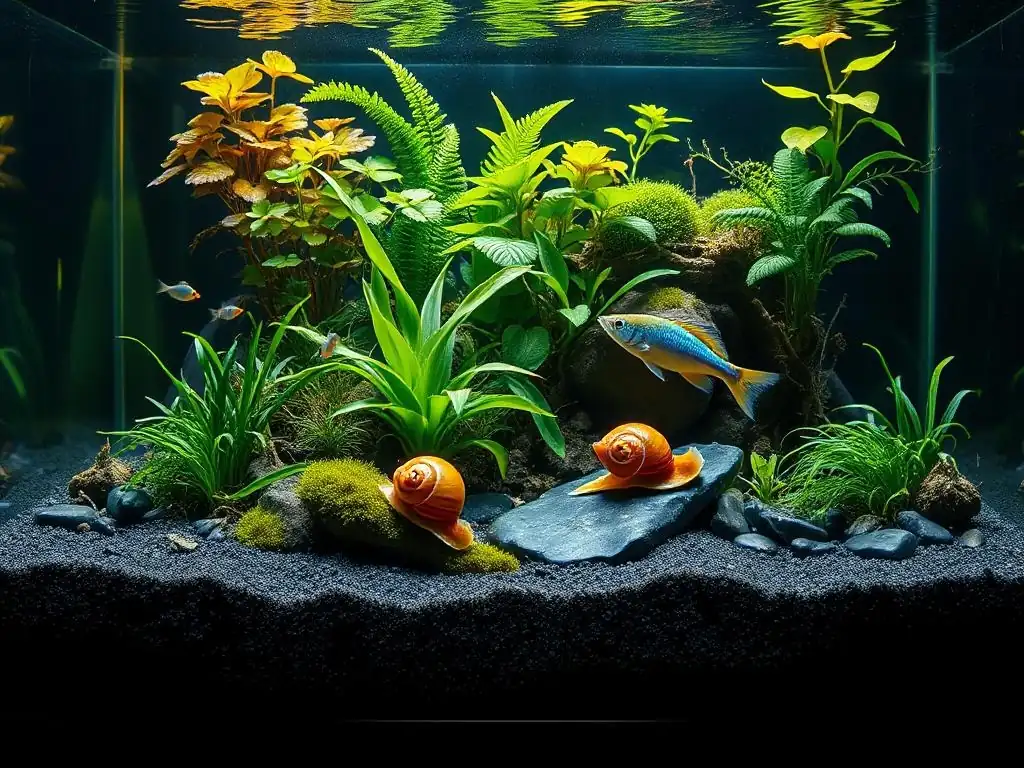
Ever dreamt of recreating the enchanting, shadowy depths where vibrant Apistogramma thrive? Then you've come to the right place! Dive into our comprehensive guide and discover the secrets to building a breathtaking Apistogramma biotope aquarium setup. Prepare to unlock the magic of blackwater and create a slice of South America right in your living room. Intrigued? Let's begin!
- Blackwater Magic: Setting Up an Apistogramma Biotope Aquarium
- Understanding the Apistogramma Biotope
- Planning Your Apistogramma Biotope Aquarium Setup
- Substrate and Hardscape: Creating an Authentic Blackwater Environment
- Water Chemistry: Achieving Ideal Blackwater Parameters
- Plant Selection for an Apistogramma Biotope Aquarium
- Stocking Your Apistogramma Biotope: Choosing Tank Mates
- Maintaining Your Apistogramma Blackwater Aquarium
- Common Mistakes to Avoid When Setting Up an Apistogramma Biotope Aquarium
- Advanced Apistogramma Biotope Techniques
- Conclusion: The Rewards of an Authentic Apistogramma Biotope
-
Frequently Asked Questions
- What exactly is an Apistogramma biotope aquarium?
- What are the key components of a blackwater Apistogramma biotope?
- Why is blackwater so important for Apistogramma?
- What types of plants are suitable for an Apistogramma biotope aquarium?
- How often should I perform water changes in an Apistogramma biotope?
- Final Reflection: Embracing the Blackwater's Whisper
- Unleash the Amazon in Your Aquarium!
Blackwater Magic: Setting Up an Apistogramma Biotope Aquarium
Understanding the Apistogramma Biotope
What is a Blackwater Biotope and Why Choose it for Apistogrammas?
A blackwater biotope is an aquatic environment characterized by its tea-colored water, which results from the decomposition of organic matter such as leaves, wood, and other plant debris. This decomposition releases humic substances and tannins, staining the water a dark amber or brown hue. These substances naturally lower the pH, reduce water hardness, and create a soft, acidic environment. For species like Apistogrammas, which originate from such conditions, replicating this specific blackwater biotope aquarium setup is not merely an aesthetic choice but a critical factor for their health and well-being.
Choosing a blackwater setup for Apistogrammas provides numerous benefits. The soft, acidic water parameters closely mimic their native Amazonian and Orinoco basin habitats, significantly reducing stress and promoting vibrant coloration. The tannins also possess mild antiseptic properties, which can help prevent bacterial and fungal infections, contributing to a healthier environment. Furthermore, the dim lighting and abundant hiding spots inherent in a blackwater Apistogramma tank encourage natural behaviors, including foraging, territorial displays, and successful breeding.
The Natural Habitat of Apistogrammas: A Blackwater Ecosystem
Apistogrammas, a diverse genus of dwarf cichlids, primarily inhabit the slow-moving rivers, streams, and flooded forest floors of South America, particularly within the Amazon and Orinoco river basins. These regions are quintessential blackwater ecosystems, where dense canopy cover limits direct sunlight penetration, and vast amounts of decaying leaf litter, submerged roots, and branches accumulate on the substrate. The water is typically very soft, with a general hardness (GH) often below 3 dGH and a carbonate hardness (KH) close to zero, while the pH can range from an astonishingly low 4.0 to 6.5.
In their natural blackwater environment, Apistogrammas are often found amongst the leaf litter, which serves as both a foraging ground for small invertebrates and a crucial hiding place from predators. The intricate network of roots and branches provides vital territories for males and sheltered spawning sites for females. The low conductivity of the water, coupled with the presence of humic acids, creates a stable and specialized niche that these fish have evolved to thrive in. Understanding these specific characteristics is paramount for a successful Apistogramma biotope aquarium setup.
Benefits of Replicating an Apistogramma's Natural Environment
Replicating an Apistogramma's natural blackwater environment offers profound benefits that extend beyond mere aesthetics, directly impacting the fish's physiological and behavioral well-being. When housed in conditions mirroring their native streams, Apistogrammas exhibit significantly reduced stress levels, which translates to a stronger immune system and a lower susceptibility to common diseases. Their colors become strikingly more vibrant and intense, reflecting their optimal health and comfort. For example, a male Apistogramma cacatuoides housed in a well-established blackwater biotope will display brilliant orange and red fins, often far more vivid than those kept in neutral or hard water conditions.
Beyond health and coloration, a true Apistogramma biotope aquarium setup encourages natural behaviors that are rarely observed in conventional tanks. This includes intricate courtship rituals, territorial defense, and successful breeding. Many Apistogramma species, such as Apistogramma agassizii and Apistogramma borellii, are known to be challenging to breed outside of soft, acidic blackwater conditions.
The specific water parameters, coupled with the abundant leaf litter and driftwood caves, provide the ideal stimuli and secure locations for spawning and fry rearing. This creates a deeply satisfying experience for the aquarist, allowing for observation of the full life cycle and complex social dynamics of these fascinating dwarf cichlids.
Planning Your Apistogramma Biotope Aquarium Setup
Aquarium Size Considerations for Apistogrammas
When planning an Apistogramma biotope aquarium setup, selecting the appropriate tank size is crucial for the well-being and natural behavior of these dwarf cichlids. While a single pair of smaller species like Apistogramma borellii or Apistogramma panduro can potentially be housed in a 10-gallon (approx. 38-liter) tank, a 15-20 gallon (approx.
57-76 liter) long tank is generally recommended as a minimum for a pair of most common Apistogramma species, such as Apistogramma cacatuoides or Apistogramma agassizii. The "long" dimension is particularly important as it provides more horizontal swimming space and a larger footprint for establishing territories, which is vital for these often territorial bottom-dwellers.
For a trio or a harem (one male with multiple females), which is often the preferred setup for many Apistogramma species to mitigate male aggression towards a single female, a 20-30 gallon (approx. 76-114 liter) long tank is a more suitable choice. This allows each female to establish her own territory and provides ample space for the male to patrol without overly stressing any individual.
For example, in a 29-gallon tank measuring 30 inches (76 cm) long, a male Apistogramma macmasteri can comfortably coexist with two or three females, provided there are sufficient visual barriers and hiding spots created by driftwood and leaf litter. Adequate space minimizes aggression and promotes a more natural social structure within the Apistogramma biotope aquarium setup.
Essential Equipment for a Blackwater Apistogramma Tank
Setting up an Apistogramma biotope aquarium requires specific equipment tailored to maintain the unique blackwater conditions these fish thrive in. Beyond the aquarium itself, key components include a gentle but effective filtration system, appropriate lighting that mimics the subdued conditions of their natural habitat, and a reliable heater to maintain stable tropical temperatures. Each piece of equipment plays a vital role in creating a healthy and authentic blackwater environment, supporting the delicate balance required for Apistogrammas to flourish.
Ensuring each piece of equipment aligns with the blackwater Apistogramma tank's specific needs is paramount. For instance, filtration should prioritize biological stability over strong mechanical flow, which could disturb the fish or clear the beneficial tannins too quickly. Lighting should be subdued to replicate the dim, filtered light of their native streams, encouraging natural behaviors and vibrant coloration. A stable temperature is non-negotiable, as temperature fluctuations can significantly stress these sensitive dwarf cichlids. Together, these elements form the technical backbone of a successful Apistogramma biotope aquarium setup.
Filter Selection for Blackwater Aquariums
For a blackwater Apistogramma tank, filter selection should prioritize gentle water movement and robust biological filtration over strong mechanical clearing. Sponge filters are an excellent choice, providing extensive surface area for beneficial bacteria, minimal current, and a low risk of harming delicate fry.
For tanks 20 gallons and larger, a small hang-on-back (HOB) filter with adjustable flow, or a compact canister filter, can also be effective. When using HOB or canister filters, it's crucial to baffle the outflow to reduce current and consider media like peat or activated carbon (used sparingly) if you wish to adjust water parameters or remove excess tannins temporarily.
Regardless of the type, the filter media should be inert and not leach minerals that could increase water hardness or pH. Ceramic rings, bio-balls, and filter floss are suitable options. Avoid filter media containing activated carbon for continuous use, as it will rapidly remove the beneficial tannins that characterize a blackwater Apistogramma biotope. For example, an AquaClear 20 HOB filter with a pre-filter sponge on the intake and a baffled outflow can provide adequate filtration for a 15-gallon Apistogramma biotope aquarium setup without creating excessive turbulence.
Lighting for Apistogramma Biotopes: Mimicking Natural Light
Lighting for an Apistogramma biotope aquarium setup should mimic the subdued, filtered light found in their natural blackwater habitats. This typically means low to moderate intensity lighting, often with a warmer color temperature to enhance the natural amber hue of the water and the fish's colors. LED lights are ideal as they offer adjustability in both intensity and spectrum, allowing you to fine-tune the environment. A light fixture with a dimmer or a low-wattage bulb is often sufficient.
A photoperiod of 6-8 hours per day is generally adequate for most blackwater plants and helps maintain the fish's natural circadian rhythms. Avoid bright, intense lighting, as it can stress Apistogrammas, causing them to lose color and hide more frequently.
For example, a low-wattage LED strip like a Finnex Planted+ CRV set to a lower intensity, or even a simple 6500K LED bulb in a standard hood, can provide ample illumination without overpowering the natural aesthetic of an Apistogramma biotope. The goal is to create a serene, dimly lit understory feel, which is crucial for a thriving Apistogramma biotope aquarium setup.
Heaters and Temperature Control for Apistogramma Health
Maintaining a stable and appropriate temperature is critical for the health and longevity of Apistogrammas in a blackwater biotope aquarium setup. These tropical fish thrive in warm, consistent water conditions, typically ranging from 75°F to 82°F (approximately 24°C to 28°C). Fluctuations outside this range or rapid changes can significantly stress the fish, making them susceptible to illness. Therefore, a reliable submersible heater with an accurate thermostat is an essential piece of equipment.
It is advisable to choose a heater with sufficient wattage for your tank size, generally 3-5 watts per gallon, to ensure it can maintain the desired temperature effectively. For instance, a 50-watt heater is suitable for a 10-15 gallon tank, while a 75-100 watt heater would be appropriate for a 20-30 gallon Apistogramma biotope. Always use a separate thermometer to monitor the water temperature independently of the heater's thermostat, providing a crucial double-check. Placing the heater near the filter outflow can help distribute warmth evenly throughout the blackwater Apistogramma tank, preventing cold spots and ensuring a consistently warm environment.
Substrate and Hardscape: Creating an Authentic Blackwater Environment
Choosing the Right Substrate for an Apistogramma Biotope
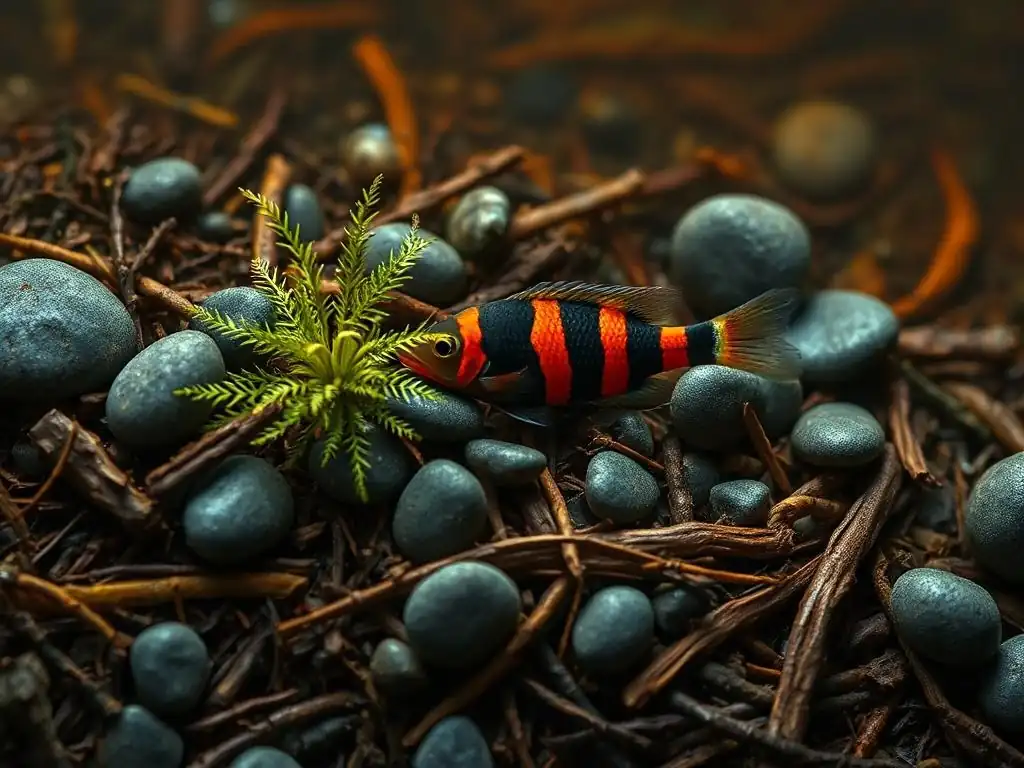
The substrate is a fundamental component of an Apistogramma biotope aquarium setup, impacting both the aesthetic and the biological functions of the tank. For Apistogrammas, the ideal substrate should be fine, inert, and mimic the sandy, detritus-rich bottoms of their natural habitats. This choice directly influences water parameters, fish behavior, and the overall health of the biotope.
An appropriate substrate is crucial for these bottom-dwelling dwarf cichlids as they often sift through it in search of food and may even dig small depressions for spawning. Selecting a substrate that does not alter water chemistry is also paramount in maintaining the soft, acidic conditions characteristic of a blackwater Apistogramma tank.
Sand vs. Gravel: What's Best for Apistogrammas?
For an Apistogramma biotope aquarium setup, fine sand is overwhelmingly preferred over gravel. Apistogrammas are natural substrate sifting fish; they will routinely take mouthfuls of sand, sift through it for food particles, and expel the clean sand through their gills. This natural behavior is not only fascinating to observe but also crucial for their well-being, as it aids in digestion and provides mental stimulation. Fine sand, such as pool filter sand or play sand (ensure it's silica-based and thoroughly rinsed), is soft on their delicate barbels and allows for this natural sifting without injury.
In contrast, coarse gravel can injure the Apistogramma's mouth and barbels as they attempt to sift through it. It also tends to trap more detritus, which can lead to anaerobic pockets and fluctuating water quality, issues that are detrimental in a sensitive blackwater Apistogramma tank. Furthermore, gravel does not provide the soft, uniform texture that these fish prefer for digging shallow spawning pits. A layer of 1-2 inches (2.5-5 cm) of fine sand provides ample depth for natural behaviors and plant rooting, making it the superior choice for an authentic Apistogramma biotope.
Hardscape Elements: Driftwood, Roots, and Leaf Litter
Hardscape elements are indispensable in an Apistogramma biotope aquarium setup, serving both aesthetic and functional purposes. Driftwood, roots, and leaf litter are not merely decorative; they are vital for creating the complex, naturalistic environment that Apistogrammas thrive in. These elements provide crucial hiding spots, visual barriers that help reduce aggression, and surfaces for beneficial biofilm growth. More importantly, they are the primary sources of tannins and humic substances that naturally lower pH and soften the water, giving the blackwater Apistogramma tank its characteristic dark hue.
The strategic placement of these hardscape components allows for the creation of distinct territories, which is essential for these often territorial dwarf cichlids, particularly when housing multiple individuals or a breeding pair. The intricate structures mimic the submerged branches and root systems of their native flooded forests, offering security and stimulating natural behaviors. Without these elements, an Apistogramma biotope would lack the essential characteristics necessary for the fish to feel secure, display their full coloration, or engage in breeding activities.
Selecting and Preparing Driftwood for Blackwater Tanks
Selecting the right driftwood is crucial for an authentic Apistogramma biotope aquarium setup. Types like Malaysian driftwood, Mopani wood, and spider wood are popular choices due to their natural appearance and ability to release tannins, which are essential for creating the blackwater effect. These woods are generally dense and will sink without much effort, though some initial buoyancy may occur. Avoid any wood that is soft, decaying, or has a strong, unnatural odor. Ensure any collected wood is safe for aquarium use and free of pesticides or chemicals.
Preparation of driftwood is paramount to ensure it's safe for your blackwater Apistogramma tank. New driftwood should be thoroughly cleaned and then soaked or boiled for several days to weeks.
Boiling helps to kill off any potential pathogens, release excess tannins more quickly (if you want to control the staining initially), and help the wood become waterlogged so it sinks. For example, a 10-pound piece of Malaysian driftwood might require 1-2 weeks of soaking with daily water changes to become fully saturated and release the majority of its initial tannins, though it will continue to leach tannins for months, contributing to the blackwater effect.
Using Leaf Litter to Simulate the Apistogramma's Natural Habitat
Leaf litter is perhaps the most defining feature of an Apistogramma biotope aquarium setup, directly mimicking the forest floor environment of their native South American streams. Indian Almond (Catappa) leaves are the most popular choice due to their rapid tannin release and proven antimicrobial properties. Other suitable leaves include guava leaves, oak leaves, and beech leaves, all of which release beneficial humic substances as they slowly decompose. These leaves provide essential hiding spots, foraging grounds for microfauna, and a natural food source for the fish, as well as contributing significantly to the soft, acidic blackwater conditions.
To use leaf litter, simply rinse the dried leaves and add them to the tank. They will initially float but will sink after a few days. A common ratio is 1-2 medium-sized Catappa leaves per 10 gallons of water, replaced every 2-4 weeks as they break down.
For example, in a 20-gallon Apistogramma biotope, adding 2-4 Catappa leaves will create a natural scattering on the substrate, providing shelter for the fish and a continuous release of tannins. The decaying leaves also encourage the growth of infusoria and biofilm, which serves as a vital food source for Apistogramma fry, making them indispensable for a successful breeding Apistogramma biotope aquarium setup.
Adding Rocks and Other Natural Elements
While driftwood and leaf litter are the primary hardscape elements for an Apistogramma biotope aquarium setup, rocks can also be incorporated to enhance the natural feel and provide additional structure. When selecting rocks, it is crucial to choose inert types that will not leach minerals and increase water hardness or pH. Smooth river stones, basalt, or slate are excellent choices, as they are non-reactive and blend seamlessly with the blackwater aesthetic. Avoid limestone, marble, or any rock that fizzes when tested with vinegar, as these will buffer the water and counteract the desired soft, acidic conditions.
Rocks can be strategically placed to create additional caves, crevices, and visual barriers, complementing the hiding spots provided by driftwood and leaf litter. For instance, stacking a few flat pieces of slate can form a secure cave that a female Apistogramma might choose for spawning.
In a 29-gallon Apistogramma biotope, incorporating a few fist-sized river stones alongside a large piece of driftwood can add depth and complexity to the layout, offering more diverse territorial options for the fish. Ensure all rocks are stable and cannot topple, especially if fish are prone to digging around them, maintaining safety within your Apistogramma biotope aquarium setup.
Water Chemistry: Achieving Ideal Blackwater Parameters
Understanding pH, GH, and KH in Apistogramma Biotopes
Understanding and maintaining specific water chemistry parameters is paramount for a successful Apistogramma biotope aquarium setup. For most Apistogramma species, the ideal pH range is acidic, typically between 4.5 and 6.5. This low pH is characteristic of their natural blackwater habitats and is crucial for their long-term health, stress reduction, and breeding success. Deviations from this range can cause significant stress, leading to diminished health and coloration.
General Hardness (GH) and Carbonate Hardness (KH) are equally important. GH, which measures the concentration of dissolved calcium and magnesium ions, should be very low, ideally between 0-5 dGH (0-89 ppm). KH, or alkalinity, measures the water's buffering capacity, and for blackwater Apistogrammas, it should be close to zero, typically 0-3 dKH (0-54 ppm). A low KH is essential because it allows the pH to drop and remain stable in the acidic range without resistance from buffering agents. Achieving and maintaining these soft, acidic conditions is the cornerstone of a thriving Apistogramma biotope.
Lowering pH Naturally: The Role of Tannins
Lowering pH naturally is a cornerstone of an authentic Apistogramma biotope aquarium setup, and tannins play the starring role in this process. Tannins are organic compounds released from the decomposition of botanical materials such as driftwood, leaf litter (e.g., Indian Almond leaves, oak leaves), and peat moss.
As these materials break down in the water, they release humic acids and fulvic acids, which are responsible for both the characteristic amber stain of blackwater and the gradual reduction of pH. For instance, adding 3-5 large Indian Almond leaves to a 20-gallon tank can typically lower the pH from neutral (7.0) to around 6.0-6.5 over several days, depending on the initial water hardness.
Beyond pH reduction, tannins offer additional benefits in a blackwater Apistogramma tank. They chelate heavy metals, making them less toxic to fish, and possess mild antibacterial and antifungal properties, contributing to a healthier environment. While the pH reduction from tannins is usually moderate and gradual, it provides a stable and natural method. For significantly higher pH tap water (e.g., above 7.5), combining tannin sources with reverse osmosis (RO) or deionized (DI) water for water changes is often necessary to achieve and maintain the desired acidic range, as tannins alone may not overcome strong buffering capacity.
Using Blackwater Extracts and Additives Safely
While natural methods like driftwood and leaf litter are preferred for establishing a blackwater Apistogramma tank, commercial blackwater extracts and additives can be used safely to supplement or quickly achieve desired parameters. These extracts typically contain concentrated humic and fulvic acids, mimicking the beneficial compounds released by decaying botanicals. They can be particularly useful for aquarists starting with very hard or alkaline tap water, where natural methods alone might struggle to lower the pH sufficiently or take too long to establish the desired conditions for an Apistogramma biotope aquarium setup.
When using blackwater extracts, it is crucial to follow the manufacturer's dosing instructions carefully and to introduce them gradually while closely monitoring your water parameters with a reliable test kit. Overdosing can lead to rapid pH drops, which are more dangerous to fish than a stable, slightly higher pH.
For example, adding a few milliliters of a commercial blackwater extract to a 20-gallon tank can shift the pH by 0.2-0.5 units within hours. It's important to remember that these extracts primarily adjust chemistry and do not replace the physical habitat benefits (hiding spots, foraging) provided by actual leaf litter and driftwood in an authentic Apistogramma biotope.
Maintaining Stable Water Parameters for Apistogramma Health
Maintaining stable water parameters is paramount for the long-term health and well-being of Apistogrammas in a blackwater biotope aquarium setup. While achieving the ideal pH (4.5-6.5), GH (0-5 dGH), and KH (0-3 dKH) is the initial goal, preventing wild fluctuations is even more critical. Apistogrammas are highly sensitive to sudden shifts in water chemistry, which can lead to severe stress, compromised immune systems, and increased susceptibility to diseases like ich or bacterial infections. Consistency is key, even if your parameters are slightly outside the "ideal" but remain stable.
To ensure stability, regular water testing (at least weekly) for pH, GH, KH, ammonia, nitrite, and nitrate is essential. Small, frequent water changes (e.g., 10-20% weekly) using properly conditioned and pre-mixed RO/DI water, remineralized to target parameters, are far superior to large, infrequent changes. For example, if your tank's pH is consistently 6.0 and GH is 3 dGH, aim to replicate these exact parameters in your replacement water.
Avoid adding chemicals to rapidly adjust pH, as these often lead to unstable swings. Instead, rely on the natural buffering provided by tannins and the consistent use of soft water to maintain the delicate balance of your Apistogramma biotope aquarium setup.
Plant Selection for an Apistogramma Biotope Aquarium
Choosing Apistogramma-Friendly Plants
Selecting the right plants for an Apistogramma biotope aquarium setup is crucial for both aesthetic appeal and the well-being of your fish. The ideal plants should be able to thrive in the low light and soft, acidic water conditions characteristic of a blackwater tank, while also providing essential cover and foraging areas for Apistogrammas. Plants that require high light, CO2 injection, or hard water will struggle and ultimately detract from the natural biotope feel.
The best plant choices are those that are resilient, adaptable to fluctuating nutrient levels from decaying leaf litter, and contribute to the overall naturalistic appearance of the blackwater Apistogramma tank. They should offer plenty of places for the fish to hide, explore, and establish territories, enhancing the fish's sense of security and encouraging natural behaviors.
Plants That Thrive in Low Light and Acidic Conditions
Several plant species are exceptionally well-suited for the low-light, soft, and acidic conditions of an Apistogramma biotope aquarium setup. These plants are typically epiphytes or low-demanding rooted plants that can draw nutrients from the water column or attach to hardscape. Anubias species, such as Anubias barteri and Anubias nana, are excellent choices.
They are incredibly hardy, grow slowly, and can be attached to driftwood or rocks, providing valuable shade and resting spots for Apistogrammas. Similarly, Bucephalandra species, with their diverse leaf shapes and colors, are another group of epiphytes that thrive in similar conditions and add intricate detail to the hardscape.
Java Fern ( Microsorum pteropus) is another classic low-light plant that can be tied to driftwood or rocks. Its broad leaves offer excellent cover, and it's highly tolerant of various water parameters, including the soft, acidic water of a blackwater Apistogramma tank. Various Cryptocoryne species, such as Cryptocoryne wendtii or Cryptocoryne undulata, are also ideal.
These rooted plants prefer soft, acidic substrates and provide dense midground and foreground cover. While they may experience "melt" initially after planting, they typically recover and establish robust root systems. These plants not only enhance the visual authenticity of the Apistogramma biotope but also contribute to water quality by absorbing nitrates and providing oxygen.
Planting Techniques for a Natural Look
Achieving a natural look in an Apistogramma biotope aquarium setup involves more than just selecting the right plants; it requires thoughtful planting techniques. The goal is to mimic the dense, somewhat chaotic, yet harmonious growth found in natural blackwater environments, providing ample cover and visual barriers for the fish. Instead of rigid rows, aim for a more organic, clustered arrangement that creates a sense of depth and exploration for the Apistogrammas.
For epiphytic plants like Anubias, Bucephalandra, and Java Fern, attach them to driftwood or rocks using fishing line or super glue gel. Avoid burying their rhizomes in the substrate, as this can cause them to rot. Place these plants strategically to create shaded areas and break up lines of sight.
For rooted plants like Cryptocoryne species, plant them in clusters rather than individually, allowing them to form natural groupings. For example, in a 20-gallon long Apistogramma biotope, a large piece of Malaysian driftwood could have several Anubias nana attached to its branches, while a cluster of Cryptocoryne wendtii could be planted at its base, leading into a scattered layer of leaf litter. This layered approach not only looks authentic but also provides the multiple hiding spots and territorial divisions crucial for a thriving Apistogramma biotope.
Stocking Your Apistogramma Biotope: Choosing Tank Mates
Selecting Compatible Tank Mates for Apistogrammas
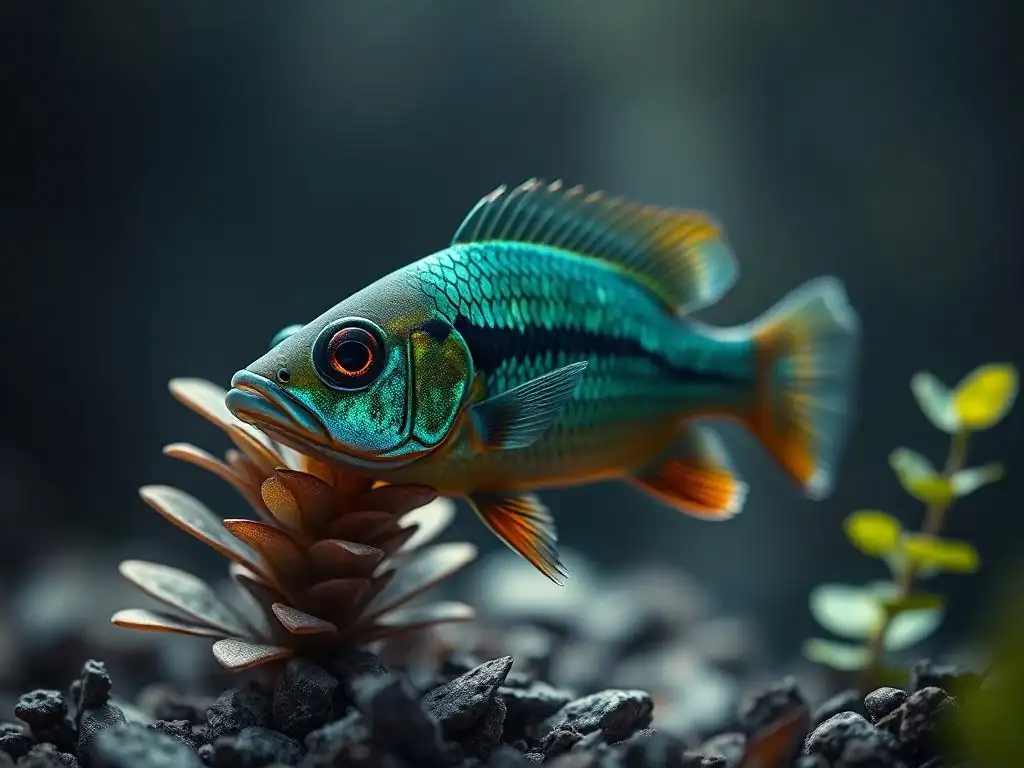
Selecting compatible tank mates is a critical step in establishing a harmonious Apistogramma biotope aquarium setup. Apistogrammas, while generally peaceful for cichlids, can be territorial, especially during breeding. Therefore, ideal tank mates should be small, peaceful, and primarily inhabit the middle to upper water columns, thus avoiding direct competition for space with the bottom-dwelling Apistogrammas. Crucially, any tank mates must also thrive in the soft, acidic blackwater conditions that Apistogrammas require, as introducing fish with different water parameter needs would compromise the entire biotope.
Avoid any fish that are known fin-nippers, overly boisterous, or aggressive, as these can stress Apistogrammas and lead to health issues. Large or fast-swimming fish can also intimidate these relatively shy dwarf cichlids. The best choices are those that complement the Apistogramma's temperament and habitat requirements, creating a balanced and stress-free environment. This careful selection ensures that the Apistogrammas remain the focal point of the blackwater biotope, displaying their full range of natural behaviors and vibrant colors.
Small Tetras and Rasboras: Ideal Community Fish
Small tetras and rasboras are often considered ideal community fish for an Apistogramma biotope aquarium setup due to their peaceful nature, schooling behavior, and preference for soft, acidic water. Species such as Cardinal Tetras ( Paracheirodon axelrodi), Ember Tetras ( Hyphessobrycon amandae), and Green Neon Tetras ( Paracheirodon simulans) are excellent choices. These fish typically inhabit the middle and upper levels of the water column, staying out of the Apistogrammas' primary bottom territories. Their vibrant colors also provide a beautiful contrast against the dark blackwater backdrop.
Similarly, small rasboras like Chili Rasboras ( Boraras brigittae) or Harlequin Rasboras ( Trigonostigma heteromorpha) are also highly suitable. They are diminutive, non-aggressive, and thrive in conditions similar to Apistogrammas. For example, a school of 10-15 Ember Tetras can comfortably share a 20-gallon long Apistogramma biotope with a pair of Apistogramma cacatuoides, adding movement and interest without causing undue stress. Other beneficial additions can include small, peaceful catfish like Pygmy Corydoras ( Corydoras pygmaeus) or Otocinclus catfish ( Otocinclus affinis) for algae control, as they are also small and do not compete directly with Apistogrammas for space or food.
Avoiding Aggressive Tank Mates
When setting up an Apistogramma biotope aquarium, it is crucial to meticulously avoid any aggressive or overly boisterous tank mates. Apistogrammas, despite being cichlids, are relatively timid and can become easily stressed by larger, more boisterous, or fin-nipping fish. Introducing species known for aggression, such as many common cichlids (e.g., larger South American cichlids, African cichlids), or even certain barbs and larger tetras, will inevitably lead to stress, fin nipping, and potentially death for the Apistogrammas. Their vibrant colors will dull, and they will spend most of their time hiding.
Furthermore, avoid any fish that require significantly different water parameters, particularly those that prefer hard, alkaline water, as this directly conflicts with the blackwater Apistogramma tank environment. For example, Mollies, Platies, and many types of livebearers thrive in hard, alkaline water and would not be suitable tank mates. Even seemingly peaceful fish that grow too large, like Common Plecos, can disturb the substrate and stress the delicate Apistogrammas. The success of your Apistogramma biotope aquarium setup hinges on creating a peaceful and specialized environment, free from the threats posed by incompatible tank mates.
Introducing Apistogrammas to Their New Biotope
Introducing Apistogrammas to their newly established biotope requires careful acclimation to minimize stress and ensure a smooth transition. Given their sensitivity to water parameter changes, a slow and gradual acclimation process is essential. Drip acclimation is highly recommended: slowly adding tank water to the bag containing the fish over an hour or more, allowing them to gradually adjust to the new pH, temperature, and hardness. This process minimizes shock and reduces the likelihood of health issues.
Once acclimated, gently net the Apistogrammas and release them into the tank, allowing them to explore their new environment at their own pace. It is advisable to introduce a pair or a male with multiple females first, allowing them a few days to settle and establish territories before adding any other tank mates.
For example, if you're introducing a pair of Apistogramma viejita to a 20-gallon Apistogramma biotope, allow them 3-5 days to explore the driftwood caves and leaf litter before considering adding a small school of Ember Tetras. Dimming the lights for the first few hours after introduction can further reduce stress, helping the fish feel more secure in their new Apistogramma biotope aquarium setup.
Maintaining Your Apistogramma Blackwater Aquarium
Regular Water Changes and Maintenance
Regular water changes and consistent maintenance are non-negotiable for the long-term success and health of an Apistogramma biotope aquarium setup. While the blackwater environment aims for natural stability, decaying organic matter and fish waste will still accumulate, leading to rising nitrate levels and potential shifts in water chemistry. Performing small, frequent water changes, typically 10-20% weekly or bi-weekly, is far more beneficial than larger, less frequent ones, as it minimizes stress on the fish by preventing drastic parameter swings.
When performing water changes, always use water that has been pre-treated to match the tank's specific blackwater parameters, ideally RO/DI water remineralized to target GH/KH and adjusted for pH if necessary. For example, if your tank consistently runs at pH 6.0 and GH 3 dGH, your replacement water should be prepared to these exact specifications. Gently vacuum the substrate to remove excess detritus, being careful not to disturb the leaf litter or the Apistogrammas' established territories.
Cleaning filter media should be done sparingly and in old tank water to preserve beneficial bacteria. This consistent routine ensures a stable and healthy environment for your blackwater Apistogramma tank.
Monitoring Water Parameters and Adjusting as Needed
Continuous monitoring of water parameters is a fundamental aspect of maintaining a thriving Apistogramma biotope aquarium setup. Regular testing for pH, General Hardness (GH), Carbonate Hardness (KH), ammonia, nitrite, and nitrate is crucial to catch any deviations before they become problematic. For a blackwater Apistogramma tank, aim for pH 4.5-6.5, GH 0-5 dGH, and KH 0-3 dKH, with ammonia and nitrite at zero, and nitrates below 20 ppm. Weekly testing provides a consistent record and allows for proactive adjustments.
If parameters begin to drift, small, incremental adjustments are key. For instance, if pH starts to rise, it might indicate that the tannin sources (leaf litter, driftwood) are depleting, or that your source water is too hard. Adding more dried leaves or utilizing a small amount of peat in the filter can help.
If nitrates are consistently high, it may signal overfeeding or a need for more frequent water changes. The goal is to identify trends and make minor corrections over time rather than attempting drastic changes, which can shock the sensitive Apistogrammas. Maintaining this vigilance ensures the stability vital for a successful Apistogramma biotope.
Feeding Your Apistogrammas a Balanced Diet
Feeding your Apistogrammas a balanced and varied diet is essential for their health, coloration, and breeding success in a blackwater biotope aquarium setup. In their natural habitat, Apistogrammas are micro-predators, primarily feeding on small invertebrates, insect larvae, and detritus found among the leaf litter. Replicating this diet in captivity is crucial. While high-quality flakes or small pellets designed for dwarf cichlids can form the base of their diet, they should be supplemented significantly with live and frozen foods.
Live foods such as newly hatched brine shrimp, daphnia, microworms, and small bloodworms are highly relished and provide essential nutrients, especially for conditioning breeding pairs. Frozen bloodworms, Mysis shrimp, and brine shrimp are excellent alternatives when live foods are unavailable.
For example, feeding a small pinch of high-quality flakes in the morning, followed by a small portion of frozen bloodworms in the evening, provides a good balance. Feed small amounts multiple times a day (2-3 times) rather than one large meal, ensuring all food is consumed within a few minutes to avoid polluting the water in your sensitive Apistogramma biotope.
Troubleshooting Common Apistogramma Health Issues in Blackwater Tanks
While a well-maintained Apistogramma biotope aquarium setup significantly reduces stress and promotes fish health, issues can still arise. Common health problems in blackwater Apistogramma tanks often stem from subtle shifts in water quality, inadequate diet, or stress from incompatible tank mates. Fin rot and bacterial infections, though less common due to the antimicrobial properties of tannins, can still occur if water parameters fluctuate or if fish are stressed. Symptoms include frayed fins, lethargy, or loss of appetite. Addressing these usually involves improving water quality through targeted water changes and, if necessary, mild antibacterial treatments.
Parasitic infections like Ich (white spot disease) or Velvet are less frequently observed in stable blackwater conditions due to the tannins' inhibitory effects, but they are not impossible. If detected, careful treatment is required, often involving heat elevation (gradual increase to 82-84°F or 28-29°C) and specific medications, ensuring they are safe for soft-water fish.
Stress-related issues, such as faded colors or excessive hiding, often point to underlying problems like bullying, overcrowding, or unstable water parameters. A thorough review of tank mates, territory, and water chemistry is the first step in troubleshooting these issues, reinforcing the importance of maintaining the integrity of the Apistogramma biotope.
Common Mistakes to Avoid When Setting Up an Apistogramma Biotope Aquarium
Overlooking Water Chemistry
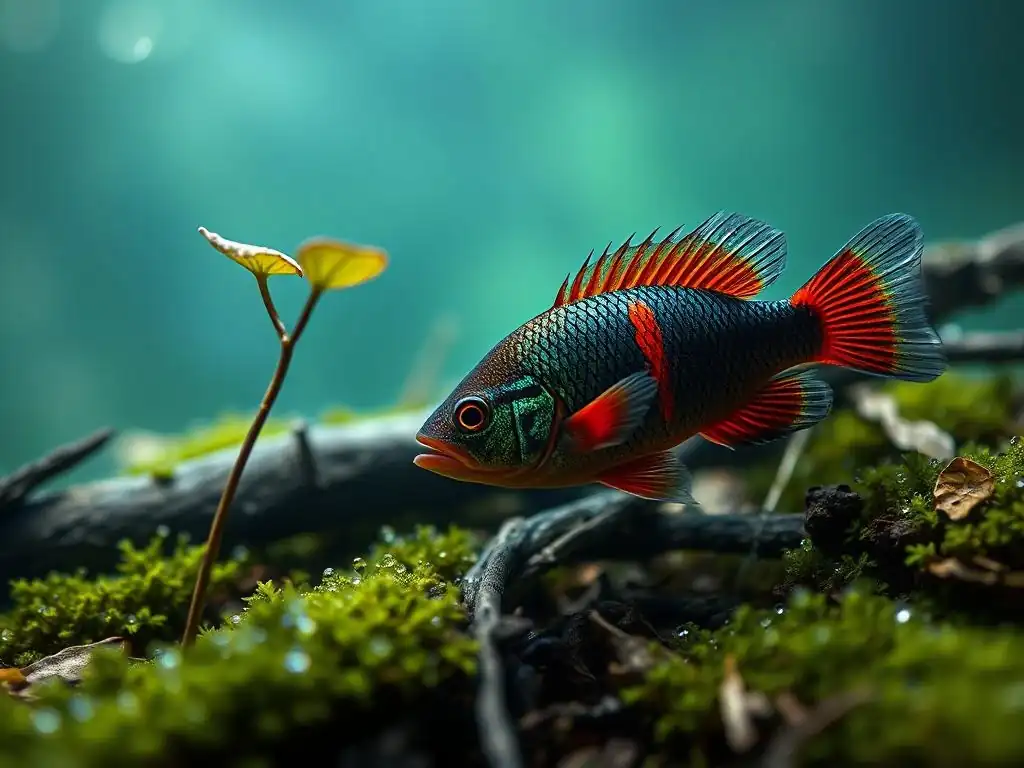
One of the most common and detrimental mistakes when setting up an Apistogramma biotope aquarium is overlooking the precise water chemistry requirements. Apistogrammas are highly specialized fish that thrive in soft, acidic blackwater conditions (pH 4.5-6.5, GH 0-5 dGH, KH 0-3 dKH).
Many new aquarists, particularly those with hard, alkaline tap water, fail to adequately modify their source water or continuously monitor the tank's parameters. Relying solely on a few pieces of driftwood or leaves without understanding their impact on your specific water can lead to fluctuating pH and hardness, which are extremely stressful and ultimately fatal for these sensitive dwarf cichlids.
Ignoring the carbonate hardness (KH), in particular, can be a critical error. A high KH will buffer the water, making it incredibly difficult, if not impossible, to achieve and maintain the low pH necessary for an Apistogramma biotope. Attempting to force pH down with chemical additives in high KH water can lead to dangerous pH crashes. Therefore, a comprehensive understanding of your source water and consistent testing are non-negotiable. Skipping these crucial steps will compromise the entire Apistogramma biotope aquarium setup, leading to stressed, unhealthy fish that fail to thrive or breed.
Inadequate Filtration
Inadequate filtration is another significant mistake that can quickly undermine an Apistogramma biotope aquarium setup. While Apistogrammas prefer gentle water flow, this does not mean a lack of proper filtration. Insufficient biological filtration will lead to an accumulation of ammonia and nitrite, both highly toxic to fish, especially in acidic conditions where ammonia becomes more toxic. A filter that is too small for the tank's bioload, or one that is not maintained properly (e.g., filter media not cleaned regularly, leading to blockages), will fail to process waste effectively, resulting in poor water quality.
Conversely, using a filter with an excessively strong flow rate can also be detrimental, even if its biological capacity is sufficient. Strong currents can stress Apistogrammas, which prefer still or slow-moving water, causing them to constantly fight the current and expend unnecessary energy. This can lead to exhaustion, reduced feeding, and increased susceptibility to disease. Therefore, selecting a filter that provides robust biological filtration with a gentle, adjustable flow (e.g., a sponge filter, baffled HOB, or small canister filter) is crucial for maintaining the delicate balance of a healthy blackwater Apistogramma tank.
Overcrowding the Tank
Overcrowding is a frequent and detrimental mistake in an Apistogramma biotope aquarium setup, leading to stress, aggression, and compromised water quality. While Apistogrammas are small, they are territorial, especially males and breeding females. Housing too many individuals in a confined space, or pairing them with too many or inappropriate tank mates, prevents them from establishing adequate territories.
This often results in constant skirmishes, fin nipping, and suppressed immune systems due to chronic stress. For instance, trying to keep two male Apistogramma cacatuoides in a 20-gallon tank without sufficient visual barriers will almost certainly lead to one male dominating and severely stressing the other.
Beyond aggression, overcrowding significantly increases the bioload on the filtration system, leading to a rapid accumulation of ammonia, nitrite, and nitrate. Even with diligent water changes, maintaining pristine blackwater parameters (low pH, GH, KH) becomes exceedingly difficult in an overcrowded tank. This constant battle with water quality further exacerbates stress on the fish, making them prone to illness and drastically reducing their lifespan. Adhering to recommended stocking levels (e.g., a pair or one male with 2-3 females in a 20-30 gallon long tank) and providing ample hiding spots is crucial for a harmonious and healthy Apistogramma biotope.
Neglecting Regular Maintenance
Neglecting regular maintenance is a critical error that can quickly lead to the decline of an Apistogramma biotope aquarium setup. While blackwater tanks are often perceived as "natural" and thus low-maintenance, this is a misconception. Consistent weekly or bi-weekly tasks are essential to prevent the accumulation of waste, monitor water parameters, and ensure the long-term health of the delicate ecosystem. Skipping water changes, for instance, allows nitrates to build up, stressing the fish and potentially leading to algae outbreaks, which detract from the biotope aesthetic.
Failure to regularly check and clean filter media can result in clogged filters, reduced water flow, and a breakdown in biological filtration, leading to dangerous ammonia and nitrite spikes. Similarly, not replacing decaying leaf litter when it fully decomposes can diminish the tannin release and alter the water chemistry.
For example, if a 20-gallon Apistogramma biotope is left without a 15% weekly water change for a month, nitrate levels could easily climb from a safe 5-10 ppm to over 40 ppm, placing significant strain on the fish. A proactive and consistent maintenance schedule is the backbone of a successful and stable Apistogramma biotope, ensuring the fish thrive in their carefully crafted environment.
Advanced Apistogramma Biotope Techniques
Breeding Apistogrammas in a Blackwater Environment
Breeding Apistogrammas in a blackwater environment is often the ultimate goal for enthusiasts and is significantly enhanced by the authentic conditions of an Apistogramma biotope aquarium setup. The soft, acidic water (pH typically below 6.0, GH near zero), stable temperature (around 78-82°F or 25-28°C), and abundance of hiding and spawning sites (clay pots, coconut shells, dense leaf litter, driftwood caves) act as crucial triggers for these secretive dwarf cichlids. Females, in particular, require multiple secluded options to lay their eggs and raise fry, and the blackwater environment provides the security and specific chemistry they seek.
To further encourage breeding, conditioning the pair with a varied diet of live foods, such as newly hatched brine shrimp, daphnia, and microworms, is highly effective. Once a pair bonds and spawns, the female will typically guard the eggs and fry meticulously within her chosen cave. The tannins in the blackwater are believed to have mild antifungal properties, protecting the eggs from fungus.
For example, a pair of Apistogramma cacatuoides in a 20-gallon Apistogramma biotope with a clay pot and several Catappa leaves will often spawn within weeks of settling if conditions are optimal. Observing the intricate parental care and the emergence of tiny fry is one of the most rewarding aspects of a dedicated Apistogramma biotope aquarium setup.
Cultivating Live Foods for Apistogrammas
Cultivating live foods is an advanced but highly beneficial technique for any serious Apistogramma biotope aquarium setup, directly contributing to the fish's health, coloration, and breeding vigor. While high-quality frozen foods are excellent, live foods stimulate natural hunting behaviors, provide superior nutrition, and are particularly crucial for conditioning breeding pairs and feeding delicate fry. Culturing live foods at home ensures a constant, clean supply free from parasites or pathogens often found in wild-caught options.
Common live food cultures suitable for Apistogrammas include newly hatched brine shrimp (Artemia nauplii), microworms, vinegar eels, and daphnia. Brine shrimp nauplii are an excellent first food for Apistogramma fry due to their small size and high nutritional content. Microworms and vinegar eels are also tiny and easy to culture, providing a continuous food source for growing fry and small adults.
Daphnia, rich in protein and carotenoids, can be cultured in outdoor tubs or dedicated indoor containers and are eagerly hunted by adult Apistogrammas. For example, maintaining a rotating culture of brine shrimp and microworms can provide a daily boost to your Apistogrammas, significantly enhancing their vitality and success in your Apistogramma biotope.
Creating a Dynamic and Evolving Biotope
Creating a dynamic and evolving Apistogramma biotope aquarium setup goes beyond initial setup; it involves allowing the environment to subtly change over time, mimicking the natural processes in their wild habitats. This means embracing the natural decomposition of leaf litter and the gradual release of tannins from driftwood, rather than constantly striving for crystal-clear water. As leaves break down, they provide a continuous source of humic substances, maintain the blackwater effect, and offer a changing landscape for fish to explore and forage.
A dynamic biotope also encourages the growth of beneficial biofilm and microfauna, which serve as natural food sources for Apistogrammas and their fry. Instead of meticulously cleaning every surface, allow a thin layer of biofilm to develop on hardscape and plant leaves. Periodically, introduce new elements like different types of leaf litter or small pieces of driftwood to add variety and new foraging opportunities.
This approach allows the Apistogramma biotope to mature and self-regulate, fostering a more robust and resilient ecosystem where the fish exhibit their most natural behaviors. The beauty of this approach is in observing the subtle shifts and interactions, creating a truly living and evolving display.
Conclusion: The Rewards of an Authentic Apistogramma Biotope
Setting up an authentic Apistogramma biotope aquarium is a deeply rewarding endeavor that transcends typical aquarium keeping. It's a commitment to understanding and replicating the nuanced conditions of a specific natural habitat, providing a specialized environment where these captivating dwarf cichlids don't just survive, but truly thrive. The journey involves meticulous planning, careful selection of equipment and hardscape, and diligent maintenance of precise water chemistry, primarily driven by the natural release of tannins from botanical materials.
The effort invested in creating this dedicated Apistogramma biotope aquarium setup pays dividends in the form of vibrant fish displaying their full, natural coloration and engaging in fascinating behaviors, from intricate courtship rituals to protective parental care. The aesthetic appeal of the dark, tannin-stained water, complemented by natural driftwood and leaf litter, offers a unique and serene slice of the Amazonian or Orinoco basin right in your home. Ultimately, an authentic Apistogramma biotope provides not only a healthy sanctuary for these fish but also a profound and educational connection to the intricate beauty of nature's aquatic ecosystems.
Frequently Asked Questions
What exactly is an Apistogramma biotope aquarium?
It's an aquarium designed to mimic the natural habitat of Apistogramma fish, typically a blackwater environment with specific water parameters and decor. The goal is to create a comfortable and natural setting for the fish.
What are the key components of a blackwater Apistogramma biotope?
Essential elements include soft, acidic water, leaf litter, driftwood, and subdued lighting. These replicate the natural conditions found in South American rainforest streams where Apistogramma originate.
Why is blackwater so important for Apistogramma?
Blackwater contains tannins and humic substances that lower the pH and create a more natural environment. These components are crucial for the health and breeding of many Apistogramma species.
What types of plants are suitable for an Apistogramma biotope aquarium?
Plants like Cryptocoryne, Anubias, and floating plants such as Salvinia are good choices. They tolerate low light conditions and help to create a natural and shaded environment.
How often should I perform water changes in an Apistogramma biotope?
Smaller, more frequent water changes are generally best. Aim for 10-20% water changes weekly, using water that is pre-conditioned to match the aquarium's parameters.
Final Reflection: Embracing the Blackwater's Whisper
The journey into creating an Apistogramma biotope aquarium is more than just assembling plants and fish; it's about recreating a slice of the Amazon within our own homes. This endeavor speaks to a growing desire to connect with nature on a deeper level, to understand and appreciate the intricate ecosystems that exist beyond our immediate surroundings. The allure of the blackwater, with its tannins and subtle beauty, offers a unique opportunity to witness the delicate balance of life and the resilience of species adapted to these specialized environments.
This exploration into the Apistogramma's natural habitat has profoundly influenced my perspective on aquarium keeping, shifting it from mere decoration to a form of conservation and education. It's a reminder that our actions, even within the confines of a glass box, can have ripple effects. In the end, we will conserve only what we love; we will love only what we understand; and we will understand only what we are taught.
- Baba Dioum. This quote encapsulates the power of biotope aquariums to foster understanding and, ultimately, inspire a commitment to protecting these fragile ecosystems.
Now, I invite you to consider the lessons learned from this journey into the blackwater. How can you, in your own life, create spaces that reflect the beauty and balance of nature? Whether it's through setting up your own Apistogramma biotope, supporting conservation efforts, or simply taking a moment to appreciate the natural world around you, remember that every action, no matter how small, contributes to a larger narrative of respect and preservation. Let the whisper of the blackwater inspire you to become a steward of our planet's precious biodiversity.
Unleash the Amazon in Your Aquarium!
Thank you for exploring the captivating world of Apistogramma biotopes with us! We hope you've gained valuable insights into recreating the stunning blackwater environments these fish call home. Now, it's time to transform your aquarium and truly connect with nature.
Here are a few ways to take your Apistogramma journey further:
- Dive in and create your own blackwater paradise! Source your botanicals, fine-tune your water parameters, and watch your Apistogramma thrive in their natural habitat.
- Share your knowledge! Start a thread on the Aquarium Mastery forum showcasing your biotope progress, and inspire other enthusiasts.
- Surprise your Apistogramma with a "leaf litter scavenger hunt" by scattering extra botanicals in a new area of the tank each week. Observe their foraging behavior and discover hidden interactions.
What unique botanicals will you use to craft your Apistogramma's dream biotope?