
Red Swordtail Mastery: Achieving Peak Color and Vitality

Welcome to Aquarium Mastery!
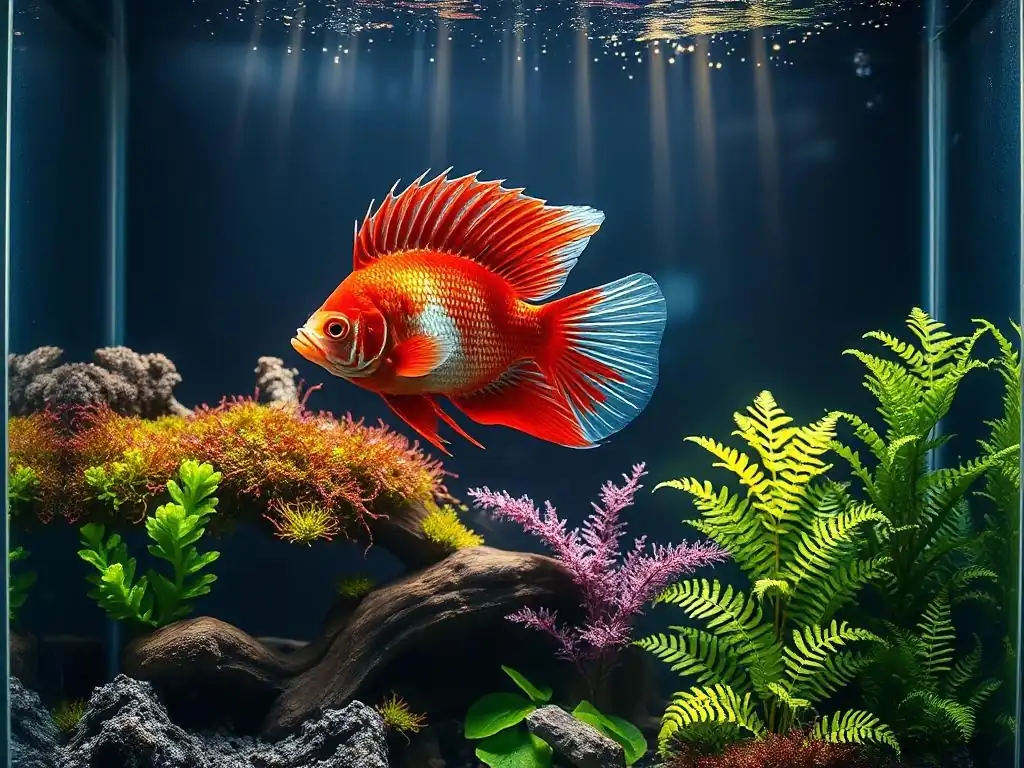
Ever wondered how to unlock the true vibrant potential of your Red Swordtails? This article dives deep into Red Swordtail Color Breeding, revealing the secrets to achieving peak coloration and ensuring the long-term health and vitality of these dazzling freshwater fish. Prepare to be amazed at what you can accomplish – let's explore the art and science behind creating truly stunning Red Swordtails!
- Swordtail Color Enhancement: Achieving Peak Vitality
- Understanding Swordtail Genetics for Superior Color
- Optimizing Aquarium Conditions for Vibrant Swordtails
- Nutritional Strategies for Peak Swordtail Color and Health
- Preventing and Treating Diseases that Affect Swordtail Color
- Advanced Swordtail Color Breeding Techniques
- Maintaining Long-Term Color and Vitality in Swordtails
- Troubleshooting Common Swordtail Color Issues
-
Frequently Asked Questions
- What is Red Swordtail Color Breeding and why is it important?
- What are the key factors influencing Red Swordtail color?
- What type of food is best for enhancing Red Swordtail color?
- What water parameters are ideal for optimal Red Swordtail color and health?
- How can I select the best Red Swordtails for color breeding purposes?
- Final Reflection: Embracing the Spectrum of Life
- Ignite Your Red Swordtails' Brilliance!
Swordtail Color Enhancement: Achieving Peak Vitality
Understanding Swordtail Genetics for Superior Color
The Genetic Basis of Coloration in Swordtails
The vibrant coloration seen in swordtails, particularly the striking reds, is a complex interplay of genetic factors. Pigment cells, known as chromatophores, are responsible for producing and displaying these colors. Xanthophores produce yellow and orange pigments (carotenoids and pterins), erythrophores specifically produce red pigments, and melanophores produce black and brown pigments (melanin). The intensity and distribution of red in a swordtail are often polygenic, meaning multiple genes contribute to the final phenotype, influencing the density and activity of erythrophores.
For instance, the genetic blueprint dictates not only the presence of these pigment cells but also their quantity, size, and how they interact to create specific patterns or solid coloration. In many red swordtail varieties, the "red" gene is often linked to the X chromosome, making color inheritance patterns slightly different between males and females. Understanding these fundamental genetic principles is crucial for anyone engaging in targeted Red Swordtail Color Breeding programs.
Identifying Key Genes for Color Breeding
While the specific gene nomenclature can be intricate, experienced breeders focus on observable traits that indicate the presence of desirable genes for color. In red swordtails, genes that promote the proliferation and intensity of erythrophores are paramount. Some genes may also suppress melanophores in certain areas, allowing the red to appear more pure and vibrant, free from black speckling.
For example, a gene influencing the "Berlin Red" swordtail likely promotes a uniform, deep red across the entire body, minimizing black markings. Identifying these key genetic markers, even if only phenotypically, allows breeders to make informed decisions about which individuals to select for their Red Swordtail Color Breeding efforts. Consistent observation and tracking of lineage over several generations are invaluable tools for discerning which genetic lines reliably produce superior color.
Selective Breeding Techniques for Enhancing Pigmentation
Selective breeding is the cornerstone of intensifying coloration in swordtails. This involves carefully choosing individuals that exhibit the most desirable traits – in this case, the deepest, most uniform, and vibrant red – and breeding them together. The goal is to concentrate the genes responsible for these superior color characteristics within a breeding line. This process often begins by identifying the most intensely colored males and females from a diverse stock.
Once selected, these prime specimens are bred, and their offspring are rigorously evaluated. Any fry that do not meet the desired color standards, or show undesirable traits like dullness or patchy coloration, are culled. This continuous selection over multiple generations helps to fix the desired red pigmentation, leading to a consistent and improved Red Swordtail Color Breeding line. It can take several years and many generations to achieve significant and stable color enhancement.
Optimizing Aquarium Conditions for Vibrant Swordtails
Water Parameters and Their Impact on Swordtail Color
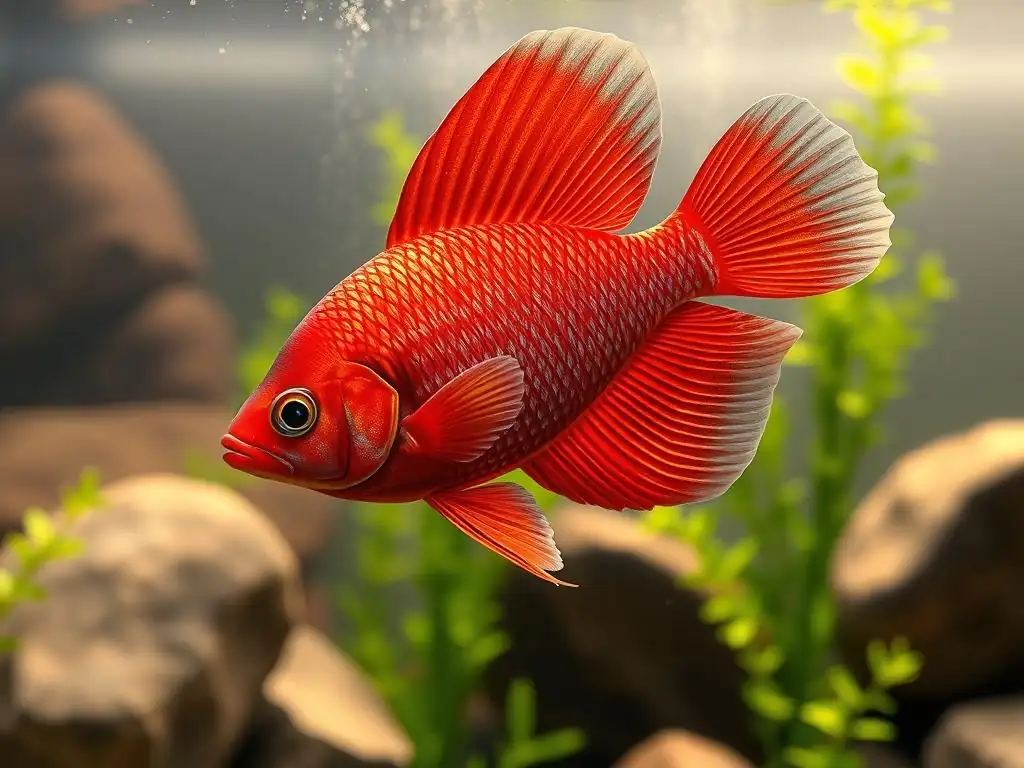
Maintaining pristine and stable water parameters is fundamental for achieving peak coloration in swordtails. Stress, often induced by poor water quality, is a primary cause of faded colors. Swordtails thrive in slightly alkaline to neutral water, with a pH range of 7.0 to 7.8. They prefer moderately hard water, typically between 10 to 20 dKH (degrees of carbonate hardness). Water temperature should be consistently maintained between 72-79°F (22-26°C).
Fluctuations in these parameters, or the presence of elevated ammonia, nitrite, or nitrate levels, can cause significant stress, diverting the fish's energy from pigment production to coping with its environment. Regular weekly water changes of 25-30% are essential to dilute waste products and replenish beneficial minerals, directly contributing to the fish's overall health and the vibrancy of its red hues.
The Role of Lighting in Swordtail Color Enhancement
Lighting plays a significant, though often underestimated, role in how we perceive and how swordtails display their colors. Full-spectrum LED lighting designed for planted aquariums can enhance the natural reds and oranges in fish. Lights with a color temperature around 6500K (daylight white) provide a balanced spectrum that supports both plant growth and fish coloration. Some aquarists use lights with a slightly warmer spectrum (e.g., those emphasizing red and green wavelengths) to make red fish appear more intense.
However, it's crucial to avoid excessive or inappropriate lighting. Too much light can stress fish, leading to faded colors, or promote excessive algae growth, which detracts from the tank's aesthetic and the fish's appearance. A consistent light cycle, typically 8-10 hours per day, mimics natural conditions and promotes a stable environment, which is vital for the long-term health and vibrant Red Swordtail Color Breeding outcomes.
Substrate and Decor Choices for Highlighting Swordtail Colors
The choice of substrate and decor can significantly impact the visual impact of your swordtails' coloration. Darker substrates, such as black or dark brown gravel or sand, often provide a stark contrast that makes red swordtails appear more vivid and eye-catching. This is because lighter substrates can reflect light and make the fish seem washed out or less saturated.
Natural decor elements like driftwood, smooth river stones, and live plants also contribute to a visually appealing and stress-reducing environment. Lush green plants provide a beautiful backdrop that makes the red of the swordtails pop, while also offering hiding places that reduce stress. A comfortable and secure environment encourages fish to display their most vibrant colors, as they are not constantly in a state of alarm. Avoiding overly bright or clashing decorations helps maintain focus on the fish themselves.
Nutritional Strategies for Peak Swordtail Color and Health
The Importance of Protein in Swordtail Diets
Protein is a fundamental building block for all living organisms, and swordtails are no exception. A diet rich in high-quality protein is crucial not only for growth and overall health but also for the development and maintenance of vibrant coloration. Protein provides the amino acids necessary for the synthesis of various pigments, including those responsible for red hues. For optimal health and color, swordtail diets should typically contain 35-45% crude protein.
Insufficient protein can lead to stunted growth, weakened immune systems, and noticeably duller coloration. Therefore, selecting a high-quality flake or pellet food as a staple, which lists fish meal or spirulina as primary ingredients, is essential. During intensive Red Swordtail Color Breeding programs, ensuring that both breeding pairs and developing fry receive adequate protein is paramount for achieving the desired color intensity in successive generations.
Essential Vitamins and Minerals for Color Development
Beyond protein, specific vitamins and minerals play a critical role in enhancing and maintaining swordtail coloration. Carotenoids, in particular, are vital for developing red, orange, and yellow pigments. These are not synthesized by the fish but must be obtained through their diet. Astaxanthin and spirulina are two of the most well-known carotenoid sources that significantly boost red coloration. Foods enriched with these ingredients are often marketed as "color-enhancing" for a good reason.
Vitamins A, C, and E also contribute to overall fish health and indirectly support vibrant colors by boosting the immune system and reducing oxidative stress. Minerals like selenium and zinc are cofactors in many enzymatic processes, including those involved in pigment production. Supplementing the diet with high-quality flakes or pellets specifically formulated for color enhancement, along with occasional fresh or frozen foods rich in these nutrients, can make a noticeable difference in the vibrancy of your swordtails.
Live and Frozen Food Options for Boosting Pigmentation in Swordtails
Incorporating live and frozen foods into a swordtail's diet is an excellent strategy for boosting pigmentation and overall vitality. These foods are often naturally rich in carotenoids and other essential nutrients that are highly bioavailable to the fish. Live or frozen brine shrimp, for instance, are packed with natural pigments that, when consumed, are metabolized and deposited into the fish's erythrophores, intensifying red coloration. Similarly, bloodworms and daphnia provide a broad spectrum of nutrients that contribute to robust health and vibrant hues.
Feeding these high-quality supplements 2-3 times per week, in addition to a staple dry food, can significantly enhance the red coloration of swordtails. Not only do they provide superior nutrition for color development, but they also offer a stimulating feeding experience, mimicking the swordtail's natural foraging behaviors. This diverse and nutrient-rich diet is a cornerstone of successful Red Swordtail Color Breeding, ensuring that both breeders and their offspring develop their full chromatic potential.
Preventing and Treating Diseases that Affect Swordtail Color
Recognizing Signs of Stress and Disease in Swordtails
Early recognition of stress and disease is crucial for maintaining vibrant swordtail coloration. A stressed or sick fish will divert its energy from non-essential functions, like pigment production, to fighting off illness, resulting in faded or dull colors. Common signs of stress include clamped fins, rapid gill movement, lethargy, hiding excessively, or rubbing against tank decor. Behavioral changes, such as loss of appetite or unusual swimming patterns, are also strong indicators.
Physical signs of disease can include white spots (Ich), fuzzy growths (fungus), fin erosion (fin rot), or swollen bodies. Any deviation from the swordtail's normal vibrant red hue should prompt a thorough check of water parameters and a close inspection of the fish for other symptoms. Prompt identification and intervention can prevent further health deterioration and help restore the fish's natural, vivid Red Swordtail Color Breeding potential.
Common Diseases that Dull Swordtail Colors
Several common aquarium diseases can severely impact a swordtail's coloration, causing it to fade or become patchy. Ich, or white spot disease, is a parasitic infection that manifests as small white spots on the body and fins. Fish infected with Ich often become dull and lose their vibrant red due to the stress and energy expended fighting the parasite. Fin rot, a bacterial infection, can erode fins and cause overall malaise, leading to a general dullness of color.
Internal parasites, though less visible, can also drain a fish's vitality and lead to chronic color fading and emaciation. Velvet disease, caused by a dinoflagellate, covers the fish in a fine, dusty, yellowish coating, obscuring its natural colors. In all these cases, the fish's immune response consumes vital resources that would otherwise be used for pigment maintenance, leading to a noticeable decline in the intensity of their red.
Treatment Options to Restore Vibrant Color in Sick Swordtails
Restoring vibrant color in sick swordtails primarily involves successfully treating the underlying disease and then supporting the fish's recovery. For parasitic infections like Ich, raising the water temperature (if appropriate for tankmates) and using over-the-counter medications like malachite green or formalin can be effective. Bacterial infections like fin rot often respond to broad-spectrum antibiotics or specific antibacterial treatments.
During and after treatment, it's essential to maintain impeccable water quality and provide a highly nutritious diet to aid recovery. Adding a stress coat product can help protect the fish's slime coat, and vitamin supplements can boost its immune system. Once the fish recovers from the illness and stress levels are reduced, its natural red coloration should gradually return, often within a few days to a couple of weeks, depending on the severity and duration of the illness.
Advanced Swordtail Color Breeding Techniques
Line Breeding Strategies for Intensifying Color
Line breeding is an advanced technique employed by experienced aquarists to intensify specific traits, such as vibrant red coloration, within a swordtail population. This involves breeding closely related individuals, such as half-siblings or cousins, to concentrate desired genes. The primary advantage of line breeding for Red Swordtail Color Breeding is the ability to consistently produce offspring with a uniform and intense red hue, as the genes responsible for this trait become more homozygous within the line.
However, line breeding requires careful management to avoid the pitfalls of inbreeding depression, which can lead to reduced genetic diversity, weakened immune systems, and decreased fertility. Breeders often maintain multiple, distinct lines and occasionally introduce a new, unrelated, high-quality individual (outcrossing) to inject fresh genetic material while carefully selecting for the desired red trait in the subsequent generations. This balanced approach helps maintain vigor while enhancing color.
Selecting the Best Breeding Pairs for Color Improvement
The meticulous selection of breeding pairs is paramount for successful Red Swordtail Color Breeding. Breeders should choose individuals that not only display the most intense and uniform red coloration but also possess excellent health, robust body shape, and desirable finnage. Both the male and female should exhibit the target color traits without significant flaws, such as patchy coloration or faded areas.
Beyond visual inspection, observing their behavior is also important; active, alert, and stress-free fish are more likely to be successful breeders. Keeping detailed records of parentage and the color outcomes of previous spawns is invaluable. This allows breeders to identify which pairings consistently produce the most vibrant red offspring, thereby refining their breeding program over time and accelerating the achievement of their Red Swordtail Color Breeding goals.
Managing Fry for Optimal Color Development
The care and management of swordtail fry are critical for ensuring they develop their full color potential. From the moment they are born, fry require optimal conditions to thrive. A clean, well-maintained fry tank with stable water parameters is essential. Overcrowding can lead to stunting and stress, both of which can negatively impact color development. Providing ample space, roughly 1-2 gallons per young swordtail, allows for proper growth and color expression.
Nutrition is equally important; fry should be fed small, frequent meals of highly nutritious foods like newly hatched brine shrimp, micro-worms, or high-quality powdered fry food. These foods are rich in protein and carotenoids, which are vital for the early development of vibrant red pigments. Consistent feeding, clean water, and ample space significantly contribute to raising swordtail fry that mature into brilliantly colored adults, fulfilling the promise of a successful Red Swordtail Color Breeding effort.
Maintaining Long-Term Color and Vitality in Swordtails
Regular Tank Maintenance for Healthy Swordtails
Consistent and thorough tank maintenance is the cornerstone of long-term health and sustained vibrant coloration in swordtails. This involves more than just feeding. Weekly water changes, typically 25-30% of the tank volume, are crucial for removing accumulated nitrates and other waste products that can stress fish and dull their colors. Alongside water changes, gravel vacuuming should be performed to remove uneaten food and detritus from the substrate, preventing the buildup of harmful compounds.
Regular cleaning of filter media (rinsing in old tank water to preserve beneficial bacteria) ensures efficient biological and mechanical filtration. Over time, poor water quality leads to chronic stress, which directly impacts the fish's ability to produce and maintain vibrant pigments. A clean, stable environment is the single most important factor in ensuring your Red Swordtail Color Breeding efforts translate into lasting beauty.
Preventing Genetic Bottlenecks in Swordtail Lines
While line breeding is effective for intensifying specific traits, it can also lead to genetic bottlenecks if not managed carefully. A genetic bottleneck occurs when a breeding population becomes too small or too closely related, leading to a reduction in genetic diversity. This can result in weaker immune systems, decreased fertility, increased susceptibility to disease, and ultimately, a decline in overall vitality and color intensity over generations.
To prevent this, experienced breeders periodically introduce new, unrelated bloodlines that also possess desirable color traits. This "outcrossing" introduces fresh genetic material, increasing diversity and vigor, while still allowing for the continued selection of vibrant red coloration. Maintaining detailed breeding records helps track lineage and identify when new genetic input might be beneficial to keep the Red Swordtail Color Breeding program robust and sustainable.
Addressing Color Fading in Aging Swordtails
As swordtails age, a natural degree of color fading can occur, similar to how human hair grays. This is a normal part of the aging process and is usually not a cause for alarm if the fish otherwise appears healthy and active. However, significant or premature fading can indicate underlying issues. If an older swordtail's color suddenly dulls, it's important to rule out environmental stress, poor water quality, or disease.
Ensure the fish continues to receive a high-quality, carotenoid-rich diet and that its living conditions remain optimal. Sometimes, simply ensuring they are not bullied by younger, more vigorous tank mates can reduce stress and help them retain more of their vibrant hue. While some fading is inevitable with age, providing the best possible care throughout their lifespan helps maximize their color and vitality for as long as possible, even after their peak Red Swordtail Color Breeding years.
Troubleshooting Common Swordtail Color Issues
Why is My Swordtail Losing Color?
Color fading in swordtails is a common concern among aquarists and can stem from several factors, often indicating an underlying issue. The most frequent culprits include stress, poor water quality, inadequate nutrition, or the onset of disease. When a swordtail is stressed, its body redirects energy from non-essential functions, like pigment production, to coping mechanisms, leading to a duller appearance. This stress can be caused by fluctuating water parameters, overcrowding, aggressive tank mates, or even improper lighting.
Additionally, a diet lacking essential nutrients, particularly carotenoids, will prevent the fish from developing or maintaining its vibrant red. Always check water parameters (ammonia, nitrite, nitrate, pH, temperature) first, then review the fish's diet, and observe for signs of illness or bullying. Addressing these foundational aspects is the first step in restoring the Red Swordtail Color Breeding potential and overall vibrancy of your fish.
Addressing Fading Colors in Swordtail Fry
Fading colors in swordtail fry are often a sign that their developmental needs are not being fully met. Unlike adult swordtails, fry are particularly sensitive to environmental conditions and nutritional deficiencies during their rapid growth phase. Overcrowding in the fry tank is a very common cause of stress and stunted growth, both of which severely impede proper color development. If fry are cramped, they will divert energy to survival rather than pigment production.
Inadequate nutrition is another significant factor. Fry require frequent feedings of highly nutritious, easily digestible foods such as newly hatched brine shrimp, micro-worms, or specialized fry powders. These foods are crucial for providing the necessary proteins and carotenoids for vibrant Red Swordtail Color Breeding outcomes. Ensuring pristine water quality, ample space (at least 1 gallon per swordtail as they grow), and a diverse, high-quality diet are essential steps to remedy fading colors in young swordtails.
Dealing with Uneven Coloration in Swordtails
Uneven coloration in swordtails, where parts of the body are vibrant while others appear dull or patchy, can be perplexing. This issue can be attributed to several factors, including genetics, environmental stress, or localized health problems. Genetically, some swordtail strains may naturally exhibit variations in color distribution, particularly those with specific patterns like tuxedo or hi-fin varieties where certain areas are predisposed to less pigment.
However, if a previously uniformly colored swordtail develops uneven coloration, it often points to environmental stressors or health issues. Localized infections, minor injuries, or even persistent bullying by a specific tank mate can cause stress in a particular area, leading to localized color fading. Ensuring optimal water parameters, a balanced diet, and a peaceful tank environment are crucial. If the issue persists, a closer inspection for physical ailments or a review of tank mate compatibility may be necessary to restore consistent Red Swordtail Color Breeding vibrancy.
Frequently Asked Questions
What is Red Swordtail Color Breeding and why is it important?
Red Swordtail Color Breeding involves selectively breeding Red Swordtails to enhance and stabilize their red coloration. It's important for aquarists who want to achieve vibrant and consistent color in their fish.
What are the key factors influencing Red Swordtail color?
The key factors influencing Red Swordtail color are genetics, diet, and water quality. A high-quality diet with color-enhancing ingredients is crucial.
What type of food is best for enhancing Red Swordtail color?
Foods rich in carotenoids, such as spirulina and certain vegetables, are best for enhancing Red Swordtail color. These pigments help develop intense red hues in their scales.
What water parameters are ideal for optimal Red Swordtail color and health?
Ideal water parameters include a temperature of 72-78°F, a pH of 7.0-7.5, and good water clarity. Maintaining these parameters is crucial for overall health and color development.
How can I select the best Red Swordtails for color breeding purposes?
Select Red Swordtails with the most intense red coloration and a healthy, robust appearance. Look for individuals with no signs of disease or injury to maximize your chances of success.
Final Reflection: Embracing the Spectrum of Life
The journey into Red Swordtail Color Breeding reveals more than just techniques for achieving vibrant hues; it illuminates the dedication and understanding required to cultivate life in its most expressive form. This exploration, from genetic selection to environmental control, underscores the profound responsibility we undertake when shaping the natural world, even within the confines of an aquarium. The pursuit of peak color and vitality in these captivating fish serves as a microcosm of our broader relationship with nature, demanding respect, patience, and a commitment to ethical practices.
Delving into the intricacies of Red Swordtail color breeding has profoundly impacted my understanding of the delicate balance within ecosystems. It's a constant reminder that beauty and health are inextricably linked, and that true mastery lies not just in achieving a desired aesthetic, but in fostering an environment where life can truly flourish. The ultimate goal of farming is not the growing of crops, but the cultivation and perfection of human beings.
- Masanobu Fukuoka. This quote resonates deeply, highlighting that our interactions with nature should be driven by a desire to nurture and improve, not just to exploit.
Now, as you close this article, I invite you to consider the lessons learned from the world of Red Swordtail color breeding. How can you apply the principles of careful observation, patient cultivation, and ethical responsibility to other aspects of your life? Let the vibrant hues of these fish inspire you to embrace the spectrum of possibilities within yourself and the world around you, striving to create a brighter, more vibrant future for all.
Ignite Your Red Swordtails' Brilliance!
Thanks for diving into the world of Red Swordtails with us! We hope you've gained valuable insights into unlocking their full color potential and ensuring their vibrant health. Now, let's put that knowledge into action.
Here are a few steps you can take right now:
- Immediately assess your Swordtails' diet. Are you providing a varied and high-quality food source enriched with natural color enhancers like spirulina or astaxanthin? Adjust their feeding regimen to maximize their color and vitality.
- Join the Aquarium Mastery community forum to share your Red Swordtail experiences and learn from fellow enthusiasts. Share pictures of your fish!
- Research a lesser-known, yet beneficial, plant species (like Ceratophyllum demersum) to add to your tank. This will improve water quality and create a more natural and enriching habitat for your Red Swordtails.
Ready to witness a stunning transformation in your Red Swordtails? What's the first dietary change you're going to make to bring out their best colors?