
Cherry Barb Lifespan & Size: Small Fish, Big Impact in Your Freshwater Tank

Welcome to Aquarium Mastery!
Ever wondered just how long those vibrant red flashes in your freshwater tank will last? Dive into our ultimate guide on Cherry Barb Lifespan & Care and discover the secrets to maximizing their health and happiness. Uncover the hidden factors that influence their longevity and learn how to create the perfect environment for these captivating creatures to thrive. Ready to make your cherry barbs live their best lives? Let's get started!
- Understanding the Cherry Barb: An Aquarium Mastery Guide
- What is the Average Cherry Barb Lifespan?
- Cherry Barb Size: Growth and Development
- Cherry Barb Care: Ensuring a Long and Healthy Life
- Cherry Barb Behavior and Tank Mates
- Common Health Issues Affecting Cherry Barbs
- Breeding Cherry Barbs: Extending the Lineage
- Maximizing Cherry Barb Lifespan Through Proper Care
- The Allure of Cherry Barbs: Why Choose Them for Your Aquarium?
-
Frequently Asked Questions
- How long do Cherry Barbs typically live?
- What is the ideal tank size for Cherry Barbs, considering their size?
- What are the key aspects of Cherry Barb care to maximize their lifespan?
- What type of water chemistry is best suited for Cherry Barbs?
- Are Cherry Barbs prone to any specific diseases, and how can I prevent them?
- Final Reflection: A Splash of Red, A Ripple of Responsibility
- Transform Your Aquarium: Bring the Vibrant Cherry Barb Home!
Understanding the Cherry Barb: An Aquarium Mastery Guide
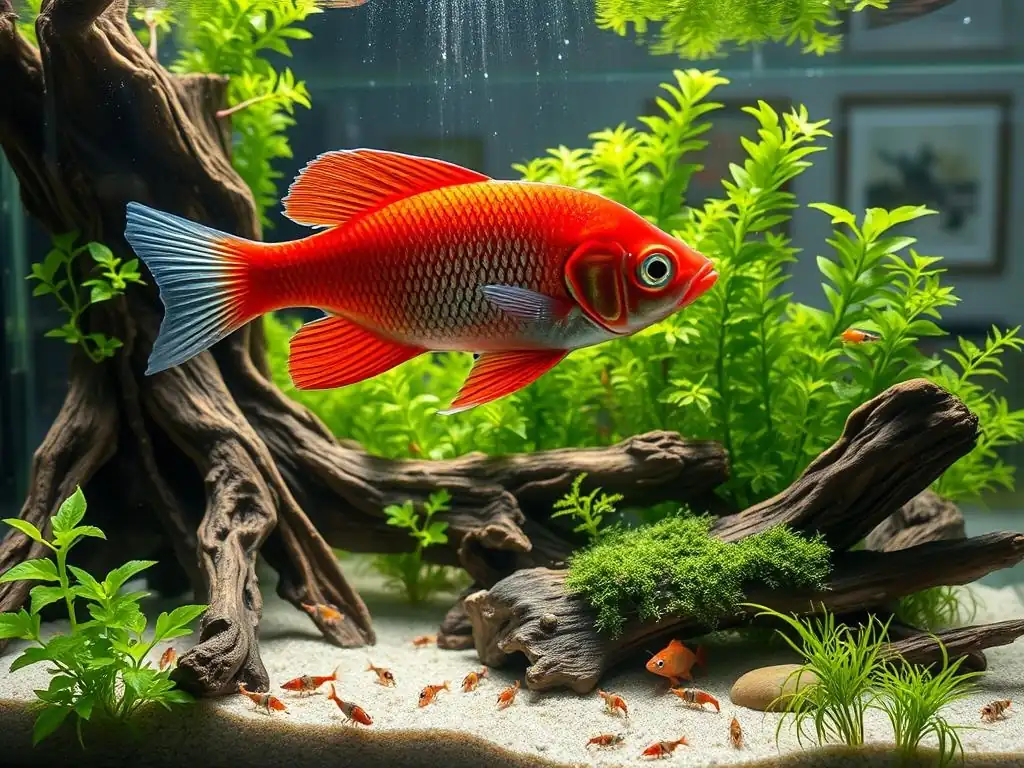
The Cherry Barb, scientifically known as Puntius titteya, is a popular and captivating freshwater fish cherished by aquarists worldwide. Originating from the shaded, slow-moving waters of Sri Lanka, these peaceful cyprinids are renowned for their striking reddish hues, particularly vibrant in males, and their generally docile temperament. Their small size and active schooling behavior make them a delightful addition to community aquariums.
This comprehensive guide from Aquarium Mastery delves into every aspect of Cherry Barb care, from understanding their typical lifespan and growth patterns to optimizing their environment and diet. By providing detailed insights into their specific needs, we aim to equip both novice and experienced aquarists with the knowledge necessary to ensure these charming fish not only survive but thrive, showcasing their full beauty and contributing a significant impact despite their modest size.
What is the Average Cherry Barb Lifespan?
Cherry Barbs are known for their relatively good longevity in captivity when provided with optimal conditions. On average, a healthy Cherry Barb can live for approximately 4 to 6 years in a well-maintained freshwater aquarium. However, this figure can vary significantly, with some individuals living shorter lives due to poor conditions, while others, under exceptional care, might even approach the 7-year mark.
Achieving a long and healthy existence for your Cherry Barbs hinges entirely on the quality of "cherry barb lifespan care" they receive. Factors such as consistent water parameters, a nutritious diet, appropriate tank size, and compatible tank mates all play crucial roles in determining how long these fish will grace your aquarium with their presence. Neglecting any of these aspects can drastically reduce their potential lifespan.
Factors Influencing Cherry Barb Lifespan in Captivity
The genetic makeup and initial health of a Cherry Barb significantly influence its potential for a long life. When acquiring new fish, it is paramount to choose specimens that appear active, have vibrant coloration, and show no visible signs of disease or stress, such as clamped fins, faded colors, or labored breathing.
Reputable breeders and pet stores often provide healthier stock, as they maintain better conditions for their fish, reducing the likelihood of pre-existing conditions that could shorten a "cherry barb lifespan". For instance, fish sourced from a clean, quarantine-aware facility are less likely to carry parasites or bacterial infections that might manifest later and compromise their long-term health.
Beyond genetics, the ambient stress levels within the aquarium environment are critical determinants of "cherry barb longevity". Constant stress, whether from aggressive tank mates, inadequate hiding spots, or persistent fluctuations in water chemistry, can severely depress a fish's immune system, making it highly susceptible to diseases. For example, a Cherry Barb constantly harassed by a larger, more dominant fish will expend excessive energy on evasion, leading to chronic stress and a significantly reduced lifespan, often by 1-2 years compared to its potential. Providing a stable, secure environment is a cornerstone of effective "cherry barb lifespan care".
How Tank Conditions Affect Cherry Barb Longevity
Water quality stands as the single most important environmental factor influencing "cherry barb longevity". Poor water conditions, characterized by elevated levels of ammonia, nitrite, and nitrate, act as chronic stressors and directly poison fish.
For instance, even low, persistent levels of ammonia (e.g., 0.25 ppm) can cause gill damage and internal organ stress over time, drastically cutting short a Cherry Barb's life from a potential 5 years down to 2 or 3 years. Regular testing and consistent water changes, as part of diligent "cherry barb care", are indispensable for maintaining the pristine conditions required for a long and healthy life.
Furthermore, the physical dimensions and stocking density of the aquarium directly impact a Cherry Barb's well-being and lifespan. An undersized tank or an overcrowded setup leads to increased competition for resources, elevated waste production, and restricted swimming space, all of which contribute to stress and stunted growth.
For example, attempting to house a school of eight Cherry Barbs in a 10-gallon tank might lead to chronic stress, fin nipping, and suppressed immune systems, resulting in an average lifespan of perhaps 2-3 years. In contrast, the same school in a properly sized 20-gallon long aquarium would exhibit natural behaviors, grow to full size, and likely live out their full 4-6 year potential, demonstrating the profound effect of appropriate tank conditions on "cherry barb lifespan care".
Cherry Barb Size: Growth and Development
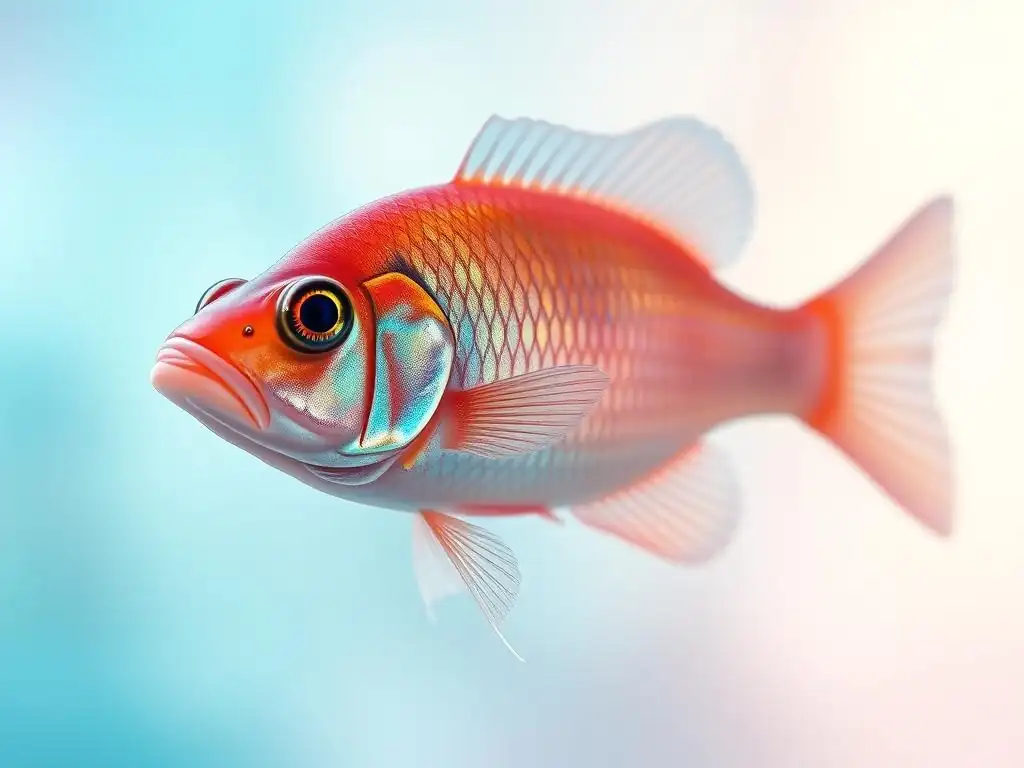
Typical Size of Adult Cherry Barbs
Cherry Barbs are relatively small fish, making them suitable for a variety of freshwater aquarium setups. Adult males typically reach a length of about 1.5 inches (approximately 3.8 cm), while females tend to be slightly larger, growing up to 2 inches (about 5 cm). This modest size contributes to their appeal for those with smaller aquariums, though it's important to remember their schooling nature requires adequate space.
Sexual dimorphism is quite pronounced in adult Cherry Barbs, particularly concerning their coloration. Males, especially when mature or during breeding, display a vibrant, intense cherry-red color across their entire body. Females, on the other hand, usually exhibit a more subdued, peach-orange or rosy hue, often with a subtle black line running horizontally along their flanks. This size and color difference makes distinguishing between sexes relatively straightforward for aquarists.
Factors Affecting Cherry Barb Growth Rate
The diet provided to Cherry Barbs is a primary determinant of their growth rate and overall health. A varied and high-quality diet rich in protein, vitamins, and minerals is crucial for optimal development.
Fish fed consistently on a staple of high-quality flakes or micro-pellets, supplemented with live or frozen foods like bloodworms, brine shrimp, or daphnia, will typically reach their full adult size within 6 to 12 months. Conversely, a diet lacking essential nutrients or consisting solely of low-quality foods can lead to stunted growth, where fish remain significantly smaller than their genetic potential, often appearing frail and less vibrant.
Beyond nutrition, water quality and tank space are equally vital for promoting healthy growth in Cherry Barbs. Consistent water parameters, free from ammonia and nitrite, and with low nitrate levels, ensure that the fish's energy is directed towards growth rather than fighting off stress or illness.
Overcrowding, even in a tank with perfect water chemistry, can inhibit growth due to competition for food and space, leading to chronic stress. For example, a school of Cherry Barbs in a 20-gallon tank with weekly 25% water changes will generally grow larger and more robustly than an identical school in a 10-gallon tank with less frequent maintenance, underscoring the importance of comprehensive "cherry barb lifespan care" in achieving optimal growth.
Cherry Barb Care: Ensuring a Long and Healthy Life
Optimal Water Parameters for Cherry Barbs
Maintaining stable and appropriate water parameters is fundamental to ensuring the well-being and longevity of Cherry Barbs. These fish, like all aquatic species, are highly sensitive to fluctuations in their environment, which can cause significant stress and compromise their immune systems. Consistent monitoring and adjustment of water chemistry are therefore critical components of effective "cherry barb lifespan care".
Temperature and pH Requirements for Cherry Barbs
Cherry Barbs thrive in tropical freshwater conditions, preferring a water temperature range of 72-79°F (22-26°C). Maintaining a stable temperature within this range is crucial, as sudden or significant fluctuations can induce thermal shock, weaken their immune system, and make them susceptible to diseases like Ich. For instance, a drop of more than 5°F over a few hours can cause stress and lethargy, potentially leading to a shorter "cherry barb lifespan". A reliable aquarium heater with a thermostat is essential to prevent such temperature swings.
Regarding pH, Cherry Barbs are adaptable but prefer slightly acidic to neutral water, with an ideal pH range of 6.0-7.0. While they can tolerate a pH slightly outside this range, consistency is more important than hitting an exact number. Rapid changes in pH can be highly detrimental, causing severe stress and even death. For example, moving a Cherry Barb from water with a pH of 6.0 directly into water with a pH of 7.5 without gradual acclimation can cause severe osmotic shock. Regular pH testing and avoiding drastic chemical adjustments are key aspects of their ongoing "cherry barb care".
Importance of Water Changes for Cherry Barb Health
Regular water changes are arguably the most critical aspect of "cherry barb lifespan care" and overall aquarium maintenance. They serve to remove accumulated nitrates, phosphates, and other dissolved organic compounds that can become toxic over time, even with efficient filtration. A recommended schedule involves performing a 25% water change weekly or a 50% water change bi-weekly, depending on stocking levels and filtration efficiency. For example, in a moderately stocked 20-gallon tank, a weekly 25% water change will keep nitrates consistently below 20 ppm, significantly reducing stress on the fish.
Beyond removing toxins, water changes replenish essential minerals and trace elements that are gradually depleted from the aquarium water. These minerals are vital for fish health, supporting osmoregulation, bone development, and metabolic functions. When performing water changes, it is imperative to use a reliable dechlorinator to neutralize chlorine and chloramines present in tap water, as these chemicals are highly toxic to fish. Additionally, matching the temperature of the new water to the tank water prevents temperature shock, further contributing to the stability and health of your Cherry Barbs.
Cherry Barb Diet: What to Feed Your Barbs
Cherry Barbs are omnivorous, meaning their diet in the wild consists of both plant matter and small invertebrates. To ensure optimal health, vibrant coloration, and a robust "cherry barb lifespan", their captive diet should reflect this natural variety, providing all necessary nutrients for their active lifestyle.
Best Food Choices for Cherry Barbs
A high-quality flake food or micro-pellet should form the staple of a Cherry Barb's diet, providing a balanced nutritional foundation. Look for brands that list fish meal, spirulina, and various vitamins as key ingredients. For example, a flake food with at least 35% protein and added color enhancers can significantly improve their red pigmentation. These staple foods ensure they receive a consistent intake of essential proteins, fats, and carbohydrates necessary for daily energy and long-term health.
To supplement the staple diet and provide essential variety, incorporating live or frozen foods is highly beneficial. Cherry Barbs relish small live foods such as brine shrimp, daphnia, and mosquito larvae, which mimic their natural prey and provide excellent protein and enrichment. Frozen alternatives like bloodworms or spirulina-enriched brine shrimp are also excellent choices, offering convenience without compromising nutritional value. Offering these supplementary foods 2-3 times per week not only boosts their nutrient intake but also encourages natural foraging behaviors, contributing to their overall vitality and "cherry barb longevity".
Feeding Frequency and Portion Sizes for Cherry Barbs
Cherry Barbs have small stomachs and a relatively fast metabolism, making frequent, small feedings more beneficial than large, infrequent ones. It is generally recommended to feed them 2 to 3 times a day, offering only an amount they can consume entirely within 2 to 3 minutes. For example, for a school of six Cherry Barbs, a pinch of flake food that disperses quickly might be sufficient for one feeding. This approach prevents overfeeding, which is a common mistake that can lead to significant health issues.
Overfeeding not only risks bloating and digestive problems for the fish but also severely compromises water quality. Uneaten food decays rapidly, releasing ammonia and nitrite into the water, leading to dangerous spikes in toxins and fueling unsightly algae growth. Conversely, underfeeding can lead to stunted growth, weakened immune systems, and increased susceptibility to disease. Finding the right balance ensures that your Cherry Barbs receive adequate nutrition without polluting their environment, a crucial aspect of responsible "cherry barb care" that directly impacts their lifespan.
Tank Size and Setup for Cherry Barbs
Creating an appropriate habitat is paramount for the health and happiness of Cherry Barbs. Their active nature and schooling behavior necessitate specific considerations regarding tank size, layout, and decor to ensure they thrive and exhibit their natural behaviors.
Minimum Tank Size for a School of Cherry Barbs
While Cherry Barbs are small, their schooling nature means they require more space than their individual size might suggest. A minimum tank size of 10 gallons (approximately 38 liters) is often cited for a small school of 5-6 individuals. However, for a truly thriving school of 6-8 or more Cherry Barbs, a 20-gallon long (approximately 76 liters) aquarium is highly recommended. The longer footprint of a 20-gallon long tank provides ample horizontal swimming space, which is crucial for these active fish to display their natural schooling behaviors and reduce stress.
Housing Cherry Barbs in tanks smaller than recommended or in overcrowded conditions significantly increases stress levels, potentially leading to stunted growth, aggression among tank mates, and a shortened "cherry barb lifespan". For example, a school of eight Cherry Barbs squeezed into a 10-gallon tank will likely exhibit constant fin nipping and dull coloration due to chronic stress and poor water quality, potentially living only 2-3 years.
In contrast, the same school in a 20-gallon long setup would display vibrant colors, active schooling, and live closer to their full 4-6 year potential, demonstrating the impact of proper sizing on effective "cherry barb lifespan care".
Ideal Tank Decorations and Substrate
The ideal substrate for a Cherry Barb tank is dark gravel or sand. A dark substrate not only helps to highlight their vibrant red and orange coloration but also makes them feel more secure, as it mimics the dark, natural riverbeds they inhabit in the wild. Bright or reflective substrates can cause stress by making them feel exposed. For instance, a setup with dark sand will often result in more intensely colored and bolder fish compared to one with light, reflective gravel.
In terms of decorations, a well-planted aquarium with plenty of hiding spots is ideal for Cherry Barbs. Live plants such as Java Fern, Anubias, Hornwort, or various stem plants provide essential cover and refuge, reducing stress and offering territories for males to display. Driftwood and smooth rocks can also be incorporated to create natural-looking caves and crevices.
It is important to balance dense planting with open swimming areas in the foreground, allowing the Cherry Barbs ample space to school and dart around. A tank with a good balance of cover and open space promotes natural behavior and significantly contributes to a longer, healthier "cherry barb lifespan".
Cherry Barb Behavior and Tank Mates
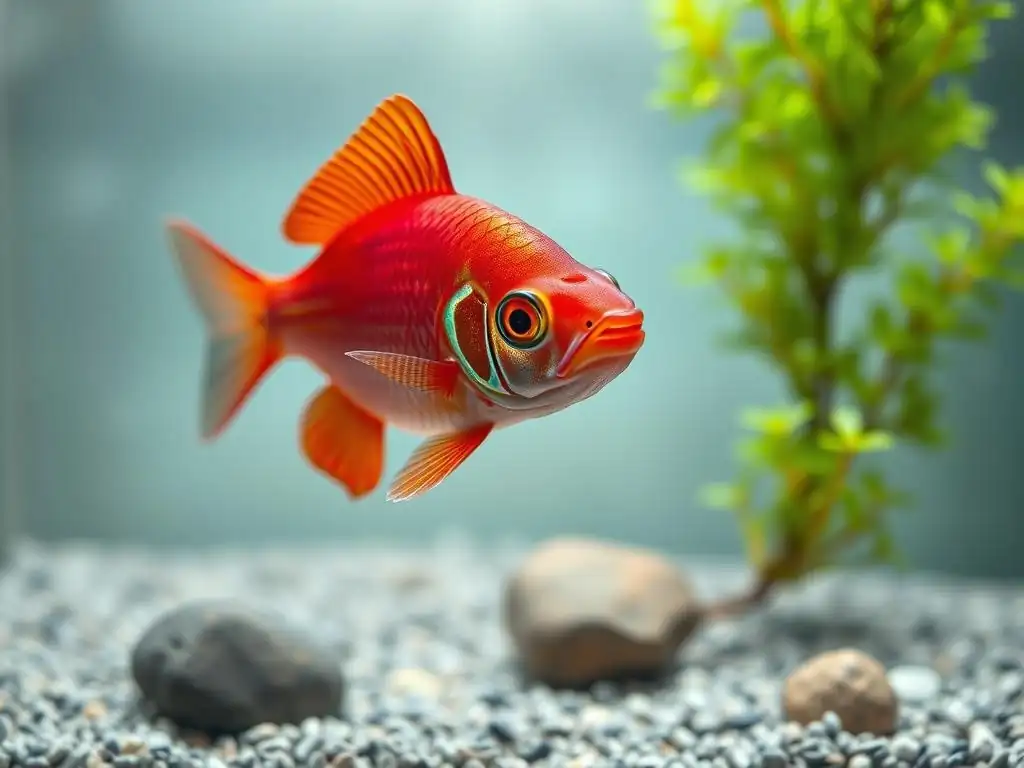
Cherry Barbs are quintessential schooling fish, and their social dynamics are best observed when kept in groups. They should always be housed in schools of at least 6-8 individuals, but preferably 10 or more. Keeping them in larger numbers helps to spread out any minor aggression, particularly among males displaying to each other, and reduces overall stress. In a sufficiently sized school, any chasing or nipping is typically directed at other Cherry Barbs within the group and rarely causes harm, as opposed to targeting other species.
When kept in insufficient numbers (e.g., 2-3 individuals), Cherry Barbs can become shy and withdrawn, spending most of their time hiding, or conversely, they may become uncharacteristically aggressive, nipping the fins of other tank mates out of stress or boredom. Their natural schooling instinct provides them with a sense of security and allows them to exhibit their most vibrant colors and interesting social interactions. Observing a tight school of red males and peach-colored females darting through live plants is one of the most rewarding aspects of "cherry barb care", showcasing their natural, peaceful behavior.
Compatible Tank Mates for Cherry Barbs
Due to their peaceful nature and relatively small size, Cherry Barbs are excellent candidates for a community aquarium, provided their tank mates are chosen carefully. Ideal companions include other peaceful, similarly sized fish that prefer similar water parameters. Good examples of compatible tank mates include various species of tetras (e.g., Neon Tetras, Cardinal Tetras, Ember Tetras), rasboras (e.g., Harlequin Rasboras, Chili Rasboras), peaceful bottom dwellers like Corydoras catfish, and Otocinclus catfish. Small, peaceful livebearers such as Guppies or Platies can also be suitable, provided their finnage is not excessively long.
When selecting tank mates, it's crucial to avoid species that are known fin-nippers themselves (e.g., some larger Barbs like Tiger Barbs if not kept in a large enough school of their own) or those that are significantly larger or more aggressive and could intimidate or prey upon Cherry Barbs. Similarly, very slow-moving fish with long, flowing fins, such as angelfish or bettas, should generally be avoided, as Cherry Barbs might be tempted to nip their fins, especially if their own schooling needs are not met.
Careful selection of tank mates contributes significantly to a stress-free environment and a longer "cherry barb lifespan".
Avoiding Aggression in Your Cherry Barb Tank
While generally peaceful, Cherry Barbs can exhibit minor aggression, particularly if their specific needs are not met. The most effective strategy to prevent aggression, especially fin-nipping, is to keep them in a sufficiently large school, ideally 8-10 or more individuals.
When kept in larger groups, any nipping behavior is typically directed at other Cherry Barbs within the school, establishing a pecking order without harming other species. For example, a small school of four Cherry Barbs might consistently nip the fins of a slow-moving Guppy, whereas a group of ten would likely leave the Guppy alone, focusing their social interactions internally.
Providing ample space and plenty of hiding spots also significantly reduces aggression. A tank that is too small or lacks adequate cover can lead to stress and territorial disputes. Ensure there are enough plants, driftwood, and rocks to break up lines of sight and allow weaker individuals to retreat.
Additionally, consistent feeding of a varied diet prevents competition over food, which can sometimes escalate into aggressive behaviors. Regular observation for any signs of stress or persistent aggression, such as clamped fins or chasing, allows aquarists to intervene early, perhaps by adding more hiding spots or increasing the school size, thereby ensuring a harmonious environment crucial for optimal "cherry barb lifespan care".
Common Health Issues Affecting Cherry Barbs
Despite their general hardiness, Cherry Barbs can fall victim to various health issues, particularly if their environmental conditions are suboptimal or if new, unhealthy fish are introduced without proper quarantine. Recognizing the early symptoms of illness is crucial for prompt treatment and maintaining a robust "cherry barb lifespan".
Recognizing Symptoms of Illness in Cherry Barbs
Observing your Cherry Barbs daily is the first line of defense against disease. Behavioral changes are often the earliest indicators of illness. Look for signs such as lethargy, where fish are unusually inactive or resting at the bottom or surface. Erratic swimming, darting, or rubbing against tank decorations can indicate irritation or parasites. Loss of appetite, where a fish refuses food, is another strong warning sign. For example, a normally active Cherry Barb that suddenly hides constantly for more than a day, or ignores its favorite food, warrants immediate attention.
Physical symptoms provide more specific clues about the type of ailment. White spots resembling grains of salt on the body and fins are characteristic of Ich (white spot disease). Fungal infections often appear as cotton-like growths, while fin rot manifests as frayed or disintegrating fins, sometimes with a red or black edge.
Bloating, scales sticking out (pineconing), or visible ulcers and lesions on the body also point to serious internal or external infections. Early detection of these symptoms through diligent "cherry barb care" allows for timely intervention, significantly improving the chances of successful recovery and extending their "cherry barb longevity".
Preventing and Treating Common Cherry Barb Diseases
Prevention is paramount in "cherry barb lifespan care", as it is always easier and less stressful to prevent diseases than to treat them. The cornerstone of disease prevention lies in maintaining pristine water quality through regular water changes and efficient filtration, providing a varied and nutritious diet, and avoiding overcrowding.
Quarantining new fish for 2-4 weeks in a separate tank before introducing them to the main aquarium is also a highly effective preventive measure, preventing the spread of potential pathogens. For instance, a new fish showing no signs of disease after a three-week quarantine period is much less likely to introduce Ich or velvet to your established community.
When illness does occur, prompt and accurate treatment is essential. For common ailments like Ich, increasing the tank temperature gradually (if suitable for all inhabitants) and using an aquarium salt solution or over-the-counter Ich medication can be effective. Fin rot and bacterial infections often require broad-spectrum antibiotics, while fungal infections can be treated with antifungal medications.
Always follow medication instructions carefully, and consider removing activated carbon from your filter during treatment, as it can absorb the medication. Treating the entire tank is often necessary for contagious diseases, but always prioritize maintaining good water quality throughout the treatment period to support the fish's recovery and safeguard their "cherry barb lifespan".
Breeding Cherry Barbs: Extending the Lineage
Breeding Cherry Barbs in a home aquarium can be a rewarding experience, allowing aquarists to observe their fascinating reproductive behaviors and extend the lineage of their beloved fish. While not overly challenging, it requires a dedicated breeding setup and specific conditions to encourage spawning and ensure the survival of the fry.
Creating a Breeding Setup for Cherry Barbs
To successfully breed Cherry Barbs, it is advisable to set up a separate breeding tank, typically 5-10 gallons (19-38 liters) in size. This tank should have soft, slightly acidic water (pH 6.0-6.5) and a temperature of around 75-79°F (24-26°C). The substrate should ideally be bare-bottom or covered with a layer of glass marbles or a spawning mop to protect the eggs from being eaten by the parents. Fine-leaved plants like Java Moss or spawning mops are crucial, as Cherry Barbs are egg scatterers and will deposit their adhesive eggs among the plant material.
Conditioning the prospective breeding pair (or a group of one female to two males) with a high-protein diet for a week or two prior to introduction into the breeding tank significantly increases spawning success. Live foods such as bloodworms, brine shrimp, and daphnia are excellent for this purpose. Once conditioned, introduce the fish to the breeding tank, ideally in the evening.
Spawning usually occurs at dawn, with the male chasing the female vigorously, leading to the scattering of hundreds of tiny, transparent eggs. After spawning, the adult fish should be immediately removed from the breeding tank to prevent them from consuming the eggs, which is a common occurrence and would negate all "cherry barb lifespan care" efforts for the next generation.
Caring for Cherry Barb Fry
Cherry Barb eggs typically hatch within 24-48 hours, depending on the water temperature. The newly hatched fry are tiny and will remain attached to surfaces, feeding off their yolk sacs for the first few days. Once they become free-swimming, usually after another 2-3 days, they will require extremely fine food. Their initial diet should consist of infusoria, liquid fry food, or commercially available powdered fry food, fed several times a day in very small amounts. For example, feeding infusoria three to four times daily ensures a constant supply for the minute fry.
As the fry grow, which can be quite rapid with proper feeding and pristine water quality, their diet can be gradually transitioned to newly hatched brine shrimp nauplii, micro-worms, and eventually finely crushed high-quality flake food. Maintaining impeccable water quality in the fry tank is paramount, as they are highly sensitive to pollutants.
Small, daily water changes (10-15%) using aged or dechlorinated water matched in temperature are often necessary, carefully siphoning out any uneaten food or debris. This meticulous "cherry barb care" during the fry stage is crucial for their survival and contributes to the potential "cherry barb lifespan" of the next generation.
Maximizing Cherry Barb Lifespan Through Proper Care
Achieving the full potential of a Cherry Barb's lifespan in your aquarium is a testament to consistent and diligent "cherry barb lifespan care". It's not just about reacting to problems, but proactively creating an environment where these fish can truly thrive, minimizing stress and maximizing their natural vitality.
The Importance of Regular Observation
Regular, ideally daily, observation of your Cherry Barbs is one of the most effective tools in maximizing their lifespan. Taking a few minutes each day to watch their behavior, inspect their physical appearance, and note their feeding habits allows for early detection of potential issues.
For instance, a Cherry Barb that suddenly starts hiding excessively, shows clamped fins, or refuses food for more than a day could be exhibiting early signs of stress or illness. Early detection means earlier intervention, which dramatically increases the chances of successful treatment and prevents minor issues from escalating into major health crises that could shorten their "cherry barb longevity".
Beyond observing the fish themselves, regular checks of essential aquarium equipment are equally important. Ensure your heater is maintaining a stable temperature, your filter is running effectively and without blockages, and your air stone (if used) is providing adequate aeration. For example, a malfunctioning heater could lead to dangerous temperature swings, while a clogged filter can cause ammonia and nitrite spikes. These proactive checks, combined with visual inspection of the fish, form a comprehensive daily routine that is fundamental to robust "cherry barb lifespan care".
Maintaining a Balanced Aquarium Ecosystem for Cherry Barbs
A truly balanced aquarium ecosystem is the bedrock of a long and healthy "cherry barb lifespan". This involves understanding and maintaining the nitrogen cycle, where beneficial bacteria convert harmful ammonia and nitrite into less toxic nitrate. Over-cleaning filter media or disrupting the substrate too much can remove these vital bacteria, leading to dangerous water quality fluctuations. Instead, focus on gentle filter maintenance and regular, partial water changes to export nitrates. For example, a mature biological filter in a 20-gallon tank can efficiently process waste from a school of 8 Cherry Barbs, keeping ammonia and nitrite at zero.
Live plants play a significant role in creating a balanced ecosystem, contributing to a longer "cherry barb lifespan". Plants absorb nitrates, release oxygen, and provide natural hiding spots, all of which reduce stress and improve water quality. Species like Java Fern and Anubias are excellent choices for Cherry Barb tanks due to their hardiness and ability to thrive in various conditions. By fostering a biologically stable and naturally enriched environment, aquarists provide their Cherry Barbs with the optimal conditions to live out their full potential, showcasing their vibrant colors and active behaviors for many years.
The Allure of Cherry Barbs: Why Choose Them for Your Aquarium?
Cherry Barbs: A Beginner-Friendly Fish
Cherry Barbs are widely regarded as one of the best choices for novice aquarists due to their hardiness and relatively forgiving nature. While optimal "cherry barb lifespan care" requires attention to detail, these fish are more tolerant of minor fluctuations in water parameters than many other species, making them less prone to stress and disease if a beginner makes a slight misstep. For example, a slight temporary drift in pH or temperature that might devastate more sensitive fish like Discus would likely cause minimal stress to a Cherry Barb.
Their adaptability extends to various aquarium setups, provided basic requirements are met. They are not overly demanding in terms of diet, readily accepting a variety of commercial and supplemental foods. This combination of resilience and straightforward "cherry barb care" makes them an excellent "starter fish" that can help new hobbyists gain confidence and experience in aquarium maintenance without constant worry about their fish's survival. Their active yet peaceful demeanor also provides an engaging introduction to the joys of keeping a community tank.
The Aesthetic Appeal of Cherry Barbs
Beyond their ease of care, the primary allure of Cherry Barbs lies in their striking aesthetic appeal and engaging behavior. The males, in particular, display an intense, deep cherry-red coloration, especially when they are healthy, mature, and displaying for females or establishing dominance within their school. This vibrant hue provides a brilliant splash of color in any freshwater tank, contrasting beautifully with green live plants and dark substrates. The females, with their more subtle peach or rosy tones, offer a lovely complement, creating a visually balanced school.
Their active and dynamic schooling behavior further enhances their visual impact. A group of Cherry Barbs constantly darting and interacting within the aquarium adds a lively, kinetic element that transforms a static tank into a captivating aquatic display.
Their peaceful nature also allows them to coexist harmoniously with a wide range of other fish, making them a versatile choice for creating a diverse and visually appealing community. It is this combination of vibrant color, active schooling, and manageable "cherry barb care" that makes them a "big impact" fish, proving that even small species can bring immense beauty and life to a freshwater aquarium.
Frequently Asked Questions
How long do Cherry Barbs typically live?
Cherry Barbs have a relatively short lifespan, generally living for 3 to 5 years with proper care. Factors like water quality and diet play a crucial role.
What is the ideal tank size for Cherry Barbs, considering their size?
Cherry Barbs are small, typically reaching around 2 inches in length. A minimum of 20 gallons is recommended for a small school to allow them to thrive and display their natural behaviors.
What are the key aspects of Cherry Barb care to maximize their lifespan?
Maintaining pristine water conditions through regular water changes is vital. A balanced diet consisting of high-quality flakes, live, and frozen foods is also essential for longevity.
What type of water chemistry is best suited for Cherry Barbs?
Cherry Barbs prefer slightly acidic to neutral water, with a pH of 6.0 to 7.0. Maintaining stable water parameters and avoiding sudden fluctuations is crucial for their health.
Are Cherry Barbs prone to any specific diseases, and how can I prevent them?
They can be susceptible to common freshwater diseases like ich and fin rot if stressed. Maintaining good water quality and avoiding overcrowding are the best preventative measures.
Final Reflection: A Splash of Red, A Ripple of Responsibility
The vibrant flash of a Cherry Barb, a seemingly small detail in the vast expanse of a freshwater aquarium, underscores a larger truth: even the smallest creatures demand and deserve our mindful attention. Understanding the nuances of Cherry Barb lifespan care is not merely about keeping fish alive; it's about fostering a thriving ecosystem within our homes and, by extension, within our world. The principles of responsible aquarium keeping mirror the principles of responsible stewardship of our planet.
This journey into the world of Puntius titteya has highlighted the interconnectedness of life and the importance of informed choices. My own experience with these captivating fish has instilled a deeper appreciation for the delicate balance of nature and the profound impact even a small hobby can have. The greatness of a nation and its moral progress can be judged by the way its animals are treated.
- Mahatma Gandhi. This quote resonates deeply, reminding us that our compassion extends to all living beings, regardless of size or perceived significance.
Now, consider the lessons learned about Cherry Barb lifespan care and apply them to your own life. Are you providing the necessary conditions for growth and well-being in your own environment? Are you mindful of the impact your actions have on the delicate ecosystems around you? Let the vibrant red of the Cherry Barb serve as a constant reminder to cultivate a life of responsibility, compassion, and mindful stewardship, creating a ripple effect of positive change in the world.
Transform Your Aquarium: Bring the Vibrant Cherry Barb Home!
Thank you for diving into the world of Cherry Barbs! We hope this article has illuminated the potential of these small fish to bring a big splash of color and personality to your aquarium. Now it's time to take the next step and enrich your underwater world.
Here's how you can continue your Cherry Barb journey:
- Visit Your Local Aquarium Store: Discover the perfect Cherry Barbs for your tank. Observe their behavior and health before making a purchase. Bonus: Ask the store staff for their favorite Cherry Barb care tips!
- Share Your Knowledge: Inspire others by sharing this article with fellow aquarium enthusiasts. Spread the joy of Cherry Barbs!
- Experiment With Tank Mates: Research and carefully introduce compatible fish species to create a vibrant and harmonious community.
Ready to add a splash of cherry to your aquarium? What's the first thing you'll do to prepare your tank for these vibrant little fish?