
Clown Pleco (Panaqolus maccus): Small Size, Big Personality, and WoodLoving Habits

Welcome to Aquarium Mastery!
Ever wondered about the secrets behind keeping a Clown Pleco thriving? These pint-sized, wood-loving wonders bring a unique charm to any freshwater aquarium. Dive into our comprehensive Clown Pleco Care Guide and discover everything you need to know about their fascinating habits, ideal tank conditions, and how to ensure they live a long and happy life. Ready to unlock the full potential of these captivating fish? Let's get started!
- Understanding the Clown Pleco: An Introduction to Panaqolus maccus
- Clown Pleco Care Guide: Essential Tips for a Healthy Life
- Breeding Clown Plecos: A Relatively Easy Endeavor
- Clown Pleco vs. Other Plecos: Distinguishing Characteristics
- Purchasing Clown Plecos: Finding Healthy Specimens
- Clown Pleco: Pros and Cons of Owning One
- Clown Pleco Care: Frequently Asked Questions (FAQ)
-
Frequently Asked Questions
- What is a Clown Pleco and why are they popular?
- What are the essential requirements for a Clown Pleco's aquarium setup?
- What should I feed my Clown Pleco?
- How big do Clown Plecos get and what size tank do they need?
- What are some common health problems associated with Clown Plecos and how can I prevent them?
- Final Reflection: Embracing the Tiny Titans
- Unleash Your Inner Aquarist: Create a Clown Pleco Paradise!
Understanding the Clown Pleco: An Introduction to Panaqolus maccus
What is a Clown Pleco? Identifying Features and Origin
The Clown Pleco, scientifically known as Panaqolus maccus, is a small, striking freshwater catfish belonging to the Loricariidae family. Originating from the fast-flowing rivers and tributaries of Venezuela, particularly the Apure and Orinoco River basins, this pleco species is distinguished by its distinctive coloration. Adult Clown Plecos typically exhibit a mottled pattern of dark brown or black with vibrant yellow to orange bands, which can sometimes fade or intensify based on the fish's mood or environment.
Unlike some of its larger pleco relatives, the Clown Pleco remains relatively small, usually reaching an adult size of about 3 to 4 inches (approximately 7.5 to 10 cm) in an aquarium setting. This modest size makes them an excellent choice for aquarists with smaller tanks who still desire the unique presence of a pleco. Their body shape is typical of plecos, with a flattened underside and a suckermouth adapted for clinging to surfaces and rasping wood, which is a crucial aspect of their diet.
Why Choose a Clown Pleco for Your Aquarium? Benefits of Keeping This Wood-Dwelling Fish
Choosing a Clown Pleco for your aquarium offers several distinct advantages, making them a popular choice among freshwater enthusiasts. Their compact size is perhaps the most significant benefit, as it allows them to thrive in tanks as small as 10 to 20 gallons, unlike common plecos that can grow over a foot long and require massive setups. This makes the Clown Pleco an accessible option for many hobbyists who might not have the space for larger fish.
Beyond their manageable size, Clown Plecos are known for their generally peaceful temperament, making them compatible with a wide array of community fish. While they are not primarily algae eaters like some other pleco species, their unique dietary requirement for driftwood adds an interesting dynamic to the tank, promoting a natural foraging behavior. They are also relatively long-lived, with a lifespan often reaching 10 to 15 years with proper care, providing long-term enjoyment for the dedicated aquarist.
Clown Pleco Care Guide: Essential Tips for a Healthy Life
Tank Setup for Clown Plecos: Creating the Ideal Environment
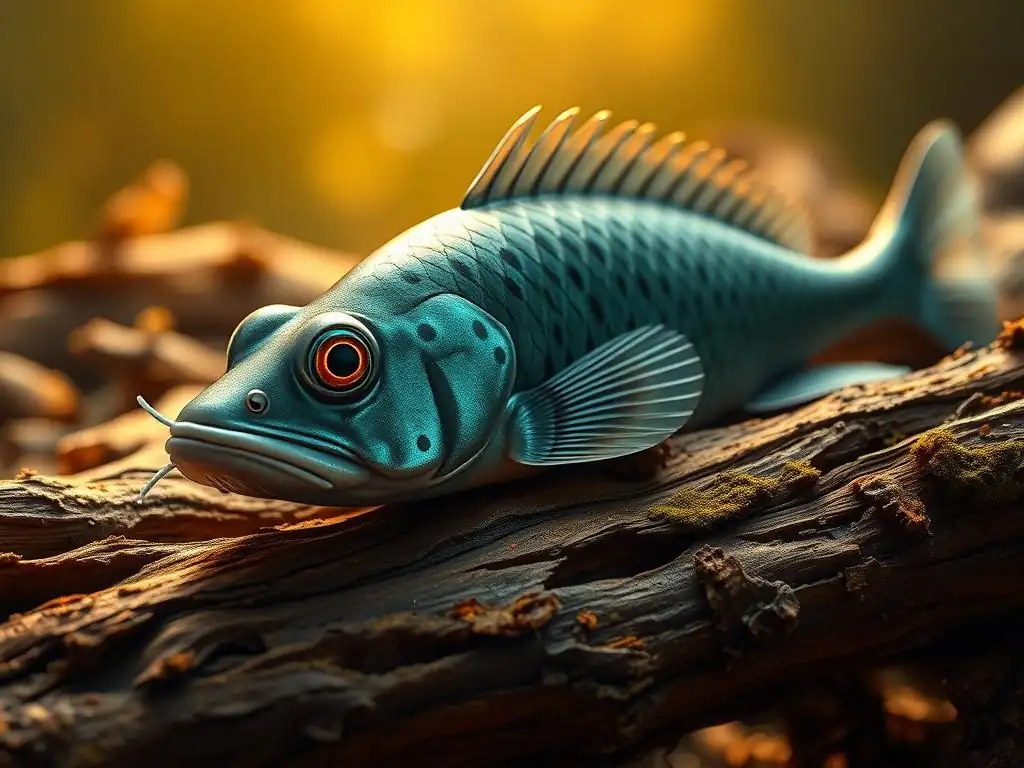
Creating an optimal environment is paramount for the health and longevity of your Clown Pleco. These fish thrive in conditions that mimic their natural riverine habitats, emphasizing clean, well-oxygenated water and plenty of hiding spots. A proper tank setup not only ensures their physical well-being but also reduces stress, allowing their natural behaviors to flourish.
Consider the tank's location carefully, avoiding direct sunlight or areas with drastic temperature fluctuations. A stable environment is key to preventing stress and disease. The overall aesthetic should prioritize the pleco's needs, providing a secure and stimulating home that encourages their natural habits.
Tank Size Recommendations for Clown Plecos
For a single adult Clown Pleco, a minimum tank size of 10 gallons (approximately 38 liters) is generally recommended. While they are small, providing ample space helps reduce territorial disputes, especially if housing more than one. For a pair or a small group, a 20-gallon long tank or larger is advisable to ensure each fish has its own territory and access to resources. Overcrowding can lead to stress, stunted growth, and increased aggression among males.
When planning for tank size, also consider the tank's footprint rather than just its volume. A longer tank offers more horizontal swimming space and surface area for decorations and territories, which is beneficial for bottom-dwellers like the Clown Pleco. This allows for a more natural distribution of driftwood and other hiding spots, crucial for their well-being.
Essential Aquarium Decorations: Wood, Plants, and Substrate for Clown Plecos
Driftwood is an absolute necessity for Clown Plecos. These fish are xylophagous, meaning wood forms a significant portion of their diet and aids in their digestion. Provide multiple pieces of bogwood, Mopani wood, or Malaysian driftwood for them to rasp on. Aim for at least one large piece per pleco to ensure they have enough to consume and hide in. Caves, made from PVC pipes, ceramic logs, or stacked rocks, are also vital as Clown Plecos are shy and appreciate secure hiding spots.
While not strictly necessary for their diet, live plants can contribute to water quality and provide additional cover. Anubias, Java Fern, and Amazon Swords are robust options that can tolerate the pleco's activity. For substrate, fine sand or smooth, small gravel is ideal. Rough substrates can injure their delicate undersides or barbels. Ensure any rocks or decor are stable and won't trap the fish.
Water Parameters: Maintaining Optimal Conditions for Panaqolus maccus
Maintaining stable and optimal water parameters is critical for the health of your Clown Pleco. They thrive in tropical freshwater conditions that mimic their native South American rivers. The ideal temperature range is between 75°F and 82°F (24°C to 28°C). A reliable heater with a thermostat is essential to keep the temperature consistent.
Water pH should be kept slightly acidic to neutral, ranging from 6.5 to 7.5. Hardness (GH) should be soft to moderately hard, around 5-15 dGH. Ammonia and nitrite levels must always be zero, and nitrates should be kept below 20 ppm through regular water changes. A well-filtered tank with strong biological filtration is crucial, and gentle water flow is appreciated. Aim for weekly water changes of 20-30% to maintain pristine water quality.
Clown Pleco Diet and Feeding: What to Feed Your Wood-Eating Fish
The diet of the Clown Pleco is unique among commonly kept aquarium fish, primarily revolving around wood. While they may occasionally nibble on algae, their digestive system is specifically adapted to break down cellulose from driftwood. This makes providing the correct diet a fundamental aspect of their Clown pleco care guide.
Beyond wood, a varied diet is important to ensure they receive all necessary nutrients. Neglecting their specific dietary needs can lead to health issues, including digestive blockages or malnutrition, so understanding their feeding habits is key to successful Clown Pleco keeping.
The Importance of Wood in the Clown Pleco's Diet
As mentioned, driftwood is not merely a decoration for the Clown Pleco; it is an indispensable part of their diet. They rasp on the wood, consuming small particles that provide essential dietary fiber and lignins necessary for their digestive process. Without access to driftwood, Clown Plecos can suffer from digestive issues, including bloat and nutrient deficiencies, which can be fatal. Ensure there are multiple pieces of well-cured driftwood in the tank at all times.
The type of wood matters; softer woods like Malaysian driftwood or bogwood are preferred as they are easier for the pleco to rasp. Some aquarists even boil new driftwood to soften it further and help it sink. Observing your Clown Pleco actively rasping on wood is a good sign of a healthy fish.
Supplementing with Algae Wafers and Protein Sources
While wood is paramount, a balanced diet for the Clown Pleco also includes high-quality sinking algae wafers or pleco pellets. These should be offered daily or every other day, ensuring they contain a good percentage of vegetable matter. Look for brands that list spirulina, kelp, or other plant-based ingredients prominently.
Additionally, small amounts of blanched vegetables like zucchini, cucumber, shelled peas, or spinach can be offered a few times a week. Remove any uneaten vegetables after 24 hours to prevent water fouling. Occasional protein supplementation, such as a small amount of bloodworms or brine shrimp (live or frozen), can be beneficial, especially for younger or breeding plecos, though their primary diet should remain plant-based and wood-focused.
Feeding Schedule and Avoiding Overfeeding
Clown Plecos are primarily nocturnal, so it is best to feed them after the lights have been turned off in the evening. This allows them to forage without competition from more active, diurnal tank mates. Offer food in amounts that can be consumed within a few hours. For algae wafers or pellets, typically one wafer per pleco is sufficient, depending on its size.
Overfeeding is a common mistake that can lead to poor water quality and health issues for all tank inhabitants, including Clown Plecos. Uneaten food decomposes, leading to ammonia spikes and cloudy water. Monitor your pleco's consumption and adjust feeding amounts accordingly. If you notice a lot of leftover food, reduce the portion size.
Clown Pleco Tank Mates: Choosing Compatible Fish for Your Aquarium
Selecting appropriate tank mates is a crucial aspect of successful Clown Pleco care. Due to their small size and peaceful nature, they are generally excellent additions to community aquariums. However, careful consideration should be given to avoid overly aggressive or hyperactive species that might stress them out, or fish that compete directly for the same resources.
The goal is to create a harmonious environment where all inhabitants can thrive without undue competition or aggression. A well-chosen community enhances the overall appeal and health of the aquarium.
Ideal Tank Mates for Peaceful Community Tanks
Clown Plecos thrive in peaceful community settings. Good tank mates include small to medium-sized tetras (like Neon Tetras, Cardinal Tetras, or Rummy-nose Tetras), rasboras (such as Harlequin Rasboras), peaceful barbs (like Cherry Barbs), and small schooling fish. Guppies and platies can also be suitable. Other peaceful bottom-dwellers like Corydoras catfish are generally fine, as they occupy different niches and don't directly compete for wood.
Dwarf shrimp species (e.g., Cherry Shrimp, Amano Shrimp) can also co-exist peacefully with Clown Plecos, as the plecos are not predatory towards them. Ensure the tank is large enough to accommodate all inhabitants comfortably, providing ample space for everyone to establish territories and forage without conflict.
Fish to Avoid: Aggressive Species and Competition
Avoid keeping Clown Plecos with large, aggressive, or highly territorial fish that could harass or injure them. Cichlids known for aggression (e.g., many African Cichlids, large South American Cichlids) are unsuitable. Similarly, fin-nippers or overly boisterous fish might stress the shy Clown Pleco.
While Clown Plecos are generally peaceful, males can become territorial with each other, especially in smaller tanks or if there isn't enough driftwood or hiding spots. If you plan to keep multiple Clown Plecos, ensure the tank is generously sized (20 gallons or more for a pair, larger for more) and heavily decorated with multiple caves and driftwood pieces to create distinct territories. Avoid keeping them with other pleco species that have similar dietary needs or territorial tendencies, unless the tank is very large.
Maintaining a Healthy Clown Pleco: Common Issues and Prevention
Maintaining the health of your Clown Pleco involves proactive measures, including vigilant observation and consistent water quality management. While relatively hardy, they are susceptible to common freshwater fish diseases if their environment is neglected. Understanding the signs of illness and implementing preventative care is a critical part of any comprehensive Clown pleco care guide.
Prevention is always easier and more effective than treatment when it comes to fish health. By providing optimal conditions and a suitable diet, you significantly reduce the risk of your Clown Pleco falling ill.
Recognizing and Treating Common Diseases
Clown Plecos can be susceptible to common freshwater diseases such as Ich (white spot disease), fungal infections, and bacterial infections if water quality deteriorates or they are stressed. Symptoms of Ich include small white spots resembling salt grains on the body and fins. Fungal infections often appear as cotton-like growths, while bacterial infections might manifest as fin rot, ulcers, or lethargy.
- Ich: Treat with increased temperature (slowly to 82-86°F if tank mates allow) and an Ich medication.
- Fungal/Bacterial: Improve water quality immediately with a large water change. Administer appropriate antifungal or antibacterial medications as per product instructions.
It's crucial to identify diseases early and act quickly. Always quarantine new fish for 2-4 weeks to prevent introducing pathogens to your main tank.
Water Quality and Regular Maintenance
Excellent water quality is the single most important factor in preventing diseases in Clown Plecos. This means performing regular water changes—typically 20-30% weekly—to keep nitrate levels low and replenish essential minerals. Use a reliable water conditioner to neutralize chlorine and chloramines.
- Testing: Regularly test your water parameters (ammonia, nitrite, nitrate, pH, temperature) using a liquid test kit. Aim for consistent readings.
- Filtration: Ensure your filtration system is adequate for your tank size and properly maintained. Clean filter media regularly, but avoid cleaning all media at once to preserve beneficial bacteria.
- Substrate Cleaning: Siphon the substrate during water changes to remove uneaten food and waste, preventing the buildup of harmful compounds.
- Driftwood Management: While beneficial, driftwood can release tannins, which tint the water brown. This is generally harmless and even beneficial for plecos, but if you prefer clear water, pre-soak new wood extensively or use activated carbon in your filter.
Breeding Clown Plecos: A Relatively Easy Endeavor
Breeding Clown Plecos in a home aquarium is achievable and often considered relatively easy compared to many other pleco species, making it a rewarding experience for dedicated aquarists. Success hinges on providing specific conditions that mimic their natural breeding triggers and ensuring a healthy, compatible pair.
Understanding their reproductive behavior and creating the right environment can significantly increase your chances of witnessing these fascinating fish spawn and raise their fry.
Creating Breeding Conditions for Panaqolus maccus
To encourage Clown Plecos to breed, focus on pristine water quality and specific environmental triggers. A dedicated breeding tank (10-20 gallons) is often recommended to protect the eggs and fry from other tank inhabitants. Provide several pleco breeding caves or ceramic tubes that are just large enough for the male to fit inside. These caves serve as the spawning site and protection for the eggs.
- Water Parameters: Maintain stable, slightly acidic to neutral water (pH 6.5-7.0) with a temperature on the higher end of their preferred range, around 78-82°F (26-28°C).
- Diet: Condition the breeding pair with a rich diet of high-quality sinking pellets, blanched vegetables, and occasional live or frozen protein sources like bloodworms or brine shrimp.
- Trigger: Simulate rainy season conditions by performing large, cool water changes (25-50%) every few days. This drop in temperature and influx of fresh water often triggers spawning behavior.
Identifying Male and Female Clown Plecos
Distinguishing between male and female Clown Plecos can be challenging but becomes more apparent as they mature, especially when conditioned for breeding.
- Males: Generally possess more pronounced odontodes (bristles or spines) on their pectoral fins and along the sides of their head, particularly during breeding season. They also tend to be slightly slimmer and more streamlined.
- Females: Typically have a rounder, fuller body shape, especially when gravid (carrying eggs), and their odontodes are less developed or absent.
Observing their behavior can also provide clues; males will often guard potential spawning sites, such as caves, and may become more territorial. A mature pair, often around 2-3 inches in length, is usually required for successful breeding.
Spawning and Raising Clown Pleco Fry
Once conditions are met, the male Clown Pleco will usually select a cave and meticulously clean it. The female will then enter the cave to lay her adhesive eggs, which can number from 20 to 50, typically a creamy white to yellowish color. After spawning, the female usually leaves, and the male takes on the sole responsibility of guarding and fanning the eggs. He will diligently fan the eggs with his fins to ensure good oxygenation and remove any unfertilized or fungal eggs.
The eggs typically hatch within 4-7 days, depending on temperature. The fry, known as "wrigglers," will then absorb their yolk sacs over the next 5-7 days, after which they become free-swimming. At this stage, it's crucial to provide them with fine, soft foods like blanched zucchini slices, spirulina powder, crushed algae wafers, and access to driftwood. Daily small water changes are vital to maintain water quality for the delicate fry. They grow slowly but steadily with consistent feeding and pristine water.
Clown Pleco vs. Other Plecos: Distinguishing Characteristics
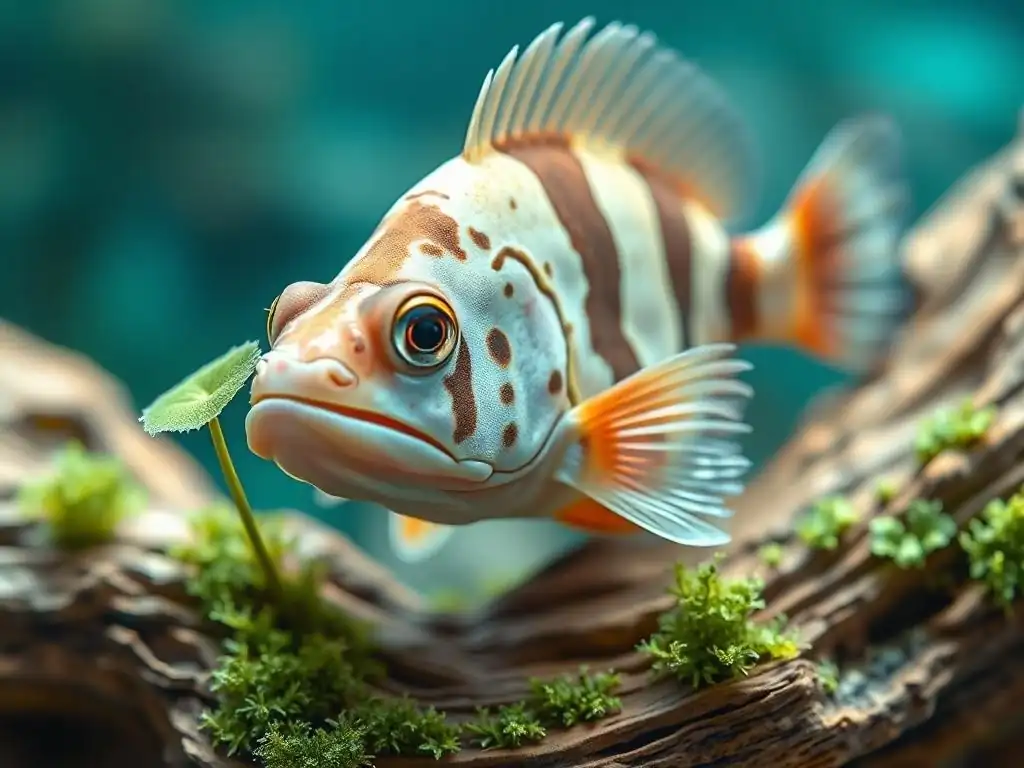
While many species are generically referred to as "plecos," the Clown Pleco ( Panaqolus maccus) has distinct features and care requirements that set it apart. Understanding these differences is crucial for proper care and to avoid misidentification, especially when considering a Clown pleco care guide.
Comparing the Clown Pleco to other popular pleco species highlights its unique attributes, from size and appearance to dietary needs, which are often overlooked by novice aquarists.
Clown Pleco vs. Common Pleco: A Comparison
The most significant difference between the Clown Pleco and the Common Pleco ( Hypostomus plecostomus or similar large species) is size. Common Plecos can grow to an enormous size, often exceeding 18 inches (45 cm) in captivity, requiring tanks of 100 gallons or more. In contrast, the Clown Pleco rarely surpasses 4 inches (10 cm), making it suitable for much smaller aquariums (10-20 gallons).
Their diets also differ; Common Plecos are primarily algae eaters, though they become increasingly omnivorous with age. Clown Plecos are specialized wood-eaters, requiring driftwood for digestion. Visually, Common Plecos are typically mottled brown or grey with indistinct patterns, while Clown Plecos have striking, contrasting bands of dark brown/black and yellow/orange.
Clown Pleco vs. Bristlenose Pleco: A Detailed Analysis
Both Clown Plecos and Bristlenose Plecos ( Ancistrus cirrhosus and related species) are popular smaller pleco options, but they have key distinctions.
- Size: Both are small, with Bristlenoses typically reaching 4-5 inches, slightly larger than Clown Plecos.
- Appearance: Bristlenose Plecos are famous for the fleshy, tentacle-like bristles on their snouts, especially pronounced in males. Clown Plecos lack these bristles, instead having a smoother head with distinct color banding.
- Diet: Bristlenose Plecos are excellent algae eaters and require significant vegetable matter. While they also benefit from driftwood, it's not as critical to their digestion as it is for Clown Plecos. Clown Plecos are obligate wood-eaters.
- Temperament: Both are generally peaceful, but male Bristlenoses can be more territorial and aggressive towards each other than Clown Plecos.
Understanding these differences ensures you choose the right pleco for your tank and provide appropriate care.
Purchasing Clown Plecos: Finding Healthy Specimens
When embarking on your Clown pleco care guide journey, the initial step of acquiring healthy fish is paramount. A healthy Clown Pleco will adapt better to your aquarium and have a higher chance of a long, thriving life. Making an informed choice about where to buy and what to look for can prevent future headaches and heartache.
Avoid impulse purchases and instead, take the time to observe the fish and the conditions of the seller carefully. This due diligence pays off in the long run.
Where to Buy Clown Plecos: Reputable Sources
The best places to purchase Clown Plecos are reputable local fish stores or established online aquarium retailers.
- Local Fish Stores: A good local fish store will have knowledgeable staff, clean tanks, and visibly healthy fish. They often allow you to observe the fish's behavior before purchase. Inquire about their quarantine procedures and the source of their fish.
- Online Retailers: Many specialized online retailers offer a wider selection and may have better access to specific species or rare variants. Look for companies with excellent reviews, clear shipping policies, and a live arrival guarantee. Ensure they pack fish properly for transport to minimize stress.
- Aquarium Clubs/Breeders: Sometimes, local aquarium clubs or private breeders may offer Clown Plecos. This can be a great way to get locally bred fish, which are often hardier, and you can sometimes get detailed information about their lineage and care.
Avoid purchasing from stores with dirty tanks, dead fish, or fish exhibiting signs of disease.
Selecting a Healthy Clown Pleco: What to Look For
When selecting a Clown Pleco, observe the individual fish and its tank carefully.
- Activity: A healthy Clown Pleco should be active, either clinging to surfaces or rasping on wood, though they can be shy and hide. Avoid fish that are lethargic, clamped-finned, or sitting motionless on the substrate for extended periods.
- Appearance: Look for clear eyes, intact fins (no rips or tears), and a full, rounded belly (not sunken). The coloration should be vibrant and distinct for the species, without any unusual spots, growths, or discolored patches.
- Breathing: Respiration should be calm and steady, not rapid or labored.
- Tank Conditions: The tank the fish is in should be clean, with clear water and no visible signs of disease in any of the inhabitants. This indicates good husbandry practices by the seller.
- No Red Marks/Sores: Avoid fish with any red marks, sores, or white spots on their body.
Consider purchasing a fish that is at least 1.5-2 inches (4-5 cm) long, as smaller juveniles can be more fragile during acclimation.
Clown Pleco: Pros and Cons of Owning One
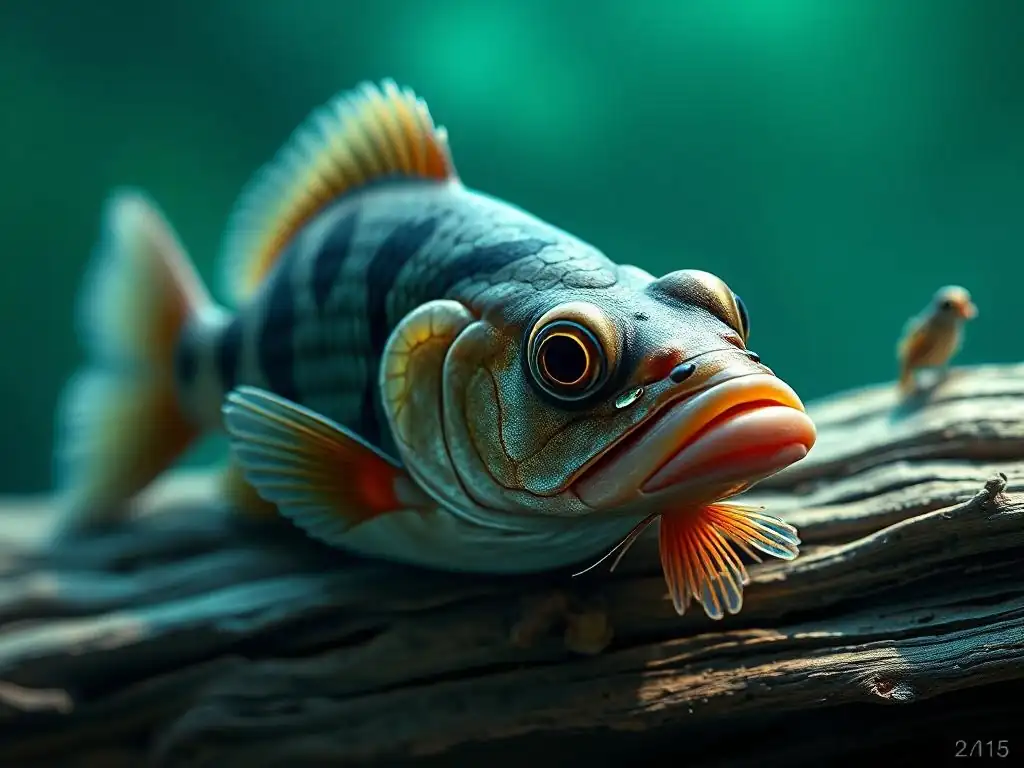
Like any aquarium inhabitant, owning a Clown Pleco comes with its own set of advantages and disadvantages. Understanding these can help you determine if this charming, wood-loving catfish is the right fit for your specific aquarium setup and lifestyle. A balanced perspective is key to a successful Clown pleco care guide.
Weighing these factors carefully will ensure you're prepared for the commitment and unique needs of this fascinating species.
Advantages of Keeping Clown Plecos
- Small Size: Their compact size (3-4 inches) makes them suitable for smaller aquariums (10-20 gallons), which is a significant advantage over many larger pleco species.
- Peaceful Temperament: Clown Plecos are generally very peaceful and shy, making them excellent additions to most community tanks with similarly sized, non-aggressive fish.
- Unique Dietary Needs: Their obligate wood-eating habit provides a fascinating aspect to their care and ensures they contribute to the natural decomposition of driftwood in the tank.
- Long Lifespan: With proper care, Clown Plecos can live for 10-15 years, offering many years of enjoyment.
- Hardy and Resilient: Once established in a stable, well-maintained tank, they are relatively hardy and less prone to illness compared to some more delicate species.
- Attractive Appearance: Their striking banded coloration adds an interesting visual element to the bottom of the tank.
- Specific Dietary Requirements: Their reliance on driftwood means it's an absolute necessity, not just an option. This can be a challenge if you prefer a tank without wood or if sourcing good quality driftwood is difficult. They are not primary algae eaters, so if algae control is your main goal, another species might be better.
- Shy Nature: Clown Plecos are often nocturnal and can be quite reclusive, spending much of their time hidden. This means you might not see them as often as other, more active fish.
- Territorial Disputes (Males): While generally peaceful, males can be territorial with other male Clown Plecos or similar bottom-dwellers if the tank is too small or lacks sufficient hiding spots and distinct territories.
- Waste Production: Like all plecos, they produce a fair amount of waste, necessitating robust filtration and consistent water changes to maintain water quality.
- Difficulty in Sexing: Distinguishing males from females can be challenging, especially for beginners, which can be an issue if you aim for breeding.
Clown Pleco Care: Frequently Asked Questions (FAQ)
How big will my Clown Pleco get?
A Clown Pleco ( Panaqolus maccus) typically reaches an adult size of about 3 to 4 inches (7.5 to 10 cm) in a well-maintained aquarium. This makes them one of the smaller pleco species available to hobbyists, a significant factor in their popularity for smaller tank setups. Their growth rate depends on factors such as diet, water quality, and tank size, but they generally reach their full size within 1-2 years. Providing a consistent and appropriate diet, especially ample driftwood, is crucial for them to reach their healthy adult size.
Why is my Clown Pleco not eating algae?
It's common for aquarists to assume all plecos are primary algae eaters, but the Clown Pleco is an exception. Clown Plecos are primarily xylophagous, meaning their main diet consists of rasping on and consuming driftwood. While they might occasionally nibble on soft algae or biofilm, they are not efficient algae cleaners like Bristlenose Plecos or Otocinclus catfish.
If your Clown pleco care guide goal is algae control, you might need to consider other species or methods. Ensure your Clown Pleco has plenty of driftwood available; if it's not eating that, or sinking wafers, it could indicate stress, illness, or insufficient food.
Can I keep more than one male Clown Pleco in my tank?
Yes, it is possible to keep more than one male Clown Pleco in the same tank, but it requires careful planning and a sufficiently large aquarium. Males can be territorial, especially towards each other, as they mature and establish their space. For two males, a tank of at least 20 gallons (75 liters) is recommended, and for more than two, a larger tank of 30 gallons or more would be advisable.
Crucially, the tank must be heavily aquascaped with multiple pieces of driftwood, caves, and other hiding spots. This allows each male to establish its own territory and retreat when necessary, minimizing aggression and stress. Without adequate space and cover, territorial disputes can lead to stress, injury, or even death.
Frequently Asked Questions
What is a Clown Pleco and why are they popular?
The Clown Pleco (Panaqolus maccus) is a small, wood-eating pleco known for its distinctive stripes and relatively peaceful nature. They're popular because of their smaller size (compared to common plecos) and attractive appearance, making them suitable for smaller aquariums.
What are the essential requirements for a Clown Pleco's aquarium setup?
Clown Plecos need a well-established aquarium with plenty of driftwood for grazing and hiding. Good filtration and stable water parameters are also crucial for their health and well-being. Aim for a temperature between 73-82°F and a pH between 6.0-7.5.
What should I feed my Clown Pleco?
While they enjoy algae, their diet primarily consists of wood. Supplement their diet with sinking algae wafers, vegetable-based foods, and occasional protein sources like bloodworms. Ensure they always have access to driftwood to rasp on.
How big do Clown Plecos get and what size tank do they need?
Clown Plecos typically reach a maximum size of around 3-4 inches. A minimum tank size of 20 gallons is recommended for a single Clown Pleco, providing ample space and allowing for good water quality.
What are some common health problems associated with Clown Plecos and how can I prevent them?
Common issues include parasitic infections and sensitivity to poor water quality. Maintaining pristine water conditions through regular water changes and proper filtration is key. Quarantine new fish and observe them for any signs of illness.
Final Reflection: Embracing the Tiny Titans
The journey through the world of the Clown Pleco, as detailed in this care guide, underscores a vital truth: even the smallest creatures can possess immense personality and captivating habits. Their unique wood-loving nature and vibrant patterns remind us that beauty and complexity thrive in unexpected corners of the aquarium and, by extension, the natural world.
The influence of these miniature marvels extends beyond the glass walls of our tanks. The dedication and care we invest in these creatures reflects a broader commitment to understanding and preserving biodiversity. In the end, we will conserve only what we love; we will love only what we understand; and we will understand only what we are taught.
- Baba Dioum. This quote perfectly encapsulates the importance of guides like this one, fostering understanding and, ultimately, love for these often-overlooked inhabitants of our planet.
Now, consider the lessons learned from the Clown Pleco. How can you apply the patience, observation, and dedication required for their care to other aspects of your life? Embrace the opportunity to appreciate the small wonders around you, to understand the intricate needs of those you care for, and to cultivate a deeper connection with the natural world. Let the Clown Pleco inspire you to be a more attentive, compassionate, and engaged steward of our planet.
Unleash Your Inner Aquarist: Create a Clown Pleco Paradise!
Thank you for diving deep into the fascinating world of Clown Plecos! We hope you've gained valuable insights into caring for these charming, wood-loving creatures. Now, let’s put that knowledge into action!
Here are a few things you can do to further your Clown Pleco journey:
- Start Planning Your Dream Clown Pleco Tank: Identify the perfect driftwood pieces and tank mates to create a thriving environment for your future (or current!) Clown Plecos.
- Explore the world of Pleco breeding! Research the specific conditions needed to encourage breeding and consider creating a dedicated breeding tank.
- Share your newfound Clown Pleco wisdom! Start a thread in an aquarium forum and help other aquarists learn about these amazing fish.
Ready to start designing your Clown Pleco haven? What's the first unique piece of driftwood you'll add to their tank?