
Best Foods for Platy Fry: Ensuring Optimal Nutrition and Growth


Welcome to Aquarium Mastery!
Dive into the fascinating world of aquarium keeping. Ever wondered how to give your newborn Platy fry the absolute best start in life? You're in the right place! We'll explore everything you need to know about Platy fry food nutrition, ensuring your tiny fish thrive and grow into vibrant, healthy members of your aquarium. Ready to unlock the secrets to successful Platy fry rearing? Let's get started!
- Understanding Platy Fry Nutritional Needs for Healthy Growth
- Top Food Choices for Platy Fry: A Comprehensive Guide
- Preparing Food for Platy Fry: Size and Consistency
- Feeding Techniques for Platy Fry: Maximizing Intake and Minimizing Waste
- Supplementing Platy Fry Diet: Enhancing Growth and Color
- Monitoring Platy Fry Growth and Health: Adjusting the Diet Accordingly
- Transitioning Platy Fry to Adult Food: A Gradual Process
- Troubleshooting Common Feeding Issues with Platy Fry
- Conclusion: Optimizing Platy Fry Food Nutrition for Thriving Platies
-
Frequently Asked Questions
- What are the essential nutrients Platy fry need for healthy growth?
- How often should I feed my Platy fry?
- What types of foods are best suited for Platy fry?
- Can I use commercially available fry food for Platy fry, and what should I look for?
- How can I ensure my Platy fry are getting enough nutrition in a community tank?
- Final Reflection: Nurturing New Beginnings
- Nurture Your Fry: Unlock Their Full Potential!
Understanding Platy Fry Nutritional Needs for Healthy Growth
The Importance of a Balanced Diet for Platy Fry
From the moment they are born, Platy fry embark on a period of incredibly rapid growth and development, making their initial diet critically important. Unlike adult Platies, fry have underdeveloped digestive systems and immense energy requirements to fuel their swift physical changes, including organ formation and skeletal development. A diet lacking essential nutrients can lead to stunted growth, skeletal deformities, weakened immune systems, and a significantly higher mortality rate, compromising the entire batch's long-term health and vitality.
Providing a balanced and nutrient-dense diet from day one establishes the foundation for robust, healthy adult Platies. Their accelerated metabolism means they are constantly converting food into new tissue, demanding a consistent supply of high-quality proteins, fats, vitamins, and minerals. Proper Platy fry food nutrition not only ensures optimal physical development but also contributes to vibrant coloration and resilience against common aquarium diseases, setting them up for a thriving life in the aquarium.
Key Nutrients for Rapid Growth in Platy Fry: Protein, Vitamins, and Minerals
Protein is paramount for the rapid growth of Platy fry, acting as the primary building block for muscle, tissue, and organ development. High-quality commercial fry foods often contain protein levels ranging from 40% to 55%, sourced from ingredients like fish meal, spirulina, krill, and various plant proteins. These concentrated protein sources provide the amino acids necessary for the rapid cell division and tissue synthesis that characterize the fry stage. Without sufficient protein, fry can exhibit stunted growth and fail to develop properly.
Beyond protein, a comprehensive Platy fry food nutrition plan must include a robust array of vitamins and minerals. Vitamins such as A, C, D, and E are crucial for immune system function, bone development, and overall vitality, helping fry resist stress and disease. Minerals like calcium and phosphorus are essential for skeletal formation, while trace elements support metabolic processes. These micronutrients, often overlooked, play a vital role in ensuring that fry develop strong bones, vibrant colors, and robust health, preparing them for a long life.
How Often to Feed Platy Fry: Establishing a Feeding Schedule
Due to their incredibly fast metabolism and small stomach capacity, Platy fry require frequent, small meals throughout the day. Unlike adult fish that can thrive on one or two daily feedings, fry need a continuous supply of nutrients to support their exponential growth. A general guideline is to feed Platy fry at least 3 to 5 times per day, and sometimes even more for very young fry during their first week, ensuring they have access to food almost constantly without overfeeding.
The key is to offer very tiny amounts of food that can be consumed within 2-3 minutes. This strategy prevents uneaten food from decaying and fouling the water, which is particularly detrimental in small fry tanks. Observing the fry's bellies can help gauge if they are getting enough; a slightly rounded belly indicates adequate feeding, while a bloated appearance suggests overfeeding. Establishing a consistent schedule helps the fry anticipate meals and encourages strong feeding responses, optimizing their Platy fry food nutrition intake.
Top Food Choices for Platy Fry: A Comprehensive Guide
Commercially Available Platy Fry Food Options
Best Dry Food for Platy Fry: Flakes, Powders, and Granules
Commercially prepared dry foods are a convenient and often nutritionally complete option for Platy fry. These typically come in very fine powders or micro-granules specifically designed for the tiny mouths of fry. High-quality options are formulated with optimal protein levels, often exceeding 45%, and enriched with essential vitamins and minerals. Ingredients frequently include spirulina, fish meal, and various vegetable proteins, providing a balanced diet.
When selecting dry food, particle size is critical; it must be small enough for fry to ingest easily. Many brands offer "fry food" or "first bites" products that are pre-ground to an appropriate consistency. While convenient, it's important to choose reputable brands to ensure the Platy fry food nutrition is complete and digestible. These foods offer a consistent nutrient profile, making them a reliable staple for growing Platies.
Liquid Fry Food: A Convenient Option for Small Fry
Liquid fry foods are an excellent choice for the smallest, newly born Platy fry during their first few days of life. These products typically contain a suspension of microscopic food particles, often including infusoria or other finely ground nutrients, that are ideal for fry that are too small to consume even the finest powdered dry foods. They are designed to disperse evenly throughout the water column, making it easy for tiny fry to encounter and consume the food.
While convenient, liquid fry foods should be used judiciously. They can quickly foul the water if overused, as the suspended particles can decay rapidly. They are best utilized as a supplemental food for the initial 3-7 days, after which fry are usually large enough to transition to finely powdered dry foods or live foods. Liquid fry food provides a simple way to kickstart Platy fry food nutrition in the crucial early hours post-birth.
Live Baby Brine Shrimp (BBS) for Platy Fry: A Nutritional Powerhouse
Live Baby Brine Shrimp (Artemia nauplii) are arguably one of the best food sources for rapidly growing Platy fry, offering unparalleled nutritional value. They are packed with protein (around 60% dry weight) and essential fatty acids, which are crucial for rapid growth, robust health, and vibrant coloration. The vigorous swimming motion of BBS also acts as a strong feeding stimulant, encouraging even reluctant fry to eat.
Hatching Baby Brine Shrimp requires a simple setup (a dedicated hatchery, air pump, and salt water), but the effort is well worth the benefits. They are easily digestible and provide a complete nutritional profile that significantly boosts growth rates compared to dry foods alone. Feeding newly hatched BBS, typically within 24 hours of hatching, ensures maximum nutritional content, making them a cornerstone of optimal Platy fry food nutrition.
Natural and Homemade Food Options for Platy Fry
Infusoria Culture for Platy Fry: Culturing and Feeding
Infusoria are microscopic organisms (protozoa, rotifers, etc.) that naturally occur in aquatic environments and serve as an excellent first food for the tiniest of Platy fry, especially those too small for newly hatched brine shrimp. They are easily cultured at home by simply adding a source of decaying organic matter, such as a dried banana peel, a few lettuce leaves, or even a handful of hay, to a jar of dechlorinated water and allowing it to sit for several days in indirect light.
The resulting cloudy water teems with these microscopic organisms, which fry can graze on continuously. Infusoria provide a gentle and highly digestible food source, mimicking what fry would naturally consume in the wild. While their nutritional density is lower than that of Baby Brine Shrimp, they offer a crucial initial food source that can bridge the gap until fry are large enough to accept other foods, contributing to foundational Platy fry food nutrition.
Microworms: Easy to Culture Live Food for Platy Fry
Microworms (Panagrellus redivivus) are small nematodes that are an excellent live food option for Platy fry, especially after their first few days when they've outgrown infusoria but might still be too small for larger live foods. They are incredibly easy to culture on a substrate of cooked oatmeal or similar grain-based media, making them a convenient and continuous source of fresh, live food. Microworms are rich in protein, typically around 20-25% by wet weight, and contain beneficial fatty acids.
One significant advantage of microworms is that they sink slowly in water, allowing fry at various levels of the tank to access them before they settle to the bottom. Their wiggling motion also stimulates a strong feeding response. A healthy microworm culture can produce daily harvests for weeks, providing a consistent supply of nutritious live food that significantly enhances Platy fry food nutrition and promotes vigorous growth.
Egg Yolk as Platy Fry Food: Preparation and Precautions
Hard-boiled egg yolk can be used as an emergency or supplemental food source for Platy fry due to its high protein and fat content. To prepare, boil an egg until hard, then take a tiny portion of the yolk and mash it into a fine powder or paste using a small amount of tank water. Only an almost imperceptible amount should be offered at a time. The particles must be incredibly fine to be ingested by fry.
However, extreme caution must be exercised when feeding egg yolk. It is notorious for fouling water rapidly due to its high organic content if not consumed immediately and entirely. Uneaten egg yolk can quickly lead to dangerous ammonia spikes and bacterial blooms, jeopardizing the fry's health. Therefore, it should be used very sparingly and only if other, safer Platy fry food nutrition options are unavailable, always accompanied by diligent water changes.
Green Water: A Natural Source of Nutrients for Platy Fry
Green water, which is water rich in phytoplankton (microscopic algae), can serve as a natural and continuous food source for Platy fry, particularly in tanks with live plants or those exposed to some indirect light. Fry will constantly graze on the tiny algae particles, which provide a supplemental source of vitamins, minerals, and some digestible plant-based proteins. It's not a complete diet on its own but significantly enhances the natural environment.
Culturing green water can be as simple as leaving a jar of dechlorinated aquarium water in a well-lit area, allowing algae to bloom. In a fry tank, a mild green tint indicates a healthy presence of phytoplankton, offering a continuous supply of natural forage. This natural enrichment contributes to overall Platy fry food nutrition by providing constant grazing opportunities, mimicking a more natural feeding environment and helping to maintain water quality by consuming nitrates.
Preparing Food for Platy Fry: Size and Consistency
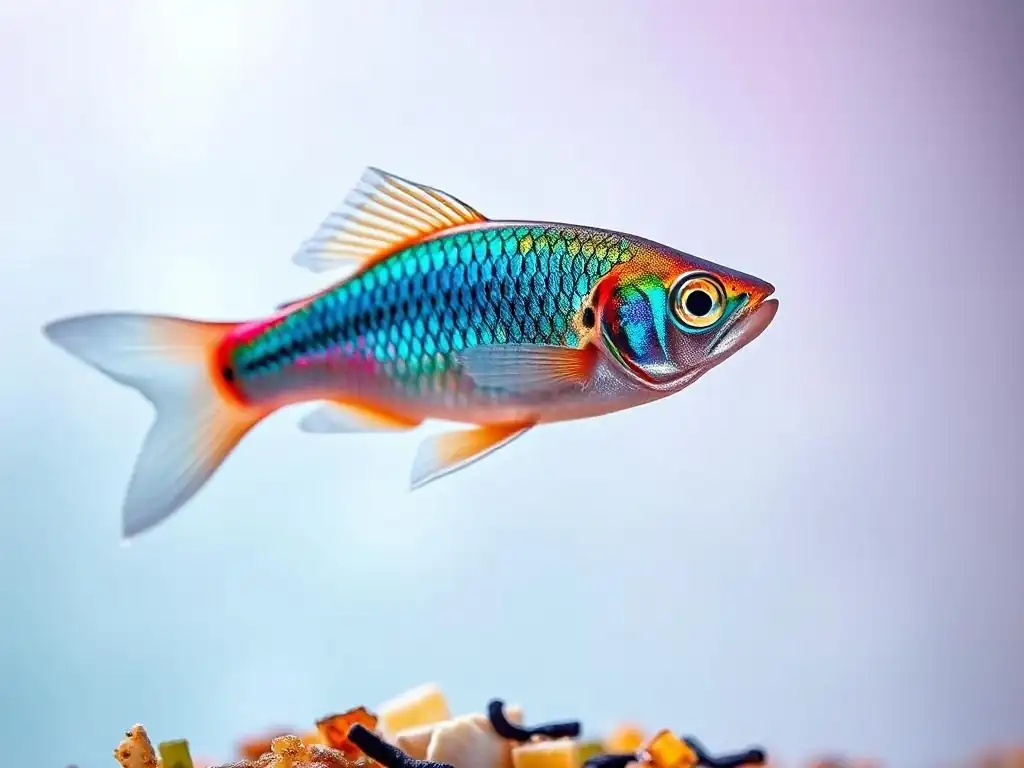
Ensuring Proper Particle Size: Crushing Flakes and Sifting Powders
The single most critical factor, aside from nutritional content, when feeding Platy fry is the particle size of the food. Fry have incredibly tiny mouths, and even what appears to be fine flake food to an adult fish can be too large for them to ingest. Therefore, dry foods like flakes or granules must be meticulously crushed into a fine powder. This can be achieved by rubbing flakes between your fingers, using a mortar and pestle, or even a dedicated spice grinder for larger batches.
For commercial fry powders, while often pre-ground, it's still beneficial to ensure consistency by sifting them through a very fine mesh or a tea strainer. This process removes any larger clumps and ensures that every particle is small enough for the fry to consume without struggling. Proper particle size directly impacts the fry's ability to eat efficiently, minimizing wasted food and maximizing the intake of vital Platy fry food nutrition for optimal growth.
How to Prepare a Microworm Culture for Feeding Platy Fry
Preparing a microworm culture is straightforward and provides a continuous supply of live food. Start with a shallow, airtight container (like a deli cup). Create a substrate using plain oatmeal mixed with water to a thick, porridge-like consistency, about 1-2 inches deep. You can optionally add a pinch of active yeast to kickstart the culture. Once the substrate is prepared, inoculate it with a starter culture of microworms, spreading them gently over the surface.
Cover the container with a lid, ensuring a small air hole for gas exchange, and store it at room temperature (around 70-75°F or 21-24°C). Within a few days, a healthy culture will show worms crawling up the sides of the container. To harvest, simply use a clean finger, a small brush, or a cotton swab to collect the worms from the sides and rinse them into the fry tank. A well-maintained culture can provide daily harvests for several weeks, significantly boosting Platy fry food nutrition.
Hatching Baby Brine Shrimp (BBS) for Optimal Platy Fry Consumption
Hatching Baby Brine Shrimp (BBS) ensures the freshest and most nutritious live food for Platy fry. A typical hatchery setup involves a cone-shaped container or a 2-liter soda bottle inverted, filled with dechlorinated water mixed with non-iodized salt (approximately 1-2 tablespoons per liter). Add 1/4 to 1/2 teaspoon of brine shrimp eggs. An air stone connected to an air pump should be placed at the bottom to keep the eggs suspended and aerated.
Maintain the water temperature between 78-82°F (25-28°C) for optimal hatching, which usually occurs within 24-36 hours. Once hatched, turn off the air pump and allow the nauplii (young shrimp) to settle at the bottom (attracted to light) for 5-10 minutes, while the empty eggshells float to the surface. Siphon the concentrated nauplii from the bottom, rinse them briefly in a fine mesh net under fresh water to remove salt, and feed immediately. This ensures the highest quality Platy fry food nutrition.
Feeding Techniques for Platy Fry: Maximizing Intake and Minimizing Waste
Target Feeding Platy Fry: Getting Food to the Fry Effectively
Target feeding is a highly effective technique for ensuring that Platy fry receive adequate nutrition while minimizing waste. Instead of simply sprinkling food across the surface, use a small pipette, dropper, or even a clean turkey baster to deliver food directly to where the fry are congregated. This method is particularly useful for very young fry or in tanks with adult fish that might outcompete the fry for food.
By delivering food precisely, you ensure that a higher percentage of the food is consumed by the fry, rather than settling and decaying, which can quickly degrade water quality. Observe the fry during feeding to gauge their appetite; they should eagerly swarm the food. This technique maximizes the efficiency of your Platy fry food nutrition efforts, reducing the risk of both underfeeding and overfeeding.
Avoiding Overfeeding: Signs of Overfeeding and Prevention Strategies
Overfeeding is a common mistake that can have severe consequences for Platy fry, leading to poor water quality, disease, and even death. Signs of overfeeding include uneaten food accumulating on the substrate, cloudy water, and a noticeable ammonia smell. Decaying food quickly depletes oxygen, produces toxic ammonia and nitrites, and encourages harmful bacterial blooms, which fry are particularly susceptible to.
To prevent overfeeding, adopt a "less is more" approach: feed very small amounts multiple times a day. The food should be entirely consumed within 2-3 minutes. If there's any food left after this time, you've fed too much. Regularly siphon out any uneaten food, especially from the bottom of the tank. Consistent observation of the fry and their tank environment is key to striking the right balance in their Platy fry food nutrition.
Maintaining Water Quality During Platy Fry Feeding
Frequent feeding, especially with high-protein foods like Baby Brine Shrimp or finely crushed flakes, inevitably increases the bioload in a fry tank. Maintaining pristine water quality is absolutely paramount for the health and survival of Platy fry, as they are highly sensitive to fluctuating parameters and accumulating toxins. Ammonia and nitrite spikes, even at low levels, can quickly become lethal or cause irreversible damage.
Therefore, small, daily water changes are essential. A 10-20% daily water change helps dilute waste products, replenish essential minerals, and remove any uneaten food or detritus. Using a small siphon to gently vacuum the bottom of the tank can also help remove solid waste. Consistent water quality management, alongside thoughtful Platy fry food nutrition, creates a stable and healthy environment conducive to rapid growth and development.
Supplementing Platy Fry Diet: Enhancing Growth and Color
Adding Vitamins and Minerals to Platy Fry Food
While high-quality commercial fry foods and live foods like Baby Brine Shrimp provide a robust nutritional foundation, supplementing the Platy fry diet with additional vitamins and minerals can further enhance their growth, vitality, and disease resistance. Commercial liquid vitamin supplements specifically formulated for aquarium fish can be used. These can be soaked into dry foods for a few minutes before feeding or added directly to live food cultures (like microworms) before harvesting.
These supplements often contain a broad spectrum of B vitamins, Vitamin C, and trace minerals that might be deficient in a singular diet. For example, Vitamin C is crucial for immune function and stress reduction. Ensuring a comprehensive intake of these micronutrients supports overall Platy fry food nutrition, leading to stronger bones, healthier skin and fins, and a more robust immune system, helping them thrive through their vulnerable early stages.
Using Natural Color Enhancers for Vibrant Platies
Platies are renowned for their vibrant and diverse coloration, which can be significantly influenced by their diet from a young age. While genetics play a primary role, certain natural ingredients can enhance and deepen their hues. Foods rich in carotenoids, such as spirulina, astaxanthin (found in krill), and various plant pigments, are excellent natural color enhancers. Integrating these into the Platy fry diet can lead to more brilliant and striking adult fish.
Many high-quality commercial fry foods already include these ingredients. However, supplementing with foods like spirulina powder or feeding krill-based foods (finely crushed) can boost the intake of these pigments. By providing these color-enhancing nutrients as part of their Platy fry food nutrition from an early age, you encourage the development of their full genetic potential for vibrant and eye-catching coloration.
The Role of Live Plants in a Platy Fry Tank: Providing Natural Food Sources
Live plants in a Platy fry tank serve multiple beneficial purposes, extending beyond aesthetics to provide valuable natural food sources and contribute to water quality. Densely planted tanks, especially with fine-leaved plants like Java Moss, Hornwort, or Guppy Grass, create micro-environments where infusoria and other microscopic organisms naturally proliferate. Fry can graze on these tiny organisms continuously, supplementing their primary diet.
Furthermore, live plants absorb nitrates and other waste products, helping to maintain stable and clean water parameters, which is crucial for sensitive fry. They also provide essential hiding spots, reducing stress and offering a sense of security. The presence of live plants thus contributes to a more natural and enriched environment, complementing the provided Platy fry food nutrition and fostering healthier, more resilient fry.
Monitoring Platy Fry Growth and Health: Adjusting the Diet Accordingly
Assessing Growth Rates: Identifying Potential Nutritional Deficiencies
Regularly observing the growth rates of your Platy fry is crucial for assessing the effectiveness of their diet. Healthy fry should exhibit consistent and rapid growth, with noticeable increases in size week by week. While some genetic variation in size is normal, significant disparities, such as a large number of "runts" (stunted individuals), can be a strong indicator of nutritional deficiencies or insufficient food availability for all individuals.
If growth appears slow or uneven across the batch, it's time to re-evaluate the Platy fry food nutrition. Consider increasing the frequency of feedings, ensuring sufficient food quantity, or introducing higher-protein options like live Baby Brine Shrimp or microworms. Sometimes, competition for food can also lead to uneven growth, in which case ensuring wider food distribution or even separating smaller fry might be necessary to optimize their development.
Recognizing Signs of Illness: Linking Diet to Platy Fry Health
A robust and balanced diet is the first line of defense against illness in Platy fry. Conversely, a diet lacking essential nutrients can compromise their immune systems, making them highly susceptible to common fry ailments. Signs of illness in fry include lethargy, clamped fins, erratic swimming, visible spots or growths, and emaciation despite feeding. These symptoms can often be linked back to inadequate Platy fry food nutrition.
For instance, a lack of essential vitamins can lead to weakened immune responses, making fry vulnerable to fungal infections or bacterial diseases. If you observe signs of illness, beyond immediate treatment, it's vital to review and potentially upgrade their feeding regimen. Ensuring they receive a nutrient-rich, varied diet is fundamental to building their resilience and preventing future health issues, promoting overall well-being.
Adjusting the Feeding Regimen Based on Platy Fry Development
As Platy fry grow, their nutritional needs and capabilities evolve, necessitating adjustments to their feeding regimen. In their first few weeks, they require extremely fine particles like infusoria or liquid fry food. As they double or triple in size, they can handle finely crushed flakes and newly hatched Baby Brine Shrimp. By the time they are about 1-2 months old, they will be ready for small granules and larger live foods.
The volume of food they can consume also increases significantly with age. While still requiring frequent meals, the quantity per meal will gradually increase. Monitoring their development—their size, activity levels, and willingness to eat—allows you to adapt the particle size, food type, and feeding quantity. This dynamic approach to Platy fry food nutrition ensures that their diet continuously meets their changing metabolic demands, supporting continuous healthy growth.
Transitioning Platy Fry to Adult Food: A Gradual Process
When to Start Introducing Adult Food to Platy Fry
The transition from a specialized fry diet to adult food should begin when Platy fry have reached a size where they can comfortably consume slightly larger food particles. This typically occurs when they are approximately 1 to 2 months old, or when they have grown to about half their adult size. At this stage, their mouths are larger, and their digestive systems are more developed, making them capable of processing a wider range of food types.
Introducing adult food too early can lead to digestive upset or insufficient nutrient intake if the particles are too large. Conversely, delaying the transition for too long can limit their exposure to a broader diet and potentially slow down their growth as their nutritional requirements shift. Careful observation of their size and behavior is the best guide for initiating this important phase of Platy fry food nutrition.
Mixing Fry Food and Adult Food: A Blended Approach
A gradual, blended approach is key to a successful transition from fry food to adult food. Begin by introducing a very small amount of finely crushed adult flake food mixed with their regular fry food. For example, start with a ratio of 90% fry food to 10% adult food. Over a period of several weeks, slowly increase the proportion of adult food while decreasing the fry food.
This method allows the fry to gradually acclimate to the new texture, taste, and nutritional profile of the adult food without causing digestive stress. It also ensures they continue to receive the familiar and highly digestible nutrients from their fry diet while adapting to their future staple. This smooth transition is vital for maintaining consistent Platy fry food nutrition and preventing any growth setbacks.
Monitoring Acceptance of Adult Food: Ensuring a Smooth Transition
Throughout the transition period, closely monitor the Platy fry's acceptance of the new adult food. Observe if they are actively consuming the larger particles or if they are spitting them out. If the fry seem hesitant or ignore the adult food, the particles might still be too large, or the transition might be progressing too quickly. In such cases, revert to a higher proportion of fry food or crush the adult food even finer.
A successful transition is indicated by the fry readily consuming the mixed diet and continuing to show healthy growth and activity. This gradual introduction helps prevent digestive issues and ensures that the fry are well-prepared for a full adult diet. Patience and observation are paramount in ensuring a smooth and successful shift in their Platy fry food nutrition.
Troubleshooting Common Feeding Issues with Platy Fry
Platy Fry Not Eating: Identifying Potential Causes and Solutions
If Platy fry are not eating, it can be a cause for concern, indicating underlying issues. Potential causes include incorrect food particle size (too large or too small), poor water quality (ammonia or nitrite spikes), stress from aggressive tank mates or an unsuitable environment, illness, or simply not recognizing the food as sustenance. Fry are particularly sensitive to their surroundings and water parameters.
Solutions involve a systematic check: first, verify water parameters immediately. Perform a small water change if needed. Next, ensure the food particle size is appropriate for their tiny mouths; offer different food types, especially highly appealing live foods like Baby Brine Shrimp, which can often stimulate a feeding response. Reduce any visible stressors in the tank, such as strong currents or bright lights. Finally, observe for any signs of disease that might be suppressing their appetite. Addressing these factors quickly is crucial for their Platy fry food nutrition intake.
Uneven Growth Rates in Platy Fry: Addressing Nutritional Imbalances
It's common for a batch of Platy fry to show some variation in size due to genetic differences, but significant discrepancies, where some fry are noticeably larger than others, can indicate nutritional imbalances or competition. Smaller fry (runts) might not be getting enough food, either due to being outcompeted by more aggressive siblings or because the food distribution is uneven.
To address uneven growth, increase the frequency of feedings and ensure the food is distributed widely across the tank, allowing all fry access. Consider offering a variety of food types, including highly nutritious live foods, to ensure all nutritional needs are met. In severe cases, temporarily separating the smaller fry into a separate growing tank can allow them to catch up without competition, ensuring they receive adequate Platy fry food nutrition.
Cloudy Water After Feeding: Preventing and Managing Water Quality Issues
Cloudy water after feeding is a clear sign of excess organic matter, typically caused by overfeeding, using food particles that are too large, or insufficient filtration. The cloudiness indicates a bacterial bloom, which consumes oxygen and can lead to dangerous ammonia and nitrite spikes, jeopardizing the fry's health. This issue is particularly prevalent in fry tanks due to frequent feedings.
Prevention is key: always feed very small amounts that can be consumed within 2-3 minutes. Ensure food particles are appropriately sized so they are readily eaten. If cloudiness occurs, immediately perform a small water change (10-20%) and siphon out any visible uneaten food. Review your feeding schedule and quantity. Adding a small sponge filter to the fry tank can significantly help maintain water clarity and quality by providing mechanical and biological filtration, safeguarding the environment for optimal Platy fry food nutrition.
Conclusion: Optimizing Platy Fry Food Nutrition for Thriving Platies
Frequently Asked Questions
What are the essential nutrients Platy fry need for healthy growth?
Platy fry require a diet rich in protein for muscle development, vitamins for overall health, and calcium for strong bone growth. These nutrients are crucial during their early stages.
How often should I feed my Platy fry?
Feed Platy fry small amounts of food 2-3 times a day. Their stomachs are tiny, and overfeeding can lead to water quality issues.
What types of foods are best suited for Platy fry?
Ideal foods include infusoria, powdered flake food, and baby brine shrimp. These options are small enough for fry to consume easily and provide essential nutrients.
Can I use commercially available fry food for Platy fry, and what should I look for?
Yes, commercially available fry food is suitable. Look for options specifically formulated for livebearer fry and check the ingredient list for high-quality protein sources.
How can I ensure my Platy fry are getting enough nutrition in a community tank?
In a community tank, it's vital to target feed the fry using a turkey baster or pipette. This ensures they get enough food before it's consumed by other tank inhabitants.
Final Reflection: Nurturing New Beginnings
The journey of raising platy fry, as we've explored, hinges significantly on providing optimal nutrition for their delicate development. This isn't just about keeping them alive; it's about fostering vibrant health, robust growth, and ultimately, ensuring the continuation of a thriving aquatic ecosystem, even within the confines of our home aquariums. The choices we make regarding their diet directly impact their future well-being and the overall success of our breeding efforts.
This seemingly small act of selecting the right platy fry food nutrition ripples outwards, reminding us of the interconnectedness of life and the responsibility we bear as caretakers. The greatness of a nation and its moral progress can be judged by the way its animals are treated.
- Mahatma Gandhi. While this quote speaks to a broader context, it underscores the fundamental principle of compassionate care that extends to even the smallest creatures under our charge. The dedication we invest in understanding and meeting their nutritional needs reflects a deeper appreciation for the delicate balance of nature.
So, as you embark on, or continue, your journey of raising platy fry, remember that the food you choose is more than just sustenance. It's an investment in their future, a testament to your commitment, and a reflection of your understanding of the intricate web of life. Let the knowledge gained here inspire you to cultivate not only healthy fish, but also a deeper connection with the natural world and a greater sense of responsibility towards all living beings.
Nurture Your Fry: Unlock Their Full Potential!
Thank you for diving into the world of Platy fry! We hope you’ve gained valuable insights into feeding these little ones for optimal health and growth. Now, let's turn that knowledge into action!
- Start feeding your Platy fry a protein-rich diet today. Aim for a mix of infusoria, microworms, and finely crushed flakes to kickstart their development.
- Document their growth! Create a photo journal or logbook to track their progress and adjust their diet as needed. Share your observations with other Platy enthusiasts.
- Surprise your fry with an occasional treat of blanched, finely chopped spinach. It's a vitamin boost they'll love!
What adjustments will you make to your fry feeding routine this week to ensure their continued healthy development?