
Male vs. Female Cherry Barbs: Identifying and Appreciating Their Stunning Differences

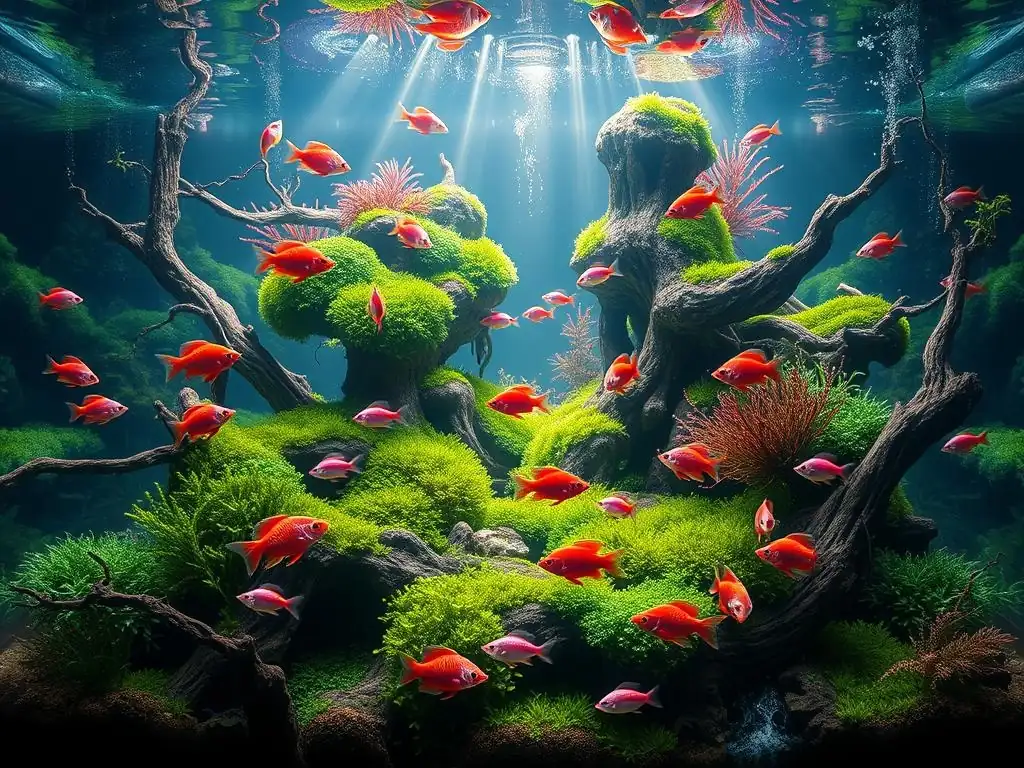
Welcome to Aquarium Mastery!
Ever wondered how to tell the difference between a male and female Cherry Barb? These vibrant, peaceful fish are a favorite among aquarists, but distinguishing between the sexes can be trickier than you think! Dive in and discover the fascinating ways to identify and appreciate the stunning differences, unlocking a deeper understanding of these captivating freshwater gems. Get ready to explore the subtle clues and unlock the secrets to successful Cherry Barb keeping!
- Introduction to Cherry Barb Sexual Dimorphism
- Visual Identification: Spotting the Differences
- Behavioral Differences: Observing Cherry Barb Interactions
- Breeding Cherry Barbs: Understanding Sex Roles
- Maintaining a Balanced Cherry Barb Community: Male to Female Ratio
- Cherry Barb Health: Are There Sex-Specific Considerations?
- Appreciating the Unique Characteristics of Male and Female Cherry Barbs
- Conclusion: Celebrating the Diversity of Cherry Barbs in Your Aquarium
-
Frequently Asked Questions
- How can I tell the difference between male and female Cherry Barbs?
- Are there any differences in size or shape between male and female Cherry Barbs?
- Do male and female Cherry Barbs exhibit different behaviors in the aquarium?
- Is it necessary to have both male and female Cherry Barbs in the aquarium?
- What are the ideal conditions for breeding Cherry Barbs, and how can I encourage them to spawn?
- Final Reflection: Appreciating the Spectrum of Beauty
- Unveil the Secrets: Become a Cherry Barb Expert!
Introduction to Cherry Barb Sexual Dimorphism
Why Understanding Male and Female Cherry Barb Differences Matters
Understanding the distinct characteristics of male and female Cherry Barbs (Puntius titteya) is crucial for any aquarist aiming to create a thriving and harmonious freshwater aquarium. These vibrant cyprinids exhibit noticeable sexual dimorphism, meaning there are clear physical and behavioral differences between the sexes. Recognizing these distinctions allows hobbyists to make informed decisions regarding tank stocking, ensure proper breeding conditions, and observe natural behaviors that enhance the overall aquarium experience. Knowing whether you have males, females, or a balanced mix is fundamental to preventing undue stress, managing aggression, and promoting the health and longevity of your Cherry Barb population.
Furthermore, a keen eye for these differences aids in maintaining genetic diversity and successful propagation within a captive environment. For instance, an imbalanced male-to-female ratio can lead to excessive chasing and stress for the females, potentially impacting their health and lifespan. By observing the subtle cues of each sex, aquarists can proactively address potential issues, optimize their tank setup, and truly appreciate the intricate social dynamics of these active schooling fish. This knowledge transforms simple fish-keeping into a more engaging and rewarding endeavor, contributing to the well-being of the fish and the beauty of the aquatic display.
Quick Overview: Key Distinctions Between Male and Female Cherry Barbs
The primary distinctions between male and female Cherry Barbs are most evident in their coloration, body shape, and fin morphology. Male Cherry Barbs are renowned for their intense, deep cherry-red coloration, which becomes particularly vivid during breeding periods or when they are displaying. Their bodies are typically more slender and streamlined compared to females. In contrast, female Cherry Barbs possess a more subdued, orange-brown or pale reddish hue, often with a more prominent lateral line, and they tend to be larger and rounder, especially when gravid with eggs.
Beyond these visual cues, subtle behavioral differences also emerge. While both sexes are generally peaceful and schooling, male Cherry Barbs can exhibit more active chasing and mild territorial displays, particularly towards other males or when attempting to court females. Females are usually calmer and less prone to such displays. These observable differences make Cherry Barbs an excellent species for aquarists looking to study sexual dimorphism firsthand, providing a dynamic visual and behavioral element to their freshwater community tank.
Visual Identification: Spotting the Differences
Cherry Barb Male Fin Length: The Elaborate Fin Display
Male Cherry Barbs typically exhibit slightly longer and more pointed fins compared to their female counterparts, particularly noticeable in their dorsal and anal fins. While not as dramatically elongated as some other species, this subtle difference contributes to their more streamlined appearance. During courtship or displays of dominance, male Cherry Barbs will often spread their fins wide, showcasing their vibrant coloration and the distinct shape of their finnage. This fin display, combined with their intensified body color, serves to attract females and establish their presence within the school.
The caudal fin (tail fin) of a male Cherry Barb may also appear more deeply forked or slightly more pronounced than that of a female. This enhanced fin structure, while not as exaggerated as in some other barb species, plays a role in their agile movements and quick bursts of speed during social interactions. Observing these fin characteristics requires a keen eye but can be a reliable indicator of a Cherry Barb's sex, especially when comparing multiple individuals side-by-side in a well-lit aquarium.
Cherry Barb Female Fin Length: Shorter and More Rounded Fins
In contrast to the males, female Cherry Barbs possess fins that are generally shorter and more rounded in shape. Their dorsal, anal, and caudal fins lack the slightly elongated or pointed tips often seen in males. This more compact finnage contributes to their overall plumper and less streamlined body profile. The less elaborate fin display is consistent with their role in the species, where their primary visual signal is their larger body size and readiness to spawn.
The rounded nature of the female's fins is a consistent characteristic that aids in distinguishing them from males, even in younger specimens where color differences might not be as pronounced. For instance, a female's dorsal fin will typically have a more gently curved trailing edge, whereas a male's might appear more angular or pointed. These subtle yet consistent differences in fin morphology are key identifiers for sexing Cherry Barbs, particularly when observing them in a group setting.
Body Shape and Size: Male vs. Female Cherry Barb Anatomy
One of the most apparent distinctions between male and female Cherry Barbs lies in their body shape and overall size. Female Cherry Barbs are typically larger and noticeably plumper than males, especially when they are carrying eggs (gravid). Their abdomen will appear distended and more rounded, a clear visual cue indicating their reproductive readiness. This larger body mass is an adaptation for egg production, allowing them to carry a significant number of eggs, often ranging from 100 to 200 eggs in a single spawning event.
Male Cherry Barbs, conversely, maintain a more slender and torpedo-shaped body profile. They are generally smaller in overall length and girth compared to mature females. This streamlined physique is advantageous for their active swimming and chasing behaviors during courtship. For example, a mature male might reach about 1.5 to 2 inches (3.8 to 5 cm) in length, while a mature female can easily exceed 2 inches (5 cm) and appear significantly bulkier. Observing these differences in body shape is often the easiest and most reliable method for sexing adult Cherry Barbs.
Operculum: Coloration and Markings in Males
Unlike Betta fish, Cherry Barbs do not possess an "operculum beard." However, the operculum (gill cover) area in male Cherry Barbs is crucial for sex identification due to its intensified coloration. During periods of heightened excitement, such as courtship or mild territorial displays, the operculum of a male Cherry Barb will often deepen to a vibrant, almost iridescent red, matching or even surpassing the intensity of their body color. This vivid coloration is a key visual signal to females and rival males.
Female Cherry Barbs, while still attractive, will have a more subdued coloration around their operculum, typically a pale orange or reddish-brown, consistent with their overall less intense body coloration. The absence of the deep, fiery red in the gill plate area is a reliable indicator of a female. Observing these specific color variations, particularly around the operculum and face, provides an excellent method for distinguishing between the sexes, especially when the fish are in optimal health and displaying their full colors.
Behavioral Differences: Observing Cherry Barb Interactions
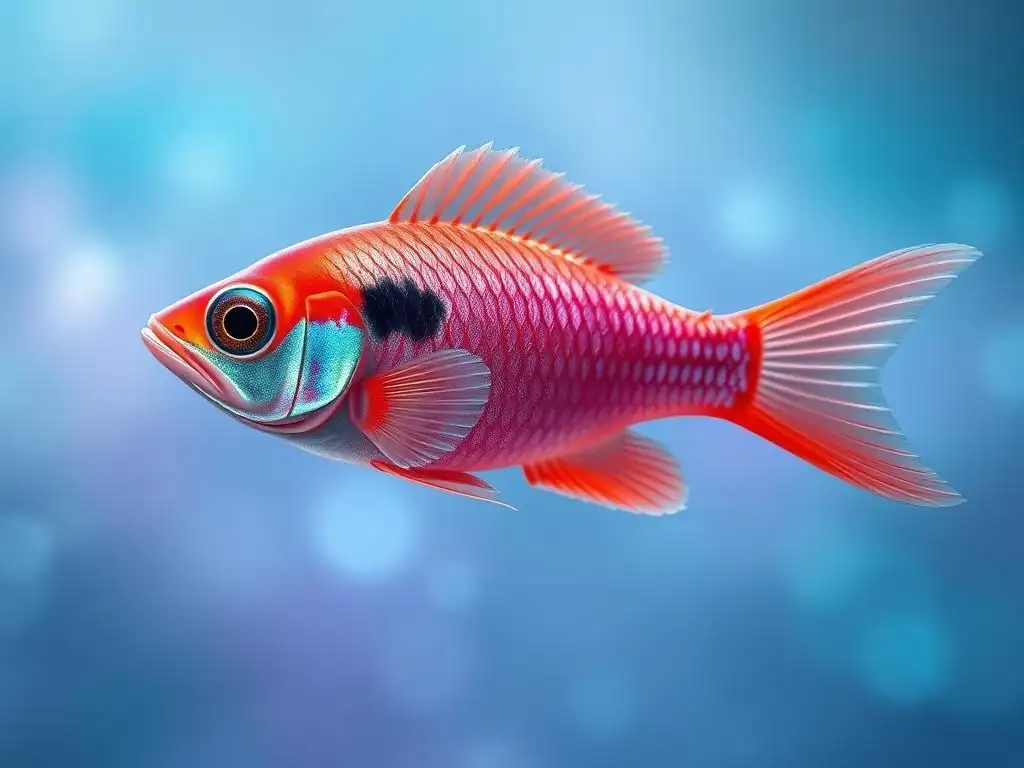
Male Cherry Barb Aggression: Chasing and Displaying
Male Cherry Barbs, while generally considered peaceful community fish, do exhibit specific behaviors that can be interpreted as mild aggression or dominance displays, particularly towards other males or during courtship. These behaviors primarily manifest as energetic chasing, fin flaring, and body trembling. A male might vigorously chase another male to assert dominance or pursue a female intensely in an attempt to initiate spawning. This chasing is typically brief and rarely results in physical harm, especially in a well-sized tank with ample hiding spots.
For example, in a group of 6-8 Cherry Barbs, you might observe the most dominant male frequently darting through the school, momentarily scattering other males or nudging females. This behavior is a natural part of their social hierarchy and reproductive strategy. While not as overtly aggressive as species like Cichlids or Bettas, this active displaying underscores the importance of maintaining a proper male-to-female ratio to prevent any single female from being overly stressed by constant attention.
Female Cherry Barb Behavior: Schooling and Foraging
Female Cherry Barbs are generally more placid and less prone to aggressive displays than their male counterparts. Their primary behavioral patterns revolve around schooling, foraging, and, when ready to breed, exhibiting a more receptive posture towards males. Females tend to stay closely within the school, moving cohesively as a group, which is a natural defense mechanism against perceived threats in the wild. They spend a significant portion of their time sifting through substrate or inspecting plants for food particles.
When not actively engaged in courtship, female Cherry Barbs contribute to the overall peaceful dynamic of a community tank. They are less likely to initiate chases or engage in competitive displays. Observing a group of Cherry Barbs, you will notice the females are often the ones calmly swimming through the mid-levels of the tank, occasionally interacting with each other but rarely engaging in the more energetic pursuits characteristic of the males. This consistent schooling behavior is a hallmark of healthy female Cherry Barbs.
Spawning Behavior: A Male Cherry Barb Display
Cherry Barbs are egg-scattering spawners, and the male plays a highly active role in initiating the breeding process, though they do not build bubble nests like Bettas. When a male is ready to spawn, his cherry-red coloration intensifies dramatically, becoming incredibly vibrant and deep. He will then begin to vigorously chase and nudge a gravid female, often herding her towards fine-leaved plants or a spawning mop. This persistent chasing is a crucial part of the courtship ritual, stimulating the female to release her eggs.
During the actual spawning, the male will wrap his body around the female, pressing against her to encourage the release of eggs, which are then immediately fertilized as they scatter into the vegetation or substrate. This process is repeated multiple times over several hours, resulting in the dispersal of numerous tiny, adhesive eggs. The male's role is purely about courtship and fertilization; post-spawning, both parents will readily consume the eggs if not removed from the breeding tank.
Breeding Cherry Barbs: Understanding Sex Roles
Identifying a Ready-to-Spawn Female Cherry Barb: Plumpness and Behavior
Identifying a female Cherry Barb ready to spawn is relatively straightforward, primarily relying on her physical appearance and behavior. The most prominent indicator is a noticeably distended and rounded abdomen, signifying that she is gravid with eggs. This plumpness is far more pronounced than a female simply well-fed and can be observed even from a distance. While Bettas display vertical stripes, Cherry Barbs do not; their readiness is solely indicated by their physical girth.
Behaviorally, a ready-to-spawn female might become more receptive to the male's advances, allowing him to chase and nudge her without immediately darting away. She may also spend more time near fine-leaved plants or spawning mops, subtly indicating her preference for a spawning site. Observing this combination of a significantly plumper body and a more accepting demeanor towards the male's courtship attempts is key to successfully identifying a female prepared for breeding.
The Role of the Male Cherry Barb in Breeding: Courtship and Fertilization
The male Cherry Barb's role in breeding is intensely focused on courtship and the fertilization of eggs. Once he identifies a gravid female, his coloration will reach its peak vibrancy, and he will engage in a relentless pursuit, nudging and chasing the female to encourage her to release eggs. This vigorous courtship can last for several hours as the male attempts to guide the female to a suitable spawning location, typically dense, fine-leaved plants like Java Moss or spawning mops.
As the female releases her adhesive eggs, often in small batches, the male will quickly follow, releasing his milt to fertilize them. He may also briefly wrap his body around the female during the act of egg expulsion and fertilization. Unlike some other fish species, male Cherry Barbs do not exhibit any parental care post-fertilization; in fact, both parents will readily consume the eggs if given the opportunity. Therefore, for successful fry rearing, the adult fish are typically removed immediately after spawning.
Post-Spawning Care: Removing the Adults and Caring for Fry
After the Cherry Barbs have completed spawning, which can last for several hours, it is crucial to remove the adult fish from the breeding tank as soon as possible. Both male and female Cherry Barbs are notorious egg eaters and will quickly consume any eggs they can find. If the goal is to raise the fry, transferring the adults back to the main display tank immediately after observing egg deposition is paramount to ensure the survival of the next generation.
The fertilized eggs, which are small and clear, will typically hatch within 24 to 48 hours, depending on water temperature (around 75-78°F or 24-26°C is ideal). The newly hatched fry are tiny and will initially feed on their yolk sac for a day or two. Once they become free-swimming, usually within 3-5 days post-hatch, they require microscopic foods such as infusoria, liquid fry food, or finely powdered flake food. After about a week, they can typically be transitioned to newly hatched brine shrimp or microworms, growing rapidly if provided with frequent, small feedings and clean water.
Maintaining a Balanced Cherry Barb Community: Male to Female Ratio
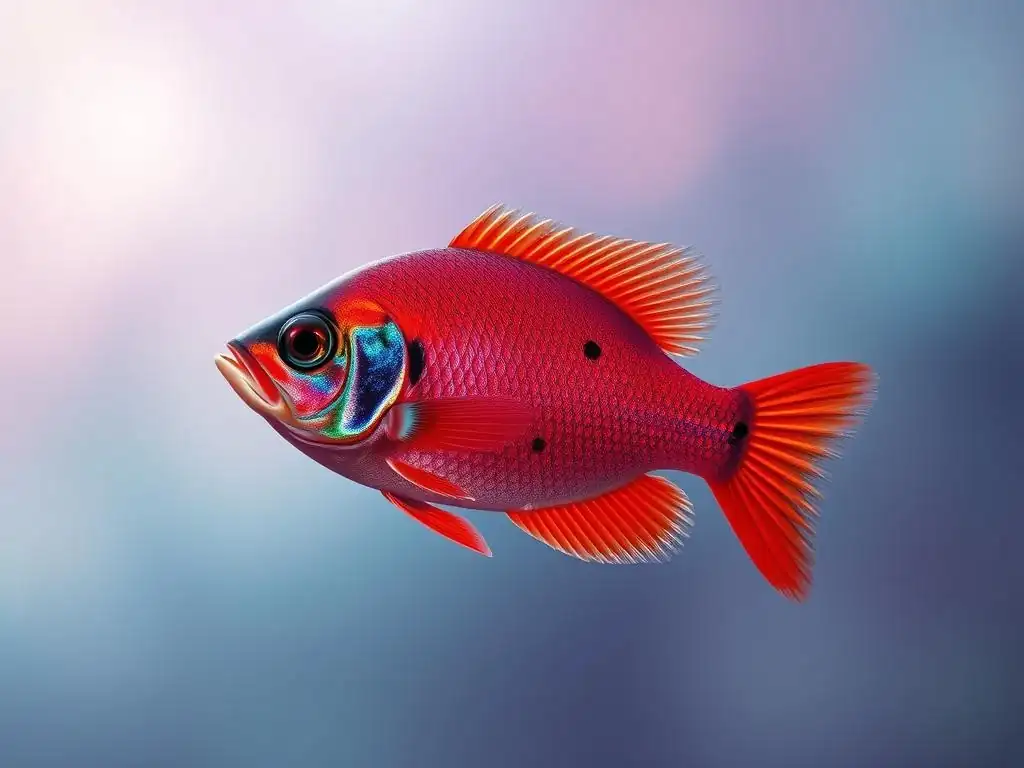
Ideal Male to Female Ratio: Avoiding Aggression
Maintaining an ideal male-to-female ratio is crucial for a peaceful and thriving Cherry Barb community. A common recommendation is to keep a ratio of at least two, preferably three, females for every male. For example, if you plan to keep 6 Cherry Barbs, an optimal setup would be 2 males and 4 females, or even 1 male and 5 females. This skewed ratio helps to disperse the male's attention, preventing any single female from being overly harassed or stressed during courtship displays.
When there are too many males relative to females, the males may become overly competitive, leading to more frequent chasing and potential stress for the females. While Cherry Barbs are generally mild-mannered, an imbalanced ratio can exacerbate natural behaviors into problematic aggression. By providing ample females, the males' courtship efforts are spread out, reducing the intensity of interaction for any one individual and promoting a more harmonious schooling environment.
Tank Size: Minimizing Aggression in a Cherry Barb School
The size of the aquarium plays a significant role in minimizing aggression and stress within a Cherry Barb school. For a small group of 6-8 Cherry Barbs, a minimum tank size of 20 gallons (approximately 75 liters) is recommended. This provides sufficient swimming space for these active fish and allows them to form their natural schooling patterns without feeling cramped. A larger tank, such as 30 gallons (113 liters) or more, is even better, especially if keeping a larger school or mixing them with other species.
Adequate tank size helps to dilute any mild territorial displays or chasing behaviors exhibited by males. In a smaller tank, the limited space can intensify interactions, making it difficult for less dominant individuals or females to escape persistent attention. A larger footprint, rather than just height, is particularly beneficial, as it offers more horizontal swimming room, which is preferred by Cherry Barbs. This spacious environment directly contributes to the overall well-being and reduced stress levels of the entire school.
Providing Hiding Places: Reducing Stress in a Cherry Barb School
Providing ample hiding places and visual barriers within the aquarium is an essential strategy for reducing stress and managing interactions in a Cherry Barb school. Dense planting, particularly with fine-leaved plants like Java Moss, Water Wisteria, or Hornwort, offers secure retreats for females or less dominant individuals to escape the attention of persistent males. These plants also serve as excellent spawning sites, which is a natural behavior for the species.
In addition to live plants, strategically placed driftwood, rocks, or ceramic decorations can break up sightlines and create territories. For instance, a tall piece of driftwood can divide the tank visually, allowing a female to temporarily disappear from a male's view, thereby reducing continuous chasing. Aim for a mix of open swimming areas and densely planted zones. This varied landscape mimics their natural habitat and empowers the fish to self-regulate their interactions, leading to a healthier and more relaxed Cherry Barb community.
Cherry Barb Health: Are There Sex-Specific Considerations?
Egg Binding: A Potential Health Issue for Female Cherry Barbs
Egg binding is a potential health issue that can specifically affect female Cherry Barbs, similar to other egg-laying fish. This condition occurs when a female is unable to release her eggs, leading to a build-up of unspawned eggs within her body cavity. It can be caused by a lack of suitable spawning partners, an absence of appropriate spawning sites (like fine-leaved plants), or poor water quality. A female Cherry Barb suffering from egg binding will appear severely bloated, often more so than a gravid female, and may exhibit labored breathing or lethargy.
If left untreated, egg binding can lead to serious complications, including internal infection and ultimately death. To prevent this, ensuring a proper male-to-female ratio, providing a well-maintained tank with optimal water parameters (pH 6.0-7.5, temperature 72-79°F), and offering plenty of spawning opportunities are crucial. Occasionally, a gentle increase in temperature or a small, cool water change can stimulate spawning. In severe cases, a veterinarian specializing in aquatic animals might be able to provide treatment, though this is rare for such small fish.
Fin Nipping: A Minor Concern for Male Cherry Barbs
While fin rot is a general fish health issue that can affect any fish, male Cherry Barbs are not inherently more prone to it due to dramatically longer fins like male Bettas. However, male Cherry Barbs can be susceptible to minor fin damage or nipping, primarily from other males during competitive displays or from excessive chasing of females. This behavior, if persistent, can lead to frayed or slightly damaged fins, which then become more vulnerable to secondary bacterial or fungal infections, including fin rot.
Therefore, ensuring a proper male-to-female ratio and providing sufficient space and hiding places are key preventative measures. A well-balanced diet and pristine water quality are also critical for maintaining strong immune systems and promoting rapid healing should any fin damage occur. Regular observation of your Cherry Barbs' fins for any signs of fraying, discoloration, or white cottony growths is important for early detection and treatment of potential issues.
Appreciating the Unique Characteristics of Male and Female Cherry Barbs
Enhancing Your Aquarium Experience Through Observation
Observing the unique characteristics and behaviors of male and female Cherry Barbs significantly enhances the aquarium experience. Their distinct sexual dimorphism offers a fascinating study in miniature, allowing aquarists to witness natural courtship rituals, social hierarchies, and reproductive cycles firsthand. The vibrant, intensified coloration of a displaying male, contrasted with the more subdued yet gracefully rounded form of a female, creates a dynamic visual appeal within the tank.
Beyond aesthetics, paying close attention to their interactions provides valuable insights into fish health and well-being. For instance, a male consistently chasing a female without respite might indicate an imbalanced ratio or insufficient hiding spots, prompting the aquarist to make necessary adjustments. Conversely, observing successful spawning or harmonious schooling behaviors confirms that the tank environment is meeting their needs, fostering a deeper connection between the hobbyist and their aquatic inhabitants.
Creating a Stimulating Environment for Cherry Barbs
Creating a stimulating environment is essential for both male and female Cherry Barbs to thrive and fully express their natural behaviors. This involves more than just providing clean water; it means designing a habitat that caters to their specific needs as active, schooling cyprinids. A well-planted tank with a mix of dense vegetation and open swimming areas encourages their natural exploratory and schooling instincts. Fine-leaved plants are particularly beneficial, serving as both cover and potential spawning sites.
Furthermore, introducing appropriate tank mates that share similar water parameter requirements and a peaceful temperament can add to the stimulation without causing stress. Consider other small, peaceful community fish like Corydoras, Otocinclus, or small Tetras. Maintaining stable water parameters (pH 6.0-7.5, temperature 72-79°F, moderate hardness) and a varied diet of high-quality flakes, pellets, and occasional live or frozen foods (like bloodworms or brine shrimp) will ensure their physical health, allowing their stunning colors and behaviors to truly shine.
Conclusion: Celebrating the Diversity of Cherry Barbs in Your Aquarium
Frequently Asked Questions
How can I tell the difference between male and female Cherry Barbs?
The most obvious difference is in their coloration. Males are a vibrant cherry-red during breeding season, while females remain a duller goldish-red color year-round.
Are there any differences in size or shape between male and female Cherry Barbs?
Yes, generally, female Cherry Barbs are slightly larger and rounder in the abdomen, especially when carrying eggs. Males tend to be slimmer in body shape.
Do male and female Cherry Barbs exhibit different behaviors in the aquarium?
During breeding, males will display intense chasing behavior and vibrant coloration to attract females. Otherwise, the differences are subtle, with both sexes being active and peaceful schooling fish.
Is it necessary to have both male and female Cherry Barbs in the aquarium?
While not strictly necessary, keeping both sexes allows you to observe their natural breeding behaviors. A ratio of one male to two or three females is generally recommended to prevent the male from harassing a single female.
What are the ideal conditions for breeding Cherry Barbs, and how can I encourage them to spawn?
Provide a densely planted tank with soft, slightly acidic water (pH 6.0-7.0). A separate breeding tank is recommended to protect the eggs and fry from being eaten by the adults.
Final Reflection: Appreciating the Spectrum of Beauty
The journey into understanding the cherry barb's male female differences reveals more than just physical distinctions; it unveils a captivating spectrum of beauty within a single species. These subtle yet significant variations, from the male's vibrant crimson to the female's more subdued elegance, highlight the intricate dance of nature and the importance of appreciating diversity in all its forms, even within the confines of our aquariums.
This exploration has profoundly influenced my own perspective, reminding me that true beauty lies not in uniformity, but in the unique characteristics that define each individual. The cherry barb, in its contrasting forms, serves as a microcosm of the larger world, where differences are not deficits, but rather sources of richness and complexity. The beauty of the natural world lies in the details, often overlooked, but always present.
This quote perfectly encapsulates the essence of appreciating the subtle nuances that make each cherry barb, and indeed each living being, so remarkable.
Now, I invite you to look beyond the surface and embrace the beauty of difference in your own life. Whether it's appreciating the unique qualities of those around you or recognizing the subtle variations in the natural world, let the cherry barb's story inspire you to cultivate a deeper understanding and appreciation for the spectrum of beauty that surrounds us all.
Unveil the Secrets: Become a Cherry Barb Expert!
Thank you for diving into the fascinating world of Cherry Barbs! We hope you now have a clearer picture of the subtle yet stunning differences between males and females. Now, let's put that knowledge to good use!
Here are a few ways you can take your appreciation for these vibrant fish to the next level:
- Dive Deeper: Carefully observe your own Cherry Barbs over the next week, documenting their behaviors and colorations. Do you see any differences you hadn't noticed before?
- Share the Knowledge: Create a short video showcasing your male and female Cherry Barbs and post it on social media to help other aquarists.
- Try Something New: Consider acquiring a few juvenile Cherry Barbs and document their development, charting the progression of their sexual dimorphism.
What's one small adjustment you can make in your aquarium setup today to better highlight the unique beauty of your Cherry Barbs?