
Creating a Thriving SpeciesOnly Tank for Oscars: Pros, Cons, and Setup

Welcome to Aquarium Mastery!
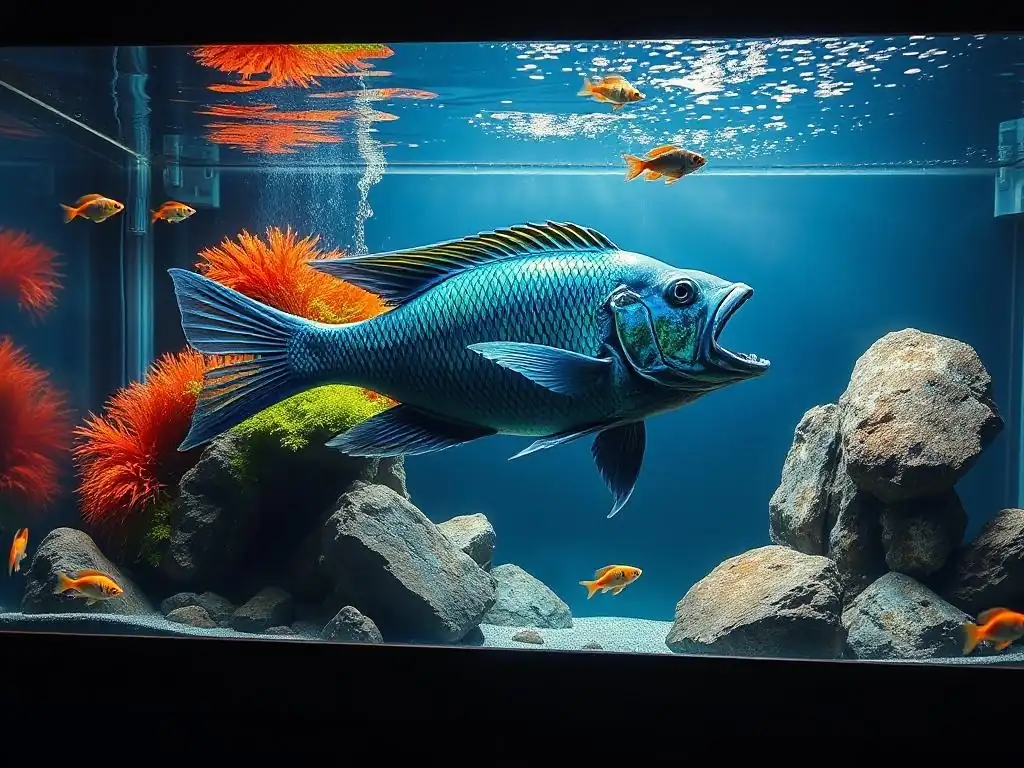
Ever wondered if you could unlock the secrets to a truly thriving Oscar aquarium? You've come to the right place! Jump in and discover our comprehensive Oscar-specific tank setup guide, packed with everything you need to know about creating the perfect environment for these fascinating fish. But is a species-only tank the only way to go? Let's explore the pros and cons together, and unlock the secrets to Oscar success!
- Introduction: Understanding the Oscar-Specific Tank Setup
- The Pros and Cons of a Species-Only Oscar Tank
- Planning Your Oscar Tank: Tank Size and Equipment
- Setting Up Your Oscar Tank: A Step-by-Step Guide
- Maintaining Your Oscar Tank: Water Changes, Feeding, and Health
- Troubleshooting Common Issues in Oscar Tanks
- Conclusion: The Rewards of a Thriving Oscar Tank
-
Frequently Asked Questions
- How big of a tank do Oscars need in a species-only setup?
- What kind of filtration is best for an Oscar-specific tank?
- What are the pros and cons of a species-only Oscar tank?
- What type of substrate and decorations are suitable for an Oscar tank?
- What are some common health issues that Oscars are prone to, and how can I prevent them?
- Final Reflection: Nurturing Majesty in Solitude
- Ignite Your Oscar's Kingdom!
Introduction: Understanding the Oscar-Specific Tank Setup
Why Choose a Species-Only Oscar Aquarium?
Choosing a species-only Oscar aquarium is often the most effective approach for ensuring the long-term health and well-being of these remarkable Cichlids. Oscars (Astronotus ocellatus) are known for their impressive size, reaching up to 14 inches (35 cm) in length, their significant bioload, and their often unpredictable temperament. In a mixed-species environment, their large size and territorial nature can lead to stress for smaller, more docile tank mates, resulting in fin nipping, constant chasing, or even fatal aggression. A dedicated Oscar-specific tank setup guide allows the aquarist to cater precisely to their unique environmental and behavioral requirements without compromise.
This focused approach mitigates many of the challenges associated with keeping Oscars in community tanks. By eliminating the need to balance the needs of multiple species, aquarists can maintain optimal water parameters, provide appropriate nutrition, and design an aquascape that truly suits the Oscar's digging habits and territorial instincts. This specialized environment significantly reduces stress on the fish, promoting stronger immune systems, vibrant coloration, and a longer, healthier life for your cherished Oscars.
The Appeal of a Species-Only Tank: Observing Natural Behaviors
The primary appeal of an Oscar-specific tank setup lies in the unparalleled opportunity it offers to observe the full spectrum of these fish's fascinating natural behaviors. In a tank dedicated solely to Oscars, their intelligence, complex social interactions, and individual personalities come to the forefront without the distraction or suppression caused by incompatible tank mates. Aquarists can witness their unique mannerisms, such as their curious "begging" for food, their playful interactions with decorations, and their surprisingly attentive responses to their human caregivers.
When not preoccupied with defending territory from dissimilar species or dealing with stress from inappropriate tank mates, Oscars become more relaxed and exhibit their true character. This allows for a deeper appreciation of their natural predatory instincts, their meticulous substrate rearrangement, and even their potential to form pair bonds and engage in breeding displays. An Oscar-specific tank setup guide provides a window into the rich, dynamic world of these magnificent fish, making the aquarium a truly engaging and educational experience.
The Pros and Cons of a Species-Only Oscar Tank
Advantages of a Species-Only Oscar Tank
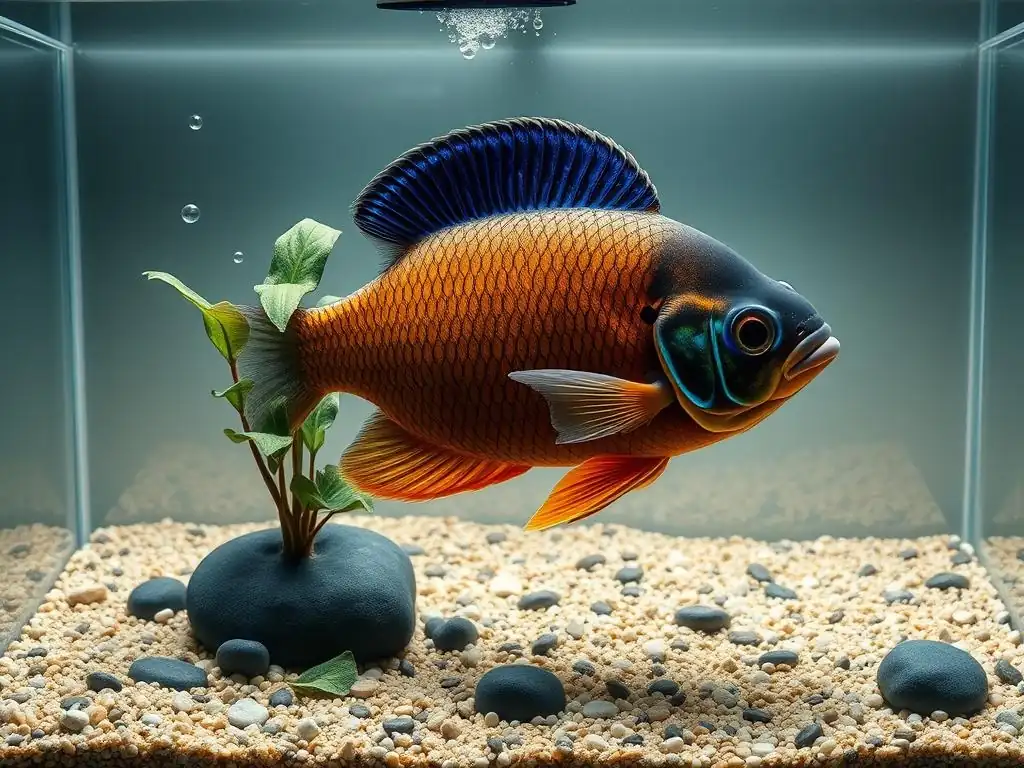
A species-only Oscar tank offers several significant advantages that contribute to the overall health and vitality of these large Cichlids. By removing the complexities and conflicts often found in multi-species environments, aquarists can create a highly stable and tailored habitat, directly addressing the specific needs of Oscars. This dedicated approach not only simplifies maintenance but also enhances the quality of life for the fish.
The controlled environment of an Oscar-specific tank setup minimizes external stressors, allowing the fish to exhibit more natural behaviors and develop their full potential in terms of size and personality. This focused care often translates into more robust health, reduced instances of disease, and a more interactive and rewarding experience for the aquarist.
Reduced Aggression and Stress in Oscars
One of the most compelling reasons for an Oscar-specific tank setup is the dramatic reduction in aggression and stress. Oscars are highly territorial and can be very aggressive towards other fish, especially smaller or more docile species that they may perceive as food or threats. In a community tank, this often leads to constant chasing, fin nipping, and severe stress for all inhabitants, frequently resulting in injuries or even the death of tank mates.
By housing only Oscars, inter-species aggression is eliminated. While intra-species aggression can still occur, particularly if tank size is inadequate or during breeding, it is generally less severe and manageable compared to the constant conflict in a mixed tank. For example, a single Oscar in a 75-gallon tank will experience virtually no aggression, leading to a calm and stable environment where it can thrive without chronic stress, making it a key benefit of this Oscarspecific tank setup guide.
Optimized Water Parameters for Oscar Health
An Oscar-specific tank setup allows for the precise optimization of water parameters, which is crucial for their long-term health. Oscars thrive in slightly acidic to neutral water with a pH range of 6.0-7.5 and a stable temperature between 74-80°F (23-27°C). In a community tank, these specific parameters might conflict with the ideal conditions for other species, leading to a compromise that is not optimal for any fish involved.
With only Oscars, aquarists can consistently maintain these ideal conditions, reducing the risk of pH fluctuations or temperature swings that can stress fish and weaken their immune systems. This tailored environment minimizes the chances of stress-related illnesses and promotes vibrant coloration and robust growth. For instance, maintaining a consistent pH of 6.8-7.2 and nitrates below 20 ppm is far more achievable and stable in a dedicated Oscar tank.
Simplified Feeding and Maintenance for Oscars
Feeding and maintenance routines become significantly simplified in an Oscar-specific tank setup. Oscars are carnivorous and require a high-protein diet consisting of quality pellets, feeder insects like earthworms or crickets, and occasional meaty treats. In a mixed tank, ensuring all fish receive their appropriate diet can be challenging, with Oscars often outcompeting slower eaters or consuming foods not intended for them.
Furthermore, Oscars produce a substantial amount of waste due to their size and diet, necessitating robust filtration and frequent large water changes. In a species-only tank, these maintenance tasks can be tailored precisely to their high bioload. For example, weekly 50% water changes are often recommended and easily managed when only focusing on the needs of Oscars, ensuring consistently clean water and reducing the buildup of harmful nitrates.
Enhanced Observation of Oscar-Specific Behaviors
A species-only tank provides an unparalleled opportunity to observe the full range of Oscar-specific behaviors. Without the presence of other species that might trigger defensive behaviors or alter their natural interactions, Oscars become more relaxed and expressive. Aquarists can witness their complex social dynamics, their curious exploration of the tank, and their unique ways of interacting with their environment and even their owners.
For example, Oscars are known for their intelligence and personality; in a dedicated tank, they often recognize their caregivers, respond to their presence, and even engage in playful "begging" for food. They will also freely exhibit their natural digging and rearranging behaviors, shaping the substrate and decorations to their liking. This intimate observation deepens the aquarist's understanding and appreciation of these fascinating fish, making the Oscar-specific tank setup guide truly rewarding.
While an Oscar-specific tank setup offers numerous benefits, it also comes with certain disadvantages that aquarists should consider. These drawbacks primarily relate to the limited diversity within the aquarium and the unique challenges of managing a single-species population of large, potentially aggressive cichlids. Understanding these aspects is crucial for a realistic assessment of this aquarium type.
Despite the reduced inter-species aggression, the potential for intra-species conflict and the rapid spread of disease within a homogeneous population are significant concerns. These factors necessitate vigilant monitoring and proactive management strategies to ensure the well-being of the Oscars. A comprehensive Oscarspecific tank setup guide must address these potential pitfalls.
Limited Biodiversity and Visual Variety
One of the most apparent disadvantages of an Oscar-specific tank setup is the inherent lack of biodiversity and visual variety. The aquarium will exclusively house Oscars, which, while captivating due to their individual personalities and impressive size, means the absence of other fish species, invertebrates, or a wide array of live plants. This can make the tank appear less dynamic or colorful compared to a vibrant community aquarium.
Aquarists who enjoy observing a diverse ecosystem with various fish shapes, sizes, and behaviors might find a species-only Oscar tank less visually stimulating over time. The monochromatic nature of the setup, focusing solely on the Oscars themselves, might not appeal to everyone looking for a bustling underwater landscape. This limitation is a trade-off for the specialized care provided in an Oscar-specific tank setup.
Potential for Increased Aggression Among Oscars
Despite the reduction in aggression towards other species, an Oscar-specific tank setup does not eliminate intra-species aggression. Oscars, especially males or during breeding attempts, can be highly territorial and aggressive towards their own kind, particularly if the tank is undersized or if an unstable pecking order develops. This can lead to significant stress, fin damage, and even fatal injuries among tank mates.
For instance, two Oscars in a 75-gallon tank might engage in constant skirmishes, whereas a single Oscar or a well-established breeding pair in a 125-gallon tank might cohabitate more peacefully. It requires careful observation to ensure that all Oscars are thriving and not being bullied. The aquarist must be prepared to intervene, potentially by rearranging decor, adding more hiding spots, or even separating individuals if aggression becomes severe.
Risk of Disease Outbreaks in a Single-Species Environment
In a single-species environment like an Oscar-specific tank setup, the risk of a disease outbreak rapidly spreading throughout the entire population is significantly higher. If one Oscar introduces a pathogen, there are no other species to act as a "buffer" or to dilute the pathogen load, meaning the disease can quickly infect all other Oscars in the tank. This can lead to a complete wipeout if not detected and treated immediately.
Common diseases like Ich (white spot disease) or Hole-in-the-Head disease can spread with alarming speed among a group of Oscars. This necessitates stringent quarantine procedures for any new fish introduced and meticulous attention to water quality. The absence of diverse immune responses within the tank means that any single weakness can become a widespread vulnerability, making proactive disease prevention paramount.
Requires Careful Monitoring of Oscar Behavior
Because an Oscar-specific tank setup focuses solely on one species, it demands particularly careful and consistent monitoring of the Oscars' behavior. Subtle changes in activity levels, appetite, coloration, or interaction patterns can be early indicators of stress, illness, or escalating aggression. Without other species to provide context or distraction, these nuances become critically important to observe.
For example, an Oscar consistently hiding, refusing food, or exhibiting clamped fins might be suffering from internal parasites or bullying from a tank mate. Aquarists must be highly attuned to these signs to intervene promptly, as the overall health of the entire tank hinges on the well-being of each individual Oscar. This level of vigilance is a continuous requirement for successful Oscar keeping.
Planning Your Oscar Tank: Tank Size and Equipment
Selecting the Right Tank Size for Oscars
Choosing the appropriate tank size is arguably the most critical decision when setting up an Oscar aquarium, directly impacting their health, growth, and behavior. Oscars are large, active fish with a significant bioload, meaning they produce a considerable amount of waste. Insufficient tank volume leads to stunted growth, poor water quality, increased aggression, and a shortened lifespan.
A larger tank not only provides ample swimming space but also offers greater water volume, which helps dilute waste products and maintain more stable water parameters. This stability is essential for preventing stress and disease, making the tank size a foundational element of any successful Oscarspecific tank setup guide.
Minimum Tank Size Recommendations for Oscars
For a single adult Oscar, a minimum tank size of 75 gallons (approximately 284 liters) is generally recommended. This volume provides adequate swimming space for a fish that can reach 10-14 inches (25-35 cm) and helps manage their substantial waste output. Anything smaller will severely compromise the Oscar's health and lead to chronic stress and aggression.
If you plan to keep a pair of Oscars, the absolute minimum tank size increases significantly to 125 gallons (around 473 liters), with 150-200 gallons being more ideal. This larger volume is crucial for reducing territorial disputes and providing sufficient individual territories, especially if the pair attempts to breed. For groups of three or more, tanks of 200 gallons or larger are necessary to disperse aggression and maintain water quality.
Considering Oscar Growth and Space Requirements
Oscars exhibit rapid growth, often reaching a significant portion of their adult size within their first year. A common mistake is to start with a smaller tank, assuming it can be upgraded later. However, temporary housing in an undersized tank can lead to irreversible stunting, skeletal deformities, and permanent behavioral issues, even if a larger tank is eventually provided.
Beyond sheer volume, the tank's footprint is equally important. Oscars need ample length and width to turn and swim comfortably. A tank length of at least four times the adult Oscar's length and a width of at least twice its length is a good guideline. For instance, a 48-inch long, 18-inch wide tank might be adequate for a single 10-inch Oscar, but a 72-inch long, 24-inch wide tank would be far superior for a pair, allowing for more natural movement and reducing stress in an Oscarspecific tank setup guide.
Essential Equipment for an Oscar Tank
Beyond the tank itself, several pieces of equipment are absolutely essential for creating a healthy and stable environment for Oscars. Due to their size and bioload, Oscars require robust systems for filtration, heating, and proper aquascaping. Investing in high-quality, reliable equipment from the outset will prevent many common issues and ensure the long-term success of your Oscar aquarium.
Each component plays a critical role in maintaining the delicate balance required for these sensitive fish. Skimping on equipment can lead to poor water quality, unstable temperatures, and an unhealthy environment, ultimately jeopardizing the well-being of your Oscars. This section outlines the core necessities for an effective Oscarspecific tank setup guide.
Filtration Systems for Oscars: Canister Filters, Sponge Filters
Given their high bioload, Oscars demand powerful and efficient filtration. Canister filters are widely regarded as the best option for Oscar tanks due to their large media capacity, enabling superior mechanical, biological, and chemical filtration. For a 75-gallon tank, it's advisable to use a canister filter rated for at least 100-150 gallons, or even two filters to ensure redundancy and maximum waste processing.
While sponge filters alone are insufficient for adult Oscars, they can serve as excellent supplementary biological filtration, especially in conjunction with a powerful canister filter. Under-gravel filters are generally not recommended as Oscars are notorious diggers and will disrupt them. Over-filtration is a desirable state for an Oscarspecific tank setup guide, ensuring that ammonia and nitrite levels remain at zero and nitrates are managed effectively through regular water changes.
Heating and Temperature Control for Oscars
Oscars are tropical fish and require a stable water temperature between 74-80°F (23-27°C). Maintaining this range consistently is critical for their metabolism, immune system function, and overall well-being. Sudden temperature fluctuations can severely stress Oscars, making them highly susceptible to diseases like Ich (white spot disease).
For most Oscar tanks, an adjustable submersible heater is necessary. For larger tanks (100+ gallons), using two smaller heaters positioned at opposite ends of the tank is often recommended. This provides more uniform heating and offers a crucial backup in case one heater malfunctions. A reliable aquarium thermometer should be used for continuous monitoring, ensuring the temperature remains within the optimal range for this Oscarspecific tank setup guide.
Lighting for Oscars: Standard Aquarium Lighting
For an Oscar-specific tank setup, lighting primarily serves aesthetic purposes and to establish a natural day-night cycle for the fish. Oscars do not require specialized high-intensity lighting, as they are not typically kept with demanding live plants. A standard fluorescent or LED aquarium light that provides a gentle, ambient glow is usually sufficient.
Aim for 8-10 hours of light per day to simulate natural conditions, which helps regulate the Oscars' circadian rhythm and can reduce stress. Avoid excessively bright or prolonged lighting, as it can contribute to nuisance algae growth and may make the fish feel exposed or stressed. Dimmable LED lights offer flexibility for adjusting intensity to suit the fish's comfort and highlight their coloration.
Substrate and Decoration for Oscars: Smooth Rocks, Driftwood
When selecting substrate for an Oscar tank, a fine to medium-grade sand or smooth gravel (2-3 mm diameter) is ideal. Oscars are renowned for their digging habits, so sharp or abrasive substrates should be strictly avoided to prevent injury to their delicate barbels and fins. A depth of 2-3 inches allows for their natural excavation behaviors without excessive mess.
Decorations should be heavy, stable, and smooth-edged. Large pieces of driftwood, smooth river rocks, and ceramic caves or PVC pipes provide essential hiding places and territorial markers. Ensure all decorations are firmly anchored or heavy enough not to be easily moved or toppled by the Oscars, as they can enthusiastically rearrange their environment. Live plants are generally not recommended unless they are exceptionally hardy and well-anchored, as Oscars are likely to uproot and consume them. This careful selection is key to a functional and safe Oscarspecific tank setup guide.
Setting Up Your Oscar Tank: A Step-by-Step Guide
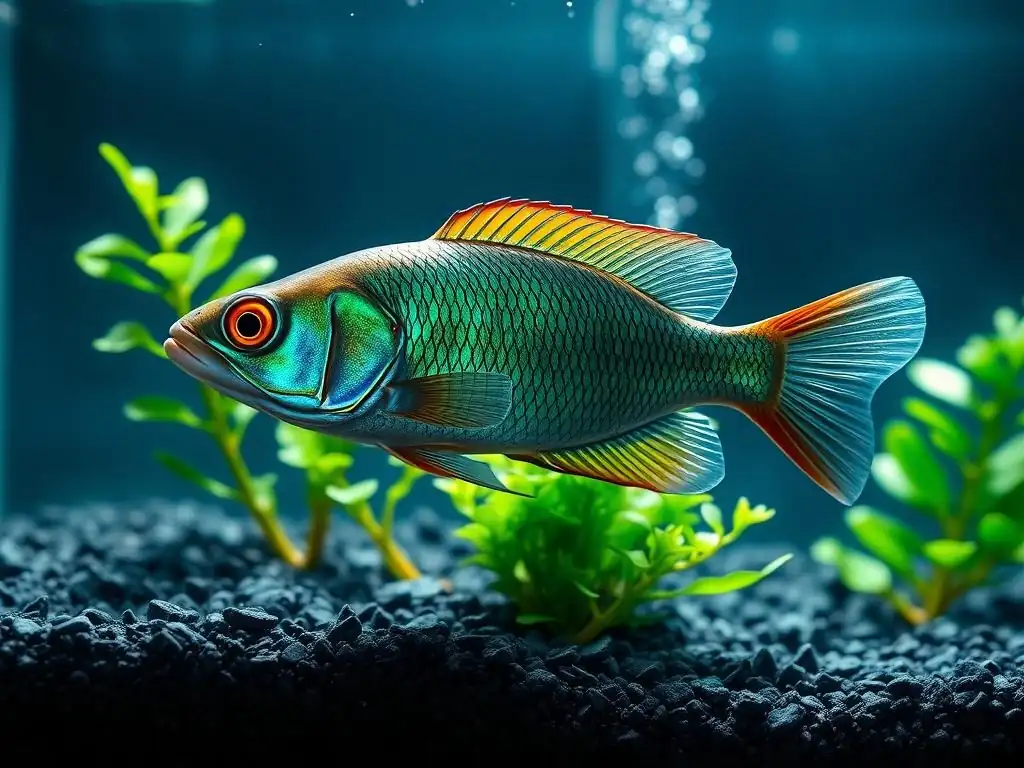
Setting up an Oscar tank requires careful planning and execution to ensure a healthy and stable environment from day one. This process involves more than just filling the tank with water; it encompasses proper cleaning, equipment installation, thoughtful aquascaping, and the crucial step of cycling the aquarium. Following a structured approach will minimize potential problems and create a welcoming home for your Oscars.
Each step in this Oscarspecific tank setup guide is vital and contributes to the overall success and longevity of the aquarium. Rushing any part of the process, particularly the cycling phase, can lead to significant issues with water quality and fish health down the line. Patience and meticulous attention to detail are paramount.
Step 1: Preparing the Aquarium for Oscars
Cleaning and Leak Testing the Tank
Before any equipment is installed or water is added, the aquarium must be thoroughly cleaned and leak tested. Use a damp cloth with plain water (no soaps or detergents, as residues are toxic to fish) to wipe down the inside and outside of the tank, removing any dust, debris, or manufacturing residues. For a new tank, filling it completely with water and letting it sit for 24-48 hours allows you to check for any leaks, which are rare but can be catastrophic if unnoticed.
Place the tank on a sturdy, level aquarium stand capable of supporting the immense weight of the filled tank (a 75-gallon tank with water and substrate can weigh over 800 pounds or 360 kg). Ensure the stand is perfectly level to distribute weight evenly and prevent undue stress on the glass seams. This initial preparation is fundamental to the long-term integrity of your Oscarspecific tank setup guide.
Installing Equipment: Filters, Heaters, and Lights
Once the tank is clean and leak-tested, proceed with installing the essential equipment. Position your primary filtration system (e.g., canister filter intake/output) according to the manufacturer's instructions, ensuring hoses are securely clamped. Install heaters, making sure they are fully submerged and positioned away from direct substrate contact for optimal heat distribution. For larger tanks, consider placing two heaters at opposite ends.
Mount the lighting fixture securely on top of the tank or within the canopy. Do not plug in any electrical equipment yet. Many aquarists find it easier to install larger items like filters and heaters before adding substrate or water to ensure proper placement and accessibility for future maintenance. This strategic installation is a key part of setting up an efficient Oscarspecific tank setup guide.
Step 2: Aquascaping Your Oscar Tank
Choosing Substrate and Decorations for Oscars
The choice of substrate and decorations is crucial for both the aesthetics and the functional needs of your Oscars. As previously mentioned, opt for a fine to medium-grade sand or smooth gravel (2-3 mm) to protect their delicate barbels during digging. Rinse the substrate thoroughly under running water until the water runs clear to remove dust and debris that could cloud your tank. Add a layer of 2-3 inches across the bottom of the tank.
For decorations, select large, heavy, and smooth-edged items that Oscars cannot easily move or injure themselves on. Popular choices include large pieces of natural driftwood, smooth river rocks, and ceramic caves or PVC pipes. Arrange these elements to create a visually appealing layout while prioritizing the Oscars' needs for security and territory in your Oscarspecific tank setup guide.
Creating Hiding Places and Territories for Oscars
Creating ample hiding places and defining territories is vital for reducing stress and aggression in an Oscar tank, especially if you plan to keep more than one. Oscars are intelligent and territorial fish that benefit from having spaces they can claim as their own, offering security and a retreat from perceived threats or other tank mates.
Use large rocks, sturdy driftwood, or ceramic caves to form distinct zones and provide visual breaks. Arrange these decorations to create clear lines of sight within the tank, allowing Oscars to establish their own areas without constant confrontation. Ensure that any caves or tunnels are large enough for an adult Oscar to comfortably enter and turn around in. This thoughtful aquascaping contributes significantly to a harmonious Oscarspecific tank setup guide.
Step 3: Cycling the Tank for Oscar Health
Understanding the Nitrogen Cycle
The nitrogen cycle is the cornerstone of a healthy aquarium and is absolutely critical for an Oscar tank. It is a biological process where beneficial bacteria convert toxic ammonia (produced by fish waste, uneaten food, and decaying matter) into less toxic nitrite, and then further into relatively harmless nitrate. Ammonia and nitrite are highly toxic to fish and must be at zero parts per million (ppm) before Oscars are introduced.
Nitrate, while less toxic, still needs to be managed through regular water changes. Establishing a robust colony of these nitrifying bacteria is known as "cycling" the tank, and it is a non-negotiable step in any Oscarspecific tank setup guide to ensure the survival and health of your fish.
Methods for Cycling a New Aquarium
There are several methods to cycle a new aquarium, but the "fishless cycle" is highly recommended for an Oscar-specific tank setup as it avoids exposing fish to harmful ammonia and nitrite spikes. This method involves adding an ammonia source (e.g., pure ammonia solution or decaying fish food) to the tank and allowing the beneficial bacteria to colonize the filter media and substrate over several weeks.
During this process, regularly test the water parameters for ammonia, nitrite, and nitrate using a liquid test kit. The cycle is complete when ammonia and nitrite levels consistently read zero for several days after an ammonia dose, and nitrates are present. This process typically takes 4-8 weeks. Alternatively, "seeding" the tank with filter media from an established, healthy aquarium can significantly accelerate the cycling process, often reducing the time to 2-3 weeks.
Step 4: Introducing Your Oscars to the Tank
Acclimation Techniques for New Oscars
Once your tank is fully cycled and water parameters are stable (ammonia 0 ppm, nitrite 0 ppm, nitrate below 20 ppm), you can introduce your Oscars. Proper acclimation is crucial to minimize stress from changes in water chemistry and temperature. The drip acclimation method is highly recommended: slowly add small amounts of tank water to the bag containing the new Oscar over a period of 30-60 minutes, allowing the fish to gradually adjust to the new water parameters.
Never simply "dump" the fish and its bag water into the tank, as this can cause severe shock. After acclimation, gently net the Oscar and release it into the tank, discarding the bag water to prevent the introduction of any potential pathogens or pollutants from the pet store. This careful acclimation is a vital step in any Oscarspecific tank setup guide.
Monitoring Water Parameters and Oscar Behavior
After introducing your Oscars, continuous monitoring of both water parameters and their behavior is paramount. For the first few weeks, test ammonia, nitrite, and nitrate levels daily or every other day to ensure the biological filter is coping with the new bioload. Even in a cycled tank, a slight ammonia or nitrite spike can occur due to the sudden introduction of fish.
Observe your Oscars closely for any signs of stress, disease, or aggression. Look for clamped fins, rapid breathing, lack of appetite, hiding, or unusual swimming patterns. Early detection of issues allows for prompt intervention, which is critical for the health of these sensitive fish. Consistent vigilance is key to the success of your Oscarspecific tank setup guide.
Maintaining Your Oscar Tank: Water Changes, Feeding, and Health
Maintaining an Oscar tank is an ongoing commitment that involves regular water changes, a balanced diet, and diligent health monitoring. Due to their large size and significant bioload, Oscars require more intensive maintenance than many other freshwater fish. Consistent adherence to these practices is essential for preventing water quality issues, promoting healthy growth, and ensuring a long, vibrant life for your fish.
Neglecting any aspect of maintenance can quickly lead to deteriorated water quality, stress, and susceptibility to disease. This section provides detailed guidance on the critical routines necessary for a thriving Oscarspecific tank setup guide.
Regular Water Changes for Oscar Tanks
Frequency and Volume of Water Changes
Regular water changes are the single most important maintenance task for an Oscar tank. Due to their high bioload, nitrates accumulate rapidly, and beneficial minerals are depleted. For a well-stocked Oscar tank, a weekly water change of 30-50% of the total tank volume is generally recommended. For example, in a 75-gallon tank, this means changing 22.5 to 37.5 gallons of water every week.
Consistency is key; adhering to a strict weekly schedule is far more beneficial than sporadic, large water changes. Always use a good quality dechlorinator/water conditioner to treat new tap water, as chlorine and chloramines are highly toxic to fish. This frequent water renewal is central to any effective Oscarspecific tank setup guide.
Maintaining Water Chemistry: pH, Ammonia, Nitrite, Nitrate
Beyond simply changing water, it's crucial to understand and maintain optimal water chemistry. For Oscars, aim for a pH between 6.0-7.5. Test your tap water's pH to ensure it falls within this range or to determine if adjustments are needed. Ammonia and nitrite must always be at 0 ppm; any detectable levels indicate a problem with filtration or overfeeding and require immediate action, often an emergency water change.
Nitrate levels should be kept below 20 ppm, ideally closer to 10 ppm, through diligent water changes. High nitrates can cause chronic stress and lead to issues like Hole-in-the-Head disease. Regular testing with a reliable liquid test kit (not test strips) is non-negotiable for monitoring these parameters and ensuring the long-term health of your Oscarspecific tank setup guide.
Feeding Your Oscars a Balanced Diet
Suitable Food Options for Oscars: Pellets, Earthworms, Crickets
Oscars are primarily carnivorous and require a high-protein, balanced diet to thrive. High-quality Oscar-specific pellets or sticks should form the staple of their diet, providing essential vitamins and minerals. Look for pellets with a crude protein content of at least 40%. Supplement this with a variety of live or frozen foods.
Excellent supplemental options include earthworms, crickets, gut-loaded feeder fish (fed a nutritious diet before being offered to Oscars), and frozen bloodworms or brine shrimp. Avoid feeding excessive amounts of "feeder goldfish" from pet stores, as they are often nutritionally deficient and can carry diseases. A diverse diet promotes better health, coloration, and prevents nutritional deficiencies in your Oscarspecific tank setup guide.
Feeding Schedule and Portion Control
A consistent feeding schedule and strict portion control are vital for Oscar health and water quality. Adult Oscars typically need to be fed once or twice a day. The amount fed should be consumed within 2-3 minutes. Overfeeding is a common mistake that leads to excess waste, poor water quality, and potential health issues like fatty liver disease.
Observe your Oscars' body condition; they should be well-rounded but not bloated. If you notice uneaten food accumulating on the substrate, reduce the portion size. Fasting your Oscars one day a week can also be beneficial, allowing their digestive system to clear and reducing the bioload. This disciplined feeding approach is a cornerstone of a healthy Oscarspecific tank setup guide.
Monitoring Oscar Health and Preventing Disease
Common Oscar Diseases and Treatments: Ich, Hole-in-the-Head Disease
Oscars, like all fish, are susceptible to various diseases, often exacerbated by poor water quality or stress. Two common ailments are Ich (Ichthyophthirius multifiliis), characterized by small white spots resembling salt grains on the body and fins, and Hole-in-the-Head disease (HITH), which manifests as pitting or lesions on the head and lateral line.
Ich is typically treated by raising the water temperature to 82-84°F (28-29°C) for several days (if compatible with tank inhabitants) and using an appropriate aquarium medication containing malachite green or formalin. HITH is often linked to poor water quality, nutritional deficiencies, or activated carbon overuse, and treatment involves addressing these underlying causes, improving diet, and sometimes specific medications. Early detection and prompt treatment are crucial for successful outcomes in an Oscarspecific tank setup guide.
Quarantine Procedures for Sick or New Oscars
Implementing a quarantine procedure for all new Oscars (or any new fish) before introducing them to the main display tank is a critical preventative measure. A separate, smaller quarantine tank (e.g., 20-30 gallons) with basic filtration and heating allows you to observe new fish for signs of disease for 2-4 weeks without risking the health of your established Oscars.
Similarly, if an Oscar in your main tank shows signs of illness, moving it to a hospital tank for treatment is often advisable. This prevents the spread of disease to other fish, allows for more targeted medication dosages, and avoids medicating the main tank, which can harm beneficial bacteria. This proactive approach to health management is an indispensable part of any responsible Oscarspecific tank setup guide.
Troubleshooting Common Issues in Oscar Tanks
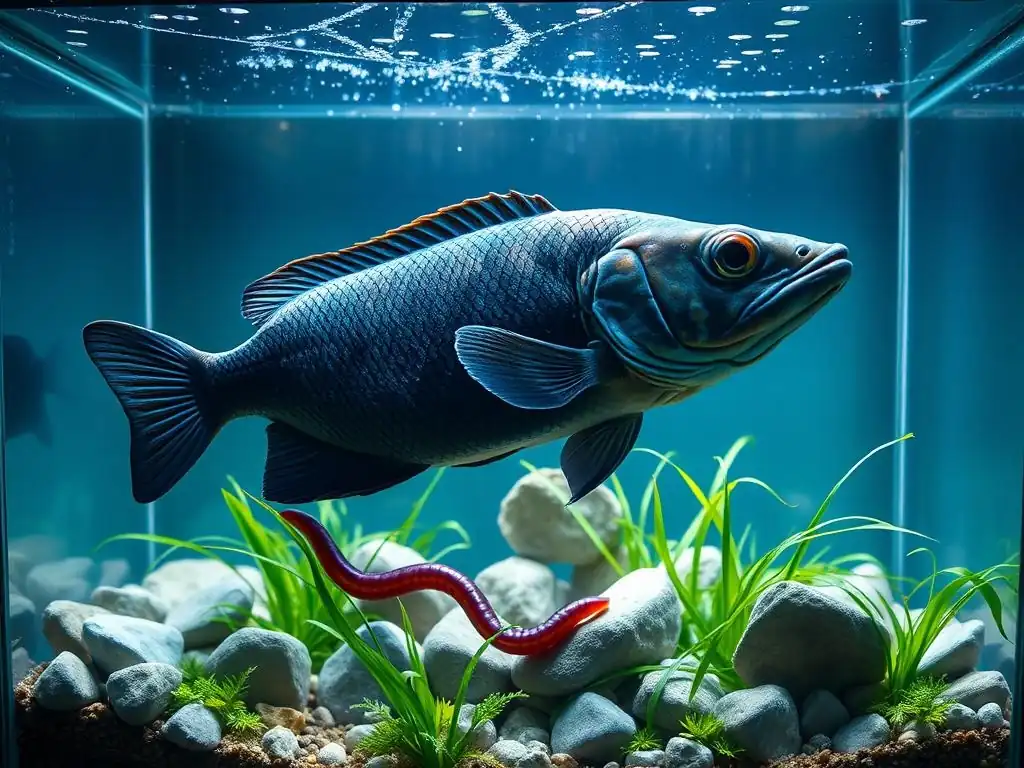
Even with the best planning and maintenance, issues can arise in an Oscar tank. Understanding common problems and knowing how to address them quickly and effectively is crucial for the long-term success and well-being of your fish. This section covers the most frequent challenges faced by Oscar keepers and provides practical solutions.
Prompt identification and intervention are key to resolving problems before they escalate. Many issues, if left unaddressed, can lead to chronic stress, disease, or even loss of fish. This troubleshooting guide is an essential component of any comprehensive Oscarspecific tank setup guide.
Aggression Among Oscars
Identifying and Addressing Aggressive Behavior
While a species-only tank reduces inter-species aggression, conflict can still occur between Oscars, particularly if space is limited or a pecking order is being established. Signs of aggression include fin nipping, chasing, nipped fins, torn scales, or one Oscar constantly hiding. It's important to differentiate between playful sparring (common in Oscars) and genuine aggression that causes harm.
If persistent aggression is observed, immediate action is required. First, re-evaluate your tank size; if it's below the recommended minimum for your number of Oscars, an upgrade is often the only long-term solution. Temporarily, you can try rearranging decorations to break up established territories, providing new visual barriers and hiding spots. In severe cases, separating the aggressor or the bullied fish into a different tank might be necessary to prevent further injury.
Providing Ample Space and Hiding Places
One of the most effective ways to mitigate aggression among Oscars is to provide ample space and a well-designed aquascape with numerous hiding places and visual barriers. In an Oscarspecific tank setup guide, a larger tank (e.g., 125 gallons for a pair, 200+ gallons for a group) allows Oscars to establish distinct territories without constant confrontation.
Strategically placed large pieces of driftwood, rock formations, or ceramic caves can serve as natural dividers and provide secure retreats for subordinate fish. Ensure there are more hiding spots than Oscars, giving each fish multiple options for security. This encourages a more peaceful coexistence by reducing direct visual contact and perceived territorial threats.
Poor Water Quality
Testing Water Parameters Regularly
Poor water quality is the leading cause of stress and disease in Oscar tanks. Regular and accurate testing of water parameters is the frontline defense against these issues. You should routinely test for ammonia, nitrite, nitrate, and pH using a reliable liquid test kit. For a healthy, cycled tank, ammonia and nitrite should always be 0 ppm.
Nitrate levels should be kept below 20 ppm, ideally closer to 10 ppm, by consistent water changes. pH should remain stable within the 6.0-7.5 range. Any deviation from these parameters indicates a problem, such as insufficient filtration, overfeeding, or inadequate water changes. Promptly addressing these issues based on test results is crucial for maintaining a healthy Oscarspecific tank setup guide.
Implementing Effective Filtration and Water Changes
The most effective way to combat poor water quality in an Oscar tank is through robust filtration and diligent water changes. Ensure your filtration system (preferably a powerful canister filter, potentially with a second filter) is rated well above your tank size and is regularly maintained (e.g., rinsing mechanical media weekly, replacing chemical media monthly).
Complementing this, consistent weekly water changes of 30-50% are non-negotiable for an Oscar tank. These large, frequent changes remove accumulated nitrates, replenish essential minerals, and dilute any minor buildup of toxins. If water quality issues persist despite these measures, re-evaluate your feeding habits and stocking levels to ensure they are appropriate for your Oscarspecific tank setup guide.
Disease Outbreaks
Early Detection and Treatment of Diseases
Early detection is paramount for successfully treating disease outbreaks in an Oscar tank. Regularly observe your Oscars for any changes in behavior (e.g., lethargy, gasping at surface, rubbing against decor), appearance (e.g., white spots, frayed fins, lesions, unusual growths), or appetite. Many diseases, if caught early, can be treated effectively.
If signs of illness are present, promptly research the symptoms to identify the likely disease. Isolate the affected Oscar in a hospital tank if possible to prevent spread and allow for targeted treatment. Administer appropriate aquarium medications as per manufacturer instructions, and always address any underlying water quality issues that may have triggered the outbreak.
Maintaining a Clean and Healthy Environment
The best defense against disease outbreaks in an Oscarspecific tank setup guide is to maintain a consistently clean and healthy environment. This involves adhering to a rigorous schedule of water changes, ensuring robust filtration, and avoiding overfeeding. Good water quality reduces stress on the fish's immune system, making them less susceptible to pathogens.
Regularly vacuum the substrate to remove uneaten food and detritus, which decompose and contribute to poor water quality. Keep the tank free of excessive algae. Additionally, practice strict quarantine for all new fish or plants to prevent introducing new diseases into your established tank. A pristine environment is the foundation of a disease-resistant Oscar population.
Conclusion: The Rewards of a Thriving Oscar Tank
Creating a thriving species-only tank for Oscars is a deeply rewarding endeavor, offering a unique opportunity to observe these magnificent Cichlids in an environment perfectly tailored to their needs. While it requires dedication and adherence to specific care guidelines, particularly concerning tank size, filtration, and water quality, the benefits far outweigh the challenges. A well-maintained Oscar-specific tank setup guide ensures reduced stress, optimal health, and the full expression of their captivating personalities and natural behaviors.
The journey of providing a dedicated home for your Oscars allows for an intimate connection with these intelligent and interactive fish. By understanding their pros and cons, meticulously planning their habitat, and committing to consistent maintenance, you will be rewarded with a vibrant, long-lived, and truly impressive display. An Oscar-specific tank setup is not just an aquarium; it's a dynamic ecosystem reflecting the unique beauty and complexity of one of the freshwater world's most charismatic inhabitants.
Frequently Asked Questions
How big of a tank do Oscars need in a species-only setup?
Oscars are large fish, so a minimum of 75 gallons is recommended for a single Oscar. For a pair, you'll want at least 125 gallons to provide adequate swimming space and minimize aggression.
What kind of filtration is best for an Oscar-specific tank?
Oscars are messy eaters, so robust filtration is crucial. A powerful canister filter is often recommended, along with regular water changes, to maintain water quality.
What are the pros and cons of a species-only Oscar tank?
A pro is that you can tailor the environment specifically to the Oscar's needs. A con is that the tank can be less visually diverse than a community tank.
What type of substrate and decorations are suitable for an Oscar tank?
Use a sand or gravel substrate that Oscars can't easily ingest. Decorations should be durable and heavy to prevent them from being moved around.
What are some common health issues that Oscars are prone to, and how can I prevent them?
Oscars are susceptible to diseases like Hole-in-the-Head and Ich. Maintaining excellent water quality and providing a balanced diet are key to prevention.
Final Reflection: Nurturing Majesty in Solitude
The journey of crafting an Oscar-specific tank, as we've explored, is more than just setting up an aquarium; it's about creating a microcosm of respect and understanding for these magnificent creatures. The nuances of water chemistry, tank size, and enrichment, all discussed at length, underscore the responsibility we undertake when choosing to keep an Oscar. This isn't merely pet ownership; it's a commitment to providing an environment where their inherent nature can flourish, even within the confines of our homes.
The decision to maintain a species-only tank, while presenting challenges, ultimately reflects a deeper appreciation for the Oscar's unique needs and behaviors. Witnessing their intelligence and personality unfold in a carefully curated environment is a truly rewarding experience. The greatness of a nation and its moral progress can be judged by the way its animals are treated.
- Mahatma Gandhi. This quote, though broad, resonates deeply when considering the ethical implications of keeping any animal, especially one as intelligent and demanding as the Oscar.
Now, as you consider the information presented in this guide, I urge you to reflect on your own capacity to provide such a haven. Are you prepared to dedicate the time, resources, and unwavering commitment required to truly nurture an Oscar's well-being? If so, you hold the potential to not only create a stunning aquatic display but also to contribute to a greater understanding and appreciation for these remarkable fish. Embrace the challenge, and let your Oscar tank be a testament to responsible and compassionate fishkeeping.
Ignite Your Oscar's Kingdom!
Thank you for diving into the world of Oscars and species-only tanks! We hope you've gained valuable insights into creating a thriving environment for these magnificent fish. Now, it's time to put that knowledge into action and make your Oscar's life truly exceptional.
Here's how you can continue your journey:
- Start Planning Your Oscar's Dream Home: Begin designing your species-only tank today. Consider the tank size, filtration, and décor elements we discussed to provide the optimal environment for your Oscar.
- Share your Oscar love! Post a picture of your Oscar (or your dream Oscar setup) on your social media using #AquariumMasteryOscar, and let's build a community of Oscar enthusiasts.
- Dive deeper into Oscar behavior. Spend some time simply observing your fish. You might discover fascinating individual quirks!
What unique feature are you most excited to incorporate into your Oscar's species-only tank to enhance its well-being? Share your plans below!