
Triggering Spawning in Dwarf Cichlids: Tips from the Pros

Welcome to Aquarium Mastery!
Ever wondered how seasoned aquarists coax those vibrant Dwarf Cichlids into spawning? Unlocking the secrets to successful breeding is easier than you think. Dive into our expert guide on " Triggering Spawning in Dwarf Cichlids: Tips from the Pros" and discover the techniques that will transform your aquarium into a thriving breeding ground. Are you ready to witness the miracle of life in your own tank? Let's get started!
- Understanding Dwarf Cichlid Spawning Behavior
- Optimizing Tank Conditions for Dwarf Cichlid Spawning
- Dietary Strategies to Promote Dwarf Cichlid Spawning
- Specific Dwarf Cichlid Spawning Techniques by Species
- Post-Spawning Care: Ensuring Fry Survival
- Advanced Dwarf Cichlid Breeding Strategies
- Troubleshooting Dwarf Cichlid Spawning Issues
- Maintaining a Healthy Dwarf Cichlid Breeding Colony
-
Frequently Asked Questions
- How can I tell if my dwarf cichlids are ready to spawn?
- What water parameters are optimal for encouraging dwarf cichlid spawning?
- What type of spawning site should I provide for my dwarf cichlids?
- How often should I perform water changes when trying to trigger spawning?
- What should I feed my dwarf cichlids to prepare them for spawning?
- Final Reflection: Nurturing New Life
- Ignite the Spark: Watch Your Cichlids Thrive!
Understanding Dwarf Cichlid Spawning Behavior
The Natural Spawning Triggers for Dwarf Cichlids
Dwarf cichlids, originating from diverse aquatic environments in South America and Africa, naturally respond to specific environmental cues that signal optimal conditions for reproduction. One of the primary natural spawning triggers is the onset of the rainy season, which brings about significant changes in water parameters. This often involves a drop in pH, a decrease in water hardness (GH/KH), and a slight increase in temperature, coupled with an abundance of new food sources. Aquarists aim to replicate these conditions to encourage dwarf cichlid spawning techniques in their home aquariums.
Furthermore, increased food availability, particularly live and high-protein options, plays a crucial role. In their natural habitats, the rainy season often leads to an explosion of insect larvae and other small invertebrates, providing the necessary nutritional boost for egg development and the energy required for courtship and parental care. Mimicking this dietary richness is a key aspect of successful dwarf cichlid breeding methods, preparing the fish physically for the demanding process of reproduction.
Identifying Ready-to-Spawn Dwarf Cichlids: Key Indicators
Recognizing when dwarf cichlids are ready to spawn is crucial for successful breeding. Behavioral indicators are often the most telling signs. Pairs will typically become more territorial, often defending a specific area of the tank, such as a cave, a flat rock, or a broad plant leaf. You might observe them cleaning a chosen spawning site meticulously, using their mouths to clear away debris. Increased courtship displays, where the male flares his fins and attempts to entice the female to the spawning site, are also common.
Physical changes are also noticeable, especially in females. A female ready to spawn will often develop a fuller, rounder belly, indicative of egg development. Her ovipositor, a small tube from which she lays her eggs, will become more prominent and extended. Males, particularly species like German Blue Rams or Apistogramma, will display intensified coloration, showcasing their most vibrant hues to attract a mate and assert dominance. Observing these signs helps aquarists anticipate and facilitate dwarf cichlid spawning techniques.
Dwarf Cichlid Breeding Challenges and Solutions
Despite careful preparation, aquarists often encounter challenges when attempting dwarf cichlid spawning techniques. One common issue is parental egg or fry consumption, where the breeding pair eats their own offspring. This can be due to stress, inexperience (especially with first-time parents), or perceived threats in the tank. A solution involves ensuring a secure, low-stress environment, possibly isolating the pair in a dedicated breeding tank, or even removing the eggs to a separate hatching setup if parents repeatedly fail to care for them.
Another prevalent challenge is the difficulty in forming a compatible pair, leading to aggression or a lack of interest in spawning. Some dwarf cichlids, like certain Apistogramma species, prefer to choose their own mates from a group rather than being forced into a pair. Introducing multiple juveniles and allowing them to pair naturally can mitigate this. Furthermore, maintaining precise water parameters is critical; even slight deviations from their preferred soft, acidic conditions can inhibit spawning. Regular water testing and consistent parameter adjustments are essential for overcoming these hurdles in dwarf cichlid reproduction strategies.
Optimizing Tank Conditions for Dwarf Cichlid Spawning
Water Parameter Tweaks to Encourage Dwarf Cichlid Reproduction
Soft Water and pH Levels for Successful Spawning
Achieving the correct water parameters is paramount for successful dwarf cichlid spawning techniques, particularly for species like Apistogramma and Ram Cichlids. Many of these species originate from blackwater environments characterized by very soft, acidic water. For Apistogramma species such as Apistogramma cacatuoides or Apistogramma agassizii, a pH range of 4.5 to 6.5 and a general hardness (GH) of 0-5 dGH (0-89 ppm) is often ideal.
German Blue Rams ( Mikrogeophagus ramirezi) prefer slightly less extreme conditions, typically pH 5.5-7.0 and GH 3-8 dGH (53-142 ppm). Using reverse osmosis (RO) water, often remineralized to target specific parameters, or filtering through peat can help achieve these soft, acidic conditions, which are vital for egg viability and sperm motility.
The precise pH and hardness levels directly influence the fertilization process and the development of the delicate egg membrane. Eggs laid in water that is too hard or alkaline may fail to fertilize or develop properly, often succumbing to fungal infections. For example, the chorion (outer membrane) of dwarf cichlid eggs can become overly permeable in hard water, leading to osmotic stress. Therefore, meticulous control over these parameters is not just about comfort for the fish, but a biological necessity for successful dwarf cichlid breeding methods.
Temperature Control for Optimal Breeding Results
Temperature plays a significant role in triggering and sustaining dwarf cichlid spawning. For many popular dwarf cichlids, a stable temperature range of 78-82°F (25.5-27.8°C) is generally recommended for breeding. A slight increase in temperature, perhaps by 2-3 degrees Fahrenheit over a few days, can often simulate the onset of the rainy season in their natural habitats, acting as a direct trigger for spawning behavior. This subtle shift signals to the fish that conditions are favorable for reproduction and fry survival.
Maintaining a consistent temperature is equally important. Fluctuations can cause stress, leading to a cessation of spawning activities or even egg abandonment. For instance, if the temperature drops significantly after eggs are laid, parents may perceive the environment as unsafe for their offspring and consume the eggs. Therefore, a reliable aquarium heater with a precise thermostat is essential to ensure the optimal and stable thermal environment required for effective dwarf cichlid spawning techniques.
Substrate and Decor: Creating a Spawning-Friendly Environment
Providing Caves and Hiding Places for Egg Deposition
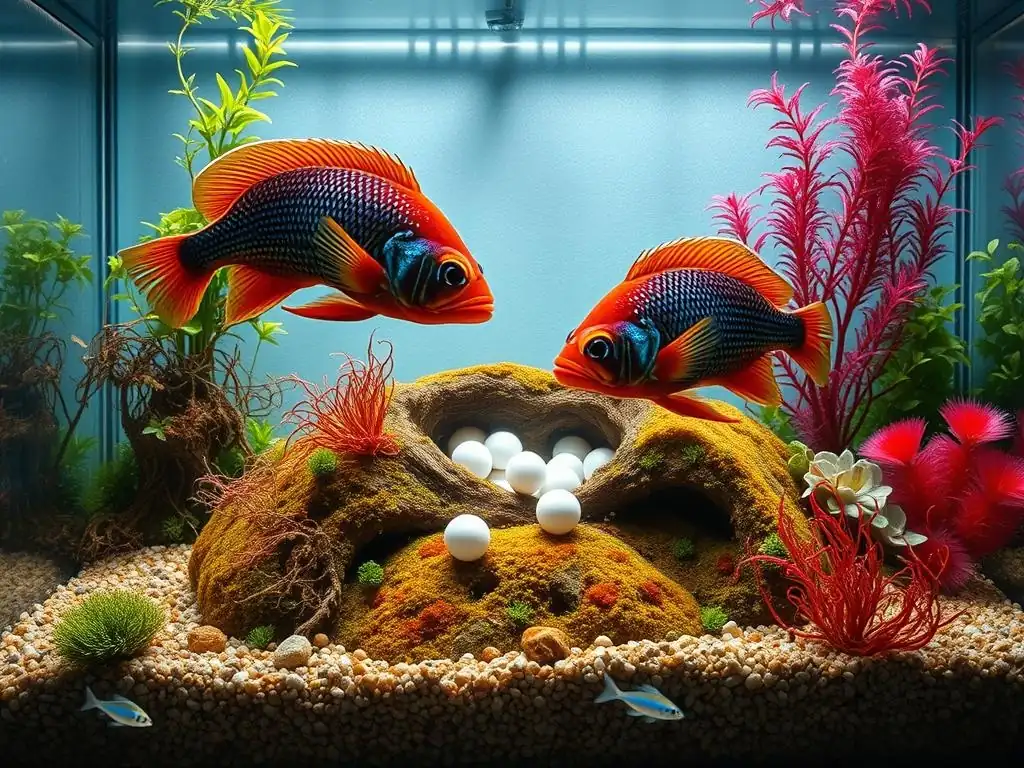
Dwarf cichlids are primarily substrate or cave spawners, making the provision of appropriate spawning sites a critical element of successful dwarf cichlid spawning techniques. Species like Apistogramma and Kribensis ( Pelvicachromis pulcher) are classic cave spawners, preferring enclosed spaces for egg deposition and subsequent fry rearing. Clay pots turned on their side, coconut shells with a single opening, and specially designed ceramic caves are excellent choices. For a pair of Apistogramma, offering 2-3 different cave options can allow the female to choose her preferred site, which can reduce aggression and increase spawning success.
Rams, while sometimes utilizing caves, are often open or semi-open spawners, preferring flat surfaces like slate, broad plant leaves (e.g., Anubias barteri), or even depressions in the substrate. Regardless of the specific preference, providing multiple options and ensuring they are strategically placed within the tank's territory can significantly increase the likelihood of spawning. These structures not only serve as egg-laying sites but also provide crucial hiding spots for the female and later the fry, reducing stress and enhancing parental care.
Plant Selection to Mimic Natural Habitats
Incorporating live plants is not just for aesthetic appeal; it's a vital component of creating a natural, secure environment conducive to dwarf cichlid spawning. Densely planted areas offer cover and security for the fish, reducing stress and encouraging natural behaviors. Plants like Java Moss ( Taxiphyllum barbieri), Anubias species, and Cryptocorynes are excellent choices. Java Moss, for instance, provides a soft, intricate network where fry can hide from potential predators and graze on microscopic organisms, which are essential first foods.
Furthermore, plants contribute to water quality by absorbing nitrates and providing oxygen, which is particularly beneficial in a breeding setup where water stability is paramount. Broad-leaved plants such as Amazon Swords ( Echinodorus amazonicus) or Anubias can serve as alternative spawning sites for open-spawning dwarf cichlids like Rams. The overall effect of a well-planted tank is a more stable, less stressful environment that closely mimics the natural habitats of dwarf cichlids, thereby promoting successful dwarf cichlid breeding methods.
Dietary Strategies to Promote Dwarf Cichlid Spawning
Live and Frozen Foods: Fueling Spawning Behavior
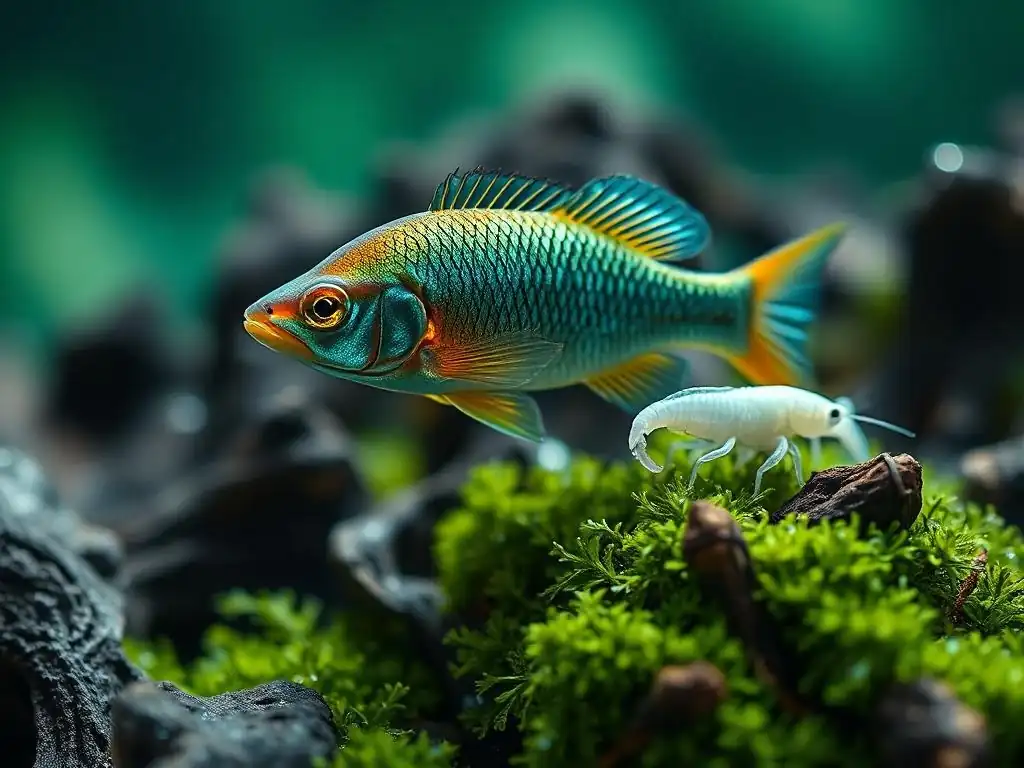
To effectively initiate dwarf cichlid spawning, a robust conditioning diet rich in live and high-quality frozen foods is indispensable. These foods provide the essential proteins, fats, and vitamins necessary for gonad development and the energy reserves required for spawning. Live foods such as blackworms, bloodworms, daphnia, and newly hatched brine shrimp are particularly effective. For example, feeding a pair of Apistogramma live blackworms daily for two weeks prior to the intended spawn can significantly boost their readiness. These natural prey items not only provide superior nutrition but also stimulate natural hunting behaviors, which can further encourage breeding.
Frozen alternatives like bloodworms, brine shrimp, and mysis shrimp are excellent substitutes when live foods are unavailable, offering comparable nutritional value. It's important to thaw frozen foods completely before feeding to prevent digestive issues. The high protein content in these foods directly supports the production of viable eggs in females and healthy sperm in males, making them a cornerstone of effective dwarf cichlid spawning techniques.
Conditioning Dwarf Cichlids for Breeding with a Varied Diet
A varied and nutrient-dense diet over several weeks is crucial for conditioning dwarf cichlids for successful reproduction. Beyond live and frozen options, high-quality flake and pellet foods specifically formulated for cichlids should be part of their daily intake. Look for foods with a protein content of 40% or more. For instance, a conditioning regimen might include feeding a high-quality flake in the morning, followed by frozen bloodworms or live daphnia in the evening, 5-6 times a week.
This diverse nutritional approach ensures that the fish receive a full spectrum of vitamins, minerals, and trace elements that are vital for overall health and reproductive vigor. Deficiencies in key nutrients, such as Vitamin E, can impair fertility. By providing a broad array of foods, aquarists can optimize the health of their breeding pair, increasing the likelihood of successful dwarf cichlid spawning techniques and robust fry development.
Avoiding Overfeeding During Spawning Preparation
While a rich diet is essential for conditioning, overfeeding can be detrimental to dwarf cichlid spawning success. Excess food quickly degrades water quality, leading to spikes in ammonia and nitrite, which are highly toxic to fish and can inhibit spawning or cause health issues. For example, uneaten food can accumulate in the substrate, fostering anaerobic bacteria and harmful pathogens. Instead of large, infrequent meals, it is better to offer smaller, more frequent feedings throughout the day, ensuring all food is consumed within a few minutes.
Overfeeding can also lead to obesity in the fish, which can impair reproductive function and overall health. An overweight female may have difficulty laying eggs, and an overweight male might be less active in courtship. Therefore, striking the right balance—providing abundant, high-quality nutrition without polluting the tank or making the fish unhealthy—is a critical aspect of successful dwarf cichlid breeding methods.
Specific Dwarf Cichlid Spawning Techniques by Species
Ram Cichlid Spawning: A Step-by-Step Guide
Ram cichlids ( Mikrogeophagus ramirezi), including the popular German Blue and Electric Blue varieties, are among the most sought-after dwarf cichlids for breeding. To encourage their spawning, begin by selecting a healthy, compatible pair; often, purchasing 6-8 juveniles and allowing them to pair naturally is most effective. Condition the pair with a high-protein diet of live and frozen foods for 2-3 weeks. Water parameters are critical: aim for soft, acidic water with a pH between 5.5 and 6.5, a general hardness (GH) of 3-6 dGH (53-107 ppm), and a stable temperature of 80-84°F (26.7-28.9°C).
Provide flat surfaces for egg deposition, such as a piece of slate, a smooth rock, or a broad plant leaf. The pair will meticulously clean the chosen site before the female lays approximately 150-300 adhesive eggs in rows, followed by the male fertilizing them. Both parents typically guard the eggs and fry aggressively. Hatching usually occurs within 2-3 days, with fry becoming free-swimming 5-7 days post-hatch. At this stage, they require infusoria or newly hatched brine shrimp as a first food. This systematic approach enhances the success of dwarf cichlid spawning techniques for Rams.
Apistogramma Spawning: Replicating Their Natural Habitat
Apistogramma species, known for their vibrant colors and diverse behaviors, are primarily cave spawners and require very specific conditions to replicate their natural Amazonian blackwater habitats. Species like Apistogramma cacatuoides or Apistogramma agassizii thrive in extremely soft, acidic water, with a pH typically ranging from 4.5 to 6.0 and a GH of 0-3 dGH (0-53 ppm). The temperature should be maintained between 78-82°F (25.5-27.8°C). Using reverse osmosis (RO) water filtered through peat is often necessary to achieve these parameters.
Provide multiple small, dark caves, such as coconut shells or clay pots, for the female to choose from. After courtship, the female will typically enter a chosen cave and lay 50-150 eggs on the ceiling or walls. The male will then fertilize them.
Apistogramma females are intensely maternal, often guarding the cave opening and tending to the eggs and fry, while the male defends the larger territory. Fry hatch in 3-5 days and become free-swimming around day 7-9, at which point they can be fed infusoria or microworms, progressing to newly hatched brine shrimp. Successfully replicating these conditions is key to specific dwarf cichlid spawning techniques for Apistogramma.
Kribensis Spawning: Encouraging Breeding in a Community Tank
Kribensis cichlids ( Pelvicachromis pulcher) are among the easiest dwarf cichlids to breed, often spawning readily even in a well-maintained community tank. They are more tolerant of a wider range of water parameters than Rams or Apistogramma, preferring a pH of 6.0-7.5, a general hardness of 5-15 dGH (89-267 ppm), and a temperature of 75-80°F (23.9-26.7°C). To encourage Kribensis spawning, ensure a healthy, compatible pair and condition them with a varied diet of quality flakes, pellets, and live/frozen foods.
Kribensis are cave spawners, so providing at least one dark cave or overturned clay pot is essential. The female will often take the lead in selecting and cleaning the spawning site. She will lay anywhere from 100 to 300 eggs inside the cave, which the male then fertilizes. Both parents exhibit strong parental care, aggressively defending their territory and fry.
Fry typically hatch in 3-5 days and become free-swimming within 7-10 days. They are large enough to consume newly hatched brine shrimp as a first food. Their adaptability and strong parental instincts make Kribensis a great choice for aquarists looking to practice dwarf cichlid breeding methods in a community setting.
Post-Spawning Care: Ensuring Fry Survival
Protecting Eggs and Fry from Predation
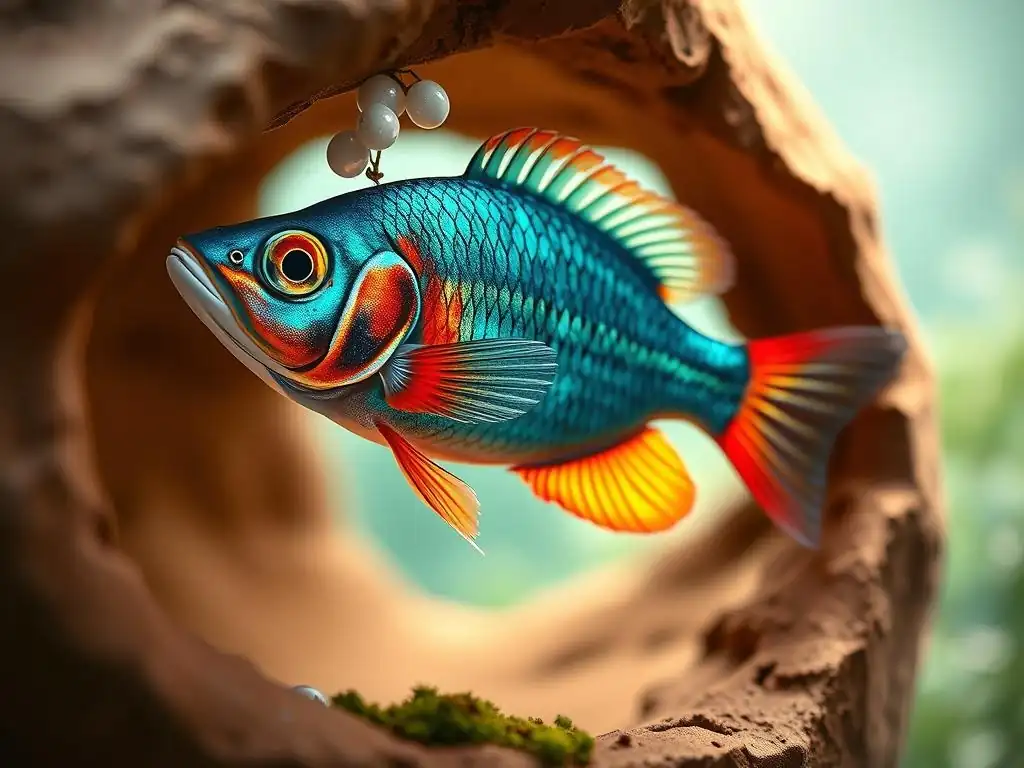
Once dwarf cichlids have spawned, the immediate priority is to protect the delicate eggs and newly hatched fry from predation, especially in a community tank setting. While many dwarf cichlids exhibit excellent parental care, other tank inhabitants, or even the breeding pair themselves if stressed or inexperienced, may consume the eggs or fry.
One effective dwarf cichlid spawning technique for fry survival is to remove any non-parental tank mates as soon as spawning occurs. If the parents are known to be unreliable or if the goal is to maximize fry numbers, the eggs can be carefully removed to a separate, dedicated hatching tank.
In a separate hatching tank, the eggs should be placed in water with identical parameters to the spawning tank, with gentle aeration and a few drops of methylene blue to prevent fungal infections. Once the fry are free-swimming, they are still vulnerable. Providing dense cover, such as large clumps of Java Moss or fine-leaved plants, offers crucial hiding spots. This allows them to evade any remaining threats and provides a surface for infusoria to grow, offering a natural food source in their initial stages.
Raising Dwarf Cichlid Fry: Feeding and Water Quality
Successfully raising dwarf cichlid fry requires meticulous attention to feeding and pristine water quality. Newly hatched fry are often too small to consume standard flake foods or even newly hatched brine shrimp initially. Their first food should be infusoria (microscopic organisms), liquid fry food, or microworms.
For instance, Apistogramma fry, being very small, thrive on infusoria for the first few days, while larger Kribensis fry might be able to take microworms sooner. After approximately 5-7 days, most dwarf cichlid fry will be large enough to consume newly hatched brine shrimp nauplii, which are an excellent source of protein and essential nutrients for rapid growth. Feed small amounts frequently, 3-5 times a day, to ensure a constant food supply without polluting the water.
Maintaining impeccable water quality is non-negotiable for fry survival. Fry are extremely sensitive to ammonia, nitrite, and nitrate spikes. Daily, small water changes of 10-20% are often necessary, using aged or pre-conditioned water that matches the fry tank's parameters. A sponge filter, which provides gentle filtration and surface area for beneficial bacteria without sucking up tiny fry, is ideal. Regular monitoring of water parameters is crucial to prevent any fluctuations that could stress or kill the delicate fry, ensuring the success of these dwarf cichlid spawning techniques.
Separating Fry for Optimal Growth and Development
As dwarf cichlid fry grow, deciding when and if to separate them from their parents is an important aspect of post-spawning care. Many dwarf cichlid species, especially Kribensis, exhibit prolonged parental care, often herding their fry around the tank for several weeks.
However, as the fry grow larger, parental aggression towards them can sometimes develop, or the parents may prepare for another spawn and view the existing fry as a nuisance. If parents begin to show signs of aggression towards the fry, or if the fry are approximately 0.5-0.75 inches long and independently foraging, it's generally a good time to move them to a separate grow-out tank.
Separating fry into a dedicated grow-out tank offers several benefits. It allows for more precise feeding regimens tailored to their rapid growth, without competition from adults. It also enables more aggressive feeding schedules, leading to faster and more uniform growth rates. Furthermore, it prevents potential predation by other tank inhabitants in a community setup and reduces the risk of the parents consuming their previous brood when preparing for a new spawn. This strategic separation is a key component of advanced dwarf cichlid spawning techniques aimed at maximizing the number of healthy offspring.
Advanced Dwarf Cichlid Breeding Strategies
Utilizing Breeding Tanks for Controlled Spawning
For serious aquarists looking to consistently implement dwarf cichlid spawning techniques, setting up dedicated breeding tanks offers unparalleled control and significantly increases success rates. A typical breeding tank for a pair of dwarf cichlids can range from 10 to 20 gallons, depending on the species. For instance, a 10-gallon tank is often sufficient for a pair of Apistogramma, while Rams might benefit from a 15-20 gallon setup. These tanks allow for precise manipulation of water parameters (pH, GH, temperature) without affecting other fish.
The controlled environment of a breeding tank also minimizes external stressors that might inhibit spawning, such as aggressive tank mates or fluctuating conditions. It simplifies the process of protecting eggs and fry from predation, as there are no other fish to consume them. Furthermore, it makes it easier to manage water changes and feeding for the delicate fry, leading to higher survival rates and faster growth. This strategic use of isolated breeding tanks is a cornerstone of advanced dwarf cichlid breeding methods.
Selective Breeding for Desirable Traits
Selective breeding is an advanced dwarf cichlid spawning technique that allows aquarists to enhance specific desirable traits within their fish lines. This involves carefully choosing parent fish that exhibit superior coloration, finnage, body shape, or even temperament. For example, if breeding German Blue Rams, an aquarist might select the most intensely colored individuals with full, flowing fins to produce offspring that carry these enhanced traits. This process requires a long-term commitment and meticulous record-keeping of each spawning event and the resulting fry.
To practice selective breeding effectively, it's crucial to have a large enough population of fish to choose from and to be willing to cull or rehome individuals that do not meet the desired criteria. This ensures that only the strongest and most aesthetically pleasing fish are used for subsequent generations, gradually improving the line. Understanding the genetics of dwarf cichlids, even at a basic level, can further refine this process, leading to the development of unique and high-quality strains.
Dealing with Common Breeding Problems and Diseases
Even with advanced dwarf cichlid spawning techniques, breeders will inevitably encounter common problems and diseases. Fungal infections on eggs, appearing as white, fuzzy patches, are frequent, especially on unfertilized eggs. To combat this, ensure proper water flow around the eggs and consider adding a few drops of methylene blue or a commercial anti-fungal treatment to the water in a dedicated hatching tank. Poor water quality is a primary culprit for many issues, including bacterial infections in fry and adult fish.
Another common problem is "egg eating" by parents, which can be due to stress, inexperience, or the presence of infertile eggs. Solutions include providing a secure environment, ensuring optimal water parameters, and in some cases, artificially raising the fry. Diseases like Ich (white spot disease) or fin rot can also decimate a breeding colony. Quarantine new fish rigorously, maintain pristine water conditions, and have a well-stocked "fish medicine cabinet" to address issues promptly. Proactive prevention through excellent husbandry is the best defense against these challenges in dwarf cichlid reproduction strategies.
Troubleshooting Dwarf Cichlid Spawning Issues
Why Aren't My Dwarf Cichlids Spawning? Common Reasons
When dwarf cichlids fail to spawn despite apparent readiness, several factors could be at play. The most common reason is often incorrect or unstable water parameters. If the pH is too high, the water is too hard, or the temperature fluctuates wildly, the fish may not feel secure enough to reproduce.
For instance, if Apistogramma are kept in water with a pH above 7.0 or a GH above 5 dGH, spawning is highly unlikely. Another significant factor is an incompatible pair; not all male and female dwarf cichlids will bond, and forcing them together can lead to aggression rather than spawning.
Stress, whether from aggressive tank mates, insufficient hiding spots, or overfeeding leading to poor water quality, can also inhibit spawning. A lack of proper conditioning through a varied, protein-rich diet can mean the fish simply aren't physically ready to produce viable eggs or sperm. Reviewing all previously mentioned dwarf cichlid spawning techniques—from water chemistry to diet and tank setup—is crucial for diagnosing the specific impediment to your fish's reproductive success.
Water Quality Issues Affecting Spawning Success
Poor water quality is a leading cause of failed dwarf cichlid spawning attempts. High levels of nitrates, ammonia, or nitrites are highly toxic and will severely stress fish, making them unwilling or unable to spawn. Even if spawning occurs, poor water quality can lead to infertile eggs, fungal infections on the eggs, or high fry mortality rates. For example, if nitrates consistently exceed 20 ppm, it signals an unhealthy environment that will likely suppress breeding behavior.
Fluctuating water parameters, such as sudden drops or spikes in pH or temperature, are equally detrimental. Dwarf cichlids, particularly sensitive species like Rams, require stable conditions for successful reproduction. Regular, small water changes (e.g., 20-30% weekly) are essential to keep nitrates low and maintain stability. Consistent monitoring of pH, GH, KH, and nitrogenous compounds using reliable test kits is indispensable for creating an environment conducive to dwarf cichlid breeding methods.
Addressing Aggression and Compatibility Problems During Breeding
Aggression and compatibility issues are common challenges when attempting dwarf cichlid spawning techniques. Sometimes, a male may be overly aggressive towards a female that isn't ready to spawn, leading to injury or even death. This often happens if the tank is too small, or if there aren't enough hiding spots for the female to retreat. Providing ample line-of-sight breaks with plants and decor can help. If aggression persists, temporarily separating the pair with a tank divider, or even removing the male for a few days, can give the female time to recover and become more receptive.
Conversely, a female might be aggressive towards a male if she is dominant or if the male is perceived as weak. In some species, like certain Apistogramma, the female takes a more dominant role in territorial defense. If a pair simply refuses to bond or constantly fights, they may be incompatible. In such cases, the best solution is often to replace one or both fish with new individuals, or to try pairing them with different partners, allowing them to choose their mate from a small group of juveniles.
Maintaining a Healthy Dwarf Cichlid Breeding Colony
Regular Water Changes and Tank Maintenance
Consistent and regular water changes are the cornerstone of maintaining a healthy dwarf cichlid breeding colony. For breeding tanks, which often house sensitive fry and require pristine conditions, more frequent water changes than a typical display tank may be necessary. Performing 20-30% water changes two to three times a week, rather than just once, can significantly help in keeping nitrate levels low and maintaining stable water parameters. For example, in a 10-gallon breeding tank, this would mean changing 2-3 gallons every few days.
Beyond water changes, routine tank maintenance is vital. This includes siphoning any uneaten food and waste from the substrate, cleaning filter media (gently, in old tank water to preserve beneficial bacteria), and wiping down tank walls. Neglecting these tasks can lead to a build-up of organic waste, which compromises water quality and increases the risk of disease, thereby hindering successful dwarf cichlid spawning techniques.
Monitoring Water Parameters for Consistent Spawning
For consistent dwarf cichlid spawning, continuous monitoring of water parameters is absolutely critical. While general ranges are provided, individual species and even specific lines within a species may have slightly different optimal breeding parameters. Regularly testing pH, general hardness (GH), carbonate hardness (KH), and nitrates allows the aquarist to detect any deviations quickly and make necessary adjustments. For instance, if the pH starts to creep up from the ideal 6.0 for Rams, a small water change with more acidic water or the addition of peat filtration can bring it back into range.
Stability is just as important as the target values. Wild dwarf cichlids experience seasonal changes, but sudden, drastic shifts in an aquarium can be highly stressful and inhibit spawning. By maintaining consistent parameters, aquarists can signal to their fish that the environment is stable and safe for reproduction, thereby encouraging repeated spawning cycles and ensuring the long-term success of their dwarf cichlid breeding methods.
Preventing Disease Outbreaks in the Breeding Tank
Preventing disease outbreaks is paramount in a dwarf cichlid breeding tank, as sick parents will not spawn, and fry are incredibly susceptible to illness. The primary defense against disease is excellent husbandry. This includes maintaining pristine water quality through regular water changes and efficient filtration, providing a high-quality, varied diet to boost fish immune systems, and avoiding overstocking. For example, a 10-gallon tank should house only one breeding pair, not multiple fish.
A strict quarantine protocol for any new fish, plants, or invertebrates introduced to the breeding setup is essential. New fish should be kept in a separate quarantine tank for at least 3-4 weeks, observed for any signs of disease, and treated if necessary, before being introduced to the main breeding tank. This proactive approach significantly reduces the risk of introducing pathogens that could wipe out an entire spawn or breeding colony, safeguarding the investment in dwarf cichlid spawning techniques.
Frequently Asked Questions
How can I tell if my dwarf cichlids are ready to spawn?
Look for signs like increased territorial behavior, intensified coloration, and the female displaying a plump abdomen. These are good indicators they are nearing spawning readiness.
What water parameters are optimal for encouraging dwarf cichlid spawning?
Maintaining stable water parameters is crucial. Aim for a slightly acidic pH (6.0-7.0) and a water temperature around 78-82°F (25-28°C).
What type of spawning site should I provide for my dwarf cichlids?
Most dwarf cichlids are cave spawners, so offer small caves or crevices made from rocks, driftwood, or commercially available spawning caves. A secure and private location is key.
How often should I perform water changes when trying to trigger spawning?
Regular, small water changes (10-20%) every few days can help simulate the rainy season and stimulate spawning activity. This helps remove accumulated nitrates and introduces fresh water.
What should I feed my dwarf cichlids to prepare them for spawning?
Offer a varied diet rich in protein, including live or frozen foods like bloodworms, brine shrimp, and daphnia. This provides the necessary nutrients for egg development and overall health.
Final Reflection: Nurturing New Life
The journey into understanding and mastering dwarf cichlid spawning techniques reveals not just the science of fish breeding, but also the art of creating a thriving ecosystem. The tips shared by seasoned aquarists highlight the delicate balance required to successfully encourage these fascinating creatures to reproduce, a balance that mirrors the complexities of nurturing any form of life.
This exploration into the world of dwarf cichlids underscores the profound connection we can forge with the natural world, even within the confines of our own homes. Witnessing the miracle of spawning, the dedication of the parents, and the emergence of new life is a deeply rewarding experience that fosters a sense of responsibility and wonder. The best way to observe a fish is to become a fish.
- Jacques Cousteau. This quote encapsulates the level of empathy and understanding required to truly succeed in this endeavor.
Now, armed with these insights into dwarf cichlid spawning techniques, consider how you can apply this understanding of delicate ecosystems and patient observation to other areas of your life. Whether it's nurturing a garden, fostering a creative project, or simply cultivating stronger relationships, remember the principles of balance, patience, and dedication. Embrace the challenge, observe with care, and witness the beautiful emergence of new life in all its forms.
Ignite the Spark: Watch Your Cichlids Thrive!
Thanks for diving into the world of dwarf cichlid spawning! We hope you've found some actionable insights to help your fish flourish. Now, let’s turn that knowledge into action and bring the magic of spawning to your aquarium.
Here's how you can take the next steps:
- Implement one of the pro techniques you learned today. Don't be afraid to experiment with temperature, pH, or even introducing a new spawning cave!
- Share your own cichlid setup and spawning successes (or challenges!) in the comments section of our website article. Let's learn from each other!
- Surprise your cichlids with a live food buffet this week! A little treat might just be the extra incentive they need.
Ready to share which spawning trigger you're going to try first?