
Tamarin Wrasses (Anampses spp.): The Delicate, Demanding, and Dazzling Divas

Welcome to Aquarium Mastery!
Ever been captivated by a fish so vibrant and intricate, it feels like a living jewel? Then you've likely encountered the Tamarin Wrasse. These dazzling beauties are notoriously demanding, requiring specific care and expertise to thrive. Dive into our Tamarin Wrasses Care Guide and unlock the secrets to successfully keeping these delicate divas, learning everything you need to know about their unique needs and how to create the perfect environment for them to truly shine. Ready to embark on this rewarding, albeit challenging, journey? Let's explore!
- Introduction to Tamarin Wrasses: A Captivating Challenge
- Tamarin Wrasses Care Guide: Essential Considerations
- Tank Setup for Tamarin Wrasses: Creating the Perfect Environment
- Diet and Feeding Tamarin Wrasses: Meeting Their Nutritional Needs
- Selecting Healthy Tamarin Wrasses: What to Look For
- Common Health Issues in Tamarin Wrasses: Prevention and Treatment
- Tamarin Wrasse Compatibility: Choosing Suitable Tank Mates
- Different Species of Tamarin Wrasses: A Brief Overview
- Breeding Tamarin Wrasses: Challenges and Possibilities
- Conclusion: Mastering Tamarin Wrasse Care
-
Frequently Asked Questions
- What makes Tamarin Wrasses so difficult to keep in a home aquarium?
- What is the ideal tank size for a Tamarin Wrasse, and why is it important?
- What type of diet do Tamarin Wrasses require, and how often should they be fed?
- What are some common signs of stress or illness in Tamarin Wrasses that aquarists should watch out for?
- What are the most important water parameters to maintain for Tamarin Wrasses?
- Final Reflection: Embracing the Art of Patience and Precision
- Unleash the Tamarin Keeper Within!
Introduction to Tamarin Wrasses: A Captivating Challenge
Understanding the Allure of Anampses Species for Saltwater Aquariums
Tamarin wrasses, belonging to the genus Anampses, are among the most visually stunning and captivating fish available to saltwater aquarists. Their vibrant, iridescent colors, intricate patterns, and constantly active swimming behavior make them a mesmerizing addition to any well-established reef or fish-only system. From the striking blue of the Blue Tail Tamarin Wrasse to the speckled elegance of the Yellow Tail Tamarin Wrasse, their unique aesthetic appeal often places them high on the wish list of experienced hobbyists.
These exquisite fish hail primarily from the Indo-Pacific region, inhabiting coral-rich lagoons and outer reef slopes where they tirelessly forage for their natural prey. While most species reach an adult size of 5 to 8 inches (12 to 20 cm), their slender bodies and swift movements allow them to navigate complex reef structures with ease. It is this combination of dazzling beauty and dynamic presence that draws dedicated aquarists to undertake the challenge of providing optimal Tamarin wrasses care.
Why Tamarin Wrasses Demand Expert-Level Aquarium Keeping
Despite their undeniable beauty, Tamarin wrasses are not suitable for novice aquarists and are widely considered to be among the most challenging marine fish to keep. Their demanding nature stems from several key factors, including highly specific dietary needs, an acute sensitivity to water quality fluctuations, and a propensity for stress if not housed in an ideal environment. They often arrive from collection in a delicate state, making successful acclimation a critical hurdle.
Their high metabolic rate means they require constant access to food, often exhibiting picky eating habits when first introduced to a captive diet. Furthermore, their delicate skin and gills make them highly susceptible to common parasitic infections like Ich (White Spot Disease) if water parameters are not absolutely pristine. Providing a comprehensive Tamarin wrasses care guide requires emphasizing that these fish thrive only in mature, stable systems managed by aquarists with a deep understanding of marine husbandry.
Tamarin Wrasses Care Guide: Essential Considerations
Water Quality Requirements for Anampses Wrasses: Achieving Stability
Maintaining pristine and stable water quality is paramount for the health and longevity of Anampses wrasses. These fish are exceptionally sensitive to even minor fluctuations in water chemistry and the presence of dissolved pollutants. Regular testing of ammonia, nitrite, and nitrate levels is not just recommended but essential, with target nitrate levels ideally remaining below 10 ppm, and ideally closer to 0-5 ppm, to prevent stress and bolster their immune system.
A robust filtration system, typically involving a large protein skimmer, ample live rock, and potentially a refugium, is crucial for breaking down organic waste and maintaining low nutrient levels. Consistent water parameters reduce the physiological stress on these delicate fish, minimizing their susceptibility to disease. Even seemingly minor deviations can compromise their health, making vigilant monitoring a non-negotiable aspect of any Tamarin wrasses care guide.
Maintaining Ideal Parameters: Temperature, Salinity, and pH for Tamarin Wrasses
Specific water parameters must be meticulously maintained to ensure the well-being of Tamarin wrasses. The water temperature should be kept stable within a narrow range of 76-80°F (24-27°C), with minimal daily swings. Salinity is best maintained at a specific gravity of 1.023-1.026, mimicking their natural oceanic environment. Consistent specific gravity is more important than hitting an exact number, as long as it's within this range.
The pH level should remain stable between 8.1 and 8.4. While not directly consumed by the wrasses, maintaining adequate alkalinity (dKH 8-12) and calcium levels (400-450 ppm) is vital for overall system stability, particularly in reef setups, as these parameters buffer pH and support beneficial calcifying organisms, contributing to a healthy environment for the wrasses. Regular top-offs with RODI water are necessary to compensate for evaporation and maintain salinity.
The Importance of Pristine Water for Tamarin Wrasse Health
The direct correlation between pristine water quality and the robust health of Tamarin wrasses cannot be overstated. Their delicate skin and gills are highly susceptible to irritation and infection from even low concentrations of ammonia, nitrite, or elevated nitrates. Poor water conditions can lead to chronic stress, compromising their immune system and making them vulnerable to a host of common aquarium diseases.
To ensure optimal conditions, frequent, small water changes are highly recommended, typically 10-15% bi-weekly, or even weekly for smaller systems or heavier bioloads. This practice replenishes essential trace elements, removes accumulated toxins, and helps maintain the stability that these sensitive fish require. A proactive approach to water quality is the cornerstone of a successful Tamarin wrasses care guide, directly impacting their vibrant coloration, active behavior, and overall longevity.
Tank Setup for Tamarin Wrasses: Creating the Perfect Environment
Minimum Tank Size for Tamarin Wrasses: Providing Ample Swimming Space
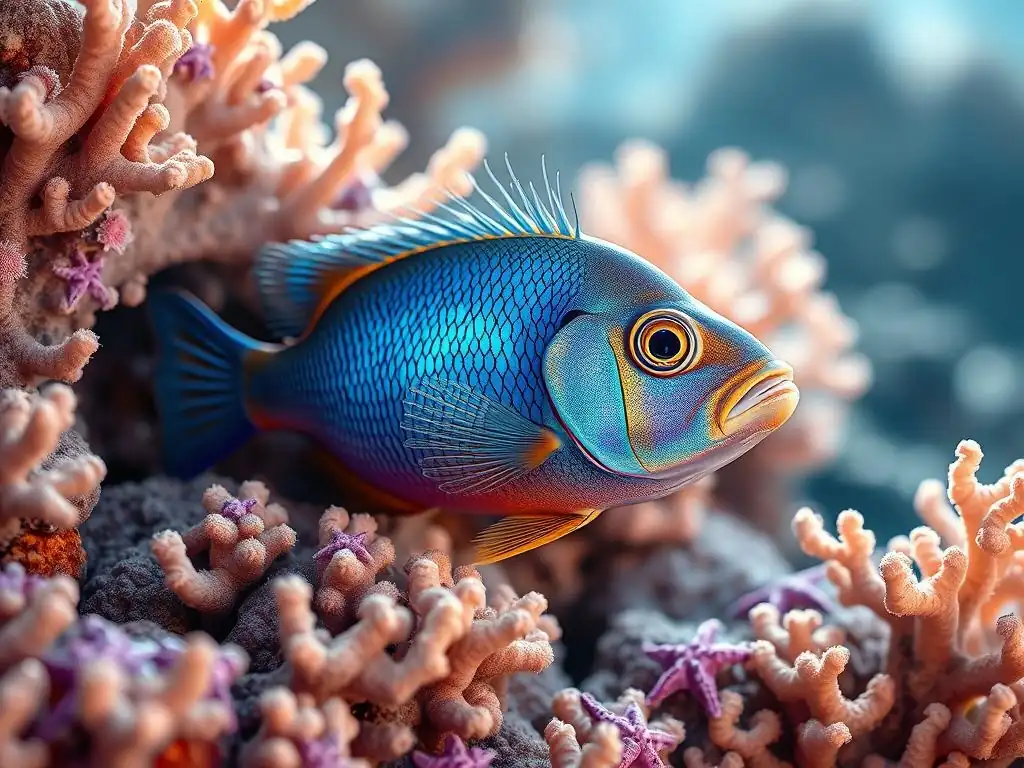
Considering their active nature and potential adult size, providing ample swimming space is critical for Tamarin wrasses. For a single specimen, a minimum tank size of 75 gallons (approximately 280 liters) is generally recommended. However, larger species like the Blue Tail Tamarin Wrasse, which can grow up to 8 inches (20 cm), will thrive in tanks of 120 gallons (approximately 450 liters) or more, providing them with the necessary room to forage and swim freely.
A larger aquarium also offers greater water volume, which inherently contributes to more stable water parameters—a vital factor for these sensitive fish. While they are not necessarily "long" swimmers in the open water sense, their constant exploratory behavior across the aquascape demands significant territory. Opting for the largest possible tank within one's means will always be beneficial for establishing a successful Tamarin wrasses care guide.
Substrate Selection: Sand Bed Depth and Grain Size for Burrowing
A critical element in the successful housing of Tamarin wrasses is the provision of a suitable sand bed. These fish are obligate burrowers, burying themselves in the substrate at night for sleep or when startled, stressed, or feeling threatened. A fine, soft sand bed of at least 3-4 inches (7-10 cm) in depth is absolutely essential to allow them to fully submerge and protect their delicate bodies.
The ideal substrate is fine aragonite sand with a grain size typically ranging from 0.5 to 1.5 mm. Coarser or sharp-edged substrates can cause abrasions to their delicate skin and fins during burrowing, leading to secondary bacterial infections. Ensuring the sand bed is clean and free of sharp debris will prevent injury and promote natural, stress-reducing behaviors, a key component of any comprehensive Tamarin wrasses care guide.
Rockwork and Aquascaping: Providing Shelter and Hunting Grounds
Beyond the sand bed, the aquascaping of a Tamarin wrasse tank should prioritize both shelter and foraging opportunities. Provide ample live rock arranged to create numerous caves, crevices, and overhangs. These structures serve as crucial hiding spots for the wrasse, particularly during the initial acclimation period or when they feel threatened by tank mates or sudden movements outside the tank.
The rockwork should also be designed to offer plenty of surfaces for the wrasse to "pick" at, mimicking their natural foraging behavior. Tamarin wrasses are constant hunters, meticulously inspecting every crevice for tiny invertebrates. An aquascape with varied topography and open swimming lanes, while still providing secure retreats, will encourage natural behaviors and contribute significantly to the overall well-being of the fish.
Diet and Feeding Tamarin Wrasses: Meeting Their Nutritional Needs
Natural Diet of Anampses Wrasses: Mimicking Their Wild Foraging Behavior
In their natural reef habitats, Tamarin wrasses are micro-predators, constantly foraging for a diverse array of small invertebrates. Their pointed snouts are perfectly adapted for meticulously picking tiny crustaceans, such as copepods and amphipods, along with various small worms and other minute organisms, from the live rock and sand bed. This continuous feeding behavior is crucial to their survival and energy requirements in the wild.
This natural diet highlights their need for frequent, small meals throughout the day in captivity. Replicating this constant foraging is challenging but essential for their long-term health. A mature aquarium with a thriving population of copepods and amphipods, possibly supplemented by a connected refugium, can provide a valuable, continuous live food source, which is ideal for a comprehensive Tamarin wrasses care guide.
Recommended Foods for Tamarin Wrasses: Live, Frozen, and Prepared Options
Meeting the nutritional needs of Tamarin wrasses in captivity requires a varied and high-quality diet. Live foods are often critical for initial acclimation and can include enriched brine shrimp, copepods (which can be cultured or purchased), and blackworms. Once acclimated, a diverse range of frozen foods should be offered, such as frozen mysis shrimp, cyclop-eeze, finely chopped clam, krill, and various commercially prepared marine fish foods.
While some Tamarin wrasses may eventually accept high-quality, small-pellet or flake foods designed for marine carnivores, these should only supplement, not replace, a diet rich in live and frozen offerings. Soaking frozen foods in a liquid vitamin supplement (e.g., Selcon) before feeding can enhance their nutritional value and sometimes entice reluctant eaters. Consistency in offering a varied diet is a cornerstone of effective Tamarin wrasses care.
Feeding Frequency and Techniques: Ensuring Adequate Intake
Due to their high metabolism and constant foraging instinct, Tamarin wrasses require frequent feedings throughout the day. It is recommended to offer small portions 3 to 5 times daily, rather than one or two large meals. This mimics their natural feeding behavior and ensures a steady supply of energy. Observing their feeding response is key; they should be eager and active eaters.
For shy or newly introduced specimens, target feeding with a turkey baster can be effective, ensuring the food reaches them directly and isn't immediately consumed by more aggressive tank mates. If a Tamarin wrasse is not actively feeding, it is a strong indicator of stress, poor water quality, or an underlying health issue, necessitating immediate investigation and intervention.
Addressing Picky Eating Habits in Tamarin Wrasses
Many Tamarin wrasses, especially wild-caught specimens, arrive with a reputation for being notoriously picky eaters, often refusing captive diets initially. The most effective strategy to overcome this is to start with live foods, as their natural hunting instincts often make these irresistible. Live brine shrimp, copepods, or blackworms can trigger a feeding response.
Once they are consistently eating live foods, gradually introduce frozen options by mixing small amounts with the live food. Over time, slowly increase the proportion of frozen food. Patience is paramount; some Tamarin wrasses may take days, weeks, or even months to fully transition to a captive diet. Maintaining impeccable water quality and a low-stress environment significantly aids this transition, making it a vital part of any successful Tamarin wrasses care guide.
Selecting Healthy Tamarin Wrasses: What to Look For
Identifying Signs of a Healthy Anampses Wrasse: Visual Cues
When selecting a Tamarin wrasse, careful observation for signs of health is crucial, as these fish are notoriously delicate. Look for an alert, active specimen that is constantly sifting through the substrate or inspecting rockwork. Its eyes should be clear and bright, and its body should appear full, not pinched or emaciated. Vibrant, consistent coloration is a good indicator of health, without faded patches or abnormal blotches.
Inspect the fins for any signs of damage, such as tears, rips, or fin rot; healthy fins should be intact and held erect. Respiration should be even and unlabored, without rapid gilling. Avoid any fish that is hiding excessively, clamped-finned, breathing heavily, or shows any visible lesions, cloudy eyes, or signs of external parasites (e.g., white spots, velvet). Observing the fish for at least 15-20 minutes in the store will provide valuable insights into its behavior and overall condition.
Quarantine Procedures: Preventing Disease Introduction
A dedicated quarantine tank (QT) is not just recommended but absolutely essential for any Tamarin wrasse. These fish are highly susceptible to parasitic infections like marine Ich ( Cryptocaryon irritans) and Brooklynella, and introducing a new, unquarantined fish directly into a display tank can devastate existing inhabitants. A QT allows for close observation, stress reduction, and the administration of treatments without harming the sensitive biological filtration or invertebrates in the main system.
A typical quarantine period for Tamarin wrasses should last at least 4-6 weeks. During this time, monitor the fish for any signs of disease, offer a varied and nutritious diet, and consider prophylactic treatments for common parasites if deemed necessary. This diligent quarantine process is a non-negotiable step in providing effective Tamarin wrasses care and protecting your entire aquarium ecosystem.
Acclimation Strategies: Minimizing Stress During Introduction
The acclimation process for Tamarin wrasses must be slow and deliberate to minimize stress and prevent osmotic shock. A slow drip acclimation method is highly recommended, allowing tank water to slowly drip into the bag or container over a period of 1 to 2 hours, gradually equalizing temperature, salinity, and pH. Avoid exposing the wrasse to air during transfer, as this can damage their delicate gills.
Before introducing the wrasse to the display tank, dim the aquarium lights for several hours, or even a full day, to reduce stress. Ensure there are plenty of immediate hiding spots available. After release, observe the wrasse closely for signs of stress, such as rapid breathing, hiding, or aggression from existing tank mates. A calm, dark environment and immediate access to shelter are crucial for a smooth transition.
Common Health Issues in Tamarin Wrasses: Prevention and Treatment
Ich (White Spot Disease): Recognizing and Treating Parasitic Infections
Ich, caused by the parasite Cryptocaryon irritans, is one of the most common and devastating diseases in marine aquariums, and Tamarin wrasses are particularly vulnerable due to their delicate skin. Symptoms include small white spots resembling grains of salt scattered across the body and fins, rapid breathing, and flashing against tank decor. Prevention through strict quarantine protocols and maintaining stable, pristine water quality is the best defense.
If Ich is observed, treatment typically involves transferring the affected fish to a quarantine tank for copper-based medications or hyposalinity (lowering specific gravity to 1.008-1.009). Formalin dips or freshwater dips can offer temporary relief but are highly stressful. The main display tank, if infected, must remain fallow (fishless) for 6-8 weeks to break the parasite's life cycle.
Internal Parasites: Symptoms and Treatment Options
Internal parasites can weaken Tamarin wrasses, leading to a decline in health. Symptoms often include emaciation or a sunken belly despite consistent feeding, white or stringy feces, lethargy, and faded coloration. These parasites can be introduced via wild-caught fish or live foods. Early detection is crucial for successful treatment.
Treatment typically involves the use of medicated foods containing anti-parasitic agents such as metronidazole or praziquantel. These medications are most effective when ingested by the fish. It is important to ensure the wrasse is still eating before attempting treatment with medicated foods. Consulting with a marine veterinarian or experienced aquarist can help confirm diagnosis and appropriate treatment.
Nutritional Deficiencies: Identifying and Correcting Dietary Imbalances
Nutritional deficiencies are a common issue for Tamarin wrasses that are not provided with a varied and complete diet. Symptoms can include faded colors, stunted growth, skeletal deformities, and a weakened immune system, making them more susceptible to other diseases. This often results from a diet too reliant on a single food type (e.g., only brine shrimp) or insufficient feeding frequency.
To correct and prevent deficiencies, offer a wide variety of high-quality live and frozen foods, enriched with essential vitamins and fatty acids. Consider soaking frozen foods in vitamin supplements like Selcon or Vita-Chem. Ensuring they receive small, frequent meals throughout the day is also vital to meet their high metabolic demands and maintain peak health, which is a core tenet of effective Tamarin wrasses care.
Lateral Line Erosion (Head and Lateral Line Erosion - HLLE): Causes and Prevention
Lateral Line Erosion (HLLE) manifests as pitting, lesions, or channels along the lateral line organ and around the head, particularly prominent in marine fish. While the exact cause is complex and often multifactorial, poor water quality, nutritional deficiencies (especially Vitamin C and iodine), activated carbon overuse, and stray voltage in the aquarium are commonly implicated.
Prevention involves maintaining impeccable water quality, ensuring a varied diet rich in vitamins and essential fatty acids, and providing a stable, low-stress environment. Regularly checking for stray voltage with a ground probe or multimeter is also advisable. If HLLE is observed, addressing these underlying factors can halt progression and, in early stages, sometimes allow for partial recovery of the affected tissue.
Tamarin Wrasse Compatibility: Choosing Suitable Tank Mates
Reef Tank Compatibility: Understanding Their Invertebrate Interactions
Tamarin wrasses are generally considered "reef safe with caution." While they typically do not bother large polyp stony (LPS) or small polyp stony (SPS) corals, their natural diet of small invertebrates means they are opportunistic feeders. They may occasionally pick at small, desirable invertebrates such as feather duster worms, small snails, tiny hermit crabs, or ornamental shrimp, especially if not adequately fed with prepared foods.
Larger, more robust invertebrates like cleaner shrimp ( Lysmata spp.), larger species of hermit crabs, and most anemones are generally considered safe from Tamarin wrasses. Close observation of their behavior during the initial weeks after introduction is crucial to assess their individual tendencies and ensure they are not causing harm to your reef inhabitants.
Aggression Levels: Tank Mate Selection Considerations
Tamarin wrasses are generally peaceful towards other fish species, but they can be shy and easily intimidated by overly aggressive or boisterous tank mates. They are not suitable for inclusion in aquariums with large, predatory fish that might view them as a food source, or highly territorial species that could constantly harass them. Their delicate nature requires a tranquil environment.
While generally peaceful, caution should be exercised when considering keeping multiple Tamarin wrasses. Multiple male Anampses wrasses should only be attempted in very large aquariums (several hundred gallons) with abundant hiding spots, as inter-male aggression can occur. Females or mixed-sex groups can sometimes be housed together in spacious tanks, but careful observation for any signs of stress or aggression is always necessary.
Suitable Tank Mates for Tamarin Wrasses: Peaceful Fish Species
Choosing appropriate tank mates is crucial for the long-term success of Tamarin wrasses. Ideal companions include peaceful tangs (e.g., Yellow Tang, Kole Tang, scopas tang), smaller anthias, fairy wrasses ( Cirrhilabrus spp.) and flasher wrasses ( Paracheilinus spp.), various gobies, blennies, and certain dwarf angelfish. The key is to select species with a calm temperament that will not outcompete the wrasse for food or territory.
Ensure that potential tank mates are well-established and healthy before introducing the delicate Tamarin wrasse. Species with similar water parameter requirements and feeding habits, but without direct competition for the same food sources, are the best choices. Providing a diverse range of hiding spots and open swimming areas helps reduce potential conflicts.
Fish to Avoid: Aggressive or Competitive Tank Mates
To ensure the safety and well-being of your Tamarin wrasse, avoid housing them with highly aggressive or overtly predatory species. This includes fish such as triggerfish, large angelfish (e.g., Emperor, Queen), lionfish, large groupers, or moray eels, all of which could easily injure or consume a Tamarin wrasse. Their delicate nature makes them an easy target for such predators.
Additionally, steer clear of excessively boisterous or fast-swimming fish that are voracious eaters. These species might outcompete the Tamarin wrasse for food, leading to malnutrition and stress, especially if the wrasse is a shy feeder. Examples include certain large butterflyfish, some larger damselfish, or other wrasse species that are known for being highly competitive.
Different Species of Tamarin Wrasses: A Brief Overview
The Blue Tail Tamarin Wrasse (Anampses caeruleopunctatus)
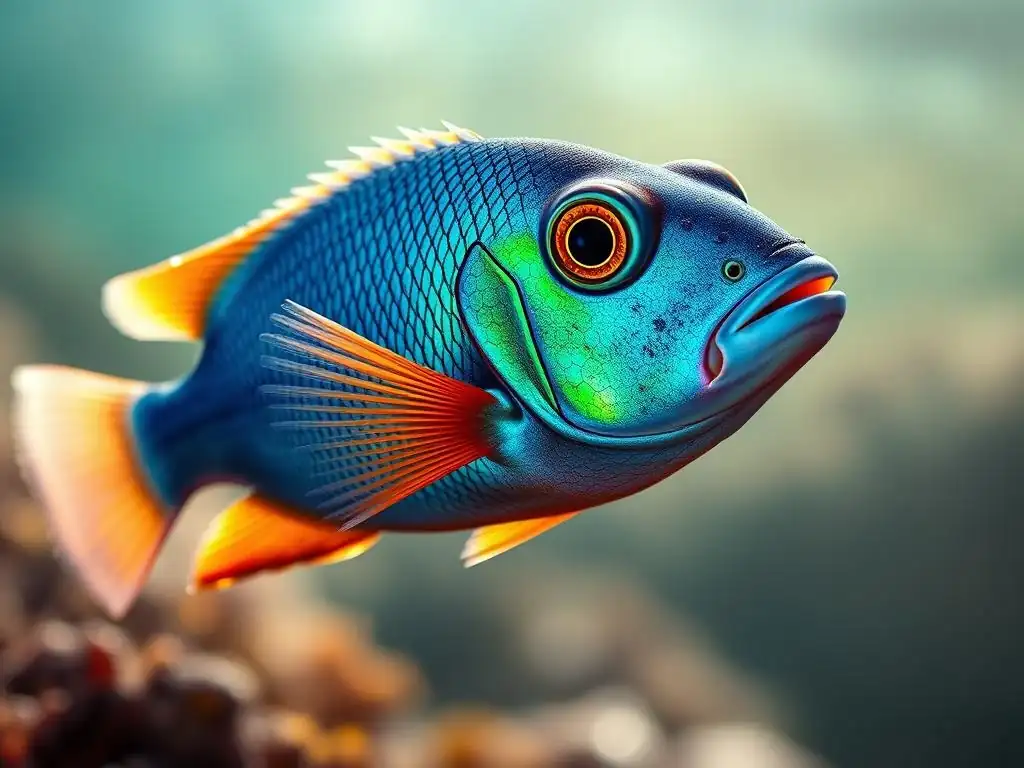
The Blue Tail Tamarin Wrasse, Anampses caeruleopunctatus, is one of the most recognizable and highly sought-after species within the genus. It is renowned for its striking coloration, featuring a vibrant blue tail that contrasts beautifully with a green to brownish-green body adorned with intricate blue spots and lines. Adult specimens can reach an impressive size of 6-8 inches (15-20 cm) in length.
This species is widely distributed across the Indo-Pacific, ranging from the coast of East Africa to the central Pacific Ocean. While considered one of the relatively hardier Anampses species, it still demands expert-level Tamarin wrasses care, including a deep sand bed, pristine water quality, and a consistent supply of varied, high-quality foods to thrive in a captive environment.
The Yellow Tail Tamarin Wrasse (Anampses meleagrides)
The Yellow Tail Tamarin Wrasse, Anampses meleagrides, is another popular and visually appealing member of the Tamarin wrasse family. It is distinctively characterized by its bright yellow tail, which provides a vivid contrast to its dark brown or black body covered in numerous small, iridescent white or light blue spots. Adult individuals typically grow to about 5-7 inches (12-18 cm).
This species is also found throughout the Indo-Pacific, inhabiting similar reef environments to its counterparts. Like all Tamarin wrasses, it requires a well-established aquarium with a deep, fine sand bed for burrowing and a constant supply of appropriate small meaty foods. Its beauty, combined with its demanding care requirements, makes it a rewarding challenge for experienced aquarists.
The Red Tail Tamarin Wrasse (Anampses chrysocephalus)
The Red Tail Tamarin Wrasse, Anampses chrysocephalus, captivates aquarists with its distinctive red or orange tail, which beautifully complements its greenish-blue body adorned with numerous small, light-colored spots. This species typically reaches an adult size of approximately 5-6 inches (12-15 cm), making it a moderately sized member of the genus.
Primarily found in the Western Pacific Ocean, the Red Tail Tamarin Wrasse shares the demanding care requirements common to all Anampses species. Successful Tamarin wrasses care for this species necessitates a mature aquarium, stable water parameters, a deep sand bed for its burrowing habits, and a diverse diet of small, meaty foods to maintain its vibrant coloration and overall health.
The Narcosis Tamarin Wrasse (Anampses narcosis)
The Narcosis Tamarin Wrasse, Anampses narcosis, is a rarer and often more expensive species, highly prized for its unique coloration. It features a deep blue to purplish body, often with striking yellow or orange markings around the head, eyes, and fin margins, giving it a distinctive and elegant appearance. This species typically grows to a slightly smaller size, around 4-5 inches (10-12 cm).
Its rarity often stems from its habitat in deeper reef waters, making collection more challenging. While its specific requirements are largely consistent with other Anampses species regarding water quality, diet, and substrate, its deeper water origin might suggest a preference for slightly cooler temperatures within the acceptable range. The Narcosis Tamarin Wrasse represents the pinnacle of challenging but rewarding Tamarin wrasses care.
Breeding Tamarin Wrasses: Challenges and Possibilities
The Difficulty of Breeding Anampses Wrasses in Captivity
Breeding Tamarin wrasses ( Anampses spp.) in home aquariums is exceptionally rare, with very few documented instances of successful captive spawning and rearing. These fish are pelagic spawners, meaning they release their eggs and sperm into the open water column, where the fertilized eggs then drift as part of the plankton. This reproductive strategy presents significant challenges for aquaculturists.
The primary difficulties include inducing adult wrasses to spawn consistently in a captive environment, providing the precise environmental cues for successful reproduction, and, most critically, raising the microscopic and incredibly delicate larvae. Anampses larvae require extremely specific and often difficult-to-culture live food sources, such as rotifers and copepod nauplii, along with meticulously pristine water quality and precise water flow dynamics.
Current Research and Efforts in Tamarin Wrasse Breeding
While widespread captive breeding of Anampses species remains largely unachieved, ongoing advancements in marine fish aquaculture offer a glimmer of hope. Research institutions and dedicated public aquariums are continuously refining techniques for breeding various challenging marine species, including other wrasses. Breakthroughs in larval nutrition, water quality management for fry, and understanding reproductive triggers are incrementally improving success rates for many species.
Successes with other difficult-to-breed wrasse genera provide valuable insights that may eventually be applied to Tamarin wrasses. Continued investment in research and development, particularly concerning the specific needs of Anampses larvae, could one day lead to sustainable captive breeding programs, reducing reliance on wild collection and making these beautiful fish more accessible to conscientious aquarists.
Conclusion: Mastering Tamarin Wrasse Care
The Rewards of Successfully Keeping These Exquisite Fish
Despite the significant challenges associated with their care, successfully keeping Tamarin wrasses is an incredibly rewarding endeavor for the dedicated and experienced aquarist. Their breathtaking colors, intricate patterns, and constantly active, inquisitive behavior make them an undisputed centerpiece in any saltwater aquarium. A thriving Tamarin wrasse brings unparalleled beauty, dynamic movement, and a unique personality to the display.
Achieving success with these delicate fish is a testament to an aquarist's skill, patience, and commitment to providing an optimal environment. The vibrant health and natural behaviors of a well-kept Tamarin wrasse underscore the profound satisfaction that comes from mastering their specific requirements, transforming a challenging task into a deeply fulfilling hobby experience. This comprehensive Tamarin wrasses care guide aims to empower enthusiasts to embark on this rewarding journey.
Resources for Further Learning About Tamarin Wrasses
For aquarists seeking to deepen their understanding and enhance their Tamarin wrasses care practices, a wealth of resources is available. Reputable online marine aquarium forums offer platforms for engaging with experienced hobbyists and sharing insights on specific challenges and successes. Scientific journals on ichthyology and marine biology can provide detailed information on their natural history and physiology.
Specialized books focusing on marine fish identification and care, particularly those dedicated to wrasses, offer in-depth profiles and practical advice. Additionally, visiting local fish stores that specialize in marine livestock and have knowledgeable staff can provide valuable hands-on advice and access to healthy, well-acclimated specimens. Continuous learning and community engagement are key to mastering the nuances of Tamarin wrasses care.
Frequently Asked Questions
What makes Tamarin Wrasses so difficult to keep in a home aquarium?
Tamarin Wrasses are notoriously challenging due to their specific needs for water quality, diet, and established tank environments. They are highly sensitive to changes and require pristine conditions.
What is the ideal tank size for a Tamarin Wrasse, and why is it important?
A minimum of 75 gallons is recommended, but larger is better. This provides ample swimming space and allows for a stable ecosystem crucial for their well-being and reducing stress.
What type of diet do Tamarin Wrasses require, and how often should they be fed?
They are primarily carnivores and require a varied diet of small, meaty foods like copepods, mysis shrimp, and finely chopped seafood. They should be fed multiple times a day to meet their high metabolic needs.
What are some common signs of stress or illness in Tamarin Wrasses that aquarists should watch out for?
Signs include loss of appetite, lethargy, fading coloration, and increased susceptibility to diseases. Prompt identification and treatment are critical for their survival.
What are the most important water parameters to maintain for Tamarin Wrasses?
Stable and pristine water conditions are paramount. Key parameters include low nitrate levels, stable salinity, and a consistent pH within the recommended range for reef aquariums.
Final Reflection: Embracing the Art of Patience and Precision
The journey into the world of Tamarin Wrasses, as we've explored, is not for the faint of heart. It demands a commitment to meticulous care and a deep understanding of their unique needs. This dedication, however, mirrors a broader truth: that true beauty and reward often lie in the pursuit of challenging endeavors. Just as these dazzling fish require a carefully crafted environment to thrive, so too do many aspects of our lives benefit from focused attention and unwavering dedication.
This exploration has underscored the profound impact that even seemingly small creatures can have on our understanding of responsibility and the interconnectedness of ecosystems. The delicate balance required to successfully keep a Tamarin Wrasse serves as a powerful metaphor for the delicate balance we must strive for in our own lives and in our relationship with the natural world. In the end, we will conserve only what we love; we will love only what we understand; and we will understand only what we are taught.
- Baba Dioum. This quote resonates deeply, reminding us that knowledge and understanding are the cornerstones of appreciation and, ultimately, conservation.
Now, as you close this guide, consider the lessons learned. The patience, precision, and dedication required for Tamarin Wrasse care are qualities that can enrich every facet of your life. Let the vibrant beauty of these demanding divas inspire you to cultivate a deeper appreciation for the intricacies of the world around you, and to approach every challenge with the same thoughtful care and unwavering commitment. Embrace the art of patience, and you too can witness the dazzling rewards that await.
Unleash the Tamarin Keeper Within!
Thanks for diving deep into the world of Tamarin Wrasses! Hopefully, you now understand just how rewarding it can be to care for these stunning, but demanding, fish. Now, let's turn that knowledge into action!
- Embark on a quest to find a reputable Tamarin Wrasse breeder or supplier committed to sustainable and ethical practices. This single action is crucial for the well-being of both your future fish and the reef environment.
- Design your dream Tamarin Wrasse habitat by researching specific tank requirements and creating a meticulously planned environment that caters to their unique needs.
- Share your newfound Tamarin Wrasse wisdom with fellow reef enthusiasts and become an ambassador for responsible reefkeeping!
What surprising tankmate combination are you considering to truly challenge your Tamarin Wrasse keeping skills?