
Why is My Wrasse Constantly Hiding? Understanding and Addressing Shy Behavior

Welcome to Aquarium Mastery!
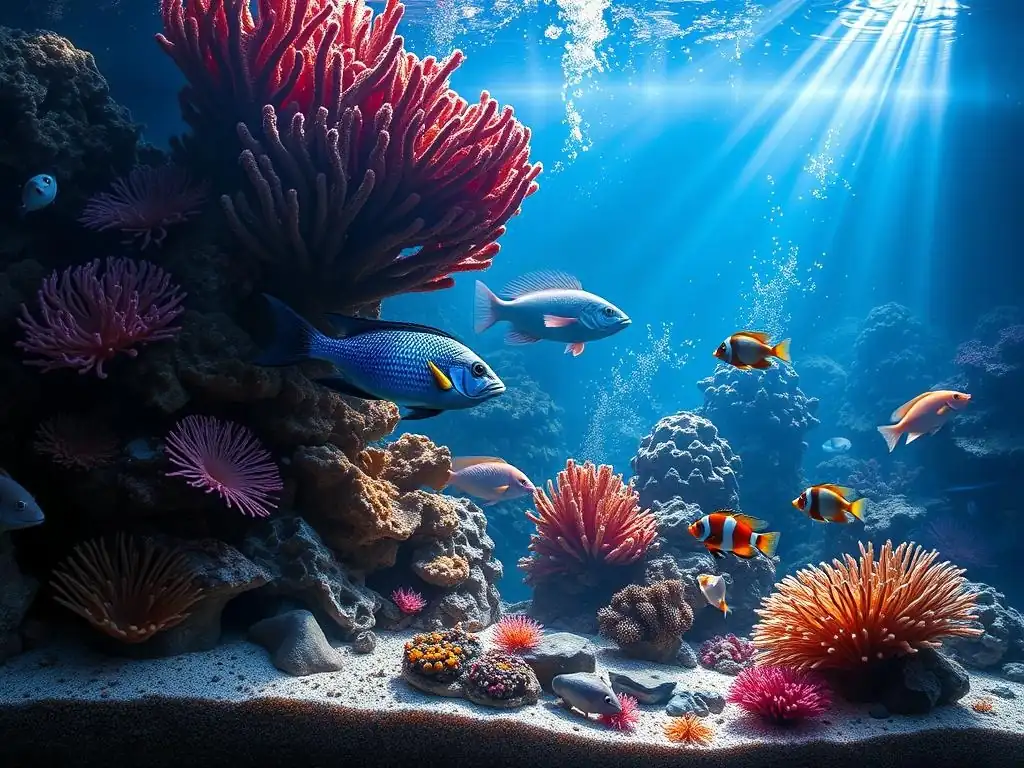
Ever wondered why your dazzling wrasse spends more time hiding than showing off its vibrant colors? You're not alone! Understanding shy wrasse behavior is key to creating a thriving environment for these fascinating fish. Dive in and discover the secrets to unlocking your wrasse's confidence and bringing its personality to the forefront. Let's explore the reasons behind this behavior and how you can help your wrasse feel right at home. Ready to transform your wrasse from recluse to radiant?
- Understanding Shy Wrasse Behavior in Aquariums
- Potential Causes of Excessive Wrasse Hiding
- Diagnosing the Root Cause of Wrasse Shyness
- Addressing Wrasse Hiding: Solutions and Strategies
- Preventing Future Hiding Behavior in Wrasses
- Long-Term Wrasse Care: Ensuring a Happy and Healthy Life
-
Frequently Asked Questions
- Why is my wrasse spending all its time hiding in the aquarium?
- What are some common stressors that might cause a wrasse to hide more often?
- How can I create a more comfortable environment to encourage my wrasse to come out of hiding?
- Is it normal for a newly introduced wrasse to hide for an extended period?
- What should I do if my wrasse continues to hide despite my best efforts to improve the aquarium environment?
- Final Reflection: Unveiling the Mysteries of the Reef
- Unveil Your Wrasse's Confidence!
Understanding Shy Wrasse Behavior in Aquariums
Identifying Normal Hiding vs. Problematic Shy Behavior in Wrasses
It is common for wrasses, especially when newly introduced to an aquarium, to exhibit initial shyness. A new wrasse might hide for the first 24-72 hours as it acclimates to its new surroundings, exploring crevices and establishing a safe zone. Many species also instinctively burrow into the sand or find a secure crevice to sleep at night, emerging only with the morning light. This is a natural, temporary shy wrasse behavior hiding and typically resolves as the fish gains confidence.
Problematic hiding, however, persists beyond this initial acclimation period or occurs constantly during daylight hours. If your wrasse is consistently hidden, refuses to come out for feeding, or shows other signs of distress like clamped fins, rapid breathing (over 60 breaths per minute), or a dulling of its vibrant colors, it indicates a deeper issue. A healthy wrasse should be active and curious during the day, actively foraging and interacting with its environment.
The Natural Instincts Behind Wrasse Hiding: Why They Do It
Wrasses, in their natural reef habitats, are constantly aware of predators such as larger fish, sharks, and even birds. Their instinct to hide in rockwork or bury themselves in the sand is a primary defense mechanism against these threats. This deeply ingrained behavior carries over into the aquarium environment; even without direct predators, the instinct to seek shelter when feeling vulnerable or stressed remains strong.
Furthermore, many wrasse species exhibit specific nocturnal behaviors. For instance, species like the Six-Line Wrasse ( Pseudocheilinus hexataenia) or certain Leopard Wrasses ( Macropharyngodon spp.) will fully submerge themselves in the sand bed as darkness falls. This provides protection from nocturnal hunters and allows them to rest undisturbed. Understanding this natural shy wrasse behavior hiding is crucial for distinguishing between normal behavior and signs of distress.
Common Wrasse Species Prone to Hiding: A Species-Specific Guide
While almost any wrasse can be shy when new, some species are inherently more prone to hiding, especially initially. Flasher Wrasses ( Paracheilinus species) and Fairy Wrasses ( Cirrhilabrus species), known for their dazzling courtship displays, can be quite timid upon introduction. Males, in particular, may take several days to weeks to fully display their vibrant colors and confidently swim in the open, often retreating quickly if startled.
Sand-dwelling wrasses represent another group with pronounced shy wrasse behavior hiding. Razor Wrasses ( Xyrichtys species) and many variations of the Leopard Wrasse are obligate sand-burrowers, spending significant portions of their day, and all of their night, submerged in the substrate. For these species, a fine sand bed of at least 2-4 inches is not just beneficial but absolutely essential for their well-being, allowing them to express their natural behaviors.
Potential Causes of Excessive Wrasse Hiding
Water Quality Issues Impacting Wrasse Behavior
Ammonia, Nitrite, and Nitrate Levels: The Silent Killers
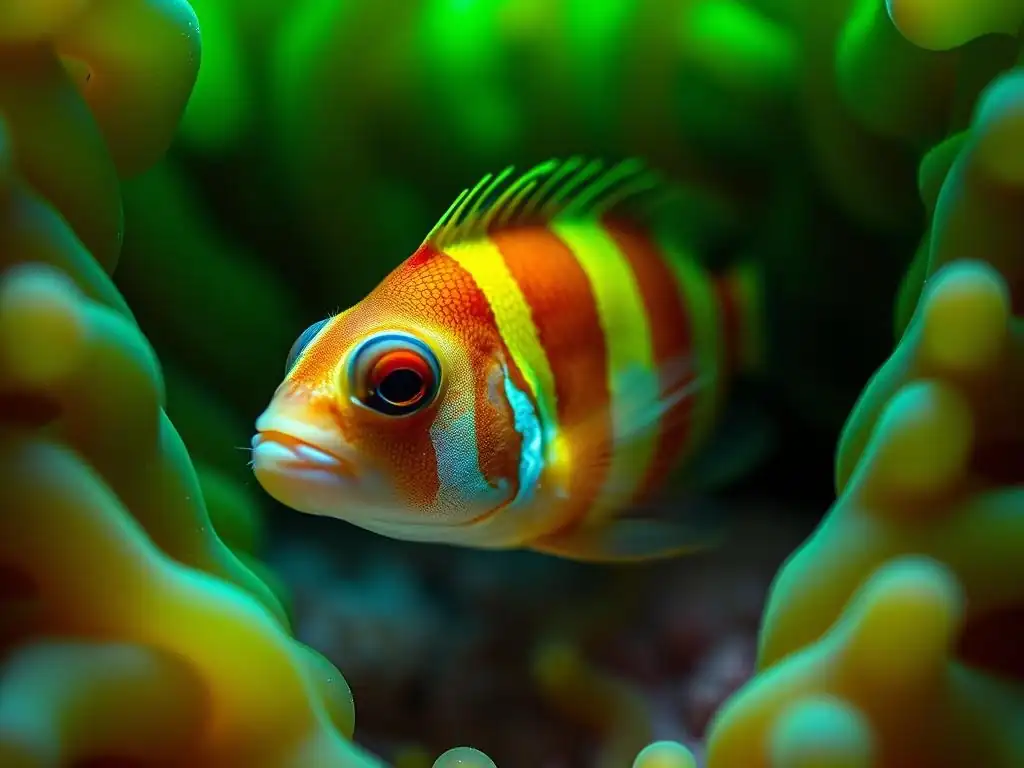
Poor water quality is a leading stressor for all marine fish, including wrasses, and can directly contribute to shy wrasse behavior hiding. Ammonia (NH3) and nitrite (NO2-) are highly toxic, even at very low concentrations. Ammonia levels as low as 0.02 mg/L can cause gill damage and respiratory distress in sensitive fish, forcing them to hide and gasp at the surface. Nitrite, typically peaking during the cycling process, impairs the blood's ability to carry oxygen, leading to lethargy and increased shyness.
While less acutely toxic, high nitrate levels (NO3-) can also cause chronic stress. For most wrasses, nitrate levels consistently above 20-40 ppm can compromise their immune system, making them more susceptible to disease and leading to a general decline in activity and an increase in wrasse hiding behavior. Regular testing and prompt action are vital to prevent these silent killers from impacting your wrasse's health and confidence.
Maintaining Optimal Water Parameters for Wrasse Health
Beyond nitrogenous compounds, other water parameters significantly impact a wrasse's comfort. Salinity should be stable at 1.023-1.026 specific gravity, pH maintained between 8.1-8.4, and temperature consistently within 74-78°F (23-26°C). Fluctuations in these parameters, even slight ones (e.g., a 2°F temperature drop or a 0.2 pH swing), can cause immense stress to a wrasse, leading it to retreat and exhibit shy wrasse behavior hiding.
Consistency is key. Sudden changes in water chemistry can shock the fish's system, weakening its defenses and making it vulnerable to illness. Maintaining these optimal parameters through regular monitoring and stable maintenance practices creates a predictable and comfortable environment, encouraging the wrasse to be active and reducing the likelihood of a hiding wrasse.
Stress Factors Contributing to a Hiding Wrasse
Bullying Tank Mates: Identifying Aggressors
One of the most common reasons for a hiding wrasse is aggression from tank mates. Larger or more dominant fish, such as certain tangs, angelfish, or even other wrasses (especially if multiple males of the same species are present in an undersized tank), can harass a wrasse, preventing it from feeding or resting. Constant nipping, chasing, or territorial displays will force the wrasse into perpetual hiding, often leading to starvation and eventual demise.
Observe interactions closely, particularly during feeding times. If a wrasse is consistently pushed away from food or is visibly stressed by the presence of another fish, it's a strong indicator of bullying. Even seemingly minor aggression can have a cumulative effect, escalating a temporary shy wrasse behavior hiding into a permanent state of fear and stress.
Insufficient Hiding Places: Creating a Safe Environment
Wrasses, by nature, require ample hiding spots to feel secure. A lack of adequate rockwork, caves, or crevices leaves them feeling exposed and vulnerable. Even a healthy wrasse will seek refuge when startled or preparing to rest, and if suitable shelters are unavailable, it will experience chronic stress. This deficiency in environmental structure can be a primary driver of wrasse hiding behavior.
Aim to provide a complex aquascape with numerous nooks, crannies, and overhangs. For a standard 75-gallon reef tank, 50-70 pounds of live rock strategically stacked can create a rich habitat. Ensure there are small openings that only your wrasse can fit into, offering a true sanctuary from larger tank inhabitants. This sense of security significantly reduces the tendency for a shy wrasse behavior hiding.
Tank Size and Overcrowding: Giving Your Wrasse Space
The size of the aquarium directly impacts a wrasse's comfort and behavior. An undersized tank, even if it seems sufficient initially, can become a source of chronic stress as the wrasse grows or if the bioload increases. A 5-inch wrasse in a 30-gallon tank, for example, will feel confined and exposed, leading to persistent shy wrasse behavior hiding due to a perceived lack of escape routes or territory.
Overcrowding exacerbates this issue, as multiple fish competing for limited space and resources creates a high-stress environment. Even if there's no overt aggression, the constant proximity of other fish can be overwhelming for a shy wrasse. Ensuring your tank meets the minimum size requirements for your specific wrasse species (e.g., a 75-gallon tank for many common wrasse species) and avoiding overstocking is crucial for preventing a hiding wrasse.
Disease and Parasites: Recognizing Signs of Illness
Identifying Common Wrasse Diseases
A sudden onset of shy wrasse behavior hiding can be a strong indicator of illness or parasitic infection. Common marine diseases like Marine Ich ( Cryptocaryon irritans), characterized by tiny white spots resembling salt grains, or Velvet ( Amyloodinium ocellatum), which appears as a dusty, golden coating, can cause severe irritation and lead to a wrasse rubbing against rocks, rapid breathing, and hiding. Bacterial infections, often secondary to stress, can manifest as fin rot, cloudy eyes, or internal swelling, all of which will cause a wrasse to withdraw.
Beyond visible symptoms, behavioral changes are critical clues. A wrasse that stops eating, shows unusual swimming patterns (e.g., darting, twitching), or exhibits faded colors alongside its wrasse hiding behavior is likely suffering from a health issue. Early detection is paramount for successful treatment.
Quarantine Procedures for New Wrasses
The importance of quarantining new wrasses cannot be overstated. A dedicated quarantine tank (QT) of at least 10-20 gallons, set up with basic filtration, a heater, and PVC pipes for hiding, allows you to observe new fish for 2-4 weeks before introducing them to your main display tank. This practice prevents the introduction of diseases and parasites that could rapidly spread and decimate your existing fish population, causing widespread illness and shy wrasse behavior hiding among your established inhabitants.
During quarantine, you can also proactively treat for common parasites if desired, ensuring the wrasse enters your main tank healthy and robust. This isolated environment also allows the new wrasse to acclimate without the added stress of aggressive tank mates, significantly reducing initial shyness and promoting a smoother transition into its permanent home.
Diagnosing the Root Cause of Wrasse Shyness
Observing Your Wrasse's Behavior: A Detailed Approach
Diagnosing the root cause of shy wrasse behavior hiding requires diligent observation. Dedicate at least 10-15 minutes daily, at various times (morning, during feeding, evening), to watch your wrasse closely. Note its activity levels, whether it comes out to eat, how it interacts with tank mates, and if its color seems vibrant or faded. Pay attention to subtle cues: does it only hide when a specific fish is nearby? Does it emerge when the lights are dim?
Look for any physical signs of distress: clamped fins, rapid gill movement (more than 60 breaths per minute), scratching against rocks, or visible spots/lesions. A wrasse that exhibits constant wrasse hiding behavior and refuses to eat for more than 24 hours is in serious distress and requires immediate attention. Keeping a simple log of your observations can help identify patterns and narrow down potential causes.
Testing Water Parameters: A Step-by-Step Guide
Accurate and consistent water parameter testing is fundamental to diagnosing a hiding wrasse. Use reliable liquid test kits for ammonia, nitrite, and nitrate (e.g., Salifert, API), as dip strips can be inaccurate. Test ammonia and nitrite daily if you suspect an issue, and nitrate weekly. For salinity, invest in a good quality refractometer, calibrating it regularly with reference solution; hydrometers are often unreliable.
Collect water samples away from pumps or filters to get a representative reading. Follow the test kit instructions precisely, noting results immediately. Compare your readings against optimal ranges: Ammonia 0 ppm, Nitrite 0 ppm, Nitrate below 20 ppm (ideally below 10 ppm for sensitive species), Salinity 1.025, pH 8.1-8.4, and Temperature 74-78°F. Any deviation, especially elevated ammonia or nitrite, points directly to a water quality issue causing the shy wrasse behavior hiding.
Examining Your Wrasse for Signs of Disease or Injury
If water parameters are optimal and tank mates appear peaceful, a physical examination of your wrasse is the next step. Gently approach the tank and try to get a clear view of the fish, even if it's exhibiting shy wrasse behavior hiding. Look for any visible signs of disease: white spots (Ich), a dusty coating (Velvet), frayed fins, cloudy eyes, open sores, or unusual growths. A flashlight can help illuminate details.
Beyond visible signs, observe its swimming pattern. Is it swimming erratically, listlessly, or struggling to maintain buoyancy? Is it scratching itself frequently against rockwork or the substrate? These are strong indicators of external parasites or irritation. Any physical injury, such as nips from aggressive tank mates, can also cause a wrasse to hide. Identifying these signs is crucial for determining the correct course of action to alleviate its shyness.
Addressing Wrasse Hiding: Solutions and Strategies
Improving Water Quality for a Healthier Wrasse
Performing Regular Water Changes
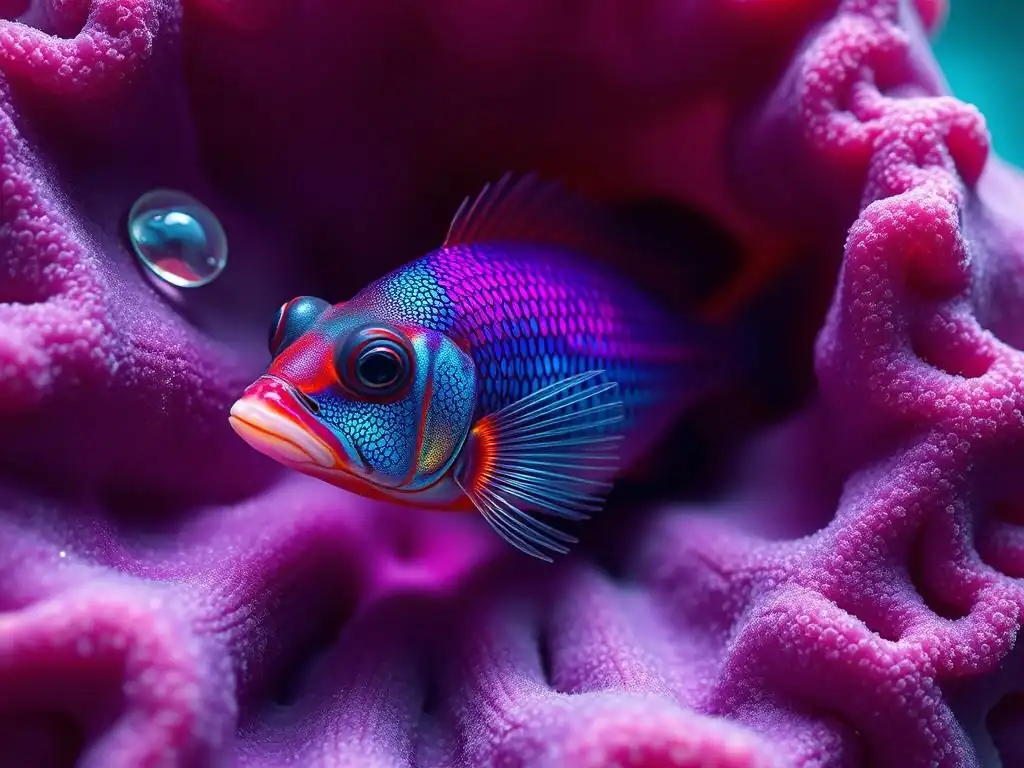
One of the most effective ways to improve water quality and alleviate shy wrasse behavior hiding is through consistent water changes. For a tank experiencing elevated nitrates (e.g., over 30 ppm), performing a 20-25% water change weekly can significantly dilute pollutants and replenish essential trace elements. For instance, a 25% water change in a 100-gallon tank can reduce nitrate from 40 ppm to 30 ppm instantly.
Always use high-quality RODI (Reverse Osmosis Deionized) water mixed with a reputable marine salt mix, ensuring the new water matches the tank's temperature and salinity precisely. Siphon out detritus and old water from the bottom of the tank, and add the new saltwater slowly to minimize stress on your wrasse. This consistent practice will reduce stressors and encourage your hiding wrasse to become more active.
Utilizing Effective Filtration Systems
A robust filtration system is paramount for maintaining pristine water quality and preventing wrasse hiding behavior stemming from poor conditions. Ensure your tank has adequate mechanical filtration (filter socks, sponges) to remove particulate matter, which prevents the buildup of organic waste. Biological filtration, primarily provided by live rock and potentially a protein skimmer, converts toxic ammonia and nitrite into less harmful nitrate.
Consider incorporating chemical filtration, such as activated carbon, to remove dissolved organic compounds that can yellow the water and irritate fish. GFO (granular ferric oxide) can be used to control phosphates, which contribute to algae and overall tank instability. A well-maintained and efficient filtration system creates a stable, healthy environment where your wrasse will feel secure and less inclined to hide.
Reducing Stress and Promoting Wrasse Comfort
Re-arranging Rockwork to Create More Hiding Spots
If your wrasse is exhibiting shy wrasse behavior hiding due to a lack of security, re-arranging your rockwork can make a significant difference. Create more caves, overhangs, and swim-throughs, ensuring there are multiple secure spots where your wrasse can retreat if it feels threatened. Focus on building structures with small openings that only your wrasse can access, providing true sanctuary from larger or more boisterous tank mates.
When re-aquascaping, ensure the structures are stable and won't collapse. Aim for a balance between open swimming areas and complex rock formations. This environmental enrichment will provide your wrasse with the security it instinctively craves, encouraging it to venture out more often and reducing its overall stress levels.
Introducing New Tank Mates Carefully
Introducing new tank mates without proper consideration can cause significant wrasse hiding behavior. Always research the temperament and adult size of any potential new fish. Opt for peaceful, non-aggressive species that won't compete excessively for food or territory. When adding new fish, introduce them slowly, perhaps one at a time, to allow existing inhabitants, including your wrasse, to adjust.
If a new fish is particularly bold or your wrasse is unusually timid, consider using an acclimation box (a clear, perforated container placed inside the main tank) for a few days. This allows the fish to see each other and acclimate to each other's presence without direct interaction, reducing initial aggression and preventing your wrasse from becoming a permanent hiding wrasse.
Providing a Sand Bed for Burrowing Species
For many wrasse species, especially those known for their shy wrasse behavior hiding in sand, a proper substrate is non-negotiable. Species like Leopard Wrasses, Dragon Wrasses, and certain Razor Wrasses require a fine, soft sand bed (aragonite sand, 0.5-2 mm grain size) that is at least 2-4 inches deep. This allows them to burrow for sleep, security, and even foraging.
Without a suitable sand bed, these wrasses will be under constant stress, unable to express their natural behaviors. They may attempt to burrow into coarser substrates, potentially injuring themselves, or simply remain hidden and stressed in the rockwork. Providing the correct substrate is a fundamental step in ensuring the long-term health and confidence of these specific wrasse types.
Treating Disease and Parasites Effectively
Identifying the Correct Medication
If illness is suspected as the cause of your hiding wrasse, accurate diagnosis is critical before administering medication. Misidentifying a disease can lead to ineffective treatment or even harm your fish. For instance, treating a bacterial infection with a copper-based parasite medication will yield no results. Consult reliable marine aquarium disease guides or an experienced aquarist/veterinarian to confirm the ailment.
Once diagnosed, research the most effective and wrasse-safe medication. Some wrasse species, particularly those from the Halichoeres and Macropharyngodon genera, can be sensitive to certain medications, especially copper or formalin-based treatments. Always check for contraindications and choose a medication specifically designed for marine fish and the identified pathogen.
Administering Medication Safely
Medication should ideally be administered in a dedicated hospital or quarantine tank (QT), not the main display tank. This prevents harming beneficial bacteria in your main tank's biological filter, protecting corals and invertebrates, and allows for precise dosing and observation. The QT should be properly cycled and matched to the main tank's parameters before use.
Follow the medication's instructions precisely regarding dosage, duration, and water changes. Overdosing can be fatal to your wrasse, while underdosing can lead to resistant pathogens. Monitor your wrasse closely for any adverse reactions to the medication. Effective and safe treatment is key to restoring your wrasse's health and stopping its shy wrasse behavior hiding.
Preventing Future Hiding Behavior in Wrasses
Proper Acclimation Techniques for New Wrasses
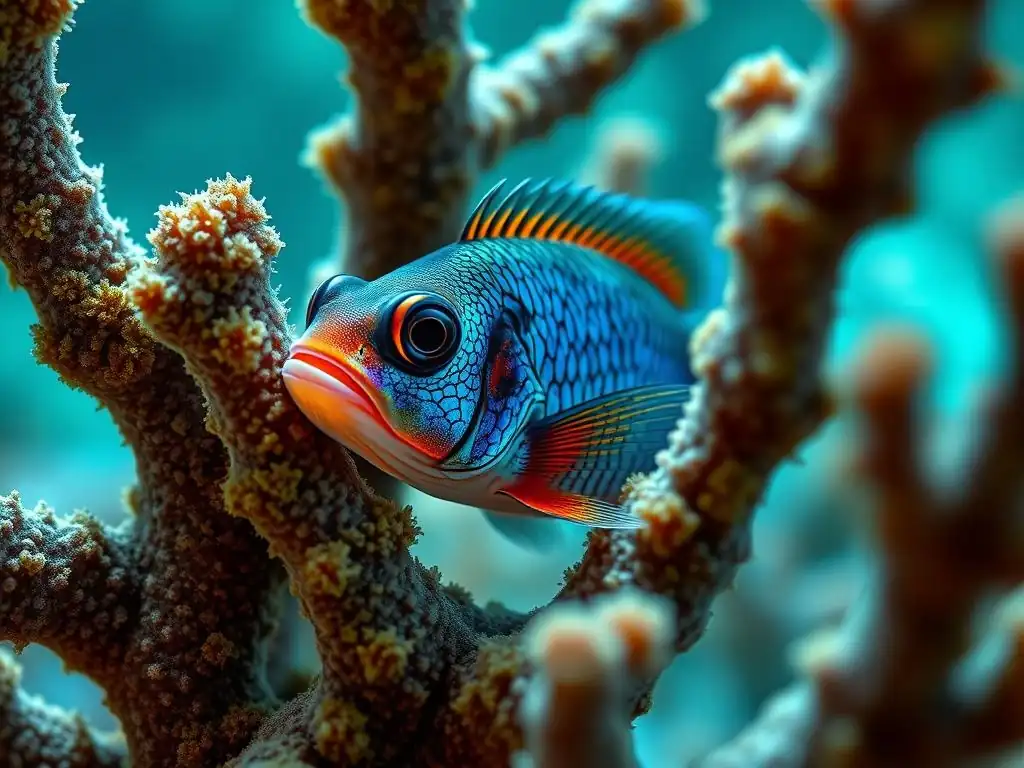
Proper acclimation is the first and most crucial step in preventing shy wrasse behavior hiding from the outset. Drip acclimation is highly recommended for wrasses, as it slowly equalizes water parameters (pH, salinity, temperature) between the transport bag and the aquarium. This gradual process, typically over 45-60 minutes, minimizes stress and shock.
Place the wrasse in a separate container with its original water. Use airline tubing to create a slow drip from your display tank into the container, allowing the tank water to slowly mix with the bag water. Once the salinity matches, gently net the wrasse into your display tank, discarding the old water. This careful introduction significantly reduces initial shyness and helps the wrasse settle in quickly.
Maintaining a Stable and Healthy Aquarium Environment
Consistency in aquarium maintenance is paramount for preventing wrasse hiding behavior and promoting long-term health. Regularly test water parameters (ammonia, nitrite, nitrate, pH, salinity, temperature) and perform routine 10-15% water changes every one to two weeks. Stable parameters prevent chronic stress, which is a major precursor to shyness and illness.
Ensure your lighting schedule is consistent (e.g., 10-12 hours per day) and that water flow is appropriate for your wrasse species – most prefer moderate flow with calmer areas for resting. A stable, well-maintained environment where all basic needs are met significantly reduces the likelihood of your wrasse feeling stressed and resorting to hiding.
Choosing Compatible Tank Mates for Wrasses
Careful selection of tank mates is essential for preventing future shy wrasse behavior hiding. Research the temperament and adult size of any fish you plan to introduce. Avoid highly aggressive species like some triggerfish, large angelfish, or certain puffers that might bully or outcompete your wrasse. Conversely, ensure your wrasse isn't too boisterous for more timid tank mates.
Good tank mate choices often include peaceful gobies, blennies, and certain anthias. If you plan to keep multiple wrasses, ensure they are compatible species and that your tank is large enough to support multiple territories (e.g., 100+ gallons for multiple male wrasses of similar type). A harmonious community tank reduces stress on all inhabitants, including your wrasse.
Long-Term Wrasse Care: Ensuring a Happy and Healthy Life
Regular Observation and Monitoring
Long-term wrasse care hinges on continuous vigilance. Dedicate a few minutes each day to observe your wrasse's behavior, even after it has settled in. Look for subtle changes in activity levels, appetite, coloration, and interactions with other fish. Early detection of a slight increase in shy wrasse behavior hiding or a minor change in feeding habits can indicate an emerging issue before it becomes severe.
Maintaining a detailed log of water parameters, feeding amounts, and any unusual observations can be incredibly beneficial. This record can help identify patterns, recurring problems, or the onset of illness, allowing you to take proactive measures to maintain a stable environment and ensure your wrasse remains vibrant and active.
Providing a Varied and Nutritious Diet
A varied and nutritious diet is fundamental to a wrasse's long-term health and vitality. Most wrasses are carnivorous and require a protein-rich diet. Offer a mix of high-quality frozen foods such as mysis shrimp, brine shrimp (preferably enriched), finely chopped clam, krill, and other marine-based foods. Some wrasses will also accept high-quality marine pellets or flakes, but frozen foods should form the bulk of their diet.
Feed small amounts 2-3 times a day rather than one large meal. This ensures all fish get enough to eat, reduces competition, and prevents large quantities of uneaten food from decaying and negatively impacting water quality. A well-fed wrasse with robust nutrition is less susceptible to stress and illness, reducing the likelihood of shy wrasse behavior hiding due to poor health.
Maintaining Optimal Tank Conditions for Long-Term Wrasse Health
Ensuring optimal tank conditions consistently is the cornerstone of long-term wrasse health. This means maintaining stable salinity (1.025), pH (8.2-8.3), and temperature (76°F), with undetectable levels of ammonia and nitrite, and nitrates below 20 ppm. Regular water changes (10-15% bi-weekly) and efficient filtration are key to achieving this stability.
Beyond parameters, consider environmental enrichment. As your wrasse grows, ensure it still has ample hiding spots, appropriate substrate if it's a burrowing species, and sufficient swimming space. A thriving, stable reef environment that caters to the specific needs of your wrasse species is the best way to prevent stress, promote natural behavior, and ensure your wrasse enjoys a long, healthy, and active life free from shy wrasse behavior hiding.
Frequently Asked Questions
Why is my wrasse spending all its time hiding in the aquarium?
Wrasses are known to hide due to several factors, including stressful environments, lack of suitable hiding places, and introduction to a new tank. Ensuring proper water parameters and ample rockwork is crucial.
What are some common stressors that might cause a wrasse to hide more often?
Common stressors include poor water quality (ammonia, nitrite spikes), aggressive tank mates, and sudden changes in the aquarium environment. Regular water testing and careful observation are essential.
How can I create a more comfortable environment to encourage my wrasse to come out of hiding?
Provide plenty of rockwork with caves and crevices for the wrasse to feel secure. Maintain stable water parameters and avoid sudden changes. Consider introducing a peaceful school of fish as dither fish.
Is it normal for a newly introduced wrasse to hide for an extended period?
Yes, it's common for a newly introduced wrasse to hide for several days, or even a week or two, while it acclimates to its new environment. Patience is key; avoid disturbing the tank unnecessarily.
What should I do if my wrasse continues to hide despite my best efforts to improve the aquarium environment?
If the behavior persists, consider quarantining the wrasse to rule out disease or parasites. Consult with an experienced aquarist or veterinarian specializing in fish health for further diagnosis and treatment options.
Final Reflection: Unveiling the Mysteries of the Reef
The insights shared in this article highlight the crucial connection between understanding shy wrasse behavior hiding and providing optimal care for these vibrant reef inhabitants. It's more than just identifying a problem; it's about recognizing the delicate balance of their environment and the profound impact our actions have on their well-being. A healthy, thriving wrasse is a testament to our dedication as aquarists, and addressing their shyness is a vital step in achieving that goal.
This journey into the world of wrasse behavior has underscored the importance of empathy and observation in aquarium keeping. Understanding the nuances of their behavior, from the subtle signs of stress to the bold displays of confidence, allows us to create a more enriching and natural environment for them. The cure for boredom is curiosity. There is no cure for curiosity.
- Dorothy Parker. This quote perfectly encapsulates the ongoing learning process that is aquarium keeping, especially when dealing with complex behaviors like shyness in wrasses.
Now, armed with this knowledge, I encourage you to reflect on your own aquariums and the lives within. Are you truly seeing your wrasses, or are you simply observing them? Take the time to understand their individual needs, to create a sanctuary where they feel safe and secure. By fostering an environment of trust and understanding, you can unlock the full potential of these magnificent creatures and witness the vibrant beauty they were always meant to display.
Unveil Your Wrasse's Confidence!
Thanks for diving into the world of wrasse behavior! Now that you understand why your wrasse might be hiding, it's time to create a thriving environment where they feel safe and secure. Ready to bring your shy wrasse out of its shell?
Here are a few things you can do:
- Prioritize creating a stress-free environment by ensuring optimal water parameters and minimizing sudden changes in lighting or tank conditions. This is the most crucial step!
- Introduce new, varied food options to entice your wrasse and stimulate its natural hunting behaviors. Consider live foods or high-quality frozen options.
- Share your wrasse's progress and ask for advice in the Aquarium Mastery community forums – let's learn together!
What specific changes will you implement first to help your wrasse feel more comfortable?