
Beyond Grazing: The Science of How Tangs Combat Nuisance Algae

Welcome to Aquarium Mastery!
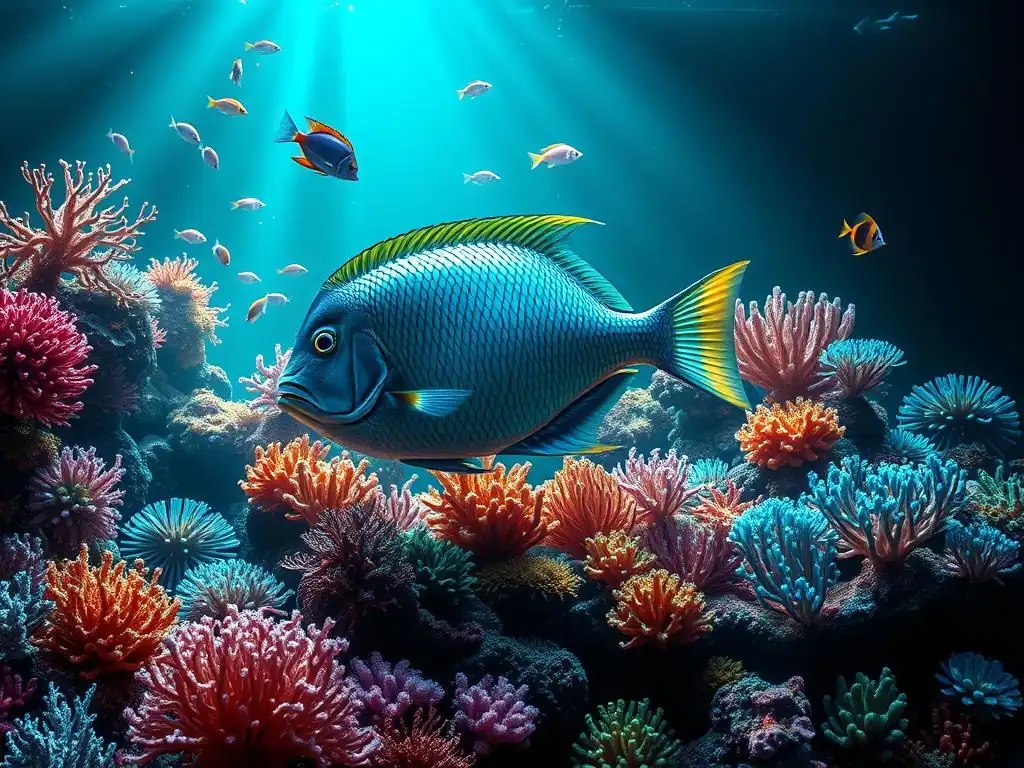
Ever wondered how to keep those pesky algae blooms at bay naturally in your saltwater tank? Dive in and uncover the fascinating science behind how Tangs control nuisance algae. You might be surprised at just how much these beautiful fish contribute to a thriving aquarium ecosystem. Ready to explore the secrets of a balanced reef and learn how Tangs can be your underwater gardeners? Let's get started!
- Introduction: Tangs as Natural Algae Controllers in Saltwater Aquariums
- The Algae-Eating Habits of Tangs: A Deep Dive
- Tang Species Spotlight: Best Tangs for Algae Control in Aquariums
- Optimizing Your Tank Environment for Tang Algae Control
- Supplementing a Tang's Diet for Optimal Health
- Potential Problems and Considerations When Keeping Tangs for Algae Control
- Responsible Tang Ownership: Ethical Considerations
- Beyond Tangs: Integrated Algae Management Strategies
- Conclusion: Harnessing the Power of Tangs for a Balanced Aquarium Ecosystem
-
Frequently Asked Questions
- How effective are Tangs at controlling nuisance algae in a saltwater aquarium?
- What types of algae do Tangs typically consume?
- Are all Tang species equally effective at controlling algae?
- What size aquarium is recommended for keeping Tangs to effectively control algae?
- What other factors, besides Tangs, should be considered for algae control in an aquarium?
- Final Reflection: The Living Reef's Silent Guardians
- Dive Deeper: Transform Your Tank Today!
Introduction: Tangs as Natural Algae Controllers in Saltwater Aquariums
Why Tangs Are Popular for Algae Management
Tangs, also known as surgeonfish, are a cornerstone of many saltwater aquariums, primarily celebrated for their vibrant colors and active swimming patterns. Beyond their aesthetic appeal, their popularity in the reef keeping hobby stems significantly from their remarkable ability to act as natural algae controllers. Many aquarists introduce specific tang species into their systems with the express purpose of managing the persistent growth of nuisance algae, a common challenge in marine environments. Their continuous grazing behavior helps maintain a cleaner, more balanced ecosystem, reducing the need for extensive manual removal and chemical treatments.
The effectiveness of tangs in maintaining a balanced aquarium environment is well-documented within the hobby. For instance, a healthy Yellow Tang ( Zebrasoma flavescens) in a appropriately sized tank can keep film algae on rockwork and glass surfaces consistently grazed down, preventing unsightly blooms.
This natural approach to algae control aligns with the desire of many aquarists to create a self-sustaining, biodiverse habitat, where biological solutions are preferred over artificial interventions. Therefore, tangs are not merely ornamental fish but serve a crucial functional role in the ongoing health and aesthetic appeal of a saltwater aquarium, making them indispensable for many reef enthusiasts.
Understanding Nuisance Algae in Reef Tanks: A Common Problem
Nuisance algae refers to various undesirable algal growths that can quickly proliferate in a reef tank, often signaling an imbalance in water chemistry. Common types include green hair algae, diatoms (brown algae), cyanobacteria (red slime algae), and bryopsis. These unwelcome growths can smother corals, reduce water flow, and detract significantly from the beauty of the aquarium, making them a constant battle for aquarists. Their rapid growth is typically fueled by excess nutrients like nitrates and phosphates, combined with sufficient light.
The presence of nuisance algae can also indicate underlying issues such as overfeeding, insufficient water changes, or inadequate filtration. For example, if phosphate levels consistently remain above 0.03 ppm and nitrate levels exceed 10 ppm, conditions become highly favorable for explosive algal growth. While addressing these nutrient imbalances through water changes, protein skimming, and proper feeding is crucial, the introduction of a dedicated algae grazer like a tang can provide an immediate and ongoing biological solution. Tangs control nuisance algae by consuming it directly, thereby breaking the cycle of nutrient uptake by these undesirable organisms.
The Algae-Eating Habits of Tangs: A Deep Dive
Specific Algae Species Tangs Prefer to Consume
Different species of tangs exhibit preferences for distinct types of algae, making a diverse tang population potentially more effective for comprehensive algae control. For instance, the Yellow Tang ( Zebrasoma flavescens) is renowned for its voracious appetite for green hair algae and various types of film algae that grow on rocks and tank glass. They are often seen tirelessly scraping surfaces, keeping them clean. Similarly, the Sailfin Tang ( Zebrasoma veliferum) also shows a strong preference for filamentous green algae, often grazing large patches down to the rockwork.
In contrast, Bristletooth Tangs, such as the Kole Tang ( Ctenochaetus strigosus) and Tomini Tang ( Ctenochaetus tominiensis), possess specialized mouthparts that make them highly effective at consuming diatoms and cyanobacteria. Their scraping action allows them to pick up detritus and biofilm from surfaces, which often contain these types of nuisance algae. While they might graze on green hair algae, their primary contribution to algae control often lies in their ability to manage the less conspicuous but equally problematic brown and red slime algae, demonstrating how different tangs control nuisance algae with varied dietary niches.
The Role of Tangs' Mouth Morphology in Algae Grazing Efficiency
The remarkable efficiency of tangs in algae grazing is intrinsically linked to their unique mouth morphology, which has evolved specifically for scraping and cropping algal growths from hard surfaces. Most tang species possess small, comb-like teeth that are perfectly adapted for rasping algae off rocks, glass, and even coral skeletons without damaging the underlying structure. For example, Yellow Tangs have a relatively small, downward-pointing mouth with numerous fine teeth, allowing them to meticulously scrape tightly adhering film algae.
Bristletooth Tangs, such as the Kole Tang, exhibit an even more specialized mouth structure, featuring a series of fine, bristle-like teeth that act like a brush. This adaptation enables them to efficiently sift through sand and detritus, as well as scrape biofilm and diatoms from uneven rock surfaces. This precise dental arrangement allows these tangs to target specific types of algae and detritus that other grazers might overlook, highlighting how their anatomical design directly contributes to their effectiveness in controlling nuisance algae in a reef aquarium.
Tangs' Gut Microbiome and Algae Digestion
Beyond their specialized mouthparts, the internal digestive system of tangs plays a crucial role in their ability to process and derive nutrition from the fibrous plant matter found in algae. Like many herbivorous fish, tangs possess a unique gut microbiome – a complex community of bacteria and other microorganisms within their digestive tract. These symbiotic microbes are essential for breaking down the complex carbohydrates, such as cellulose and hemicellulose, that make up the cell walls of algae. Without these specialized bacteria, much of the nutritional value of ingested algae would pass through the tang's system undigested.
Research into the gut flora of marine herbivores indicates that these microbial communities are highly adapted to the specific diets of their hosts. For tangs, this means their gut microbiome is optimized for processing various forms of algae, enabling them to efficiently extract nutrients like proteins, lipids, and vitamins. This internal biological machinery ensures that tangs can sustain themselves on an algae-rich diet, allowing them to continuously graze and effectively manage nuisance algae populations within the aquarium environment, making them highly efficient biological controllers.
Tang Species Spotlight: Best Tangs for Algae Control in Aquariums
The Yellow Tang (Zebrasoma flavescens): An Algae-Eating Powerhouse
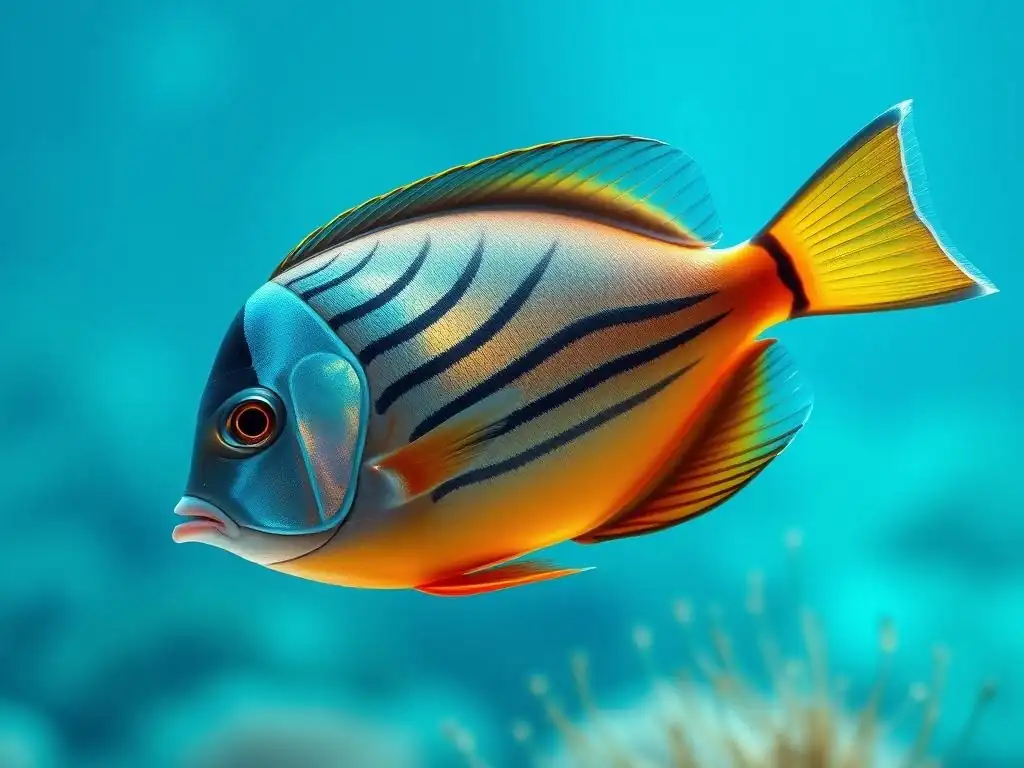
The Yellow Tang ( Zebrasoma flavescens) is arguably the most iconic and widely recognized tang in the aquarium hobby, not just for its striking coloration but also for its exceptional prowess as an algae eater. Originating from the Indo-Pacific, particularly around Hawaii, these active grazers are constantly seen picking at rockwork and glass surfaces. Their primary diet in an aquarium consists of various types of green algae, including filamentous hair algae and the thin film algae that can quickly cover surfaces, making them highly effective at keeping these common nuisances in check.
A single adult Yellow Tang can consume a significant amount of algae daily, with some aquarists reporting a noticeable reduction in algae within days of introduction into a tank with a moderate algae problem. They typically require a minimum tank size of 75 gallons, with 100 gallons or more being ideal to accommodate their active swimming habits and adult size, which can reach up to 8 inches. Their continuous grazing activity ensures that tangs control nuisance algae through consistent, diligent effort, preventing large blooms from taking hold.
The Kole Tang (Ctenochaetus strigosus): Detritus and Algae Specialist
The Kole Tang ( Ctenochaetus strigosus), also known as the Yellow Eye Kole Tang or Bristletooth Tang, is a smaller, more peaceful tang species highly valued for its specialized grazing habits. Hailing from the Indo-Pacific, these tangs are distinguished by their dark bodies, often with intricate patterns, and bright yellow eyes. Unlike some of the larger Zebrasoma tangs, Kole Tangs excel at consuming diatoms (brown algae), cyanobacteria (red slime algae), and various forms of detritus that accumulate on sandbeds and rocks.
Their unique bristle-like teeth allow them to efficiently scrape microalgae and biofilm from uneven surfaces and sift through sand, making them excellent clean-up crew members. A Kole Tang can be housed in tanks as small as 70 gallons, though larger tanks provide more stable environments and grazing opportunities. Their diligent foraging helps maintain pristine sandbeds and prevents the buildup of unsightly brown or red slime, demonstrating how specific tangs control nuisance algae by targeting different types of growth.
The Tomini Tang (Ctenochaetus tominiensis): A Peaceful Algae Grazer
The Tomini Tang ( Ctenochaetus tominiensis), another popular Bristletooth Tang, is celebrated for its relatively peaceful temperament and effective algae-grazing capabilities. Originating from the Western Pacific, particularly around Indonesia and Papua New Guinea, this species features an attractive coloration that can vary from brown to greenish-grey, often with a distinctive orange tail. Like other Ctenochaetus species, the Tomini Tang is primarily a detritivore and microalgae grazer, making it an excellent choice for managing diatoms, cyanobacteria, and various types of film algae.
Tomini Tangs are generally less aggressive than many other tang species, making them suitable for a wider range of community tanks. They typically reach a size of about 5.5 to 6 inches and require a minimum tank size of 50 gallons, although 75 gallons or more is recommended for optimal health and swimming space. Their constant foraging on rockwork and substrate helps to keep surfaces clean and prevent the proliferation of nuisance algae, making the Tomini Tang a highly effective and generally harmonious addition for aquarists looking for a natural way to ensure tangs control nuisance algae.
Optimizing Your Tank Environment for Tang Algae Control
Maintaining Proper Water Parameters for Healthy Algae Grazing
For tangs to effectively control nuisance algae, the aquarium environment must be maintained with stable and appropriate water parameters. High water quality not only promotes the health and vitality of the tangs themselves but also prevents explosive growth of nuisance algae by limiting their primary nutrients. Key parameters to monitor include nitrates, phosphates, and alkalinity. Ideally, nitrates should be kept below 10 ppm, and phosphates below 0.03 ppm. Regular testing with reliable kits is essential to track these levels.
Consistent water changes, typically 10-20% bi-weekly, help dilute accumulated nutrients and replenish essential trace elements. Furthermore, ensuring stable pH (8.1-8.4), salinity (1.025-1.026 specific gravity), and temperature (76-78°F) reduces stress on tangs, making them more active and efficient grazers. When water parameters are optimized, tangs are healthier, more active, and consequently, better able to perform their natural role in keeping the tank free from excessive algae, ensuring tangs control nuisance algae effectively.
Adequate Tank Size and Swimming Space for Tangs
Providing adequate tank size and ample swimming space is paramount for the health and effectiveness of tangs as algae controllers. Tangs are highly active, pelagic swimmers that require significant open water to thrive and exhibit natural behaviors. Cramping a tang into a tank that is too small can lead to chronic stress, stunted growth, weakened immune systems, and increased aggression towards tank mates. A stressed tang is less likely to graze efficiently and is more susceptible to diseases like Ich.
For instance, a Yellow Tang requires a minimum of 75 gallons, with 100-125 gallons being ideal for long-term health, allowing it to swim laps and establish territories without undue stress. Larger tangs like the Sailfin Tang might need 180 gallons or more. Providing sufficient horizontal swimming room, rather than just vertical height, is crucial. When tangs have enough space, they are more active, leading to more consistent and widespread grazing, which significantly enhances their ability to control nuisance algae throughout the aquarium.
Rockwork and Substrate: Providing Ample Grazing Surfaces
The arrangement and type of rockwork and substrate within a marine aquarium play a significant role in maximizing the algae-grazing efficiency of tangs. Live rock, with its porous surface and numerous crevices, provides an ideal substrate for the growth of various microalgae and biofilms that tangs consume. A well-scaped tank with ample live rock offers extensive surface area for algae to grow, providing a continuous food source for the tangs and encouraging their natural grazing behaviors.
Creating a diverse aquascape with different rock formations, caves, and open areas also encourages tangs to explore and graze throughout the entire tank. For species like the Kole Tang, a sandbed is equally important, as they often sift through sand to consume diatoms and detritus. A mature reef tank with established live rock provides a natural environment where tangs can constantly forage, allowing them to effectively manage nuisance algae by grazing on the surfaces where it naturally proliferates.
Supplementing a Tang's Diet for Optimal Health
The Importance of Varied Food Sources Beyond Algae
While tangs are renowned for their ability to control nuisance algae by grazing, relying solely on tank algae for their nutrition is generally insufficient for their long-term health. The types and nutritional content of nuisance algae in an aquarium can vary widely and may not provide all the essential vitamins, minerals, and amino acids that tangs require for optimal growth, coloration, and immune function. A diet consisting only of tank algae can lead to nutritional deficiencies, especially if the algae supply is limited or of poor quality.
Therefore, it is crucial to supplement a tang's diet with a variety of high-quality foods. This varied feeding regimen ensures that the tang receives a balanced nutritional profile, even if tank algae are scarce or if the specific types of algae present are not nutritionally complete. A well-fed tang is a healthy tang, and a healthy tang is a more effective and active grazer, better equipped to manage nuisance algae and resist common diseases.
Nutritional Needs of Tangs: Vitamins and Minerals
Tangs, being primarily herbivorous, have specific nutritional requirements that must be met to ensure their well-being and longevity. A key component of their diet should be marine-based algae and vegetables, rich in fiber and essential nutrients. Crucially, tangs require a sufficient intake of Vitamin C, which is vital for immune system function and preventing conditions like Head and Lateral Line Erosion (HLLE). Many commercial tang foods are fortified with this and other important vitamins.
In addition to vitamins, a balanced diet must provide essential minerals. Trace elements often found in high-quality marine flakes, pellets, and frozen foods, such as iodine and selenium, contribute to overall fish health and metabolic processes. Ensuring these nutritional needs are met through a diverse diet not only keeps tangs healthy but also enhances their natural vibrant coloration and active grazing behavior, allowing them to continue their important role in managing nuisance algae within the aquarium.
Recommended Foods to Support Algae Consumption
To ensure tangs receive comprehensive nutrition and maintain their role as effective algae controllers, a diverse feeding regimen is highly recommended. The cornerstone of their supplemental diet should be dried marine algae, commonly known as nori or spirulina sheets. These can be clipped to the side of the tank or weighted down for tangs to graze upon throughout the day. Look for nori specifically prepared for marine fish, which is free of additives found in human-grade sushi nori.
Beyond nori, offer a variety of other foods to round out their diet. This includes:
- High-quality marine pellets and flakes: Choose formulas specifically designed for herbivorous marine fish, often containing spirulina or other algae.
- Frozen foods: Offer frozen spirulina brine shrimp, mysis shrimp (though less herbivorous, provides protein), and various frozen marine veggie blends.
- Fresh vegetables: Occasionally, blanched zucchini, broccoli florets, or spinach can be offered, though often less preferred than marine algae.
Providing these varied food sources ensures that while tangs control nuisance algae through their natural grazing, they also receive all the necessary nutrients to thrive.
Potential Problems and Considerations When Keeping Tangs for Algae Control
Tang Aggression and Compatibility with Other Fish
While tangs are excellent for algae control, their territorial nature and potential for aggression are significant considerations for aquarists. Many tang species, particularly those from the Acanthurus and Zebrasoma genera, can be highly aggressive towards other tangs, especially those of similar size, shape, or coloration. This intraspecific aggression can lead to constant chasing, fin nipping, and severe stress, potentially resulting in injury or even death for the weaker fish. Introducing multiple tangs simultaneously or in a very large tank can sometimes mitigate this, but it's not a guarantee.
Furthermore, some tang species may show aggression towards other fish, especially if the tank is too small or if they perceive a threat to their territory or food source. For example, a dominant Yellow Tang might harass smaller, more docile fish. Careful planning of tank mates and understanding the specific temperament of the chosen tang species are crucial. Researching compatibility charts and observing behavior closely after introduction can help prevent conflicts, ensuring that while tangs control nuisance algae, they do so without undue stress to other inhabitants.
Preventing and Treating Common Tang Diseases
Tangs, despite their hardiness when properly cared for, are susceptible to certain common marine fish diseases, with Ich (White Spot Disease, Cryptocaryon irritans) and Head and Lateral Line Erosion (HLLE) being particularly prevalent. Ich manifests as small white spots on the fish's body and fins, caused by a parasitic protozoan. It is often triggered by stress, poor water quality, or sudden environmental changes. HLLE, characterized by pitting and erosion around the head and lateral line, is believed to be linked to nutritional deficiencies (especially Vitamin C), poor water quality, activated carbon overuse, or stray voltage.
Prevention is key and revolves around maintaining pristine water quality (low nitrates/phosphates), providing a highly varied and nutritious diet rich in vitamins, and minimizing stress through appropriate tank size and compatible tank mates. Quarantine new fish for at least 3-4 weeks to prevent introducing pathogens into the main display tank. If Ich occurs, treatment options include hyposalinity, copper medications, or transfer to a hospital tank for observation and treatment. Addressing HLLE involves improving water quality, correcting dietary deficiencies, and ensuring proper grounding of equipment. A healthy tang is better equipped to control nuisance algae.
Overgrazing and Its Impact on the Aquarium Ecosystem
While tangs are introduced to control nuisance algae, an overlooked issue can be overgrazing, particularly in mature tanks where nuisance algae levels are naturally low or have been successfully managed. If the primary food source of algae becomes scarce, tangs may begin to graze on desirable organisms, including corals, coralline algae, or even starve if supplemental feeding is insufficient. Certain tang species, like some Acanthurus or Naso tangs, are known to occasionally nip at stony corals or soft corals, especially if underfed.
The reduction of beneficial film algae and coralline algae can also have an impact. Coralline algae, for instance, helps stabilize tank chemistry and provides a vibrant, natural look. When tangs aggressively graze on all surfaces, they can remove this beneficial growth. Therefore, it is essential to monitor the tank's algae levels and ensure that tangs are receiving adequate supplemental food, such as nori and other herbivorous preparations, even when there is some algae present. This balanced approach ensures that tangs control nuisance algae without negatively impacting other desirable aspects of the reef ecosystem.
Responsible Tang Ownership: Ethical Considerations
Sourcing Tangs Sustainably: Avoiding Wild-Caught Specimens
Responsible tang ownership begins with ethical sourcing. The vast majority of tangs available in the aquarium trade are wild-caught, primarily from regions like Hawaii, Indonesia, and the Philippines. Over-collection in certain areas can put significant pressure on wild populations and the delicate reef ecosystems they inhabit. Aquarists should make an effort to inquire about the origin of the tangs they purchase and support suppliers who adhere to sustainable collection practices, such as those certified by organizations promoting responsible fishing.
While captive breeding of many tang species remains challenging, efforts are underway, particularly for more common species like the Yellow Tang. Supporting facilities that successfully breed tangs in captivity helps reduce reliance on wild populations. Choosing captive-bred specimens, when available, is the most ethical option. This conscious decision contributes to the conservation of wild reefs and ensures that the hobby's demand for tangs does not negatively impact their natural habitats, promoting a more sustainable approach to how tangs control nuisance algae in home aquariums.
Providing a Suitable Long-Term Home for Tangs
Tangs are long-lived fish, with many species capable of living for 10 to 30 years or more in a well-maintained aquarium. This longevity means that acquiring a tang is a significant long-term commitment. Responsible ownership dictates providing a tank that can accommodate their adult size and active swimming habits for their entire lifespan. As previously mentioned, this often means very large aquariums, typically 75 gallons minimum for smaller species and hundreds of gallons for larger ones.
Beyond tank size, a suitable long-term home includes stable water parameters, a diverse and consistent diet, appropriate tank mates to minimize stress, and a well-planned aquascape that offers both open swimming space and secure hiding spots. Failing to provide these conditions can lead to chronic stress, disease, and a significantly shortened lifespan for the tang. Aquarists must be prepared for the substantial commitment involved in keeping these active and long-lived fish, ensuring they thrive while tangs control nuisance algae.
The Role of Captive Breeding in Tang Conservation
The advancements in marine aquaculture, particularly in the captive breeding of traditionally difficult-to-breed marine fish, hold significant promise for the conservation of tang species. While challenging, success stories are emerging for species like the Yellow Tang ( Zebrasoma flavescens) and several types of Surgeonfish ( Acanthurus species). Captive breeding reduces the pressure on wild populations by providing a sustainable source of aquarium fish. This is crucial for species that are heavily collected or whose natural habitats are threatened.
Moreover, captive-bred tangs often adapt more readily to aquarium life, are typically healthier, and are free of parasites and diseases commonly found in wild-caught specimens. They are also accustomed to prepared foods, making their acclimation smoother for hobbyists. Supporting and investing in research and facilities dedicated to captive breeding is vital for the future of the marine aquarium hobby and the conservation of tangs in their natural environments. This ensures that the ability of tangs to control nuisance algae can continue without compromising wild populations.
Beyond Tangs: Integrated Algae Management Strategies
Combining Tang Algae Control with Other Methods
While tangs are highly effective at controlling nuisance algae, they are best utilized as part of an integrated algae management strategy rather than as a sole solution. Relying exclusively on tangs can lead to issues like overgrazing if algae levels drop too low, or insufficient control if the algae bloom is severe or of a type not preferred by the tang. A comprehensive approach combines biological control with physical and chemical methods to achieve optimal results.
For instance, a robust clean-up crew (CUC) consisting of various snails (e.g., turbo snails, nassarius snails), hermit crabs, and perhaps some emerald crabs can complement tangs by targeting different types of algae or detritus in areas inaccessible to tangs. Manual removal of large algae patches, regular water changes, and proper nutrient export methods further reduce the overall algae load. This multi-faceted approach ensures that tangs control nuisance algae effectively while other methods address the root causes and specific challenges, leading to a more stable and aesthetically pleasing aquarium.
The Importance of Nutrient Control in Preventing Algae Blooms
The fundamental principle behind preventing nuisance algae blooms in a saltwater aquarium is stringent nutrient control. Algae, like all plants, require nutrients (primarily nitrates and phosphates) and light to grow. If these nutrients are kept at very low levels, algae cannot proliferate, regardless of how much light is available. While tangs control nuisance algae by consuming it, addressing the underlying nutrient issue is essential for long-term success and to prevent the problem from reoccurring.
Strategies for effective nutrient control include:
- Using RO/DI water: Ensuring all top-off and mixing water is free of phosphates and nitrates.
- Regular water changes: Diluting accumulated nutrients and replenishing trace elements.
- Efficient protein skimming: Removing organic waste before it breaks down into nitrates and phosphates.
- Limiting feeding: Avoiding overfeeding and ensuring all food is consumed quickly.
- Using phosphate removers: Media like GFO (granular ferric oxide) can chemically bind phosphates.
- Maintaining a robust clean-up crew: Consuming uneaten food and detritus before it decomposes.
By meticulously managing nutrient inputs and outputs, aquarists can significantly reduce the conditions favorable for nuisance algae, making the job of tangs much easier and more sustainable.
Utilizing Macroalgae Refugiums for Nutrient Export
A highly effective and increasingly popular method for proactive nutrient control is the implementation of a macroalgae refugium. A refugium is a separate compartment, often connected to the main display tank via the sump, specifically designed to cultivate fast-growing macroalgae, such as Chaetomorpha or Ulva. These macroalgae act as natural nutrient sponges, absorbing nitrates and phosphates from the water as they grow. This process, known as nutrient export, directly competes with nuisance algae in the display tank for available nutrients.
The macroalgae in the refugium are typically grown under a reverse daylight cycle (lights on when the display tank lights are off) to help stabilize pH and ensure continuous nutrient uptake. Periodically harvesting a portion of the macroalgae from the refugium physically removes the absorbed nutrients from the system, effectively lowering nitrate and phosphate levels in the entire aquarium. This symbiotic relationship helps create a balanced ecosystem where nuisance algae struggles to thrive, complementing the grazing efforts of tangs and further enhancing their ability to control nuisance algae by starving it of essential resources.
Conclusion: Harnessing the Power of Tangs for a Balanced Aquarium Ecosystem
The Future of Algae Control in Reef Keeping
The future of algae control in reef keeping will likely continue to evolve towards more integrated and sustainable practices, where the role of biological controls like tangs remains central. As aquarists gain a deeper understanding of nutrient cycling, microbial communities, and the specific dietary needs of various grazers, the ability to proactively manage algae will improve. Advancements in captive breeding for a wider array of tang species will also offer more sustainable sourcing options, reducing reliance on wild populations and fostering healthier, more resilient aquarium inhabitants.
Furthermore, ongoing research into specialized filtration methods, such as biopellets and advanced carbon dosing, will continue to provide new tools for nutrient export. The combination of highly effective biological grazers, refined water chemistry management, and innovative filtration technologies will enable aquarists to maintain even more pristine and balanced reef environments, ensuring that tangs control nuisance algae with greater precision and ecological responsibility.
Key Takeaways for Successful Tang-Based Algae Management
Successful tang-based algae management hinges on a holistic understanding of their needs and the aquarium ecosystem. To effectively harness the power of tangs to control nuisance algae, remember these key takeaways:
- Choose Wisely: Select tang species based on their specific algae preferences, adult size, and temperament, ensuring they are compatible with your tank size and existing inhabitants.
- Provide Ample Space: Tangs are active swimmers requiring significant horizontal swimming room; inadequate tank size leads to stress and aggression.
- Maintain Pristine Water Quality: Consistently low nitrates and phosphates are crucial for both tang health and limiting nuisance algae growth.
- Offer a Varied Diet: Supplement tank algae with high-quality nori, spirulina-based foods, and other frozen herbivore preparations to ensure complete nutrition and prevent deficiencies like HLLE.
- Integrate Strategies: Combine tang grazing with a diverse clean-up crew, manual removal, and robust nutrient export methods (e.g., protein skimming, refugiums, GFO) for comprehensive algae control.
- Prioritize Health: A healthy, well-fed tang is a more active and effective grazer, less susceptible to disease and more capable of performing its vital role in algae management.
- Source Responsibly: Whenever possible, choose sustainably collected or captive-bred tangs to support ethical practices and conservation efforts.
By adhering to these principles, aquarists can create a thriving, balanced reef ecosystem where tangs not only add vibrant beauty but also serve as indispensable natural allies in the ongoing battle against nuisance algae.
Frequently Asked Questions
How effective are Tangs at controlling nuisance algae in a saltwater aquarium?
Tangs are generally considered highly effective algae eaters. Their grazing behavior helps control algae growth, especially filamentous and hair algae, contributing to a cleaner and healthier tank. However, supplemental feeding is usually still necessary.
What types of algae do Tangs typically consume?
Tangs primarily consume filamentous algae, hair algae, and some types of macroalgae. They may also graze on diatoms and cyanobacteria to a lesser extent, depending on the Tangs species.
Are all Tang species equally effective at controlling algae?
No, some Tang species are more dedicated algae grazers than others. For instance, Yellow Tangs and Kole Tangs are known for their algae-eating habits, while others, like Achilles Tangs, might be more selective.
What size aquarium is recommended for keeping Tangs to effectively control algae?
Tangs require ample swimming space, so a larger aquarium is essential. A minimum of 75 gallons is often recommended for smaller Tang species, while larger species may require 125 gallons or more.
What other factors, besides Tangs, should be considered for algae control in an aquarium?
Maintaining proper water chemistry (nitrates, phosphates), providing adequate lighting, and implementing a regular water change schedule are crucial. These factors, coupled with Tangs' grazing, contribute to overall algae control.
Final Reflection: The Living Reef's Silent Guardians
The intricate dance between tangs and algae, as explored throughout this article, is not merely a scientific curiosity but a vital component of maintaining healthy reef ecosystems, both in our aquariums and in the wild. The ability of tangs to effectively control nuisance algae is more critical now than ever, as climate change and pollution continue to threaten coral reefs globally, making their natural algae-control mechanisms increasingly important for reef survival.
This understanding of tangs' role extends far beyond the aquarium hobby. It highlights the profound interconnectedness of life within these fragile ecosystems and underscores the importance of responsible reef keeping and conservation efforts. The delicate balance that tangs help maintain serves as a powerful reminder of our responsibility to protect these underwater paradises. In the end, we will conserve only what we love; we will love only what we understand; and we will understand only what we are taught.
- Baba Dioum. This quote perfectly encapsulates the need for continued research and education on the vital roles of creatures like tangs.
As we conclude, consider the implications of this knowledge. How can you, as an aquarist, a conservationist, or simply an informed citizen, contribute to the preservation of these vital ecosystems? Let the understanding of the tang's role in controlling nuisance algae inspire you to make conscious choices that support reef health, whether it's through responsible aquarium practices, advocating for sustainable policies, or simply spreading awareness about the importance of these magnificent creatures and the reefs they call home.
Dive Deeper: Transform Your Tank Today!
Thank you for exploring the fascinating world of Tangs and their algae-busting superpowers! Now that you understand the science, it's time to put that knowledge into action and create a thriving, balanced aquarium.
Here's how you can take the next step:
- Strategically evaluate your tank's algae-eating needs and carefully research if a Tang is the right fit for your specific setup. Ensure you have the appropriate tank size and can provide the necessary care before even considering adding one.
- Share this article with fellow aquarium enthusiasts to spread awareness about responsible Tang ownership and effective algae control methods.
- Observe your current tank inhabitants closely for signs of algae imbalances and proactively adjust your maintenance routine based on your new understanding.
What surprising algae-control method will you test in your aquarium this week?