
The Delicate Nature of Electric Blue Rams: Advanced Care Tips

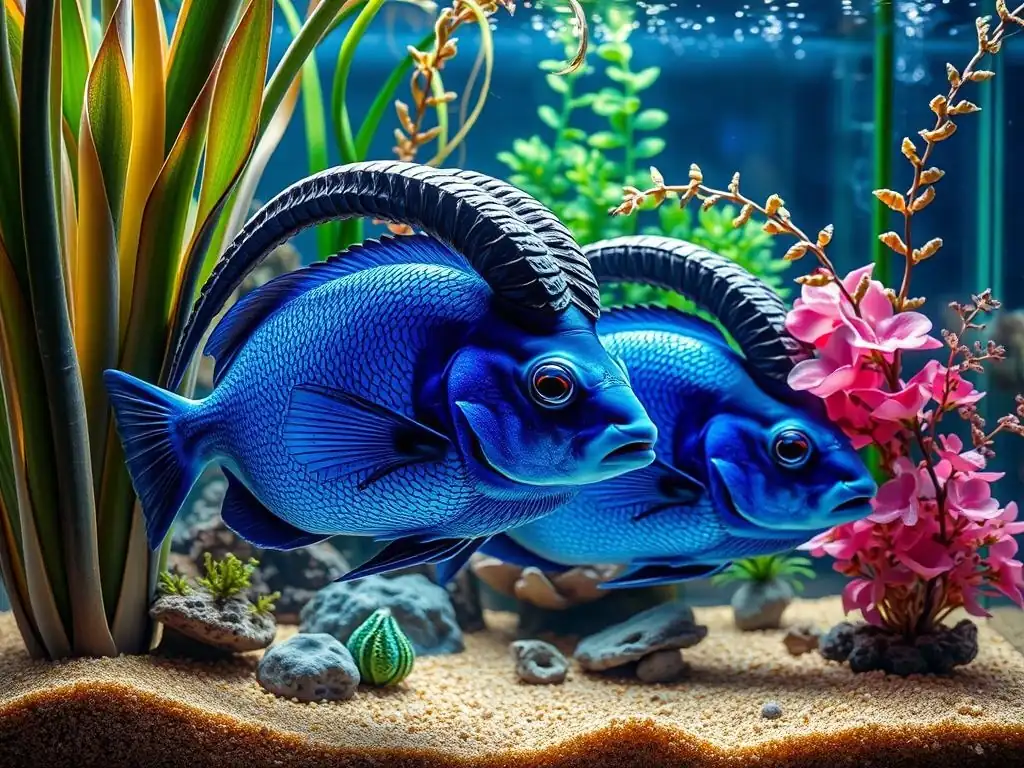
Welcome to Aquarium Mastery!
Ever wondered about the secrets to unlocking the vibrant beauty and delicate health of the Electric Blue Ram? These shimmering gems demand specialized care, and we're here to guide you through every step. Dive in to discover advanced Electric Blue Ram care tips and transform your aquarium into a thriving aquatic paradise. Ready to unravel the mysteries? Let's begin!
- Understanding Electric Blue Rams: A Comprehensive Guide to Their Needs
- Essential Water Parameters for Thriving Electric Blue Rams
- Advanced Feeding Strategies for Electric Blue Rams
- Tank Setup and Decoration for Electric Blue Rams
- Electric Blue Ram Tank Mates: Compatibility and Avoiding Aggression
- Recognizing and Treating Common Electric Blue Ram Diseases
- Breeding Electric Blue Rams: Conditions and Techniques
- Troubleshooting Common Electric Blue Ram Care Challenges
- Expert Tips for Long-Term Electric Blue Ram Health and Happiness
-
Frequently Asked Questions
- How difficult is it to care for Electric Blue Rams compared to other freshwater fish?
- What are the most crucial water parameters to maintain for Electric Blue Rams?
- What type of food is best suited for Electric Blue Rams?
- What are some common diseases that Electric Blue Rams are susceptible to?
- Can Electric Blue Rams be kept with other fish species in a community tank?
- Final Reflection: Embracing the Fragility of Beauty
- Unleash the Beauty: Elevate Your Electric Blue Ram Care!
Understanding Electric Blue Rams: A Comprehensive Guide to Their Needs
What Makes Electric Blue Rams Unique? Identifying Key Characteristics
Electric Blue Rams, a captive-bred variant of Mikrogeophagus ramirezi, are renowned for their striking, iridescent blue coloration that covers almost their entire body, often complemented by splashes of yellow or orange near the head and fins, and distinct red eyes. Unlike their wild counterparts, which exhibit more subdued earthy tones, the Electric Blue Ram's vibrant hue is a result of selective breeding, making them exceptionally appealing to aquarists. These dwarf cichlids typically reach a modest adult size of about 2 to 3 inches (5 to 7.5 cm), making them suitable for smaller to medium-sized community aquariums.
Beyond their mesmerizing appearance, Electric Blue Rams possess a captivating personality, often displaying intricate social behaviors and engaging interactions within the tank. They are generally peaceful but can exhibit territoriality, especially during breeding periods. Their unique combination of stunning aesthetics and intriguing behavior sets them apart from many other freshwater fish, requiring specific Electric Blue Ram care tips to maintain their delicate health and vibrant coloration. Their sensitivity to water parameters and environmental stability necessitates a dedicated approach to their husbandry, distinguishing them as a species that thrives under attentive care.
The Origins and Habitat of Electric Blue Rams: Replicating Their Natural Environment
While Electric Blue Rams are a cultivated strain, their genetic lineage traces back to the wild Mikrogeophagus ramirezi, native to the Orinoco River basin in Venezuela and Colombia. In their natural habitat, these cichlids inhabit slow-moving, warm, and highly acidic waters, often found in tributaries, floodplains, and areas rich with leaf litter, submerged roots, and dense aquatic vegetation. The water in these environments is typically very soft, with a low mineral content, and often stained with tannins from decaying organic matter, which contributes to a slightly darker, blackwater appearance.
Replicating these specific environmental conditions is paramount for successful Electric Blue Ram care tips in a home aquarium. A suitable setup should include a fine, sandy substrate to allow for their natural sifting behavior, along with ample driftwood, caves, and dense plant cover to provide hiding spots and reduce stress.
The presence of leaf litter, such as Indian almond leaves, can help mimic their natural blackwater conditions, releasing beneficial tannins that slightly lower pH and provide anti-bacterial properties. Maintaining a stable, warm temperature and soft, acidic water is crucial, as significant deviations from these parameters can quickly lead to stress and health issues for these sensitive fish.
Essential Water Parameters for Thriving Electric Blue Rams
Maintaining Optimal Water Quality: pH, Temperature, and Hardness for Rams
Maintaining precise and stable water parameters is arguably the most critical aspect of Electric Blue Ram care tips. These dwarf cichlids thrive in warm, soft, and slightly acidic water, closely mimicking their ancestral Amazonian habitat. The ideal temperature range for Electric Blue Rams is between 78°F and 85°F (25.5°C to 29.4°C), with many experienced aquarists suggesting the higher end of this range, around 82°F (27.8°C), for optimal health and breeding activity. Deviations outside this range, especially sudden drops, can severely compromise their immune system and lead to stress-related illnesses.
Regarding pH, Electric Blue Rams prefer acidic to neutral conditions, with an optimal range of 5.0 to 7.0. While they can sometimes tolerate slightly higher pH levels up to 7.5, consistency is key; fluctuating pH levels are far more detrimental than a slightly suboptimal but stable pH. Water hardness (GH) should be kept very soft, ideally between 0-5 dGH (degrees of General Hardness), or 0-90 ppm (parts per million).
High mineral content can stress their delicate systems, making RO/DI water or softened tap water often necessary. Regular testing of these parameters – at least once a week – is essential to ensure a stable environment, which is fundamental for effective Electric Blue Ram care tips and preventing common health issues.
The Importance of Water Changes for Electric Blue Ram Health: Frequency and Volume
Consistent and appropriately sized water changes are foundational to the long-term health and vitality of Electric Blue Rams. These fish are highly sensitive to accumulated nitrates and other dissolved organic compounds, which can rapidly decline water quality and lead to stress, disease, and fading coloration. For a well-established Electric Blue Ram tank, a weekly water change of 20-30% of the tank volume is generally recommended. In heavily stocked tanks or those with larger bioloads, more frequent or larger water changes, such as 25% twice a week, might be necessary to maintain pristine conditions.
When performing water changes, it is crucial to match the temperature and pH of the new water as closely as possible to the existing tank water to prevent shock. Using a reliable water conditioner that neutralizes chlorine and chloramines is non-negotiable. Furthermore, gravel vacuuming the substrate during water changes helps remove uneaten food and waste buildup, further contributing to a cleaner environment. Neglecting regular water changes is one of the most common pitfalls in Electric Blue Ram care tips, often leading to issues like fin rot, bacterial infections, and a general decline in the fish's overall vigor and lifespan.
Avoiding Common Water Chemistry Issues: Ammonia, Nitrite, and Nitrate Control
Controlling nitrogenous waste products – ammonia, nitrite, and nitrate – is paramount for the survival and thriving of Electric Blue Rams, as these compounds are toxic even at low concentrations. Ammonia (NH3/NH4+) and nitrite (NO2-) are highly toxic and should always be at undetectable levels (0 ppm) in a cycled aquarium. Even trace amounts can cause gill damage, stress, and eventually death. Nitrates (NO3-), while less toxic than ammonia and nitrite, can still be detrimental in high concentrations, particularly for sensitive species like Electric Blue Rams. Levels should ideally be kept below 10-20 ppm, though lower is always better.
To effectively manage these parameters, a fully cycled aquarium with a robust biological filter is indispensable. Regular testing with a reliable liquid test kit (not test strips, which can be less accurate) is crucial for monitoring ammonia, nitrite, and nitrate levels. Strategies to maintain low levels include avoiding overfeeding, ensuring proper filtration, performing consistent water changes as discussed previously, and incorporating live plants.
Plants actively absorb nitrates as a nutrient, providing a natural means of nitrate reduction. Vigilant monitoring and proactive management of the nitrogen cycle are essential Electric Blue Ram care tips to prevent silent killers in the aquarium.
Advanced Feeding Strategies for Electric Blue Rams
Providing a Balanced Diet: Live, Frozen, and Flake Food Options
A diverse and balanced diet is fundamental to the vibrant coloration, robust health, and longevity of Electric Blue Rams. While they will accept high-quality flake or pellet foods as a staple, these should be supplemented generously with a variety of live and frozen options to meet all their nutritional needs. Premium flake foods specifically formulated for cichlids or color enhancement can serve as a base, but should not be the sole food source. Look for flakes with high protein content and natural color enhancers like spirulina or astaxanthin.
For optimal health and to bring out their best colors, regular feeding of frozen foods such as bloodworms, brine shrimp, daphnia, and mysis shrimp is highly recommended. These provide essential proteins, fats, and micronutrients often lacking in dry foods. Live foods, like newly hatched brine shrimp, blackworms, or small mosquito larvae, are excellent for conditioning breeding pairs and stimulating natural hunting behaviors. Aim to feed small amounts 2-3 times a day, only what they can consume within 2-3 minutes, to prevent overfeeding and maintain water quality. This varied diet is a cornerstone of effective Electric Blue Ram care tips.
Understanding Electric Blue Ram Feeding Behavior: Avoiding Overfeeding
Electric Blue Rams, like many dwarf cichlids, have relatively small stomachs and a tendency to overeat if food is constantly available. Understanding their feeding behavior is key to preventing overfeeding, which is a common cause of digestive issues, bloating, and most significantly, rapid water quality degradation due to uneaten food decaying in the tank. When feeding, observe how quickly they consume the food. If there's food left on the substrate after a few minutes, you are likely feeding too much.
It's better to feed small quantities multiple times a day than one large meal. For instance, two to three small feedings a day ensure they receive consistent nutrition without overwhelming their digestive system or the tank's biological filter. While they may appear to constantly beg for food, resisting the urge to overfeed is crucial. This disciplined approach to feeding is a vital component of Electric Blue Ram care tips, contributing directly to a cleaner tank environment and healthier fish that are less prone to issues like swim bladder disease or internal parasites.
Supplementing Their Diet: Vitamins and Minerals for Enhanced Color and Health
Beyond the core diet of flakes, frozen, and live foods, supplementing Electric Blue Rams' meals with additional vitamins and minerals can significantly enhance their coloration, boost their immune system, and improve overall vitality. Many high-quality frozen foods are already gut-loaded or enriched, but for dry foods or to give an extra boost, liquid vitamin supplements designed for aquarium fish can be added directly to the food before feeding. For example, a few drops of a vitamin solution can be mixed with frozen food or soaked into flakes for a few minutes prior to feeding.
Specific supplements containing astaxanthin or spirulina are particularly beneficial for intensifying the blue and yellow pigments in their coloration. These natural carotenoids are often found in color-enhancing foods but can also be added as a powder or liquid. Furthermore, trace elements and essential minerals, which might be depleted in very soft water environments, can be replenished through specialized aquarium supplements or by incorporating mineral-rich foods. This attention to micronutrients is an advanced Electric Blue Ram care tip that can make a noticeable difference in the fish's long-term health and the vibrancy of their display.
Tank Setup and Decoration for Electric Blue Rams
Choosing the Right Tank Size: Space Requirements for Single Rams and Pairs
Selecting an appropriate tank size is a critical foundation for successful Electric Blue Ram care tips, providing adequate space for their well-being and reducing stress. While a single Electric Blue Ram can potentially be housed in a 10-gallon (38-liter) tank, this size is generally considered the absolute minimum and leaves little room for error in water parameters or for tank mates.
For optimal health and to allow for natural behaviors, a 20-gallon (75-liter) long tank is highly recommended for a single specimen or a pair. The "long" dimension is preferable over "high" as it provides more swimming space and a larger footprint for territory establishment.
If you plan to keep a breeding pair, or a small group (e.g., one male and two females), a 30-gallon (113-liter) to 40-gallon (150-liter) breeder tank is far more suitable. This larger volume provides ample space for each fish to establish territory, which is crucial during breeding, and helps diffuse potential aggression. Overcrowding is a significant stressor for these delicate fish, leading to stunted growth, increased susceptibility to disease, and behavioral issues. Therefore, investing in a sufficiently sized aquarium is one of the most impactful Electric Blue Ram care tips you can implement.
Substrate and Decoration Ideas: Creating a Natural and Stress-Free Environment
The choice of substrate and decorations plays a pivotal role in creating a natural and stress-free environment for Electric Blue Rams, directly influencing their comfort and security. A fine, soft substrate like sand is highly recommended. Rams are natural sifting fish, meaning they will sift through the substrate with their mouths in search of food particles, a behavior that coarse gravel can damage their delicate mouths and gills. A layer of at least 1-2 inches (2.5-5 cm) of sand allows for this natural foraging behavior.
Decorations should aim to mimic their natural habitat, providing ample hiding spots and visual barriers. Driftwood and smooth rocks are excellent choices, offering natural aesthetics and surfaces for beneficial bacteria to colonize. Ceramic caves, terracotta pots, or even half-coconut shells provide ideal spawning sites and secure retreats.
Dense planting, particularly broad-leafed plants like Anubias, Java Fern, or Cryptocorynes, offers additional cover and helps filter the water. Arranging these elements strategically creates distinct territories, which is vital for reducing aggression, especially if keeping multiple Electric Blue Rams. This thoughtful tank setup is a cornerstone of advanced Electric Blue Ram care tips.
Plant Selection for Electric Blue Ram Tanks: Compatible Species and Benefits
Integrating live plants into an Electric Blue Ram aquarium offers numerous benefits, contributing to water quality, providing natural hiding spots, and enhancing the aesthetic appeal of the tank. Plants actively absorb nitrates and other waste products, helping to maintain pristine water conditions, which is crucial for sensitive species like rams. They also provide shade and security, reducing stress levels for these somewhat shy fish. When selecting plants, consider species that thrive in the warm, soft, and acidic water parameters preferred by Electric Blue Rams.
Excellent choices include various species of Anubias (e.g., Anubias barteri, Anubias nana), which are hardy, low-light plants that can be attached to driftwood or rocks. Java Fern ( Microsorum pteropus) is another robust option that can be similarly anchored. For mid-ground and background planting, Cryptocoryne species (e.g., Cryptocoryne wendtii, Cryptocoryne beckettii) are ideal as they prefer softer water and offer dense foliage.
Floating plants like Frogbit or Dwarf Water Lettuce can provide additional shade and help filter light, mimicking the shaded conditions of their natural habitat. Ensure plants are well-rooted or secured to prevent rams from uprooting them during sifting, further enhancing your Electric Blue Ram care tips.
Electric Blue Ram Tank Mates: Compatibility and Avoiding Aggression
Ideal Tank Companions for Electric Blue Rams: Peaceful and Non-Aggressive Fish
Selecting appropriate tank mates is a crucial aspect of Electric Blue Ram care tips, as their peaceful yet somewhat shy nature necessitates companions that will not stress or intimidate them. The best tank mates are small, peaceful, and non-aggressive fish that prefer similar water parameters. Schooling fish that occupy the mid to upper levels of the water column are often ideal, as they leave the bottom territory for the rams while adding dynamic movement to the tank.
Excellent choices include small schooling tetras such as Neon Tetras, Cardinal Tetras, Rummy-Nose Tetras, or Glowlight Tetras. These species are generally peaceful, stay in tight schools, and their vibrant colors can complement the Electric Blue Rams. Other suitable options include peaceful rasboras like Harlequin Rasboras, small species of Corydoras catfish (e.g., Panda Corydoras, Pygmy Corydoras) for bottom dwelling, and small, peaceful loaches like Kuhli Loaches. Ensuring tank mates are not fin-nippers or overly boisterous is key to a harmonious community, allowing your Electric Blue Rams to thrive without undue stress.
Fish to Avoid: Aggressive or Fin-Nipping Species That Can Stress Rams
Just as important as choosing ideal tank mates is knowing which fish to avoid when practicing Electric Blue Ram care tips. Introducing aggressive, overly boisterous, or fin-nipping species can lead to chronic stress, injuries, and even death for these delicate cichlids. Their relatively small size and somewhat timid nature make them vulnerable to bullying from more dominant fish.
Species to strictly avoid include larger, more aggressive cichlids such as African Cichlids, Oscar fish, or even larger South American cichlids like Firemouths or Convicts, which will undoubtedly outcompete and harass Rams. Fin-nipping species like Tiger Barbs or Serpae Tetras should also be avoided, as they can cause significant damage to the ram's flowing fins, leading to infections. Similarly, very large or fast-moving fish can intimidate Electric Blue Rams, preventing them from feeding properly or leading to chronic stress.
Even some Gourami species, particularly larger or more territorial ones, might not be suitable. Prioritizing peaceful cohabitation is essential for the long-term well-being of your Electric Blue Rams.
Managing Tank Dynamics: Ensuring a Harmonious Community Tank
Even with carefully chosen tank mates, managing the overall tank dynamics is an advanced Electric Blue Ram care tip that ensures a harmonious community. The key lies in providing ample space, sufficient hiding spots, and appropriate territorial boundaries. In a tank with multiple fish, especially if keeping more than one ram or other bottom-dwellers, ensure there are enough caves, driftwood pieces, and plant thickets to allow each fish to establish its own territory and retreat when needed.
Observe the fish regularly for signs of stress or aggression. If a particular tank mate consistently harasses the Electric Blue Rams, even if generally considered peaceful, it might need to be rehomed. Similarly, if you notice one ram constantly chasing another, ensure there are enough visual breaks in the aquascape. Feeding patterns can also influence dynamics; spreading food around the tank can prevent one dominant fish from monopolizing resources. By actively managing these subtle interactions and providing a rich, complex environment, you can significantly reduce stress and foster a thriving community for your Electric Blue Rams.
Recognizing and Treating Common Electric Blue Ram Diseases
Identifying Early Signs of Illness: Behavior Changes and Physical Symptoms
Early detection of illness is paramount in Electric Blue Ram care tips, as these fish are relatively delicate and can succumb rapidly if diseases are left untreated. Vigilant observation of their normal behavior and physical appearance is crucial. Healthy Electric Blue Rams are active, display vibrant coloration, swim gracefully, and show a keen interest in food. Any deviation from these norms should raise a red flag.
Common behavioral changes indicating illness include lethargy, hiding excessively, clamping fins close to the body, rapid or labored breathing (gilling), rubbing against objects (flashing), loss of appetite, or erratic swimming. Physical symptoms to look for include faded coloration, white spots (Ich), fuzzy growths (fungus), red streaks on fins or body, frayed or torn fins (fin rot), bloating, sunken bellies, or cloudy eyes. A quick response to these early signs by isolating the affected fish and identifying the cause can significantly improve the chances of successful treatment and prevent the spread of disease to other tank inhabitants.
Treating Common Ram Diseases: Ich, Fin Rot, and Parasitic Infections
Once an illness is identified, prompt and appropriate treatment is essential for Electric Blue Ram care tips. Ich ( Ichthyophthirius multifiliis), characterized by small white spots resembling salt grains on the body and fins, is one of the most common ailments. It's typically treated by gradually raising the tank temperature to 82-86°F (28-30°C) over 24-48 hours (if tank mates can tolerate it) and using an Ich medication, often combined with daily gravel vacuuming.
Fin rot, caused by bacterial infections, manifests as frayed, deteriorating, or discolored fins. It is often a secondary infection due to poor water quality or stress. Treatment involves improving water quality through frequent water changes and using a broad-spectrum antibacterial medication. Internal parasitic infections, which can cause symptoms like emaciation despite eating, white stringy feces, or bloating, often require specific antiparasitic medications administered through food or as a water treatment. Always follow medication instructions carefully and consider treating in a separate quarantine tank to avoid impacting the main display tank's biological filter or sensitive invertebrates.
Proactive Disease Prevention: Quarantine and Water Quality Management
Proactive disease prevention is the most effective Electric Blue Ram care tip for maintaining a healthy and thriving aquarium. The cornerstone of prevention is maintaining impeccable water quality, as stressed fish with compromised immune systems are far more susceptible to pathogens. This includes regular water changes, proper filtration, avoiding overfeeding, and keeping parameters stable within the optimal range for rams.
Another critical preventative measure is quarantining all new fish for at least 2-4 weeks before introducing them to your main display tank. A separate quarantine tank allows you to observe new fish for signs of illness, treat them if necessary, and ensure they are healthy before they can potentially introduce diseases to your established community. During quarantine, maintain excellent water quality and observe closely. Additionally, avoid sudden changes in temperature or pH, as these can stress fish and trigger outbreaks. Minimizing stress through appropriate tank mates, adequate space, and a well-decorated environment also significantly reduces the likelihood of disease.
Breeding Electric Blue Rams: Conditions and Techniques
Creating the Ideal Breeding Environment: Temperature, pH, and Tank Setup
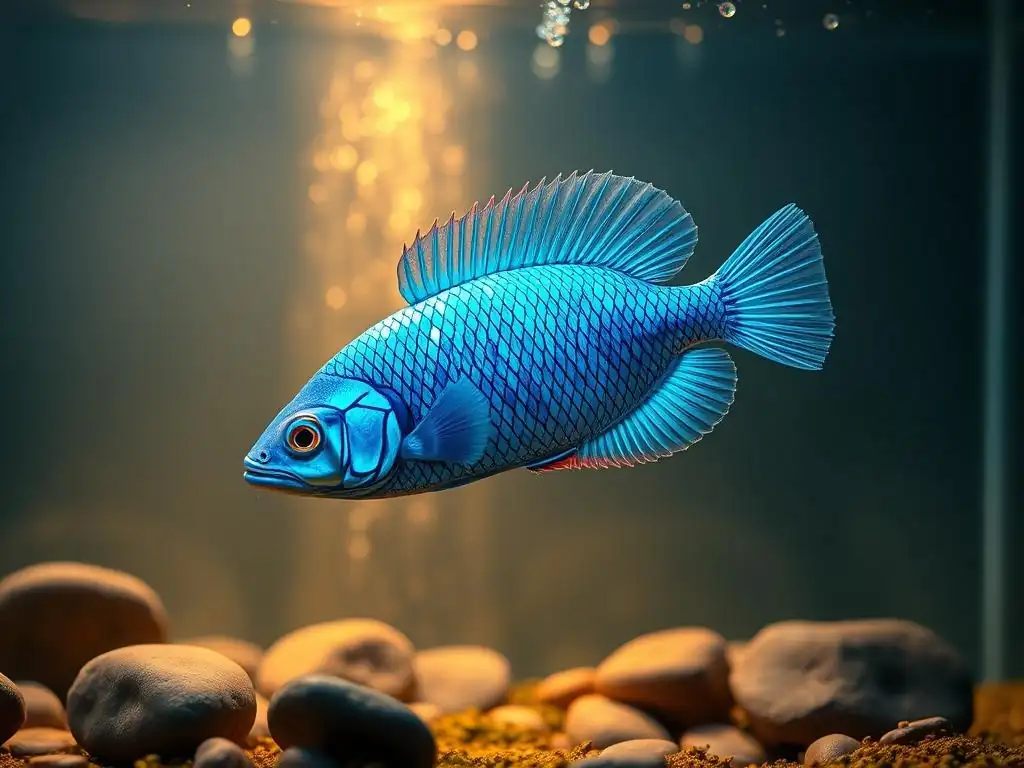
Breeding Electric Blue Rams can be a rewarding experience, but it requires precise environmental conditions and careful Electric Blue Ram care tips. To encourage spawning, the water parameters in the breeding tank should be optimized: temperature should be elevated to the higher end of their preferred range, typically 82-86°F (28-30°C). The pH should be slightly acidic, ideally between 5.5 and 6.5, and the water very soft, with GH between 0-5 dGH. These conditions closely mimic their natural spawning grounds.
The breeding tank itself should be at least 15-20 gallons (57-75 liters) and feature a fine sand substrate. Crucially, provide several potential spawning sites. Flat, smooth surfaces are preferred, such as a flat piece of slate, a smooth rock, a broad plant leaf (like an Anubias), or an overturned ceramic pot or half coconut shell.
The tank should also have plenty of hiding spots and visual barriers created by driftwood and dense plants to allow the pair privacy and reduce stress from external factors. A gentle sponge filter is ideal, as it provides biological filtration without creating strong currents that could disturb eggs or fry.
Identifying Male and Female Electric Blue Rams: Physical Differences
Accurately identifying the sex of Electric Blue Rams is essential for successful breeding and pairing, though it can be subtle, especially in younger fish. As they mature, several key physical differences become more apparent, providing valuable Electric Blue Ram care tips for breeders. Males are generally larger, more robust, and often exhibit more elongated dorsal and anal fins, which may also be more pointed. Their coloration tends to be slightly more intense and vibrant, particularly during breeding season.
Females, on the other hand, are typically smaller and have a rounder, fuller body shape, especially when gravid (carrying eggs). A distinguishing characteristic often cited is the presence of a reddish or pinkish patch on the lower belly of the female, which becomes more pronounced when she is ready to spawn. Additionally, the female's dorsal fin may be shorter and more rounded than the male's. While not foolproof, observing these combined characteristics increases the likelihood of correctly identifying a breeding pair.
Caring for Electric Blue Ram Fry: Feeding and Water Quality
Caring for Electric Blue Ram fry demands meticulous attention to feeding and water quality, as they are extremely delicate in their early stages. Once the eggs hatch (typically 2-3 days after spawning at optimal temperatures), the fry will be free-swimming within another 5-7 days. At this point, they require incredibly small food sources. Newly hatched brine shrimp are the gold standard for fry food, offering essential nutrition in a suitably small size. Feed small amounts multiple times a day (4-6 times), ensuring they have a constant supply without polluting the water.
Maintaining pristine water quality is even more critical for fry than for adults. Daily small water changes (10-20%) using temperature-matched, aged, and de-chlorinated water are often necessary to prevent the buildup of nitrates and other pollutants. A gentle air stone or a small sponge filter is essential for aeration and filtration without creating strong currents that could harm the tiny fry. Remove any uneaten food promptly to prevent decay. This dedicated approach to feeding and water quality is the most challenging but rewarding aspect of Electric Blue Ram care tips when breeding.
Troubleshooting Common Electric Blue Ram Care Challenges
Addressing Fading Coloration: Identifying Causes and Solutions
Fading coloration in Electric Blue Rams is a common concern among aquarists and often serves as an early warning sign of underlying issues. A healthy Electric Blue Ram should display vibrant, iridescent blue hues across its body. When their colors appear dull, washed out, or less intense, it typically indicates stress, poor water quality, inadequate diet, or illness. This is a critical area for Electric Blue Ram care tips.
One of the most frequent causes is poor water quality, particularly high nitrate levels or unstable pH/temperature. Solution: Perform immediate large water changes (50-75%) and then increase the frequency of regular water changes (e.g., 20-30% every 2-3 days). Test water parameters rigorously to ensure they are within optimal ranges (pH 5.0-7.0, temp 78-85°F, GH 0-5 dGH). Another cause is an inadequate diet; if they are only fed dry flakes, they may lack essential nutrients.
Solution: Introduce a varied diet of high-quality frozen foods (bloodworms, brine shrimp, mysis shrimp) and consider vitamin supplements. Lastly, chronic stress from aggressive tank mates or insufficient hiding spots can cause fading. Solution: Re-evaluate tank mates and add more decor/plants to provide security. Addressing these issues promptly usually restores their brilliant coloration.
Dealing with Aggression: Identifying Triggers and Mitigation Strategies
While generally peaceful, Electric Blue Rams can exhibit aggression, particularly between males, during breeding, or when stressed. Identifying the triggers is key to effective Electric Blue Ram care tips for managing aggression. Common triggers include insufficient space, lack of hiding spots, competition for food, or the presence of overly aggressive tank mates. In a community tank, a male ram might become territorial, especially if a female is present or if he perceives a threat to his space.
Mitigation strategies primarily involve optimizing the tank environment. Ensure the tank is adequately sized (at least 20 gallons for a pair, larger for groups) to provide enough territory for each fish. Crucially, introduce plenty of visual barriers and hiding spots using driftwood, rocks, and dense plant clusters. These allow weaker or submissive fish to retreat and break lines of sight, reducing confrontations.
If aggression persists between two males, it might be necessary to separate them into different tanks or rehome one. Overcrowding can also exacerbate aggression, so ensure your tank is not overstocked. Sometimes, simply rearranging the tank decor can disrupt established territories and reduce conflict.
Solving Feeding Problems: Encouraging Picky Eaters
Electric Blue Rams can sometimes become picky eaters, especially when newly introduced to a tank, stressed, or if their diet is monotonous. A loss of appetite is also a common symptom of illness, so rule out health issues first. If a ram refuses food, it can be a concerning challenge for Electric Blue Ram care tips.
To encourage picky eaters, start by offering a variety of high-quality foods. If they are accustomed to only flakes, try tempting them with small amounts of frozen bloodworms or brine shrimp, which are often irresistible to cichlids. Live foods, such as newly hatched brine shrimp or blackworms, can also stimulate their feeding response. Ensure the food is appropriately sized for their mouths.
Stress is a major appetite suppressant; check water parameters for stability and optimal levels, and ensure the tank environment is secure with plenty of hiding spots. If the fish is new, give it a few days to acclimate to its surroundings before worrying excessively about lack of appetite. Sometimes, a slight increase in water temperature (within their optimal range) can also boost their metabolism and appetite. Persistent refusal to eat, especially if accompanied by other symptoms, warrants a closer look at potential illnesses.
Expert Tips for Long-Term Electric Blue Ram Health and Happiness
Regular Observation and Monitoring: Key Indicators of Well-being
Consistent and keen observation is arguably the most fundamental of all Electric Blue Ram care tips for ensuring their long-term health and happiness. Rather than just a casual glance, dedicate a few minutes each day to truly watching your rams. Pay attention to their swimming patterns, breathing rate (gilling), fin posture, coloration intensity, and social interactions. Healthy Electric Blue Rams exhibit vibrant colors, active foraging behavior, and smooth, unlabored breathing.
Any deviation from their normal behavior can be an early indicator of stress or illness. For instance, clamped fins, rapid gilling, hiding more than usual, or faded colors are all red flags. Regularly checking for physical changes like spots, lesions, or bloating is also crucial. This consistent monitoring allows for immediate action if issues arise, often preventing minor problems from escalating into serious health crises. It also helps you understand your individual fish's personality and typical demeanor, making it easier to spot when something is amiss.
Minimizing Stress: Creating a Calm and Stable Environment
Minimizing stress is paramount for the long-term well-being of Electric Blue Rams, as chronic stress severely compromises their immune system and shortens their lifespan. A calm and stable environment is a cornerstone of effective Electric Blue Ram care tips. This involves maintaining consistent water parameters – avoiding sudden fluctuations in temperature, pH, or hardness. Regular, but not overly large or disruptive, water changes are crucial for this stability.
Beyond water chemistry, environmental factors play a huge role. Provide plenty of hiding spots and visual barriers using driftwood, rocks, and dense live plants. This allows rams to retreat when they feel threatened or need a break from tank mates. Ensure lighting is not excessively bright; dimmable lights or floating plants can help diffuse intense illumination.
Choose peaceful tank mates that won't harass or outcompete them. Avoid sudden movements or loud noises near the tank, which can startle them. A stable, secure, and quiet environment significantly reduces stress, allowing Electric Blue Rams to display their natural behaviors and stunning beauty.
The Rewards of Dedicated Electric Blue Ram Care: A Stunning Addition to Your Aquarium
The dedication required for advanced Electric Blue Ram care tips, though demanding, is profoundly rewarding. These exquisite dwarf cichlids, with their unparalleled iridescent blue coloration and engaging personalities, are truly a centerpiece for any freshwater aquarium. When provided with optimal water conditions, a balanced diet, a meticulously designed habitat, and appropriate tank mates, Electric Blue Rams will not only survive but truly thrive, showcasing their most vibrant colors and intricate behaviors.
Witnessing a healthy pair of Electric Blue Rams interact, perhaps even engaging in spawning rituals and caring for their fry, is an immensely satisfying experience that few other aquarium fish can offer. Their intelligence and unique charm make the effort worthwhile, transforming your aquarium into a dynamic and captivating underwater world. The long-term health and happiness of these delicate beauties serve as a testament to the aquarist's commitment and skill, making them a truly stunning and rewarding addition to your aquatic hobby.
Frequently Asked Questions
How difficult is it to care for Electric Blue Rams compared to other freshwater fish?
Electric Blue Rams are considered more challenging than many common freshwater fish. They require very stable water parameters and are sensitive to fluctuations.
What are the most crucial water parameters to maintain for Electric Blue Rams?
Maintaining pristine water quality is key. Aim for a temperature of 80-86°F, a pH of 6.0-7.0, and very low levels of ammonia and nitrites.
What type of food is best suited for Electric Blue Rams?
Electric Blue Rams thrive on a varied diet of small, high-quality foods. Offer them a mix of frozen and live foods, such as bloodworms, daphnia, and brine shrimp.
What are some common diseases that Electric Blue Rams are susceptible to?
They are prone to diseases like Ich (white spot disease) and bacterial infections, often triggered by stress or poor water quality.
Can Electric Blue Rams be kept with other fish species in a community tank?
Yes, but careful selection is crucial. Choose peaceful tank mates that won't outcompete them for food or stress them. Avoid aggressive or fin-nipping fish.
Final Reflection: Embracing the Fragility of Beauty
The intricate details explored throughout this article, from water parameters to feeding schedules, underscore the inherent fragility of the Electric Blue Ram. This fragility, however, is precisely what makes their vibrant beauty so captivating and rewarding to cultivate. Understanding and respecting their delicate nature is not just about keeping them alive; it's about fostering an environment where they can truly thrive, showcasing their full potential.
The commitment required to successfully keep Electric Blue Rams reflects a deeper appreciation for the delicate balance of nature. This journey of learning and adapting to their needs has personally reinforced the importance of patience and observation in all aspects of life. The best and most beautiful things in the world cannot be seen or even touched - they must be felt with the heart.
- Helen Keller. This sentiment resonates deeply when witnessing the subtle shifts in behavior that indicate a Ram's well-being, a connection forged through dedicated care.
Now, consider the lessons learned about the Electric Blue Ram's needs and apply them to your own life. Just as these fish require a carefully curated environment to flourish, so too do we. Take a moment to reflect on the delicate ecosystems within your own life – your relationships, your mental well-being, your passions – and ask yourself: what small adjustments can you make to nurture their growth and allow their inherent beauty to shine?
Unleash the Beauty: Elevate Your Electric Blue Ram Care!
Thank you for diving into the world of Electric Blue Rams with us! We hope you found this guide insightful and are ready to take your care to the next level. Now, it's time to put that knowledge into action!
Here are a few ways to continue your journey:
- Commit to a consistent water change schedule: Dial in your routine and stick to it – your Rams will thank you with vibrant colors and thriving health! This is the most important step you can take.
- Share your success (or challenges!)! Post a picture of your Electric Blue Rams in the Aquarium Mastery community forums and tell us about your experience.
- Try aquascaping with softer substrates. Consider swapping your current substrate with a finer sand that allows your Rams to forage more naturally.
What's one small change you can make today to improve your Electric Blue Ram's environment?