
Moving Your Oscar Safely: StressFree Relocation Tips for Large Fish

Welcome to Aquarium Mastery!
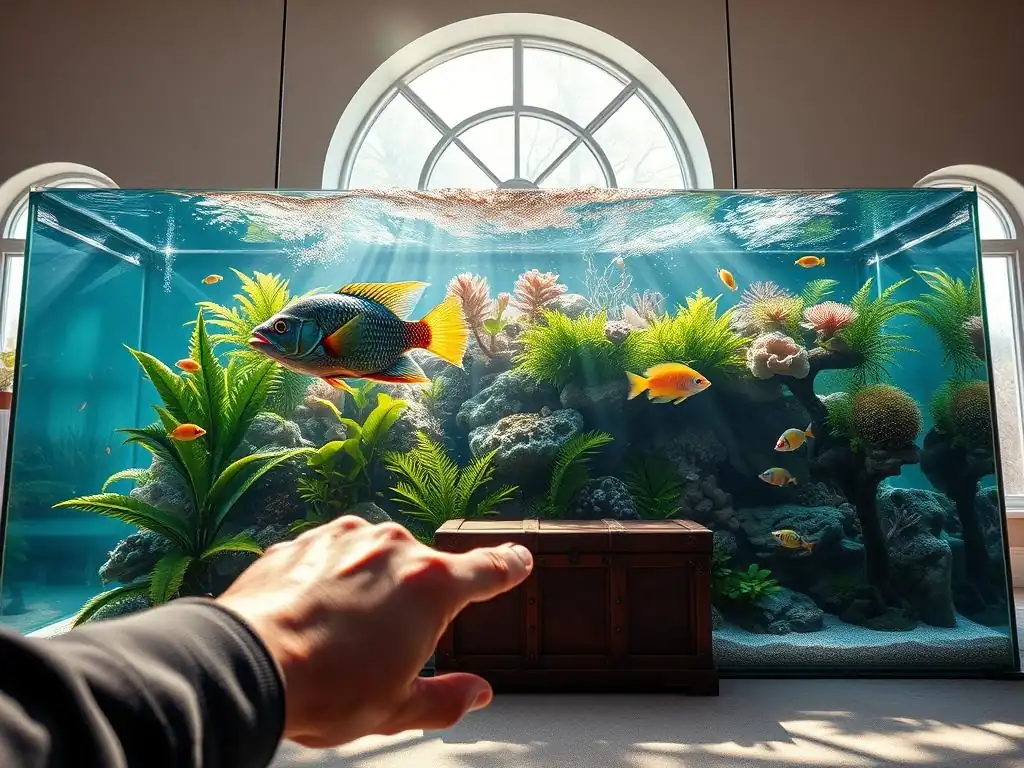
Ever wondered how to move your majestic Oscar without causing unnecessary stress? Moving large fish can be tricky, but with the right approach, it's entirely manageable. Dive into our expert Oscar fish relocation tips and discover the secrets to a safe and seamless transition for your finned friend. Ready to learn more and ensure your Oscar enjoys a stress-free move? Let's get started!
- Preparing for Oscar Fish Relocation: A Comprehensive Guide
- The Oscar Fish Relocation Process: Step-by-Step
- Acclimating Your Oscar to Its New Home
- Minimizing Stress During Oscar Fish Relocation
- Post-Relocation Oscar Fish Care: Ensuring a Smooth Transition
- Common Oscar Relocation Mistakes to Avoid
- Long-Distance Oscar Fish Relocation Considerations
- Oscar Fish Relocation Checklist: A Quick Reference
- Frequently Asked Questions
- Final Reflection: Navigating the Waters of Change
- Dive Deeper: Transform Your Oscar's Move into a Triumph!
Preparing for Oscar Fish Relocation: A Comprehensive Guide
Assessing Your Oscar's Health Before the Move
Before embarking on any Oscar fish relocation, a thorough assessment of your fish's health is paramount. A healthy Oscar typically displays vibrant coloration, intact fins free from tears or rot, clear eyes, and consistent, active swimming patterns. Observe your Oscar for at least a week leading up to the planned move, noting any changes in appetite, behavior, or physical appearance. A stressed or ill fish, exhibiting clamped fins, faded colors, labored breathing, or refusal to eat, is significantly more vulnerable to the additional stress of relocation and may not survive the process.
It is crucial to postpone the move if your Oscar shows any signs of illness, such as white spots indicative of Ich, fungal growths, or fin erosion. Treating these conditions before relocation increases the fish's resilience. For instance, an adult Oscar measuring 10-14 inches is a robust fish, but even a slight health compromise can turn a routine move into a crisis. Ensuring the fish is in peak condition minimizes the risk of opportunistic infections flaring up due to the stress of transport, making proper Oscar fish relocation tips revolve heavily around initial health.
Gathering Essential Oscar Moving Supplies
Having all necessary supplies on hand before you begin the Oscar fish relocation process is critical for a smooth transition. Key items include sturdy, clean, food-grade buckets or coolers (at least 5-gallon capacity for a medium Oscar, larger for an adult), a battery-operated air pump with an air stone, high-quality, thick plastic fish bags (double-bagging is recommended for large, strong fish like Oscars), and strong rubber bands or zip ties for secure sealing.
You will also need a reliable thermometer to monitor water temperature, a dechlorinator/water conditioner to treat new water, and a small, soft net specifically for fish handling.
Additionally, consider bringing some of the existing tank water in separate containers to help maintain stable water parameters in the temporary holding tank or transport bags. Packing materials like newspaper, foam inserts, or old blankets can provide insulation and prevent temperature fluctuations during transit. For a long-distance move, a portable power inverter for the car could power an AC air pump, offering more consistent oxygenation than a battery-operated one, which is an important consideration for effective Oscar fish relocation tips.
Setting Up a Temporary Holding Tank
A temporary holding tank is often necessary for Oscar fish relocation, particularly during the transition between homes or while the main aquarium is being prepared. This tank should be adequately sized to prevent undue stress on your Oscar; for an adult Oscar, a 20-30 gallon tank can suffice for a short-term holding period (up to 24-48 hours).
Equip this tank with a small, established sponge filter or a cycled hang-on-back (HOB) filter to maintain water quality and provide biological filtration. A heater is also essential to maintain a stable water temperature, ideally between 74-80°F (23-27°C), which is within the Oscar's preferred range.
The temporary tank should be kept dimly lit or covered to reduce visual stress, and it should contain minimal decor to prevent injury to the Oscar during its stay. Ensure the water parameters in the holding tank closely match those of the original aquarium, especially pH (typically 6.5-7.5 for Oscars) and hardness. Pre-conditioning the water with a stress coat product can also help protect your Oscar's slime coat, further aiding in a stress-free Oscar fish relocation.
The Oscar Fish Relocation Process: Step-by-Step
Safely Catching Your Oscar for Transport
Catching a large, powerful fish like an Oscar requires patience and the right technique to minimize stress and prevent injury. Use two nets: one larger net to guide the Oscar gently towards the surface or into a corner, and a second, slightly smaller net to scoop it swiftly. Avoid chasing the fish excessively around the tank, as this can cause severe stress and lead to collisions with tank decor or the tank walls. If possible, lower the water level in the main tank slightly before attempting to catch, which reduces the space for the Oscar to evade capture.
Once caught, immediately transfer the Oscar into the prepared transport container or bag with minimal exposure to air. Oscars are known for their strong fins and powerful tail movements, so ensure your grip on the net is firm but gentle. Some aquarists prefer to use a large plastic container or a bucket submerged in the tank to scoop the fish directly, reducing the need for netting altogether. This method significantly lowers the risk of fin damage and scale loss, contributing to a safer Oscar fish relocation.
Proper Packing and Transportation Techniques for Oscars
Proper packing is paramount for safe Oscar fish relocation. For transport, Oscars should be placed in thick, high-quality plastic fish bags, ideally double-bagged for extra security against punctures. The bag should contain roughly one-third water and two-thirds air to maximize oxygen availability. For longer journeys, pure oxygen can be added to the bag by a professional, significantly extending the safe transport time. Place the sealed bags inside an insulated container, such as a Styrofoam cooler, to maintain a stable temperature and provide darkness, which helps reduce stress.
The insulated container should be securely placed in your vehicle to prevent tipping or excessive movement during transit. Avoid placing the container in direct sunlight or near heat vents. For trips exceeding a few hours, consider using heat packs (if temperatures are cold) or cold packs (if temperatures are hot), placed outside the fish bag but within the cooler, to regulate the internal temperature. This meticulous approach to packing is a cornerstone of successful Oscar fish relocation tips.
Maintaining Water Quality During Oscar Fish Transport
Maintaining optimal water quality during Oscar fish transport is critical, as ammonia buildup can become toxic very quickly in a confined space. To mitigate this risk, do not feed your Oscar for 24-48 hours prior to transport. This ensures the fish's digestive system is clear, minimizing waste production during the journey. For longer transports, especially those exceeding 4-6 hours, a battery-operated air pump with an air stone placed in the transport bucket or cooler can provide continuous oxygenation, preventing oxygen depletion which is a common cause of stress and mortality.
Monitor the water temperature regularly, ensuring it remains within the Oscar's ideal range (74-80°F or 23-27°C). Rapid temperature fluctuations can severely stress the fish. If using multiple bags for multiple fish, ensure each Oscar has ample space to move without being cramped, as overcrowding can quickly deplete oxygen and elevate ammonia levels. Adding a small amount of a stress coat product to the transport water can also help protect the fish's slime coat and reduce stress during the Oscar fish relocation process.
Acclimating Your Oscar to Its New Home
Setting Up the Quarantine Tank or New Aquarium
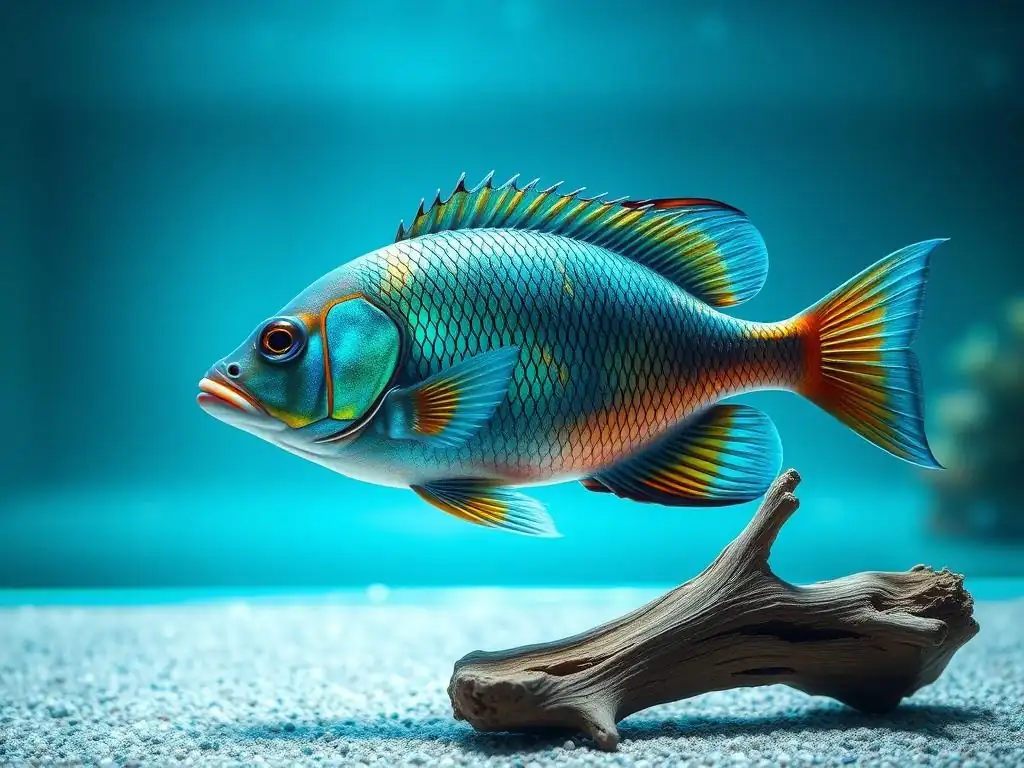
Before your Oscar arrives, its new home – whether a dedicated quarantine tank or the permanent display aquarium – must be fully set up and cycled. A quarantine tank is highly recommended for any new fish, including a relocated Oscar, as it allows for observation and treatment of potential illnesses without risking the health of existing tank inhabitants. This tank should be at least 20-30 gallons for a single adult Oscar and equipped with a heater, a mature filter (ideally from an established tank or seeded with beneficial bacteria), and appropriate lighting.
Ensure the water parameters (temperature, pH, ammonia, nitrite, nitrate) in the new tank match those of the water the Oscar was transported in as closely as possible. For instance, an Oscar accustomed to a pH of 7.0 should be introduced to water with a similar pH. Having the tank fully prepared and stable well in advance of the Oscar's arrival significantly reduces acclimation stress and is a vital component of effective Oscar fish relocation tips.
Gradual Acclimation Techniques for Oscars
Gradual acclimation is essential for large, sensitive fish like Oscars to adjust to new water parameters. The most common and recommended method is drip acclimation. Begin by floating the sealed transport bag in the new tank for 15-30 minutes to equalize water temperature. Then, open the bag, secure it to the side of the tank, and use an air line tubing with a knot or valve to create a slow drip of water from the new tank into the bag. The drip rate should be about 1-2 drops per second.
Allow the volume of water in the bag to slowly double over a period of 45-60 minutes. This gradual mixing helps the Oscar adjust to changes in pH, temperature, and mineral content. Once the water volume has doubled, carefully net the Oscar from the bag and transfer it to the new tank, discarding the old bag water. Never pour the transport water directly into the new aquarium, as it may contain high levels of ammonia or other waste products. This careful acclimation process is one of the most important Oscar fish relocation tips.
Monitoring Your Oscar for Signs of Stress After Relocation
After your Oscar has been introduced to its new environment, continuous monitoring for signs of stress or illness is critical for the first few days to weeks. Common signs of stress include clamped fins, faded coloration, erratic swimming, hiding excessively, or refusing to eat. A healthy Oscar should begin to explore its new surroundings within a few hours and show interest in food within 24-48 hours. However, some Oscars may take several days to fully settle in.
Pay close attention to any changes in the fish's breathing (rapid gill movements), the appearance of its body (spots, lesions, fungus), or its waste. Maintain stable water parameters by performing regular water tests for ammonia, nitrite, and nitrate, as stress can sometimes trigger an ammonia spike. If signs of illness persist or worsen, be prepared to administer appropriate treatments. Early detection and intervention are key to ensuring a successful Oscar fish relocation and long-term health.
Minimizing Stress During Oscar Fish Relocation
Reducing Visual Stress for Oscars During Transport
Oscars are intelligent and observant fish, and constant visual stimulation or bright lights during transport can significantly increase their stress levels. To mitigate this, ensure their transport container or bag is kept in darkness. Placing the sealed fish bag inside an opaque, insulated cooler or wrapping it in a dark blanket can provide the necessary visual isolation. This prevents the Oscar from seeing its surroundings, which can be disorienting and frightening during movement.
Maintaining a dark environment mimics the conditions a fish might seek out when feeling threatened in the wild, providing a sense of security. This simple measure can prevent the Oscar from thrashing or attempting to jump, reducing the risk of injury during transit. Minimizing visual stress is a key, often overlooked, aspect of effective Oscar fish relocation tips.
Maintaining Consistent Water Temperature
Temperature fluctuations are one of the most significant stressors for fish during relocation. Oscars, being tropical fish, require a stable temperature range of 74-80°F (23-27°C). During transport, use an insulated cooler to help maintain this range. For shorter trips (under 2 hours) in moderate climates, the cooler alone might suffice. For longer journeys or in extreme weather conditions, supplemental heating or cooling might be necessary.
In cold weather, chemical heat packs designed for shipping live animals can be placed inside the cooler but outside the fish bag to provide warmth. In hot weather, a frozen water bottle or gel pack (again, outside the fish bag) can help keep temperatures down. Always monitor the temperature inside the cooler with a thermometer to ensure it remains stable and within the safe range for your Oscar. Consistent temperature control is paramount among Oscar fish relocation tips for ensuring survival.
Avoiding Overfeeding Before and After the Move
Overfeeding an Oscar before or immediately after relocation can lead to serious water quality issues and digestive problems, further stressing the fish. As previously mentioned, cease feeding your Oscar for 24-48 hours before transport. This ensures the fish's digestive tract is clear, minimizing ammonia production in the confined transport water. Ammonia, even at low levels, is highly toxic to fish and accumulates rapidly in small volumes of water.
After the Oscar has been introduced to its new tank, wait at least 24 hours before offering any food. When you do reintroduce food, start with a very small amount – perhaps half of their usual portion – and observe if they eat it readily. If they do, you can gradually increase the feeding amount over several days. This cautious approach prevents uneaten food from fouling the water and allows the Oscar's digestive system to readjust without being overloaded, a critical step in post-Oscar fish relocation care.
Post-Relocation Oscar Fish Care: Ensuring a Smooth Transition
Observing Oscar Behavior for Signs of Illness
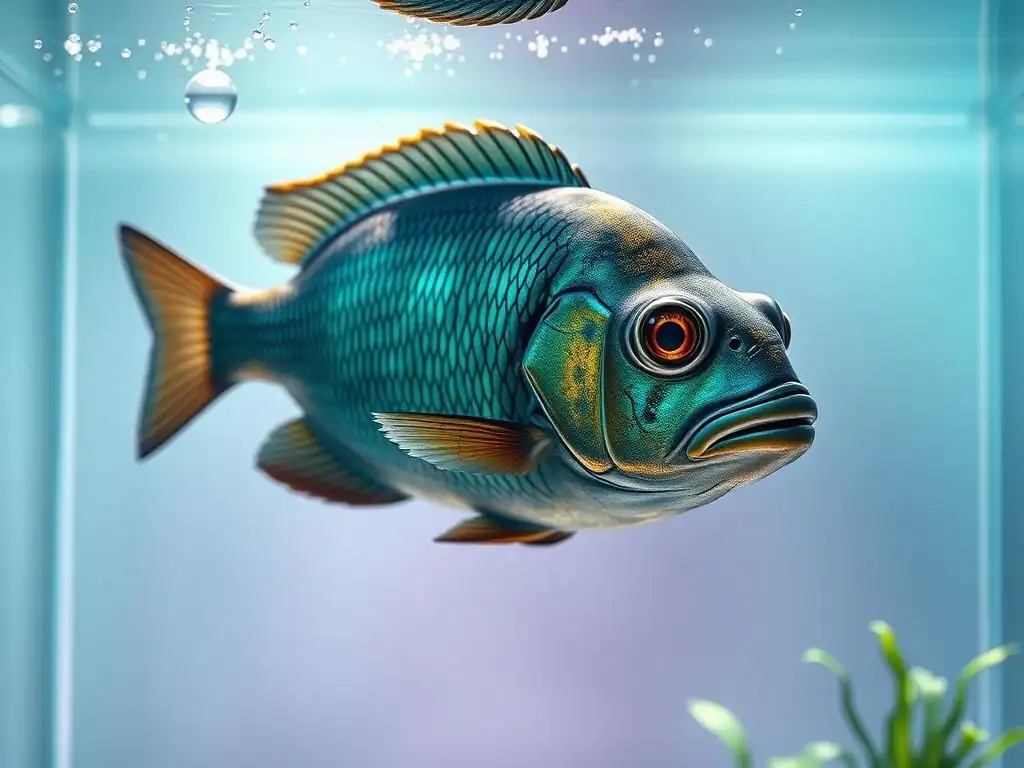
After the Oscar fish relocation, vigilant observation of your fish's behavior is crucial for detecting any signs of illness or ongoing stress. For the first few days, spend time watching your Oscar for clamped fins, rapid breathing (gilling), faded colors, unusual swimming patterns (e.g., darting, rubbing against objects), or reluctance to eat. Healthy Oscars are typically active and curious; a sudden change in these behaviors warrants immediate attention.
Also, examine the fish's body for any visible spots (like Ich), white cottony growths (fungus), or sores. Stress compromises a fish's immune system, making it more susceptible to opportunistic pathogens that might already be present in the water or carried by the fish itself. Early detection of these symptoms allows for prompt treatment, significantly increasing the chances of full recovery and ensuring the success of your Oscar fish relocation efforts.
Water Parameter Monitoring After Relocation
Consistent water parameter monitoring is non-negotiable after Oscar fish relocation. Even with careful acclimation, the new environment can present subtle differences that impact your Oscar's health. Test the water daily for the first week, then every other day for the next two weeks, focusing on ammonia, nitrite, nitrate, and pH. Ammonia and nitrite should remain at 0 ppm. Any detectable levels indicate a problem with the biological filter or overfeeding.
The pH should remain stable and within the Oscar's preferred range (typically 6.5-7.5). Sudden pH swings can be very detrimental. Be prepared to perform small, frequent water changes (e.g., 10-20% daily or every other day) if ammonia or nitrite levels rise, or if nitrates become elevated (above 20 ppm). Using a high-quality liquid test kit will provide more accurate results than test strips. Maintaining pristine water quality is fundamental to helping your Oscar recover from the stress of relocation.
Gradual Reintroduction to Tank Mates (If Applicable)
If your Oscar is being reintroduced to a community tank with existing tank mates, this process must be handled with extreme care and patience. Never immediately place a relocated Oscar back into a tank with other fish. The stress of the move can make the Oscar more aggressive or, conversely, more vulnerable to aggression from established tank mates. A quarantine period of 2-4 weeks is highly recommended, not just for health observation but also to allow the Oscar to fully de-stress and re-acclimate before social interactions.
When reintroducing, consider rearranging the tank decor slightly to disrupt established territories. Introduce the Oscar at a time when other fish are not actively feeding or highly territorial. Monitor interactions closely for the first few hours and days. If excessive aggression occurs from either side, be prepared to separate the fish again. This gradual approach minimizes conflict and stress, making the Oscar fish relocation a smoother experience for all inhabitants.
Common Oscar Relocation Mistakes to Avoid
Rushing the Acclimation Process
One of the most common and detrimental mistakes during Oscar fish relocation is rushing the acclimation process. Impatience can lead to rapid changes in water parameters, causing severe shock to the fish's system. Oscars are highly sensitive to sudden shifts in temperature, pH, and water chemistry. Dumping a fish directly from its transport bag into a new tank without proper acclimation can result in osmotic shock, leading to organ damage, compromised immune function, and often, death.
A proper drip acclimation, as detailed earlier, takes at least 45-60 minutes, sometimes longer for very sensitive fish or significant parameter differences. Skipping this step or performing it too quickly negates all the careful preparation taken during transport. Remember, patience is a virtue in fishkeeping, especially when dealing with the stress of Oscar fish relocation.
Neglecting Water Quality During Transport
Another critical error is neglecting water quality during the actual transport phase. Many aquarists focus solely on temperature but overlook the rapid buildup of ammonia in a confined, uncirculated environment. A large fish like an Oscar produces a significant amount of waste, and without adequate oxygen and filtration, ammonia levels can spike to lethal concentrations within a few hours.
Failing to fast the Oscar before the move, or not providing sufficient oxygenation (e.g., a battery-operated air pump for longer journeys), directly contributes to poor water quality. This results in the Oscar arriving at its destination already poisoned and severely stressed, making successful acclimation nearly impossible. Proper planning for water quality during transit is a non-negotiable aspect of successful Oscar fish relocation tips.
Overcrowding the Temporary Holding Tank
Overcrowding a temporary holding tank, even for a short period, is a common mistake that can lead to significant stress and health issues for your Oscar. Placing a large Oscar in a tank that is too small (e.g., less than 20 gallons for an adult) or housing multiple Oscars or other fish together in an undersized holding tank creates immediate problems. Overcrowding leads to rapid deterioration of water quality due to increased waste production and depletion of oxygen.
Cramped conditions also increase stress and aggression among fish, potentially leading to injuries. For example, housing a 12-inch Oscar in a 10-gallon tank for even a few hours can cause severe stress due to lack of swimming space and rapid ammonia buildup. Always ensure the temporary setup provides ample space for the Oscar to move freely and maintain stable water parameters, reinforcing the importance of proper space in Oscar fish relocation.
Long-Distance Oscar Fish Relocation Considerations
Specialized Packing and Shipping Options
For long-distance Oscar fish relocation, especially across states or internationally, specialized packing and shipping options become essential. Standard methods might not suffice for journeys exceeding 24 hours. Professional live fish shippers often use custom-designed, insulated boxes with multiple layers of Styrofoam, specialized heating or cooling packs, and industrial-grade oxygenated bags. These bags are typically filled with pure oxygen, which significantly prolongs the safe transport time compared to ambient air.
Some services also offer temperature-controlled vehicles or air freight options with climate-controlled cargo holds. While more expensive, these services drastically increase the survival rate for large, valuable fish like Oscars on extended journeys. Researching and selecting a reputable live animal transport service is a critical consideration when planning long-distance Oscar fish relocation.
Temperature Control During Extended Transport
Maintaining precise temperature control is paramount for extended Oscar fish relocation. Fluctuations of even a few degrees over a prolonged period can be detrimental. Professional shippers often employ phase-change materials or chemical heat/cold packs that release or absorb heat slowly over many hours. These are strategically placed within the insulated shipping container, separate from the fish bags, to ensure a stable internal temperature.
For journeys lasting more than 24-48 hours, some advanced setups might even include small, battery-powered temperature loggers inside the box to record the temperature profile throughout the journey, providing valuable data on the transport conditions. This level of meticulous temperature management is a hallmark of successful long-distance Oscar fish relocation tips.
Addressing Potential Issues: Power Outages and Temperature Spikes
Long-distance Oscar fish relocation introduces a higher risk of unforeseen issues like power outages or unexpected temperature spikes during transit, especially if relying on personal transport or less specialized services. To mitigate these, always have backup plans. If using a battery-operated air pump, ensure you have extra sets of fresh batteries. For car travel, a portable power inverter can power a more robust AC air pump if needed.
Consider the route and potential delays; avoid peak traffic times or routes known for construction. Pack an emergency kit with basic water testing supplies, a small bottle of dechlorinator, and a hand towel. In case of an unexpected overnight stop, identify pet-friendly accommodations that might allow a temporary setup for the Oscar. Proactive planning for these contingencies is vital for the safety of your Oscar during long-distance Oscar fish relocation.
Oscar Fish Relocation Checklist: A Quick Reference
Pre-Move Preparations Checklist
- [ ] Assess Oscar's health: Ensure no signs of illness or stress.
- [ ] Fast Oscar for 24-48 hours before move.
- [ ] Gather all essential supplies:
- [ ] Sturdy buckets/coolers (5+ gallon)
- [ ] Thick fish bags (double-bagged)
- [ ] Battery-operated air pump & air stone
- [ ] Thermometer
- [ ] Dechlorinator/water conditioner
- [ ] Soft fish net
- [ ] Insulation materials (newspaper, blankets)
- [ ] Optional: stress coat, pure oxygen for bags
- [ ] Set up temporary holding tank (20-30 gal for adult Oscar):
- [ ] Heater (74-80°F)
- [ ] Established filter (sponge or HOB)
- [ ] Minimal decor
- [ ] Water parameters matched to original tank
- [ ] Prepare new main aquarium/quarantine tank:
- [ ] Fully cycled and stable
- [ ] Heater, filter, lighting
- [ ] Water parameters matched to transport water/Oscar's needs
Relocation Day Checklist
- [ ] Gently lower water level in main tank (optional).
- [ ] Safely catch Oscar using two nets or a submerged container.
- [ ] Immediately transfer Oscar to prepared transport bag/container (1/3 water, 2/3 air/oxygen).
- [ ] Securely seal bags with rubber bands/zip ties.
- [ ] Place bags in insulated cooler/container, ensure darkness.
- [ ] Monitor temperature inside cooler throughout transport.
- [ ] For long trips, use battery air pump in transport water.
- [ ] Secure cooler in vehicle to prevent movement.
- [ ] Drive carefully, avoiding sudden stops/starts.
Post-Relocation Care Checklist
- [ ] Float transport bag in new tank for 15-30 minutes to equalize temperature.
- [ ] Perform drip acclimation for 45-60 minutes (or longer) with new tank water.
- [ ] Gently net Oscar into new tank, discard old water.
- [ ] Keep lights dim for first few hours/day.
- [ ] Observe Oscar closely for signs of stress or illness (clamped fins, faded color, erratic swimming).
- [ ] Test water parameters daily for first week (ammonia, nitrite, nitrate, pH).
- [ ] Perform small, frequent water changes if parameters are off.
- [ ] Wait at least 24 hours before offering food; start with small portions.
- [ ] If applicable, quarantine Oscar for 2-4 weeks before introducing to tank mates.
- [ ] Gradually reintroduce to tank mates, monitoring for aggression.
Frequently Asked Questions
How should I prepare my Oscar fish for a move?
Begin by gradually reducing feeding a day or two before the move. This helps minimize waste production during transport. Also, ensure you have a suitable container for your Oscar, such as a large bucket or cooler with a lid.
What is the best way to transport an Oscar fish?
Use a sturdy, appropriately sized container filled with aquarium water. Add an air stone or battery-operated air pump to maintain oxygen levels. Keep the container in a dark, temperature-controlled environment to reduce stress.
How long can an Oscar fish survive in a transport container?
While it depends on the size and conditions, Oscars can typically survive for up to 24-48 hours in a well-prepared container. However, strive to minimize the transit time as much as possible to reduce stress.
What steps should I take when introducing my Oscar to its new aquarium?
Acclimatize your Oscar slowly by floating the transport container in the new aquarium for 15-30 minutes to equalize temperature. Then, gradually add small amounts of the new aquarium water to the container before releasing the fish.
What are some common signs of stress in an Oscar after relocation?
Signs of stress include loss of appetite, lethargy, clamped fins, and erratic swimming. Monitor your Oscar closely and ensure the water parameters in the new aquarium are optimal. Promptly address any signs of illness that may arise.
The journey of relocating an Oscar fish, as we've explored, is far more than simply moving an aquarium; it's about ensuring the well-being and continuity of life for a creature that depends entirely on our care. In a world increasingly focused on efficiency and speed, taking the time to understand and prioritize the needs of a large, sensitive fish like an Oscar serves as a powerful reminder of our responsibility to all living beings, regardless of size or perceived importance.
This seemingly niche topic of Oscar fish relocation resonates deeply because it mirrors the broader challenges of adapting to change and ensuring stability in unfamiliar environments. The dedication required to safely move an Oscar highlights the importance of empathy and meticulous planning, qualities essential not only in pet ownership but also in navigating the complexities of our own lives. The best preparation for tomorrow is doing your best today.
- H. Jackson Brown, Jr. This quote encapsulates the proactive approach needed for a successful relocation, whether it's for a fish or for ourselves.
As you consider the tips and insights shared in this article, I encourage you to reflect on the lessons learned and apply them beyond the confines of aquarium care. How can you approach challenges with greater empathy and foresight? How can you create a more stable and supportive environment for those around you, be they human, animal, or even plant? Embrace the opportunity to be a responsible steward, not just for your Oscar, but for the world around you.
Dive Deeper: Transform Your Oscar's Move into a Triumph!
Thanks for exploring our guide to relocating your Oscar! We hope you’ve gained the confidence to make the process smooth and stress-free for both you and your beloved fish. Now, let's turn knowledge into action!
- Plan Your Oscar's Relocation Using Our Comprehensive Checklist! It's the single most important step.
- Share your Oscar moving success stories (or challenges!) in the comments below. Let’s build a community of experienced fish keepers.
- Explore Aquarium Mastery’s other articles to enhance your overall aquarium knowledge and keep your fish thriving.
What's the first item on your Oscar's relocation checklist, and what specific challenge are you anticipating?