
From Store to Showstopper: Acclimating Euphyllia Corals Like a Pro

Welcome to Aquarium Mastery!
Ever wondered how to transform a newly purchased Euphyllia coral into a vibrant centerpiece in your reef tank? You're in the right place! Our Euphyllia coral acclimation guide unveils the secrets to a smooth transition, minimizing stress and maximizing the chances of your beautiful coral thriving. Dive in to discover expert techniques and essential tips that will have you acclimating Euphyllia like a seasoned pro. What are you waiting for? Let's unlock the secrets to a thriving reef!
- Understanding Euphyllia Corals and the Importance of Acclimation
-
Frequently Asked Questions
- How critical is acclimation for Euphyllia corals?
- What are the key water parameters to check before acclimating Euphyllia?
- What is the "drip acclimation" method, and why is it recommended?
- How long should the acclimation process typically take?
- What should I look for to determine if my Euphyllia coral is struggling after acclimation?
- Final Reflection: Embracing the Art of Patience
- Ignite Your Reef Tank: Unleash the True Beauty of Your Euphyllia!
Understanding Euphyllia Corals and the Importance of Acclimation
Why Proper Acclimation is Crucial for Euphyllia Health
Proper acclimation is the cornerstone of success when introducing any new coral, especially sensitive large polyp stony (LPS) corals like Euphyllia, into an established reef aquarium. The journey from a coral farm or distributor to a retail store, and then to your home aquarium, subjects these delicate invertebrates to immense physiological stress.
They endure significant changes in water parameters, temperature fluctuations, and prolonged periods without proper lighting or water flow. Without a meticulous Euphyllia coral acclimation guide, the sudden shock of a new environment can lead to severe tissue recession, susceptibility to disease, and even complete coral death within days or weeks.
The impact of improper acclimation can be substantial, with anecdotal reports from hobbyists suggesting that up to 30-50% of new coral acquisitions can experience significant stress or loss if not handled correctly. This initial stress compromises the coral's immune system, making it vulnerable to opportunistic infections and pests already present in your system.
A well-executed acclimation process, therefore, is not merely a recommendation but a critical step that allows the coral's internal systems to gradually adjust to its new home, ensuring its long-term health and vibrant appearance. Following a detailed Euphyllia coral acclimation guide minimizes this shock, paving the way for your new addition to thrive.
Common Euphyllia Species: Torch, Hammer, and Frogspawn Corals
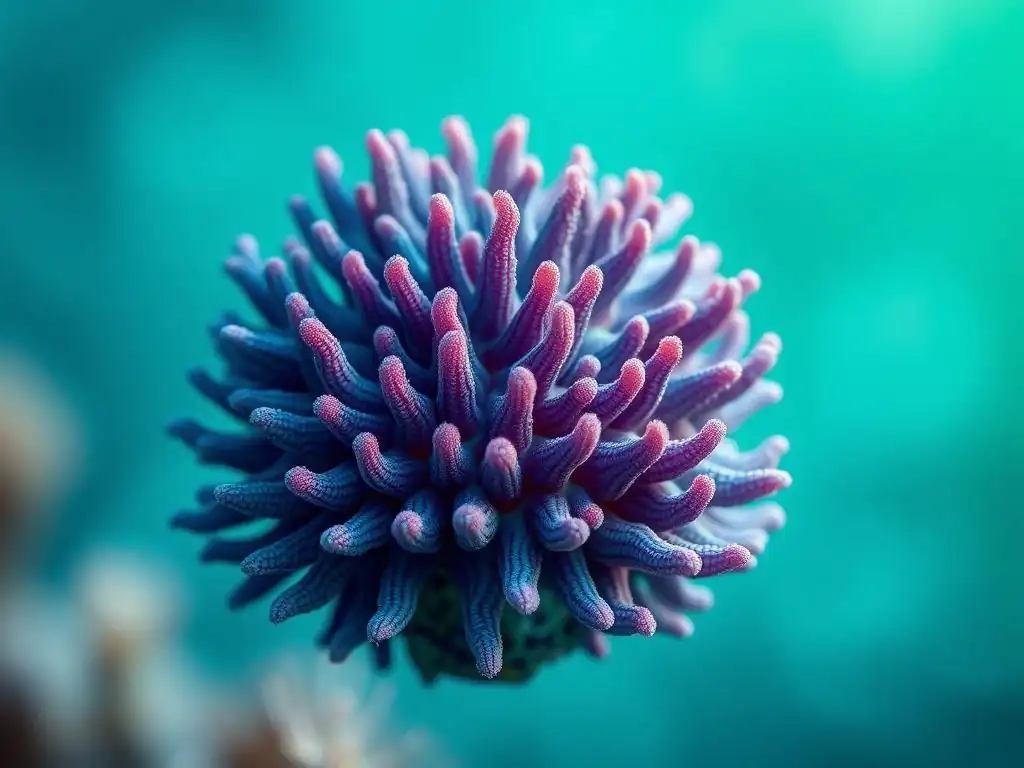
Euphyllia corals are a diverse and highly sought-after genus within the LPS family, celebrated for their captivating movement and striking coloration. Three of the most common and popular species encountered in the hobby are the Torch (Euphyllia glabrescens), Hammer (Euphyllia ancora), and Frogspawn (Euphyllia divisa) corals. Each possesses distinct tentacle structures, contributing unique visual appeal to a reef tank.
Torch corals are characterized by their long, flowing tentacles, often with bright, contrasting tips that resemble a burning torch. Hammer corals typically feature blunt, hammer-shaped tentacles, which can be either branched or wall-forming. Frogspawn corals, on the other hand, have tentacles that terminate in a bubbly, grape-like appearance, reminiscent of amphibian eggs.
While their appearances differ, all Euphyllia species share similar care requirements regarding moderate lighting and water flow, and crucially, all benefit immensely from a proper Euphyllia coral acclimation guide to ensure a smooth transition into your aquarium. Their inherent beauty and relatively straightforward care make them excellent choices for many aquarists, provided their initial introduction is handled with care.
Stress Factors Affecting Euphyllia Corals During Transportation
The journey from their point of origin to your tank is fraught with multiple stress factors that can severely impact Euphyllia corals. Understanding these stressors is paramount for designing an effective Euphyllia coral acclimation guide. One of the primary concerns is temperature fluctuation; corals are often shipped in insulated boxes, but external ambient temperatures can cause significant drops or spikes in the shipping water, potentially varying by 5-10°F or more over a 24-hour period. Such rapid temperature changes can induce thermal shock, leading to immediate tissue damage.
Another major stressor is the accumulation of metabolic waste products, particularly ammonia, within the confined shipping bag. As the coral respires and excretes waste, ammonia levels can rise rapidly, becoming toxic within hours. Coupled with this, the lack of water flow and light during transit means the coral cannot properly photosynthesize or clear its surface of detritus, further exacerbating stress.
Physical agitation from bumps and jostling can also cause direct tissue damage, while significant shifts in salinity between the shipping water and the destination tank can lead to osmotic shock. Addressing these cumulative stressors through a methodical Euphyllia coral acclimation guide is essential to mitigate adverse effects and promote the coral's recovery and long-term health.
Frequently Asked Questions
How critical is acclimation for Euphyllia corals?
Acclimation is absolutely critical for Euphyllia corals. Failure to properly acclimate them can lead to stress, bleaching, and even death. It allows them to adjust to your tank's specific water parameters.
What are the key water parameters to check before acclimating Euphyllia?
Before acclimating, ensure your tank's salinity, temperature, pH, alkalinity, calcium, and magnesium levels are stable and within the recommended range for Euphyllia. These parameters need to match, or be close to, the water parameters of the store where you purchased the coral.
What is the "drip acclimation" method, and why is it recommended?
Drip acclimation involves slowly introducing your tank water to the bag containing the Euphyllia coral. This gradual process minimizes shock by slowly adjusting the coral to your tank's specific water chemistry.
How long should the acclimation process typically take?
The entire acclimation process, including temperature equalization and drip acclimation, should typically take between 1 to 3 hours. Patience is key to minimizing stress on the coral.
What should I look for to determine if my Euphyllia coral is struggling after acclimation?
Watch for signs of stress like excessive slime production, retracted polyps, or bleaching. If these symptoms appear, immediately test your water parameters and consider moving the coral to a less intense light area.
Final Reflection: Embracing the Art of Patience
The journey from a sterile shipping container to a vibrant reef aquarium is a perilous one for Euphyllia corals, and mastering the art of acclimation, as we've explored, is absolutely crucial for their survival and long-term health. Understanding the delicate balance these creatures require, and implementing the techniques outlined, is not just about keeping corals alive; it's about fostering a thriving ecosystem within our own homes and contributing to the preservation of these magnificent animals.
The impact of successful acclimation extends far beyond the individual coral. It represents a commitment to responsible reef keeping and a deeper appreciation for the intricate beauty of the natural world. It's a reminder that even seemingly small actions, like carefully adjusting light and water parameters, can have profound consequences. In the end, we will conserve only what we love; we will love only what we understand; and we will understand only what we are taught.
- Baba Dioum. This quote perfectly encapsulates the responsibility we bear as aquarists to learn, understand, and ultimately, protect these fragile ecosystems.
Now, armed with this knowledge, I invite you to reflect on your own approach to reef keeping. Consider how you can further refine your acclimation techniques, share your experiences with others, and contribute to a community dedicated to the ethical and sustainable enjoyment of these underwater wonders. Let's all strive to be more than just hobbyists; let's be stewards of the reef, ensuring that future generations can marvel at the beauty of Euphyllia corals in their own tanks and, more importantly, in the wild.
Ignite Your Reef Tank: Unleash the True Beauty of Your Euphyllia!
Thanks for diving into the world of Euphyllia corals with us! We hope you’re now feeling confident and ready to give these stunning corals a thriving home in your aquarium. Now, let’s translate that knowledge into action!
- Master the Acclimation Process: Carefully follow the temperature and drip acclimation steps outlined to give your Euphyllia the best possible start in its new environment.
- Explore the Depths of Reefkeeping: Research compatible tank mates and consider expanding your coral collection with other LPS corals known for their peaceful coexistence.
- Share Your Success: Post a picture of your newly acclimated Euphyllia on social media using #AquariumMastery and inspire others to join the reefkeeping community!
What unique spot in your reef tank are you envisioning for your new Euphyllia to truly shine?