
Zoanthid vs. Mushroom Coral: Which Softie Reigns Supreme?

Welcome to Aquarium Mastery!
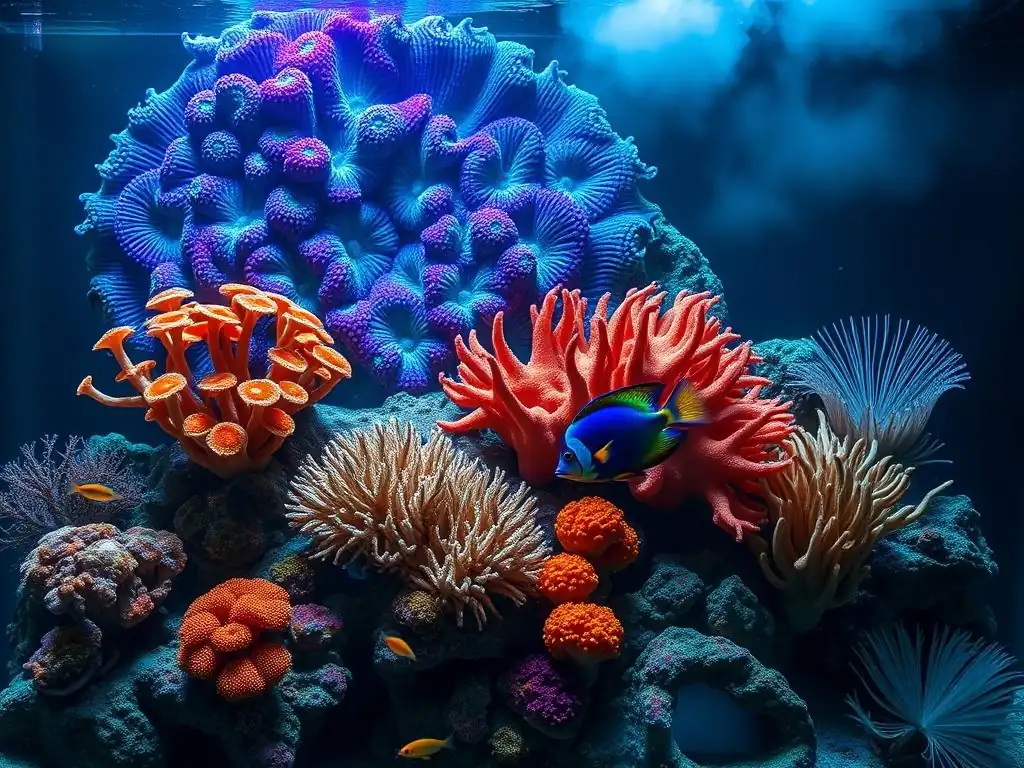
Ever wondered which soft coral truly thrives in a reef tank and brings the most vibrant life to your underwater world? Dive into our comprehensive comparison of Zoanthids and Mushroom Corals. We'll explore their unique needs, dazzling colors, and which one might just be the perfect addition to your vibrant reef. Ready to unlock the secrets of these captivating softies? Let's explore!
- Introduction: Choosing the Right Soft Coral for Your Aquarium
- Zoanthids: A Detailed Profile for Aquarium Keepers
- Mushroom Corals: An In-Depth Guide for Reef Enthusiasts
- Zoanthid vs. Mushroom Coral: A Side-by-Side Comparison
- Which Soft Coral Thrives? : Determining the Best Choice for Your Aquarium
- Conclusion: Making an Informed Decision about Soft Corals
-
Frequently Asked Questions
- Which soft coral thrives best in a beginner's aquarium, Zoanthids or Mushroom Corals?
- What are the key differences in lighting requirements between Zoanthids and Mushroom Corals?
- How do the flow requirements of Zoanthids and Mushroom Corals compare?
- What common aquarium pests or issues specifically affect Zoanthids and Mushroom Corals?
- What is the primary food source for Zoanthids and Mushroom Corals in a reef aquarium?
- Final Reflection: The Enduring Allure of Soft Corals
- Unleash the Reef: Choose Your Coral Champion!
Introduction: Choosing the Right Soft Coral for Your Aquarium
Understanding the Popularity of Soft Corals in Reef Tanks
Soft corals hold a significant place in the reef aquarium hobby, often serving as the gateway for new aquarists into the fascinating world of marine invertebrates. Unlike their stony counterparts, LPS (Large Polyp Stony) and SPS (Small Polyp Stony) corals, soft corals are generally more forgiving regarding water parameters and lighting, making them an excellent choice for establishing a vibrant, thriving reef ecosystem. Their diverse forms, from swaying leathers to pulsating polyps, add dynamic movement and rich color to any tank, contributing significantly to visual appeal and biological diversity.
The resilience and relatively low maintenance requirements of soft corals mean they can flourish in a wider range of conditions, offering a higher success rate for beginners. They typically don't require the precise calcium and alkalinity dosing that stony corals demand for skeletal growth, simplifying the care routine. This ease of care, combined with their often rapid growth and ability to propagate, makes them a popular and accessible option for aquarists looking to cultivate a lush, natural-looking reef without extensive advanced equipment or daily chemical adjustments.
Why Compare Zoanthids and Mushroom Corals?
Zoanthids and Mushroom Corals (often referred to simply as "Mushrooms") are two of the most ubiquitous and beloved soft coral groups in the reef keeping hobby. Both are celebrated for their vibrant coloration, unique textures, and relative hardiness, making them prime candidates for beginners and seasoned aquarists alike. However, despite their shared popularity and classification as soft corals, they possess distinct characteristics, care requirements, and growth habits that warrant a detailed comparison.
Understanding the nuances between Zoanthids and Mushrooms is crucial for aquarists aiming to determine which soft coral thrives best in their specific tank environment. This comparison will delve into their identification, care needs, propagation methods, and potential challenges, providing a comprehensive guide to help you make an informed decision and ensure the long-term success of your reef aquarium.
Zoanthids: A Detailed Profile for Aquarium Keepers
Zoanthid Identification: Recognizing These Colorful Corals
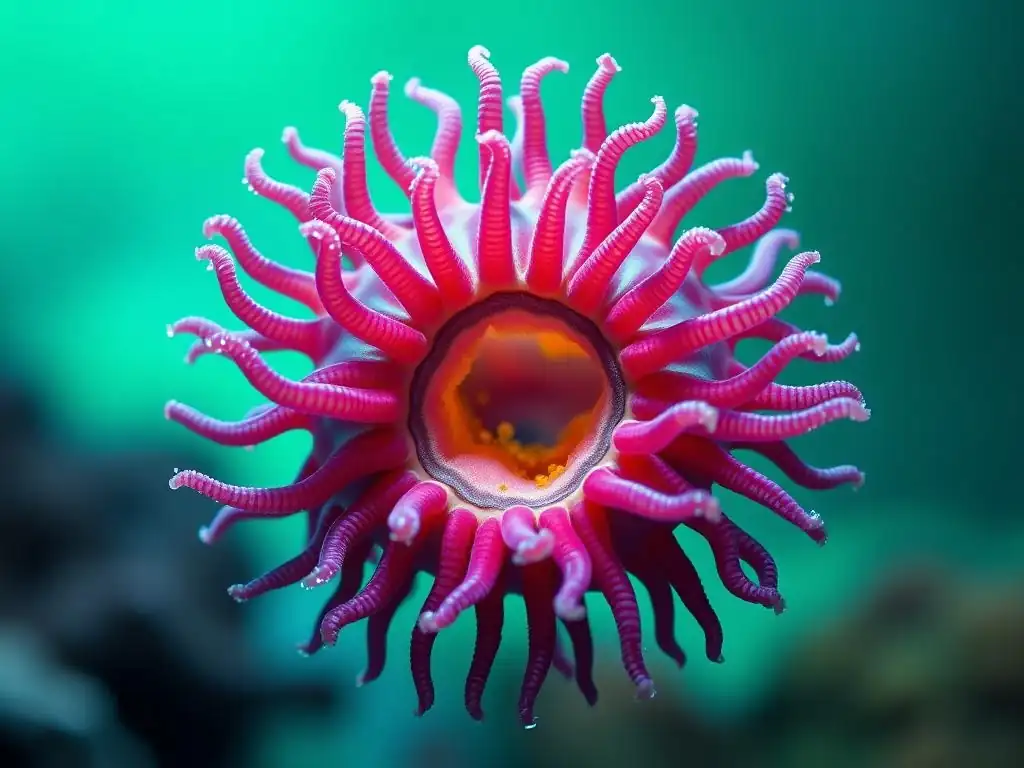
Zoanthids, commonly known as Zoas, are a diverse group of colonial polyps renowned for their extraordinary range of colors and patterns. Each individual polyp typically measures between 0.5 to 2 centimeters in diameter when fully open, resembling a small, daisy-like flower with a central mouth surrounded by a ring of tentacles. These polyps grow in interconnected mats or colonies, often encrusting over rockwork and creating dense, vibrant carpets that can transform the aesthetic of a reef tank.
Identifying specific Zoanthid morphs can be challenging due to the sheer number of variations, but their colonial growth habit and distinct polyp structure are key characteristics. Popular morphs like 'Rastas' with their green skirts and orange centers, or 'Utter Chaos' with striking orange and green combinations, exemplify the incredible diversity. Their ability to form large, cohesive colonies is a defining feature, distinguishing them from solitary polyps or larger, disc-shaped corals.
Zoanthid Care: Essential Requirements for Healthy Growth
Zoanthids are generally considered hardy and adaptable, making them a popular choice for many reef aquarists. However, providing optimal conditions significantly enhances their coloration, growth, and overall health. Key aspects of their care revolve around lighting, water flow, and supplemental feeding.
Light Requirements for Zoanthids: Achieving Optimal Coloration
Zoanthids are photosynthetic, deriving much of their energy from their symbiotic zooxanthellae algae, and thus require appropriate lighting. They are generally adaptable but tend to thrive under moderate lighting conditions, typically in the range of 50 to 150 PAR (Photosynthetically Active Radiation). Too little light can cause them to stretch and appear pale, while excessive light can lead to bleaching or retraction. It's often recommended to start them lower in the tank or in shaded areas and gradually move them to higher light if they respond positively, showing good polyp extension and vibrant coloration.
The specific spectrum of light also plays a crucial role in bringing out their full color potential. Many aquarists find that a combination of blue and white light, with a higher emphasis on blue (actinic) wavelengths, enhances the fluorescence and intensity of Zoanthid pigments. Consistent lighting schedules, usually 10-12 hours per day, are vital for maintaining their natural rhythm and promoting stable growth.
Water Flow and Placement for Zoanthids: Avoiding Common Pitfalls
Zoanthids prefer moderate, indirect water flow. This level of flow helps to keep detritus from settling on their polyps, which can irritate them and lead to retraction or even tissue necrosis. It also facilitates the exchange of nutrients and the removal of waste products. Strong, direct flow, however, can cause them to remain closed or even detach from their substrate, leading to stress.
Ideal placement for Zoanthids is often on the middle to lower sections of the rockwork, where they can receive diffuse flow without being blasted directly. Providing them with ample space to spread is important, as they can quickly colonize available surfaces. Ensuring they are not directly in the path of a powerhead or return pump outlet is key to their long-term success and to ensure which soft coral thrives in its chosen spot.
Feeding Zoanthids: Supplementing Their Diet
While Zoanthids are primarily photosynthetic, they are also capable of capturing and consuming particulate matter from the water column. Supplemental feeding can significantly boost their growth rate, improve coloration, and enhance overall vitality, especially in nutrient-poor systems. They possess small nematocysts on their tentacles that can sting and capture tiny organisms.
Target feeding with very fine particulate foods such as phytoplankton, zooplankton, or a high-quality commercial coral food designed for filter feeders is beneficial. Feeding once or twice a week is usually sufficient. Some aquarists report success with finely crushed flake food or small amounts of frozen copepods. Observing their feeding response—the retraction of tentacles and the closing of the polyp over the food—is a good indicator of successful feeding.
Zoanthid Propagation: Expanding Your Coral Collection
Zoanthids are among the easiest corals to propagate, making them a favorite for fragging enthusiasts and those looking to expand their collection or trade with other hobbyists. Their colonial nature means they naturally spread by budding new polyps around the edges of an existing colony. For manual propagation, a small cluster of polyps can be carefully detached from the main colony.
The most common method involves using a sharp razor blade or scalpel to gently cut a small mat of polyps from the main colony, ensuring minimal damage. This frag can then be attached to a frag plug or a small piece of rubble rock using cyanoacrylate gel (super glue, gel consistency works best).
Place the freshly fragged Zoanthids in a low-flow area of the tank with stable lighting until they fully attach, which typically takes a few days to a week. Under optimal conditions, a healthy Zoanthid colony can double its size within 3 to 6 months, providing ample material for propagation.
Potential Problems with Zoanthids: Pests and Diseases
Despite their general hardiness, Zoanthids are susceptible to a few specific pests and diseases that can quickly decimate a colony if not addressed. The most notorious pests include Zoanthid-eating Nudibranchs (often called Zoa Nudis), Sundial Snails, and Asterina Stars. Zoa Nudis are particularly problematic as they camouflage well and feed directly on the polyps, leaving tell-tale bite marks or causing polyps to remain closed. Sundial Snails also feed on Zoanthids, while Asterina Stars are opportunistic and may graze on polyps if their primary food source (algae) is scarce.
"Zoanthid Pox" is a common bacterial infection characterized by small, white lesions or bumps on the polyps, causing them to retract or melt. This condition is often triggered by stress, poor water quality, or inadequate flow. Regular dipping of new Zoanthid acquisitions in commercial coral dips (e.g., iodine-based or peroxide-based solutions) is highly recommended to prevent the introduction of pests and to proactively combat bacterial issues. Early detection and treatment are crucial for the survival of the colony.
Mushroom Corals: An In-Depth Guide for Reef Enthusiasts
Mushroom Coral Varieties: Exploring Different Shapes and Colors
Mushroom Corals, belonging primarily to the genera Discosoma, Rhodactis, and Ricordea, are celebrated for their unique disc-like shapes, often vibrant colors, and captivating textures. Discosoma mushrooms are typically smooth-surfaced, often displaying solid, intense colors like electric blue, red, or green, and can grow to several inches in diameter. Rhodactis mushrooms are characterized by their textured surfaces, often covered in small, bubble-like vesicles or short tentacles, and come in a wide array of patterns and multi-colors.
Ricordea mushrooms, particularly Ricordea florida and Ricordea yuma, are highly prized for their distinctive, bubble-like tentacles covering the entire disc, presenting an incredible spectrum of iridescent colors. These mushrooms typically range from 2 to 10 centimeters in diameter, offering a substantial visual presence compared to smaller Zoanthid polyps. Their ability to inflate significantly by absorbing water adds a dynamic element to the aquascape, showcasing their full, impressive size and texture.
Mushroom Coral Care: Creating a Thriving Environment
Mushroom corals are widely regarded as one of the easiest and most forgiving soft corals to keep, making them an ideal choice for beginner aquarists. Their minimal requirements for lighting and water flow contribute to their robust nature.
Lighting Preferences for Mushroom Corals: Low to Moderate Intensity
Mushroom corals are highly adaptable to various lighting conditions but generally prefer low to moderate intensity. Excessive light is a common cause of stress for these corals, leading to shrinking, bleaching, or even detachment from their substrate. Optimal PAR levels for most mushroom varieties typically range from 30 to 80. Placing them on the sandbed or lower areas of the rockwork, or in shaded spots, is usually ideal.
If a mushroom coral appears shrunken, pale, or is actively moving away from its original placement (detaching), it often indicates that the light is too intense. Gradually adjusting their position to a less illuminated area can help them recover and fully inflate. They rely on their symbiotic zooxanthellae for energy, but their lower light requirement makes them versatile for tanks without high-powered lighting systems.
Water Flow and Placement for Mushroom Corals: Gentle Circulation
Mushroom corals thrive in low to very low water flow. Strong, direct water currents can cause them to remain retracted, become stressed, or even detach from their substrate and tumble around the tank, which can lead to damage. They prefer gentle, indirect circulation that is just enough to prevent detritus from settling on their surfaces.
Ideal placement for mushroom corals is typically on the sandbed or on stable, flat rockwork where they can fully expand without being disturbed by strong currents. Providing them with ample space is important, as some varieties can grow quite large and may outcompete or sting neighboring corals if placed too closely. Their preference for calm conditions makes them excellent additions to areas of the tank where other corals might struggle.
Feeding Mushroom Corals: What They Eat and How Often
While mushroom corals, like Zoanthids, host zooxanthellae and derive energy from photosynthesis, many species can also actively feed on dissolved organic matter and small particulate foods from the water column. Species like Rhodactis and Ricordea are more active feeders than Discosoma. They possess a sticky mucus layer and sometimes short tentacles to capture food.
Supplemental feeding can significantly enhance their growth, coloration, and overall health. They will readily accept small meaty foods such as finely chopped mysis shrimp, brine shrimp, or high-quality coral foods. Target feeding once every 1-2 weeks is usually sufficient, especially for larger specimens. However, in a well-established reef tank with a healthy population of copepods and other microfauna, direct feeding may not be strictly necessary for their survival, but it will certainly help which soft coral thrives and flourishes.
Mushroom Coral Propagation: Easy Fragmentation Techniques
Mushroom corals are renowned for their ease of propagation, often multiplying naturally within the aquarium through budding or splitting. Some varieties will simply release small "buds" or baby mushrooms from their base, which then settle elsewhere in the tank. Others, like Discosoma, may naturally split down the middle to form two new individuals.
For manual propagation, one common method involves carefully cutting a piece of the disc or, if the mushroom has already detached, placing it in a low-flow area with some rubble rock. The mushroom will typically attach itself to the rubble within a few days to a week. Another technique involves using a sharp blade to cut a larger mushroom into several pieces, ensuring each piece has a portion of the central mouth.
These pieces are then placed in a frag tank or a low-flow section of the main display until they attach. A healthy mushroom can produce one to two new polyps every few months, making them excellent candidates for rapid colonization of an aquarium.
Common Issues with Mushroom Corals: Addressing Problems Early
Mushroom corals are generally very resilient, but they can still encounter issues, primarily related to unfavorable environmental conditions. The most common problems include shrinking, bleaching, or detaching from the substrate, which are often indicators of excessive light or strong water flow. Adjusting their placement to a lower light or lower flow area usually resolves these issues.
"Mushroom Melt" is a more serious condition, often bacterial, characterized by rapid tissue necrosis. This can be triggered by sudden changes in water parameters, prolonged stress, or poor water quality. While there's no guaranteed cure, maintaining stable water parameters (e.g., salinity at 1.025-1.026, alkalinity 8-12 dKH, calcium 400-450 ppm, magnesium 1250-1350 ppm) and ensuring excellent water circulation are crucial preventative measures. Unlike Zoanthids, mushrooms are less prone to specific invertebrate pests, making their care relatively straightforward in terms of pest management.
Zoanthid vs. Mushroom Coral: A Side-by-Side Comparison
Appearance and Aesthetics: Which Coral Offers More Visual Appeal?
Zoanthids offer an unparalleled diversity of vibrant colors and intricate patterns, often described as "designer" morphs. Their small, colonial polyps can form dense, carpeting mats that create a visually striking effect, resembling a living tapestry across the rockwork. The sheer variety of color combinations, from electric blues and neon greens to fiery reds and oranges, allows for highly customized aquascapes and specific "garden" arrangements.
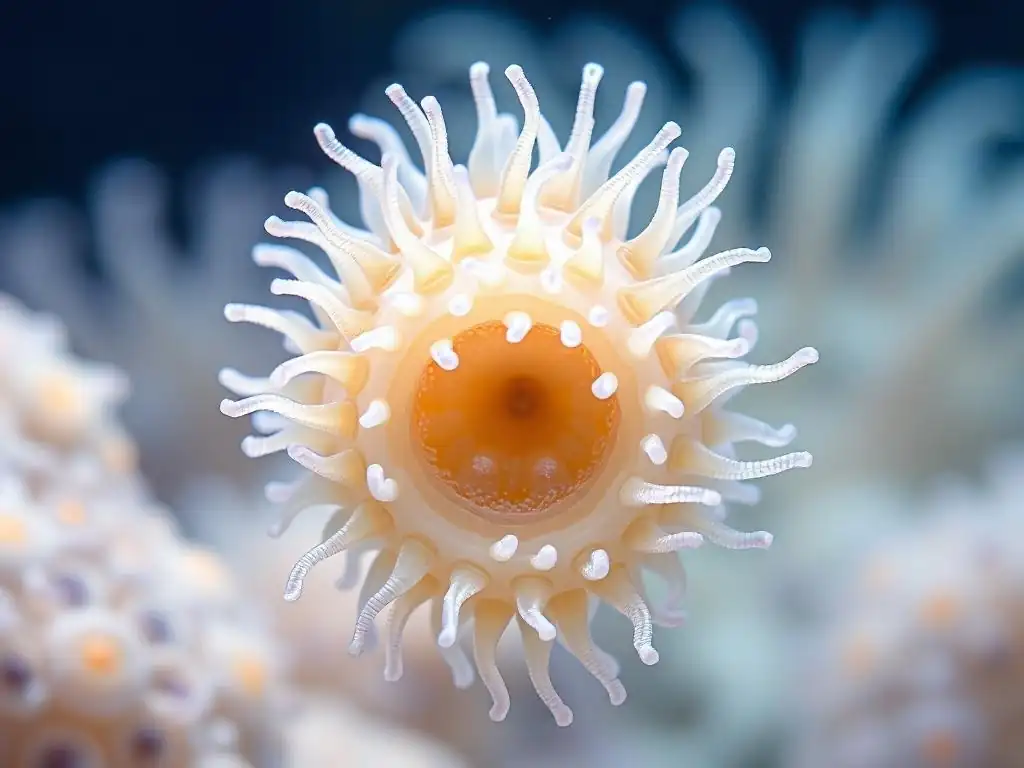
Mushroom corals, while also colorful, tend to have a different aesthetic. They are larger, individual disc-shaped corals that inflate significantly, adding a bold, sculptural presence to the tank. Their appeal often lies in their unique textures—smooth, bubbly, or ruffled—and their ability to create a lush, natural-looking bottom scape. Varieties like Ricordea florida boast incredible iridescence and distinct bubble-like tentacles, offering a different kind of visual complexity. Ultimately, which coral offers more visual appeal is subjective and depends on the aquarist's desired aesthetic; Zoanthids provide intricate detail and carpeting, while Mushrooms offer bold forms and textures.
Care Difficulty: Which Coral is Easier to Maintain?
Both Zoanthids and Mushroom corals are considered excellent choices for beginner aquarists due to their relative hardiness compared to LPS or SPS corals. However, Mushroom corals generally hold an edge in terms of overall ease of maintenance. They are incredibly forgiving of fluctuations in water parameters and are highly tolerant of lower light and flow conditions, making them ideal for tanks that may not have advanced lighting or powerful circulation systems. Their resilience to less-than-perfect conditions means they are often the answer to which soft coral thrives with minimal intervention.
Zoanthids are also hardy but can be more particular about water flow and are susceptible to specific pests that require vigilance. While they are adaptable to a range of lighting, some morphs can be sensitive to very high or very low light. Their smaller size also makes pest detection more challenging. For the absolute beginner seeking the most hands-off soft coral, Mushroom corals typically present a slightly easier path to success.
Growth Rate: Which Coral Spreads Faster?
Both Zoanthids and Mushroom corals are known for their relatively fast growth rates under optimal conditions, making them popular choices for quickly filling out a reef tank. Zoanthids spread by budding new polyps around the edges of their colonies, forming dense mats. A healthy Zoanthid colony can add 10-20 new polyps per month, effectively carpeting rockwork in a few months to a year.
Mushroom corals propagate through budding, splitting, or by releasing detached fragments that re-attach elsewhere. A single mushroom can produce one to two new individuals every few months, and these new mushrooms can quickly grow to a substantial size. While Zoanthids create a dense, continuous mat, Mushrooms create larger, individual additions that can also rapidly colonize available surfaces. Both are fast growers, but the visual impact of their spread differs, with Zoanthids creating a "carpet" and Mushrooms creating distinct, expanding clusters of larger individuals.
Tank Compatibility: Which Coral Plays Nicely with Others?
Tank compatibility is an important consideration when selecting soft corals for a mixed reef environment. Zoanthids are generally considered peaceful corals. While some Palythoa species (a genus closely related to Zoanthids) can release palytoxin when disturbed, typical aquarium Zoanthids are usually benign and can be placed relatively close to other corals without issue, provided they have adequate space to expand.
Mushroom corals, particularly larger Rhodactis and Ricordea species, can be more aggressive than their peaceful appearance suggests. They can release chemicals or extend mesenterial filaments to sting and outcompete neighboring corals or even fish if placed too closely. Their tendency to inflate and expand significantly can also shade out less tolerant corals. Therefore, mushrooms require more individual space around them to prevent negative interactions. In terms of overall compatibility in a mixed reef, Zoanthids are generally more accommodating, making them a better choice for tight aquascapes, while mushrooms demand more personal space.
Susceptibility to Pests and Diseases: Which Coral is More Resilient?
When evaluating which soft coral thrives with minimal pest or disease issues, Mushroom corals generally exhibit higher resilience. They are less prone to specific invertebrate pests that actively target them. While they can suffer from "Mushroom Melt" (a bacterial infection often linked to stress), this is usually a result of poor water quality or unstable conditions rather than an external infestation.
Zoanthids, on the other hand, are unfortunately quite susceptible to a range of specific pests. Zoanthid-eating Nudibranchs (Zoa Nudis) are a notorious problem, as are Sundial Snails and certain types of Asterina Stars. They can also suffer from "Zoanthid Pox," a bacterial infection. This higher susceptibility means Zoanthids require more diligent dipping of new acquisitions and regular inspection for signs of infestation. Therefore, if pest resilience is a primary concern, Mushroom corals typically present a more robust option.
Which Soft Coral Thrives? : Determining the Best Choice for Your Aquarium
Selecting the ideal soft coral for your reef tank involves a careful assessment of your existing aquarium conditions, your personal experience level, and how the new coral will integrate with your current inhabitants. This thoughtful approach will help determine which soft coral thrives best in your unique setup.
Assessing Your Aquarium's Conditions: Light, Flow, and Water Parameters
Before introducing any new coral, meticulously evaluate your aquarium's prevailing conditions. For lighting, measure or estimate your PAR levels. If your tank features lower-intensity lighting (e.g., 30-80 PAR) or has significant shaded areas, mushroom corals are more likely to thrive. Conversely, if you have moderate lighting (e.g., 50-150 PAR) or brighter areas, Zoanthids will generally fare better. Consider your water flow: do you have areas of gentle, indirect circulation, or are there strong, turbulent currents? Mushrooms prefer the former, while Zoanthids can tolerate moderate flow.
Maintaining stable water parameters is paramount for both, but particularly for long-term success. Aim for consistent salinity (1.025-1.026 specific gravity), alkalinity (8-12 dKH), calcium (400-450 ppm), and magnesium (1250-1350 ppm). While soft corals are more tolerant of nutrient levels than SPS, keeping nitrates below 10 ppm and phosphates below 0.05 ppm is advisable. Regularly testing these parameters and performing consistent water changes will significantly contribute to which soft coral thrives in your tank.
Considering Your Experience Level: Beginner vs. Advanced Reef Keeper
For absolute beginners, mushroom corals are often the top recommendation. Their exceptional hardiness, tolerance for a wider range of conditions, and general resilience make them an incredibly forgiving first coral. They can thrive even if water parameters are not perfectly stable or if lighting/flow are not precisely dialed in, offering a high chance of success and boosting a new aquarist's confidence. They truly epitomize which soft coral thrives with minimal fuss.
Zoanthids are also beginner-friendly but require a slightly more attentive approach, particularly regarding pest detection and management. While relatively hardy, their susceptibility to specific nudibranchs and snails means new acquisitions should always be dipped and quarantined if possible. An aquarist who is comfortable with regular observation and proactive pest management will find Zoanthids equally rewarding. For those just starting out and prioritizing extreme ease of care, mushrooms might be the slightly safer bet.
Matching Corals to Your Existing Reef Ecosystem
Consider your existing tank inhabitants and the overall design of your reef. If you have a mixed reef with sensitive LPS or SPS corals, the aggressive nature of some mushroom corals (especially Rhodactis or Ricordea) might necessitate careful placement to prevent stinging or shading. In such cases, Zoanthids, being generally more peaceful, could be a better fit for filling gaps or adorning rockwork in proximity to other corals.
If your tank is primarily a soft coral dominant system or a "softie garden," both Zoanthids and Mushrooms can flourish. However, remember that mushrooms require more individual space to fully inflate and avoid shading each other. Zoanthids, on the other hand, can create a dense carpet effect, making them ideal for covering large areas of rock. Evaluating the available physical space and the potential for chemical or physical aggression will help you decide which soft coral thrives harmoniously within your established reef ecosystem.
Conclusion: Making an Informed Decision about Soft Corals
The Benefits of Choosing Zoanthids
Choosing Zoanthids brings an explosion of color and intricate detail to your reef aquarium. Their vast array of morphs offers unparalleled aesthetic diversity, allowing aquarists to create vibrant, living tapestries across their rockwork. They are generally peaceful, making them suitable for mixed reefs, and their colonial growth habit means they can quickly fill in spaces, providing a lush, natural appearance.
Furthermore, their relatively fast propagation rate allows hobbyists to easily expand their collection or trade frags within the community. For those seeking highly detailed visual appeal and a colorful carpeting effect, Zoanthids are an outstanding choice that often ensures which soft coral thrives in a visually stunning manner.
The Advantages of Choosing Mushroom Corals
Mushroom corals stand out for their exceptional hardiness and low maintenance requirements, making them an ideal choice for aquarists of all experience levels, particularly beginners. They are incredibly tolerant of less-than-perfect water parameters and thrive in low-light, low-flow environments, which are often easier to maintain. Their unique shapes, textures, and ability to inflate significantly add a bold and dynamic element to the aquascape.
Mushroom corals are also prolific propagators, often reproducing naturally without intervention, quickly filling a tank with their distinctive forms. For those prioritizing resilience, ease of care, and a unique, sculptural aesthetic, mushroom corals are undoubtedly an excellent answer to which soft coral thrives with minimal fuss.
Final Thoughts: Enjoying the Beauty of Soft Corals in Your Reef Tank
Ultimately, the choice between Zoanthids and Mushroom corals is not about one being definitively "better" than the other, but rather about which soft coral thrives best in your specific aquarium setup and aligns with your aesthetic preferences. Both groups offer immense beauty, fascinating behaviors, and a rewarding experience for reef aquarists.
By carefully considering your tank's lighting, water flow, existing inhabitants, and your own experience level, you can make an informed decision that leads to a flourishing and visually captivating reef. The joy of reef keeping lies in cultivating a vibrant ecosystem, and both Zoanthids and Mushroom corals are fantastic choices to help you achieve that goal, ensuring that which soft coral thrives in your care is a question with a successful answer.
Frequently Asked Questions
Which soft coral thrives best in a beginner's aquarium, Zoanthids or Mushroom Corals?
Mushroom Corals are generally considered more beginner-friendly. They are more tolerant of fluctuating water parameters and require less intense lighting compared to Zoanthids, making them a great starting point.
What are the key differences in lighting requirements between Zoanthids and Mushroom Corals?
Zoanthids often require moderate to high lighting to display their vibrant colors, whereas Mushroom Corals can thrive under lower light conditions. Therefore, lighting is a key consideration.
How do the flow requirements of Zoanthids and Mushroom Corals compare?
Zoanthids generally appreciate moderate to high water flow, which helps them stay clean and receive nutrients. Mushroom Corals prefer gentle, indirect flow, as strong flow can irritate them.
What common aquarium pests or issues specifically affect Zoanthids and Mushroom Corals?
Zoanthids are prone to Zoanthid Eating Nudibranchs and palytoxin concerns, while Mushroom Corals are more susceptible to algae growth if water quality is poor.
What is the primary food source for Zoanthids and Mushroom Corals in a reef aquarium?
Both Zoanthids and Mushroom Corals primarily rely on photosynthesis from their symbiotic algae (zooxanthellae) for their energy. They can also benefit from supplemental feedings of small particulate foods.
Final Reflection: The Enduring Allure of Soft Corals
The vibrant world of soft corals, as we've explored, presents a fascinating dilemma for aquarists: choosing the right species to cultivate a thriving reef ecosystem. The debate between Zoanthids and Mushroom corals, while seemingly specific, reflects a broader appreciation for the beauty and resilience of these often-overlooked invertebrates, and their increasing importance in the face of global coral reef decline.
This exploration has highlighted not only the practical considerations of care and compatibility, but also the profound impact these creatures have on the aesthetic and ecological balance of our aquariums. The ability of soft corals to bring color and movement to a captive reef is undeniable, and their relative ease of care makes them accessible to both novice and experienced hobbyists. In the end, we conserve only what we love; we will love only what we understand; and we will understand only what we are taught.
- Baba Dioum. This quote underscores the importance of understanding and appreciating these organisms, fostering a desire to protect their wild counterparts.
As you contemplate your own reef-keeping journey, consider the lessons learned about the unique needs and characteristics of Zoanthids and Mushroom corals. Let this article serve as a catalyst for deeper research, responsible acquisition, and dedicated care. Embrace the challenge of creating a thriving soft coral reef, not just for the beauty it brings to your home, but as a small contribution to the larger effort of coral reef conservation.
Unleash the Reef: Choose Your Coral Champion!
Thanks for diving into the world of soft corals with us! We hope you've gained valuable insights into the unique characteristics of zoanthids and mushroom corals. Now it’s time to put that knowledge to good use and take your reef tank to the next level.
Here's how you can continue your coral journey:
- Decide which soft coral best suits your aquarium's needs and aesthetic and research specific morphs you find appealing. Consider factors like lighting requirements, flow preferences, and aggression levels.
- Share your newfound knowledge! Spread the word about zoanthids and mushroom corals with fellow reef enthusiasts by sharing this article on social media or in online forums.
- Document your coral journey! Start a reef journal (online or offline) to track the growth, color changes, and overall health of your corals. This is a great way to learn and improve your reef-keeping skills.
Ready to take the plunge and introduce a new soft coral to your reef? What morph of zoanthid or mushroom coral are you most excited to add to your aquarium, and why?