
Iron for Aquarium Plants: Achieving Deep Greens and Vibrant Reds

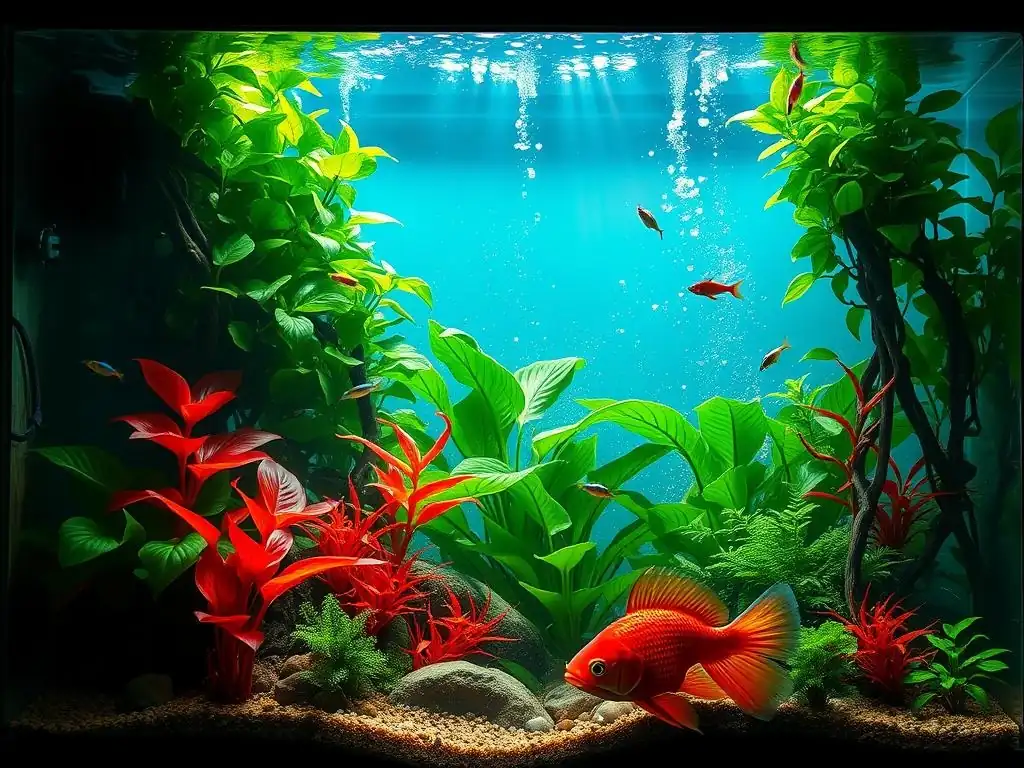
Welcome to Aquarium Mastery, your ultimate guide to thriving aquatic ecosystems!
Ever wondered how to unlock the secret to deep greens and vibrant reds in your aquarium plants? You're in the right place! Dive in to discover everything you need to know about iron supplements for aquarium plants, and learn how to achieve a lush, healthy underwater garden. Let's explore the fascinating world of aquatic plant nutrition together...
- Understanding the Role of Iron in Aquatic Plant Growth
- Sources of Iron in the Planted Aquarium
- Choosing the Right Iron Supplement for Your Aquarium Plants
- Dosing Iron Supplements: A Step-by-Step Guide
- Optimizing Iron Uptake in Planted Aquariums
- Iron and Algae: Maintaining a Healthy Balance
- Troubleshooting Common Issues with Iron Supplementation
- Achieving Deep Greens and Vibrant Reds: Real-World Examples
- Advanced Techniques for Iron Management in Planted Aquariums
- Conclusion: Mastering Iron Supplementation for a Thriving Planted Aquarium
- Frequently Asked Questions
- Final Reflection: The Verdant Promise of Iron
- Unleash the Verdant Power of Iron in Your Aquarium!
Understanding the Role of Iron in Aquatic Plant Growth
Why Iron is Essential for Healthy Aquarium Plants
Iron is an indispensable micronutrient for all aquatic plants, playing a pivotal role in their physiological processes. Its most critical function lies in the synthesis of chlorophyll, the green pigment responsible for photosynthesis. Without adequate iron, plants cannot produce sufficient chlorophyll, leading to a noticeable reduction in their ability to convert light energy into chemical energy, ultimately hindering growth and causing a pale, anemic appearance. This direct link makes iron a cornerstone for achieving the deep, lush greens desired in a thriving planted aquarium.
Beyond chlorophyll production, iron is also a vital component of several enzyme systems within the plant. These enzymes are crucial for various metabolic pathways, including nutrient uptake, respiration, and nitrogen fixation. For instance, iron is involved in the electron transport chain, a fundamental process in both photosynthesis and respiration.
Furthermore, for many red-pigmented plant species, such as Ludwigia and Rotala, iron is instrumental in the production of anthocyanins, the pigments responsible for their vibrant red, pink, and orange hues. A consistent supply of available iron is therefore paramount not just for growth, but for the full expression of a plant's genetic coloration.
Iron Deficiency Symptoms in Aquarium Plants: Recognizing the Signs
Recognizing iron deficiency early is crucial for maintaining a healthy planted aquarium. The most common and tell-tale symptom of insufficient iron is interveinal chlorosis, where the areas between the leaf veins turn yellow or pale green, while the veins themselves remain distinctly green. This discoloration typically appears first and most prominently on new growth and younger leaves because iron is not a mobile nutrient within the plant; once incorporated into older tissues, it cannot be easily redistributed to newer, developing leaves.
If iron deficiency persists, the symptoms can worsen, leading to stunted growth, reduced leaf size, and overall poor plant vigor. In severe cases, the yellowed areas may turn white, and eventually, the leaf tissue can die off, resulting in necrosis and disintegration.
For red-pigmented plants, a lack of iron will manifest as a failure to achieve their characteristic vibrant coloration, often remaining dull green or showing only faint hints of red. For example, a Rotala rotundifolia 'Colorata' that should exhibit deep reddish-orange tones might instead appear pale green with a slight brownish tint if iron levels are consistently low, despite adequate lighting and CO2.
Sources of Iron in the Planted Aquarium
Iron in Tap Water: Is it Enough?
The iron content in tap water varies significantly depending on the local water source and treatment processes. While some municipal water supplies may contain trace amounts of iron, typically ranging from 0.01 mg/L to 0.3 mg/L, these levels are rarely sufficient to meet the demands of a densely planted, high-tech aquarium. The iron present in tap water is often in the ferric (Fe3+) state, which is less readily available for plant uptake compared to the ferrous (Fe2+) form, especially in neutral to alkaline pH conditions common in many tap water sources.
Moreover, the iron in tap water can quickly precipitate out of solution, becoming unavailable to plants, particularly if the water has a high pH or alkalinity. For instance, in tap water with a pH above 7.5 and moderate hardness, much of the dissolved iron may form insoluble compounds that settle out, leaving little for aquatic plants to absorb. Therefore, relying solely on tap water for iron supply is generally inadequate for achieving robust growth and vibrant coloration in most planted aquarium setups, necessitating the consideration of other iron supplement aquarium plants options.
Iron from Substrates: What to Expect
Aquarium substrates specifically designed for planted tanks, often referred to as "aquasoils" or "nutrient-rich substrates," are a significant source of iron for root-feeding plants. Brands like ADA Aqua Soil or Fluval Stratum are formulated to contain a rich blend of nutrients, including iron, which are slowly released into the water column and made available to plant roots. These substrates are particularly beneficial for plants that primarily absorb nutrients through their root systems, such as Cryptocoryne species, Echinodorus (Amazon Swords), and many types of Anubias.
However, the iron content in these substrates is not inexhaustible. Over time, typically within 1 to 2 years depending on the density of planting and the rate of nutrient uptake, the available iron in the substrate will deplete. As the substrate ages, its ability to provide a consistent supply of iron diminishes, and plants may begin to show signs of deficiency, even if they were thriving initially. This natural depletion highlights the need for ongoing monitoring and, eventually, supplemental iron from other sources to maintain optimal plant health, even in tanks with nutrient-rich substrates.
The Importance of Iron Supplementation for Planted Tanks
Given the often-insufficient levels of iron in tap water and the finite supply from even the best substrates, external iron supplementation becomes crucial for a thriving planted aquarium. Regular application of an iron supplement aquarium plants product ensures a consistent and available supply of this vital micronutrient, preventing the onset of deficiency symptoms and promoting vigorous growth. This is especially true for high-light, CO2-injected tanks where plant metabolism is accelerated, leading to a much higher demand for all nutrients, including iron.
Proper iron supplementation allows plants to maintain optimal chlorophyll levels, resulting in deep, rich green foliage. Furthermore, it enables red-pigmented plants to fully develop their vibrant coloration, transforming a dull tank into a visually stunning aquascape. Without a targeted iron supplement, even a well-maintained tank with excellent lighting and CO2 can fall short of its full potential, exhibiting pale plants and stunted growth. Therefore, incorporating a reliable iron supplement into the regular fertilization regimen is a cornerstone of successful planted tank husbandry.
Choosing the Right Iron Supplement for Your Aquarium Plants
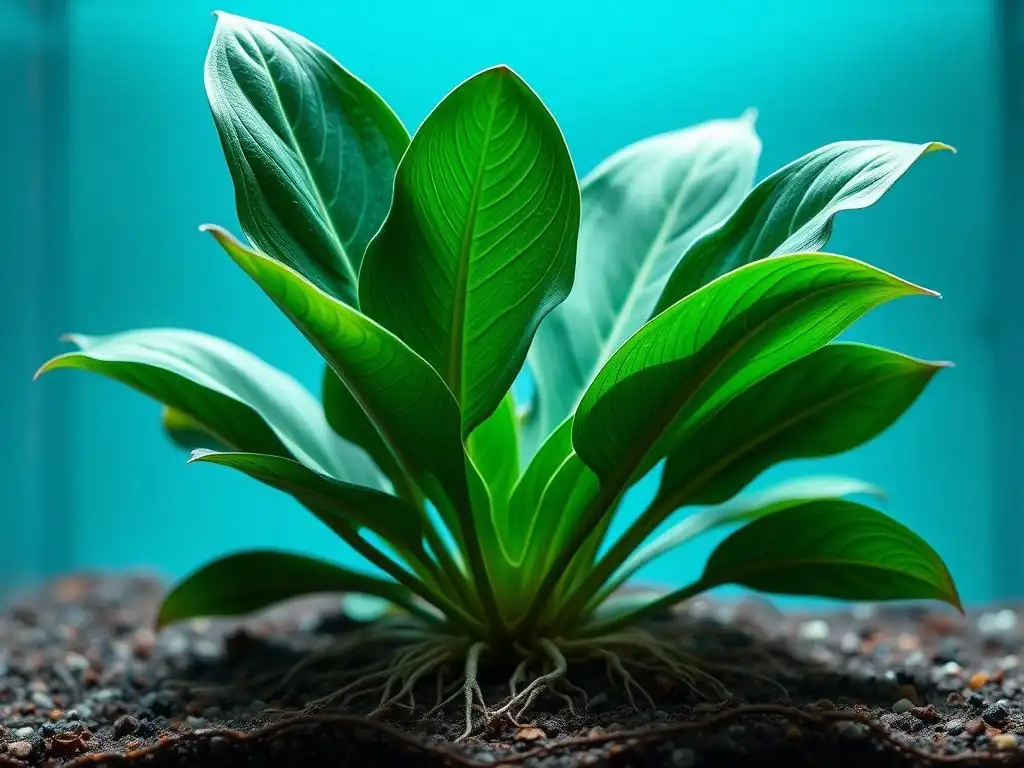
Chelated Iron vs. Non-Chelated Iron: Understanding the Difference
When selecting an iron supplement for aquarium plants, understanding the difference between chelated and non-chelated forms is paramount. Non-chelated iron, typically in the form of ferrous (Fe2+) or ferric (Fe3+) sulfate, is highly reactive and prone to quickly precipitating out of the water column, especially in tanks with higher pH (above 7.0) or alkalinity. This means the iron becomes insoluble and unavailable to plants, often within hours of dosing. While some plants can utilize these forms if absorbed rapidly, their efficacy is limited in most aquarium conditions.
Chelated iron, on the other hand, involves iron ions bonded with an organic molecule called a chelating agent (e.g., EDTA, DTPA, gluconate). This bond protects the iron from reacting with other elements in the water, preventing its precipitation and keeping it soluble and available for plant uptake over a much longer period – often days or even weeks, depending on the specific chelate and water parameters.
For instance, Fe-DTPA chelates are generally stable and effective up to a pH of about 7.5, making them a popular choice for planted aquariums. This enhanced stability ensures that the iron supplement aquarium plants remains accessible to your aquatic flora, providing a more consistent and reliable supply.
Liquid Iron Fertilizers: Ease of Use and Absorption
Liquid iron fertilizers are among the most popular and easiest-to-use iron supplement aquarium plants options. These products typically contain chelated iron, often in forms like iron gluconate or iron DTPA, which are readily absorbed by plant leaves and, to some extent, by roots. Their liquid form allows for precise dosing, making it simple to adjust the amount of iron added based on the tank's needs and plant responses. Many liquid fertilizers are designed for daily or every-other-day dosing, ensuring a steady supply of iron.
The primary advantage of liquid iron supplements is their immediate availability to plants. Foliar absorption means that plants can quickly take up the iron directly through their leaves, leading to rapid improvement in deficiency symptoms. For example, if a Hygrophila polysperma is showing signs of interveinal chlorosis, dosing a liquid iron supplement can often lead to noticeable improvements in coloration within a few days. Popular liquid iron products include Seachem Flourish Iron and API Leaf Zone, both formulated to provide bioavailable iron for aquatic plants.
Root Tabs Containing Iron: Targeted Delivery for Root Feeders
Root tabs are an excellent method for delivering iron directly to the substrate, making them ideal for heavy root-feeding plants. These small, slow-release capsules or tablets are typically pushed into the substrate near the base of plants such as Cryptocoryne, Echinodorus, Vallisneria, and large Anubias species. The tabs are formulated to release nutrients, including chelated iron, over an extended period, often several weeks or months, directly into the root zone where these plants primarily absorb their nutrients.
The targeted delivery of root tabs minimizes the amount of iron released into the water column, which can be beneficial in preventing potential issues like algae growth that might arise from excess free iron in the water. For instance, a large Echinodorus bleheri (Amazon Sword) can greatly benefit from a root tab placed every few inches around its base, ensuring a consistent localized supply of iron and other micronutrients critical for its substantial growth. Popular root tab products, such as Seachem Flourish Tabs or API Root Tabs, contain a balanced blend of nutrients, with iron being a key component.
Iron Supplements for Specific Plant Species: Ludwigia sp.
Certain plant species, particularly those known for their vibrant red or orange coloration, have a notably higher demand for iron compared to their green counterparts. Plants like Ludwigia repens 'Rubin', Rotala macrandra, Alternanthera reineckii, and Proserpinaca palustris achieve their striking hues through the production of anthocyanin pigments, a process that is highly dependent on sufficient iron availability. If iron levels are inadequate, these plants will typically remain green or exhibit only a dull, brownish-red coloration, even under intense lighting and optimal CO2 injection.
For these demanding red species, a consistent and slightly elevated iron supplement aquarium plants regimen is often necessary. While general liquid iron supplements may suffice for a mixed tank, aquarists aiming for peak coloration in their red plants might consider supplementing with products specifically formulated for high iron demand or increasing the dose of their standard iron supplement. For example, maintaining an iron level closer to the upper end of the recommended range (e.g., 0.15-0.2 mg/L) can significantly enhance the red intensity of a Ludwigia super red, transforming it from a muted green-red to a deep scarlet.
Dosing Iron Supplements: A Step-by-Step Guide
Determining the Correct Iron Dosage for Your Planted Aquarium
Determining the correct iron dosage for your planted aquarium is crucial for optimal plant health without encouraging algae. The ideal target range for iron in a planted tank is typically between 0.05 mg/L and 0.2 mg/L (or ppm). However, the precise dosage depends on several factors, including the density of your planting, the intensity of your lighting, the presence of CO2 injection, and the specific demands of your plant species. Tanks with high light, CO2, and a dense population of fast-growing, especially red, plants will generally require more iron than low-tech setups.
It is always recommended to start with a lower dose than suggested by the product instructions, especially if you are unsure of your tank's specific needs, and gradually increase it while observing your plants' response. For instance, if a product recommends adding 5 mL per 50 gallons weekly, you might start with 2.5 mL and monitor for 1-2 weeks.
If plants still show mild deficiency symptoms like slight yellowing of new growth, increase the dose incrementally. Consistency is key; daily or every-other-day micro-dosing of iron is often more effective than large weekly doses, as it provides a more stable supply.
Testing Iron Levels in Your Aquarium Water
Regularly testing the iron levels in your aquarium water is an essential step in fine-tuning your dosing regimen and preventing both deficiencies and overdoses. While not all iron test kits are equally precise, reputable brands like Salifert or API offer kits that can provide a reasonable indication of the bioavailable iron in your water column. These kits typically measure total chelated iron, which is the most relevant form for plant uptake.
It's advisable to test your iron levels at least once a week, preferably just before your next scheduled dose. This allows you to see how quickly your plants are utilizing the iron and adjust your dosage accordingly. For example, if your target is 0.1 mg/L and your test kit consistently reads 0.02 mg/L before dosing, you know you need to increase your supplement.
Conversely, if you consistently read 0.25 mg/L or higher, you might be overdosing and should reduce the amount to prevent potential issues. Consistent monitoring helps maintain the desired iron supplement aquarium plants level, ensuring steady, healthy growth.
The Importance of Regular Water Changes When Using Iron Supplements
Regular water changes are a cornerstone of good aquarium maintenance, and their importance is amplified when using iron supplements or any other fertilizers. While iron is a vital nutrient, its continuous addition, even at optimal levels, can lead to a gradual buildup of other dissolved organic compounds and unused nutrients in the water. Over time, this accumulation can contribute to water quality issues, nutrient imbalances, and potentially promote undesirable algae growth.
Performing consistent weekly water changes, typically ranging from 25% to 50% of the tank volume, helps to export excess nutrients and maintain a clean, stable environment. For example, if you dose iron daily to maintain 0.1 mg/L, a 30% weekly water change will effectively remove a portion of the accumulated iron and other elements, allowing for a fresh start with your next dosing cycle. This practice helps to reset the water parameters, preventing any single nutrient, including iron, from accumulating to problematic levels and ensuring that your iron supplement aquarium plants strategy remains effective and safe.
Avoiding Iron Overdose: Potential Problems and Solutions
While iron is essential, an overdose can lead to several problems in a planted aquarium. One of the most common issues associated with excessive iron is the proliferation of certain types of algae, particularly thread algae or black beard algae (BBA).
Although iron does not "cause" algae, an abundance of unutilized iron in the water column, especially in the absence of balanced levels of other macronutrients (like nitrates and phosphates) and sufficient CO2, can fuel unsightly algal blooms. Another sign of iron overdose can be a slight browning or darkening of plant leaves, or in severe cases, the inhibition of uptake of other vital micronutrients like manganese.
To avoid an iron overdose, strict adherence to recommended dosing guidelines, coupled with regular testing, is paramount. If you suspect an overdose, immediate action is required. The primary solution is to perform a large water change, typically 50% or more, to dilute the iron concentration in the water.
This can be followed by a temporary cessation of iron dosing for a few days to a week, while closely monitoring plant health and retesting iron levels. Once levels return to the target range (0.05-0.2 mg/L), you can resume dosing at a reduced amount, carefully observing the tank's response to your iron supplement aquarium plants routine.
Optimizing Iron Uptake in Planted Aquariums
The Role of pH in Iron Availability
The pH of your aquarium water plays a significant role in the availability of iron to your aquatic plants. In general, iron is more readily available in slightly acidic to neutral water conditions. As pH increases, particularly above 7.0, non-chelated forms of iron (Fe2+ and Fe3+) tend to oxidize and precipitate out of solution, becoming insoluble and unavailable for plant uptake. This is why many high-tech planted tanks aim for a slightly acidic pH range, typically between 6.0 and 7.0, which naturally enhances iron solubility.
However, the specific type of chelated iron used in your iron supplement aquarium plants product can mitigate the impact of higher pH. For instance, Fe-EDTA chelates are most stable and effective in the pH range of 4.0 to 6.5, making them ideal for very soft, acidic setups. Fe-DTPA chelates offer a wider stability range, typically from pH 4.0 to 7.5, making them a more versatile choice for most planted aquariums.
For tanks with naturally high pH, some specialized chelates like Fe-EDDHA can maintain iron availability even up to pH 9.0, though these are less common in standard aquarium products. Understanding your water's pH and choosing an appropriate chelate is crucial for maximizing iron uptake.
The Importance of CO2 Injection for Iron Absorption
CO2 injection is a critical factor in optimizing iron absorption and overall nutrient utilization in a planted aquarium. When CO2 levels are adequate (typically 20-30 mg/L), plants undergo more efficient photosynthesis. This increased metabolic activity directly translates to a higher demand for all essential nutrients, including iron. A plant performing photosynthesis vigorously will actively absorb more iron from the water column to support its rapid growth and chlorophyll production.
Furthermore, CO2 injection slightly lowers the pH of the aquarium water, creating a more acidic environment. As discussed, a lower pH enhances the solubility and availability of iron, especially for non-chelated forms or less stable chelates. This synergistic effect means that a well-maintained CO2 system not only boosts plant growth but also makes your iron supplement aquarium plants more effective. Without sufficient CO2, even if ample iron is present, plants may struggle to absorb and utilize it efficiently, leading to sub-optimal growth and coloration.
Light Intensity and its Impact on Iron Utilization
Light intensity is another critical environmental factor that directly influences a plant's demand for and utilization of iron. In a high-light planted aquarium, plants photosynthesize at a much faster rate compared to those in low-light conditions. This accelerated photosynthesis requires a significantly higher amount of chlorophyll, which in turn necessitates a greater supply of iron for its synthesis. Essentially, the more light a plant receives, the more it "works" and the more nutrients, including iron, it consumes.
If light intensity is high but iron levels are insufficient, plants will quickly exhibit severe deficiency symptoms, such as widespread interveinal chlorosis and stunted growth, as they cannot produce enough chlorophyll to keep up with the photosynthetic demand. Conversely, in a low-light setup, plants have a much lower metabolic rate and thus a reduced demand for iron. Overdosing iron in a low-light tank can lead to unnecessary accumulation and potentially contribute to algae issues. Therefore, matching your iron supplement aquarium plants regimen to your tank's light intensity is key for balanced nutrient management.
The Synergistic Effects of Iron with Other Nutrients (e.g., Potassium, Trace Elements)
Iron does not work in isolation; its optimal utilization is highly dependent on the availability and balance of other essential nutrients. The growth and health of aquatic plants are a complex interplay of various macronutrients (nitrogen, phosphorus, potassium) and micronutrients (manganese, zinc, copper, boron, molybdenum, etc.). For instance, potassium plays a crucial role in enzyme activation and nutrient transport, which indirectly affects how well iron is moved within the plant. Similarly, manganese is closely involved with iron in chlorophyll synthesis, and a deficiency in one can mimic a deficiency in the other.
A holistic approach to fertilization, often referred to as "Estimative Index" (EI) or "Perpetual Preservation System" (PPS-Pro), emphasizes providing all necessary nutrients in ample supply to avoid any limiting factors. For example, if a plant is suffering from a severe nitrogen deficiency, even abundant iron may not lead to vibrant green growth, as nitrogen is also critical for chlorophyll production.
Ensuring a balanced supply of all macro and micronutrients allows plants to efficiently absorb and utilize the iron supplement aquarium plants, leading to robust growth and vibrant coloration. Ignoring other nutrient levels while focusing solely on iron can lead to continued plant health issues.
Iron and Algae: Maintaining a Healthy Balance
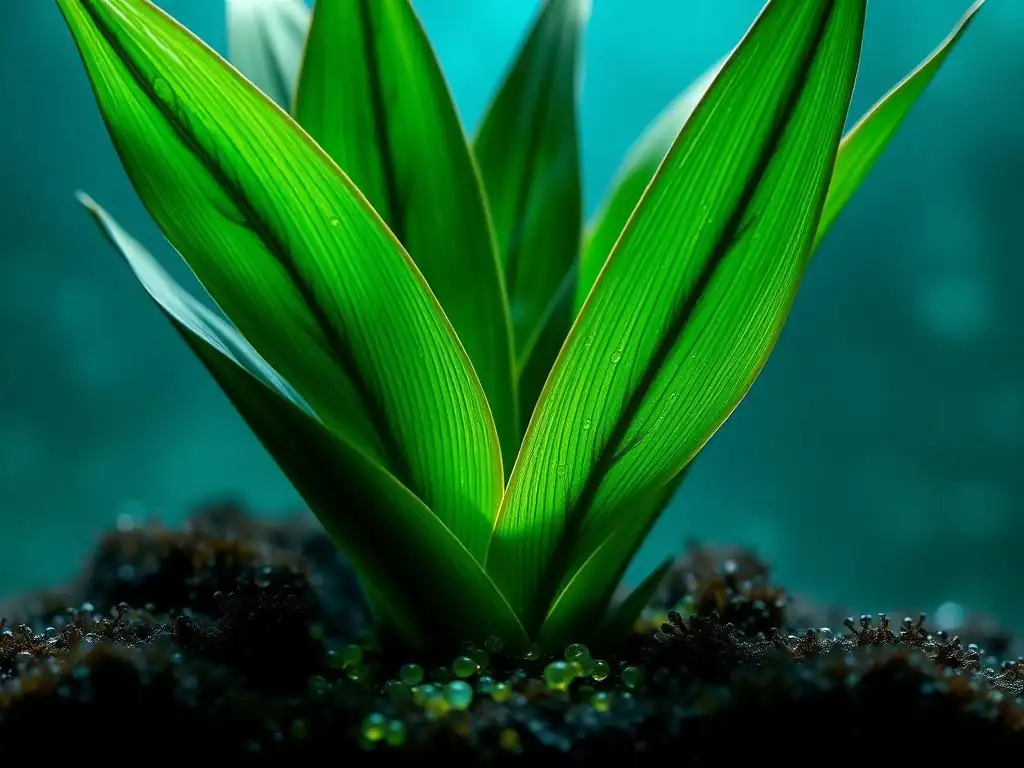
Does Iron Cause Algae Blooms? Understanding the Connection
The question of whether iron causes algae blooms is a common concern among aquarists. It's important to clarify that iron itself does not directly "cause" algae in the same way that excess phosphates or nitrates might. Algae are opportunistic organisms that thrive on nutrient imbalances and inconsistent tank conditions. However, an excess of unutilized iron in the water column, particularly when other key factors like CO2, lighting, or macronutrients are out of balance, can certainly act as a fuel source for algae, contributing to or exacerbating a bloom.
For instance, if a tank has insufficient CO2 levels, plants cannot effectively photosynthesize and absorb the iron, leaving it available for algae. Similarly, if nitrate or phosphate levels are too low (leading to plant nutrient deficiencies), plants will struggle to grow, and any excess iron will be readily consumed by algae. Therefore, the connection between iron and algae is not one of direct causation but rather one of imbalance. An iron supplement aquarium plants, when dosed correctly and in a balanced system, will primarily benefit plants, not algae.
Strategies for Preventing Algae Growth While Using Iron Supplements
Preventing algae growth while effectively using iron supplements hinges on maintaining a stable and balanced planted tank environment. The most crucial strategy is to ensure consistent and adequate CO2 levels, typically between 20-30 mg/L. Optimal CO2 allows plants to grow vigorously, outcompeting algae for available nutrients, including iron. Paired with appropriate lighting intensity and duration, this creates an environment where plants thrive and algae struggle.
Secondly, maintaining a balanced nutrient profile, often achieved through comprehensive fertilization methods like the Estimative Index (EI) or PPS-Pro, is vital. This means ensuring that not only iron but also macronutrients (nitrogen, phosphorus, potassium) and other trace elements are available in sufficient quantities. Regular water changes (25-50% weekly) are also essential to export accumulated organic waste and excess nutrients, preventing any single element from reaching problematic concentrations. By focusing on overall tank health and balance, an iron supplement aquarium plants regimen can be implemented without fear of triggering algae outbreaks.
Maintaining Optimal Iron Levels to Minimize Algae Issues
Maintaining optimal, rather than excessive, iron levels is a key strategy to minimize algae issues while still benefiting your plants. The goal is to provide just enough iron to support robust plant growth and vibrant coloration without creating an surplus that opportunistic algae can exploit. For most planted aquariums, targeting an iron concentration between 0.05 mg/L and 0.1 mg/L (ppm) is generally considered safe and effective. Some very high-tech, densely planted tanks with demanding red species might push this slightly higher, but always with caution and close monitoring.
Avoiding large, infrequent doses of an iron supplement aquarium plants product is also beneficial. Instead, consider daily or every-other-day micro-dosing to provide a more stable and consistent supply of iron, preventing significant peaks and troughs in concentration. This steady availability is more beneficial for plants and less likely to create conditions favorable for algae blooms. Regular testing of iron levels, combined with observation of plant health and algae presence, will guide you in fine-tuning your dosing schedule to achieve the perfect balance.
Troubleshooting Common Issues with Iron Supplementation
Iron Precipitation: Identifying and Preventing it
Iron precipitation is a common issue that can occur when iron supplements are added to an aquarium, making the iron unavailable to plants and sometimes causing cloudy or discolored water. You might notice a reddish-brown haze or fine particles settling on tank decor and plants shortly after dosing. This usually happens when non-chelated iron is used, or when chelated iron breaks down in adverse conditions, reacting with other elements in the water (like phosphates or carbonates) to form insoluble compounds. This issue is particularly prevalent in tanks with high pH (above 7.5) or high alkalinity (KH).
To prevent iron precipitation, the most effective measure is to use high-quality chelated iron supplements, such as those containing Fe-DTPA or Fe-EDDHA, which are designed to remain stable over a wider pH range. If your tap water has a naturally high pH, consider using an iron supplement aquarium plants product specifically formulated for those conditions. Additionally, ensure that your CO2 levels are adequate, as the slight pH drop from CO2 injection can help maintain iron solubility. If precipitation occurs, a water change can help clear the water, and you should re-evaluate your iron supplement choice and dosing strategy.
Incompatibility with Certain Medications or Water Treatments
It's crucial to be aware that certain aquarium medications and water treatments can react negatively with iron supplements, potentially rendering the iron ineffective or causing undesirable side effects. For instance, some medications, particularly those containing copper (often used for parasite treatment), can break down iron chelates, causing the iron to precipitate out of solution. This can not only make the medication less effective but also reduce the availability of iron for your plants, leading to deficiency symptoms.
Similarly, certain water clarifiers or flocculants, which work by binding to suspended particles to make them clump and settle, can inadvertently bind with chelated iron, removing it from the water column. When treating your tank with any medication or performing specific water treatments, it is generally advisable to temporarily halt your iron supplement aquarium plants regimen. Always read the instructions of any medication or treatment product carefully and, if in doubt, perform a water change before and after treatment to minimize interactions and ensure the safety and efficacy of all additives.
Addressing Chlorosis in New Plant Growth
Chlorosis, specifically the yellowing between the veins of new or younger leaves while the veins remain green, is the classic and most immediate indicator of iron deficiency in aquatic plants. This symptom is particularly noticeable in fast-growing stem plants like Rotala species or Ludwigia. If you observe this in your new growth, it's a strong signal that your plants are not receiving enough bioavailable iron. Older leaves typically remain green because the iron they absorbed earlier is immobile within the plant.
To address chlorosis in new plant growth, the primary solution is to increase the amount of available iron in your aquarium. Begin by verifying your iron test kit readings to confirm low levels. Then, incrementally increase your daily or every-other-day dose of your chosen iron supplement aquarium plants product.
For example, if you were dosing 0.05 mg/L, try increasing to 0.08 mg/L for a week, observing the new growth. You should start to see the new leaves emerging with a healthier green color within a week or two. If the problem persists, also evaluate other factors like CO2 levels, pH, and the overall balance of other nutrients, as these can also impact iron uptake.
Achieving Deep Greens and Vibrant Reds: Real-World Examples
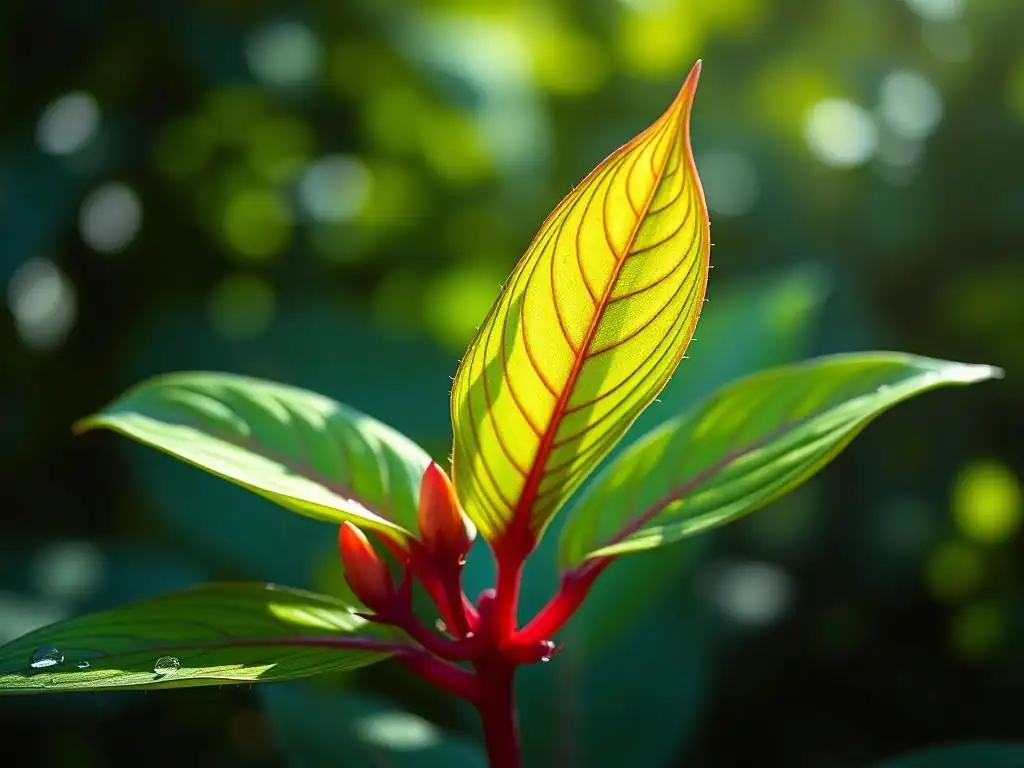
Case Studies: Success Stories with Iron Supplementation
Consider the case of a 75-gallon high-tech planted tank, heavily stocked with demanding species like Rotala macrandra, Ludwigia super red, and Anubias barteri. Initially, despite high light and consistent CO2 injection (30 mg/L), the Rotala macrandra exhibited dull, brownish-red leaves with noticeable yellowing, and the Ludwigia super red refused to achieve its characteristic scarlet hue, remaining a muted green-red. The Anubias displayed pale new leaves with distinct interveinal chlorosis. A water test revealed iron levels consistently below 0.02 mg/L.
The aquarist implemented a targeted iron supplement aquarium plants strategy, dosing a chelated iron (Fe-DTPA) liquid fertilizer to maintain an iron concentration of 0.15 mg/L daily. Within two weeks, a remarkable transformation began. The Anubias started producing deep green new leaves, and the existing pale leaves slowly regained their color. More strikingly, the Rotala macrandra and Ludwigia super red intensified dramatically, with the Rotala developing a rich crimson and the Ludwigia achieving a vibrant, almost fluorescent scarlet. This case exemplifies how precise iron management can unlock the full color potential of demanding aquatic plants.
Before and After: Visual Examples of Plant Health Improvement
Imagine a typical planted tank before consistent iron supplementation. The Hygrophila polysperma 'Rosanervig', a plant known for its pink-veined leaves, appears faded, with its characteristic pink almost completely absent and the green portions looking washed out. Cryptocoryne wendtii 'Red', which should display deep reddish-brown leaves, instead has a dull, muddy green appearance, and its growth is noticeably stunted. New shoots on Vallisneria spiralis are thin and yellowish, rather than robust and green.
Now, visualize the same tank six weeks after implementing a targeted iron supplement aquarium plants regimen, maintaining iron levels consistently between 0.1-0.15 mg/L. The Hygrophila polysperma 'Rosanervig' now boasts striking, vibrant pink veins contrasting beautifully with a rich, healthy green. The Cryptocoryne wendtii 'Red' has transformed, its leaves a deep, intense reddish-brown, and new leaves are unfurling with robust, rich coloration. The Vallisneria spiralis is sending out thick, dark green runners, rapidly filling the background with lush growth. This dramatic visual improvement underscores the profound impact of adequate iron on plant health and aesthetic appeal.
Long-Term Maintenance: Sustaining Healthy Plant Growth with Iron
Sustaining healthy plant growth with iron supplementation is not about a one-time fix but a commitment to consistent, long-term maintenance. Once optimal iron levels are achieved and plants are thriving, the focus shifts to maintaining that balance. This involves establishing a regular dosing schedule for your iron supplement aquarium plants product, whether it's daily, every other day, or a few times a week, based on your tank's specific needs and the rate of iron consumption by your plants.
Regular water testing for iron (and other key nutrients) remains crucial, perhaps weekly or bi-weekly, to ensure levels stay within the desired range (0.05-0.2 mg/L). Observe your plants closely for any subtle signs of deficiency or excess, such as slight paling of new growth or the onset of minor algae. Be prepared to make small adjustments to your dosage as plant mass increases or decreases, or if other parameters like lighting or CO2 change. This proactive and adaptive approach ensures that your planted aquarium continues to flourish with deep greens and vibrant reds for years to come.
Advanced Techniques for Iron Management in Planted Aquariums
Using EDTA and DTPA Chelates for Enhanced Iron Availability
For aquarists seeking to fine-tune their iron management, understanding the properties of different chelating agents is invaluable. EDTA (Ethylenediaminetetraacetic acid) and DTPA (Diethylenetriaminepentaacetic acid) are two of the most common chelates used in iron supplement aquarium plants. Fe-EDTA is highly effective in acidic conditions, typically stable and bioavailable in the pH range of 4.0 to 6.5. However, its stability rapidly declines as pH approaches neutrality or becomes alkaline, causing the iron to precipitate. This makes Fe-EDTA less suitable for tanks with pH above 7.0.
Fe-DTPA, on the other hand, offers superior stability over a broader pH range, remaining effective from pH 4.0 up to approximately 7.5. This makes Fe-DTPA a more versatile and commonly preferred chelate for general aquarium use, as most planted tanks operate within or close to this range. For very high pH environments (above 7.5-8.0), a chelate like Fe-EDDHA might be considered, as it offers stability up to pH 9.0, though it's less common in commercial aquarium products. Choosing the right chelate based on your tank's pH ensures maximum iron availability and prevents waste.
Creating Your Own DIY Iron Supplement
For advanced hobbyists, creating a DIY iron supplement can be an economical and customizable option, although it requires precise measurements and an understanding of chemical principles. One common method involves using ferrous gluconate powder, which is a readily available and plant-friendly source of iron. A typical DIY solution might involve dissolving a specific amount of ferrous gluconate in distilled water to achieve a desired concentration, often around 0.1% or 1 mg/mL of iron.
However, formulating a DIY iron supplement comes with inherent risks. Inaccurate measurements can lead to severe overdosing or underdosing, both of which can harm plants or trigger algae blooms. Furthermore, ensuring the stability of the iron in a DIY solution requires careful consideration of pH and the potential for precipitation, often necessitating the addition of a chelating agent. Without proper knowledge and precise measuring tools, the benefits of commercial iron supplement aquarium plants products, with their pre-formulated stability and ease of use, often outweigh the cost savings of a DIY approach for most aquarists.
The Role of Microbes in Iron Cycling in the Aquarium
Beyond direct supplementation, the microbial community within an aquarium plays a subtle yet significant role in the iron cycle, influencing its availability to plants. In the substrate, particularly in deeper, anoxic (low oxygen) layers, certain anaerobic bacteria can facilitate the reduction of less available ferric iron (Fe3+) into the more readily absorbable ferrous iron (Fe2+). This process, known as dissimilatory iron reduction, contributes to the slow, continuous release of usable iron for root-feeding plants.
Moreover, various beneficial bacteria and fungi in the water column and on plant surfaces can produce siderophores – small, high-affinity iron-chelating compounds. These siderophores bind to ferric iron, making it more soluble and available for microbial uptake, and potentially for plants as well. While the direct impact of microbial iron cycling on overall iron availability in a heavily supplemented planted tank might be secondary to direct dosing, it highlights the complex biological interactions that contribute to a thriving aquarium ecosystem and the efficiency of your iron supplement aquarium plants.
Conclusion: Mastering Iron Supplementation for a Thriving Planted Aquarium
Mastering iron supplementation is a cornerstone of achieving a truly thriving and visually stunning planted aquarium. From its fundamental role in chlorophyll synthesis, which dictates deep green foliage, to its crucial involvement in producing the vibrant reds and oranges of demanding species, iron is an indispensable micronutrient. Understanding the symptoms of deficiency, recognizing the limitations of natural iron sources, and selecting the right iron supplement aquarium plants product are all vital steps in this journey.
Effective iron management goes beyond simply adding a product; it requires a holistic approach that considers water parameters like pH, the presence of CO2 injection, light intensity, and the synergistic balance with other essential nutrients. Regular testing, consistent dosing, and proactive troubleshooting are key to preventing both deficiencies and harmful overdoses. By diligently applying these principles, aquarists can transform their tanks into lush underwater landscapes, where plants not only survive but truly flourish, displaying their full genetic potential for color and vigor.
Frequently Asked Questions
How does iron benefit aquarium plants?
Iron is a crucial micronutrient for aquarium plants, essential for chlorophyll production and various enzymatic processes. Without enough iron, plants can suffer from chlorosis, leading to yellowing leaves and stunted growth.
What are the signs of iron deficiency in aquarium plants?
The most common sign is leaf chlorosis, where the leaves turn yellow, especially between the veins. New growth may also appear pale or stunted, indicating a lack of iron availability to the plant.
How do I choose the right iron supplement for my aquarium plants?
Look for supplements containing chelated iron, which is more easily absorbed by plants. Consider the form of iron (liquid or powder) and whether it's designed for freshwater or saltwater aquariums.
How often should I dose my aquarium with an iron supplement?
The frequency of dosing depends on the specific iron supplement and the needs of your plants. Start with the manufacturer's recommended dosage and adjust based on plant response and water testing.
Can I overdose my aquarium with iron supplements?
Yes, overdosing is possible. Excessive iron can be toxic to fish and other aquatic life. Monitor your iron levels and avoid exceeding the recommended dosage to prevent any harm.
Final Reflection: The Verdant Promise of Iron
The journey to a thriving planted aquarium, as we've explored, hinges significantly on understanding the crucial role of iron. The vibrant colors and robust growth we strive for are not merely aesthetic goals, but indicators of a balanced and healthy ecosystem within our glass boxes. Neglecting this essential element can lead to stunted growth and pale leaves, a stark contrast to the lush underwater landscapes we envision. The principles discussed are not just about adding iron; they are about understanding the delicate dance of nutrients that sustains life beneath the surface.
This pursuit of optimal plant health has profoundly shaped the modern aquascaping hobby. The ability to manipulate and enhance the natural processes within our aquariums, through careful supplementation and observation, allows us to create truly breathtaking displays. It's a testament to our growing understanding of aquatic ecosystems and our dedication to recreating them in miniature. The best time to plant a tree was 20 years ago. The second best time is now.
This ancient proverb resonates deeply with the aquascaping hobby; the sooner we understand and address the needs of our plants, the sooner we can enjoy the rewards of a flourishing underwater garden.
Now, armed with this knowledge of iron supplementation for aquarium plants, I encourage you to look at your own aquarium with fresh eyes. Consider the delicate balance of nutrients, the subtle signs of deficiency, and the potential for vibrant growth that lies within. Embrace the challenge of creating a truly thriving aquatic ecosystem, and witness the transformative power of understanding and responding to the needs of your underwater flora. Let your aquarium be a testament to your dedication and a vibrant reflection of the beauty that can be achieved with a little knowledge and care.
Unleash the Verdant Power of Iron in Your Aquarium!
Thanks for diving deep into the world of iron and aquarium plants! We hope you now have a better understanding of how to unlock your plants' full potential. Ready to see your aquarium transform?
Here's how to put your newfound knowledge into action:
- Test your aquarium water for iron levels. Don't guess – know if your plants are truly deficient.
- Experiment with introducing a small amount of iron supplement (following manufacturer guidelines, of course) and diligently monitor plant growth over the next few weeks.
- Share your before-and-after photos with other aquascapers in online forums. Inspire them with the vibrant colors you've achieved!
What specific species of aquatic plant are you most excited to see flourishing with improved iron levels?