
Demystifying Featherfin Diet: What to Feed Your *Ophthalmotilapia* and *Cyathopharynx*

Welcome to Aquarium Mastery!
Ever wondered if you're really giving your Featherfin fish the diet it deserves? Dive into our comprehensive Featherfin fish diet guide and unlock the secrets to keeping your Ophthalmotilapia and Cyathopharynx thriving. Discover the specific foods, feeding schedules, and expert tips you need to ensure a vibrant and healthy aquarium. Ready to elevate your Featherfin care? Let's get started!
- Understanding the Nutritional Needs of Featherfin Cichlids
- Featherfin Fish Diet Guide: Essential Food Groups
- Creating a Feeding Schedule for Your Featherfin Cichlids
- Live Food Culture for Featherfin Cichlids
- Avoiding Common Dietary Mistakes with Featherfin Fish
- Troubleshooting Feeding Problems in Featherfin Cichlids
- Advanced Featherfin Feeding Techniques
- Conclusion: Optimizing Your Featherfin Cichlid's Diet for a Thriving Aquarium
-
Frequently Asked Questions
- What is the primary dietary requirement of Featherfin fish ( Ophthalmotilapia and Cyathopharynx)?
- How often should I feed my Featherfin fish?
- What type of food is best to supplement a plankton-based diet for Featherfin fish in an aquarium?
- Are there any foods I should avoid feeding my Featherfin fish?
- How do I ensure all my Featherfin fish are getting enough food in a community aquarium?
- Final Reflection: Sustaining the Shimmer of Featherfins
- Ignite Your Featherfin's Feeding Frenzy!
Understanding the Nutritional Needs of Featherfin Cichlids
The Importance of a Balanced Diet for Ophthalmotilapia and Cyathopharynx
Providing a meticulously balanced diet is paramount for the long-term health, vitality, and vibrant coloration of your Featherfin cichlids, including popular species like Ophthalmotilapia ventralis and Cyathopharynx furcifer. A comprehensive Featherfin fish diet guide ensures these exquisite fish receive all the necessary macronutrients—proteins, fats, and carbohydrates—along with essential vitamins and minerals. This not only supports robust growth and a strong immune system but also significantly influences their natural behaviors and breeding success within the aquarium environment.
Neglecting a proper feeding regimen can lead to a host of preventable issues, such as stunted growth, faded coloration, increased susceptibility to diseases like bloat, and a drastically reduced lifespan. For instance, a well-nourished Ophthalmotilapia can thrive for 8-10 years in an optimal aquarium setting, but a diet lacking in essential nutrients can cut this lifespan in half. By adhering to a thoughtful Featherfin fish diet guide, aquarists can cultivate a truly thriving and visually stunning collection of these magnificent Lake Tanganyika inhabitants.
Differentiating Dietary Requirements Based on Species: Ophthalmotilapia vs. Cyathopharynx
While both Ophthalmotilapia and Cyathopharynx are classified as Featherfin cichlids and share a preference for zooplankton in their natural Lake Tanganyika habitat, their specific dietary nuances warrant attention. Ophthalmotilapia species, such as O. nasuta and O. ventralis, are primarily zooplanktivores and insectivores, known for their specialized mouths designed to sift through the water column for small crustaceans and insect larvae. Their diet should therefore be rich in high-quality animal proteins, ideally ranging from 45% to 55% protein content to mimic their natural intake.
Cyathopharynx species, including C. furcifer, also primarily consume zooplankton but might exhibit a slightly broader dietary spectrum that includes some incidental algal matter. While still requiring a high-protein diet, their protein needs might be marginally lower, perhaps thriving on foods with 40-50% protein, with a minor inclusion of plant-based components for digestive health. Understanding these subtle distinctions is crucial for tailoring an effective Featherfin fish diet guide that caters to the specific needs of each genus, ensuring optimal health and breeding condition for your Tanganyikan treasures.
Featherfin Fish Diet Guide: Essential Food Groups
Protein Sources for Healthy Featherfin Growth
Protein is the cornerstone of any effective Featherfin fish diet guide, essential for muscle development, tissue repair, enzyme production, and overall energetic metabolism. For carnivorous and zooplanktivorous cichlids like Ophthalmotilapia and Cyathopharynx, high-quality animal protein sources are indispensable for promoting robust growth and maintaining peak health. Ensuring a diverse range of protein inputs helps to provide a complete amino acid profile, vital for all biological functions.
Live Foods: A Natural Protein Boost for Featherfin Cichlids
Live foods offer an unparalleled nutritional punch and stimulate natural hunting behaviors, making them an excellent addition to any Featherfin fish diet guide. Baby brine shrimp ( Artemia salina), Mysis shrimp, Daphnia, and Cyclops are all superb choices, rich in highly digestible protein and often containing natural pigments that enhance fish coloration. For example, adult brine shrimp can contain over 50% protein on a dry weight basis, making them a potent growth promoter.
Feeding live foods not only provides superior nutrition but also encourages activity and reduces boredom, mimicking the natural foraging conditions of Lake Tanganyika. However, it is crucial to source live foods from reputable suppliers or culture them yourself to minimize the risk of introducing parasites or diseases into your aquarium. Regular inclusion of these natural protein boosters can significantly improve the vitality and breeding readiness of your Featherfin cichlids.
Frozen Foods: Convenient and Nutritious Options for Featherfins
Frozen foods represent a highly convenient and safe alternative to live foods, offering similar nutritional benefits without the associated risks of live food pathogens. Excellent choices for Featherfin cichlids include frozen bloodworms, Mysis shrimp, brine shrimp, and krill. These foods are typically flash-frozen, preserving much of their nutritional integrity, and are readily accepted by most Ophthalmotilapia and Cyathopharynx species.
When incorporating frozen foods into your Featherfin fish diet guide, ensure they are thawed thoroughly in a small amount of tank water before feeding to prevent digestive issues. The variety available in frozen formats allows for a diverse diet, which is key to preventing nutritional deficiencies. For instance, the high protein and lipid content of Mysis shrimp make them an excellent choice for conditioning breeding pairs, while smaller frozen brine shrimp are suitable for juveniles.
High-Quality Cichlid Pellets: A Staple in the Featherfin Diet
High-quality cichlid pellets should form the foundation of your Featherfin fish diet guide, providing a consistent and balanced nutritional base. When selecting pellets, prioritize those specifically formulated for carnivorous or omnivorous cichlids, with a high percentage of animal protein (ideally 40-50% or more) and minimal fillers like wheat or corn. Look for ingredients such as fish meal, krill meal, and spirulina listed prominently.
Many premium brands offer pellets designed to float, which is ideal for Featherfins as they typically feed from the mid-to-upper water column. These pellets are engineered to provide a complete range of vitamins and minerals, ensuring your fish receive consistent nutrition even when live or frozen foods are not available. A good quality pellet, such as those with a crude protein content of 45% and crude fat of 8%, can sustain Featherfin cichlids for daily maintenance.
The Role of Plant Matter in Featherfin Nutrition
While Ophthalmotilapia and Cyathopharynx are primarily carnivorous, a small amount of plant matter can play a beneficial role in their overall digestive health and nutrient absorption. This inclusion helps to mimic the incidental plant material they might consume while foraging for zooplankton in their natural environment, contributing to a well-rounded Featherfin fish diet guide.
Spirulina and Algae Wafers: Enhancing Color and Health
Spirulina, a blue-green algae, is a powerhouse of nutrition and an excellent addition to the Featherfin fish diet guide, even for primarily carnivorous species. It is rich in carotenoids, which are natural pigments that significantly enhance the vibrant blue, yellow, and orange hues characteristic of male Ophthalmotilapia and Cyathopharynx. Beyond coloration, spirulina provides a spectrum of B vitamins, Vitamin E, and essential minerals, supporting overall immune function and vitality.
Spirulina can be incorporated through high-quality flakes or small algae wafers that contain a significant percentage of this beneficial algae. While it shouldn't form the bulk of their diet, offering spirulina-enriched foods 2-3 times a week can provide noticeable improvements in color intensity and digestive health. For example, a pellet containing 5-10% spirulina can be a valuable component in their rotational feeding plan.
Blanched Vegetables: Supplementing Plant-Based Diets for Featherfins
For Featherfin cichlids, blanched vegetables are less of a primary food source and more of an occasional supplement. While not eagerly consumed by all individuals, offering finely blanched and shelled peas, zucchini slices, or spinach can provide dietary fiber and additional vitamins. This can aid in digestion and offer variety, preventing monotony in their feeding routine.
If you choose to offer blanched vegetables, do so sparingly and in very small quantities, perhaps once every week or two. Featherfins may not consume them readily, and uneaten vegetable matter can quickly decompose and negatively impact water quality. Observation is key; if your fish show no interest after a few attempts, it's best to focus on other plant-based supplements like spirulina that are more readily accepted within a comprehensive Featherfin fish diet guide.
Creating a Feeding Schedule for Your Featherfin Cichlids
Frequency and Portion Control: Preventing Overfeeding
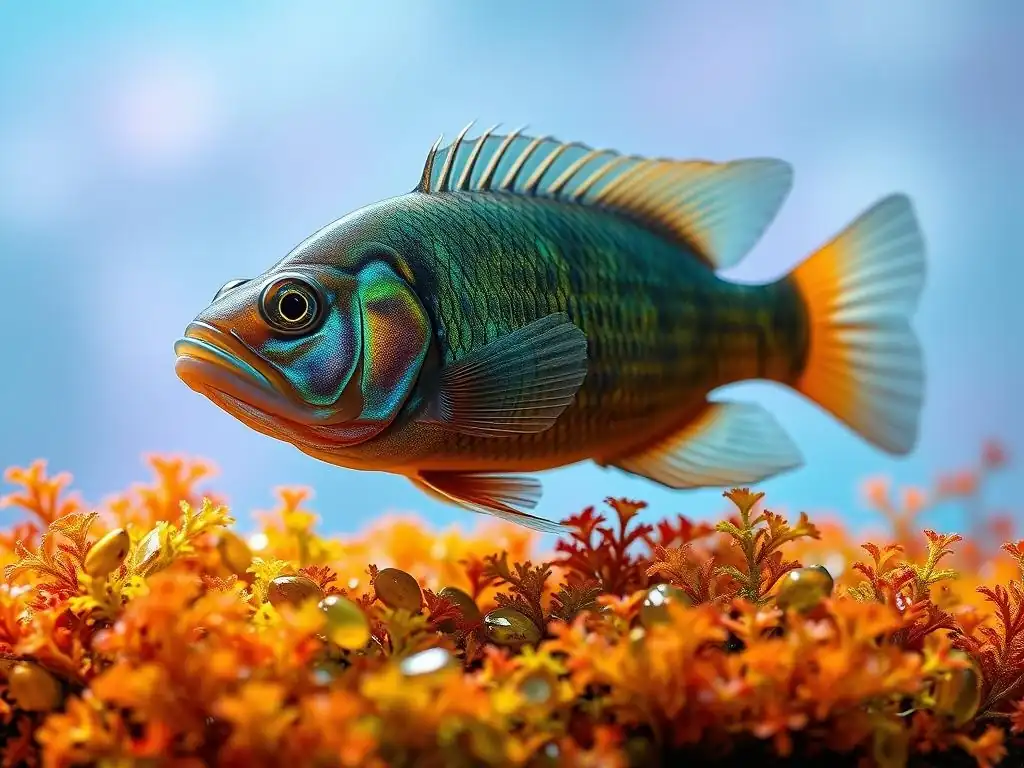
Establishing a consistent and appropriate feeding schedule is as critical as the food itself in any effective Featherfin fish diet guide. For adult Ophthalmotilapia and Cyathopharynx, feeding 2-3 times per day is generally ideal. Juveniles and breeding pairs, which have higher metabolic demands, may benefit from 4-5 smaller feedings daily. The golden rule for portion control is to offer only what your fish can completely consume within 2-3 minutes.
Overfeeding is one of the most common mistakes in aquarium husbandry and can lead to severe consequences. Excess food decays, rapidly degrading water quality by elevating ammonia, nitrite, and nitrate levels, which are highly toxic to fish. Furthermore, chronic overfeeding contributes to digestive issues like bloat, fatty liver disease, and obesity, significantly shortening the lifespan of your Featherfin cichlids. A precise Featherfin fish diet guide emphasizes lean, efficient feeding.
Best Times to Feed Featherfins: Optimizing Digestion and Activity
The timing of feedings can subtly influence the well-being and activity patterns of your Featherfin cichlids. Generally, feeding in the morning shortly after the tank lights come on, and again in the late afternoon or early evening, aligns well with their natural activity cycles. This provides them with energy for their active swimming and social interactions throughout the day.
Avoid feeding your Featherfins immediately before turning off the aquarium lights for the night. This allows ample time for digestion before their metabolism slows down during periods of rest. Undigested food in their gut overnight can contribute to digestive upset or bloat, particularly if the water temperature drops. A well-timed Featherfin fish diet guide ensures efficient nutrient absorption and minimizes stress on their digestive systems.
Supplementing the Diet: Vitamins and Minerals for Featherfin Health
While a high-quality, varied diet provides most essential nutrients, supplementing with vitamins and minerals can offer an extra layer of protection and boost overall health, especially during periods of stress, illness, or breeding. Liquid vitamin supplements, such as Selcon or Vita-Chem, can be soaked into frozen or dry foods just before feeding. This method ensures direct delivery of these vital micronutrients.
Trace elements are crucial for numerous metabolic processes, including immune function, bone development, and enzymatic reactions. For example, Vitamin E is known to enhance fertility in breeding fish, while B vitamins support energy metabolism. Incorporating a vitamin supplement into your Featherfin fish diet guide once or twice a week, or more frequently for conditioning breeders, can significantly enhance their resilience and vitality.
Live Food Culture for Featherfin Cichlids
Culturing Baby Brine Shrimp: A Nutritional Powerhouse for Fry and Adults
Culturing baby brine shrimp ( Artemia nauplii) is an invaluable practice for any serious aquarist aiming for a comprehensive Featherfin fish diet guide, especially when breeding. These newly hatched crustaceans are an excellent source of highly digestible protein and essential fatty acids, making them an ideal first food for Featherfin fry and a superb conditioning food for adult breeders. Their small size and jerky swimming motion trigger the natural hunting instincts of even the smallest fry.
Hatching brine shrimp is relatively straightforward, requiring brine shrimp eggs, saltwater (typically 1.020-1.025 specific gravity), aeration, and a warm temperature (around 78-82°F or 25-28°C). A typical hatch can yield millions of nauplii within 24-36 hours, providing a constant supply of fresh, nutritious live food. For instance, a 1-liter hatcher can produce enough nauplii daily to feed dozens of fry and supplement adult diets.
Growing Daphnia: A Sustainable Live Food Source
Daphnia, often referred to as "water fleas," are another highly beneficial live food that can be cultured at home, contributing significantly to a sustainable Featherfin fish diet guide. These small crustaceans are rich in protein, carotenoids (which enhance fish coloration), and fiber, making them an excellent conditioning food for adult Featherfin cichlids. They also provide natural enrichment by encouraging foraging behavior.
Daphnia are relatively easy to culture in outdoor tubs or indoor containers, thriving on green water (algae), yeast, or specialized liquid feeds. A simple setup can produce a continuous harvest, allowing you to provide fresh, healthy live food without relying on external sources. A healthy Daphnia culture can double its population every 2-3 days under optimal conditions, offering a reliable food source for your Featherfins.
Culturing Microworms: An Excellent First Food for Featherfin Fry
For the smallest Featherfin fry, such as the newly free-swimming offspring of Cyathopharynx, microworms ( Panagrellus redivivus) are an indispensable first food. These tiny nematodes, measuring only about 50-300 micrometers, are perfectly sized for the mouths of the most delicate fry, providing essential nutrition in their critical early developmental stages. They are also highly nutritious, packed with protein and lipids.
Microworms are incredibly easy to culture on a simple medium of oatmeal or cornmeal. A single culture can produce a continuous supply of worms for several weeks, making them a reliable and cost-effective option for anyone breeding Featherfin cichlids. Their wiggling motion on the water surface attracts fry, encouraging them to feed and ensuring a higher survival rate compared to relying solely on powdered or crushed dry foods.
Avoiding Common Dietary Mistakes with Featherfin Fish
Overfeeding and Its Consequences: Water Quality and Fish Health
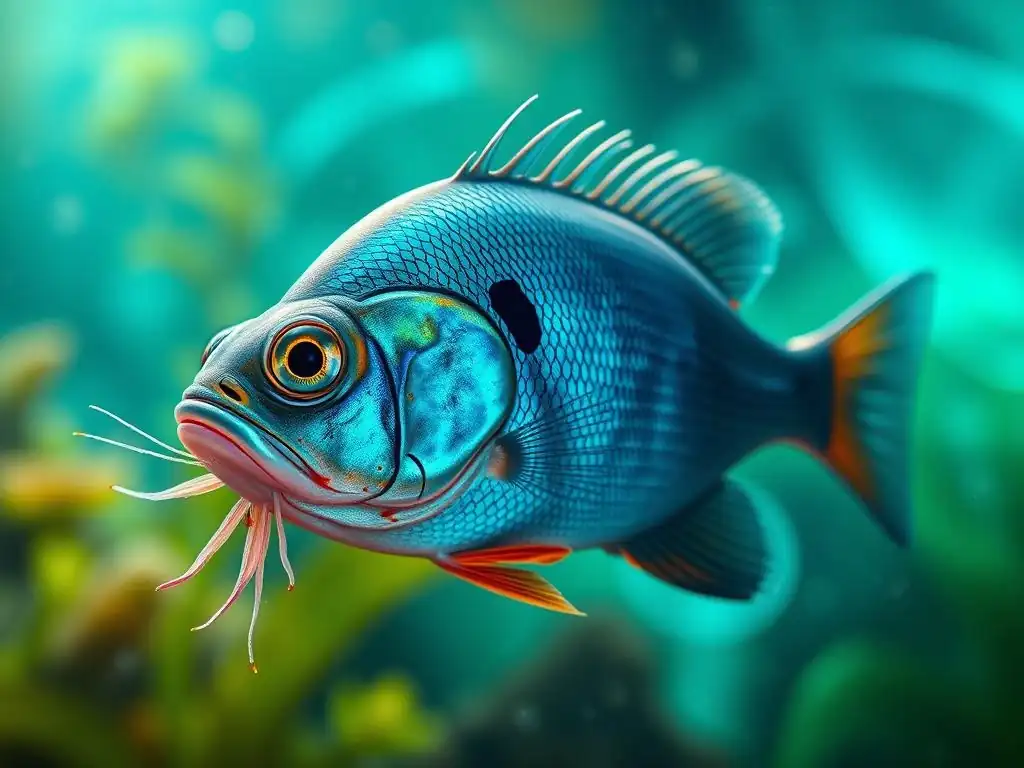
One of the most prevalent and detrimental errors in aquarium keeping, particularly highlighted in any comprehensive Featherfin fish diet guide, is overfeeding. When too much food is introduced, uneaten portions quickly break down, releasing ammonia and nitrites, which are highly toxic to fish. This leads to a rapid decline in water quality, manifesting as cloudy water, excessive algae growth, and elevated nitrate levels, stressing the fish's immune system.
Beyond water quality issues, chronic overfeeding directly impacts fish health. It can lead to digestive problems such as bloat, a common and often fatal condition in cichlids where the abdomen becomes distended. Overfed fish are also prone to developing fatty liver disease and obesity, which compromise internal organ function, reduce fertility, and significantly shorten their natural lifespan. Studies have shown that fish fed excessive amounts of food often have compromised immune responses, making them more susceptible to bacterial and parasitic infections.
Feeding Low-Quality Foods: Long-Term Health Risks
Another critical mistake to avoid is relying on low-quality or inappropriate foods, a point emphasized repeatedly in any effective Featherfin fish diet guide. Generic "tropical flakes" or pellets not specifically formulated for carnivorous cichlids often contain excessive fillers (like wheat flour or corn starch) and insufficient animal protein. These foods offer minimal nutritional value and can lead to a host of long-term health problems.
Fish fed a diet lacking in essential nutrients will exhibit signs of deficiency, including stunted growth, faded coloration, lethargy, and a weakened immune system. This makes them more vulnerable to common fish diseases, and their overall vitality will be significantly diminished. For instance, a Featherfin cichlid fed a diet with only 30% protein, when it requires 45-50%, will never reach its full potential in size, color, or reproductive capacity, ultimately impacting its lifespan and quality of life.
Ignoring the Need for Variety: Preventing Nutritional Deficiencies
Even if using seemingly "good" foods, a monotonous diet can lead to specific nutritional deficiencies over time. Relying on a single type of pellet or frozen food, no matter how high-quality, means your Featherfin cichlids might miss out on certain micronutrients, amino acids, or fatty acids that are present in other food sources. A robust Featherfin fish diet guide stresses the importance of dietary diversity.
Varying the protein sources by rotating between different types of frozen foods (e.g., Mysis shrimp one day, bloodworms the next, then brine shrimp) and incorporating live foods ensures a broader spectrum of nutrients. Additionally, rotating between different brands of high-quality pellets can expose your fish to different ingredient profiles and fortification levels. This varied approach mimics the diverse foraging opportunities in their natural habitat and ensures a complete, balanced nutritional intake, preventing subtle deficiencies that can accumulate and impact long-term health.
Troubleshooting Feeding Problems in Featherfin Cichlids
Identifying Signs of Malnutrition or Dietary Imbalance
Recognizing the signs of malnutrition or dietary imbalance early is crucial for the health of your Featherfin cichlids. A key indicator is a noticeable fading of their characteristic vibrant colors; for example, a male Ophthalmotilapia ventralis that should display brilliant blues and yellows might appear dull or washed out. Other common symptoms include lethargy, a sunken belly indicating emaciation, or stunted growth where fish do not reach their expected size for their age.
Further signs can include poor fin development, fin erosion, or an increased susceptibility to common aquarium ailments like ich or bacterial infections, as a compromised immune system struggles to fight off pathogens. Observing your fish's waste can also provide clues; stringy, white feces often suggest internal parasites or a severe digestive upset potentially linked to an inappropriate Featherfin fish diet guide. Regular observation allows for prompt intervention.
Addressing Finicky Eating Habits in Featherfin Cichlids
Featherfin cichlids, like many wild-caught or highly specialized fish, can sometimes develop finicky eating habits, refusing certain foods. If your fish are not eating a new food, try introducing it slowly by mixing small amounts with their current preferred food. Gradually increase the proportion of the new food over several days. Offering a variety of textures and sizes, from small pellets to larger frozen Mysis shrimp, can also stimulate their appetite.
Before assuming finickiness, always check your water parameters; poor water quality (e.g., high ammonia, nitrite, or nitrate) is a common appetite suppressant. Observe tank dynamics; dominant fish might be preventing shyer individuals from accessing food. In some cases, a brief 24-hour fast can stimulate the appetite of otherwise healthy but reluctant eaters, making them more receptive to new offerings outlined in a varied Featherfin fish diet guide.
Bloat, also known as Malawi bloat, is a severe and often fatal condition prevalent in cichlids, frequently linked to dietary factors. Symptoms include a distended abdomen, loss of appetite, white and stringy feces, and labored breathing. It is often triggered by diets too high in fat or low in fiber, sudden changes in food, or poor water quality. Prevention through a proper Featherfin fish diet guide is paramount.
If bloat is suspected, immediately cease feeding and consider isolating the affected fish in a hospital tank. Treatment often involves adding Epsom salt (magnesium sulfate, 1-3 teaspoons per 5 gallons) to the water to help reduce swelling and act as a mild laxative. Medicated foods containing antibiotics like Metronidazole are also often used. However, prevention is the best strategy: ensure a balanced diet with appropriate protein and fiber, avoid overfeeding, and maintain pristine water conditions to safeguard your Featherfins from this debilitating illness.
Advanced Featherfin Feeding Techniques
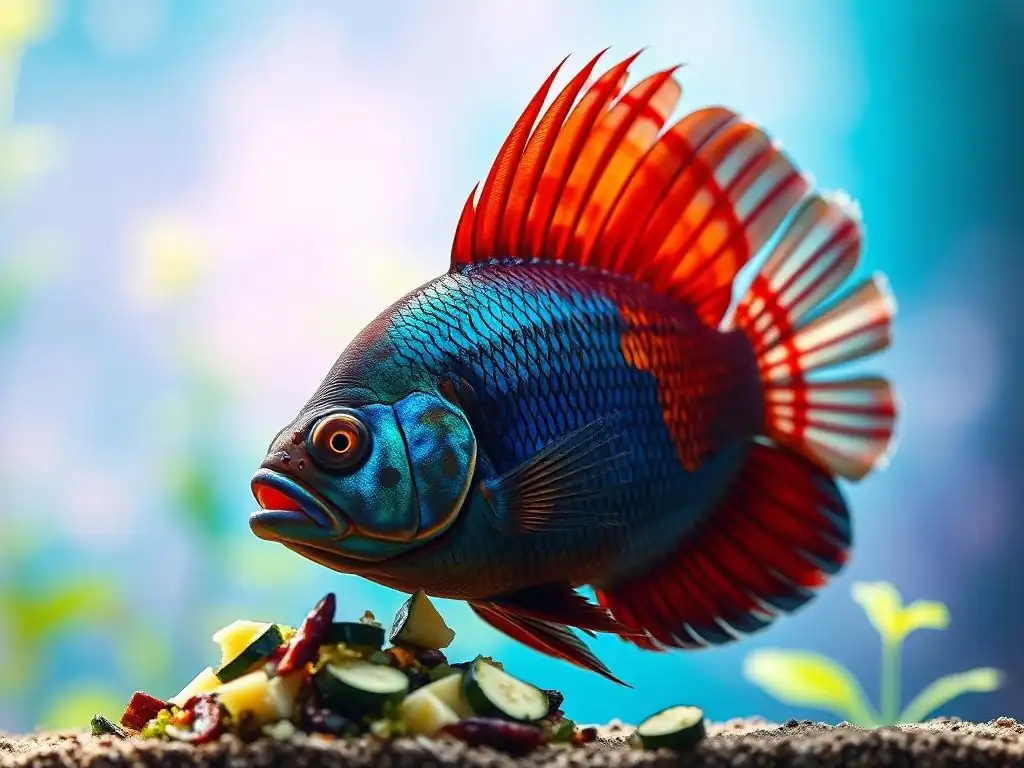
In community aquariums, especially those housing multiple Featherfin cichlids or mixed species, competition for food can be intense. Target feeding is an advanced technique that ensures all fish, particularly shy, less dominant, or slower-eating individuals, receive adequate nutrition. This method involves using a pipette, turkey baster, or long tongs to deliver food directly to specific fish or areas of the tank.
Target feeding is particularly beneficial for conditioning breeding pairs or for ensuring that juveniles in a mixed-age tank receive enough food for proper growth. For instance, you can gently squirt frozen Mysis shrimp near a timid Cyathopharynx male that might otherwise be outcompeted by larger Ophthalmotilapia. This precision feeding minimizes waste and reduces stress among tank inhabitants, contributing to a more equitable and effective Featherfin fish diet guide for the entire community.
Using Feeding Rings: Minimizing Waste and Maintaining Water Quality
Feeding rings are simple yet effective tools that significantly aid in maintaining excellent water quality, a critical component of any successful Featherfin fish diet guide. These floating rings contain dry foods like flakes and pellets within a designated area on the water surface, preventing them from scattering across the tank or being drawn into the filter before consumption.
By confining the food, feeding rings allow for better observation of how much food is being consumed and by whom, helping aquarists fine-tune portion sizes. More importantly, they drastically reduce the amount of uneaten food sinking to the substrate, which can quickly decompose and foul the water. This simple technique helps prevent spikes in ammonia and nitrates, ensuring a healthier environment for your Featherfin cichlids and reducing the frequency of extensive tank cleaning.
Nutritional Requirements for Breeding Featherfin Cichlids: Supporting Egg Production and Fry Development
Successfully breeding Featherfin cichlids, such as Ophthalmotilapia or Cyathopharynx, demands a heightened focus on their nutritional intake. Conditioning breeding pairs requires a diet rich in high-quality protein and essential fats to support egg production in females and sperm viability in males. Increased feeding of premium live foods, such as enriched baby brine shrimp, adult brine shrimp, and Mysis shrimp, is paramount during this phase.
For example, a female Cyathopharynx furcifer can produce 20-40 eggs per spawn; adequate nutrition directly impacts clutch size, egg quality, and subsequent fry viability. Supplementation with vitamins, particularly Vitamin E, can further enhance fertility. After spawning and during mouthbrooding, the female will often fast, depleting her reserves. Post-spawn, it's crucial to offer highly nutritious, easily digestible foods to help her recover quickly and prepare for future spawns, ensuring robust health for both parents and developing fry within your comprehensive Featherfin fish diet guide.
Conclusion: Optimizing Your Featherfin Cichlid's Diet for a Thriving Aquarium
Mastering the Featherfin fish diet guide is an essential step toward cultivating a vibrant, healthy, and thriving aquarium ecosystem for your Ophthalmotilapia and Cyathopharynx. By understanding their specific zooplanktivorous needs, embracing dietary variety, and adhering to a disciplined feeding schedule, you lay the groundwork for their long-term well-being. Avoiding common pitfalls like overfeeding and low-quality foods is just as crucial as providing the right nutrients.
A meticulously planned diet, rich in high-quality proteins from diverse sources like live and frozen foods, complemented by premium pellets and select plant matter, ensures robust growth, brilliant coloration, and strong immune function. When you optimize your Featherfin cichlid's diet, you not only prevent common health issues but also encourage natural behaviors, successful breeding, and maximize their impressive lifespan. Ultimately, a well-executed Featherfin fish diet guide is the cornerstone of a truly rewarding aquarist experience, allowing these magnificent Lake Tanganyika cichlids to flourish in your care.
Frequently Asked Questions
What is the primary dietary requirement of Featherfin fish ( Ophthalmotilapia and Cyathopharynx)?
Featherfin fish are primarily planktivores. Their diet should consist mainly of small, suspended food particles similar to plankton found in their natural habitat.
How often should I feed my Featherfin fish?
Feed Featherfin fish small amounts multiple times a day, ideally 3-4 times, to mimic their natural feeding behavior. Avoid overfeeding, as this can lead to water quality issues.
What type of food is best to supplement a plankton-based diet for Featherfin fish in an aquarium?
Supplement their diet with high-quality flake food specifically formulated for planktivores or herbivores. You can also offer occasional frozen foods like daphnia or cyclops.
Are there any foods I should avoid feeding my Featherfin fish?
Avoid feeding them large, meaty foods or foods high in protein. These foods are difficult for them to digest and can lead to health problems.
How do I ensure all my Featherfin fish are getting enough food in a community aquarium?
Observe your fish carefully during feeding to ensure that the more dominant fish are not consuming all the food. You may need to distribute food in multiple areas of the tank or use a feeding tube to target specific fish.
Final Reflection: Sustaining the Shimmer of Featherfins
The journey into understanding the dietary needs of Ophthalmotilapia and Cyathopharynx has revealed more than just feeding schedules and nutritional requirements; it highlights the delicate balance required to maintain thriving aquatic ecosystems. This exploration underscores the crucial role responsible aquarists play in preserving the vibrant beauty of these Featherfin cichlids, not just in our tanks, but also as ambassadors for their natural habitats. Ignoring their specific dietary needs is akin to silencing a vital voice in the chorus of biodiversity.
The impact of informed care extends far beyond the confines of a fish tank. Witnessing the iridescent shimmer of a healthy Featherfin, a direct result of a balanced diet, is a powerful reminder of our interconnectedness with the natural world. It compels us to consider the broader implications of our actions and the responsibility we bear towards these captivating creatures. In the end, we will conserve only what we love; we will love only what we understand; and we will understand only what we are taught.
- Baba Dioum. This quote perfectly encapsulates the importance of education and understanding in conservation efforts.
Now, armed with this knowledge of the Featherfin fish diet, I encourage you to reflect on your own role in promoting responsible aquarium keeping. Consider how you can further contribute to the well-being of these magnificent fish, whether through sharing this guide, advocating for sustainable practices, or simply taking a moment to appreciate the intricate beauty of the Ophthalmotilapia and Cyathopharynx. Let us all strive to be informed stewards of these aquatic treasures, ensuring their shimmering legacy endures for generations to come.
Ignite Your Featherfin's Feeding Frenzy!
Thank you for diving into the fascinating world of Featherfin cichlids! Now that you're armed with the knowledge to keep your Ophthalmotilapia and Cyathopharynx thriving, let's put that expertise into action.
Here are a few things you can do right now:
- Revamp your feeding schedule: Introduce a new, varied diet based on the information you've learned, focusing on high-quality flake food supplemented with live or frozen treats.
- Document your Featherfin's feeding response. Start a feeding journal to meticulously track your fish's preferences, growth, and overall health in response to different food types.
- Share your newfound wisdom! Engage with other Featherfin enthusiasts on forums or social media groups, sharing your feeding strategies and learning from their experiences.
What's the first new food you're planning to introduce to your Featherfins, and how do you anticipate they'll react?