
Soaked or Dry? The Best Way to Prepare Nori and Seaweed for Your Tangs


Welcome to Aquarium Mastery!
Ever wondered if you're really giving your Tangs the best possible diet? With so many opinions on Nori seaweed tang diet preparation, it can be confusing. Are you soaking it right? Is dry better? Dive into our comprehensive guide to unlock the secrets to a thriving, algae-grazing Tang, and discover the ideal way to prepare their favorite snack. Let's ensure your Tangs are getting the nutrients they need!
- Optimizing Nori and Seaweed Preparation for Tang Health
- Understanding Tang Dietary Needs: Nori and Seaweed's Crucial Role
- Nori Preparation: Soaked vs. Dry – An In-Depth Analysis
- Nori Preparation Guide for Tangs
- Effective Nori Feeding Strategies for Tangs
- Addressing Nori-Related Health Concerns in Tangs
- Alternative Algae-Based Foods for Tangs: Diversifying the Diet
-
Frequently Asked Questions
- How does nori seaweed benefit tangs in an aquarium setting?
- Is it better to feed tangs nori seaweed soaked in water or dry?
- How often should I feed my tangs nori seaweed?
- What are the best ways to attach nori seaweed to the aquarium for tangs to graze on?
- Are there any risks associated with feeding tangs too much nori seaweed?
- Final Reflection: The Ocean's Bounty and Our Tangs' Well-being
- Nourish Your Tangs: Ignite Their Health and Vitality!
Optimizing Nori and Seaweed Preparation for Tang Health
Understanding Tang Dietary Needs: Nori and Seaweed's Crucial Role
Algae's Significance in Tang Nutrition
Tangs, also known as surgeonfish, are primarily herbivores in their natural marine habitats, constantly grazing on various forms of algae throughout the day. This continuous intake of vegetable matter is crucial for their long, specialized digestive tracts, which are designed to process fibrous plant material efficiently. In the wild, species like the Yellow Tang ( Zebrasoma flavescens) can spend over 70% of their active day picking at microalgae and macroalgae on coral reefs, ensuring a steady supply of essential nutrients and fiber.
The importance of algae in a tang's diet extends beyond simple nutrition; it plays a vital role in preventing common health issues in captivity. A diet lacking sufficient plant material can lead to conditions such as Head and Lateral Line Erosion (HLLE), characterized by pitting and lesions on the fish's head and body. Regular access to algae helps maintain proper gut motility, supports a robust immune system, and provides crucial vitamins and trace elements that are often scarce in purely processed or meaty foods.
Nori's Nutritional Advantages for Surgeonfish
Nori, specifically the dried edible seaweed derived from various species of Porphyra or Pyropia, has become a staple in the diet of captive tangs due to its excellent nutritional profile. It is rich in essential vitamins, including Vitamin C, which is critical for immune function and preventing HLLE, and various B vitamins, particularly B12. Nori also provides a good source of fiber, aiding digestion, and contains important minerals such as iodine, iron, and calcium, all vital for overall fish health.
Unlike terrestrial vegetables, Nori is a marine-based algae, making its nutrient composition more naturally aligned with what marine fish, like tangs, are adapted to digest and absorb efficiently. Its soft yet fibrous texture is highly palatable to most tang species, encouraging consistent grazing. Incorporating Nori into the Nori seaweed tang diet helps mimic the diverse algal intake of their natural environment, providing a convenient and highly beneficial supplement.
Seaweed Varieties for Tangs: A Comparative Overview
While Nori is widely popular, diversifying a tang's diet with other seaweed varieties can offer a broader spectrum of nutrients and textures. Gracilaria (often sold as "red ogo algae") is another excellent choice, providing a different array of proteins and carbohydrates. Ulva (sea lettuce), a green algae, is also readily accepted by many tangs and offers a distinct fibrous structure. Beyond these, Spirulina, a blue-green cyanobacteria, is frequently incorporated into high-quality flake and pellet foods for its dense protein and vitamin content.
Each type of seaweed contributes unique nutritional benefits to the Nori seaweed tang diet. For instance, Gracilaria may offer a richer source of certain polysaccharides and carotenoids, while Ulva can provide different types of dietary fiber. Offering a rotation of these various marine algaes ensures that tangs receive a comprehensive range of micronutrients and helps prevent dietary boredom, promoting better overall health and vibrancy in the aquarium.
Nori Preparation: Soaked vs. Dry – An In-Depth Analysis
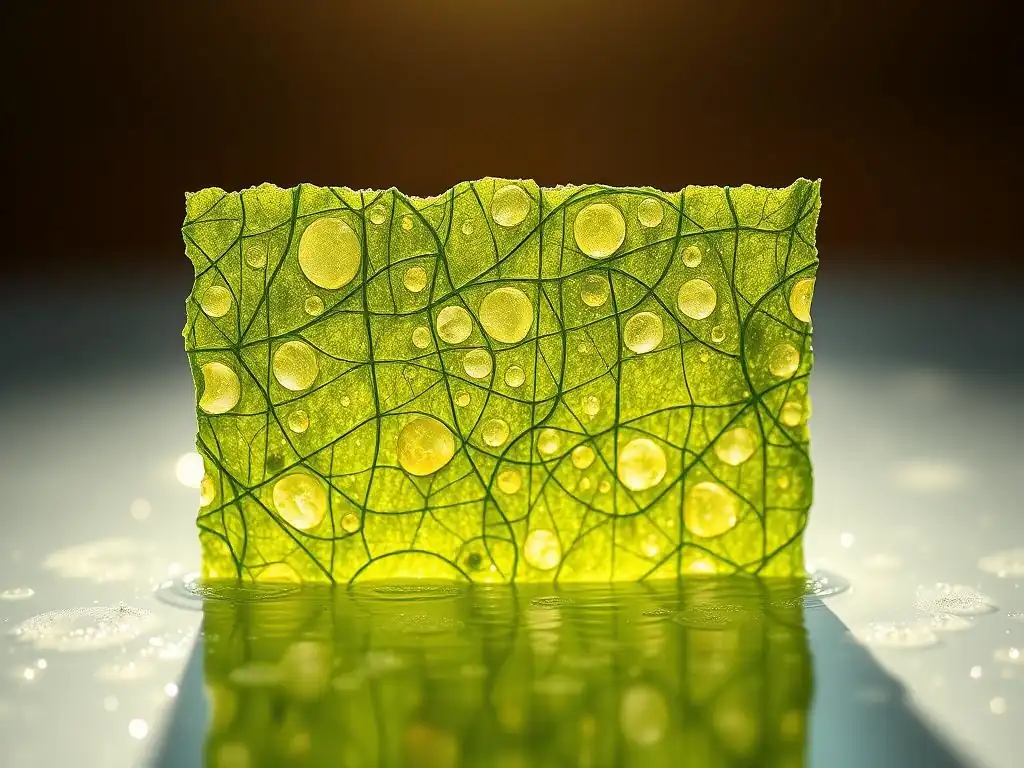
Dry Nori: Benefits and Limitations for Tangs
Advantages of Dry Nori Feeding
Feeding Nori in its dry, crisp form offers several practical advantages for aquarists and their tangs. Firstly, it is incredibly convenient; simply cut a piece to size, secure it with a Nori clip, and attach it to the aquarium glass. This method results in minimal mess if the Nori is consumed quickly, as it doesn't break down into small, easily dispersed particles as readily as soaked Nori might if left unattended.
Furthermore, dry Nori encourages natural grazing behavior, as tangs enjoy tearing off pieces from the sheet, mimicking their wild foraging habits. This tearing action can also provide a subtle form of environmental enrichment and help in the natural abrasion of their teeth. Many aquarists observe that their tangs, especially larger or more aggressive species like the Achilles Tang ( Acanthurus achilles), show a strong preference for the texture and challenge of grazing on dry Nori, making it a highly effective component of their Nori seaweed tang diet.
Disadvantages of Dry Nori Feeding
Despite its benefits, feeding dry Nori also comes with certain limitations. If tangs do not consume the Nori quickly, especially in tanks with lower flow, the dry sheet can break apart into tiny, brittle pieces that float freely in the water column. These small fragments can easily bypass mechanical filtration, leading to increased dissolved organic compounds and potentially contributing to elevated nitrate and phosphate levels over time, thus degrading water quality.
Another potential, though rare, concern with dry Nori is the risk of impaction. If a tang ingests a very large, dry piece that then expands significantly in its gut, it could theoretically lead to digestive blockages. While this is uncommon with appropriate portion sizes, it is a factor to consider. Additionally, some very finicky or stressed tangs might find the dry, rigid texture less palatable compared to softer, rehydrated options, making it harder for them to consistently graze on their Nori seaweed tang diet.
Advantages of Soaked Nori Feeding
Soaking Nori before feeding offers distinct advantages, particularly for smaller, more delicate, or recovering tangs. The rehydrated Nori becomes significantly softer and easier to tear and consume, reducing the effort required for feeding. This can be especially beneficial for tangs that are new to the tank, stressed, or those with dental issues, ensuring they can still access this vital part of their Nori seaweed tang diet without struggle.
Moreover, soaked Nori tends to hold together better in the water column once it's softened, reducing the likelihood of excessive crumbling and subsequent water pollution compared to dry Nori. The process of soaking also provides an excellent opportunity to fortify the Nori with liquid supplements, such as vitamin solutions or appetite stimulants like garlic extracts, which are readily absorbed by the rehydrated seaweed, enhancing its nutritional value and palatability.
Disadvantages of Soaked Nori Feeding
One of the primary drawbacks of soaking Nori is the potential for nutrient leaching. Water-soluble vitamins, such as Vitamin C and many B vitamins, can dissolve into the soaking water, reducing the nutritional content of the Nori if it's soaked for too long or in too much water. This means that while the tangs are consuming the Nori, they might not be receiving the full spectrum of beneficial compounds intended for their Nori seaweed tang diet.
Another significant disadvantage is the increased potential for water quality degradation if soaked Nori is left in the tank for extended periods. Rehydrated seaweed decomposes much faster than its dry counterpart, leading to a quicker release of ammonia and other dissolved organics. If not removed promptly (e.g., within 1-2 hours), decaying soaked Nori can contribute to bacterial blooms, cloudy water, and elevated nutrient levels, posing a risk to the overall health of the aquarium environment.
Nori Preparation Guide for Tangs
Preparing Dry Nori for Aquarium Use
To prepare dry Nori for your tangs, begin by selecting high-quality, unsalted, unroasted Nori sheets, typically found in Asian grocery stores. It is crucial to ensure there are no added ingredients like oils, salt, or seasonings, as these can be harmful to your fish. Using clean, dry scissors, cut a piece of Nori into an appropriate size for your tangs. For a single medium-sized tang (e.g., a 4-inch Yellow Tang), a 2-inch by 2-inch square is often a good starting point, while larger tangs may require a 3x3 inch piece.
Once cut, secure the Nori piece firmly in a specialized Nori clip or a clean, aquarium-safe rubber band. Attach the clip to the inside of your aquarium glass or to a stable piece of live rock in an area with moderate water flow, ensuring it is easily accessible to your tangs but not directly in the path of a strong powerhead. Observe your tangs' consumption habits; any uneaten Nori should be removed from the tank within 2-3 hours to prevent it from breaking down and impacting water quality.
Preparing Soaked Nori for Aquarium Use
To prepare soaked Nori, take a piece of unsalted, unroasted Nori of appropriate size, similar to the dry preparation. Place the Nori in a small, clean non-metallic dish or container. Add just enough clean, dechlorinated freshwater or reverse osmosis (RO) water to fully submerge the Nori. Allow the Nori to soak for approximately 5 to 10 minutes, or until it becomes soft and pliable. Avoid using tank water for soaking, as it can contain dissolved organics that may accelerate spoilage or introduce unwanted substances.
Once softened, gently squeeze out any excess water from the Nori sheet. This helps to prevent nutrient leaching into the aquarium water and makes the Nori less prone to dissolving too quickly. Secure the softened Nori to a Nori clip or wrap it around a piece of live rock using a clean rubber band. Place it in the tank where your tangs can easily graze on it. As with dry Nori, it is essential to remove any uneaten portions within 1-2 hours to maintain optimal water quality.
Soaking Duration and Water Quality Impacts
The duration of Nori soaking is critical to balance palatability with nutrient retention. Soaking Nori for too long, exceeding 15-20 minutes, can lead to a significant loss of water-soluble vitamins, particularly Vitamin C, which is vital for tang health and immunity. While the Nori will become very soft, its nutritional benefit can be diminished, making it less effective as a core component of the Nori seaweed tang diet.
The quality of the water used for soaking also directly impacts the Nori's safety and the aquarium's water quality. Using tap water that has not been properly dechlorinated can introduce harmful chemicals like chlorine or chloramines into the Nori, which are then ingested by your fish. Using RO or distilled water is highly recommended, as these pure water sources ensure that no additional contaminants are introduced, maintaining the integrity and safety of the prepared Nori.
Enhancing Soaked Nori with Additives [Example: Garlic Supplement]
Soaked Nori serves as an excellent vehicle for delivering liquid supplements directly to your tangs, enhancing their Nori seaweed tang diet. A popular additive is a marine-safe garlic supplement, such as Seachem GarlicGuard or Brightwell Aquatics Garlic Power. After the Nori has softened, you can add a few drops of the garlic supplement to the soaking water or directly onto the rehydrated Nori before feeding. Garlic is often used as an appetite stimulant, which can be particularly useful for finicky eaters or new arrivals, and some aquarists believe it offers immune-boosting properties.
Beyond garlic, other liquid vitamin complexes specifically formulated for marine fish, such as Brightwell Aquatics Vitamarin-C or Kent Marine Essential Elements, can also be incorporated. These supplements can replenish vitamins that might be lost during soaking or provide additional nutrients to support overall health, coloration, and immune function. Always ensure that any additives used are specifically designed for aquarium use and follow the manufacturer's recommended dosages to prevent any adverse effects on your fish or water quality.
Effective Nori Feeding Strategies for Tangs
Utilizing Nori Clips and Feeding Locations
Nori clips are indispensable tools for feeding tangs, providing a secure and natural way for these herbivores to graze. These clips, often with suction cups or magnetic attachments, allow the Nori sheet to be held firmly against the aquarium glass or rockwork. This mimics the natural grazing behavior of tangs on algae growing on reef structures and prevents the Nori from floating freely, which can stress fish and lead to food waste and water pollution.
For optimal results, place Nori clips in areas of moderate water flow where your tangs feel secure and have easy access. In tanks with multiple tangs, especially those prone to territorial behavior like the Powder Blue Tang ( Acanthurus leucosternon), consider using two or more clips placed at opposite ends of the aquarium. This strategy can help reduce competition and aggression, ensuring that all tangs have ample opportunity to consume their vital Nori seaweed tang diet without undue stress.
Optimizing Feeding Frequency for Algae Consumption
Tangs are continuous grazers in their natural environment, consuming small amounts of algae throughout the day. To replicate this in the aquarium, it is ideal to offer Nori daily, or at least every other day, as a primary component of their Nori seaweed tang diet. A common strategy involves placing a piece of Nori in the tank for 2-4 hours during the day, allowing the tangs ample time to graze.
The exact amount of Nori needed depends on the number and size of your tangs and the overall bioload of your tank. For example, a single 5-inch tang in a 75-gallon tank might consume a 2x2 inch piece of Nori within a few hours. Observe how quickly your tangs consume the Nori; if they finish it rapidly, you might consider offering a slightly larger piece or feeding twice a day. Conversely, if significant portions remain after 4 hours, reduce the amount to prevent water quality degradation.
Despite Nori's nutritional benefits, improper feeding can lead to significant water quality issues. The most crucial step is to always remove any uneaten Nori from the tank within 2-4 hours, whether it's dry or soaked. Decaying Nori, like any uneaten food, will break down, releasing phosphates, nitrates, and other dissolved organic compounds into the water. These compounds can fuel nuisance algae blooms, reduce oxygen levels, and contribute to overall poor water parameters, stressing your fish.
Beyond timely removal, maintaining excellent filtration is key. Robust protein skimming is highly effective at removing dissolved organics before they can break down into harmful compounds. Regular partial water changes, typically 10-20% bi-weekly, also help dilute and remove accumulated nutrients. By diligently managing feeding amounts and promptly removing uneaten food, you can ensure that your Nori seaweed tang diet contributes to a healthy aquarium environment, rather than detracting from it.
Risks Associated with Excessive Nori Feeding
While Nori is a cornerstone of a healthy tang diet, excessive reliance on it without diversification can present risks. Overfeeding Nori, or any single food source, can lead to nutrient imbalances if other essential food types, such as meaty foods for omnivorous tangs or other forms of algae, are neglected. Tangs require a broad spectrum of amino acids, fatty acids, and trace elements that may not be exclusively provided by Nori alone, potentially leading to long-term deficiencies.
The primary and most immediate risk of overfeeding Nori is the rapid deterioration of water quality. Large amounts of uneaten Nori, especially if left to decompose, significantly increase the organic load in the aquarium. This can lead to dangerous spikes in ammonia and nitrite, followed by elevated nitrates and phosphates, which promote nuisance algae growth and can severely stress fish, making them more susceptible to disease. Therefore, moderation and prompt removal are crucial even for a beneficial food like Nori.
Identifying Nutritional Deficiency Symptoms in Tangs
Nutritional deficiencies in tangs, often stemming from an inadequate Nori seaweed tang diet or lack of dietary diversity, can manifest in several recognizable symptoms. One of the most common and concerning is Head and Lateral Line Erosion (HLLE), characterized by pitting, erosions, and lesions primarily on the head and along the lateral line of the fish. HLLE is frequently linked to a lack of proper roughage, specific vitamins (especially Vitamin C), and certain trace elements in their diet.
Other symptoms of nutritional deficiency may include faded or dull coloration, reduced activity levels, stunted growth in juvenile tangs, and an overall lack of vibrancy. Fish may also exhibit a weakened immune system, making them more vulnerable to common aquarium diseases such as marine ich ( Cryptocaryon irritans) or bacterial infections. Consistent observation of your tangs' appearance and behavior, coupled with a varied and complete Nori seaweed tang diet, is essential for preventing these issues.
Selecting High-Quality Nori: Safety and Quality Factors
The quality of the Nori you feed your tangs is paramount for their health. Always purchase unsalted, unroasted Nori sheets intended for human consumption, typically found in Asian markets. It is critical to carefully read the ingredient list to ensure there are no hidden additives such as oils, salts, sugars, preservatives, or artificial flavorings, all of which can be detrimental to marine fish. Many aquarists opt for organic Nori to minimize exposure to pesticides or other agricultural chemicals.
Visually inspect the Nori sheets for any signs of mold, discoloration, or an unusual odor. High-quality Nori should be dark green to almost black, with a consistent texture and a mild, oceanic scent. Once opened, store Nori in an airtight container in a cool, dark place, such as a pantry or refrigerator, to preserve its freshness and nutritional integrity. Proper storage prevents moisture absorption and oxidation, which can degrade the Nori's vitamins and minerals over time.
Alternative Algae-Based Foods for Tangs: Diversifying the Diet
Seaweed-Based Pellets and Flakes: A Practical Choice
Beyond whole Nori sheets, commercially prepared seaweed-based pellets and flakes offer a convenient and nutritionally complete alternative or supplement for a tang's diet. Many reputable aquatic food manufacturers produce formulations specifically designed for marine herbivores, with high percentages of spirulina, kelp, and other marine algae listed as primary ingredients. These foods are often fortified with essential vitamins, minerals, and sometimes even probiotics, providing a balanced Nori seaweed tang diet.
When selecting these prepared foods, look for brands that clearly list marine algae as one of the first few ingredients on the label. Examples include Hikari Marine S, Ocean Nutrition Formula Two, or New Life Spectrum AlgaeMax. These can be fed in small amounts once or twice daily, serving as a reliable source of consistent nutrition. While they don't replace the grazing experience of whole Nori, they ensure a broader spectrum of nutrients and can be particularly useful for tanks where daily Nori sheet feeding is challenging.
Cultivating Algae: A Natural Dietary Source
For dedicated aquarists seeking to provide the most natural and continuous food source for their tangs, cultivating live macroalgae within the aquarium system is an excellent strategy. Macroalgae like Chaetomorpha (chaeto), Gracilaria, or Ulva can be grown in a dedicated refugium or even allowed to grow in a section of the main display tank. Tangs will naturally graze on these live algae throughout the day, mimicking their wild feeding behaviors.
This method offers several significant benefits: it provides a constant, fresh supply of highly nutritious algae, which is crucial for the continuous grazing habits of tangs. Additionally, live macroalgae contribute to nutrient export by absorbing nitrates and phosphates from the water, improving overall water quality. While requiring more effort and specific equipment (like a refugium and dedicated lighting), cultivating live algae creates a truly holistic Nori seaweed tang diet and a more stable, natural environment for your fish.
Enhancing Nori with Other Green Foods [Example: Gracilaria]
While Nori is an excellent staple, incorporating other fresh or dried green foods can significantly enhance the diversity and completeness of your tangs' diet. Gracilaria, often available as live "red ogo algae" from online suppliers or specialized fish stores, is a highly palatable red macroalgae that tangs adore. It can be draped over live rock or secured with a rubber band, allowing tangs to graze on it naturally.
Other suitable green foods include fresh Ulva (sea lettuce), which can also be offered in a Nori clip. The varied textures and nutritional profiles of these different marine greens ensure your tangs receive a broader spectrum of micronutrients that might not be as abundant in Nori alone. Rotating between Nori, Gracilaria, Ulva, and even small amounts of blanched terrestrial greens like spinach (as an occasional treat, not a staple) ensures a well-rounded and engaging Nori seaweed tang diet, promoting optimal health and vitality.
Frequently Asked Questions
How does nori seaweed benefit tangs in an aquarium setting?
Nori seaweed provides essential nutrients and fiber for tangs, mimicking their natural diet in the wild. It aids in digestion and helps prevent health problems like head and lateral line erosion (HLLE).
Is it better to feed tangs nori seaweed soaked in water or dry?
While both forms are acceptable, soaking nori can help it sink easier and become more palatable, especially for picky eaters. Soaking also helps remove excess salts from the nori.
How often should I feed my tangs nori seaweed?
Tangs are grazing fish and should have access to nori seaweed daily or every other day. This helps satisfy their natural grazing behavior and provides a consistent food source.
What are the best ways to attach nori seaweed to the aquarium for tangs to graze on?
You can use a seaweed clip or vegetable clip attached to the glass, or simply wedge it between rocks. Ensure the nori is easily accessible to your tangs for efficient grazing.
Are there any risks associated with feeding tangs too much nori seaweed?
While generally safe, overfeeding can lead to nutrient imbalances or water quality issues. Monitor your tank's water parameters and adjust the amount of nori accordingly to prevent algae blooms.
Final Reflection: The Ocean's Bounty and Our Tangs' Well-being
The journey of understanding the optimal way to prepare nori and seaweed for our tangs, as we've explored, isn't just about feeding fish; it's about responsible aquarium keeping and appreciating the delicate balance of marine ecosystems. The debate between soaked and dry preparation highlights our commitment to providing the best possible care for these vibrant creatures, ensuring their health and longevity in our home aquariums.
This seemingly simple question of preparation methods underscores a deeper connection to the natural world. It reminds us that even in our controlled environments, we are stewards of life, responsible for mimicking the conditions that allow these animals to thrive. In the end, we will conserve only what we love; we will love only what we understand; and we will understand only what we are taught.
- Baba Dioum. This quote resonates deeply, urging us to continuously learn and refine our practices to better understand and care for the marine life we cherish.
Now, as you consider the information presented, I encourage you to reflect on your own practices. How can you refine your approach to feeding your tangs to ensure they receive the optimal nutrition and care? Let this exploration of nori and seaweed preparation be a catalyst for deeper engagement with your aquarium, fostering a greater appreciation for the intricate beauty and delicate balance of the underwater world you've created.
Nourish Your Tangs: Ignite Their Health and Vitality!
Thank you for exploring the nuances of preparing nori and seaweed for your tangs. We hope this article has provided you with valuable insights to enhance their diet and well-being. Now, let's translate this knowledge into action!
Here are some ways you can further benefit your tangs:
- Experiment with preparation methods: Try both soaking and dry feeding to observe your tangs' preference and optimize their nutrition.
- Explore sourcing options: Research different brands and types of nori to find the most nutritious and palatable options for your fish.
- Share Your Success: Post pictures of your tangs enjoying their seaweed snacks on social media with #AquariumMastery to inspire other aquarium enthusiasts.
What unique seaweed preparation techniques have you found that your tangs absolutely adore?