
Can Corydoras Thrive in a Planted Tank? Tips and Tricks

Welcome to Aquarium Mastery!
Ever wondered if those adorable Corydoras catfish can really thrive amidst lush aquarium plants? Dive into our guide, "Can Corydoras Thrive in a Planted Tank? Tips and Tricks," and unlock the secrets to Corydoras planted tank success. Discover how to create the perfect environment for these bottom-dwelling buddies and cultivate a vibrant underwater ecosystem. Curious to know what plants they love (and which to avoid)? Let's explore!
- Can Corydoras Thrive in a Planted Tank? A Comprehensive Guide
- Understanding Corydoras Needs in a Planted Aquarium
- Suitable Plants for a Corydoras-Friendly Planted Tank
- Setting Up Your Planted Tank for Corydoras
- Feeding Corydoras in a Planted Tank
- Maintaining a Healthy Corydoras Planted Tank
- Common Issues and Solutions in Corydoras Planted Tanks
- Tips for Long-Term Success
-
Frequently Asked Questions
- Can Corydoras and plants coexist peacefully in a planted aquarium?
- What are the ideal water parameters for Corydoras in a planted tank?
- Which type of substrate is best for Corydoras in a planted tank?
- What plants are most suitable for a Corydoras planted tank?
- How do I ensure Corydoras get enough food in a heavily planted tank?
- Final Reflection: Cultivating Harmony in the Aquatic Realm
- Dive Deeper: Start Your Cory Cat Paradise!
Can Corydoras Thrive in a Planted Tank? A Comprehensive Guide
Understanding Corydoras Needs in a Planted Aquarium
Corydoras Natural Habitat and Tank Setup Considerations
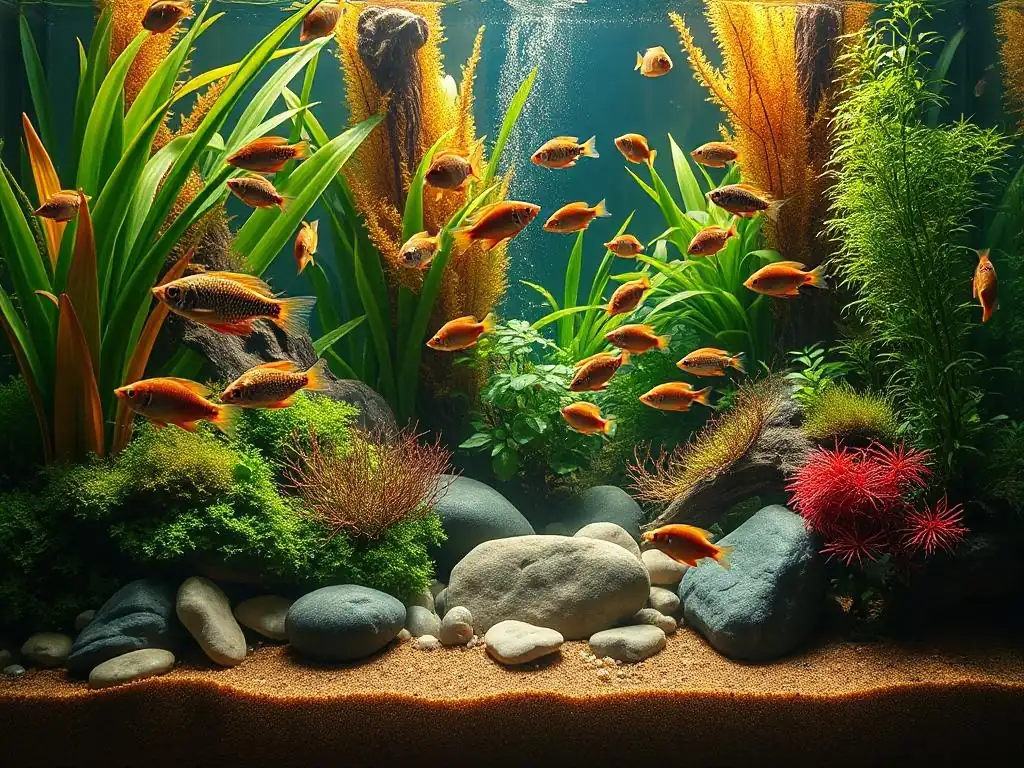
Corydoras catfish originate from the slow-moving rivers and tributaries of South America, where they inhabit areas rich in soft, sandy substrates, leaf litter, and dense aquatic vegetation. This natural environment provides them with abundant foraging opportunities among detritus and plant roots, as well as crucial hiding spots from predators. Mimicking these conditions in an aquarium is fundamental for their well-being, making a well-designed planted tank an ideal habitat that closely replicates their native biotope.
Observations suggest that Corydoras species, such as Corydoras paleatus (Peppered Corydoras) or Corydoras aeneus (Bronze Corydoras), exhibit more natural schooling behaviors, reduced stress, and increased activity when provided with ample plant cover and soft substrates. The presence of plants offers security and encourages their natural sifting and foraging behaviors, which are essential for their health and contribute significantly to overall Corydoras planted tank success.
Ideal Water Parameters for Corydoras in Planted Tanks
Maintaining stable water parameters is paramount for Corydoras, whether in a bare-bottom tank or a lush planted setup. They generally thrive in temperatures ranging from 72-78°F (22-26°C), a slightly acidic to neutral pH between 6.0-7.5, and soft to moderately hard water (GH 2-15 dGH). While plants can help absorb nitrates and maintain water quality, careful monitoring is still required, especially if CO2 is injected, as this can cause pH fluctuations.
A balanced planted tank contributes positively to water stability by consuming nitrates and providing beneficial bacterial surfaces, which indirectly supports Corydoras health. However, rapid changes in pH or temperature can stress these sensitive fish. For instance, a sudden drop in pH below 6.0 due to excessive CO2 dosing can lead to acidosis in Corydoras, impacting their respiration and overall health. Consistent monitoring with a reliable test kit is essential to ensure stable conditions for Corydoras planted tank success.
Substrate Selection: Balancing Corydoras Welfare and Plant Growth
The choice of substrate is perhaps the most critical factor for Corydoras welfare in a planted tank. Their delicate barbels, which they use to sift through the substrate for food, are highly susceptible to damage from sharp or coarse materials. Therefore, a fine, soft substrate like sand (e.g., pool filter sand, fine aquarium sand, or specialized Corydoras sand) is absolutely essential to prevent injury and promote natural foraging behavior.
While many aquatic plants thrive in nutrient-rich substrates or require specific grain sizes for root anchorage, it is possible to achieve both plant growth and Corydoras safety. Strategies include capping a nutrient-rich substrate with a 1-2 inch layer of fine sand, or selecting plants that are tolerant of sand substrates, such as Cryptocoryne species, Echinodorus (Amazon Swords), or various stem plants that can be rooted deeply.
Many successful Corydoras planted tank setups demonstrate that a soft, inert sand layer over a nutrient-rich base provides the best of both worlds, ensuring both healthy root development and safe foraging grounds for the catfish.
Suitable Plants for a Corydoras-Friendly Planted Tank
Recommended Plant Species for Corydoras: Low Maintenance Options
For a thriving Corydoras planted tank, selecting robust, low-maintenance plant species is beneficial for both the aquarist and the fish. Plants like Anubias barteri (various species), Microsorum pteropus (Java Fern), and Cryptocoryne wendtii are excellent choices. These plants are hardy, adaptable to a range of lighting conditions, and do not require complex fertilization or CO2 injection, simplifying tank maintenance.
These recommended plants offer significant advantages for Corydoras. Anubias and Java Fern can be attached to driftwood or rocks, leaving the substrate clear for foraging. Cryptocorynes provide dense, low-lying foliage that creates excellent hiding spots and shaded areas where Corydoras feel secure and can sift through the substrate undisturbed. Their dense growth also helps to break up sightlines, reducing stress and promoting natural behaviors, contributing immensely to Corydoras planted tank success.
Plants Providing Shelter and Security for Corydoras: Leafy Choices
Corydoras are naturally shy fish that thrive when provided with ample cover and secure retreats. Broad-leafed and tall-growing plants are ideal for creating these sheltered zones. Species such as Echinodorus bleheri (Amazon Sword), Vallisneria spiralis, and Hygrophila difformis (Water Wisteria) are particularly effective. These plants can form dense thickets, offering visual barriers and shaded areas that mimic their natural, vegetated habitats.
The presence of such leafy plants significantly contributes to the behavioral health of Corydoras. In a tank with dense plant cover, observations show that Corydoras are less skittish, more inclined to school, and more active in their foraging. For example, a large Amazon Sword plant can provide substantial shade and a safe zone for a school of six Corydoras sterbai, allowing them to rest and feel secure from perceived threats above. This sense of security is crucial for their long-term well-being and overall Corydoras planted tank success.
Plants to Avoid: Species Harmful to Corydoras
While most common aquarium plants are generally safe for Corydoras, certain considerations should be kept in mind to prevent potential harm or discomfort. Plants with extremely sharp or rigid structures, though rare in the typical aquarium hobby, could theoretically pose a minor risk to delicate barbels if Corydoras were to repeatedly brush against them. More importantly, plants that form extremely dense, impenetrable carpeting mats across the entire substrate can hinder Corydoras' ability to reach the substrate for foraging.
Similarly, plants that demand very high light intensity or require precise, often low pH conditions (e.g., through significant CO2 injection) might indirectly create an environment less suitable for Corydoras if not meticulously managed. Rapid pH swings, even within generally acceptable ranges, can be stressful. Therefore, while no common aquarium plant is overtly toxic or directly harmful, focusing on species that allow for easy substrate access and thrive in stable, moderate conditions is key to ensuring optimal Corydoras planted tank success.
Setting Up Your Planted Tank for Corydoras
Tank Size and Stocking Levels for Corydoras in Planted Tanks
The appropriate tank size is crucial for housing Corydoras, especially in a planted setup where space for both fish and plants must be considered. While dwarf species like Corydoras habrosus might be kept in a 10-gallon tank, most common Corydoras (e.g., Corydoras aeneus, Corydoras panda) require a minimum of a 20-gallon long aquarium (approximately 30 inches in length) to accommodate a school of at least six individuals comfortably. This horizontal space is vital for their active schooling and foraging behaviors.
Responsible stocking levels are paramount to maintaining water quality and minimizing stress. For a 20-gallon long tank, a school of six to eight medium-sized Corydoras is a good starting point. While plants aid in nitrate absorption, they do not eliminate the need for proper stocking. Overstocking, even in a heavily planted tank, can lead to increased bioload, competition for food, and elevated stress levels, which can quickly undermine Corydoras planted tank success.
Lighting for Plant Growth and Corydoras Health
Lighting in a planted tank serves two primary purposes: facilitating plant photosynthesis and influencing fish behavior. For a Corydoras-friendly planted tank, moderate lighting is often ideal. This level supports a wide variety of easy-to-care-for plants without requiring complex CO2 systems or intense fertilization, making it more manageable for the aquarist. Typical moderate lighting might measure around 20-30 PAR (Photosynthetically Active Radiation) at the substrate level.
From the Corydoras' perspective, excessively bright lighting can be stressful. These bottom-dwellers prefer subdued conditions and can become skittish or hide more frequently under intense illumination. To mitigate this, incorporate floating plants such as Phyllanthus fluitans (Red Root Floaters) or Salvinia natans to diffuse light and create dappled, shaded areas below. Tall background plants can also provide significant shade, contributing to a comfortable environment and fostering greater Corydoras planted tank success.
Filtration and Water Circulation for a Thriving Ecosystem
Effective filtration is the cornerstone of a healthy aquarium, and a Corydoras planted tank is no exception. A robust filtration system, typically a hang-on-back (HOB) or canister filter, is essential for mechanical, chemical, and biological filtration. For example, a canister filter rated for 40-60 gallons on a 20-gallon tank can provide excellent water clarity and biological capacity, ensuring low levels of ammonia and nitrite.
While good water circulation is beneficial for delivering nutrients to plants, Corydoras prefer gentle to moderate flow. Strong, direct currents can push them around, making it difficult for them to rest and forage. Position filter outlets to diffuse the flow or direct it towards the tank's sides rather than directly onto the substrate. Aim for a gentle current that still ensures adequate oxygenation and nutrient distribution throughout the planted tank, balancing the needs of both the plants and the Corydoras for optimal planted tank success.
Feeding Corydoras in a Planted Tank
Best Food Choices for Corydoras in a Planted Aquarium
Corydoras are omnivores with a natural inclination to sift through the substrate for food. Therefore, their diet in a planted tank should primarily consist of high-quality sinking foods that reach the bottom where they forage. Excellent choices include sinking pellets, wafers (such as algae wafers or spirulina wafers), and granules specifically formulated for bottom feeders. Look for foods rich in protein from fish meal or spirulina, with a balanced vegetable content.
Variety is key to ensuring complete nutrition and promoting vibrant health in Corydoras. Supplement their staple diet with frozen foods like bloodworms, brine shrimp, and daphnia two to three times a week. Live foods, such as grindal worms or microworms, can also be offered periodically as a treat. For example, a typical feeding might involve dropping 2-3 sinking pellets per Corydoras, ensuring they are small enough to be easily consumed and do not foul the water, thereby contributing to Corydoras planted tank success.
Effective Feeding Strategies for a Clean and Healthy Tank
In a planted tank, uneaten food can easily get lost among dense foliage or accumulate in the substrate, leading to water quality issues. To ensure your Corydoras receive adequate nutrition and prevent excess food from decaying, strategic feeding is crucial. Feeding small amounts directly to their preferred foraging areas, often near driftwood or open substrate patches, can be very effective.
Consider feeding your Corydoras after the main tank lights have been dimmed or turned off, as this is when many other fish are less active, allowing the Corydoras to feed without competition. Monitor consumption closely; any food remaining after 30 minutes indicates overfeeding, which can lead to ammonia and nitrite spikes. Adjusting the quantity based on observation helps maintain pristine water conditions, which is vital for the long-term Corydoras planted tank success.
Supplementing Diet: Ensuring Complete Corydoras Nutrition
While high-quality commercial sinking foods form the foundation of a Corydoras' diet, the natural environment of a planted tank also offers some supplementary foraging opportunities. Corydoras will naturally sift through the substrate, consuming detritus and micro-organisms that accumulate there. However, this natural foraging alone is usually insufficient to meet all their nutritional requirements.
To ensure complete nutrition, a diverse diet as outlined previously is paramount. Regularly rotating between different types of sinking pellets, wafers, and frozen/live foods provides a broad spectrum of vitamins, minerals, and proteins. For instance, offering a spirulina wafer one day and frozen bloodworms the next ensures they receive both plant-based nutrients and essential animal proteins, promoting robust growth, strong immune systems, and vibrant coloration, all contributing factors to Corydoras planted tank success.
Maintaining a Healthy Corydoras Planted Tank
Regular Water Changes and Maintenance Practices
Consistent water changes are fundamental to maintaining optimal water quality in any aquarium, including a Corydoras planted tank. Even with the nitrate-absorbing capabilities of plants, weekly water changes of 25-30% of the tank volume are highly recommended. This practice removes accumulated nitrates, phosphates, and other waste products, while replenishing essential minerals that plants and fish utilize.
When performing water changes, a gentle gravel vacuum should be used, focusing on open areas of the substrate where detritus tends to accumulate, rather than disturbing densely planted zones. Avoid vigorous vacuuming around plant roots to prevent uprooting or damage. Other maintenance tasks include regular trimming of plants to prevent overcrowding, cleaning filter media as needed, and ensuring all equipment is functioning correctly. These routine practices are vital for sustained Corydoras planted tank success.
Monitoring Water Parameters for Optimal Conditions
Continuous monitoring of water parameters is a proactive measure against potential issues in a Corydoras planted tank. Key parameters to test regularly include ammonia, nitrite, nitrate, pH, and temperature. Ammonia and nitrite should always be at 0 ppm. Nitrate levels should ideally be below 20 ppm, though in a heavily planted tank, they might be undetectable due to plant uptake. pH should remain stable within the 6.0-7.5 range, and temperature between 72-78°F (22-26°C).
Water parameters in a planted tank can fluctuate due to factors like CO2 injection (affecting pH) or nutrient dosing. Any significant or rapid deviation from ideal ranges can cause stress to Corydoras, making them susceptible to disease. For example, a sudden pH drop from 7.0 to 6.0 over a few hours can severely impact their health. Using a reliable liquid test kit and maintaining a log of readings helps identify trends and allows for timely adjustments, securing Corydoras planted tank success.
Algae Control Methods Safe for Corydoras
Algae can be a common challenge in planted tanks, but control methods must be chosen carefully to ensure the safety of Corydoras. The primary approach to algae control should be preventative: maintaining a consistent lighting schedule (typically 8-10 hours per day), ensuring proper nutrient balance, and performing regular water changes. Overfeeding is a common cause of algae blooms, so careful feeding strategies are also crucial.
For existing algae, manual removal with an algae scraper or brush is the safest method. Introducing algae-eating invertebrates, such as Neritina natalensis (Nerite Snails), can also be effective without posing any threat to Corydoras. Avoid using harsh chemical algaecides, as many can be detrimental to beneficial bacteria, plants, and are often toxic to sensitive fish like Corydoras or other invertebrates. A balanced ecosystem fosters natural algae control, contributing to overall Corydoras planted tank success.
Common Issues and Solutions in Corydoras Planted Tanks
Preventing and Treating Common Corydoras Diseases
The primary defense against disease in Corydoras is maintaining a pristine and stable environment, which a well-managed planted tank inherently supports. However, if issues arise, common diseases include fin rot, ich (white spot disease), and occasionally red blotch disease, often triggered by stress or poor water quality. Signs of illness include clamped fins, lethargy, loss of appetite, or visible spots.
If a disease is suspected, prompt action is crucial. Isolate sick fish in a quarantine tank if possible to prevent spread and allow for targeted treatment without affecting the main tank's ecosystem. For ich, a gradual temperature increase to 80-82°F (27-28°C) combined with daily water changes can be effective, as it accelerates the parasite's life cycle. When using medications, choose fish-safe options and be aware that some chemicals can harm beneficial bacteria or sensitive plants. Always prioritize water quality and stress reduction as fundamental components of treatment for Corydoras planted tank success.
Addressing Compatibility with Other Tank Inhabitants
Selecting compatible tank mates is essential for the well-being of Corydoras in a planted tank. Corydoras are peaceful, schooling fish that thrive in a community setting, but they can be easily intimidated or outcompeted for food by aggressive or overly boisterous tank mates. Ideal companions are small, peaceful, mid-to-top dwelling species that do not occupy the same bottom space or compete directly for food.
Good examples of compatible tank mates include various species of small tetras (e.g., Neon Tetras, Cardinal Tetras), Rasboras, peaceful small gouramis (e.g., Dwarf Gouramis), and Otocinclus catfish. Avoid large or aggressive bottom dwellers, such as some cichlids, or large plecos that might outcompete Corydoras for food or inadvertently injure their delicate barbels. Ensuring tank mates do not consume all the sinking food before it reaches the bottom is also crucial for ensuring Corydoras get enough to eat, which significantly contributes to their overall planted tank success.
Tips for Long-Term Success
Creating a Natural and Functional Planted Tank Environment
Achieving long-term Corydoras planted tank success hinges on creating an environment that not only looks aesthetically pleasing but also functions as a thriving, self-sustaining ecosystem. Design the tank with a variety of plant heights and textures, incorporating driftwood and smooth rocks to provide additional visual interest and functional areas. Tall background plants (e.g., Vallisneria), mid-ground bushy plants ( Cryptocoryne), and foreground open sand patches (for foraging) create a naturalistic landscape that mimics their wild habitat.
A well-designed planted tank provides numerous benefits: plants absorb nitrates, provide oxygen, and offer natural hiding spots and foraging grounds. The dynamic nature of a planted tank means it will evolve, requiring regular trimming and observation to maintain balance. For instance, ensuring enough open substrate for Corydoras to sift through, even in a heavily planted setup, is key to their health and contentment, fostering a truly successful Corydoras planted tank environment.
Observing Corydoras Behavior for Early Problem Detection
Regularly observing the behavior of your Corydoras is arguably the most critical aspect of ensuring their long-term health and preventing serious issues in a planted tank. Healthy Corydoras are typically active, constantly sifting through the substrate, exhibiting natural schooling patterns, and displaying vibrant, even coloration. They should appear alert and respond to feeding cues.
Any deviation from these normal behaviors can be an early indicator of a problem. Signs of distress include lethargy, clamped fins, rapid or labored breathing, excessive hiding (especially during feeding times), loss of color, or refusal to eat. For example, if a school of Corydoras panda that usually forages actively suddenly retreats to a single hiding spot for extended periods, it might signal poor water quality or disease. Early detection allows for prompt intervention, such as testing water parameters or isolating a sick fish, which is crucial for maintaining the health and ensuring the continued Corydoras planted tank success.
Frequently Asked Questions
Can Corydoras and plants coexist peacefully in a planted aquarium?
Yes, absolutely! Corydoras are generally peaceful bottom dwellers that do not typically disturb plants. In fact, they can even benefit the planted tank by stirring the substrate and consuming leftover food.
What are the ideal water parameters for Corydoras in a planted tank?
Corydoras prefer slightly acidic to neutral water with a pH between 6.0 and 7.5. Maintaining stable water parameters is crucial, including a temperature range of 72-78°F and ensuring low levels of nitrates.
Which type of substrate is best for Corydoras in a planted tank?
A fine, smooth substrate like sand or rounded gravel is ideal to protect their delicate barbels. Avoid sharp or coarse substrates that could damage them. Ensure the substrate also allows for proper root growth for your plants.
What plants are most suitable for a Corydoras planted tank?
Plants with strong root systems like Anubias, Java Fern, and Cryptocoryne are excellent choices as they are less likely to be uprooted. Also, consider floating plants to diffuse the light and provide shade.
How do I ensure Corydoras get enough food in a heavily planted tank?
Supplement their diet with sinking pellets or wafers specifically formulated for bottom feeders. Observe their feeding behavior to ensure they are getting enough to eat, especially if there is dense plant cover that may trap food.
Final Reflection: Cultivating Harmony in the Aquatic Realm
The journey of integrating Corydoras into a planted tank, as we've explored, is more than just a technical exercise; it's a testament to our ability to create thriving ecosystems within our own homes. The success of a Corydoras planted tank hinges on understanding their needs and meticulously crafting an environment that caters to them, mirroring the delicate balance found in nature.
This pursuit extends beyond mere fishkeeping; it reflects a growing appreciation for the interconnectedness of life and our responsibility to foster sustainable and enriching environments for all creatures. The ultimate goal of farming isn't the growing of crops, but the cultivation and perfection of human beings.
- Masanobu Fukuoka. This quote, while about agriculture, resonates deeply with the planted tank hobby, reminding us that our efforts to nurture life within our tanks ultimately enrich our own lives as well.
As you consider the insights shared in this article, I encourage you to reflect on your own role in creating a harmonious aquatic world. Are you willing to dedicate the time and effort to understand the nuances of Corydoras care and the delicate balance of a planted tank? By embracing the principles of thoughtful planning, patient observation, and continuous learning, you can unlock the joy of witnessing these charming creatures flourish in a vibrant, planted paradise.
Dive Deeper: Start Your Cory Cat Paradise!
Thanks for exploring the wonderful world of Corydoras and planted tanks with us! Now that you're armed with the knowledge to create a thriving underwater haven, it's time to put those insights into action. Let's make your Corydoras feel right at home.
Here are a few ways to get started:
- Design your dream Corydoras tank: Begin by sketching out your planted tank layout, considering the Corydoras' needs for open swimming spaces and densely planted areas for refuge. Choose plants that offer both beauty and functionality for your Corydoras friends.
- Share your Corydoras vision. Post your ideal planted tank design on social media using #CorydorasParadise and tag AquariumMastery.com to inspire fellow Cory keepers.
- Experiment with different substrate options in a small container to see which one your Corydoras prefer before committing to the entire tank. Observe their behavior closely to identify the most Cory-friendly choice!
Ready to transform your aquarium into a Corydoras haven? What's the first plant you're adding to your tank and why?