
Automated Water Changers: Are They Worth the Investment for Your Aquarium?

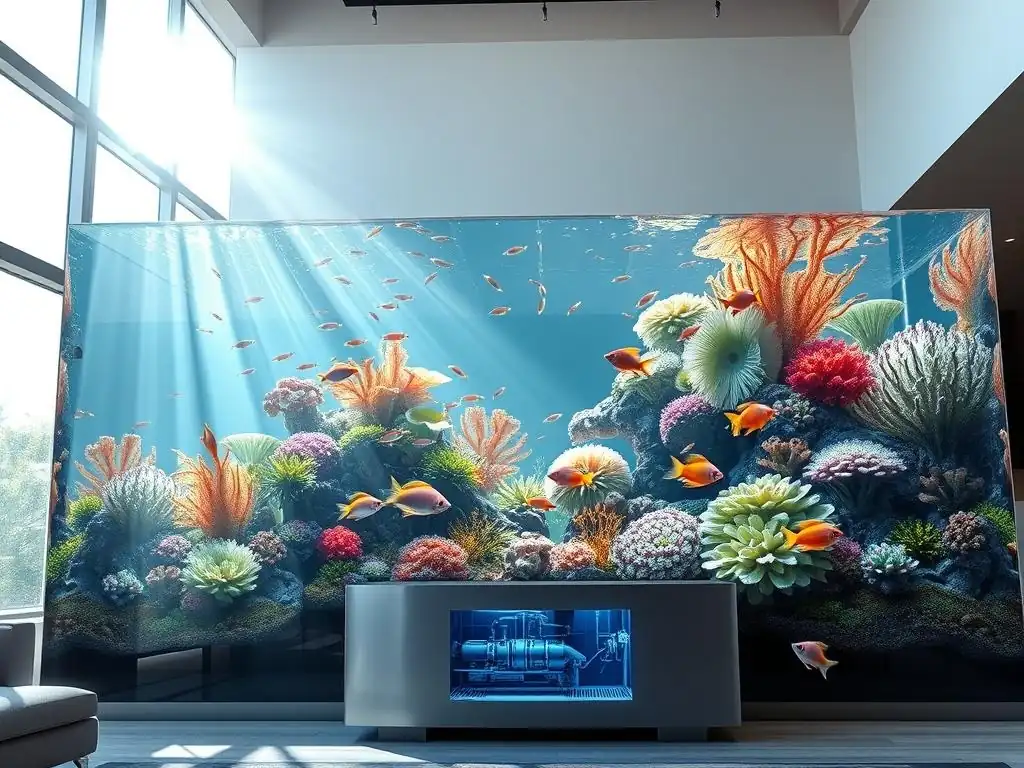
Welcome to Aquarium Mastery!
Ever wondered if you could reclaim your weekends and give your finned friends the pristine environment they deserve? Dive in! This article explores the captivating world of automated water changers and how they could revolutionize your aquarium maintenance routine. Are the benefits truly worth the investment? Let's find out...
- Understanding Automated Water Changers for Aquariums
- Benefits of Using an Automated Water Changer for Your Fish Tank
- Potential Drawbacks of Automated Water Change Systems
- Choosing the Right Automated Water Changer for Your Aquarium
- Setting Up Your Automated Water Changer: A Step-by-Step Guide
- Maintaining Your Automated Water Change System for Long-Term Performance
- Are Automated Water Changers Worth the Investment? A Balanced Perspective
- Maximizing the Benefits of Automated Water Changes for a Healthy Aquarium
-
Frequently Asked Questions
- What are the primary benefits of using an automated water changer in an aquarium?
- How does an automated water changer help with water chemistry?
- Can an automated water changer replace the need for all manual water changes?
- Are automated water changers suitable for both freshwater and saltwater aquariums?
- What are some potential drawbacks to consider before investing in an automated water changer?
- Final Reflection: The Ever-Flowing Future of Aquariums
- Transform Your Aquarium Care Routine Now!
Understanding Automated Water Changers for Aquariums
What is an Automated Water Changer and How Does it Work?
An automated water changer is a sophisticated system designed to perform regular water changes in an aquarium without constant manual intervention. Its core function involves the precise removal of a specific volume of old aquarium water and its replacement with an equal volume of fresh, prepared water. This process is typically timed and controlled by a central unit, ensuring consistency and accuracy that manual methods often struggle to achieve.
The operation begins with a programmed timer or controller initiating the draining cycle. A pump (or gravity in some simpler systems) removes a pre-determined amount of water from the main display tank or sump, directing it to a drain. Once the draining is complete, or a low-level sensor is triggered, a second pump activates to introduce new, pre-mixed (for saltwater) or treated (for freshwater) water from a dedicated reservoir back into the system.
High-level sensors act as crucial safeguards, preventing overfilling and potential floods. Many systems are designed to perform small, frequent changes, such as 1-2% of the total tank volume daily, rather than a single large weekly change, which significantly contributes to water parameter stability.
Key Components of an Automatic Aquarium Water Change System
An effective automatic aquarium water change system is composed of several critical components that work in concert to ensure reliable operation. At its heart is the controller or timer, which serves as the brain, allowing aquarists to program the frequency, duration, and volume of each water change. This unit often integrates with other aquarium automation, such as auto top-off (ATO) systems.
Beyond the controller, pumps are essential for both draining old water and refilling with new. These are typically peristaltic or diaphragm pumps chosen for their precise flow rates and ability to handle various water types. For instance, a system for a 150-gallon reef tank might utilize two peristaltic pumps, each capable of delivering 100-200 ml per minute, ensuring accurate volume changes.
Sensors, such as float switches or optical sensors, are strategically placed to monitor water levels, preventing dry pump runs during draining and critical overflows during refilling. Lastly, dedicated reservoirs for new water (often an RODI water storage container for saltwater setups) and a secure drain connection are necessary for practical implementation, completing the closed-loop automation of aquarium maintenance.
Benefits of Using an Automated Water Changer for Your Fish Tank
Improved Water Quality and Stability with Automatic Water Changes
One of the most significant advantages of an automated water changer is its ability to maintain superior water quality and stability. Unlike large, infrequent manual water changes that can cause sudden shifts in water parameters, automated systems typically perform small, frequent water renewals. This continuous dilution prevents the buildup of harmful nitrates, phosphates, and other dissolved organic compounds (DOCs) before they reach problematic levels.
For instance, a reef tank employing a daily 1% automated water change can consistently maintain nitrate levels below 5 ppm, fostering optimal coral health and coloration. In contrast, a similar tank relying on a manual 25% weekly change might experience nitrate spikes to 20-30 ppm just before the scheduled change, leading to increased stress for inhabitants and potential nuisance algae blooms. This constant, gentle refresh minimizes the "roller coaster" effect on water chemistry, promoting a consistently pristine environment.
Maintaining Consistent Water Parameters Automatically
Beyond just reducing pollutants, automated water changes are paramount for maintaining consistent water parameters like pH, alkalinity (dKH), calcium, and magnesium, especially in sensitive reef or planted aquariums. Large water changes, even with perfectly mixed new water, can still induce temporary shifts in these critical values.
Consider a heavily stocked saltwater aquarium where alkalinity can drop by as much as 0.5-1 dKH per day due to coral calcification. An automatic aquarium water change system performing a 2-3% daily water replacement can effectively buffer these daily declines, keeping dKH within a tight, optimal range, such as 8.0-8.5 dKH.
This consistency is vital for preventing coral recession and promoting robust growth, as opposed to manual weekly changes where dKH might fluctuate from 7.0 to 9.0 dKH, causing stress and potentially inhibiting calcification. The continuous replenishment of trace elements also ensures that essential nutrients are always available to the aquatic inhabitants.
Reduced Stress on Fish and Invertebrates
The stable environment created by automated water changes significantly reduces stress on fish and invertebrates. Aquatic life is highly sensitive to sudden fluctuations in water chemistry, temperature, and salinity. Large, infrequent manual water changes, even when performed carefully, can inevitably introduce an element of shock due to these parameter shifts, leading to weakened immune systems and susceptibility to disease.
Fish in tanks with consistent, automated water changes exhibit healthier coloration, more natural behavior, and a reduced incidence of stress-related ailments like ich or velvet. For example, sensitive species like Discus, which are notoriously finicky about water quality, thrive in environments where daily 5% automated water changes keep nitrates below 10 ppm and pH stable within 0.1 units. This consistent water quality translates to longer lifespans and improved breeding success rates, as the fish are never subjected to the acute stress response often seen after a large, disruptive manual water change.
Saving Time and Effort on Aquarium Maintenance with Automatic Systems
One of the most appealing benefits of automated water changers for busy aquarists is the substantial time and effort they save. Manual water changes for larger aquariums can be a time-consuming and labor-intensive chore, often involving siphoning, mixing salt, temperature matching, and carrying heavy buckets. For a 100-gallon tank, a weekly 25% manual water change can easily consume 1 to 2 hours of an aquarist's time.
By contrast, an automatic water change system reduces this weekly commitment to mere minutes of oversight, freeing up significant time. An aquarist managing three 75-gallon tanks, who might otherwise spend 4-6 hours per week on water changes, could cut this down to less than an hour by implementing automated systems. This time can then be reallocated to observing the tank, enjoying the hobby, or performing other, less frequent maintenance tasks, effectively saving over 200 hours annually that would otherwise be spent on the arduous task of manual water replacement.
Minimizing Algae Growth Through Regular Water Renewal
Nuisance algae growth is often a direct result of excess nutrients, primarily nitrates and phosphates, accumulating in the aquarium water. Automated water changes excel at nutrient export, continuously removing these compounds before they can fuel widespread algae blooms, leading to a cleaner and more aesthetically pleasing tank.
Regular, small-volume automated water changes, such as a 10% weekly replacement (or equivalent daily micro-changes), can effectively keep phosphate levels below 0.03 ppm and nitrates under 10 ppm. This contrasts sharply with tanks relying on less frequent manual changes, where phosphate levels might regularly climb to 0.1-0.2 ppm, providing ample fuel for green hair algae or cyanobacteria. By consistently diluting and removing these key nutrients, an automatic water changer system actively starves out nuisance algae, promoting the growth of desirable corals or plants instead, and significantly reducing the need for manual algae scrubbing.
Potential Drawbacks of Automated Water Change Systems

Initial Investment and Setup Costs of Automatic Water Changers
While the benefits of automated water changers are compelling, the initial investment and setup costs can be a significant hurdle for some aquarists. These systems typically range from a few hundred to over a thousand dollars, depending on their complexity, brand, and features. This price tag often does not include essential ancillary equipment like a high-capacity Reverse Osmosis/Deionization (RODI) unit, dedicated water storage reservoirs, or additional plumbing needed for installation.
For example, a basic pre-built automatic water changer suitable for a 50-gallon freshwater tank might cost around $300-$500. However, for a sophisticated reef aquarium exceeding 150 gallons, a comprehensive system including a robust RODI unit (e.g., $200-$400), two large water reservoirs (e.g., 50-gallon containers at $50-$150 each), and an advanced controller could easily push the total investment beyond $1,000 to $1,500. This substantial upfront expense needs to be weighed against the long-term benefits and the cost of manual maintenance supplies over time.
Potential for Mechanical Failures and System Malfunctions
Despite their convenience, automated water changers are mechanical and electronic systems, making them susceptible to failures and malfunctions. Pumps can wear out, tubing can kink or become blocked, and electronic sensors can become fouled with salt creep or algae, leading to inaccurate readings. A failure in any of these components can have serious consequences for the aquarium.
For instance, a clogged drain line or a pump failure in the drain cycle of an automatic water change system could lead to the fresh water pump continuously filling the tank, resulting in a severe overflow and potential water damage to surrounding property. Conversely, if the refill pump fails, the tank could be under-drained, causing stress to inhabitants or exposing heating elements and pumps to air. Such incidents, though rare with proper maintenance, highlight the importance of selecting high-quality components and considering fail-safe mechanisms or regular monitoring.
The Importance of Monitoring and Maintenance
Automated does not mean "set and forget." While an automatic water changer significantly reduces manual labor, it still requires regular monitoring and maintenance to ensure its long-term reliability and accuracy. Aquarists must routinely inspect all components for wear, blockages, or signs of leaks.
For example, float switches and optical sensors, which are crucial for detecting water levels, should be cleaned every 1-3 months to prevent calcification or algae buildup from impairing their function. Tubing should be checked for kinks or signs of hardening, especially near pump connections, and replaced every 1-2 years to prevent leaks. Furthermore, regular manual water parameter testing (e.g., weekly or bi-weekly) is still essential to verify that the automated system is effectively maintaining desired levels of nitrates, phosphates, and alkalinity. This proactive approach ensures the system continues to perform optimally and prevents potential issues before they become critical.
Risk of Over-Draining or Flooding
One of the most significant risks associated with an automated water changer is the potential for over-draining the aquarium or causing a flood. These critical failures typically stem from malfunctioning sensors, programming errors, or a lack of adequate fail-safes. If a low-level sensor responsible for stopping the drain pump becomes stuck or fails, the system could continue to remove water beyond a safe threshold, potentially exposing heating elements, pumps, or even causing a complete tank crash due to insufficient water volume.
Conversely, a high-level sensor failure or a programming glitch during the refilling cycle could lead to a continuous influx of new water, resulting in a devastating flood, especially if the fresh water reservoir is significantly larger than the daily change volume. For example, a 50-gallon reservoir could empty into a 100-gallon tank if the overflow sensor fails, causing 50 gallons of water to spill onto the floor. Implementing multiple redundant sensors, programming time-out limits for pump operation, and using an external leak detector are crucial steps to mitigate these risks and provide peace of mind.
Choosing the Right Automated Water Changer for Your Aquarium
Factors to Consider When Selecting a System (Tank Size, Fish Type, etc.)
Selecting the appropriate automated water changer requires careful consideration of several key factors specific to your aquarium setup and needs. Tank size is paramount, as it directly influences the required pump flow rates and the capacity of new water reservoirs. A 20-gallon nano tank will have vastly different needs than a 300-gallon display. The type of aquarium also plays a crucial role; sensitive reef tanks demand extremely precise and stable systems, often requiring more advanced controllers and dosing capabilities, whereas a hardy freshwater community tank might tolerate simpler, less expensive options.
Your budget will dictate whether you opt for a high-end, fully integrated system or a more economical DIY solution. Furthermore, consider the available space for reservoirs and the main unit, as well as the accessibility of plumbing for connecting to a drain and a water source (like an RODI unit). Finally, assess your desired level of automation – do you need just basic water changes, or do you want a system that integrates with your existing aquarium controller for comprehensive parameter management?
Types of Automated Water Changers Available on the Market
The market offers a variety of automated water changer systems, each with distinct operational mechanisms and suitability for different setups. Understanding these types is crucial for making an informed decision.
Gravity-Fed Systems vs. Pump-Based Systems
Gravity-fed systems are among the simplest and most cost-effective automated water change solutions. They rely on the principle of siphon or direct gravity flow, where a new water reservoir is placed above the tank, allowing water to flow down into the aquarium, and old water is simultaneously siphoned out to a lower drain.
These systems are typically less precise in volume control and slower, often requiring manual initiation of the draining process or a separate, simple pump for removal. They are best suited for smaller tanks (e.g., under 50 gallons) or for continuous, very slow drip changes where precision isn't paramount, and a basic setup might cost less than $100.
In contrast, pump-based systems are the most common and versatile type, utilizing electric pumps for both draining old water and refilling with new. These systems offer superior precision, allowing for exact volume control and programmable schedules.
They can overcome elevation challenges, making them suitable for tanks of all sizes, from nano tanks to large commercial displays. Pump-based systems often feature advanced controllers, multiple sensors, and robust pumps (like peristaltic pumps for high accuracy), making them more expensive (ranging from $300 to over $1,000) but offering unparalleled reliability and automation for complex setups like a 200-gallon reef tank requiring daily 2% water changes.
DIY vs. Pre-Built Automated Water Change Solutions
Aquarists seeking an automated water changer can choose between assembling a Do-It-Yourself (DIY) system or purchasing a pre-built solution. DIY systems involve sourcing individual components such as pumps, controllers, sensors, and tubing, and then assembling them according to a custom design. This approach typically offers significant cost savings, potentially reducing the overall expenditure by 30-50% compared to equivalent pre-built units.
For example, a DIY system for a 75-gallon tank might cost around $250-$350 using readily available parts. DIY solutions also provide maximum customization, allowing aquarists to tailor the system precisely to their tank's unique needs and their technical comfort level, though they require more technical skill and troubleshooting knowledge.
Pre-built automated water change solutions, on the other hand, are comprehensive, ready-to-install units manufactured by reputable aquarium brands. These systems offer the convenience of plug-and-play operation, often come with warranties, and benefit from integrated design and rigorous testing. While more expensive, ranging from $600 to $1,000 for a sophisticated unit, they offer peace of mind through their reliability, user-friendly interfaces, and dedicated customer support. Brands like Neptune Systems (with their Apex AWC module) or Tunze provide robust, all-in-one solutions that are popular among aquarists who prioritize convenience and proven performance over the intricacies of self-assembly.
Popular Brands and Models
Several reputable brands dominate the automated water changer market, each offering unique features and levels of sophistication. Neptune Systems, particularly with their Apex AWC (Automatic Water Change) module, is highly popular among advanced reef keepers. The Apex system integrates water changes with comprehensive monitoring and control of virtually every aquarium parameter, allowing for highly precise and customizable water change schedules based on time, water volume, or even specific parameter readings.
GHL, with its Profilux controllers, offers similar high-end integration and precision for automated water changes, favored by those who value detailed programming and sensor capabilities. For more dedicated water change units, Kamoer produces reliable and accurate peristaltic dosing pumps, such as the Kamoer X2S and X5S, which can be configured for automated water changes, offering excellent value for their precision. Lastly, specific Tunze products, while often known for their auto top-off (ATO) systems, also offer water change kits or can be adapted for simple, reliable automated water replacement, appealing to users who prioritize simplicity and consistent performance.
Setting Up Your Automated Water Changer: A Step-by-Step Guide
Preparing Your Aquarium for an Automated Water Change System
Before installing your automated water changer, thorough preparation of your aquarium environment is crucial for seamless integration and optimal performance. Begin by planning the physical layout: identify suitable, stable locations for your new water reservoir (often an RODI water storage container for saltwater setups), a waste water collection vessel or direct drain connection, and the main controller unit. Ensure that these locations are easily accessible for maintenance and that power outlets are available and safely positioned, preferably with drip loops to prevent water from reaching electrical sockets.
It's also highly recommended to perform a comprehensive manual water change and conduct a full suite of water parameter tests (e.g., salinity, alkalinity, nitrates, phosphates) immediately before installation. This establishes a healthy baseline for your aquarium. A clean slate ensures that the automated system starts with optimal water quality, allowing you to accurately assess its effectiveness in maintaining those parameters over time. Removing any accumulated detritus or performing a thorough substrate vacuum will further enhance the system's ability to maintain pristine conditions.
Connecting the System to Your Water Source and Drain
Properly connecting your automated water changer to your water source and drain is a critical step for preventing leaks and ensuring efficient operation. For the new water source, tubing should be securely connected from your clean water reservoir (e.g., an RODI water storage container) to the inlet of your refill pump. For saltwater setups, ensure your RODI unit is producing water with 0 TDS (Total Dissolved Solids) and that salt is pre-mixed and heated to tank temperature in the reservoir.
The drain line requires equally careful attention. Connect the tubing from your tank or sump's drain point to the inlet of your drain pump (if applicable), and then from the pump's outlet directly into a suitable drain, such as a utility sink, floor drain, or a dedicated plumbing connection.
It is imperative to secure all tubing connections with hose clamps or locking fittings to prevent accidental disconnections and leaks. For safety, always create a "drip loop" in power cords to prevent water from running down the cord into outlets, and consider an air gap at the drain point to prevent any potential back-siphoning into your aquarium.
Programming the System for Optimal Water Change Schedules
Programming your automated water changer correctly is essential for achieving the desired water quality and stability. Begin by determining the ideal daily or weekly water change volume for your aquarium, typically ranging from 1-5% daily or 10-20% weekly, depending on your tank's bioload and sensitivity. For instance, a 100-gallon reef tank might benefit from a daily 2% change, equating to 2 gallons.
Next, calibrate your pumps to ensure they deliver the precise volume of water you've programmed. This usually involves running the pump into a measuring cup for a set time (e.g., 1 minute) to determine its actual flow rate (e.g., 50 ml/minute). With this data, you can accurately calculate the pump run time required for your desired volume.
Finally, program the controller with your chosen frequency and duration for both the drain and refill cycles. Crucially, configure all high and low water level sensors and any overflow safety cut-offs to ensure that the system operates within safe parameters and prevents accidental over-draining or flooding.
Testing and Fine-Tuning Your Automated Water Changer
After installation and initial programming, thorough testing and fine-tuning are indispensable to ensure your automated water changer operates reliably and precisely. Begin by performing a small, manually initiated test change, closely observing the entire process: verify that the drain pump activates and deactivates correctly, that the new water pump functions as expected, and that all tubing remains leak-free.
Crucially, test all safety sensors, including high-level and low-level cut-offs, by manually manipulating water levels to ensure they trigger the system to stop as intended. For example, slightly overfill the tank to confirm the high-level sensor correctly shuts off the refill pump.
Over the first few days or weeks, regularly test your aquarium's water parameters (e.g., nitrates, phosphates, salinity, alkalinity) to confirm that the automated water changes are effectively maintaining the desired stability. Based on these results, you may need to fine-tune pump calibration or adjust the programmed water change volume or frequency to achieve optimal conditions, perhaps increasing a daily 1% change to 1.5% if nutrient levels remain slightly elevated.
Maintaining Your Automated Water Change System for Long-Term Performance
Regular Cleaning and Inspection of Components
For your automated water changer to provide consistent, long-term performance, regular cleaning and inspection of its components are paramount. Over time, salt creep, algae, and detritus can accumulate on sensors, inside tubing, and within pump heads, impairing their efficiency and accuracy.
It is recommended to clean float switches and optical sensors every 1-3 months. Gently wipe away any buildup with a soft cloth or brush; for stubborn salt creep, a brief soak in RO water or white vinegar can be effective. Inspect all tubing for kinks, blockages, or signs of hardening or discoloration.
High-wear areas, particularly near pump connections, should be checked frequently for leaks. Annually, consider replacing sections of tubing that show significant wear, especially if they carry saltwater, as salt can degrade plastics over time. Periodically, check the pump heads for any debris or signs of wear, ensuring smooth operation and consistent flow rates.
Water Parameter Monitoring and Adjustments
Even with an automated water changer in place, continuous manual water parameter monitoring remains a critical aspect of responsible aquarium husbandry. The automated system is designed to maintain parameters, but it's the aquarist's role to verify its effectiveness and make necessary adjustments.
Conduct regular water tests for key parameters such as nitrates, phosphates, alkalinity, calcium, and magnesium, typically on a weekly or bi-weekly basis. These tests provide invaluable feedback on the system's performance.
For instance, if you observe a gradual increase in nitrate levels from 5 ppm to 15 ppm over several weeks despite consistent automated changes, it might indicate that your current water change volume (e.g., 1.5% daily) is insufficient for your tank's bioload. In such cases, adjusting the automated water changer to perform a slightly larger daily change (e.g., 2% daily) or increasing the frequency can help re-establish optimal nutrient levels and prevent long-term issues.
Troubleshooting Common Issues
While automated water changers are designed for reliability, occasional issues can arise. Knowing how to troubleshoot common problems can save you time and prevent potential harm to your aquarium. If your system is experiencing no water draining or filling, first check that all pumps are receiving power and are not air-locked. Then, inspect all associated tubing for physical kinks or blockages. Verify that the relevant water level sensors (low-level for draining, high-level for filling) are clean and functioning correctly, as fouled sensors are a frequent culprit.
If the system is over-draining or flooding, immediately check the corresponding water level sensors for obstructions or malfunction, as a stuck sensor could prevent the system from knowing when to stop. Also, review your programming for any errors in pump run times or volume settings. For inaccurate volume changes, re-calibrate your pumps to ensure their flow rates are consistent, and check for any air bubbles in the lines, which can affect accuracy. Regular monitoring and prompt attention to these signs can prevent minor glitches from escalating into significant problems.
Are Automated Water Changers Worth the Investment? A Balanced Perspective
Weighing the Pros and Cons for Your Specific Aquarium Needs
Determining whether an automated water changer is a worthwhile investment ultimately depends on your individual aquarium needs, budget, and commitment to the hobby. On the "pros" side, the automated water changer benefits aquarium health by providing unparalleled water quality stability, significantly reducing stress on inhabitants, and minimizing nuisance algae growth through consistent nutrient export. The substantial time and effort saved on manual maintenance is also a major draw, freeing up aquarists to enjoy their tanks more.
However, the "cons" include a significant initial investment and setup costs, the inherent potential for mechanical failures requiring vigilance, and the ongoing need for monitoring and maintenance despite automation. For a dedicated reef keeper with a 200-gallon display tank and a busy schedule, the benefits of consistent water parameters, reduced labor (saving several hours per week), and enhanced coral growth often far outweigh the $1,000-$1,500 initial cost.
Conversely, a casual hobbyist with a small 20-gallon freshwater tank might find the expense and complexity unnecessary, as manual weekly changes are easily manageable. The decision hinges on a careful assessment of these trade-offs against your specific circumstances.
Who Would Benefit Most from an Automated System?
Certain aquarists and aquarium setups stand to gain the most from investing in an automated water changer. Owners of large aquariums (e.g., 100 gallons or more) will experience the most significant reduction in manual labor, as traditional water changes for such tanks are physically demanding and time-consuming. Heavily stocked tanks or those with a high bioload will benefit immensely from the continuous nutrient export, which prevents rapid accumulation of nitrates and phosphates.
Furthermore, sensitive aquarium setups, such as complex reef tanks with demanding SPS corals or delicate freshwater species like Discus, thrive in the stable water parameters provided by automated systems. These environments are particularly susceptible to stress from parameter swings caused by large, infrequent manual changes.
Finally, busy hobbyists with limited free time will find an automated water changer invaluable, allowing them to maintain optimal tank conditions without sacrificing precious personal hours. For example, a reef aquarist with a 150-gallon tank can expect to see a 20-30% improvement in coral growth rates and coloration due to the consistent stability provided by an automated water changer system.
Alternatives to Automated Water Changers
While automated water changers offer compelling advantages, several alternatives exist for aquarists who may not be ready for the investment or complexity. The most common and cost-effective method remains manual water changes. This traditional approach, involving buckets and siphons, is fundamental to aquarium husbandry and, when performed diligently, can maintain healthy tank conditions, albeit with significant time and physical effort.
Another alternative is a drip system, which involves a continuous, slow drip of new water into the tank, with old water overflowing to a drain. While less precise than automated systems, a simple DIY drip system can be set up for less than $100 and offers continuous dilution, reducing the need for large, infrequent changes.
For nutrient export, refugiums or algae scrubbers can be highly effective biological filters that naturally consume nitrates and phosphates, thereby reducing the frequency of necessary water changes, though they do not eliminate the need for them entirely. Lastly, in freshwater heavily planted tanks, dense aquatic plant growth can absorb significant amounts of nitrates and other nutrients, potentially reducing the required water change frequency by 25-50% compared to sparsely planted or fish-only setups.
Maximizing the Benefits of Automated Water Changes for a Healthy Aquarium
Integrating Automated Water Changes with Other Aquarium Technologies
To truly maximize the benefits of an automated water changer, integrating it with other aquarium technologies creates a holistic and highly stable aquatic environment. The most crucial integration for saltwater aquariums is with a robust Reverse Osmosis/Deionization (RODI) system. An RODI unit provides the pure, contaminant-free water essential for mixing new saltwater, ensuring that the automated changes introduce only beneficial elements.
Furthermore, many advanced automated water changers are designed to integrate seamlessly with comprehensive aquarium controllers like the Neptune Apex or GHL Profilux. These controllers can manage not only the water changes but also dosing pumps for trace elements (e.g., calcium, alkalinity, magnesium), auto top-off (ATO) systems, lighting, and temperature control.
This integrated approach allows for precise, synchronized maintenance, where, for instance, a controller can pause dosing during a water change or ensure new water is precisely temperature-matched before entering the display. Such synergy allows a high-tech reef tank to maintain parameters with such precision that SPS corals can exhibit growth rates of 0.5-1 inch per month, a level often difficult to achieve with manual methods alone.
Ensuring a Stable and Thriving Aquatic Environment
Ultimately, the goal of an automated water changer is to contribute to a stable and thriving aquatic environment. While automation dramatically reduces the labor associated with routine maintenance, it should be viewed as a powerful tool that enhances, rather than replaces, sound aquarium husbandry. The consistent water parameters achieved through automated water changes (e.g., keeping nitrates consistently below 10 ppm and pH within a tight 0.1-0.2 unit range) create a low-stress environment that allows fish to exhibit natural behaviors, vibrant colors, and robust health.
This newfound consistency empowers the aquarist to spend more time observing their aquatic inhabitants, identifying subtle signs of stress or disease early on, and focusing on other critical aspects like feeding strategies or aquascaping. By freeing up time from mundane tasks, an automatic water changer allows hobbyists to deepen their understanding and enjoyment of their aquatic ecosystems. The result is a significant reduction in fish mortality rates (e.g., from 10-15% annually down to 2-3% in well-maintained automated systems) and a flourishing, resilient aquarium that truly embodies the beauty and complexity of a healthy aquatic world.
Frequently Asked Questions
What are the primary benefits of using an automated water changer in an aquarium?
Automated water changers offer several advantages, including reduced manual labor, consistent water quality, and minimized stress on your fish. These systems help maintain a stable environment, which is crucial for the health of your aquarium inhabitants.
How does an automated water changer help with water chemistry?
By performing frequent, small water changes, automated systems prevent drastic fluctuations in water parameters. This ensures stable pH levels, reduces the buildup of nitrates, and helps maintain optimal water chemistry for your specific aquarium ecosystem.
Can an automated water changer replace the need for all manual water changes?
While automated systems significantly reduce the need for manual water changes, they don't entirely eliminate them. Periodic manual cleaning and gravel vacuuming are still necessary to remove debris and maintain overall tank hygiene.
Are automated water changers suitable for both freshwater and saltwater aquariums?
Yes, automated water changers are suitable for both freshwater and saltwater aquariums. However, you must ensure that the equipment is compatible with the specific water type and that you use appropriate salt mixes for saltwater systems.
What are some potential drawbacks to consider before investing in an automated water changer?
Potential drawbacks include the initial cost of the system, the need for plumbing connections, and the importance of regular maintenance to prevent malfunctions or water leaks. You also need to monitor the system to ensure it's functioning correctly.
Final Reflection: The Ever-Flowing Future of Aquariums
The exploration of automated water changers reveals more than just technological convenience; it underscores a fundamental shift in how we approach aquarium keeping. The potential for reduced stress on aquatic life, coupled with the liberation of hobbyists from tedious manual tasks, makes the consideration of these systems increasingly relevant in today's fast-paced world. The benefits extend beyond mere efficiency, touching upon the very health and stability of the delicate ecosystems we strive to create within our glass boxes.
This journey into automated water changes has highlighted the profound impact technology can have on our connection with nature. It's a reminder that innovation, when thoughtfully applied, can enhance our ability to care for the living creatures under our stewardship. The best way to predict the future is to create it.
- Peter Drucker. This quote resonates deeply, urging us to embrace advancements that allow us to become better aquarists and more responsible custodians of aquatic life.
As you consider the potential of automated water changers for your own aquarium, remember that the true value lies not just in the time saved, but in the improved well-being of your aquatic inhabitants. Take a moment to reflect on your current practices and envision the possibilities that automation can unlock. Embrace the opportunity to create a healthier, more stable environment for your fish and plants, and discover the joy of a truly thriving aquarium.
Transform Your Aquarium Care Routine Now!
Thanks for diving into the world of automated water changes! We hope you've found valuable insights into whether they're right for your aquarium. Now it's time to consider taking the plunge and simplifying your aquarium maintenance.
Here's how you can take action:
- Seriously consider automating! Assess your current tank, lifestyle, and budget to determine if an automatic water changer is a viable option for you.
- Research specific models. Look for automated water changers with positive user reviews, efficient operation, and durable components.
- Share your personal experiences. Comment below about your experiences with automatic water changers, either good or bad! Help others learn.
What's the one aspect of manual water changes you dread the most, and could automation solve it for you?