
Beyond the Hype: The Real Pros and Cons of AllInOne Aquarium Setups

Welcome to Aquarium Mastery!
Ever wondered if that all-in-one aquarium setup is really the shortcut to aquatic bliss it promises to be? Dive into our latest article, " Beyond the Hype: The Real Pros and Cons of AllInOne Aquarium Setups," where we peel back the layers and reveal the truth about these convenient systems. Are they the answer to your aquarium dreams, or are there hidden pitfalls lurking beneath the surface? Let's explore the potential allinone aquarium setup problems and equip you with the knowledge to make the right choice for your fishy friends! Intrigued? Keep reading to unlock the secrets!
- Reef Tank Simplicity: Pros & Cons of All-In-One Aquariums
- Understanding All-In-One Reef Aquariums: A Beginner's Guide
-
Frequently Asked Questions
- What are the most common issues beginners face with all-in-one aquarium setups?
- How do all-in-one aquariums compare to traditional setups in terms of maintenance?
- Are all-in-one aquariums suitable for advanced aquascaping or specialized fish species?
- What are the key factors to consider when selecting an all-in-one aquarium setup?
- How can I troubleshoot common problems like cloudy water or algae blooms in my all-in-one aquarium?
- Final Reflection: Navigating the All-In-One Aquarium Landscape
- Dive Deeper: Unleash Your Aquarium's Potential!
Reef Tank Simplicity: Pros & Cons of All-In-One Aquariums
Understanding All-In-One Reef Aquariums: A Beginner's Guide
What Exactly is an All-In-One (AIO) Reef Aquarium?
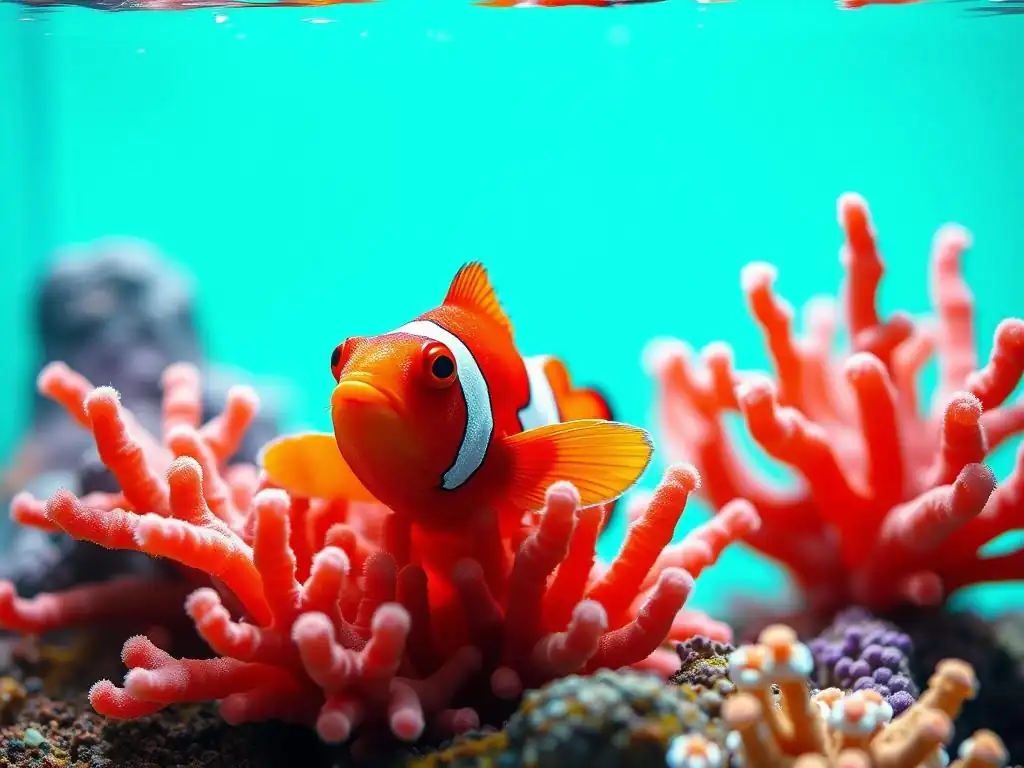
An All-In-One (AIO) reef aquarium is a self-contained tank system designed with integrated filtration and equipment compartments, typically located at the back or side of the display area. Unlike traditional setups that require external sumps and a separate array of equipment, AIOs consolidate these components within the tank's footprint. This design aims to simplify the initial setup process, making reef keeping more accessible to beginners and those with limited space. The rear chamber usually houses mechanical filtration (filter floss), biological media, chemical media (activated carbon, GFO), and space for a heater and return pump.
The core concept behind an AIO is to provide a plug-and-play experience, reducing the complexity and daunting nature of assembling a full reef system from individual components. These systems often come pre-drilled for water flow between chambers, and some even include basic lighting or a return pump. While this integration offers significant convenience, understanding the specific limitations and potential all-in-one aquarium setup problems inherent in their design is crucial for long-term success, especially concerning water volume and equipment compatibility.
Why Choose an AIO Reef Aquarium? Cost Savings vs. Customization
Many aquarists are drawn to AIO reef aquariums due to the perception of initial cost savings and simplified purchasing. Buying a bundled system can indeed be more budget-friendly upfront compared to sourcing a separate tank, stand, sump, plumbing, and various filtration components. For example, a 15-gallon AIO nano reef might retail for around $200-$400, while a comparably sized traditional setup could easily exceed $500, not including the time and effort for component selection and assembly. This perceived value makes AIOs an attractive entry point into the hobby.
However, the convenience and potential initial savings often come at the expense of customization. The integrated design of AIOs means that space for larger or specialized equipment, such as advanced protein skimmers or calcium reactors, is often limited. Upgrading components like the return pump or adding supplementary filtration can be challenging due to the fixed chamber sizes. This lack of flexibility can lead to all-in-one aquarium setup problems down the line for aquarists who wish to keep more demanding corals or expand their system's capabilities without investing in an entirely new setup.
All-In-One Reef Aquarium Starter Kits: A Quick Overview of Popular Brands
The market for All-In-One reef aquarium starter kits is robust, featuring several reputable brands that cater to different needs and budgets. Popular choices include the Fluval EVO series, particularly the EVO 13.5 gallon, which is highly regarded for its compact design, decent lighting for soft corals, and integrated filtration chambers. Another prominent player is Innovative Marine, with their NUVO Fusion series (e.g., NUVO Fusion 10, 20) offering sleek aesthetics, higher quality glass, and more versatile rear chambers, albeit at a slightly higher price point.
These starter kits typically include the glass or acrylic tank, an integrated filtration compartment, a return pump, and sometimes basic LED lighting. While designed to minimize initial all-in-one aquarium setup problems by providing a nearly complete package, it's important to note that "starter kit" doesn't always mean "everything you need." Aquarists will still need to purchase a heater, substrate, live rock, a quality salt mix, and often an upgraded light or protein skimmer to support a thriving reef environment, especially if planning to keep SPS or LPS corals.
Frequently Asked Questions
What are the most common issues beginners face with all-in-one aquarium setups?
Beginners frequently encounter problems with inadequate filtration due to the limited space within the AIO system. This can lead to poor water quality and potential harm to the aquarium inhabitants. They may also struggle with temperature regulation, especially in smaller AIO tanks.
How do all-in-one aquariums compare to traditional setups in terms of maintenance?
All-in-one aquariums often require more frequent but smaller water changes compared to traditional setups. This is due to the lower water volume and the concentration of waste in the integrated filtration compartments. However, their design simplifies some aspects of maintenance, such as hiding equipment.
Are all-in-one aquariums suitable for advanced aquascaping or specialized fish species?
Generally, all-in-one systems can be limiting for complex aquascapes due to space constraints. They may not be ideal for fish requiring specific water parameters or large swimming spaces. However, smaller species thriving in stable environments can do well.
What are the key factors to consider when selecting an all-in-one aquarium setup?
When choosing an AIO system, consider the size appropriate for your desired livestock. Also, carefully evaluate the filtration capacity and water flow provided by the integrated system. Finally, research the quality of the components to ensure durability.
How can I troubleshoot common problems like cloudy water or algae blooms in my all-in-one aquarium?
Cloudy water in an AIO tank often indicates a bacterial bloom or inadequate filtration. Algae blooms suggest an imbalance in nutrients and light. Address these by performing water changes, optimizing filtration, and adjusting lighting schedules to restore balance.
The exploration of all-in-one aquarium setups, as we've seen, reveals a landscape far more nuanced than the marketing hype suggests. While convenience and aesthetics are undeniable draws, the potential pitfalls – from limited customization to inherent system vulnerabilities – demand careful consideration. Understanding these trade-offs is now more crucial than ever, as the allure of instant gratification often overshadows the long-term commitment required for responsible aquascaping.
The journey through the pros and cons of these systems has undoubtedly shaped our understanding of what it truly means to create a thriving aquatic ecosystem. This exploration underscores the importance of informed decision-making, moving beyond superficial appeal to embrace the deeper responsibilities of aquarium keeping. The best aquarium is not the one that looks the most impressive, but the one that provides the most stable and enriching environment for its inhabitants.
This sentiment reminds us that our choices have a direct impact on the lives within our glass walls.
Now, as you stand at the crossroads of convenience and commitment, I invite you to reflect on the information presented. Don't be swayed solely by the promise of simplicity. Instead, armed with knowledge, consider your own dedication, your long-term vision, and the well-being of the creatures you intend to nurture. Choose wisely, and let your aquarium be a testament not just to beauty, but to responsible stewardship.
Dive Deeper: Unleash Your Aquarium's Potential!
Thank you for exploring the world of all-in-one aquariums with us! We hope this article has provided you with a clear understanding of their benefits and drawbacks, empowering you to make an informed decision. Now, it’s time to take the next step in your aquarium journey.
Here are a few ways to put your newfound knowledge into action:
- Plan Your Perfect Setup: Whether it's an all-in-one or a custom build, start sketching out your ideal aquarium – considering tank size, inhabitants, and aquascaping style. This is your primary action to show commitment.
- Explore Local Fish Stores: Visit a few local aquarium shops and chat with the experts. Discuss your needs, and see all-in-one setups firsthand to get a better feel for them.
- Share Your Insights: Engage with fellow aquarists! Share this article on social media or in aquarium forums, sparking discussions and helping others navigate the pros and cons.
What specific challenges are you anticipating in setting up your aquarium, and how might an all-in-one system either help or hinder those challenges?