
Nano Tanks, Big Impact: Is a Small Aquarium Right for Your Space & Dream Fish?

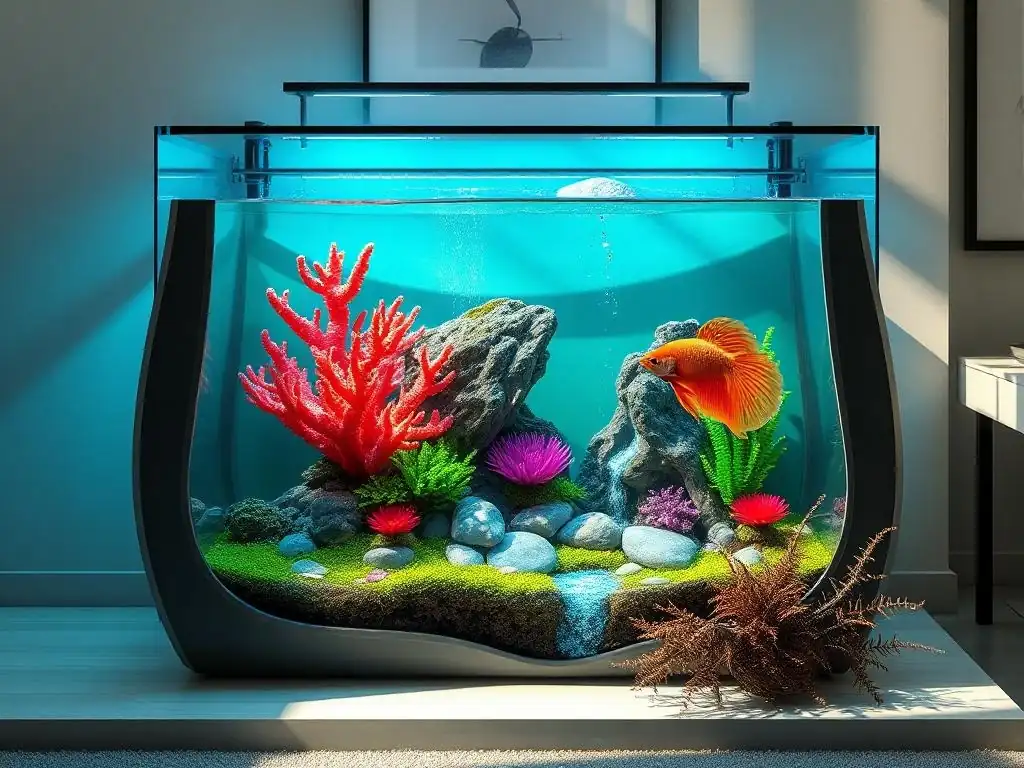
Welcome to Aquarium Mastery!
Ever dreamed of a vibrant underwater world thriving in your home, even if space is limited? Our Small Aquarium Setup Guide unveils the secrets to creating a breathtaking nano tank. But is a smaller aquarium truly the right choice for you and your dream fish? Dive in and discover everything you need to know to make an informed decision and embark on your miniature aquatic adventure! Let's explore the possibilities...
- Nano Tanks: A Guide to Small Aquarium Keeping
- Understanding Small Aquariums
- Considerations Before Setup
- Essential Equipment
- Selecting Fish and Invertebrates
- Setting Up Your Aquarium
- Maintaining Your Aquarium
- Troubleshooting Common Issues
- Aquarium Ideas and Inspiration
- The Joys and Challenges
-
Frequently Asked Questions
- What is the ideal size for a "nano tank," and what types of fish are suitable for it?
- What are the crucial considerations for water chemistry in a small aquarium setup guide?
- How does plant selection differ for nano tanks compared to larger aquariums?
- What are some common problems encountered in small aquarium setups, and how can they be prevented?
- How often should I perform maintenance tasks, like water changes and filter cleaning, for a nano aquarium?
- Final Reflection: The Miniature World Within
- Dive Deeper: Create Your Miniature Underwater World!
Nano Tanks: A Guide to Small Aquarium Keeping
Understanding Small Aquariums
The Benefits of Nano Tanks
Nano tanks, typically defined as aquariums under 20 gallons, offer a unique entry point into the aquatic hobby, making it accessible to a wider audience. Their compact size means lower initial setup costs compared to larger tanks, often requiring less powerful equipment. This accessibility, combined with the relative ease of finding space for them, makes a small aquarium setup guide an ideal starting point for budding aquarists or those with limited room.
Beyond their practicality, nano tanks provide significant therapeutic benefits. Observing the serene movements of fish and the gentle sway of aquatic plants can significantly reduce stress and promote relaxation. Many studies have indicated that watching aquariums can lower blood pressure and heart rate, making a small, beautifully scaped nano tank a perfect addition to a home office or bedroom for a calming presence.
Space-Saving Design
One of the most compelling advantages of nano tanks is their remarkable ability to fit into virtually any living or working environment. Unlike their larger counterparts that demand significant floor space, a 5-gallon nano aquarium can comfortably sit on a desk, a bookshelf, or even a kitchen counter. This versatility makes them ideal for apartments, dorm rooms, or small offices where space is at a premium.
Their compact footprint allows for creative placement, transforming overlooked corners into vibrant focal points. A well-designed 7-gallon cube, for instance, can add a touch of nature and dynamic beauty without overwhelming the room. The efficient design often means less clutter, and a concise small aquarium setup guide helps owners maximize the aesthetic and functional potential of these miniature aquatic worlds.
Aesthetic Appeal
Despite their diminutive size, nano tanks possess an extraordinary capacity for aesthetic impact. They are often viewed as living art pieces, allowing aquascapers to craft intricate, detailed underwater landscapes that might be lost in a larger tank. The confined space encourages precision and creativity, transforming a small glass box into a captivating miniature ecosystem.
Whether it's a meticulously arranged Iwagumi layout featuring carefully placed rocks and carpeting plants, or a vibrant planted tank bursting with colorful foliage, a nano aquarium can become a mesmerizing focal point. Their focused nature draws the eye, inviting closer inspection of the delicate balance and intricate details within. A well-executed small aquarium setup guide emphasizes the artistic potential, guiding enthusiasts to create stunning visual displays.
Considerations Before Setup
Lifestyle and Commitment
While a small aquarium might seem less demanding than a larger one, it still requires a significant commitment of time and attention. Due to their limited water volume, nano tanks are inherently less stable environments than larger systems. Water parameters can fluctuate rapidly, making consistent and diligent maintenance crucial. For instance, a 5-gallon tank might require a 25-50% water change weekly, whereas a 50-gallon tank might only need a bi-weekly change of similar proportion.
This increased sensitivity means that neglecting maintenance, even for a few days, can quickly lead to water quality issues, stress for the inhabitants, and potential disease outbreaks. Before embarking on a small aquarium setup guide, it's essential to honestly assess your availability for routine tasks like water testing, water changes, and feeding. The success of a nano tank hinges on consistent care and vigilance.
Stocking Limits
One of the most critical aspects of nano aquarium keeping is understanding and adhering to strict stocking limits. The common "one inch of fish per gallon" rule is often far too generous for nano tanks, where even a single inch of fish can represent a significant bioload in a confined space. Overstocking is the leading cause of poor water quality, stunted growth, stress, and disease in small aquariums.
For a 5-gallon tank, suitable inhabitants might be limited to a single Betta splendens, or perhaps a small colony of dwarf shrimp. A 10-gallon tank might support a small school of Chili Rasboras (6-8 individuals) or a pair of Pygmy Corydoras. It is crucial to research the adult size, activity level, and social needs of any potential inhabitant before purchase. A responsible small aquarium setup guide will always prioritize the well-being of the aquatic life over the desire for a diverse collection.
Budgeting
While the initial cost of a nano tank itself is often lower than a large aquarium, a complete setup can still involve a significant investment. Beyond the tank, essential equipment includes a filter, heater, lighting system, substrate, decorations, and a reliable water testing kit. A basic 5-gallon setup might range from $100 to $250, depending on the quality of components chosen.
Ongoing costs also need to be factored into your budget. These include fish food, water conditioner, replacement filter media, and electricity to power the heater and light. For example, a 25-watt heater running 24/7 might add a few dollars to your monthly electricity bill, and a quality water conditioner can cost around $10-$15 for a bottle that lasts several months. A comprehensive small aquarium setup guide should help you anticipate these expenses, ensuring you're prepared for the financial commitment involved.
Essential Equipment
Tank Size and Material
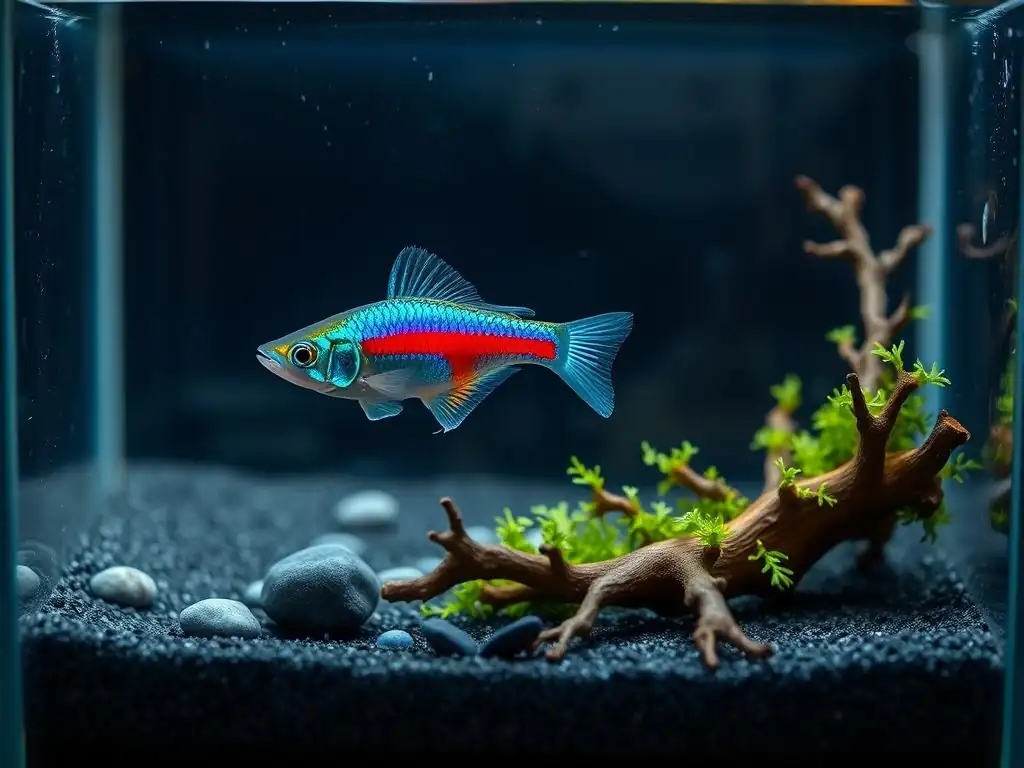
Nano tanks come in a variety of sizes, typically ranging from 2.5 gallons up to 15 or 20 gallons. Common sizes include 2.5-gallon, 5-gallon, 7-gallon cube, and 10-gallon rectangular tanks. For beginners, a 5-gallon or 10-gallon tank is often recommended, as larger volumes offer more stability in water parameters, making them more forgiving of minor fluctuations.
Aquarium tanks are primarily made from either glass or acrylic. Glass tanks are generally more scratch-resistant and less prone to yellowing over time, but they are heavier and more fragile. Acrylic tanks are lighter, more impact-resistant, and offer clearer viewing due to less distortion, but they scratch more easily and can be more expensive. Both materials are suitable, and your choice may depend on personal preference and placement considerations detailed in any good small aquarium setup guide.
Filtration Systems
Effective filtration is paramount for maintaining healthy water quality in a small aquarium, despite its size. The limited water volume means that waste products can quickly accumulate to toxic levels without proper filtration. Common filtration types suitable for nano tanks include Hang-On-Back (HOB) filters, internal power filters, and sponge filters. HOB filters are popular for their ease of maintenance and ability to house multiple types of media (mechanical, biological, chemical).
Sponge filters, powered by an air pump, are excellent for delicate species like Bettas or shrimp, providing gentle flow and ample surface area for beneficial bacteria. Internal filters are compact and submerged, often combining mechanical and biological filtration. When selecting a filter, ensure its flow rate is appropriate for your tank size, typically turning over the tank's volume 3-5 times per hour. An effective small aquarium setup guide will highlight the importance of choosing a filter that provides adequate biological filtration to process ammonia and nitrites.
Lighting Options
Lighting in a nano aquarium serves two primary purposes: enhancing the visual appeal of your fish and supporting the growth of live aquatic plants. For fish-only tanks, a simple low-wattage LED light is often sufficient to illuminate the tank for viewing. Modern LED lights are energy-efficient and come in various spectrums and intensities.
For planted nano tanks, more powerful lighting specifically designed for plant growth is necessary. These lights provide the appropriate spectrums (often with a focus on red and blue wavelengths) and intensity (PAR – Photosynthetically Active Radiation) to encourage photosynthesis. A common recommendation for planted tanks is to provide 8-10 hours of light per day, controlled by a timer, to prevent excessive algae growth while still promoting healthy plant development. Any comprehensive small aquarium setup guide will delve into the nuances of lighting for different tank types.
Heating and Temperature Control
Maintaining a stable and appropriate water temperature is crucial for the health and well-being of most tropical fish and invertebrates kept in nano tanks. Due to their small water volume, nano aquariums are particularly susceptible to rapid temperature fluctuations caused by ambient room temperature changes. A reliable heater is therefore an essential piece of equipment.
Submersible heaters are the most common type for nano tanks, available in various wattages (e.g., 25-50 watts for a 5-10 gallon tank). It's vital to pair the heater with an accurate thermometer to monitor the water temperature, ensuring it remains within the optimal range for your specific inhabitants (typically 76-80°F or 24-27°C for tropical species). Some heaters come with preset temperatures, while others offer adjustable thermostats, providing precise control, which is a key aspect of a detailed small aquarium setup guide.
Selecting Fish and Invertebrates
Suitable Fish Species
Choosing appropriate fish for a nano tank is paramount to their health and the tank's stability. Due to limited space and water volume, only a select few species thrive in these smaller environments. For a 5-gallon tank, a single Betta splendens (Siamese Fighting Fish) is an excellent choice, as they are relatively inactive and appreciate the smaller footprint. For 10-gallon nano tanks, small schooling fish like Chili Rasboras (Boraras brigittae), Ember Tetras (Hyphessobrycon amandae), or Pygmy Corydoras (Corydoras pygmaeus) can be kept in small groups (e.g., 6-8 individuals), provided there is ample filtration and regular maintenance.
It is crucial to avoid common misconceptions about fish size, such as the belief that fish only grow to the size of their tank. This is false and leads to stunted growth, organ damage, and a shortened lifespan for the fish. Even seemingly small fish like Mollies or Platies are too large for nano tanks in the long term, as they produce significant waste and require more swimming space than a small aquarium can provide. A responsible small aquarium setup guide will always list specific, appropriate species.
Suitable Invertebrate Species
Invertebrates, particularly shrimp and snails, are ideal inhabitants for nano aquariums due to their small size, low bioload, and fascinating behaviors. Dwarf shrimp species like Red Cherry Shrimp (Neocaridina davidi), Amano Shrimp (Caridina multidentata), and Crystal Red Shrimp (Caridina cantonensis) are popular choices. They are excellent scavengers, helping to keep the tank clean by consuming algae and uneaten food. A colony of 10-20 Red Cherry Shrimp can thrive in a well-maintained 5-gallon tank.
Snails such as Nerite Snails (Neritina spp.) and Mystery Snails (Pomacea bridgesii) are also great additions. Nerite snails are highly effective algae eaters and do not reproduce excessively in freshwater. Mystery snails are larger and more active, adding a different dynamic. These invertebrates contribute significantly to the tank's ecosystem and add visual interest without overtaxing the biological filtration, making them perfect companions in any small aquarium setup guide.
Avoiding Overstocking
Overstocking is the single biggest pitfall in nano aquarium keeping. The limited water volume means that fish waste, uneaten food, and decaying plant matter quickly accumulate, leading to a rapid decline in water quality. High levels of ammonia and nitrite, even for short periods, are highly toxic to aquatic life, causing stress, fin rot, weakened immune systems, and ultimately, death.
To avoid overstocking, always research the adult size and specific needs of any species before purchasing. Err on the side of caution and adhere to the "less is more" philosophy for nano tanks. For instance, while a 10-gallon tank could technically house a few different small species, it is often healthier and more stable to focus on one primary species or a single small school. A diligent small aquarium setup guide will always emphasize the critical importance of a conservative stocking plan to ensure the long-term health of your aquatic inhabitants.
Setting Up Your Aquarium
Preparing the Tank
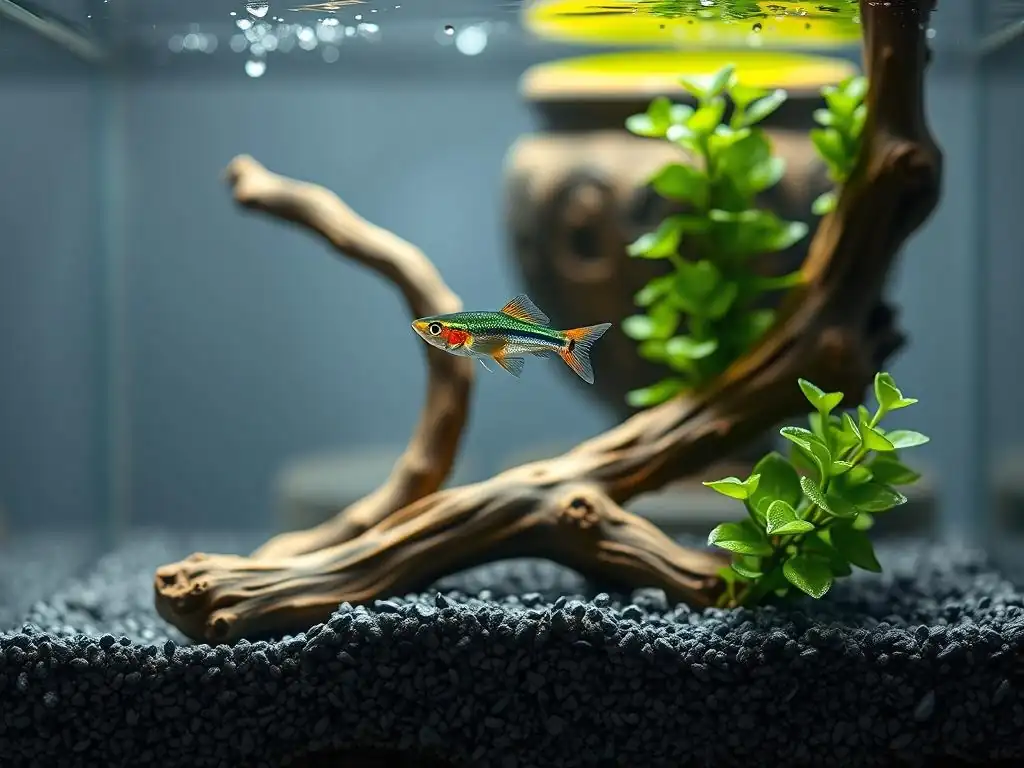
Before introducing any water or inhabitants, proper preparation of your nano tank is crucial. First, thoroughly rinse the tank with plain, dechlorinated water. Never use soap, detergents, or chemical cleaners, as residues can be highly toxic to fish and beneficial bacteria. Inspect the tank for any cracks or defects.
Next, choose a stable, level surface for placement that can safely support the weight of the filled tank (a 10-gallon tank, when full, can weigh over 100 pounds). Position it away from direct sunlight, which can cause excessive algae growth and temperature fluctuations. Ensure it's near a power outlet for your equipment. Once placed, it's advisable to perform a leak test by filling the tank with water and letting it sit for a few hours or overnight to confirm there are no leaks, an essential step in any small aquarium setup guide.
Substrate and Aquascaping
The substrate forms the base of your aquarium and plays a vital role in supporting beneficial bacteria and, if applicable, live plants. Common substrate choices for nano tanks include fine gravel, sand, or specialized planted tank substrates. Sand is ideal for bottom-dwelling fish like Corydoras, while fine gravel is versatile. Planted tank substrates provide nutrients for aquatic plants. Rinse your chosen substrate thoroughly to remove dust and debris before adding it to the tank.
Aquascaping, the art of arranging decor, allows you to create a visually appealing and functional environment. Use inert materials like aquarium-safe rocks (e.g., Seiryu stone, lava rock) and driftwood. Plan your layout to provide hiding spots for fish and invertebrates, and consider the "rule of thirds" for a balanced aesthetic. Ensure there's still adequate swimming space for your inhabitants. A well-thought-out aquascape is a cornerstone of a successful small aquarium setup guide.
Cycling the Tank
The most critical step in setting up any new aquarium, especially a small one, is cycling the tank. This process establishes the nitrogen cycle, a natural biological filtration system that converts toxic ammonia (from fish waste and decaying matter) into less harmful nitrates. Without a fully cycled tank, fish will suffer from ammonia and nitrite poisoning. The preferred method is "fishless cycling," which avoids exposing fish to harmful toxins.
Fishless cycling involves adding an ammonia source (e.g., pure ammonia solution or a small piece of fish food) to the tank and allowing beneficial bacteria to colonize the filter media and substrate. This process typically takes 4-6 weeks. During this time, you'll regularly test the water for ammonia, nitrite, and nitrate levels. Ammonia and nitrite levels will spike and then fall to zero, while nitrate levels will rise. Only when ammonia and nitrite consistently read zero can you safely introduce livestock, a patience-demanding but vital part of any small aquarium setup guide.
Introducing Livestock
Once your nano tank is fully cycled and water parameters are stable, you can begin introducing livestock. It's crucial to do this slowly and gradually to avoid shocking the fish and overwhelming the newly established beneficial bacteria colony. Start by adding only a few fish or invertebrates at a time, waiting a week or two between additions to allow the beneficial bacteria to adjust to the increased bioload.
Acclimatization is key to minimizing stress for new inhabitants. Begin by floating the sealed bag containing your new fish in the tank for 15-20 minutes to equalize temperatures. Then, open the bag and slowly add small amounts of tank water to the bag over a period of 30-60 minutes (drip acclimation is ideal for sensitive species like shrimp).
This gradual mixing helps the fish adjust to the tank's water chemistry. Finally, gently net the fish and release it into the tank, discarding the bag water to prevent introducing any potential pathogens. This careful introduction is a highlight of any thorough small aquarium setup guide.
Maintaining Your Aquarium
Regular Water Changes
Regular water changes are the single most important maintenance task for a small aquarium, especially given their limited water volume and susceptibility to rapid parameter shifts. They are essential for removing accumulated nitrates, phosphates, and other pollutants, while also replenishing vital minerals and trace elements. For most nano tanks, a 25-50% water change weekly is recommended.
To perform a water change, use an aquarium siphon to remove water from the tank, simultaneously vacuuming any detritus from the substrate. Always treat new tap water with a quality water conditioner to neutralize chlorine and chloramines, which are harmful to fish and beneficial bacteria. Ensure the new water is temperature-matched to the tank water to prevent thermal shock to your inhabitants. Consistency in this routine, as detailed in any good small aquarium setup guide, is crucial for long-term success.
Cleaning and Algae Control
Beyond water changes, routine cleaning helps maintain the aesthetic appeal and health of your nano aquarium. Use an algae scraper or magnetic cleaner to remove algae from the tank glass regularly. For persistent algae, consider reducing light duration (e.g., to 8 hours daily) or adjusting feeding habits.
Periodically, you'll need to clean your filter. Rinse filter media (sponges, ceramic rings) in old tank water removed during a water change, rather than tap water, to preserve the beneficial bacteria colony. Avoid over-cleaning, as this can disrupt the biological filter. Trim any overgrown or decaying plant leaves, as decaying organic matter contributes to poor water quality. A clean tank, as advised by a comprehensive small aquarium setup guide, is a healthy tank.
Feeding Your Fish
Proper feeding is vital for the health of your fish and directly impacts water quality in a nano tank. Overfeeding is a common mistake that quickly leads to cloudy water, algae blooms, and dangerous ammonia spikes. Feed your fish small amounts, 1-2 times daily, only what they can consume within 2-3 minutes. Any uneaten food should be promptly removed to prevent decay.
Offer a varied diet appropriate for your specific species. This might include high-quality flakes or pellets as a staple, supplemented with frozen foods like bloodworms or brine shrimp, and occasional live foods. Different fish have different dietary needs; for example, some bottom-dwellers require sinking pellets. Understanding these needs is a key aspect of a detailed small aquarium setup guide.
Monitoring Water Parameters
Consistent monitoring of water parameters is non-negotiable for a healthy nano aquarium. Due to their small volume, parameters can shift rapidly, making regular testing crucial. You should test for ammonia, nitrite, and nitrate weekly, especially in a newly established tank. Ammonia and nitrite should always read zero, while nitrate levels should be kept below 20 ppm through regular water changes.
Other important parameters include pH (which affects nutrient availability and fish health, typically 6.5-7.5 for most community fish) and temperature. Invest in a reliable liquid-based test kit, which is generally more accurate than test strips. Keeping a log of your readings can help you identify trends and address potential issues before they become critical, a practice strongly recommended by any thorough small aquarium setup guide.
Troubleshooting Common Issues
Algae Blooms
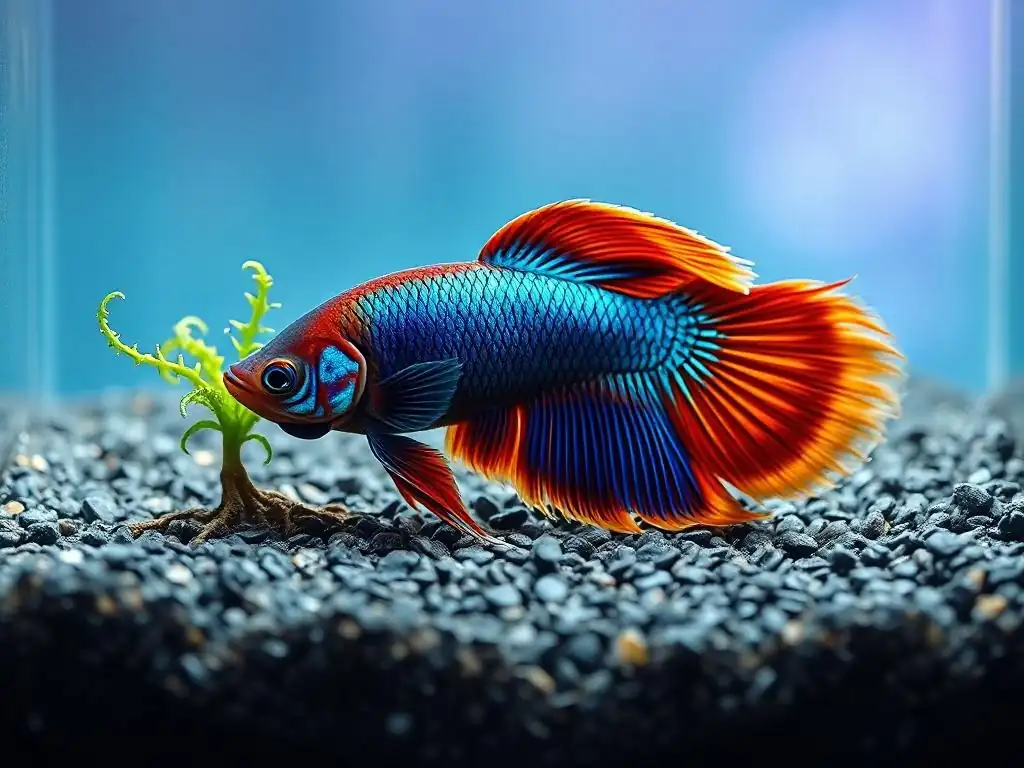
Algae blooms are a common issue in nano tanks, often signaling an imbalance in the ecosystem. The primary culprits are usually excess light (too long duration or too intense) and an abundance of nutrients (from overfeeding, overstocking, or infrequent water changes). A sudden green cloudiness or excessive growth on surfaces can indicate an issue.
To combat algae, reduce your lighting period to 8 hours daily, and ensure your light intensity is appropriate for your tank's needs. Increase the frequency and volume of water changes (e.g., 50% every other day for a few days) to remove excess nutrients. Reduce feeding amounts and ensure all food is consumed. Introducing algae-eating invertebrates like Nerite snails or Amano shrimp can help, but they are aids, not solutions to the underlying cause, as any good small aquarium setup guide will emphasize.
Cloudy Water
Cloudy water in a nano aquarium can be caused by several factors, each requiring a different approach. A milky white cloudiness in a new tank often indicates a bacterial bloom, a natural part of the cycling process as beneficial bacteria multiply. This usually resolves on its own within a few days to a week. Another cause can be disturbed substrate, releasing fine particles into the water.
Green cloudy water is typically an algae bloom (see above). Brown or murky water might indicate decaying organic matter from overfeeding, dead plants, or an uncycled tank. Solutions include patience for bacterial blooms, rinsing substrate thoroughly before setup, increasing water changes to remove organic waste, reducing feeding, and ensuring adequate filtration. A clear small aquarium setup guide will differentiate these causes and offer specific solutions.
Fish Diseases
Fish diseases in a nano tank are often a symptom of poor water quality, stress from overstocking, or improper diet. Common signs of illness include clamped fins, lethargy, loss of appetite, white spots (Ich), frayed fins (fin rot), or abnormal swimming behavior. Due to the small volume, diseases can spread rapidly.
Prevention is always better than cure: maintain pristine water quality, avoid overstocking, provide a balanced diet, and quarantine new fish for at least two weeks in a separate tank before introducing them to your main nano aquarium. If a fish does become sick, prompt action is crucial. Isolate the affected fish if possible, perform a water change, and accurately diagnose the illness before administering any medication. Consulting a detailed small aquarium setup guide can provide insights into common ailments and their treatments.
Aquarium Ideas and Inspiration
Planted Tanks
Planted nano tanks are perhaps one of the most rewarding and visually stunning forms of small aquarium keeping. Live plants not only enhance the aesthetic appeal but also contribute significantly to the tank's ecosystem by absorbing nitrates, producing oxygen, and providing hiding spots for fish and invertebrates. Even in a small footprint, you can create lush, vibrant underwater gardens.
Easy-to-grow plants suitable for nano tanks include Anubias species, Java Fern (Microsorum pteropus), Bucephalandra, and various mosses (e.g., Java Moss, Christmas Moss). For a carpeting effect, Monte Carlo or Dwarf Hairgrass can be used with adequate lighting and, in some cases, CO2 injection. A well-planned planted small aquarium setup guide can turn a simple tank into a miniature botanical paradise.
Iwagumi-Style Aquariums
The Iwagumi aquascaping style, originating from Japan, is characterized by its minimalist approach, focusing on the arrangement of rocks (iwagumi means "rock formation"). In a nano tank, this style can be incredibly impactful, creating a sense of vastness and natural beauty within a confined space. The typical setup involves a main "Oyaishi" or "parent rock," accompanied by two or more smaller "Fukuishi" (subordinate rocks) and "Suteishi" (sacrificial rocks), forming a visually harmonious triangular composition.
Plants in an Iwagumi tank are typically limited to low-growing, carpeting species like Dwarf Hairgrass, Monte Carlo, or Glossostigma, which emphasize the stark beauty of the rock arrangement. The challenge and reward lie in creating a powerful, balanced landscape with very few elements, where every rock and plant placement is deliberate and meaningful. A specialized small aquarium setup guide for Iwagumi can provide the principles needed for this art form.
Biotope Tanks
Biotope tanks aim to recreate a specific natural aquatic habitat, providing an authentic environment for the chosen inhabitants. This approach is highly educational and often results in a tank where fish display more natural behaviors. For instance, a small Amazonian blackwater biotope could feature soft, acidic water, dark substrate, leaf litter (e.g., Indian almond leaves), and driftwood, housing a small school of Chili Rasboras or Ember Tetras.
Another example could be a Southeast Asian stream biotope with fine sand, smooth river stones, and plants like Cryptocoryne species, suitable for Pygmy Corydoras or certain dwarf shrimp. Creating a biotope requires thorough research into the natural habitat of your chosen species, including water parameters, substrate, and compatible plants and decor. This detailed focus makes a biotope nano tank a truly immersive and rewarding project, guided by a specific small aquarium setup guide for ecological accuracy.
The Joys and Challenges
The Rewards
Despite their small size, nano aquariums offer immense rewards for the dedicated aquarist. The satisfaction of creating a thriving, self-contained ecosystem, watching fish exhibit natural behaviors, and observing the subtle changes in a miniature landscape can be incredibly fulfilling. They serve as a constant source of calm and beauty, transforming any space into a more engaging and serene environment.
Beyond the aesthetic and therapeutic benefits, keeping a nano tank is a fantastic educational experience. It provides a hands-on opportunity to learn about aquatic biology, water chemistry, and ecosystem dynamics. Successfully navigating the intricacies of a small aquarium setup guide and maintaining a healthy tank instills a profound sense of accomplishment and deepens one's appreciation for the natural world.
Addressing Limitations
It's important to acknowledge that nano tanks do come with certain limitations. Their small water volume means they are less forgiving of mistakes; water parameters can fluctuate rapidly, and ammonia/nitrite spikes can occur quickly if maintenance is neglected. This necessitates more frequent and diligent water changes and parameter monitoring compared to larger tanks.
Furthermore, the limited space restricts the variety and number of fish species that can be safely housed. Enthusiasts must accept that many popular aquarium fish are simply unsuitable for nano environments. However, by understanding these limitations and adhering strictly to the principles outlined in a comprehensive small aquarium setup guide, these challenges become manageable and do not detract from the overall enjoyment of the hobby.
Conclusion: Embracing Nano Aquariums.
Nano aquariums, though small in stature, offer a world of possibilities for aquarists of all experience levels. They provide an accessible, space-saving, and incredibly beautiful way to bring the tranquility and wonder of an aquatic ecosystem into any home or office. From minimalist Iwagumi designs to lush planted jungles or authentic biotopes, the creative potential is vast.
While they demand diligent care and an understanding of their unique sensitivities, the rewards of a thriving nano tank far outweigh the challenges. With careful planning, appropriate equipment, responsible stocking, and consistent maintenance, guided by a thorough small aquarium setup guide, a nano aquarium can indeed have a big impact, offering endless hours of fascination and a profound connection to the aquatic world.
Frequently Asked Questions
What is the ideal size for a "nano tank," and what types of fish are suitable for it?
A nano tank is generally considered to be an aquarium 10 gallons or less. Suitable fish include small species like betta splendens, certain tetra, and pygmy corydoras.
What are the crucial considerations for water chemistry in a small aquarium setup guide?
Maintaining stable water parameters is especially critical in nano tanks. Regular testing for ammonia, nitrite, and nitrate is vital, along with frequent small water changes.
How does plant selection differ for nano tanks compared to larger aquariums?
Choose plants that remain small and grow slowly to avoid overcrowding your nano tank. Consider species like Java moss, Anubias nana, and dwarf hairgrass.
What are some common problems encountered in small aquarium setups, and how can they be prevented?
Common issues include rapid parameter fluctuations and overpopulation. Prevention involves careful stocking, regular monitoring, and consistent maintenance.
How often should I perform maintenance tasks, like water changes and filter cleaning, for a nano aquarium?
Water changes of 20-25% should be performed weekly or bi-weekly to maintain water quality. Filter cleaning frequency depends on the filter type and bioload, but every 2-4 weeks is generally recommended.
Final Reflection: The Miniature World Within
The journey into nano aquariums, as we've explored, is more than just a trend; it's a testament to our innate desire to connect with nature, even in the most confined spaces. The principles of responsible aquascaping and mindful stocking, so crucial for these miniature ecosystems, are increasingly relevant in a world grappling with environmental awareness. The rise of nano tanks reflects a broader shift towards sustainable living and appreciating the beauty of the small, the manageable, and the profoundly impactful.
This exploration has highlighted how a small aquarium can be a powerful source of tranquility and learning. My own experience with a nano tank has underscored the delicate balance required to maintain a thriving aquatic environment, fostering a deeper respect for the interconnectedness of life. It's a microcosm that mirrors the larger world, teaching us about responsibility, patience, and the beauty of biodiversity. In nature, nothing is perfect and everything is perfect. Trees can be contorted, bent in weird ways, and they're still beautiful.
- Alice Walker. This quote perfectly encapsulates the beauty found even in the smallest, most unconventional ecosystems.
Now, armed with the knowledge from this small aquarium setup guide, I encourage you to consider the potential of a nano tank in your own life. Whether you're seeking a calming focal point, a fascinating educational tool, or a tangible connection to the natural world, the possibilities are vast. Embrace the challenge, cultivate your own miniature world, and discover the profound joy that comes from nurturing life, one small tank at a time.
Dive Deeper: Create Your Miniature Underwater World!
Thank you for exploring the fascinating world of nano tanks! We hope you've discovered the potential of these small aquariums to bring immense beauty and tranquility into your life. Ready to take the plunge?
- Start Planning Your Dream Nano Tank Today: Research suitable fish and plants for a nano environment, and sketch out your ideal aquascape.
- Share your nano tank dreams! What type of theme or fish would you choose for your nano tank?
- Join the Aquarium Mastery community: Share your aquarium journey on social media and inspire others with the hashtag #AquariumMastery.
What's one unique element you'd add to your nano tank to make it truly your own?