
The Perfect 10Gallon: Finding Your Ideal Aquarium Starter Kit Match for Beginners

Welcome to Aquarium Mastery!
Ready to dive into the captivating world of aquariums? Thinking about starting small, but not sure where to begin? You've come to the right place. Choosing the perfect 10 gallon aquarium starter kit can feel overwhelming, but it doesn't have to be! Discover the secrets to selecting the ideal setup for your needs and get ready to create a thriving underwater paradise. Let's explore what makes a great starter kit and how to find the perfect match for your budding aquarist journey.
- Choosing the Right 10-Gallon Aquarium Starter Kit: A Beginner's Guide
- Top 10-Gallon Aquarium Starter Kits Reviewed: Our Expert Picks
- Essential Equipment Included (and Not Included) in Starter Kits
- Setting Up Your 10-Gallon Aquarium: A Step-by-Step Guide
- Stocking Ideas for Your 10-Gallon Tank: Choosing the Right Fish
- Maintaining Your 10-Gallon Aquarium: Keeping Your Fish Happy and Healthy
- Upgrading Your 10-Gallon Setup: When and How to Expand
- Conclusion: Your Journey to Aquarium Mastery Starts Here
-
Frequently Asked Questions
- How do I choose the right 10-gallon aquarium starter kit for a beginner?
- What type of fish are suitable for a 10-gallon aquarium starter kit?
- What are the key elements of water chemistry I need to monitor in my 10-gallon aquarium starter kit?
- How often should I perform maintenance on my 10-gallon aquarium starter kit?
- Can I keep live plants in my 10-gallon aquarium starter kit?
- Final Reflection: Diving into the Depths of Aquatic Beginnings
- Dive Deeper: Start Your Aquarium Adventure!
Choosing the Right 10-Gallon Aquarium Starter Kit: A Beginner's Guide
Why a 10-Gallon Tank is Ideal for New Aquarists
A 10-gallon aquarium represents an excellent starting point for aspiring aquarists due to its manageable size and relative stability. Unlike smaller tanks, such as 2.5 or 5-gallon nano setups, a 10-gallon water volume (approximately 37.8 liters) offers more buffering capacity against rapid fluctuations in water parameters like temperature and pH.
This inherent stability significantly reduces stress on fish and provides a forgiving environment for beginners learning the intricacies of water chemistry and maintenance. Furthermore, its dimensions, typically around 20 inches long, 10 inches wide, and 12 inches high, make it compact enough to fit comfortably in most homes without dominating the living space.
Beyond its physical attributes, a 10-gallon aquarium starter kit strikes an optimal balance between affordability and stocking potential. These kits are generally budget-friendly, with prices often ranging from $50 to $150, making the initial investment accessible for many. This size allows for a modest community of small, peaceful fish or a single, captivating centerpiece species like a Betta, offering a rewarding experience without the overwhelming commitment of larger tanks. The abundance of readily available information, equipment, and compatible fish species tailored for 10-gallon setups further solidifies its position as the go-to entry point for the freshwater fishkeeping hobby.
Key Considerations When Selecting a 10-Gallon Starter Aquarium
When venturing into the world of fishkeeping, the components included in a 10-gallon aquarium starter kit are paramount. A comprehensive kit typically includes the glass tank itself, a filtration system (often a hang-on-back or internal filter), LED lighting integrated into a hood or lid, and a heater. The quality and type of each component directly impact the ease of setup and long-term success of your aquarium.
For instance, a robust filtration system with mechanical, chemical, and biological media is crucial for maintaining pristine water conditions, while appropriate lighting supports both fish health and the growth of live plants, if desired. Beginners should evaluate these inclusions to ensure they align with their aspirations for the tank.
Beyond the basic inclusions, the overall quality of materials and the reputation of the manufacturer are vital considerations for any gallon aquarium starter kit. Glass tanks are generally preferred for their scratch resistance and clarity, though acrylic options are lighter. Reputable brands such as Tetra, Aqueon, Fluval, and Marineland have established track records for producing reliable and user-friendly products.
Investigating user reviews and product warranties can provide valuable insights into the durability and performance of a specific kit. Ultimately, selecting a well-regarded 10-gallon aquarium starter kit ensures not only a visually appealing addition to your home but also a robust foundation for a thriving aquatic environment.
Top 10-Gallon Aquarium Starter Kits Reviewed: Our Expert Picks
The Fluval Flex 15 Gallon aquarium stands out as a premium, aesthetically pleasing all-in-one option that, while slightly larger than a true 10-gallon, offers a superior experience for beginners willing to invest a bit more. Its most striking feature is the distinctive curved front, providing an unobstructed panoramic view of the aquatic landscape.
Beyond its sleek design, the Flex boasts an integrated multi-stage filtration system cleverly hidden at the back, which includes mechanical (foam), chemical (carbon), and biological (BioMax rings) media, ensuring exceptional water clarity and health. The powerful 7500K LED lighting system, controllable via a handy remote, allows for a wide spectrum of colors and dynamic effects, making fish and decorations truly pop, and is also suitable for low-to-medium light plants.
For a beginner considering a gallon aquarium starter kit, the Fluval Flex offers significant advantages. Its robust filtration minimizes maintenance effort, and the powerful LED lights provide ample illumination, especially for those interested in aquatic plants. The quiet operation and integrated design contribute to a clean, modern look.
However, its higher price point, typically ranging from $150 to $200+, is a notable disadvantage compared to more budget-friendly 10-gallon options. Additionally, its slightly larger footprint might require more dedicated space than a standard 10-gallon tank. Despite being a 15-gallon system, its compact design and comprehensive features make it an attractive consideration for new aquarists seeking an elevated starting experience.
Tetra Aquarium Kit 10 Gallon: The Budget-Friendly Choice
The Tetra Aquarium Kit 10 Gallon is a quintessential entry-level gallon aquarium starter kit, renowned for its affordability and comprehensive inclusions, making it an excellent choice for first-time fishkeepers. This kit typically features a durable glass tank, a Whisper power filter (often a hang-on-back model) that provides reliable mechanical and biological filtration, and an energy-efficient LED hood for basic illumination.
Many versions also come equipped with essential accessories such as a submersible heater, a stick-on thermometer, a fish net, sample packets of fish food, and water conditioner. This complete package allows beginners to set up their initial aquarium without the hassle of sourcing individual components, offering remarkable value for its common retail price, which frequently falls under $70.
This Tetra 10-gallon kit is particularly well-suited for individuals who are new to the hobby and prefer a straightforward, cost-effective entry. While its components are basic, they are fully functional and provide all the necessary tools to establish a healthy aquatic environment. The Whisper filter, for instance, is known for its quiet operation, a significant benefit in a home setting.
For those unsure about their long-term commitment to fishkeeping, this kit provides an ideal low-risk opportunity to learn the fundamental aspects of aquarium maintenance, water chemistry, and fish care. It serves as a reliable foundation, allowing aquarists to upgrade individual components or the entire setup as their knowledge and passion grow.
Aqueon NeoGlow LED Aquarium Kit 10 Gallon: Vibrant Colors and Ease of Use
The Aqueon NeoGlow LED Aquarium Kit 10 Gallon distinguishes itself with its focus on vibrant aesthetics and user-friendly features, appealing greatly to beginners who desire a visually striking display. The highlight of this gallon aquarium starter kit is its unique LED lighting system, which offers not only traditional white daylight but also a spectrum of dazzling color modes including blue, red, green, and purple.
These dynamic lighting options are designed to make fish and decorations "pop," creating an immersive and captivating underwater scene, especially in low-light conditions. Beyond the lighting, the kit includes an Aqueon QuietFlow power filter, known for its efficient multi-stage filtration and quiet operation, along with a heater, thermometer, fish food, and water conditioner, providing a complete package for easy setup.
While the Aqueon NeoGlow kit offers an undeniable visual appeal, first-timers should be aware of its potential limitations. The specialized colored lighting, while fun, may not be optimally suited for supporting the robust growth of certain demanding live plants, though it works perfectly fine for low-light species like Anubias or Java Fern. The QuietFlow filter, while reliable, may not offer the same advanced filtration capabilities as some higher-end systems, but it is more than adequate for a lightly stocked 10-gallon tank.
Priced typically between $80 and $120, it sits as a middle-ground option, offering a significant aesthetic upgrade over basic kits without reaching the premium cost of systems like the Fluval Flex. It's an excellent choice for those prioritizing a colorful, easy-to-maintain display.
Marineland Portrait Glass LED Aquarium Kit: A Stylish and Modern Option
The Marineland Portrait Glass LED Aquarium Kit presents a stylish and modern alternative for new aquarists, particularly those with limited horizontal space or a preference for vertical aesthetics. While often associated with a 5-gallon capacity, a 10-gallon version or similarly designed compact tall tanks are available, offering a unique footprint. Its defining characteristic is its vertical orientation and sleek, frameless glass design, which creates a sophisticated display.
A key feature is the hidden filtration compartment, seamlessly integrated into the back of the tank, which houses a three-stage filter (mechanical, chemical, biological) to keep water pristine. The overhead LED lighting system offers both bright daylight and soft moonlight settings, enhancing the visual appeal and supporting low-light plants.
When comparing the Marineland Portrait to other gallon aquarium starter kit options, its primary advantage lies in its design-forward appeal and space efficiency. The hidden filtration system contributes to a very clean look, free from visible equipment clutter. This makes it an ideal choice for a desktop, shelf, or small apartment.
However, its vertical design can limit the swimming space for certain fish species that prefer longer horizontal runs, such as schooling tetras, making it often better suited for a single Betta or a small group of shrimp. Priced typically from $90 to $130, it offers a premium aesthetic and integrated features that justify its cost, appealing to beginners who value both form and function in their first aquarium setup.
Essential Equipment Included (and Not Included) in Starter Kits
Filtration: Ensuring Clean and Healthy Water
Filtration is arguably the most critical component of any aquarium, serving as the life support system for its inhabitants by maintaining water quality. A comprehensive filtration system typically performs three types of purification: mechanical, chemical, and biological. Mechanical filtration physically removes particulate matter like uneaten food and fish waste, preventing cloudy water.
Chemical filtration, often achieved with activated carbon, absorbs dissolved pollutants, odors, and discolorations from the water. Most importantly, biological filtration provides a vast surface area for beneficial bacteria to colonize, converting highly toxic ammonia and nitrite (byproducts of fish waste) into less harmful nitrate, a process known as the nitrogen cycle.
Most 10-gallon aquarium starter kits include either a hang-on-back (HOB) filter or an internal filter, both of which usually incorporate all three stages of filtration. For instance, a typical HOB filter for a 10-gallon tank might process around 100 gallons per hour (GPH), ensuring the entire tank volume is filtered multiple times an hour.
Proper maintenance of these filters is crucial; mechanical filter media (sponges or pads) should be rinsed in old tank water during water changes to preserve beneficial bacteria, while chemical media like activated carbon typically needs replacement every 2-4 weeks to remain effective. A well-functioning filter is the cornerstone of a stable and healthy aquatic ecosystem for your gallon aquarium starter kit.
Lighting: Illuminating Your Aquarium and Supporting Plant Growth
Aquarium lighting serves a dual purpose: it illuminates your aquatic environment, allowing for clear viewing of your fish and decorations, and crucially, it provides the necessary energy for photosynthesis in live aquatic plants. Most modern 10-gallon aquarium starter kits come equipped with energy-efficient LED lighting integrated into the hood or lid.
These LEDs offer a variety of benefits, including long lifespan (often tens of thousands of hours), low heat output, and customizable light spectrums, from bright white daylight to soothing blue moonlight. A typical 10-gallon tank light might consume only 5-10 watts of power, making it very economical to operate.
While the lighting included in a basic 10-gallon aquarium starter kit is generally sufficient for viewing and supporting resilient, low-light plants like Java Fern, Anubias, or Amazon Swords, it may not be powerful enough for more demanding plant species that require high-intensity full-spectrum light. It's important to establish a consistent light cycle, typically 8-10 hours per day, to mimic natural conditions and prevent excessive algae growth.
Using a simple timer can automate this process, ensuring your fish have a regular day-night cycle and your plants receive consistent illumination. Understanding your lighting's capabilities will help you choose appropriate flora for your new setup.
Heating: Maintaining the Ideal Water Temperature
For most tropical freshwater fish, maintaining a stable and appropriate water temperature is absolutely vital for their health, metabolism, and immune system function. Unstable or incorrect temperatures can cause significant stress, making fish more susceptible to diseases. A 10-gallon aquarium starter kit designed for tropical fish typically includes a submersible heater, which is designed to maintain a consistent water temperature, usually within the range of 75-80°F (24-27°C) for common species like tetras, guppies, and bettas. For a 10-gallon tank, a 50-75 watt heater is generally recommended to effectively maintain the desired temperature, even in cooler room environments.
Modern aquarium heaters are often equipped with an internal thermostat that automatically turns the heating element on and off to keep the water at the set temperature. It is crucial to position the heater in an area with good water flow to ensure even heat distribution throughout the tank. While some heaters are preset, adjustable models offer more flexibility.
Always use a separate thermometer to monitor the actual water temperature, as heater thermostats can sometimes be inaccurate. A reliable heater is an indispensable component, ensuring your aquatic inhabitants thrive in a stable and comfortable environment within your new gallon aquarium starter kit.
What's Missing? Items You'll Need to Buy Separately
While a 10-gallon aquarium starter kit provides the core components, several essential items are typically not included and will need to be purchased separately to complete your setup and ensure the long-term health of your aquatic ecosystem. These include the substrate, fish food, and water conditioners, all of which are fundamental for a successful and thriving aquarium. Additionally, a reliable water test kit is crucial for monitoring water parameters, and decorations provide essential hiding spots and visual appeal.
Aquarium Substrate Recommendations
Aquarium substrate forms the bottom layer of your tank, serving multiple purposes: it anchors plants, provides a surface for beneficial bacteria to colonize, and significantly contributes to the aesthetic appeal of your setup. For a 10-gallon tank, you'll generally need about 10-15 pounds of substrate to achieve a 1-2 inch depth. Popular choices include standard aquarium gravel, which is easy to clean and comes in various colors, or fine sand, which is ideal for bottom-dwelling fish like Corydoras catfish that enjoy sifting through it.
For those planning to keep live plants, specialized planted tank substrates like Fluval Stratum or Seachem Flourite provide essential nutrients and a porous structure for root growth. Ensure any chosen substrate is specifically designed for aquariums to avoid introducing harmful chemicals.
Fish Food for Your New Aquarium
Providing a varied and high-quality diet is paramount for the health and vitality of your fish. Most 10-gallon aquarium starter kits do not include a full supply of fish food, only small samples. For general community fish, a good quality flake food or small pellets serve as a staple diet.
Brands like TetraMin or Hikari offer nutritionally balanced options. For specific species, you might need specialized foods; for instance, sinking pellets are best for bottom feeders like Corydoras, while frozen or freeze-dried bloodworms are excellent treats for carnivorous fish like Betta. Overfeeding is a common mistake that leads to poor water quality, so feed small amounts that your fish can consume within 2-3 minutes, usually once or twice a day.
Water Conditioners: Preparing Tap Water for Fish
Tap water, while safe for human consumption, contains chemicals like chlorine and chloramines that are highly toxic to fish and beneficial bacteria. Therefore, a water conditioner is an absolute necessity for preparing tap water for your aquarium. Products like Seachem Prime or API Tap Water Conditioner neutralize these harmful chemicals, making the water safe for your aquatic inhabitants.
You will need to use a water conditioner not only when initially filling your 10-gallon aquarium but also every time you perform a water change. Always follow the manufacturer's instructions for dosage, typically a few drops per gallon. This simple step is critical for preventing immediate harm to your fish and ensuring a healthy start for your gallon aquarium starter kit.
Setting Up Your 10-Gallon Aquarium: A Step-by-Step Guide
Preparing Your Tank and Equipment
Before introducing any water or inhabitants, thoroughly prepare your 10-gallon aquarium and all included equipment. Begin by rinsing the glass tank with clean, lukewarm water – never use soap or chemical cleaners, as residues can be highly toxic to fish. Similarly, rinse your chosen substrate (gravel, sand, etc.)
thoroughly under running water until the water runs clear; this removes dust and debris. If your kit includes plastic decorations or artificial plants, rinse these as well. Ensure your aquarium stand or chosen surface is level, sturdy, and capable of supporting the tank's full weight (a 10-gallon tank filled with water and substrate can weigh over 100 pounds or 45 kg).
Once the tank is clean and positioned, assemble your filter, heater, and light according to the instructions provided with your 10-gallon aquarium starter kit. For hang-on-back filters, ensure the intake tube reaches close to the bottom of the tank and the filter media is correctly inserted. Position the heater in an area with good water circulation, typically near the filter output.
Ensure all electrical components are unplugged and positioned safely with drip loops to prevent water from running down cords to electrical outlets. Double-check all connections and placements before proceeding to add water, ensuring a secure and safe setup for your gallon aquarium starter kit.
Adding Substrate, Decorations, and Water
With your tank prepared, the next step is to add the substrate and arrange your decorations. Carefully pour or scoop your rinsed substrate into the bottom of the tank, aiming for a depth of 1 to 2 inches (2.5 to 5 cm). You can create a slight slope, higher at the back, for a more natural look.
Once the substrate is in place, arrange any decorations, rocks, or driftwood. Ensure all decorations are aquarium-safe and do not have any sharp edges that could injure fish. Create hiding spots and visual barriers for your fish, as these reduce stress and provide enrichment.
Now, it's time to add water. To prevent disturbing the substrate and clouding the tank, place a clean plate or a plastic bag on top of the substrate and pour the dechlorinated water slowly onto it. Fill the tank gradually, ensuring the water temperature is close to the ideal range for your future fish.
Fill the tank to the recommended level, usually an inch or two from the top rim, leaving enough space for the tank lid and to prevent fish from jumping out. Once filled, you can plug in and turn on your filter and heater, allowing the water to begin circulating and reaching the desired temperature.
Cycling Your Aquarium: Establishing a Healthy Ecosystem
The most critical step before adding fish to your 10-gallon aquarium is cycling the tank. This process establishes the nitrogen cycle, which is fundamental for converting toxic fish waste into less harmful substances. Fish produce ammonia (NH3) through their gills and waste.
This ammonia is then converted by beneficial bacteria (Nitrosomonas) into nitrite (NO2), which is also highly toxic. Finally, another group of beneficial bacteria (Nitrobacter) converts nitrite into nitrate (NO3), which is much less toxic and can be removed through regular water changes. Without a fully cycled tank, ammonia and nitrite will build up rapidly, poisoning any fish introduced.
For beginners, the "fishless cycling" method is highly recommended as it avoids exposing fish to harmful toxins. This involves adding a small, controlled source of ammonia (e.g., pure ammonia solution, or a pinch of fish food daily) to the tank to feed the beneficial bacteria. The cycling process typically takes 4 to 6 weeks for a 10-gallon tank.
During this period, it is essential to test your water parameters daily using a liquid test kit (e.g., API Freshwater Master Test Kit) to monitor ammonia, nitrite, and nitrate levels. The cycle is complete when both ammonia and nitrite consistently read 0 ppm, and nitrate levels begin to rise, indicating a robust bacterial colony capable of processing waste efficiently in your gallon aquarium starter kit.
Introducing Your First Fish: Acclimation and Gradual Introduction
Once your 10-gallon aquarium is fully cycled, with ammonia and nitrite consistently at 0 ppm and some detectable nitrates, you can begin introducing your first fish. However, this process requires careful acclimation to prevent shock and stress. Never simply dump new fish directly into your tank.
A common method is to float the sealed bag containing your new fish in your aquarium for 15-20 minutes to allow the water temperature to equalize. After temperature acclimation, you can use the drip acclimation method: open the bag, secure it to the side of the tank, and slowly drip tank water into the bag over 30-60 minutes until the water volume in the bag has doubled. This gradually adjusts the fish to your tank's water chemistry.
After acclimation, use a clean fish net to gently transfer the fish from the bag into your aquarium, discarding the water from the bag (never add pet store water to your tank, as it may contain diseases or unwanted chemicals). It is crucial to introduce fish gradually. For a 10-gallon tank, start with a small group of 2-3 compatible fish, especially if they are schooling species.
Wait a week or two before adding more fish to allow your beneficial bacteria to adjust to the increased bioload. This gradual approach helps maintain stable water parameters and prevents potentially fatal ammonia or nitrite spikes in your newly established gallon aquarium starter kit.
Stocking Ideas for Your 10-Gallon Tank: Choosing the Right Fish
Best Beginner Fish for 10-Gallon Aquariums
Choosing the right fish for your 10-gallon aquarium is crucial for their health and your success as a new aquarist. The key is to select small, peaceful species that thrive in similar water parameters and do not produce excessive waste. A general rule of thumb often cited is "one inch of fish per gallon," but this is a very rough guide and can vary significantly depending on the fish's adult size, activity level, and bioload.
For a 10-gallon tank, it's safer to focus on truly small species that won't outgrow the space or overwhelm the filtration. Prioritize species known for their hardiness and adaptability to a beginner's setup.
Suitable options for a 10-gallon aquarium allow for a rewarding experience without overcrowding. Consider a single Betta fish, a small school of peaceful tetras, or a few livebearers. These fish are generally easy to care for, widely available, and visually appealing. Always research each species' specific needs regarding temperature, pH, and social behavior before purchasing. Overstocking is the most common mistake new aquarists make, leading to poor water quality, stressed fish, and disease. A well-planned stocking list ensures a healthy and vibrant ecosystem in your gallon aquarium starter kit.
Betta Fish: A Popular and Colorful Choice
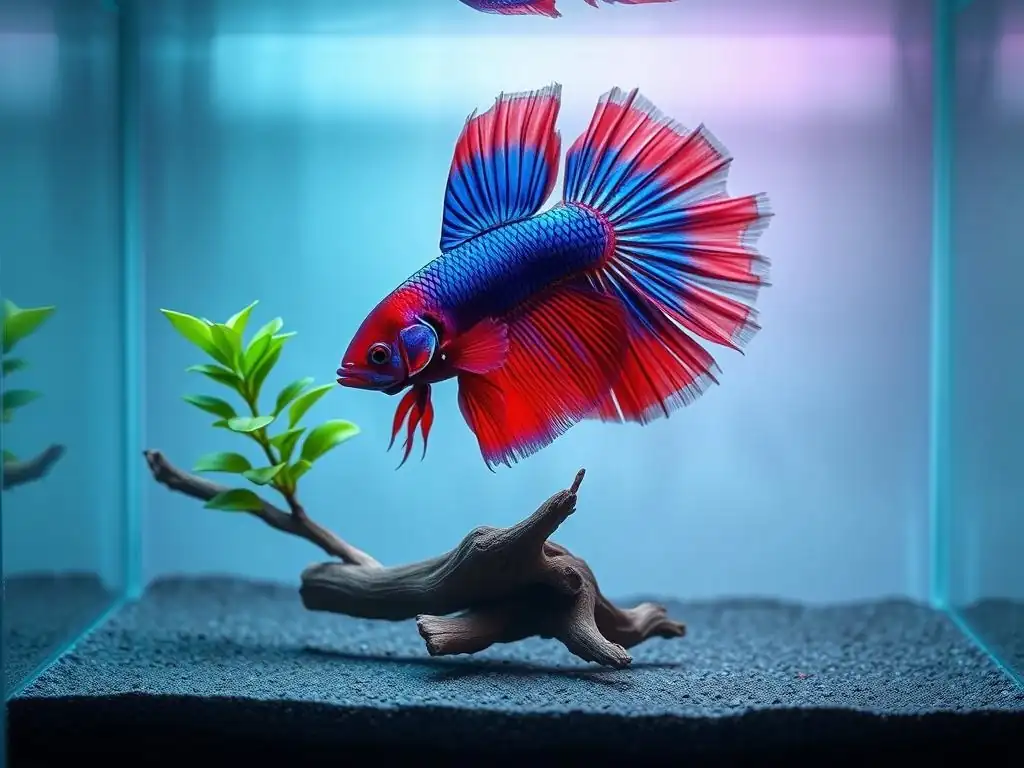
Betta fish (Siamese fighting fish) are an incredibly popular choice for 10-gallon aquariums, and for good reason. Their vibrant colors, flowing fins, and distinct personalities make them captivating inhabitants. A single male Betta thrives in a 10-gallon tank, which provides ample space for swimming, exploring, and establishing a territory, far exceeding the minimal requirements often suggested for smaller bowls or tanks.
They are relatively low-maintenance, requiring a stable temperature between 78-80°F (25.5-26.7°C), making the heater included in a 10-gallon aquarium starter kit essential. While male Bettas are typically housed alone due to their aggression towards other males and sometimes females, they can occasionally coexist peacefully with certain docile tank mates like snails or a few Pygmy Corydoras, provided the tank is adequately sized and decorated with hiding spots.
Neon Tetras: A Schooling Fish for a Community Tank
Neon Tetras are quintessential community fish, known for their striking iridescent blue and red stripes that shimmer under aquarium lighting. For a 10-gallon tank, a small school of 6-8 Neon Tetras can create a dynamic and visually appealing display. As schooling fish, they feel most secure and exhibit their natural behaviors when kept in groups, so avoid keeping fewer than six.
They are peaceful and relatively hardy, preferring stable water parameters with a slightly acidic to neutral pH (6.0-7.0) and temperatures around 72-78°F (22-25.5°C). Their small size and low bioload make them an excellent choice for a well-cycled 10-gallon aquarium starter kit. Ensure the tank has plenty of live plants or decorations to provide hiding spots and break up lines of sight, which helps reduce any potential stress.
Corydoras Catfish: Bottom-Dwelling Cleaners
Corydoras catfish are charming, peaceful, and active bottom-dwelling fish that make excellent additions to a 10-gallon community tank. They are known for constantly sifting through the substrate in search of leftover food particles, acting as natural clean-up crew members, though they should not be relied upon as the sole solution for tank cleanliness. For a 10-gallon setup, smaller species like Pygmy Corydoras, Dwarf Corydoras, or Peppered Corydoras are most suitable.
Like Neon Tetras, Corydoras are schooling fish and should be kept in groups of at least 3-5 of the same species to thrive. They prefer a soft, sandy substrate to protect their delicate barbels, which they use to forage. Their peaceful nature and unique foraging behavior add an interesting dimension to any gallon aquarium starter kit.
Fish to Avoid in a 10-Gallon Tank (Due to Size or Temperament)
While a 10-gallon aquarium starter kit is an excellent beginning, it has limitations regarding the types of fish it can comfortably house. One of the most common mistakes beginners make is purchasing fish that will quickly outgrow the tank or become too aggressive for such a confined space.
Goldfish, for instance, are often mistakenly sold as ideal 10-gallon inhabitants, but even a single fancy goldfish requires at least 20 gallons due to their significant waste production and large adult size (often 8-10 inches or 20-25 cm). Common Plecos are another frequent misstep; despite starting small, they can grow to over 18 inches (45 cm) and require tanks hundreds of gallons in size.
Other fish to avoid in a 10-gallon tank include Bala Sharks, Oscar Cichlids, and most larger cichlid species. These fish either grow too large, produce too much waste, or exhibit aggressive behaviors that are amplified in a smaller environment, leading to stressed, stunted, or short-lived fish.
Overstocking or choosing inappropriate species for a 10-gallon setup will inevitably lead to poor water quality, frequent disease outbreaks, and a generally unhealthy aquarium, making the hobby frustrating rather than enjoyable. Always research a fish's adult size and temperament before adding it to your gallon aquarium starter kit to ensure a harmonious and healthy aquatic community.
Maintaining Your 10-Gallon Aquarium: Keeping Your Fish Happy and Healthy
Regular Water Changes: The Key to a Healthy Aquarium
Regular water changes are the single most important maintenance task for any aquarium, especially for a smaller 10-gallon tank where water parameters can fluctuate more rapidly. The primary purpose of water changes is to remove nitrates, which accumulate over time from fish waste and decaying organic matter. While nitrates are less toxic than ammonia and nitrite, high levels (above 20-40 ppm) can still stress fish and promote excessive algae growth. Water changes also replenish essential minerals and trace elements that are consumed by fish and plants, contributing to overall water quality and stability.
For a 10-gallon aquarium, performing a weekly or bi-weekly 20-25% water change is generally recommended, depending on your stocking level and feeding habits. To perform a water change, use a gravel vacuum to siphon out the old water while simultaneously removing detritus and uneaten food from the substrate. Replace the removed water with fresh, temperature-matched, dechlorinated tap water. Consistency is crucial; sticking to a regular schedule will ensure your fish thrive in a clean and stable environment, preventing many common aquarium problems and making your gallon aquarium starter kit a success.
Testing Your Water Parameters: Monitoring Ammonia, Nitrite, and Nitrate
Monitoring your water parameters is fundamental to understanding the health of your 10-gallon aquarium and proactively addressing potential issues. A reliable liquid-based test kit, such as the API Freshwater Master Test Kit, is an indispensable tool for any aquarist. This kit typically allows you to test for ammonia, nitrite, and nitrate. Ammonia and nitrite should always read 0 ppm in a cycled tank, as even small amounts are highly toxic to fish. Nitrate, the end product of the nitrogen cycle, should be kept below 20-40 ppm through regular water changes.
During the initial cycling phase of your 10-gallon aquarium, you should test your water daily to track the progress of beneficial bacteria colonization. Once your tank is fully cycled and stocked, weekly testing is recommended to ensure parameters remain stable. If you notice any signs of fish stress or illness, immediate water testing is the first step in diagnosing the problem. Regularly monitoring these key parameters empowers you to make informed decisions about feeding, water changes, and stocking, ensuring a healthy and stable environment for your fish in your gallon aquarium starter kit.
Cleaning Your Tank: Removing Algae and Debris
Maintaining a clean 10-gallon aquarium involves more than just water changes; it also includes managing algae growth and removing physical debris. Algae is a natural part of any aquatic ecosystem, but excessive growth can be unsightly and indicate an imbalance, often caused by too much light, overfeeding, or high nutrient levels (nitrates). Algae can be manually removed from the glass using a magnetic algae scraper, a razor blade (for glass tanks only), or a clean scrubbing pad. For decorations, you can gently scrub them in old tank water during a water change.
Beyond algae, regular cleaning involves siphoning detritus (fish waste, uneaten food, decaying plant matter) from the substrate during your weekly water changes using a gravel vacuum. This prevents the buildup of organic waste that can break down into ammonia and nitrates. It's also important to periodically clean your filter media, but always rinse sponges and other biological media in old tank water (never tap water) to preserve the beneficial bacteria colony. A consistent cleaning routine, alongside regular water changes, ensures your gallon aquarium starter kit remains pristine and healthy for its inhabitants.
Troubleshooting Common Aquarium Problems
Even with the best preparation and maintenance, new aquarists may encounter common problems with their 10-gallon aquarium. One frequent issue is cloudy water, which can be caused by a bacterial bloom in a new tank (often harmless and resolves itself), overfeeding, or insufficient filtration. If cloudy, first check your water parameters; if ammonia or nitrite are present, perform a partial water change. Another common concern is excessive algae, which often points to too much light or high nitrates. Reducing light duration to 8 hours and increasing water change frequency can help.
Fish illnesses, such as Ich (white spots on fish) or fin rot (frayed or decaying fins), are also possible. These often stem from poor water quality, stress, or new fish introductions. If you notice sick fish, immediately test your water parameters. If they are off, correct them with a water change. Isolate sick fish in a separate quarantine tank if possible, and research specific treatments. Prevention through consistent maintenance, proper stocking, and careful acclimation of new fish is always the best approach to keep your fish healthy in your gallon aquarium starter kit.
Upgrading Your 10-Gallon Setup: When and How to Expand
Recognizing the Signs That It's Time to Upgrade
While a 10-gallon aquarium starter kit is an excellent learning platform, most aquarists eventually find themselves considering an upgrade to a larger tank. Several clear signs indicate it might be time to expand. Perhaps your initial fish choices have grown larger than anticipated; for example, a common pleco, often sold as a small cleaner fish, can grow to over a foot in length, rendering a 10-gallon tank severely inadequate. Another indicator is a desire to keep more fish or different species that require more swimming space or different social structures (e.g., a larger school of a particular tetra species).
Beyond fish growth and stocking desires, you might notice difficulty maintaining stable water parameters, even with consistent water changes, suggesting that the bioload (waste produced by fish) is too high for the tank's volume. Frequent ammonia or nitrite spikes, despite a cycled tank, are a strong sign. Finally, many aquarists simply outgrow their initial 10-gallon setup as their passion for the hobby deepens.
They may wish for more creative aquascaping opportunities, the ability to keep more complex plant setups, or simply a larger, more impactful display. Recognizing these signs means you're ready for the next step in your aquatic journey.
Exploring Larger Tank Sizes: 20 Gallon, 29 Gallon, and Beyond
Upgrading from a 10-gallon aquarium opens up a world of new possibilities for fish species, stocking levels, and aquascaping. The increased water volume in larger tanks provides significantly greater stability in water parameters, making maintenance generally easier and more forgiving.
Common next steps include a 20-gallon long tank (typically 30" L x 12" W x 12" H), which offers excellent horizontal swimming space for schooling fish like larger tetras or rasboras. A 29-gallon tank (often 30" L x 12" W x 18" H) provides more height, making it suitable for species that appreciate vertical space, such as Angelfish or Dwarf Cichlids.
Beyond these popular intermediate sizes, aquarists might consider 40-gallon breeders, 55-gallon tanks, or even larger setups for highly specialized fish or elaborate aquascapes. Each step up in size offers more flexibility and options, but also requires a larger investment in equipment (more powerful filters, heaters, and lights) and a greater commitment of space and time for maintenance. However, the rewards of a larger, more diverse, and stable aquatic ecosystem are often well worth the effort, building on the valuable experience gained from your first gallon aquarium starter kit.
Planning Your Next Aquarium Adventure
Transitioning from a 10-gallon setup to a larger aquarium requires careful planning to ensure a smooth and successful transition. Begin by thoroughly researching the new fish species you wish to keep, understanding their adult size, temperament, and specific environmental requirements. Consider the physical space available in your home, as larger tanks require dedicated, sturdy stands and can be very heavy when filled. Budget for the new tank itself, along with larger capacity filters (often external canister filters for 20+ gallons), more powerful heaters, and appropriate lighting for your desired plants and fish.
Once you've acquired your new tank and equipment, the cycling process is just as crucial as it was for your first 10-gallon aquarium. Set up the new tank, add substrate, decorations, and water, then initiate a fishless cycle. This may take several weeks, but it ensures a safe environment for your existing fish.
When the new tank is fully cycled, gradually transfer your current fish, allowing them to acclimate to their new, larger home. This methodical approach will prevent stress and ensure a healthy start to your next aquarium adventure, building on the foundation established with your initial gallon aquarium starter kit.
Conclusion: Your Journey to Aquarium Mastery Starts Here
Recap of the Best 10-Gallon Aquarium Starter Kits
Embarking on the journey of fishkeeping with a 10-gallon aquarium starter kit is an excellent decision for beginners, offering a manageable and rewarding introduction to the hobby. Our expert picks highlight a range of options tailored to different needs and budgets. The Fluval Flex 15 Gallon, while slightly larger, stands out as a premium all-in-one system, offering superior filtration and stunning aesthetics for those seeking a high-quality, modern display.
For the budget-conscious, the Tetra Aquarium Kit 10 Gallon provides all the essential components at an accessible price, making it a dependable entry-level choice. The Aqueon NeoGlow LED Aquarium Kit 10 Gallon appeals to those desiring vibrant, customizable lighting and ease of use, adding a splash of color to any room. Lastly, the Marineland Portrait Glass LED Aquarium Kit offers a stylish, space-saving design with integrated features, perfect for a sleek, contemporary look.
Final Recommendations for Beginner Aquarists
Ultimately, the "best" 10-gallon aquarium starter kit is the one that aligns with your specific budget, aesthetic preferences, and commitment level. Regardless of the kit you choose, success in fishkeeping hinges on patience, consistent maintenance, and continuous learning. Always prioritize proper tank cycling before adding fish, diligently test your water parameters, and commit to regular partial water changes.
Start with hardy, beginner-friendly fish species and avoid overstocking. Your 10-gallon aquarium is more than just a decorative piece; it's a living ecosystem that requires care and attention. By following the guidance provided, your journey to aquarium mastery will begin on a solid foundation, ensuring a healthy, thriving, and endlessly fascinating aquatic world right in your home.
Frequently Asked Questions
How do I choose the right 10-gallon aquarium starter kit for a beginner?
Consider kits that include essential equipment like a filter, heater, and LED lighting. Look for clear instructions and reputable brands for reliable performance.
What type of fish are suitable for a 10-gallon aquarium starter kit?
Small, peaceful fish like Betta fish, Neon Tetras (in small groups), and Guppies are good options. Avoid overstocking, as a 10-gallon aquarium has limited space.
What are the key elements of water chemistry I need to monitor in my 10-gallon aquarium starter kit?
Regularly test for ammonia, nitrite, and nitrate levels. Maintain proper pH balance and perform regular water changes to ensure a healthy environment.
How often should I perform maintenance on my 10-gallon aquarium starter kit?
Perform weekly water changes (around 25%) and gravel vacuuming. Regularly clean the filter according to the manufacturer's instructions.
Can I keep live plants in my 10-gallon aquarium starter kit?
Yes! Live plants can improve water quality and provide shelter for fish. Choose low-light plants like Java Fern or Anubias that are easy to care for.
Final Reflection: Diving into the Depths of Aquatic Beginnings
The journey into aquarium keeping, as we've explored, begins with the crucial first step: selecting the perfect 10-gallon starter kit. This isn't just about buying a tank; it's about laying the foundation for a thriving ecosystem and a rewarding hobby. The right kit empowers beginners, transforming potential frustration into fascination and setting the stage for a lifelong love of aquatic life.
This initial choice profoundly shapes the entire experience. The accessibility and ease of use offered by these kits are vital in fostering a sense of accomplishment and encouraging continued learning. It's more than just aesthetics; it's about creating a sustainable and enriching environment for the creatures within. The best way to predict the future is to create it.
- Peter Drucker. This quote perfectly encapsulates the power of a well-chosen starter kit to shape a beginner's future in the aquarium hobby.
Now, as you stand at the precipice of your own aquatic adventure, consider the knowledge you've gained. Let the insights from this guide empower you to make an informed decision, choosing a kit that aligns with your aspirations and commitment. Embrace the challenge, nurture the life within your tank, and watch as your own little underwater world flourishes. Your journey starts now; dive in with confidence and create something truly beautiful.
Dive Deeper: Start Your Aquarium Adventure!
Thank you for exploring the world of 10-gallon aquariums with us! We hope you've gained the confidence to embark on your own underwater journey. Now, let's turn that inspiration into action!
Here are a few next steps you can take:
- Begin planning your dream aquascape! Sketch out your ideal tank layout, research compatible fish and plant species, and start gathering inspiration for your underwater paradise.
- Share this article with a friend who's also thinking about starting an aquarium - the more the merrier!
- Visit your local fish store and strike up a conversation with the staff. Their real-world experience can be invaluable as you begin.
What's the first fish you're dreaming of adding to your new 10-gallon aquarium? Let us know in the comments!