
The Perfect Fit: How to Select the Ideal Aquarium Size for Thriving Inhabitants

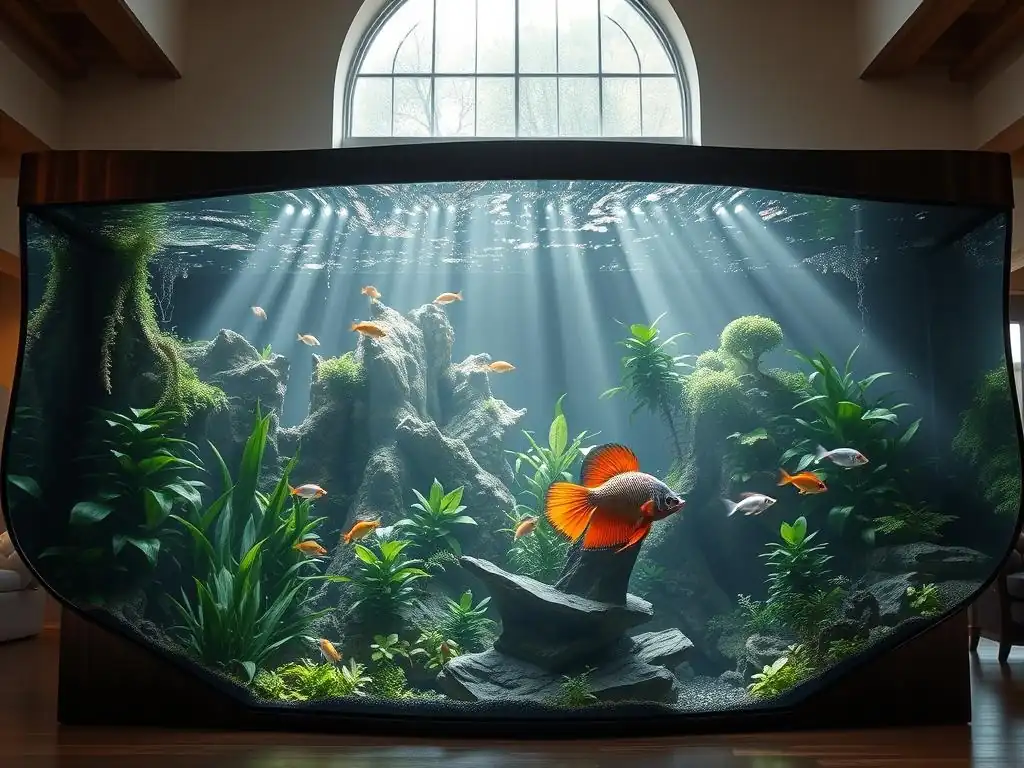
Welcome to Aquarium Mastery!
Ever wondered if your finned friends are truly living their best lives? Dive in and discover the vital role aquarium size plays in the health and happiness of your fish. This article, "The Perfect Fit: How to Select the Ideal Aquarium Size for Thriving Inhabitants," will guide you through the crucial considerations for creating a balanced and flourishing underwater world. Ready to unlock the secrets to a thriving aquarium? Let's get started!
- Understanding the Importance of Aquarium Size for Fish Health
- Determining the Right Aquarium Size for Your Fish Species
- Factors Influencing Your Aquarium Size Decision
- Guide to Common Aquarium Sizes and Their Suitability
- Aquarium Size and Water Chemistry: Maintaining Stability
- Aquarium Shape and Dimensions: Optimizing Fish Habitat
- Beyond Fish: Considering Plants and Decorations
- Setting Up Your Aquarium: Matching Equipment to Tank Size
- Budgeting for Your Aquarium: Size and Cost Considerations
- Conclusion: Making an Informed Decision About Aquarium Size for Fish
-
Frequently Asked Questions
- How crucial is aquarium size for the health of my fish?
- What's the general rule of thumb for determining aquarium size based on fish length?
- How does the type of fish (e.g., schooling fish vs. solitary fish) affect the ideal aquarium size?
- Besides fish size, what other factors influence the appropriate aquarium size?
- What happens if I choose an aquarium that's too small for my fish?
- Final Reflection: Nurturing Aquatic Ecosystems
- Ignite Your Aquarium Dreams!
Understanding the Importance of Aquarium Size for Fish Health
Why Aquarium Size Matters for Fish Wellbeing
The aquarium size for fish is arguably the most critical factor influencing their long-term health and happiness. A tank that is too small for its inhabitants leads to chronic stress, which suppresses the fish's immune system, making them highly susceptible to diseases like Ich (white spot disease) or fin rot.
Furthermore, cramped conditions can lead to stunted growth, not just externally, but also internally, causing organ damage and significantly shortening a fish's lifespan. For instance, a common goldfish, which can grow to 10-12 inches, will suffer immensely if kept in a 10-gallon tank, often dying within a year or two, whereas in a suitably large pond or 75-gallon tank per fish, it can live for over 15 years.
Beyond physical health, adequate aquarium size for fish allows them to exhibit natural behaviors vital for their psychological well-being. Schooling fish, like Neon Tetras or Zebra Danios, require ample horizontal swimming space to form their natural groups and dart around, a behavior impossible in a small, restrictive environment. Territorial species, such as many cichlids, need enough room to establish their own zones and retreat when threatened, minimizing aggression and stress. A Dwarf Gourami, for example, needs space to establish its small territory, often requiring at least a 10-gallon tank, but preferably 20 gallons to thrive.
The Impact of Insufficient Space on Aquatic Life
Insufficient aquarium size for fish directly leads to a rapid decline in water quality. Smaller water volumes cannot dilute waste products (ammonia, nitrite, nitrate) as effectively as larger ones. This means that even a small amount of fish waste can quickly elevate toxin levels to dangerous concentrations, causing gill damage, chemical burns, and eventually death. A 5-gallon tank containing just a few small fish can experience a lethal ammonia spike within days if not meticulously maintained, whereas a 50-gallon tank with the same bioload would show a much slower and more manageable increase in toxins.
Moreover, overcrowding exacerbates aggressive behaviors. When fish are constantly in close proximity without sufficient hiding spots or escape routes, even typically peaceful species can become stressed and aggressive, leading to fin nipping, bullying, and injury. For example, housing multiple male guppies in a small 5-gallon tank often results in constant chasing and damaged fins, while the same group in a 20-gallon tank with plants and decor provides enough space to disperse aggression. This constant stress not only harms the immediate victims but also weakens the immune system of the aggressors.
How Correct Tank Dimensions Contribute to a Healthy Ecosystem
The correct aquarium size for fish contributes significantly to the stability of the aquatic ecosystem. A larger volume of water acts as a natural buffer against rapid fluctuations in critical water parameters such as temperature, pH, and hardness. For instance, a sudden drop in room temperature will cause a 10-gallon tank's water temperature to plummet much faster than a 75-gallon tank's, potentially shocking the fish. Similarly, the pH in a smaller tank can swing drastically due to fish waste or carbon dioxide buildup, while a larger volume provides more stability and resilience.
Furthermore, appropriate tank dimensions support a robust and efficient nitrogen cycle. A larger tank typically offers more surface area for beneficial bacteria to colonize, both on substrate and filter media, which are essential for converting toxic ammonia and nitrite into less harmful nitrates. This allows for a healthier bacterial colony, better waste processing, and ultimately, cleaner water. A well-sized tank also provides ample opportunity for aquascaping with plants and decor, which not only enhance aesthetics but also offer vital hiding spots, visual barriers, and additional surface area for beneficial bacteria, mimicking a natural, thriving habitat.
Determining the Right Aquarium Size for Your Fish Species
Researching Fish Species Requirements: A Key First Step
Before purchasing any fish, thorough research into their specific needs is paramount to selecting the appropriate aquarium size for fish. Key factors to investigate include the fish's adult size, its typical lifespan, whether it is a schooling or solitary species, its activity level, and its preferred water parameters (temperature, pH, hardness). For example, a single Betta fish typically requires a minimum of 5 gallons to thrive, while a small school of six Neon Tetras needs at least 10 gallons of horizontal swimming space. Neglecting this initial research often leads to unhealthy fish and significant challenges for the aquarist.
Reliable sources for this information include reputable online fish databases, established aquarium books, and experienced local fish store employees. Be wary of generic advice; what's suitable for one species may be detrimental to another. Understanding if a fish, like a Common Pleco, grows from a tiny 3-inch juvenile to a massive 18-24 inch adult requiring a tank over 100 gallons is crucial for long-term planning. This proactive approach ensures you provide an environment where your fish can truly flourish.
Calculating Bioload: Understanding Fish Waste and Tank Capacity
Bioload refers to the amount of waste produced by the inhabitants of your aquarium, which directly impacts water quality and the capacity of your filtration system. Larger fish, or a greater number of fish, produce more waste (ammonia, dissolved organic compounds), requiring a larger aquarium size for fish to dilute these toxins and a more robust filtration system to process them. For instance, a single adult Oscar fish, which can reach 12-14 inches, produces an immense amount of waste, easily overwhelming the biological filtration of a 20-gallon tank, whereas it might be adequately managed in a 55-75 gallon tank.
While the old "inch per gallon" rule (one inch of adult fish per gallon of water) is a widely known guideline, it is a gross oversimplification and often leads to overcrowding, especially for larger, messier, or more active species. A better approach considers the fish's body mass, activity level, and feeding habits.
A slender, inactive fish like a Betta has a much lower bioload per inch than a bulky, active goldfish. Prioritizing surface area and filtration capacity over just volume is also key; a 20-gallon long tank, with its greater surface area, offers better gas exchange and more room for beneficial bacteria than a 20-gallon high tank, even though both hold the same volume.
Avoiding Overcrowding: A Guide to Stocking Your Aquarium Properly
Overcrowding is one of the most common mistakes made by new aquarists and is detrimental to fish health. It leads to rapidly declining water quality, increased stress, aggression, and a higher susceptibility to disease. Even if your filter seems to be keeping up, the sheer density of fish in a small space can cause chronic stress. For example, attempting to house 10 adult mollies, which can reach 3-4 inches each, in a 10-gallon tank will inevitably lead to stress, aggression, and poor water quality, often resulting in fish deaths within weeks.
To avoid overcrowding, always consider the adult size of the fish, their social needs (schooling vs. solitary), and their activity levels. A general rule of thumb for community tanks is to aim for a lower stocking density initially and add fish gradually over several weeks or months, allowing your biological filter to adapt.
For a 20-gallon long tank, a healthy stocking might include a school of 6-8 small Tetras (e.g., Neon Tetras, Ember Tetras) and 4-6 Pygmy Corydoras, providing ample space for natural behaviors and stable water parameters. Choosing the appropriate aquarium size for fish from the outset is the best defense against overcrowding.
Factors Influencing Your Aquarium Size Decision
Fish Size at Maturity: Planning for Growth
One of the most critical factors when selecting the aquarium size for fish is their size at maturity, not their juvenile size at the time of purchase. Many fish, particularly those commonly sold in pet stores, grow significantly from their initial small size. Forgetting this can lead to a fish quickly outgrowing its tank, causing stress, stunted growth, and an unhealthy environment. For instance, a juvenile Bala Shark might be bought at 3 inches but can reach an impressive 14 inches as an adult, requiring a tank of 125 gallons or more to thrive.
Ignoring a fish's adult size is a common pitfall that results in fish kept in unsuitable conditions. A small Comet Goldfish, often sold at 2-3 inches, can grow to over a foot long and produce a substantial bioload, needing at least 20 gallons per fish to survive comfortably. Similarly, an Angelfish, initially palm-sized, can grow to be 6 inches tall and wide, making a 29-gallon tank the absolute minimum for a single adult, with 40-55 gallons preferred for a pair. Always research the maximum adult size of any fish before bringing it home.
Swimming Habits and Territory Needs: Space Requirements
The swimming habits and territorial needs of a fish greatly influence the ideal aquarium size for fish beyond just volume. Some fish, like many species of Danios, Rasboras, and Rainbowfish, are highly active, fast swimmers that require significant horizontal length to dart back and forth. For these species, a 20-gallon long tank (30 inches in length) is far superior to a 20-gallon high tank (24 inches in length), even though both hold the same volume, because it provides more crucial swimming lanes.
Conversely, other fish, such as Angelfish or Discus, are taller-bodied and appreciate vertical space, making a taller tank like a 29-gallon or 55-gallon more suitable. Many cichlids, on the other hand, are highly territorial and need ample space to establish their own areas, along with plenty of visual breaks like rocks and driftwood. A pair of Kribensis Cichlids, for example, might thrive in a 20-gallon long tank with defined territories, but would become stressed and aggressive in a smaller or less appropriately shaped tank. Understanding these nuances is vital for providing a truly suitable habitat.
Compatibility of Fish Species: Minimizing Aggression Through Adequate Space
Even generally compatible fish species can become aggressive or stressed when housed in an aquarium size for fish that is too small. Limited space intensifies interactions, making it difficult for less dominant fish to escape aggression or find refuge, leading to chronic stress and potential injury. For example, while Guppies are often considered peaceful, housing too many males in a confined space can lead to constant fin nipping and bullying, as they lack the room to establish individual space.
In a community tank, adequate space allows for the natural dispersal of aggression and reduces overall stress levels. For instance, a diverse community of small, peaceful fish like Neon Tetras, Corydoras, and Platies, while individually small, would thrive much better in a 30-gallon or 40-gallon tank than a 10-gallon. The larger volume allows each species to school or forage comfortably without constant impingement on another's space. Providing sufficient room and hiding spots is a proactive measure to ensure harmony and well-being among various fish species.
Guide to Common Aquarium Sizes and Their Suitability
Nano Aquariums (Under 10 Gallons): Ideal for Specific Species?
Nano aquariums, typically ranging from 1 to 9 gallons, are popular for their small footprint and aesthetic appeal. However, their limited volume restricts the range of suitable inhabitants significantly. They are primarily ideal for very small, low-bioload species such as certain dwarf shrimp (e.g., Neocaridina shrimp thrive in 2-5 gallons), snails, or a single Betta fish (with 5 gallons being the widely accepted minimum for a Betta). They are generally unsuitable for almost all schooling fish or any species that grows beyond 1-2 inches.
The main challenge with nano tanks is their inherent instability. Their small water volume means that water parameters like temperature, pH, and waste product concentrations can fluctuate rapidly and dramatically, requiring very diligent and frequent maintenance. A 2.5-gallon tank, for example, can experience a lethal ammonia spike much faster than a 10-gallon if overfed even slightly. While visually appealing, they demand a higher level of commitment and understanding of water chemistry to keep inhabitants healthy.
Small Aquariums (10-29 Gallons): Beginner-Friendly Options
Small aquariums, ranging from 10 to 29 gallons, are often considered excellent starting points for beginners due to their manageable size and improved stability compared to nano tanks. A standard 10-gallon tank (approximately 20" L x 10" W x 12" H) is suitable for a small school of 6-8 Neon Tetras, a single Betta with a few Pygmy Corydoras, or a small group of shrimp and snails. The 20-gallon long (30" L x 12" W x 12" H) is particularly versatile, offering good horizontal swimming space for active schooling fish like Zebra Danios or many Rasbora species.
A 29-gallon tank (30" L x 12" W x 18" H) offers even more flexibility, allowing for a small community of peaceful fish such as Mollies, Platies, or Swordtails, or even a pair of dwarf cichlids like German Blue Rams. While more stable than nanos, these tanks still require regular maintenance, typically weekly 25% water changes, to maintain optimal water quality. They strike a good balance between providing adequate aquarium size for fish and being relatively easy to manage for new hobbyists.
Medium Aquariums (30-55 Gallons): A Versatile Choice
Medium-sized aquariums, encompassing volumes from 30 to 55 gallons, offer a significant leap in stability and stocking possibilities, making them a highly versatile choice for many aquarists. A 30-gallon tank (36" L x 13" W x 16" H) provides ample space for a thriving community of mid-sized fish or a small school of larger species. The 40-gallon breeder (36" L x 18" W x 16" H) is particularly favored for its wide footprint, which is excellent for bottom-dwelling fish like large Corydoras species or for creating intricate aquascapes.
The 55-gallon tank (48" L x 13" W x 21" H) is often considered a benchmark in the hobby, providing ample aquarium size for fish to keep a diverse community of medium-sized species, a pair of adult Angelfish, or a vibrant school of Rainbowfish. These tanks offer greater buffering capacity against water parameter fluctuations, allowing for more stable environments and less frequent emergency interventions. While heavier and requiring more robust stands, their benefits in terms of fish health and aquascaping potential are substantial.
Large Aquariums (Over 55 Gallons): Creating a Stunning Display
Large aquariums, typically 75 gallons and above (e.g., 75-gallon: 48" L x 18" W x 21" H; 125-gallon: 72" L x 18" W x 22" H), are the pinnacle for serious aquarists looking to house larger fish species, create expansive biotope setups, or maintain very diverse community tanks. A 75-gallon tank is often considered the minimum for housing larger cichlids like a single adult Oscar, while a 125-gallon can comfortably house a school of 10-15 large Rainbowfish or a group of medium-sized South American cichlids.
These substantial tanks provide the ultimate in water stability and offer the most generous aquarium size for fish, allowing them to exhibit their full range of natural behaviors and reach their maximum potential size. While the initial cost and weight are considerably higher, and water changes involve moving larger volumes, the frequency of critical maintenance is often reduced due to their superior buffering capacity. Large aquariums create truly stunning, stable, and healthy aquatic displays that are a joy to behold.
Aquarium Size and Water Chemistry: Maintaining Stability
The Relationship Between Tank Volume and Water Parameter Fluctuations
The volume of water in an aquarium has a direct and significant impact on the stability of its water parameters. A larger aquarium size for fish provides a greater dilution factor for waste products like ammonia, nitrite, and nitrate.
This means that even if a fish produces a certain amount of waste daily, its concentration will build up much slower in a 100-gallon tank compared to a 10-gallon tank. For example, if a fish generates 0.1 ppm of ammonia per day, it would take 10 times longer for that concentration to reach a critical level in a 100-gallon tank than in a 10-gallon tank, assuming all other factors are equal.
Beyond waste products, larger water volumes also possess higher thermal mass, making them significantly more resistant to rapid temperature changes. If a room's ambient temperature fluctuates by a few degrees, a 5-gallon tank might experience a rapid 3-4 degree Celsius swing, stressing fish, while a 50-gallon tank would likely only see a 1-degree change. Similarly, pH stability is enhanced in larger tanks due to increased buffering capacity, which can absorb acids produced by fish respiration and decaying organic matter more effectively, preventing dangerous pH crashes.
Easier Maintenance with Larger Tanks: Buffering Capacity
It might seem counterintuitive, but larger aquarium size for fish often translates to easier overall maintenance, not necessarily less work, but less frequent critical interventions. The increased water volume acts as a powerful buffer, slowing down the accumulation of toxins and the depletion of essential minerals. This buffering capacity allows for less frequent water changes compared to smaller tanks. For example, while a 10-gallon tank might require a 25% water change weekly to maintain pristine conditions, a well-stocked 75-gallon tank might only need a 25% water change bi-weekly.
While the volume of water to be changed is greater in a large tank, the reduced frequency of these changes, combined with the inherent stability, means that minor lapses in routine or slight overfeeding are less likely to result in catastrophic water quality issues. This makes managing water chemistry less stressful for the aquarist and provides a more consistent, healthy environment for the fish. The stability afforded by a larger volume reduces the need for constant monitoring and emergency adjustments, making the hobby more enjoyable in the long run.
Choosing Filtration Systems Appropriate for Your Aquarium Size
The effectiveness of your filtration system is intrinsically linked to your aquarium size for fish and its bioload. A common guideline is to choose a filter that can process the tank's entire volume at least 4-6 times per hour. For instance, a 20-gallon tank would ideally need a filter with a flow rate of 80-120 gallons per hour (GPH). However, this rating should always be considered in conjunction with the actual bioload; a heavily stocked 20-gallon tank might benefit from a filter rated for a 30-gallon tank to ensure adequate waste processing.
Different filter types are best suited for different tank sizes. Hang-on-back (HOB) filters are popular and effective for tanks up to 50-60 gallons, offering good mechanical and biological filtration. Canister filters are generally preferred for larger tanks (50+ gallons) and heavily stocked setups due to their superior media capacity, allowing for more biological and chemical filtration. For very large tanks (100+ gallons) or specialized setups, sump systems offer the ultimate in filtration customization and water volume addition, providing unparalleled stability and flexibility for maintaining optimal water chemistry.
Aquarium Shape and Dimensions: Optimizing Fish Habitat
Rectangular Aquariums: A Classic and Practical Choice
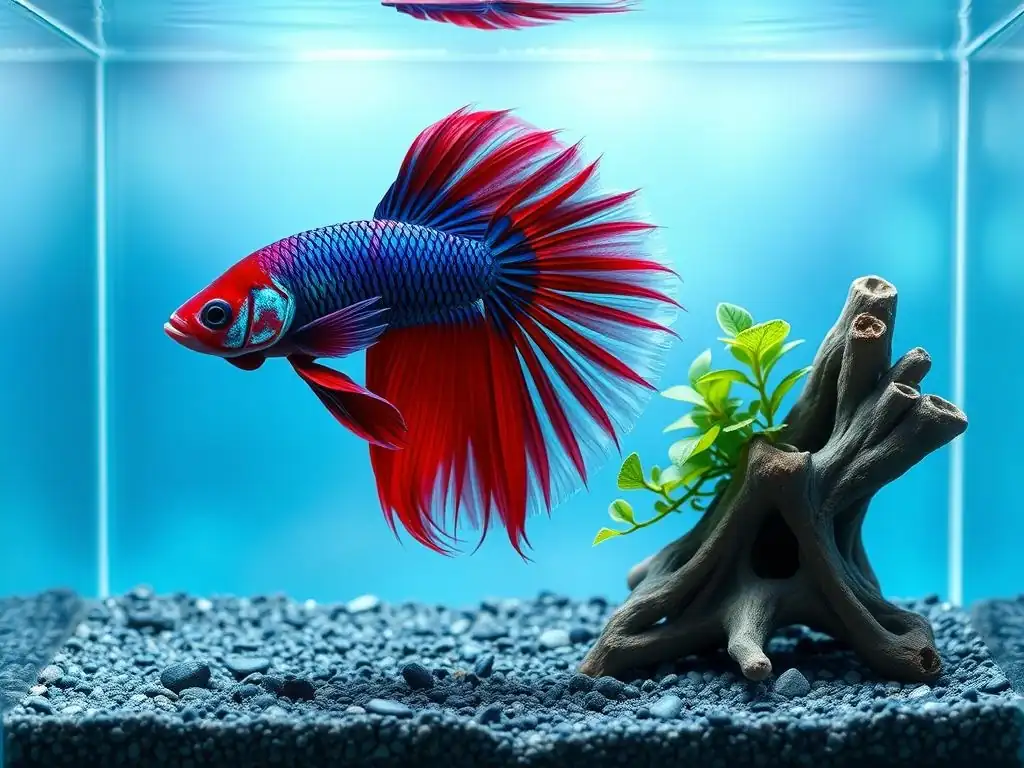
Rectangular aquariums are the most common and often the most practical choice for beginners and experienced aquarists alike. Their design maximizes horizontal swimming space, which is crucial for the vast majority of active fish species, such as schooling Tetras, Danios, and Rasboras. A standard 20-gallon long tank (30 inches in length) provides significantly more beneficial swimming room for these fish than a 20-gallon high tank (24 inches in length), even though both hold the same volume. This extended length also provides more surface area for gas exchange, which is vital for oxygen levels.
Beyond optimal aquarium size for fish swimming, rectangular tanks are generally easier to clean and maintain. Their flat panels allow for easy access for scrubbing algae and performing water changes. Equipment placement, such as heaters, filters, and lighting, is also straightforward. They are also more stable structurally and typically less expensive per gallon than other shapes, making them a cost-effective and highly functional choice for creating a thriving aquatic environment.
Cube Aquariums: Maximizing Vertical Space
Cube aquariums, characterized by equal length, width, and height (e.g., a 10-gallon cube or a 20-gallon cube), offer a unique, modern aesthetic that maximizes vertical display space. While visually appealing, their compact footprint means they provide less horizontal swimming room compared to similarly sized rectangular tanks.
This makes them less suitable for active, schooling fish that require long swimming lanes. They are best suited for fish that primarily utilize vertical space or are less active, such as a single Betta fish (in a 10-gallon cube) or certain species of dwarf cichlids that prefer to establish territories within a confined vertical area.
The reduced surface area to volume ratio in cube tanks can also impact gas exchange, potentially requiring more robust aeration. Cleaning can sometimes be challenging due to their depth, making it harder to reach the bottom for substrate cleaning or plant trimming. When considering a cube aquarium size for fish, it's crucial to prioritize the specific needs of your chosen inhabitants over the tank's aesthetic appeal, ensuring they have adequate horizontal movement space if required.
Bowfront Aquariums: Adding Visual Appeal
Bowfront aquariums feature a curved front panel, creating a panoramic viewing experience and adding a sophisticated aesthetic to any room. This curved design can make the tank appear larger and more dynamic than a standard rectangular tank of the same volume. However, the curved glass can also distort the view of the fish and aquascape, and it can make cleaning the interior surface more challenging, as standard algae scrapers may not conform to the curve.
From a practical standpoint regarding aquarium size for fish, while a bowfront tank might have an appealing volume, its usable interior space for fish swimming can be less efficient than a standard rectangular tank of comparable gallons. The curved front reduces the effective swimming length and width in certain areas. For example, a 46-gallon bowfront might not offer the same linear swimming paths as a 40-gallon breeder, which has a wider and more consistent footprint. Aquascaping can also be more complex, as the curved front affects perspectives and the placement of larger decor.
Considerations for Custom Aquarium Shapes
Beyond standard rectangular, cube, and bowfront designs, custom aquarium shapes include hexagonal, cylindrical, L-shaped, or even wall-mounted designs. These unique shapes can be stunning focal points and allow for creative integration into interior design. However, they often come with significant practical considerations that must be weighed against their aesthetic appeal, particularly concerning the aquarium size for fish and their welfare.
Many custom shapes, such as hexagonal or cylindrical tanks, severely limit effective swimming length and width, making them unsuitable for active or schooling fish. Fish that require long swimming paths will become stressed in these confined, non-linear environments. Additionally, cleaning, equipment placement (filters, heaters, lighting), and aquascaping can be significantly more challenging and expensive with non-standard designs. Always prioritize the biological needs of your aquatic inhabitants over purely aesthetic desires when considering a custom aquarium shape.
Beyond Fish: Considering Plants and Decorations
Plant Growth and Aquarium Size: Providing Adequate Space
When selecting the aquarium size for fish, it's also crucial to consider the space requirements for aquatic plants. Taller tanks allow for the growth of majestic background plants like Amazon Swords (Echinodorus amazonicus), which can reach 12-20 inches in height, or tall stem plants like Vallisneria. Wider tanks, on the other hand, provide ample room for dense carpeting plants (e.g., Dwarf Hairgrass) or a diverse arrangement of foreground, midground, and background species, allowing for a more natural and complex aquascape.
A larger tank offers more flexibility in plant choice and arrangement, contributing significantly to the overall health of the ecosystem. Plants absorb nitrates, produce oxygen, and provide crucial hiding spots and visual barriers for fish. A 10-gallon tank, for instance, limits plant options to smaller species like Anubias nana or Java Fern, whereas a 55-gallon tank can host a lush, diverse planted environment that greatly benefits the fish by improving water quality and providing a more natural habitat.
Aquascaping and Tank Volume: Creating a Natural Environment
Aquascaping, the art of arranging aquatic plants, rocks, and driftwood, is integral to creating a natural and enriching environment for your fish. The aquarium size for fish directly dictates the possibilities for aquascaping. In smaller tanks, large pieces of driftwood or rock can quickly consume valuable swimming space, making it difficult for fish to move freely. For example, a single large piece of driftwood in a 10-gallon tank might leave very little room for fish, while the same piece in a 55-gallon tank would be perfectly proportionate.
A larger tank volume allows for more complex and naturalistic aquascapes, which are highly beneficial for fish. You can create distinct territories with rock formations for cichlids, provide dense plant cover for shy fish, or arrange open swimming areas for schooling species. These elements are not just aesthetic; they reduce stress, mitigate aggression, and encourage natural behaviors. For instance, a 75-gallon tank provides enough space to create intricate caves and crevices for bottom dwellers like Plecos, while still maintaining open areas for active swimmers.
Selecting Decorations Appropriate for Your Fish and Aquarium Size
Choosing decorations that are both safe and proportionate to your aquarium size for fish is essential. Decorations should never have sharp edges that could injure fish, and they must be made of non-toxic materials. A common mistake is to place overly large or numerous decorations in a small tank, which severely limits the fish's swimming space and can make cleaning difficult. A large, ornate castle decoration might look impressive, but if placed in a 5-gallon tank, it leaves virtually no room for the fish to move or swim naturally.
Consider the specific needs and behaviors of your fish when selecting decor. Some fish, like Corydoras, prefer smooth substrates and rounded decorations, while others, like many Plecos, benefit from natural driftwood for grazing and hiding. Ensure decorations provide adequate hiding spots for shy fish or visual breaks to reduce aggression among territorial species. A well-chosen combination of decorations, appropriately sized for the tank and its inhabitants, enhances the fish's well-being and contributes to a visually appealing and functional aquatic environment.
Setting Up Your Aquarium: Matching Equipment to Tank Size
Choosing the Right Filter for Your Aquarium Volume
Selecting the correct filter is paramount for maintaining water quality in your chosen aquarium size for fish. Filters are rated by their Gallons Per Hour (GPH) flow rate and their media capacity. A general guideline is to choose a filter that processes the entire tank volume 4-6 times per hour. For example, a 10-gallon tank would typically require a filter with a GPH of 40-60, while a 55-gallon tank would need a filter pushing 220-330 GPH. However, for heavily stocked tanks, it's often wise to choose a filter rated for a larger volume than your actual tank size.
Different filter types suit different tank sizes and bioloads. Hang-on-back (HOB) filters are common and effective for tanks up to 50-60 gallons. Canister filters offer superior biological and chemical filtration due to their large media volume and are ideal for tanks 50 gallons and larger, especially those with high bioloads. For smaller tanks or breeding setups, sponge filters provide gentle filtration and excellent biological capacity. Matching the filter to the aquarium size for fish and its inhabitants is critical for a healthy ecosystem.
Selecting an Appropriate Heater for Water Temperature Control
Maintaining a stable water temperature is vital for the health of most aquarium fish, and this requires selecting an appropriately sized heater for your aquarium size for fish. A general rule of thumb is to use 3-5 watts of heating power per gallon of water, depending on the ambient room temperature and desired tank temperature. For instance, a 10-gallon tank typically requires a 50-watt heater, while a 55-gallon tank might need a 200-watt heater, or ideally, two 100-watt heaters for more even heat distribution and redundancy in case one fails.
An undersized heater will struggle to maintain a consistent temperature, leading to fluctuations that stress fish and make them susceptible to disease. Conversely, an excessively powerful heater can lead to rapid temperature spikes if it malfunctions, which can be fatal. For larger aquarium size for fish, using two smaller heaters distributed across the tank helps ensure uniform heating and provides a backup if one unit fails, offering greater stability and peace of mind.
Matching Lighting to Plant Needs and Aquarium Dimensions
Lighting is a crucial component of any aquarium setup, influencing both the visual appeal and the health of plants. When matching lighting to your aquarium size for fish, consider the tank's dimensions (especially height) and the specific light requirements of your plants. Low-light plants like Anubias, Java Fern, or Cryptocoryne can thrive under basic LED lighting, even in taller tanks. However, high-light demanding plants, such as many carpeting species or red-leaved plants, require powerful full-spectrum lighting, especially in tanks deeper than 18-20 inches, to ensure adequate light penetration to the substrate.
The length of the light fixture should generally match the length of your aquarium to provide even coverage. For a 30-inch long 20-gallon long tank, a 24-inch or 30-inch LED fixture would be appropriate. For very deep tanks, like a 75-gallon or 125-gallon, higher wattage or more specialized LED fixtures designed for deeper penetration are necessary to support plant growth at the bottom. Proper lighting not only highlights your fish and aquascape but also plays a vital role in supporting a thriving planted environment.
Budgeting for Your Aquarium: Size and Cost Considerations
Initial Investment: Tank, Equipment, and Substrate
The initial cost of setting up an aquarium varies significantly with the aquarium size for fish you choose. A small 10-gallon starter kit, which typically includes the tank, a basic filter, and a small heater, might cost anywhere from $50-$100. However, as tank size increases, so does the price of the tank itself, the stand, and all the necessary equipment. A 55-gallon tank setup, including a sturdy stand, a more powerful filter, a larger heater, and appropriate lighting, could easily range from $300-$600, or even more for premium brands.
Beyond the tank and core equipment, don't forget the cost of substrate (gravel or sand), which can add $20-$100 depending on the tank size and chosen material. Decorations, test kits, water conditioners, and fish food are also part of the initial outlay. A very large tank, such as a 125-gallon, can easily exceed $1000-$1500 for the complete setup, making it a substantial investment that requires careful financial planning.
Ongoing Expenses: Water Changes, Food, and Electricity
Beyond the initial setup, owning an aquarium involves ongoing expenses, which are also influenced by the aquarium size for fish. Electricity is a major recurring cost, as heaters, filters, and lights run continuously. A larger tank with a powerful 200-watt heater and a 30-watt filter running 24/7 will consume significantly more electricity than a 50-watt heater and 10-watt filter in a 10-gallon tank. Food costs will also increase proportionally with the number and size of your fish.
Other regular expenses include water treatment chemicals (dechlorinators, liquid fertilizers for plants), replacement filter media (cartridges, sponges, carbon), and specialized fish foods or supplements. Performing a 25% water change on a 100-gallon tank requires 25 gallons of treated water, impacting your water bill and the consumption of water conditioners, compared to a 2.5-gallon water change on a 10-gallon tank. These recurring costs should be factored into your budget before committing to a specific tank size.
Finding Deals on Aquariums and Equipment
While aquariums can be a significant investment, there are ways to mitigate costs. Look for sales events at major pet retailers; "dollar per gallon" sales are common for tanks up to 29 gallons and sometimes up to 55 gallons, offering substantial savings on the tank itself. Online marketplaces and local aquarium clubs can also be excellent sources for finding used tanks and equipment. However, exercise caution when buying used tanks, always inspecting them thoroughly for cracks, leaks, or major scratches.
For smaller tanks, purchasing an all-in-one kit can often be more cost-effective than buying components separately. For larger aquarium size for fish, piecing together individual components might offer better value and allow you to select higher-quality filters, heaters, and lights that specifically meet your needs. Researching reputable brands for durability and efficiency can prevent costly replacements down the line, ensuring your initial investment lasts for years.
Conclusion: Making an Informed Decision About Aquarium Size for Fish
Key Takeaways for Choosing the Right Tank
Selecting the ideal aquarium size for fish is the foundational decision for any successful and thriving aquatic environment. The most crucial takeaway is to always prioritize the long-term well-being of your fish. This means thoroughly researching their adult size, specific swimming habits, social needs, and bioload before making a purchase. A larger tank generally offers greater stability in water parameters, reduces stress on fish, and provides more room for natural behaviors, leading to healthier and happier inhabitants.
While initial cost, space constraints, and maintenance considerations are valid concerns, compromising on tank size often leads to more significant problems down the line, including stressed fish, frequent water quality issues, and potential fatalities. Investing in the right aquarium size for fish from the outset is a proactive measure that prevents future headaches and ensures a more enjoyable and rewarding fishkeeping experience. Think of it as providing a proper home, not just a temporary enclosure.
Resources for Further Research on Fish Species and Tank Compatibility
To make the most informed decision about the perfect aquarium size for fish, continuous learning and research are invaluable. Reputable online databases and comprehensive aquarium encyclopedias provide detailed profiles on hundreds of fish species, outlining their adult size, temperament, water parameter requirements, and ideal tank dimensions. Cross-referencing information from multiple sources helps ensure accuracy and a well-rounded understanding.
Joining local aquarium clubs or online forums can also provide access to a wealth of experience from seasoned aquarists who can offer practical advice and insights into specific fish species and their compatibility. Remember that every fish is an individual, and observing their behavior in your chosen aquarium size for fish will be key to fine-tuning their environment and ensuring their continued thriving.
Frequently Asked Questions
How crucial is aquarium size for the health of my fish?
Aquarium size is extremely crucial for fish health. Insufficient space can lead to stress, stunted growth, and a weakened immune system, ultimately shortening their lifespan.
What's the general rule of thumb for determining aquarium size based on fish length?
A common rule is the "inch-per-gallon" rule, but it's highly simplified. It's better to research the specific needs of each fish species, considering their adult size and activity level.
How does the type of fish (e.g., schooling fish vs. solitary fish) affect the ideal aquarium size?
Schooling fish require larger tanks to accommodate their social needs, allowing them to swim and interact comfortably. Solitary fish may need less horizontal space but still require sufficient depth depending on the species.
Besides fish size, what other factors influence the appropriate aquarium size?
Other factors include the number of fish, the filtration system's capacity, the aquarium's bioload, and the presence of plants and decorations, all of which affect water quality.
What happens if I choose an aquarium that's too small for my fish?
Choosing a tank that's too small can result in poor water quality, increased aggression, and overall stress, leading to disease and potentially death.
Final Reflection: Nurturing Aquatic Ecosystems
The journey of selecting the perfect aquarium size for fish is more than just a mathematical equation; it's about understanding and respecting the delicate balance of life within a confined ecosystem. Today, as awareness of animal welfare grows, choosing the right aquarium size is not just a recommendation, but a moral imperative for responsible fishkeeping.
This exploration has profoundly influenced my perspective on aquariums. It's no longer just about aesthetics, but about creating a thriving environment where fish can exhibit natural behaviors and live healthy, fulfilling lives. The greatness of a nation and its moral progress can be judged by the way its animals are treated.
- Mahatma Gandhi. This quote resonates deeply, reminding us that our treatment of these aquatic creatures reflects our own humanity.
Now, I invite you to reflect on the principles we've discussed. Consider the needs of your future aquatic companions, not just your own desires. Choose wisely, research thoroughly, and commit to providing an aquarium that truly allows life to flourish. By doing so, you're not just creating a beautiful display; you're becoming a steward of a miniature underwater world, contributing to the well-being of its inhabitants and enriching your own life in the process.
Ignite Your Aquarium Dreams!
Thank you for exploring the secrets to choosing the perfect aquarium size! We hope you now feel equipped to create a balanced and thriving aquatic environment. Ready to turn knowledge into action?
Here are a few ways to dive deeper:
- Calculate your tank size using our interactive volume calculator and instantly determine the maximum fish capacity for your dream setup.
- Explore our community forum and share your current or planned aquarium dimensions to get personalized stocking suggestions from experienced aquarists.
- Think outside the glass box! Research unusual aquarium shapes or materials to spark creativity for your next project.
What unique species are you dreaming of housing, and how will you choose the ideal tank size to make their underwater world a paradise?