
Size Matters: A Comprehensive Guide to Choosing the Right Aquarium Starter Kit Volume

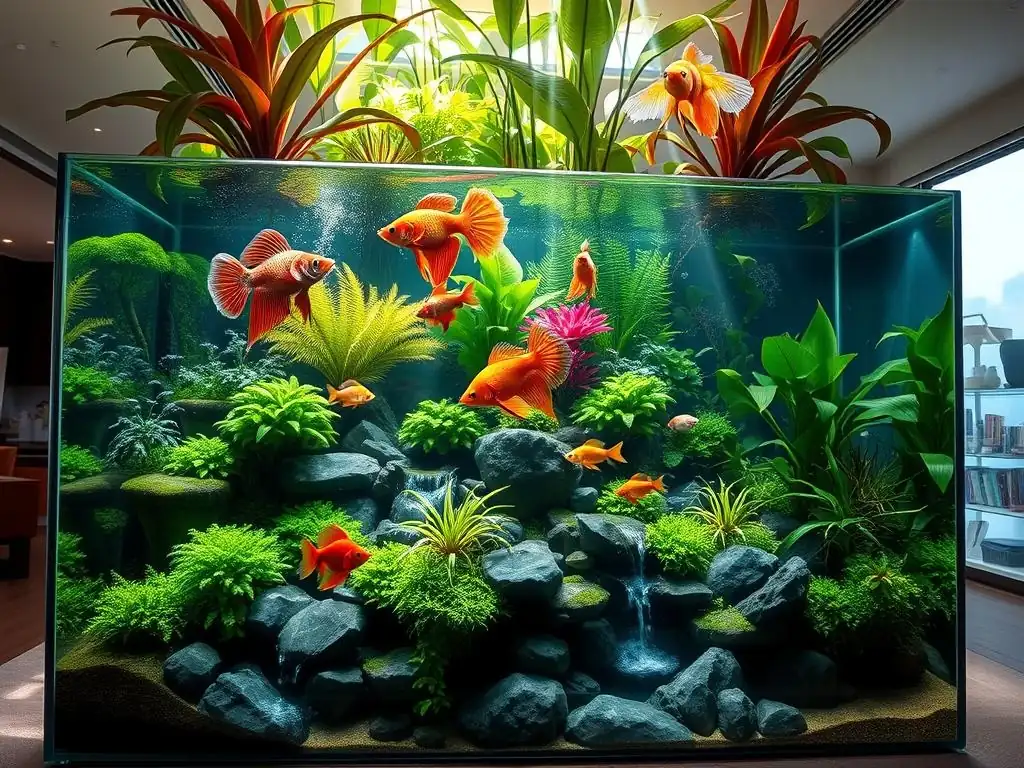
Welcome to Aquarium Mastery, your ultimate resource for all things aquatic!
Ever wondered if bigger is always better when starting your aquarium journey? Dive in and discover the secrets to choosing the best aquarium starter kit size for your needs. This guide will help you navigate the crucial decisions you'll face when setting up your aquarium. Get ready to unlock the perfect volume for a thriving underwater world!
- Size Matters: A Comprehensive Guide to Choosing the Right Aquarium Starter Kit Volume for AquariumMastery.com
- Finding the Best Aquarium Starter Kit Size: An Introduction
- Key Considerations When Selecting Your Ideal Aquarium Starter Kit
- The Best Aquarium Starter Kit Sizes: A Detailed Breakdown
- Essential Aquarium Starter Kit Components: What to Look For
- Setting Up Your Aquarium Starter Kit: A Step-by-Step Guide
- Maintaining Your Aquarium: Ensuring Long-Term Success
- Conclusion: Choosing the Right Size Aquarium Starter Kit for Your Needs
-
Frequently Asked Questions
- What is the ideal aquarium starter kit size for a beginner?
- How does the size of the aquarium affect water chemistry?
- What are the advantages of choosing a larger aquarium starter kit?
- Can I start with a very small aquarium starter kit (e.g., 5 gallons)?
- How does the number of fish impact the recommended aquarium size?
- Final Reflection: Navigating the Waters of Aquatic Beginnings
- Embark on Your Aquatic Adventure!
Size Matters: A Comprehensive Guide to Choosing the Right Aquarium Starter Kit Volume for AquariumMastery.com
Finding the Best Aquarium Starter Kit Size: An Introduction
Why Aquarium Size Matters for Beginners
For aspiring aquarists, the choice of aquarium size is perhaps the most critical decision, directly impacting the success and enjoyment of the hobby. A common misconception is that smaller tanks are easier to manage, but in reality, the opposite is often true. Smaller volumes of water are inherently less stable; temperature fluctuations are more drastic, and the concentration of harmful waste products like ammonia and nitrite can spike rapidly, creating a toxic environment for fish. This volatility makes maintaining consistent water parameters a constant challenge for beginners, often leading to fish stress, disease, and unfortunately, loss.
Conversely, larger aquariums offer a significantly more stable ecosystem. A greater volume of water provides a natural buffer against sudden changes in temperature, pH, and dissolved waste. This stability allows more time to correct any emerging issues, making the learning curve less steep and more forgiving for those new to the hobby. While the initial investment might be higher, the reduced stress for both the fish and the aquarist, coupled with a lower incidence of fish illness, often makes a larger tank the best aquarium starter kit size for long-term success and enjoyment.
Understanding Starter Kit Volumes: Liters vs. Gallons
Aquarium volumes are primarily measured in two units: liters (L) and US gallons (gal). In many parts of the world, particularly Europe and Asia, liters are the standard, with common tank sizes like 30L, 60L, 120L, or 240L. One US gallon is equivalent to approximately 3.785 liters, so a 10-gallon tank translates to roughly 37.85 liters, and a 55-gallon tank is about 208 liters. Understanding this conversion is crucial when researching products or following advice from different regions, as specifications and recommendations might be listed in either unit.
Most best aquarium starter kit size guides in North America will refer to gallons, with popular sizes including 5, 10, 20, 29, 55, and 75 gallons. It's important to note that manufacturers often round these figures, so a "10-gallon" tank might technically hold 9.8 gallons. When comparing starter kits, always look for the explicit volume capacity rather than just the marketing name to ensure you're getting the precise size needed for your chosen aquatic inhabitants and to accurately calculate stocking levels and medication dosages.
Key Considerations When Selecting Your Ideal Aquarium Starter Kit
Fish Species and Size: Matching Your Tank to Your Future Inhabitants
Choosing the right best aquarium starter kit size starts with understanding the needs of the fish you wish to keep. Different species have vastly different requirements regarding space, social structures, and swimming habits.
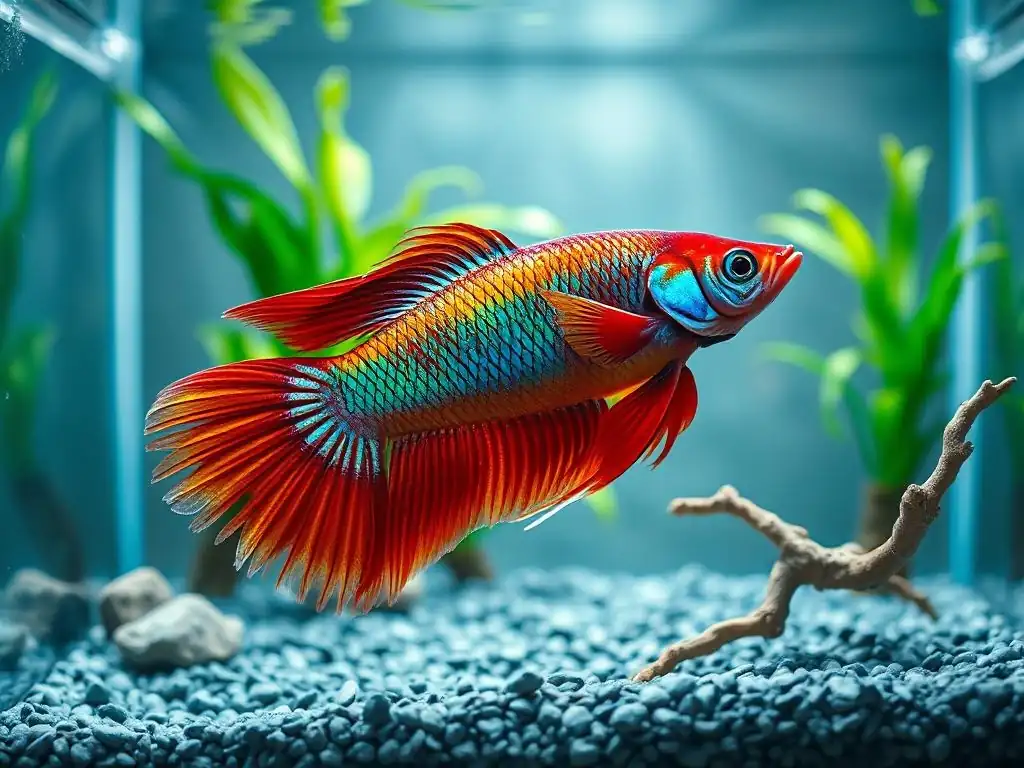
For instance, a single Betta fish (Betta splendens), while often seen in tiny bowls, truly thrives in a minimum of 5 gallons (approximately 19 liters) of heated, filtered water, allowing ample room for swimming and exploration. In contrast, a school of six Neon Tetras (Paracheirodon innesi), each growing to about 1.5 inches (3.8 cm), requires at least a 10-gallon (38-liter) tank to accommodate their schooling behavior and provide sufficient swimming space without feeling cramped.
Beyond individual fish size, consider their adult size and growth rate. Many small fish sold at pet stores are juveniles and will grow significantly.
For example, a Common Pleco (Hypostomus plecostomus) can reach lengths of 18-24 inches (45-60 cm) and requires a tank of 75 gallons (284 liters) or more, despite being sold at a few inches. Fancy Goldfish (Carassius auratus), often mistakenly kept in bowls, can grow to 8-12 inches (20-30 cm) and produce a substantial bioload, necessitating at least 20 gallons (76 liters) for the first fish and an additional 10 gallons (38 liters) for each subsequent fish to ensure healthy growth and water quality.
Overstocking Risks and the Importance of Adequate Space
Overstocking an aquarium is one of the quickest ways to create an unstable and unhealthy environment, regardless of the initial best aquarium starter kit size. When too many fish are crammed into an insufficient volume of water, several critical problems arise.
The most immediate risk is the rapid accumulation of ammonia, a highly toxic waste product excreted by fish. While beneficial bacteria in the filter convert ammonia to nitrite (also toxic) and then to nitrate (less toxic but still harmful in high concentrations), an overstocked tank overwhelms this natural biological filtration system, leading to dangerous spikes in ammonia and nitrite levels that can quickly poison and kill fish.
Beyond chemical imbalances, overstocking significantly increases stress levels among fish due to competition for space, food, and hiding spots. This chronic stress weakens their immune systems, making them highly susceptible to diseases like Ich (white spot disease) and fin rot.
Furthermore, inadequate space can stunt fish growth, leading to deformed spines and organs, and can foster aggression, especially among territorial species. A general guideline, though simplistic, is the "one inch of fish per gallon" rule for smaller, slender fish, but a more accurate approach considers the adult size, bioload, and activity level of each species to ensure ample swimming room and proper waste dilution.
Examples: Ideal Tank Sizes for Neon Tetras vs. Fancy Goldfish
When considering the best aquarium starter kit size, the difference in requirements between seemingly small fish can be vast. For a school of 6-8 Neon Tetras, which typically reach about 1.5 inches (3.8 cm) in length, a 10-gallon (approximately 38-liter) aquarium is generally considered the minimum. This size provides enough swimming space for their active schooling behavior and allows for adequate water volume to dilute their bioload effectively, making it a manageable environment for these vibrant community fish. Adding more tetras would necessitate a 20-gallon (76-liter) tank or larger to maintain optimal water quality and reduce stress.
In stark contrast, Fancy Goldfish, such as Orandas or Ryukins, are often sold when small but can grow to impressive sizes of 8-12 inches (20-30 cm) and produce a significant amount of waste. A single Fancy Goldfish requires a minimum of 20-30 gallons (76-114 liters) of water. For each additional Fancy Goldfish, an extra 10-20 gallons (38-76 liters) is recommended.
This means a pair of Fancy Goldfish ideally needs a 40-50 gallon (151-189 liter) tank. Housing these fish in smaller volumes, like a 10-gallon tank, leads to stunted growth, severe water quality issues, and a drastically shortened lifespan due to chronic ammonia poisoning and lack of space.
Space Availability: Matching the Aquarium to Your Home
Before diving into the myriad of available best aquarium starter kit size options, it's crucial to assess the physical space you have available in your home. This isn't just about finding a spot where the tank fits, but also considering the surrounding environment. Measure the width, depth, and height of the intended location precisely, remembering to account for essential accessories.
For instance, a hang-on-back (HOB) filter will add several inches to the depth of the tank, and a light fixture might add a few inches to the height, especially if it's a raised LED unit. You'll also need clear access around the tank for maintenance tasks like water changes, feeding, and cleaning, so don't place it flush against a wall on all sides.
Consider the ambient conditions of the room as well. Avoid placing the aquarium in direct sunlight, as this can lead to excessive algae growth and rapid temperature fluctuations. Similarly, proximity to heating or cooling vents can cause unstable water temperatures. A flat, sturdy, and level surface is paramount to prevent stress on the tank's seams, which could lead to leaks. Ensure there's convenient access to an electrical outlet for the filter, heater, and lights, and ideally, an GFCI (Ground Fault Circuit Interrupter) protected outlet for safety, especially given the presence of water and electricity.
Measuring Your Space and Planning for Accessories
Accurately measuring the available space is the foundational step in selecting the best aquarium starter kit size that integrates seamlessly into your home. Begin by measuring the width, depth (front to back), and height of the area where the aquarium will be placed. For example, if you're eyeing a 20-gallon long tank, which typically measures 30" L x 12" W x 12" H, ensure your chosen surface can accommodate these dimensions with a few inches to spare on all sides for ease of access and air circulation. Remember that the "footprint" of the tank is just the beginning.
Factor in the space required for external equipment and maintenance. A hang-on-back filter, a common component in many starter kits, will add anywhere from 2 to 6 inches to the depth behind the tank. If you plan to use a canister filter, you'll need space within the stand or beside the tank for the unit itself, plus room for tubing.
Lighting fixtures, especially those that sit on top or are suspended, require vertical clearance. Furthermore, consider the area needed for a bucket during water changes, a net, and other routine maintenance tools. Planning for these accessories beforehand prevents frustrating discoveries after your tank is set up.
Considering Weight Restrictions: Floor Support and Placement
The weight of a filled aquarium, including water, substrate, decor, and the tank itself, is a critical factor often underestimated by new aquarists seeking the best aquarium starter kit size. Water weighs approximately 8.34 pounds per US gallon. This means a 10-gallon tank, when full, can weigh around 110-120 pounds (50-54 kg) including substrate and equipment.
A 55-gallon tank, a popular medium-large size, can easily exceed 600 pounds (272 kg) once filled, while a 75-gallon tank can approach 850 pounds (385 kg). These weights necessitate a sturdy, level stand specifically designed for aquariums or a robust piece of furniture capable of supporting such concentrated load.
Before placing a large aquarium, especially on an upper floor, it's advisable to consider the structural integrity of your flooring. Most modern homes are built to withstand typical household loads, but concentrated weights like a 75-gallon aquarium on a stand can be significant. Ideally, place heavier tanks perpendicular to floor joists or against a load-bearing wall to distribute the weight more effectively.
For very large tanks (100+ gallons), consulting with a structural engineer might be prudent to ensure your floor can safely bear the load without long-term damage or sagging. Never place an aquarium on a surface not designed to hold its substantial weight.
Budget: Balancing Initial Cost with Long-Term Maintenance
When choosing the best aquarium starter kit size, budget plays a significant role, but it's important to look beyond just the initial purchase price of the kit. While smaller tanks typically have a lower upfront cost for the tank itself, the filter, heater, and lighting, they often incur higher long-term maintenance demands.
For example, a 10-gallon starter kit might cost between $50-$100, but its smaller water volume means that water parameters can fluctuate rapidly. This necessitates more frequent, often weekly, water changes (e.g., 25-30% of the volume) and closer monitoring, potentially leading to more frequent purchases of water conditioners or even medication if fish health declines due to instability.
Conversely, larger tanks, while requiring a higher initial investment, often offer greater stability and can be more forgiving in terms of maintenance frequency. A 55-gallon starter kit might range from $200-$400 or more, but its larger water volume acts as a buffer, making water parameters less prone to drastic swings.
This often translates to bi-weekly or even monthly partial water changes (e.g., 25-30%), depending on stocking levels. While the cost of substrate, decor, and initial fish population will also be higher for larger tanks, the enhanced stability can lead to healthier fish and a more enjoyable, less stressful experience for the aquarist, potentially saving money on fish replacements and treatments in the long run.
Larger Tanks: Higher Initial Investment, Greater Stability
Opting for a larger tank, such as a 40-gallon breeder or a 55-gallon standard, represents a higher initial financial commitment, but this investment often pays dividends in terms of tank stability and ease of maintenance. The purchase price of the bare tank, stand, and essential equipment like a robust filter, appropriately sized heater, and adequate lighting will be significantly more than for a smaller setup.
For example, a 55-gallon glass tank alone might cost $100-$150, a suitable stand $150-$300, and a quality canister filter for that size could be $100-$250, bringing the total initial hardware cost well over $400 before adding substrate, decor, and livestock.
However, the greater water volume in larger tanks provides a substantial buffer against rapid changes in water chemistry and temperature. This means that minor fluctuations in pH, ammonia, nitrite, or nitrate concentrations are diluted more effectively, making the aquatic environment far more forgiving for beginners.
The increased stability reduces stress on fish, leading to stronger immune systems and a lower susceptibility to common aquarium diseases. While the upfront cost is higher, the long-term benefits of a more robust and stable ecosystem often translate to less money spent on medications, fewer fish losses, and a more enjoyable, less demanding hobby experience, making it a strong contender for the best aquarium starter kit size if space and budget allow.
Smaller Tanks: Lower Cost, Increased Maintenance Demands
The allure of a smaller aquarium, such as a 5 or 10-gallon setup, often stems from its lower initial cost and perceived ease of placement. A basic 10-gallon starter kit, complete with a hood, light, and hang-on-back filter, can typically be purchased for $50-$100, making it an attractive entry point for many aspiring aquarists.
The cost of substrate, a small heater, and a few small fish like a Betta or a handful of small Tetras is also considerably lower compared to larger setups. This accessibility makes small tanks a popular choice for those with limited space or a tighter budget.
However, the reduced initial cost comes with a trade-off: significantly increased maintenance demands. The smaller water volume means that any waste produced by fish, uneaten food, or decaying plant matter will concentrate much more rapidly. This leads to quicker spikes in ammonia and nitrite, which are highly toxic, and faster accumulation of nitrates.
Consequently, small tanks require more frequent and often larger water changes—sometimes 25-50% of the volume multiple times a week—to maintain healthy water parameters. This constant vigilance can be challenging for new hobbyists and, if neglected, often results in stressed fish, disease outbreaks, and a dishearteningly short lifespan for the aquatic inhabitants, making the perceived "ease" of a small tank deceptive for the best aquarium starter kit size.
The Best Aquarium Starter Kit Sizes: A Detailed Breakdown
Small Aquarium Starter Kits (5-10 Gallons): Ideal for Beginners with Limited Space
Small aquarium starter kits, typically ranging from 5 to 10 gallons (approximately 19 to 38 liters), are often considered for their compact footprint and lower initial cost. These sizes are ideal for aquarists with limited living space, such as apartment dwellers or students in dorm rooms, where a larger tank simply isn't feasible.
While they can be challenging due to their inherent instability compared to larger volumes, modern advancements in filtration and heating technology have made them more viable for specific, very small inhabitants. They serve as an excellent introduction to the basic principles of aquarium keeping, such as filtration, heating, and water quality testing, provided the aquarist is diligent with maintenance.
Despite their small size, these tanks can create a captivating mini-ecosystem when stocked appropriately. The key to success with a 5-10 gallon tank lies in strict adherence to stocking limits and a rigorous maintenance schedule, including frequent partial water changes—often 25-30% weekly. They are not suitable for most common community fish, which require more swimming space and stable parameters. However, for certain species, these tanks can provide a comfortable and enriching environment, allowing beginners to experience the joy of aquascaping and fish keeping on a manageable scale, potentially making them the best aquarium starter kit size for niche purposes.
Recommended Species: Betta Fish, Cherry Shrimp, Mystery Snails
For a 5-10 gallon aquarium, responsible stocking is paramount to ensure the health and well-being of the inhabitants. The limited water volume means that only very small, low-bioload species are suitable. A single Betta fish ( Betta splendens), often referred to as a Siamese fighting fish, is one of the most popular choices, thriving in a minimum of 5 gallons (19 liters) with proper filtration and heating. Bettas are known for their vibrant colors and flowing fins, and a 5-10 gallon tank provides ample space for them to explore and establish territory without feeling cramped.
Beyond Bettas, small invertebrates are excellent inhabitants for these compact setups. Cherry Shrimp ( Neocaridina davidi), which grow to about 1 inch (2.5 cm), are highly recommended for 5-10 gallon tanks. A colony of 10-20 Cherry Shrimp can thrive in a 10-gallon tank, adding both beauty and a natural clean-up crew element.
Mystery Snails ( Pomacea bridgesii), growing up to 2 inches (5 cm), are another fantastic option; one or two can be comfortably housed in a 5-10 gallon tank, helping to consume algae and detritus. Combining a Betta with a few Cherry Shrimp (ensure the Betta is not aggressive) or a few snails can create a dynamic and visually appealing mini-aquarium.
Product Spotlight: Fluval Flex 9 Gallon - Features, Pros & Cons
The Fluval Flex 9 Gallon (34L) is a popular choice among small aquarium enthusiasts, often considered one of the best aquarium starter kit size options for its aesthetic appeal and integrated design. Its distinctive bowed front and honeycomb pattern on the back panel disguise a powerful three-stage filtration system, which includes mechanical (foam), chemical (carbon), and biological (BioMax rings) media, providing surprisingly robust water clarity for its size.
The kit also comes with a powerful 7500K LED lamp that offers various color settings and special effects, controlled via a remote, enhancing the visual appeal of the tank and supporting low-light plants.
Pros of the Fluval Flex 9 Gallon include its sleek, modern design that fits well into contemporary living spaces, the effective integrated filtration system that keeps equipment hidden, and the versatile LED lighting that allows for customization. The compact size makes it suitable for desktops or small tables.
However, its cons include the challenge of maintaining stable water parameters due to the small volume, requiring diligent weekly water changes of 25-30%. The integrated filter can be somewhat tricky to clean, and the stock heater (not included in all kits) may need to be upgraded for more precise temperature control, especially for sensitive species like Bettas.
Product Spotlight: Aqueon NeoGlow 10 Gallon Starter Kit - Features, Pros & Cons
The Aqueon NeoGlow 10 Gallon Starter Kit (38L) is a widely available and affordable option for beginners looking for the best aquarium starter kit size on a budget. This kit typically includes a 10-gallon glass tank, a low-profile LED hood with a unique "NeoGlow" blue LED light for nighttime viewing (alongside white LEDs), an Aqueon QuietFlow Power Filter (often a HOB filter), a submersible heater, a net, a thermometer, and food samples.
Its main appeal lies in its comprehensive nature, providing nearly everything needed to start an aquarium right out of the box, making the initial setup process straightforward for novices.
The pros of the Aqueon NeoGlow 10 Gallon Starter Kit are its accessibility and cost-effectiveness, making it an excellent entry-level choice. The included Aqueon QuietFlow filter is generally reliable for basic mechanical and chemical filtration, and the heater maintains a steady temperature. The NeoGlow lighting adds a unique visual element, particularly appreciated by children.
However, the cons include the basic nature of the included filter, which might benefit from media upgrades for enhanced biological filtration. The stock LED lighting, while decorative, is not strong enough for demanding live plants. Furthermore, like all 10-gallon tanks, it requires frequent maintenance and careful stocking to avoid water quality issues and ensure fish health.
Medium Aquarium Starter Kits (20-30 Gallons): Versatile Options for Community Tanks
Medium aquarium starter kits, typically ranging from 20 to 30 gallons (approximately 76 to 114 liters), represent a sweet spot for many aspiring aquarists, often considered the best aquarium starter kit size for a well-rounded beginner experience. These tanks offer a significantly more stable environment than their smaller counterparts, thanks to their larger water volume, which buffers against rapid fluctuations in temperature and water parameters. This increased stability makes them much more forgiving for new hobbyists learning about the nitrogen cycle and water chemistry, reducing the risk of sudden fish loss due to ammonia or nitrite spikes.
The versatility of 20-30 gallon tanks is another major advantage. They provide enough space to comfortably house small schools of popular community fish, allowing for more diverse stocking options than a 10-gallon tank. This size also offers more room for aquascaping, enabling the creation of more complex and visually appealing layouts with live plants, rocks, and driftwood. While requiring more space and a slightly higher initial investment than smaller kits, the enhanced stability, broader stocking possibilities, and greater aesthetic potential make medium-sized tanks an excellent choice for those looking to establish a thriving and diverse freshwater community.
Recommended Species: Tetras, Rasboras, Corydoras
Medium-sized aquariums (20-30 gallons) open up a world of possibilities for creating vibrant community tanks, making them an excellent choice for the best aquarium starter kit size for diverse species. For schooling fish, a 20-gallon tank can comfortably house a school of 8-10 Neon Tetras ( Paracheirodon innesi) or Cardinal Tetras ( Paracheirodon axelrodi), which are both active swimmers and display their best colors in groups. Harlequin Rasboras ( Trigonostigma heteromorpha), another popular schooling species, also thrive in groups of 6-8 in a 20-gallon tank, reaching about 1.75 inches (4.5 cm) as adults.
For bottom dwellers and scavengers, Corydoras catfish are an excellent addition. A school of 6-8 Pygmy Corydoras ( Corydoras pygmaeus) or Dwarf Corydoras ( Corydoras hastatus) can comfortably live in a 20-gallon tank, while larger species like Bronze Corydoras ( Corydoras aeneus) or Peppered Corydoras ( Corydoras paleatus) would require a 29-gallon or 30-gallon tank for a school of 6. These fish are peaceful, active, and help keep the substrate clean. Combining a school of Tetras or Rasboras with a group of Corydoras creates a dynamic and balanced ecosystem within a medium-sized setup.
Product Spotlight: Fluval Flex 32.5 Gallon - Features, Pros & Cons
The Fluval Flex 32.5 Gallon (123L) builds upon the success of its smaller counterpart, offering a larger volume that significantly enhances stability and stocking options, solidifying its position as a strong contender for the best aquarium starter kit size in the medium category. Like the 9-gallon version, it features a distinctive bowed front and a hidden rear compartment for its powerful three-stage filtration system, which includes mechanical, chemical, and biological media.
The kit is equipped with a high-output 7500K LED lamp with adjustable colors and effects via remote, providing excellent illumination for both fish and a wide range of live plants.
Pros of the Fluval Flex 32.5 Gallon include its impressive aesthetic appeal, making it a stylish focal point in any room. The integrated filtration system is highly effective for its size, keeping the tank clean and minimizing visible equipment. The larger volume offers superior water parameter stability compared to smaller tanks, making it more forgiving for beginners and suitable for a wider variety of fish species, including small community schools.
However, cons involve its weight and size, requiring a sturdy stand and adequate floor support. The cost is significantly higher than basic 20-gallon kits, and while the filter is good, accessing it for deep cleaning can be slightly more involved than with external filters.
Product Spotlight: Aqueon 29 Gallon Aquarium Starter Kit - Features, Pros & Cons
The Aqueon 29 Gallon Aquarium Starter Kit (110L) is a popular and readily available option that offers a significant step up in volume and stability from 10-gallon setups, making it a strong contender for the best aquarium starter kit size for a diverse community tank. This kit typically includes a standard 29-gallon glass tank (often a "tall" rather than "long" dimension), a low-profile LED hood, an Aqueon QuietFlow Power Filter (usually a HOB filter sized for 30-50 gallons), a submersible heater, fish food, and water conditioner samples.
Its straightforward design and comprehensive inclusions make it an accessible choice for beginners.
The primary pros of the Aqueon 29 Gallon Starter Kit are its excellent value for money and its ideal volume for a wide range of common community freshwater fish. The larger water volume provides much better stability for water parameters compared to smaller tanks, reducing the frequency of drastic changes and making it easier for new hobbyists to maintain healthy conditions. The included HOB filter and heater are generally reliable for basic needs.
However, a con is that the included filter, while functional, may not be robust enough for heavily stocked or planted tanks and might benefit from an upgrade or additional filtration. The LED lighting is typically basic and suitable for fish viewing but often insufficient for growing demanding live plants, requiring a separate investment for a planted setup.
Large Aquarium Starter Kits (40+ Gallons): Creating a Thriving Ecosystem
Large aquarium starter kits, encompassing volumes of 40 gallons (151 liters) and above, are the pinnacle of stability and biological diversity in the freshwater hobby, often representing the best aquarium starter kit size for serious aquarists. While they demand a significant initial investment in terms of tank, stand, and powerful equipment, their sheer volume offers unparalleled buffering capacity against water parameter swings. This means temperatures remain more consistent, and waste products are diluted more effectively, creating a highly stable and forgiving environment that is ideal for sensitive fish species and complex aquascapes.
The true beauty of a large aquarium lies in its ability to support a thriving, complex ecosystem. These tanks provide ample space for larger fish species to grow to their full potential, exhibit natural behaviors like schooling or territorial displays, and allow for a greater variety of fish and plant combinations.
The increased water volume also makes them more resilient to minor oversights in maintenance, although regular care is still essential. For those with the space, budget, and commitment, a large aquarium offers the most rewarding and visually stunning experience in the freshwater hobby, transforming a living space into a dynamic underwater world.
Recommended Species: Angelfish, Gouramis, Boesemani Rainbowfish
For large aquarium starter kits (40+ gallons), the expanded volume allows for a greater selection of captivating fish that require more space to thrive, making it the best aquarium starter kit size for these majestic species. Angelfish ( Pterophyllum scalare), with their elegant, disc-shaped bodies and flowing fins, are a popular choice.
A 40-gallon breeder tank can comfortably house a pair, while a 55-gallon or larger tank is ideal for a small group of 3-5, allowing them ample vertical space and reducing aggression. They can grow up to 6 inches (15 cm) in body length and 8 inches (20 cm) tall.
Larger Gouramis, such as the Opaline Gourami ( Trichopodus trichopterus) or the Pearl Gourami ( Trichopodus leeri), which can reach 4-6 inches (10-15 cm), also flourish in 40-gallon tanks or larger. Their peaceful demeanor and striking colors make them excellent centerpiece fish.
For active schooling fish that truly shine in larger spaces, Boesemani Rainbowfish ( Melanotaenia boesemani) are an outstanding option. Growing to 4-5 inches (10-12 cm), a school of 6-8 Boesemani Rainbowfish requires a minimum of 55 gallons (208 liters) to provide enough horizontal swimming room for their energetic displays, making the tank come alive with their vibrant, shifting colors.
Product Spotlight: Aqueon 75 Gallon Aquarium - Features, Pros & Cons
The Aqueon 75 Gallon Aquarium (284L) is a standard workhorse in the aquarium hobby, widely regarded as one of the best aquarium starter kit size options for those serious about creating a diverse and stable freshwater or even small saltwater setup. This tank typically measures 48.5" L x 18.5" W x 21.375" H, providing ample swimming space for a wide variety of fish and significant volume for water parameter stability.
While often sold as a bare tank, comprehensive starter kits for this size usually include a powerful canister filter, a high-wattage heater, and robust LED lighting suitable for planted tanks.
Pros of the Aqueon 75 Gallon include its exceptional stability due to the large water volume, which greatly simplifies maintenance by buffering against rapid chemical changes and temperature swings. Its dimensions are ideal for creating elaborate aquascapes with large driftwood, rock formations, and a wide array of live plants. It can comfortably house larger community fish, multiple schooling species, or even a few semi-aggressive fish.
The cons are its substantial weight (over 800 lbs when full), requiring a dedicated, heavy-duty stand and careful consideration of floor support. The initial cost for the tank and all necessary high-capacity equipment is significantly higher, often ranging from $600 to over $1000 for a complete setup.
Product Spotlight: SCA 80 Gallon Starfire Aquarium - Features, Pros & Cons
The SCA 80 Gallon Starfire Aquarium (303L) represents a premium choice for those seeking the best aquarium starter kit size with high-end aesthetics and integrated features, particularly appealing to advanced aquarists or those desiring a show tank. While not always sold as a "starter kit" in the traditional sense, SCA often offers packages that include the tank, a robust stand, and a built-in sump filtration system.
The "Starfire" designation refers to the low-iron glass used on the front and often side panels, which provides superior clarity compared to standard glass, minimizing the greenish tint and making colors appear more vibrant.
Pros of the SCA 80 Gallon Starfire include its stunning visual clarity due to the low-iron glass, offering an unobstructed view of the aquatic environment. The integrated sump system (if included in the kit) provides highly efficient multi-stage filtration, allowing for greater customization with various filter media, protein skimmers (for saltwater), and refugiums. This design keeps all equipment neatly hidden, contributing to a clean aesthetic.
The large volume ensures exceptional water stability. However, the cons are its significantly higher price point, often starting at $1,000-$2,000 for the tank and stand alone, making it a substantial investment. Setup can be more complex due to the sump plumbing, and its considerable weight (over 900 lbs when full) necessitates professional installation or careful planning for floor support.
Essential Aquarium Starter Kit Components: What to Look For
Filtration Systems: Keeping Your Water Clean and Healthy
A robust filtration system is the cornerstone of a healthy aquarium, regardless of the best aquarium starter kit size you choose. Its primary function is to remove physical debris, neutralize toxic waste products, and provide a habitat for beneficial bacteria that are crucial for the nitrogen cycle. Most starter kits include a basic filter, but understanding the types and their functions will help you evaluate their effectiveness and identify potential upgrade needs. A good filter should provide mechanical, chemical, and biological filtration.
Mechanical filtration physically removes suspended particles like uneaten food and fish waste, keeping the water clear. This is typically achieved with sponges, filter floss, or pads. Chemical filtration uses activated carbon or other specialized resins to remove dissolved organic compounds, odors, and discolorations from the water.
Biological filtration, arguably the most critical, involves porous media (like ceramic rings or bio-balls) that provide a large surface area for beneficial bacteria to colonize. These bacteria convert harmful ammonia into nitrite, and then nitrite into less harmful nitrate, completing the nitrogen cycle and preventing fish poisoning. A well-designed filter will excel in all three areas.
Recommended Filters: Hang-on-Back Filters, Sponge Filters, Internal Filters
When evaluating the best aquarium starter kit size, the type and quality of the included filtration system are paramount. Three common filter types found in starter kits or as beginner upgrades are Hang-on-Back (HOB) filters, Sponge Filters, and Internal Filters.
- Hang-on-Back (HOB) Filters: These are the most common in starter kits, sitting on the back rim of the tank. Water is drawn up a tube, passes through filter media (usually a cartridge with mechanical floss and activated carbon), and then cascades back into the tank.
- Pros: Easy to install and maintain, provide good mechanical and chemical filtration, offer decent biological filtration if media is not replaced too frequently.
- Cons: Can be noisy (waterfall sound), may not be powerful enough for heavily stocked tanks, cartridges often need frequent replacement (which can remove beneficial bacteria if not done carefully).
- Sponge Filters: Powered by an air pump, these filters use an air stone to draw water through a sponge, providing excellent mechanical and biological filtration.
- Pros: Very inexpensive, extremely simple to set up and maintain, gentle on fish (ideal for fry or Bettas), provide excellent biological filtration due to large surface area.
- Cons: Less effective at chemical filtration, can be bulky/visible in the tank, require an air pump and airline tubing.
- Internal Filters: These sit completely submerged inside the aquarium, using a small pump to draw water through media.
- Pros: Quiet, compact, good for smaller tanks or as supplemental filtration.
- Cons: Can take up tank space, often have limited filter media capacity, may require more frequent cleaning due to smaller media volume.
Product Spotlight: Fluval AquaClear Power Filter - A Versatile Filtration Option
While many starter kits come with their own filtration, upgrading or supplementing with a reliable Hang-on-Back (HOB) filter like the Fluval AquaClear Power Filter is often recommended for optimal water quality, regardless of the best aquarium starter kit size you choose. AquaClear filters are renowned for their unique multi-stage filtration system, which allows for maximum contact time with filter media and provides superior filtration volume compared to many other HOB filters.
They come in various sizes, from the AquaClear 20 (for 5-20 gallon tanks) up to the AquaClear 110 (for 60-110 gallon tanks), ensuring there's a model suitable for almost any tank size.
The key feature of the AquaClear is its innovative "CycleGuard" system, which allows you to customize the filter media. Instead of disposable cartridges, it uses separate inserts for mechanical (foam), chemical (activated carbon), and biological (BioMax ceramic rings) filtration. This design enables aquarists to replace chemical media without disturbing the beneficial bacteria residing in the biological media, leading to more stable water parameters.
Pros include its robust construction, quiet operation, and the ability to control flow rate. Cons might be its slightly larger footprint compared to some basic HOBs and the initial cost being higher than standard kit filters, but its long-term performance and flexibility make it a worthwhile investment.
Heaters: Maintaining Optimal Water Temperature
Maintaining a stable and appropriate water temperature is crucial for the health and well-being of nearly all tropical freshwater fish, making a reliable heater an essential component for any best aquarium starter kit size. Most tropical fish species thrive within a narrow temperature range, typically between 74-80°F (23-27°C). Fluctuations outside this range can stress fish, weaken their immune systems, and make them susceptible to diseases. A good aquarium heater ensures consistent temperature, which is vital for metabolic processes, digestion, and overall fish vitality.
When selecting a heater, wattage is the key factor, which directly correlates with tank size. A general guideline is 3-5 watts per gallon for tanks in a room with average ambient temperature. For example, a 10-gallon tank would typically require a 25-50 watt heater, a 20-gallon tank needs a 50-100 watt heater, and a 55-gallon tank would benefit from a 200-300 watt heater, or even two smaller heaters for redundancy and better heat distribution.
Always opt for a heater with an adjustable thermostat to set the precise temperature and an automatic shut-off feature to prevent overheating. Placing the heater near the filter's outflow or in an area with good water circulation will ensure even heat distribution throughout the tank.
Recommended Heaters: Adjustable Submersible Heaters
For the best aquarium starter kit size setup, adjustable submersible heaters are highly recommended due to their efficiency, reliability, and ease of use. Unlike older, non-submersible heaters, these units can be fully submerged in the water, allowing for better heat distribution and often incorporating a built-in thermostat that precisely maintains the set temperature. They typically feature a dial or digital display for temperature adjustment, allowing aquarists to fine-tune the environment to their specific fish species' needs.
The advantages of adjustable submersible heaters are numerous: they are generally more accurate than non-adjustable models, preventing temperature swings that can stress fish. Their full submersion capability means they can be placed horizontally or vertically, offering flexibility in tank placement and better heat transfer.
Many modern models also include safety features like automatic shut-off if removed from water or if the temperature exceeds a safe limit. While a basic heater might be included in a starter kit, upgrading to a quality adjustable submersible heater from a reputable brand like Aqueon, Fluval, or Eheim is a wise investment for long-term tank health and stability.
Product Spotlight: Aqueon Pro Adjustable Heater - Reliable Temperature Control
For dependable temperature regulation in any best aquarium starter kit size, the Aqueon Pro Adjustable Heater series stands out as a highly reliable and popular choice among aquarists. These fully submersible heaters are constructed with shatter-resistant and nearly indestructible thermal plastic, making them more durable than traditional glass heaters, a significant advantage, especially for beginners or in tanks with active fish. They feature an electronic thermostat that maintains water temperature within +/- 1°F (0.5°C) of the set point, indicated by a precise temperature setting dial.
Pros of the Aqueon Pro Adjustable Heater include its robust construction, which significantly reduces the risk of breakage during handling or maintenance. Its precise temperature control ensures a stable environment, crucial for the health of sensitive tropical fish. The "power-on" indicator light provides a quick visual confirmation that the heater is functioning.
They are available in various wattages (from 50W for 10-gallon tanks up to 300W for 100-gallon tanks), allowing for appropriate sizing for virtually any aquarium. A potential con, though minor, is that while durable, the plastic casing can sometimes develop a slight film over time that requires occasional cleaning to maintain optimal heat transfer.
Lighting: Supporting Plant Growth and Enhancing Aesthetics
Aquarium lighting serves a dual purpose: it enhances the aesthetic appeal of your tank, bringing out the vibrant colors of your fish and decor, and it is absolutely essential for the photosynthesis of live aquarium plants. The type and intensity of lighting needed will vary significantly based on whether you plan to have a fish-only tank, a low-light planted tank, or a heavily planted "high-tech" setup. Many best aquarium starter kit size options come with basic LED lighting, which is generally sufficient for viewing fish and providing a day/night cycle, but often inadequate for robust plant growth.
For fish-only tanks, a simple LED light that provides a pleasant spectrum for viewing is usually sufficient. These lights typically highlight fish colors and offer a bright, clean look. For tanks with live plants, however, more specialized lighting is required.
Planted tank lights need to emit specific wavelengths of light (red and blue spectrums primarily) that plants use for photosynthesis. The intensity, measured in PAR (Photosynthetically Active Radiation), is also critical; low-light plants like Anubias or Java Fern can thrive under moderate light, while carpeting plants or red-leafed plants demand high PAR levels. Consider features like programmable timers, dimming capabilities, and adjustable spectrums for optimal plant growth and aesthetic control.
Recommended Lights: LED Aquarium Lights
For any best aquarium starter kit size, LED aquarium lights are the widely recommended standard due to their energy efficiency, longevity, and versatility. Unlike older fluorescent or incandescent bulbs, LEDs consume significantly less electricity, generating less heat and resulting in lower operating costs over time. Their lifespan is also remarkably long, often exceeding 50,000 hours, meaning you won't need to replace bulbs frequently, if at all.
Modern LED lights offer a broad spectrum of customization. Many models allow you to adjust the color temperature (from warm white to cool blue), dim the intensity, and even program sunrise/sunset effects or thunderstorm simulations. For tanks with live plants, "full spectrum" LED lights are crucial, as they provide the specific red and blue wavelengths necessary for photosynthesis.
Look for lights with sufficient PAR (Photosynthetically Active Radiation) values if you plan on growing demanding plants. While the initial cost of a high-quality LED fixture might be higher than basic fluorescent options, their energy savings, durability, and superior performance make them the best aquarium starter kit size lighting solution for both aesthetics and plant health.
Product Spotlight: Hygger Advanced Full Spectrum LED Aquarium Light - For Planted Tanks
For those aiming to cultivate a thriving planted aquarium with their chosen best aquarium starter kit size, the Hygger Advanced Full Spectrum LED Aquarium Light is an excellent and often budget-friendly option. This light goes beyond basic illumination, providing a broad spectrum of colors (including red, green, blue, and various white LEDs) designed to mimic natural sunlight, which is crucial for robust plant photosynthesis and enhancing fish coloration. It features adjustable brightness levels and multiple color channels, allowing users to customize the lighting to suit different plant requirements (low-light to medium-light plants) and aesthetic preferences.
Pros of the Hygger Advanced Full Spectrum LED include its affordability compared to other high-end planted tank lights, making it accessible for beginners venturing into aquascaping. The built-in timer and customizable lighting modes (daylight, moonlight, and DIY settings) offer convenience and control over the light cycle, which is vital for preventing algae and promoting plant health. Its slim design and adjustable mounting brackets make it compatible with a wide range of tank sizes.
However, a con is that while "full spectrum," it may not provide the extreme PAR levels required for the most demanding carpeting plants or deep tanks (over 20 inches/50 cm tall) without additional lighting or CO2 injection. For most common aquatic plants in typical starter kit sizes, it performs admirably.
Setting Up Your Aquarium Starter Kit: A Step-by-Step Guide
Preparing Your Tank and Substrate
Setting up your best aquarium starter kit size correctly is the first critical step towards a successful aquarium. Begin by thoroughly cleaning the empty tank. Use only plain water and a clean, dedicated sponge or cloth. Avoid using soaps, detergents, or chemical cleaners, as residues can be highly toxic to fish. Rinse the tank multiple times to ensure no dust or manufacturing residues remain.
Next, prepare your substrate. If you've chosen gravel, place it in a bucket and rinse it thoroughly under running water until the water runs clear. This removes dust and fine particles that would otherwise cloud your aquarium water. If using sand, rinse it even more meticulously, as it tends to be very dusty.
For planted tanks using specialized aquatic soil, rinsing may not be necessary or recommended by the manufacturer, so always check the product instructions. Once rinsed, carefully add the substrate to your tank, sloping it gently from back to front to create a more natural and visually appealing scape. A depth of 2-3 inches (5-7.5 cm) is generally sufficient for most setups, providing ample space for plant roots and beneficial bacteria.
Installing Your Filter, Heater, and Lighting
With the tank cleaned and substrate in place, it's time to install the essential equipment that came with your best aquarium starter kit size. First, position your filter. If it's a Hang-on-Back (HOB) filter, securely attach it to the back rim of the tank, ensuring the intake tube reaches close to the bottom of the tank. Add the filter media (mechanical, chemical, biological) according to the manufacturer's instructions. For internal filters, use the provided suction cups to secure it to the tank wall, typically in a corner or along the back.
Next, install your heater. Place the submersible heater in an area with good water circulation, often near the filter's outflow or on the opposite side of the tank. Use the suction cups to secure it to the glass, ensuring it is fully submerged as per the manufacturer's guidelines. Do not plug in the heater until the tank is filled with water to prevent damage.
Finally, position your lighting fixture. Most starter kit lights are designed to sit directly on the tank's rim or clip onto it. Ensure it's securely in place and that the cord is routed safely, away from water splashes. With all equipment in place, you can now carefully begin filling your tank with dechlorinated water.
Cycling Your Aquarium: Establishing a Healthy Biological Filter
After setting up your best aquarium starter kit size and filling it with water, the most crucial step before adding any fish is to cycle the aquarium. This process establishes a healthy colony of beneficial bacteria in your filter media and substrate, which are essential for processing toxic fish waste. The nitrogen cycle involves these bacteria converting ammonia (from fish waste, uneaten food, and decaying plant matter) into nitrite, and then converting nitrite into less harmful nitrate. Without a fully cycled tank, ammonia and nitrite levels will quickly spike to lethal concentrations for fish.
There are two primary methods for cycling:
- Fishless Cycling: This is the most humane and recommended method. You introduce an ammonia source (pure ammonia solution, fish food, or an ammonia-releasing product) into the tank to feed the beneficial bacteria. Daily testing of water parameters (ammonia, nitrite, nitrate) is crucial. The cycle is complete when ammonia and nitrite levels consistently read zero, and nitrates are present. This process typically takes 4-6 weeks.
- Fish-In Cycling: While possible, this method is highly stressful and potentially harmful to fish. A few hardy fish are introduced, and their waste initiates the cycle. Daily water changes (25-50%) are required to keep ammonia and nitrite levels low enough to prevent poisoning the fish. This method is generally discouraged due to the ethical concerns and high risk of fish loss.
Recommended Products: API Quick Start, Seachem Stability
To accelerate the crucial cycling process for your chosen best aquarium starter kit size, several beneficial bacterial supplements can be incredibly helpful. These products contain live, dormant, or cultured strains of the nitrifying bacteria (Nitrosomonas and Nitrobacter) that are vital for establishing the biological filter and converting toxic ammonia and nitrite into harmless nitrate. While they don't replace the need for cycling, they can significantly reduce the time it takes and mitigate the severity of ammonia and nitrite spikes during a fishless cycle.
- API Quick Start: This popular product contains live nitrifying bacteria that immediately begin to break down ammonia and nitrite. It's designed to allow for immediate fish introduction after dosing, though a slow, staggered introduction of fish is always safer. It helps to "seed" the filter with the necessary bacteria, reducing the initial spike of harmful compounds. For a 20-gallon tank, a typical dose might be 10 ml on the first day, followed by smaller doses with water changes.
- Seachem Stability: Another highly regarded bacterial supplement, Seachem Stability contains a synergistic blend of aerobic and anaerobic bacteria that detoxify ammonia, nitrite, and nitrate. Its comprehensive bacterial blend is effective in both freshwater and saltwater environments. It's particularly useful during new tank setups and after water changes or medication treatments to replenish beneficial bacteria. For a 20-gallon tank, a common dosing regimen is 1 capful (5 ml) per 10 gallons on day 1, then 1 capful per 20 gallons daily for 7 days. Both products significantly aid in rapidly establishing a robust biological filter, making the cycling process smoother and safer for future inhabitants.
Maintaining Your Aquarium: Ensuring Long-Term Success
Regular Water Changes: Keeping Your Water Parameters in Check
Regular partial water changes are arguably the single most important maintenance task for ensuring the long-term health and stability of your aquarium, regardless of the best aquarium starter kit size you've chosen. Even with a fully cycled tank and effective filtration, nitrates (the end product of the nitrogen cycle) will accumulate over time. While less toxic than ammonia or nitrite, high nitrate levels can stress fish, inhibit plant growth, and encourage algae blooms. Water changes dilute these accumulated nitrates and replenish essential minerals that fish and plants consume.
The frequency and volume of water changes depend on your tank size, stocking level, and feeding habits. For most well-stocked freshwater tanks, a weekly water change of 25-30% of the tank's volume is a good starting point. For smaller tanks (under 20 gallons), more frequent changes (e.g., 25% twice a week) might be necessary due to their inherent instability.
For larger, lightly stocked tanks, bi-weekly changes might suffice. Always use a reliable gravel vacuum to siphon out detritus from the substrate during water changes, and always treat new tap water with a quality dechlorinator before adding it to the tank to neutralize chlorine and chloramines, which are harmful to fish and beneficial bacteria.
Recommended Products: Python No Spill Clean and Fill Aquarium Water Change System
Performing regular water changes is crucial for maintaining the health of your aquarium, and the Python No Spill Clean and Fill Aquarium Water Change System makes this often tedious task significantly easier and less messy, especially for medium to large best aquarium starter kit size tanks. This innovative system connects directly to your household faucet, utilizing water pressure to create a siphon that drains water from your aquarium, eliminating the need for buckets. Once draining is complete, a simple valve adjustment allows you to refill the tank with fresh, temperature-matched water, all without spilling a drop.
Pros of the Python system include its incredible convenience, saving significant time and effort compared to traditional bucket methods, particularly for 20-gallon tanks and larger. It allows for efficient gravel vacuuming during the draining process, effectively removing detritus from the substrate. The ability to refill directly from the tap and easily match water temperature (by adjusting the faucet) is a huge advantage.
Cons might include its initial cost, which is higher than a simple gravel vacuum and bucket, and the need for a faucet adapter that fits your specific tap. Additionally, for very large tanks, the refill rate might be slower than desired if your water pressure is low. Despite these minor points, for consistent and effortless water changes, the Python is an invaluable tool.
Testing Your Water: Monitoring Ammonia, Nitrite, and Nitrate Levels
Regular water parameter testing is a non-negotiable aspect of successful aquarium keeping, providing crucial insights into the health and stability of your chosen best aquarium starter kit size ecosystem. The three most critical parameters to monitor, especially in a new or troubled tank, are ammonia (NH3/NH4+), nitrite (NO2-), and nitrate (NO3-). Ammonia and nitrite are highly toxic to fish, even at low concentrations, while nitrate is less harmful but can still cause stress and health issues if allowed to accumulate to high levels (typically above 20-40 ppm).
During the initial cycling phase of a new tank, daily testing for ammonia and nitrite is essential to track the progress of beneficial bacteria. Once the tank is fully cycled (ammonia and nitrite consistently at 0 ppm, with some nitrate present), weekly or bi-weekly testing for all three, along with pH, is generally sufficient. Consistent monitoring allows you to identify problems early, such as an overloaded filter or insufficient water changes, before they escalate into serious health crises for your fish. Liquid test kits are significantly more accurate and reliable than test strips for precise readings.
Recommended Products: API Freshwater Master Test Kit, Seachem MultiTest Marine Basic
For accurate and comprehensive water parameter monitoring in your freshwater aquarium, the best aquarium starter kit size setup should include reliable test kits. The two most recommended options for beginners and experienced hobbyists alike are the API Freshwater Master Test Kit and, for those considering saltwater or specific needs, the Seachem MultiTest Marine Basic.
- API Freshwater Master Test Kit: This is widely considered the gold standard for freshwater testing. It's a liquid reagent test kit that provides highly accurate readings for the four most crucial parameters: pH, High Range pH, Ammonia, Nitrite, and Nitrate. The kit typically includes test tubes, reagent bottles, and a color chart for easy comparison.
- Pros: Extremely accurate and reliable, provides all essential parameters in one kit, cost-effective in the long run compared to test strips, includes enough reagents for hundreds of tests.
- Cons: Involves multiple steps and reagents per test, requires some patience for reactions, glass test tubes are fragile.
- Seachem MultiTest Marine Basic: While primarily designed for marine aquariums, this kit is excellent for precise measurement of pH, Ammonia, Nitrite, and Nitrate. Seachem is known for its high-quality reagents and precise results.
- Pros: Very accurate, clear instructions, often includes reference solutions to verify accuracy.
- Cons: More expensive than the API kit, may be overkill for a basic freshwater setup if you don't need the marine-specific precision, less commonly found in general pet stores.
Choosing the Right Substrate for Your Aquarium Size and Fish
The substrate forms the base of your aquarium's ecosystem, playing a crucial role beyond just aesthetics. It provides a surface for beneficial bacteria to colonize, anchors live plants, and can even influence water chemistry. When selecting substrate for your best aquarium starter kit size, consider the needs of your future fish and plants. Substrates generally fall into a few main categories: gravel, sand, and specialized planted tank substrates.
For fish that sift through the substrate or have delicate barbels (like Corydoras catfish), fine sand is ideal as it won't abrade their sensitive mouths. Gravel, typically 2-5mm in size, is a popular choice for general community tanks as it's easy to clean with a gravel vacuum and provides good surface area for beneficial bacteria. For planted tanks, specialized substrates are often enriched with nutrients to support robust plant growth.
The depth of the substrate is also important: 2-3 inches (5-7.5 cm) is generally sufficient for fish-only tanks, while planted tanks may benefit from 3-4 inches (7.5-10 cm) to allow for deep root growth. Always rinse new substrate thoroughly before adding it to your tank to prevent cloudiness.
Recommended Products: CaribSea Eco-Complete Planted Aquarium Substrate, Seachem Flourite
For those aspiring to create a vibrant planted aquarium with their chosen best aquarium starter kit size, selecting the right substrate is paramount for plant health and growth. Two highly recommended and popular options are CaribSea Eco-Complete Planted Aquarium Substrate and Seachem Flourite. Both are designed to provide a nutrient-rich and stable environment for aquatic plants.
- CaribSea Eco-Complete Planted Aquarium Substrate: This substrate is a complete, iron-rich, mineral-rich volcanic soil that comes pre-charged with live heterotrophic bacteria, making it ready to use without extensive rinsing (though a light rinse is still recommended). It has a porous structure that promotes exceptional root growth and provides a large surface area for beneficial bacteria.
- Pros: Contains essential nutrients for plants, often does not require a separate fertilizer layer, dark color enhances fish colors, promotes bacterial colonization, no artificial coatings.
- Cons: Can be a bit dusty initially if not rinsed lightly, can be more expensive than inert gravel or sand.
- Seachem Flourite: Flourite is a stable, porous clay gravel that provides an ideal environment for the roots of aquatic plants. It is naturally rich in iron and other trace minerals beneficial for plant growth and will not alter the pH of the water. It comes in various colors, including red, black, and dark brown.
- Pros: Excellent long-term substrate for plants, highly porous for bacterial colonization, does not cloud water significantly after rinsing, available in different colors for aesthetic appeal.
- Cons: Requires thorough rinsing (multiple times) before use to remove fine dust, does not contain active nutrients like Eco-Complete (may require root tabs or liquid fertilizers over time), can be harder to plant small plants in due to its gravel-like texture.
Conclusion: Choosing the Right Size Aquarium Starter Kit for Your Needs
Recap: Key Considerations and Recommendations
Choosing the best aquarium starter kit size is the foundational decision for any aspiring aquarist, profoundly influencing the ease of maintenance, the health of your aquatic inhabitants, and your overall enjoyment of the hobby. We've explored that while smaller tanks might seem appealing due to lower upfront costs and minimal space requirements, their inherent instability makes them more challenging for beginners, demanding rigorous and frequent maintenance to prevent rapid water parameter fluctuations and fish stress.
Conversely, larger tanks, despite a higher initial investment and greater weight, offer superior stability, a wider array of stocking options, and a more forgiving environment, ultimately leading to healthier fish and a more rewarding experience.
Key considerations include matching the tank volume to the adult size and specific needs of your desired fish species, ensuring adequate physical space and structural support in your home, and balancing your budget with the understanding that larger tanks often lead to lower long-term maintenance stress. For most beginners, a 20-gallon to 30-gallon tank strikes the ideal balance between manageable size and environmental stability, offering versatility for a vibrant community setup.
However, for those with ample space and a dedicated budget, a 55-gallon or larger tank provides the ultimate stable ecosystem for a truly thriving aquatic display. Remember to prioritize quality filtration, appropriate heating, and suitable lighting, as these components are critical for success regardless of the tank's dimensions.
Where to Buy Your Aquarium Starter Kit: Trusted Retailers and Online Stores
Once you've carefully considered the best aquarium starter kit size for your specific needs, the next step is to acquire your equipment. Several trusted retailers, both brick-and-mortar and online, offer a wide selection of aquarium starter kits and individual components, ensuring you can find exactly what you need.
For in-person purchases, large pet store chains like PetSmart and Petco are excellent starting points. They typically carry a range of starter kits from popular brands such as Aqueon, Top Fin, and Marina, often at competitive prices. Visiting these stores allows you to visually inspect the tanks, assess their build quality, and speak with staff for immediate advice. Local fish stores (LFS) are another fantastic option; while they might have a smaller selection of kits, they often offer higher-quality equipment and invaluable expert advice tailored to your local water parameters and fish availability.
For the broadest selection and often the most competitive pricing, online retailers are indispensable. Amazon, Chewy, and Pet Supplies Plus Online offer extensive inventories of tanks, filters, heaters, lights, and all accessories from virtually every major brand. These platforms provide the convenience of home delivery, which is particularly beneficial for larger, heavier items.
Always check customer reviews and product specifications carefully when purchasing online to ensure the product meets your expectations. Specialized aquatic online stores, such as Bulk Reef Supply (for saltwater and high-end freshwater) or Dr. Tim's Aquatics, also offer premium equipment and expert resources, catering to more advanced needs.
Frequently Asked Questions
What is the ideal aquarium starter kit size for a beginner?
The best aquarium starter kit size often depends on the type of fish you plan to keep. A 10-20 gallon tank is generally recommended for beginners as it's easier to manage than smaller tanks and allows for a wider variety of fish.
How does the size of the aquarium affect water chemistry?
Smaller aquariums are more prone to rapid fluctuations in water chemistry due to a lower water volume. Larger tanks offer more stability, making it easier to maintain consistent water parameters and prevent issues like ammonia spikes.
What are the advantages of choosing a larger aquarium starter kit?
Larger tanks, such as 29 gallons or more, provide more space for fish to swim and establish territories, reducing stress. They also allow for a more diverse and natural-looking aquascape, and are more forgiving of beginner mistakes.
Can I start with a very small aquarium starter kit (e.g., 5 gallons)?
While possible, very small tanks are more challenging to maintain and limit your fish choices to only a few tiny species. They require frequent water changes and are less stable, making them unsuitable for most beginners.
How does the number of fish impact the recommended aquarium size?
The more fish you keep, the larger the aquarium you will need to maintain a healthy environment. Overcrowding leads to increased waste production, poor water quality, and increased risk of disease. Always research the adult size of your chosen fish before stocking your tank.
The journey into aquarium keeping, as we've explored, hinges significantly on the seemingly simple decision of choosing the right starter kit size. What might appear as a mere logistical detail is, in reality, the cornerstone upon which a thriving aquatic ecosystem is built. The implications extend beyond mere aesthetics; they directly impact the health, well-being, and longevity of the inhabitants, and ultimately, the success and enjoyment of the aquarist.
This exploration has underscored how crucial informed decision-making is in setting up a new aquarium. My hope is that this guide has empowered aspiring aquarists to approach this initial step with confidence and foresight, understanding that the size of their chosen kit will profoundly shape their experience. The best time to plant a tree was 20 years ago. The second best time is now.
This ancient proverb resonates deeply with the commitment required in aquarium keeping; starting right, with the appropriate size, sets the stage for long-term success and minimizes potential pitfalls.
As you embark on your own aquatic adventure, remember that the size of your aquarium starter kit is more than just a number. It's a commitment to providing a suitable environment for living creatures, a canvas for creating a miniature underwater world, and a reflection of your dedication to responsible pet ownership. Take the knowledge you've gained here and use it to cultivate not just an aquarium, but a thriving ecosystem that brings joy and wonder for years to come.
Embark on Your Aquatic Adventure!
Thanks for diving into the world of aquariums with us! We hope this guide has shed light on finding the perfect starter kit size for your finned friends. Now, let's turn that knowledge into action!
Here are a few ways to kickstart your aquarium journey:
- Visit your local fish store to experience different aquarium sizes firsthand and discuss your vision with an expert.
- Explore online forums dedicated to aquascaping inspiration and share your planned setup to get feedback.
- Share this article with a friend who's also considering setting up an aquarium – spreading the knowledge helps everyone create thriving aquatic ecosystems!
What size aquarium are you most excited to set up, and what kind of fish are you dreaming of keeping? Share your plans in the comments below!