
Balancing Fertilizers in a HighTech vs. LowTech Planted Tank

Welcome to Aquarium Mastery!
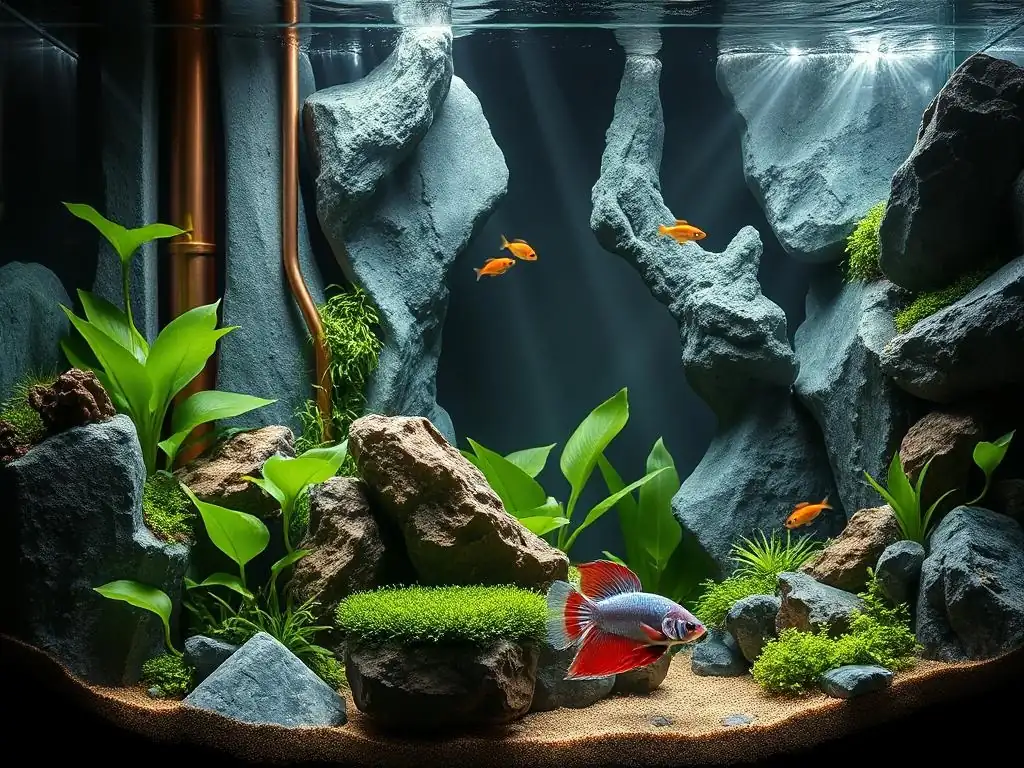
Curious about achieving lush, vibrant growth in your planted aquarium? Ever wondered what truly separates a high-tech setup from a low-tech one, especially when it comes to fertilization? Dive in and unlock the secrets to balancing fertilizers in a HighTech vs. LowTech Planted Tank. Learn how to cultivate a thriving underwater ecosystem, whether you're injecting CO2 or embracing a more natural approach. Let's explore the art of aquatic gardening together!
- Planted Tank Fertilization: High-Tech vs. Low-Tech
- Understanding Planted Tank Ecosystems: High-Tech vs. Low-Tech
- Fertilizer Requirements: A Comparative Analysis
- Essential Macronutrients (NPK) and Their Role
- Essential Micronutrients and Trace Elements
- Choosing Fertilizers: Liquid, Dry, and Substrate Options
- Estimative Index (EI) Dosing for High-Tech Tanks
- Lean Dosing for Low-Tech Tanks: A Balanced Approach
- Monitoring Nutrient Levels and Plant Health
- Preventing Algae Blooms Through Nutrient Management
- Selecting Specific Fertilizers Based on Tank Type and Plant Needs
- Common Fertilizer-Related Problems and Solutions
- Long-Term Maintenance: Strategies for Sustainable Fertilization
- Advanced Fertilization Techniques for Experienced Aquascapers
-
Frequently Asked Questions
- How does fertilizer dosing differ between high-tech and low-tech planted tanks?
- What are the key nutrients that need to be balanced in a high-tech planted tank?
- What happens if I under-fertilize a high-tech planted tank?
- Can I use the same fertilizer dosing schedule for both high-tech and low-tech planted tanks?
- What are some signs that I might be over-fertilizing my high-tech planted tank?
- Final Reflection: Cultivating Aquatic Harmony
- Ignite Your Aquarium's Potential!
Planted Tank Fertilization: High-Tech vs. Low-Tech
Understanding Planted Tank Ecosystems: High-Tech vs. Low-Tech
Defining High-Tech Planted Tanks: CO2 Injection and High Lighting
A high-tech planted tank is characterized by its intensive approach to plant cultivation, primarily through the deliberate injection of carbon dioxide (CO2) and the provision of high-intensity lighting. This combination dramatically accelerates plant photosynthesis, leading to vigorous and rapid growth rates.
Typically, lighting in a high tech planted tank can range from 50 to over 100 micromoles per square meter per second (µmol/m²/s) PAR (Photosynthetically Active Radiation) at the substrate level, delivered by powerful LED or T5HO fixtures. The consistent supply of CO2, often maintained at levels of 25-35 parts per million (ppm) during the photoperiod, acts as a crucial carbon source, allowing plants to utilize high light efficiently and maximize their metabolic processes.
The accelerated growth in a high tech planted tank means plants rapidly consume available nutrients from the water column and substrate. This environment is designed to push plant growth to its limits, often seen in professional aquascapes aiming for dense, carpeted foregrounds and lush, vibrant backgrounds. Due to the high photosynthetic activity, nutrient deficiencies can manifest quickly, sometimes within just 24-48 hours if dosing is inconsistent or inadequate. Therefore, precise and regular fertilization is not merely beneficial but absolutely essential to sustain healthy plant life and prevent algae outbreaks in such demanding setups.
Defining Low-Tech Planted Tanks: Natural Balance and Minimal Intervention
In contrast, a low-tech planted tank operates on principles of natural balance and minimal external intervention. These setups typically do not employ CO2 injection, relying instead on the much slower diffusion of atmospheric CO2 and the CO2 produced by fish respiration and bacterial decomposition. Lighting is generally moderate to low, often in the range of 15-30 µmol/m²/s PAR, which is sufficient for many common aquatic plants but does not push them to rapid growth. The focus here is on creating a stable, self-sustaining ecosystem where plants grow at a more leisurely pace, adapting to the available resources.
The slower growth rate in a low-tech planted tank significantly reduces the plants' nutrient demands compared to their high tech counterparts. Nutrients are primarily sourced from fish waste, uneaten food, decaying organic matter, and nutrient-rich substrates. While supplemental liquid fertilizers might be used, they are typically dosed less frequently and at lower concentrations. The resilience of these systems often allows for longer periods between maintenance activities, making them ideal for beginners or those seeking a more hands-off approach to planted aquariums. Algae control in these setups relies heavily on achieving a natural equilibrium rather than precise nutrient management.
Fertilizer Requirements: A Comparative Analysis
High-Tech Planted Tank Nutrient Demands: Maximizing Growth Rate
The nutrient demands in a high-tech planted tank are significantly elevated due to the high light intensity and constant CO2 supply driving rapid photosynthesis. Plants in a high tech planted tank are essentially in a state of continuous, accelerated growth, requiring a steady and abundant supply of all essential macro and micronutrients.
For example, a heavily planted 60-gallon high-tech aquarium might consume 10-15 ppm of nitrates (NO3), 1-2 ppm of phosphates (PO4), and 10-15 ppm of potassium (K) per week. If these nutrients are not replenished regularly, typically daily or every other day, plants will quickly show signs of deficiency, such as yellowing leaves, stunted growth, or even melting.
To meet these substantial demands, aquarists often employ a "non-limiting" approach, ensuring that all necessary nutrients are present in excess to prevent any single element from becoming a bottleneck to growth. This typically involves daily or every-other-day dosing of comprehensive liquid fertilizers or dry salts. For instance, target concentrations for macronutrients might be maintained around 20-30 ppm NO3, 2-3 ppm PO4, and 20-30 ppm K, with micronutrients dosed to ensure iron levels are around 0.1-0.2 ppm. This aggressive dosing strategy supports the high metabolic rate and lush growth characteristic of a high tech planted tank.
Low-Tech Planted Tank Nutrient Demands: Supporting Sustainable Growth
In a low-tech planted tank, the nutrient demands are considerably lower, aligning with the slower growth rates and reduced metabolic activity of the plants. Without CO2 injection and intense lighting, plants do not grow as rapidly, and therefore, their uptake of nutrients is far less aggressive. The primary sources of nutrients in these setups are often the fish food, fish waste, and the decomposition of organic matter within the substrate. A well-established low-tech tank with a rich substrate (like aquasoil or a dirted tank) can often sustain plant growth for extended periods with minimal or no additional liquid fertilization.
While supplemental liquid fertilizers can be beneficial, they are typically dosed weekly or even bi-weekly, and at much lower concentrations than in high-tech systems. For example, a low-tech 60-gallon tank might only require 5-10 ppm of nitrates and 0.5-1 ppm of phosphates per week, largely supplied by the bioload.
The emphasis is on supporting sustainable, healthy growth rather than maximizing speed. Many successful low-tech setups thrive with only occasional root tab additions for heavy root feeders or a lean dose of a comprehensive liquid fertilizer once a week to top up trace elements, ensuring that plants have what they need without creating an environment conducive to algae overgrowth.
Essential Macronutrients (NPK) and Their Role
Nitrogen (N): Sources, Deficiency Symptoms, and Target Levels
Nitrogen (N) is a primary macronutrient vital for all plant life, playing a crucial role in the formation of proteins, enzymes, and chlorophyll. In planted aquariums, common sources of nitrogen include fish waste (ammonia, nitrite, nitrate), decaying organic matter, and added fertilizers (e.g., potassium nitrate, urea). In a high tech planted tank, where growth is rapid, nitrogen is quickly consumed, and maintaining sufficient levels is critical. Typical target levels for nitrate (NO3), the most common form of nitrogen utilized by plants, range from 10-30 ppm, often replenished daily or every other day.
Deficiency symptoms for nitrogen are quite distinct and appear relatively quickly, especially in a high tech planted tank. The most common sign is the yellowing of older leaves (chlorosis), starting from the tips and edges, as the plant reallocates nitrogen from older growth to new, vital growth. Stunted growth, particularly of new shoots, and a general paling of the plant's color are also strong indicators. Conversely, excessive nitrogen can contribute to soft, leggy growth and may, under certain conditions, exacerbate algae issues, particularly green water or hair algae, if other nutrients or CO2 are limiting.
Phosphorus (P): Sources, Deficiency Symptoms, and Target Levels
Phosphorus (P) is another critical macronutrient essential for energy transfer (ATP), DNA synthesis, and cell division within plants. In aquariums, phosphorus is primarily introduced through fish food, fish waste, and specific phosphate fertilizers (e.g., monopotassium phosphate). Like nitrogen, its availability is crucial for robust plant growth, particularly in a high tech planted tank where metabolic rates are high. Target levels for phosphate (PO4) typically range from 0.5-2 ppm, with many aquarists aiming for around 1-2 ppm to ensure non-limiting conditions for vigorous plant growth.
When phosphorus is deficient, plants exhibit several characteristic symptoms. Common signs include stunted growth, particularly of new leaves, which may appear darker green than usual or even purplish due to the accumulation of anthocyanin pigments. Older leaves may develop necrotic spots or yellowing, and growth points can cease development entirely.
In severe cases, the plant may drop its older leaves prematurely. While too little phosphorus can lead to issues, excessive levels are rarely problematic for plants themselves, but can sometimes be linked to certain types of algae, such as green spot algae, especially if light or CO2 are out of balance.
Potassium (K): Sources, Deficiency Symptoms, and Target Levels
Potassium (K) is a vital macronutrient that plays a multifaceted role in plant physiology, acting as an enzyme activator, regulating osmotic pressure, and facilitating nutrient and water transport within the plant. Unlike nitrogen and phosphorus, potassium is not typically derived from fish waste in significant amounts, making external supplementation almost always necessary, especially in a high tech planted tank. Common sources include potassium sulfate or potassium chloride. Recommended target levels for potassium are generally higher than other macronutrients, often maintained between 10-20 ppm, ensuring adequate supply for all cellular functions.
Deficiency symptoms for potassium often manifest as yellowing or necrosis (browning/hole formation) along the edges and tips of older leaves, while the veins remain green. This symptom is sometimes referred to as "potassium burn." Stunted growth, weak stems, and a general lack of vigor can also indicate insufficient potassium.
As potassium is highly mobile within the plant, it's readily transported to new growth, leaving older leaves to show the first signs of deficiency. Ensuring consistent potassium levels is crucial for overall plant health, robust stems, and vibrant coloration, particularly in demanding plants often found in a high tech planted tank.
Essential Micronutrients and Trace Elements
Iron (Fe): Importance, Chelation, and Deficiency Indicators
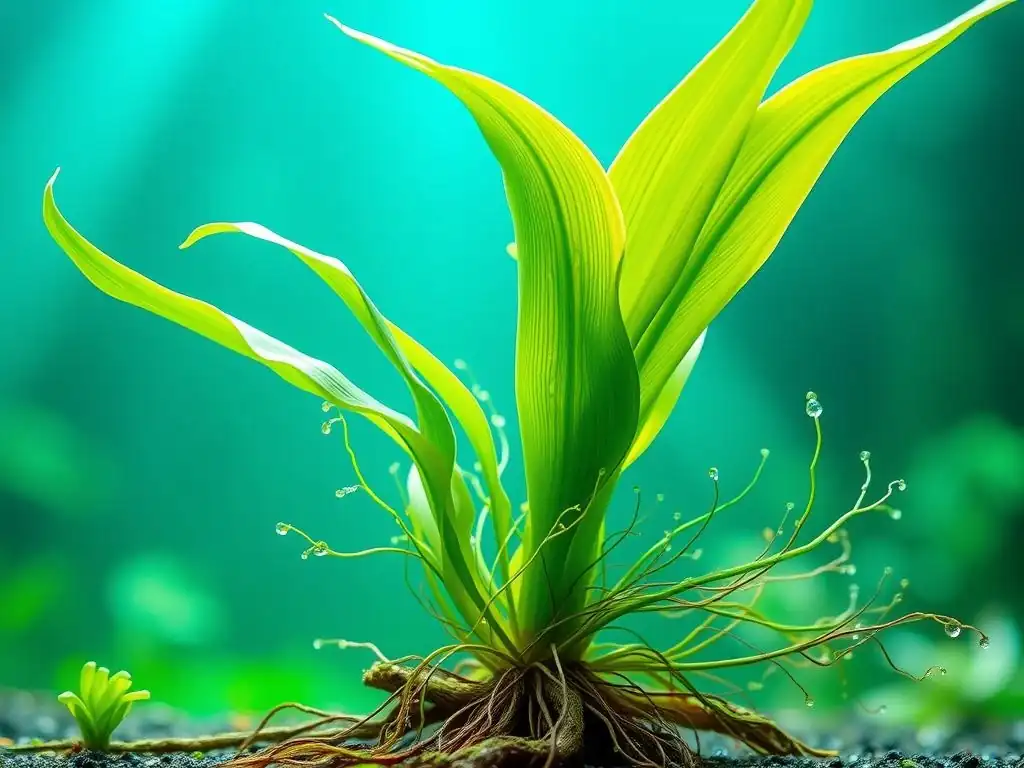
Iron (Fe) is a crucial micronutrient, indispensable for chlorophyll synthesis and various enzymatic processes involved in photosynthesis and respiration. Without adequate iron, plants cannot produce chlorophyll efficiently, leading to poor growth and vitality. In planted aquariums, iron is typically supplied through liquid fertilizers, often in a chelated form (e.g., Fe-DTPA, Fe-EDTA) to prevent it from precipitating out of the water column and becoming unavailable to plants, especially in higher pH conditions. Target iron levels for a high tech planted tank are often maintained around 0.05-0.1 ppm, sometimes slightly higher for red plants.
Iron deficiency is one of the most common and visually striking nutrient deficiencies in aquatic plants. The hallmark symptom is interveinal chlorosis (yellowing between the veins) on new or young leaves, while the veins themselves remain green. This is because iron is largely immobile within the plant, meaning it cannot be readily translocated from older leaves to new growth.
In severe cases, new leaves may emerge completely white or translucent, and overall plant growth will be severely stunted. Red plants, in particular, rely heavily on iron to express their vibrant coloration, and deficiency will often cause them to turn green or pale.
Trace Elements: Required Amounts and Supplementation Strategies
Beyond iron, a range of other trace elements are essential for plant health, albeit in much smaller quantities. These include manganese (Mn), boron (B), zinc (Zn), copper (Cu), molybdenum (Mo), and chlorine (Cl). Each plays a specific role in enzyme activity, hormone regulation, and structural integrity. For instance, manganese is vital for photosynthesis, while boron is crucial for cell wall formation and calcium uptake. While plants require these elements in minuscule amounts, their absence can lead to significant growth issues.
In a high tech planted tank, where nutrient uptake is high, trace elements are often included in comprehensive liquid fertilizer blends. Dosing strategies typically involve weekly or bi-weekly additions of these blends, ensuring a consistent supply. For example, a typical trace mix might provide manganese at 0.01-0.02 ppm, zinc at 0.005-0.01 ppm, and boron at 0.002-0.005 ppm per dose.
In low-tech setups, the need for direct trace element supplementation is less critical, as natural sources like tap water (depending on its mineral content) and fish food often provide sufficient quantities. However, if deficiencies arise, a lean dose of a complete micronutrient fertilizer can be beneficial. Regular water changes also help replenish trace elements, as they are consumed or bind to the substrate over time.
Choosing Fertilizers: Liquid, Dry, and Substrate Options
Liquid Fertilizers: Composition, Dosing, and Application Methods
Liquid fertilizers are a popular choice for planted aquariums due to their convenience and immediate availability to plants in the water column. They come in various formulations, ranging from "all-in-one" solutions containing a balanced mix of macro and micronutrients to specialized formulas that focus on specific elements like iron or nitrogen. The composition typically includes chelated metals for micronutrients and various salts for macronutrients, dissolved in water.
For a high tech planted tank, comprehensive liquid fertilizers are often dosed daily or every other day to maintain consistent nutrient levels and support rapid growth. Dosing is typically measured in milliliters (ml) per gallon or liter of tank water, following manufacturer recommendations or specific dosing methodologies like Estimative Index (EI).
Application methods are straightforward: the measured dose is simply added to the aquarium water, often near a filter output for quick dispersion. While convenient, one potential drawback is that some nutrients, particularly iron, can oxidize or precipitate out of solution over time, reducing their availability. This necessitates consistent dosing and often relies on frequent water changes to reset nutrient levels and prevent buildup of non-utilized elements. Many high tech planted tank enthusiasts opt for liquid fertilizers to fine-tune specific nutrient levels, allowing for precise control over their aquatic plant health.
Dry Fertilizers: Cost-Effectiveness, Mixing, and Storage
Dry fertilizers, typically in the form of pure chemical salts, offer a highly cost-effective and customizable approach to nutrient dosing. Common dry salts include potassium nitrate (KNO3) for nitrogen and potassium, monopotassium phosphate (KH2PO4) for phosphorus and potassium, and potassium sulfate (K2SO4) for potassium. Micronutrients are often supplied as a pre-mixed powder (e.g., CSM+B, a common blend of chelated trace elements). The primary advantage of dry fertilizers is their significantly lower cost per unit of nutrient compared to pre-mixed liquid solutions, making them a preferred choice for large aquariums or budget-conscious aquarists.
To use dry fertilizers, aquarists typically dissolve them in distilled or reverse osmosis (RO) water to create concentrated stock solutions, which are then dosed into the tank. For example, 500 grams of KNO3 can be dissolved in 500 ml of water to create a stock solution, allowing for precise daily or weekly dosing. Storage involves keeping the dry salts in airtight containers in a cool, dry place to prevent moisture absorption, which can cause clumping.
The stock solutions should be stored in opaque bottles in a refrigerator to extend their shelf life, especially for micronutrient mixes which can degrade when exposed to light. This method provides immense flexibility, allowing aquarists to tailor nutrient ratios precisely to the needs of their high tech planted tank or specific plant species.
Substrate Fertilizers: Types, Placement, and Longevity
Substrate fertilizers are designed to provide nutrients directly to the roots of plants, which is particularly beneficial for heavy root feeders like Cryptocorynes, Echinodorus, and some stem plants. These fertilizers come in various forms, including nutrient-rich aquasoils, clay-based substrates (like laterite), and encapsulated root tabs. Aquasoils, such as ADA Aqua Soil or Controsoil, are complete substrates that slowly release nutrients over time, providing an excellent base for a high tech planted tank from the outset. They are often rich in humic acids and provide cation exchange capacity, buffering water parameters favorably for plants.
Root tabs are small, solid capsules or tablets containing concentrated nutrients, typically including macro and micronutrients, which are inserted directly into the substrate near the base of root-feeding plants. Their placement ensures targeted nutrient delivery, minimizing nutrient leaching into the water column, which can sometimes contribute to algae issues. The longevity of root tabs varies by brand and composition, but they generally last from 2 to 6 months before needing replacement.
Clay-based substrates like laterite are mixed into the inert gravel layer and provide a long-term source of iron and other trace elements, often lasting for years. Combining a nutrient-rich substrate with regular liquid dosing is a common strategy in a high tech planted tank to provide comprehensive nutrition for both root and water column feeders.
Estimative Index (EI) Dosing for High-Tech Tanks
EI Dosing Schedule: Target Concentrations and Frequency
The Estimative Index (EI) dosing method is a popular and highly effective strategy for fertilizing a high tech planted tank, designed to ensure that plants always have an excess of all essential nutrients. The core principle of EI is to provide more nutrients than the plants can possibly consume, thereby preventing any single nutrient from becoming a limiting factor for growth.
This approach assumes that daily or every-other-day dosing, coupled with large weekly water changes, will prevent nutrient buildup and reset the system. A typical EI dosing schedule for a 50-gallon tank might involve adding 1/2 teaspoon of KNO3 (potassium nitrate) three times a week, 1/8 teaspoon of KH2PO4 (monopotassium phosphate) three times a week, and 1/2 teaspoon of K2SO4 (potassium sulfate) three times a week.
Micronutrients, typically a pre-mixed trace element blend like CSM+B, are usually dosed at about 1/4 teaspoon three times a week, often on alternate days from the macronutrients. The target concentrations aimed for with EI are roughly 20-30 ppm NO3, 2-3 ppm PO4, 15-25 ppm K, and 0.1-0.2 ppm Fe.
The critical component of the EI method is the weekly 50% or larger water change, which flushes out excess nutrients and any accumulating organic waste, effectively resetting the nutrient baseline and preventing potential imbalances or nutrient "lockouts." This consistent, high-level nutrient provision is what allows a high tech planted tank to achieve rapid, lush growth.
Advantages and Disadvantages of the EI Method
The primary advantage of the Estimative Index (EI) method is its simplicity and effectiveness in promoting vigorous plant growth in a high tech planted tank. By ensuring a non-limiting supply of nutrients, aquarists can almost guarantee that nutrient deficiencies will not be the cause of poor plant health. This allows the aquarist to focus on optimizing other crucial factors like CO2 and lighting.
The method is relatively forgiving, as the large weekly water change acts as a "reset button," preventing the accumulation of any single nutrient to problematic levels. It significantly reduces the need for frequent water testing, as the underlying assumption is that nutrients are always in excess.
However, the EI method does have its disadvantages. The high nutrient levels, particularly nitrates and phosphates, can be a concern for some aquarists, though research indicates that high nutrient levels alone are rarely the sole cause of algae if CO2 and light are optimized. The requirement for a large weekly water change (50% or more) can be labor-intensive, especially for very large tanks.
Furthermore, while effective, EI can be seen as less efficient in terms of nutrient consumption, as more fertilizer is added than strictly necessary. This approach is specifically tailored for a high tech planted tank with high light and CO2, and applying it to a low-tech setup would likely lead to severe algae issues due to nutrient overabundance relative to plant uptake.
Lean Dosing for Low-Tech Tanks: A Balanced Approach
Nutrient Limitation and Algae Control in Low-Tech Systems
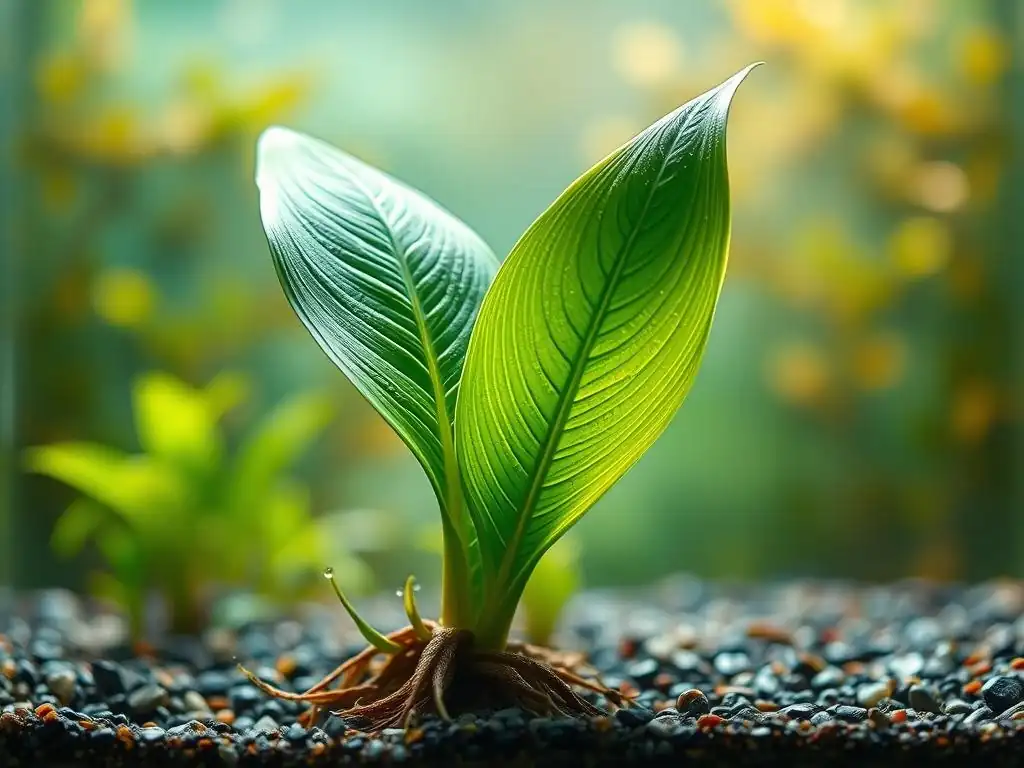
Lean dosing in low-tech planted tanks is a deliberate strategy that aims to provide just enough nutrients to support healthy, but not rapid, plant growth, while simultaneously limiting potential fuel for algae. Unlike the non-limiting approach of EI for a high tech planted tank, lean dosing often involves operating with lower, sometimes barely detectable, levels of certain macronutrients, particularly nitrates and phosphates.
For instance, some lean dosing advocates might aim for nitrate levels below 5 ppm and phosphate levels below 0.2 ppm, or even undetectable. The rationale is that by keeping nutrient concentrations low, algae, which often thrive on readily available nutrients, are starved and thus kept in check.
This method relies heavily on the natural nutrient cycling within the aquarium, leveraging fish waste, uneaten food, and decaying plant matter as primary nutrient sources. Supplemental liquid fertilizers, if used, are dosed sparingly, perhaps once or twice a week, and often focus on micronutrients or specific macronutrients that are not adequately supplied by the bioload (e.g., potassium).
The success of lean dosing hinges on a delicate balance: providing enough for plants to thrive slowly, but not enough for algae to bloom aggressively. This approach is inherently more forgiving of CO2 fluctuations, as plants are not pushed to their photosynthetic limits, reducing their immediate need for high carbon availability.
Natural Nutrient Cycling and Substrate Enrichment
Natural nutrient cycling is the cornerstone of a successful low-tech planted tank, significantly reducing the need for extensive external fertilization. In these systems, fish waste and uneaten food break down through the nitrogen cycle, producing nitrates which plants readily absorb. Decaying plant matter, such as old leaves or trimmings, also releases nutrients back into the water column and substrate.
This biological processing ensures a continuous, albeit slower, supply of essential elements. The overall bioload of the tank (number and type of fish) directly influences the amount of naturally occurring nutrients, with a higher bioload generally leading to more available nitrates and phosphates.
Substrate enrichment plays an equally vital role in lean-dosed low-tech setups. Nutrient-rich substrates like aquasoil, laterite, or even a soil-based "dirted" tank provide a long-term reservoir of macro and micronutrients directly to the plant roots. These substrates slowly release nutrients over months or even years, significantly reducing the reliance on water column dosing.
For instance, a 2-inch layer of nutrient-rich substrate can often sustain heavy root feeders for over a year without additional root tabs. This combination of natural cycling and substrate-bound nutrients allows low-tech tanks to maintain healthy plant growth with minimal external intervention, a stark contrast to the precise, daily dosing regimen required for a high tech planted tank.
Monitoring Nutrient Levels and Plant Health
Water Testing: Accuracy, Frequency, and Interpretation of Results
Water testing is a crucial tool for monitoring nutrient levels and understanding the chemical environment of a planted aquarium, though its frequency and interpretation differ between high-tech and low-tech setups. For a high tech planted tank, regular testing for nitrates (NO3), phosphates (PO4), and sometimes potassium (K) and iron (Fe) is often recommended, especially when fine-tuning a dosing regimen. While the Estimative Index (EI) method intentionally over-doses to avoid testing, some aquarists still test weekly before a water change to confirm nutrient consumption patterns.
High-quality liquid test kits provide more accurate results than test strips. For instance, a nitrate test showing 20 ppm before a 50% water change indicates adequate dosing and consumption.
In low-tech tanks, water testing for specific plant nutrients is generally less critical and performed less frequently. The focus is more on basic parameters like pH, ammonia, nitrite, and nitrate (to ensure the nitrogen cycle is functioning and not for plant nutrient levels). If plants show signs of deficiency, then targeted testing for the suspected nutrient (e.g., iron for new growth yellowing) might be performed.
Interpretation of results involves correlating measured levels with plant health. For example, consistently low nitrates (below 5 ppm) in a high tech planted tank with stunted growth would indicate a nitrogen deficiency, prompting an increase in dosing. Conversely, consistently high nitrates (above 40 ppm) in a low-tech tank might suggest overfeeding or an imbalance, potentially leading to algae.
Visual Indicators of Nutrient Deficiencies and Excesses
Observing the visual cues of aquatic plants is often the most immediate and practical way to diagnose nutrient imbalances, complementing water testing. Different nutrient deficiencies manifest in characteristic ways. For instance, a nitrogen deficiency typically causes general yellowing (chlorosis) of older leaves, while phosphorus deficiency might lead to stunted growth and dark green or purplish coloration. Potassium deficiency often presents as yellowing or holes on older leaf margins. Iron deficiency, critical for red plants and general vitality in a high tech planted tank, causes interveinal chlorosis on new growth, sometimes appearing as pale or white new leaves.
Excesses, though less common to pinpoint visually than deficiencies, can also have indicators. While plants are generally tolerant of higher nutrient levels, an overabundance of certain elements, particularly in a low-tech tank, can indirectly contribute to algae outbreaks. For example, consistently high phosphate levels without sufficient CO2 or light in a high tech planted tank might be correlated with green spot algae.
Stunted growth accompanied by very dark green, almost black, leaves could indicate an excess of iron or other micronutrients causing toxicity, though this is rare with standard dosing. Learning to "read" your plants is an invaluable skill, allowing for timely adjustments to the fertilization regime before problems escalate.
Adjusting Fertilizer Regimes Based on Observations
The true art of planted tank fertilization lies in the ability to adjust dosing regimes based on a combination of water test results and, more importantly, the visual health and growth patterns of the plants. For a high tech planted tank, if plants show signs of stunted growth or chlorosis despite adequate CO2 and light, it's time to increase the dosing of the suspected nutrient.
For example, if new growth is pale, increasing iron or a comprehensive trace mix is a logical step. Conversely, if algae begins to appear aggressively (e.g., green hair algae in a high tech tank), one might slightly reduce overall nutrient dosing or increase water change frequency, while simultaneously checking CO2 and light levels.
In a low-tech setup, adjustments are typically less frequent and more subtle. If plants are growing slowly but healthily, no changes might be needed. If older leaves are melting or showing holes, a slight increase in potassium might be warranted.
If algae becomes problematic, the first step is often to reduce light intensity or duration, then consider reducing fertilizer doses if any are being used. The key is to make small, incremental changes and observe the plant's response over several days or a week before making further adjustments. Consistent observation and a willingness to adapt the fertilizer strategy are paramount for long-term success, whether managing a demanding high tech planted tank or a more forgiving low-tech system.
Preventing Algae Blooms Through Nutrient Management
Light, CO2, and Nutrient Interplay: Maintaining Equilibrium
Preventing algae blooms in a planted tank, especially a high tech planted tank, is fundamentally about maintaining a delicate equilibrium between light, CO2, and nutrients. Algae are opportunistic organisms that thrive on imbalances. In a high-light, high-CO2 environment, plants grow rapidly and outcompete algae for nutrients, provided all elements are in balance.
If CO2 is insufficient for the given light intensity, plants cannot photosynthesize efficiently, leading to stunted growth. This leaves excess light and nutrients available in the water column, creating prime conditions for algae proliferation. For instance, a high tech planted tank running 80 µmol/m²/s PAR light but with CO2 levels below 20 ppm will almost certainly develop severe algae issues, regardless of nutrient levels.
Similarly, if nutrients are limiting in a high-light, high-CO2 setup, plants will suffer, again leaving an opening for algae. For example, if a high tech planted tank has abundant light and CO2 but is deficient in phosphorus, plants may stunt, and green spot algae could appear.
The goal is to ensure plants are always the limiting factor for algae, meaning they are growing so vigorously that they consume nutrients before algae can get a foothold. This holistic approach, where all three pillars (light, CO2, nutrients) are optimized and balanced, is far more effective at preventing algae than simply starving nutrients, particularly in a high tech planted tank.
Promoting a Healthy and Competitive Plant Community
A dense, healthy, and fast-growing plant community is the single most effective defense against algae in any planted tank, whether high-tech or low-tech. Plants compete directly with algae for light, CO2, and nutrients. When plants are thriving, they absorb available resources so efficiently that algae struggle to establish themselves. For instance, a tank with a well-established carpet of Hemianthus callitrichoides 'Cuba' in a high tech planted tank will inherently be more resistant to green dust algae than a sparsely planted one, simply because the plant biomass is actively consuming nutrients.
To promote such a competitive plant community, several strategies are employed. Firstly, selecting appropriate plant species for the tank type is crucial; fast-growing stem plants like Rotala rotundifolia or Ludwigia repens can quickly outcompete algae for space and resources, especially during the initial cycling phase of a high tech planted tank. Secondly, ensuring optimal conditions for plant growth—consistent CO2, appropriate lighting, and a comprehensive fertilization regime—allows plants to reach their full potential.
Regular trimming and replanting also encourage bushier growth and maintain a high plant biomass. Finally, avoiding sudden, drastic changes in light intensity, photoperiod, or CO2 levels helps prevent plant stress, which can weaken their competitive edge and invite algae.
Selecting Specific Fertilizers Based on Tank Type and Plant Needs
Considerations for Plant Species, Water Parameters, and Desired Growth Rates
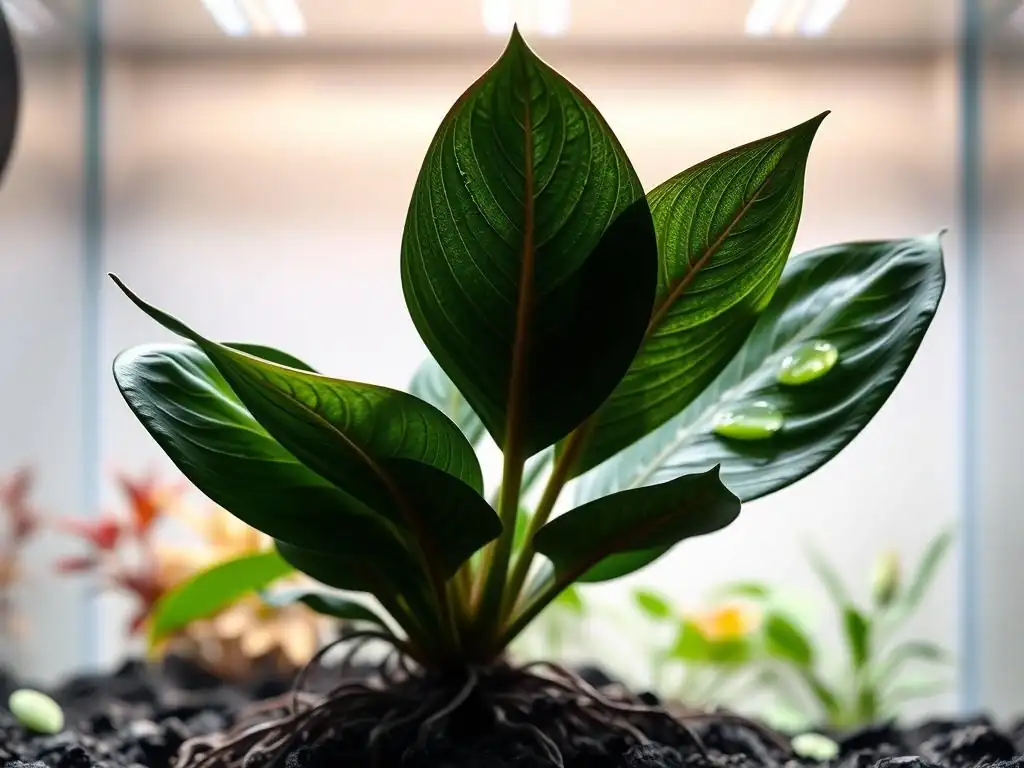
Selecting the right fertilizers is highly dependent on the specific needs of your aquarium, encompassing the types of plants, prevailing water parameters, and your desired growth rates. For a high tech planted tank aiming for rapid growth and vibrant colors with demanding species like Rotala macrandra or large Swords, a comprehensive dosing regimen of macronutrients (N, P, K) and chelated micronutrients is essential.
These plants, under high light and CO2, will deplete nutrients quickly, requiring daily or every-other-day liquid dosing, potentially supplemented with nutrient-rich substrates and root tabs. The water parameters, such as pH and KH, can also influence nutrient availability; for example, iron chelation is more stable at lower pH.
In contrast, a low-tech setup with undemanding plants like Anubias, Java Fern, or Cryptocorynes has much lower nutrient requirements. These plants grow slowly and can often thrive with nutrients primarily sourced from fish waste and a rich substrate. Supplemental liquid fertilizers might be limited to a lean, weekly dose of a complete liquid or just a micronutrient blend, depending on the bioload.
Root tabs would be ideal for any Cryptocorynes or Swords. Understanding your tap water's mineral content is also important; if it's already rich in certain elements, you might reduce or omit those from your dosing. The desired aesthetic – a lush, fast-growing aquascape versus a serene, low-maintenance natural setup – directly dictates the intensity and type of fertilization chosen.
Algae Outbreaks: Identification, Causes, and Remedial Actions
Algae outbreaks are a common frustration in planted tanks, and while often linked to nutrient imbalances, they are more frequently a symptom of an underlying issue with light or CO2, especially in a high tech planted tank. Different types of algae provide clues: green spot algae often indicates low phosphate or CO2, while green hair algae can suggest excess light, fluctuating CO2, or sudden nutrient spikes. Black beard algae (BBA) is a classic indicator of unstable or insufficient CO2 levels, particularly problematic in a high tech planted tank where CO2 is critical for plants.
Remedial actions involve a holistic approach. First, verify CO2 levels are stable and adequate (25-35 ppm for high-tech). Second, adjust lighting duration or intensity; reducing photoperiod to 6-8 hours can help. Third, re-evaluate your fertilization.
If certain nutrients are consistently zero (e.g., nitrates or phosphates in a high-tech tank), increase dosing to ensure plants are not starved. If you suspect nutrient overload in a low-tech tank, reduce dosing and perform more frequent water changes. Manual removal of algae, increasing fast-growing plants, and introducing algae-eating fauna (like Amano shrimp or Otocinclus catfish) can provide temporary relief while addressing the root cause.
Plant Stunting: Diagnosing and Correcting Nutrient Deficiencies
Plant stunting, characterized by significantly reduced growth rates, small new leaves, or distorted growth, is a clear sign of nutrient deficiency or other environmental stress. Diagnosing the specific deficiency requires careful observation of which leaves are affected (old vs. new growth) and the specific visual symptoms (e.g., yellowing, holes, darkening).
For instance, new growth stunting and yellowing usually point to iron or other immobile micronutrient deficiencies, common in a high tech planted tank if trace elements are not consistently replenished. General stunting across all leaves, particularly if accompanied by pale color, often suggests a broad macronutrient deficiency (N, P, K).
Correcting nutrient deficiencies involves targeted adjustments to your fertilizer regime. If new leaves are pale and small, increase your iron or comprehensive micronutrient dosing. If old leaves are yellowing, increase nitrogen. If older leaves develop holes or brown edges, boost potassium.
It's crucial to ensure that CO2 and light are optimal before assuming a nutrient deficiency, as insufficient CO2 can mimic many nutrient deficiency symptoms in a high tech planted tank. Make small, incremental changes to dosing and observe the plant's response over several days. Consistent monitoring of plant health is paramount to prevent and correct stunting, ensuring lush growth.
Water Parameter Fluctuations: Identifying Causes and Stabilization Techniques
Water parameter fluctuations, such as sudden shifts in pH, GH, or KH, can stress plants and fish, leading to poor growth and increased susceptibility to algae. While not directly caused by fertilizers, nutrient dosing can sometimes indirectly influence parameters. For instance, large doses of certain dry salts can temporarily affect KH or GH.
More commonly, fluctuations are caused by inconsistent water changes, unstable CO2 injection (in a high tech planted tank), or issues with the buffering capacity of the water. For example, a CO2 system without a reliable regulator or solenoid can lead to pH swings, stressing plants and making them vulnerable.
Stabilization techniques involve identifying the root cause. For pH swings related to CO2, ensure your CO2 regulator is reliable and your bubble counter provides a consistent rate, aiming for a 1 pH drop from your tank's un-gassed pH in a high tech planted tank. For general parameter instability, consistent and appropriately sized water changes (e.g., 30-50% weekly) help maintain stable water chemistry.
If your source water has very low buffering capacity (low KH), consider adding a small amount of a buffering agent like baking soda (sodium bicarbonate) to raise KH and stabilize pH, though this should be done cautiously. A stable environment is just as crucial as nutrient provision for thriving aquatic plants.
Long-Term Maintenance: Strategies for Sustainable Fertilization
Water Changes: Frequency, Volume, and Impact on Nutrient Levels
Water changes are a cornerstone of long-term aquarium maintenance and play a critical role in sustainable fertilization, especially in a high tech planted tank. For EI dosing, a weekly 50% or larger water change is essential to "reset" nutrient levels, flushing out accumulated excess nutrients and preventing potential imbalances or nutrient lockouts. This consistent large water change allows for aggressive daily dosing without fear of long-term nutrient buildup. In a high tech planted tank, this also removes organic waste products that can contribute to algae.
In low-tech setups, water changes are typically less frequent and smaller, often 20-30% bi-weekly or monthly, depending on the bioload and plant density. The impact on nutrient levels is less about flushing excess and more about replenishing trace elements that might be depleted and removing accumulated organic waste. For instance, even in a lean-dosed low-tech tank, a bi-weekly 25% water change helps replenish essential minerals from tap water and prevents the buildup of pollutants. Regular water changes also help maintain stable water parameters, contributing to overall plant health and reducing stress, which in turn supports efficient nutrient uptake.
Substrate Maintenance: Vacuuming, Replenishment, and Root Health
Substrate maintenance is crucial for long-term plant health and effective nutrient delivery, particularly for root-feeding plants. In a high tech planted tank with nutrient-rich aquasoils, light vacuuming of the top layer during water changes can remove detritus without disturbing the deeper substrate. Over time (typically 1-2 years), aquasoils can become depleted of nutrients, necessitating the addition of root tabs or a complete substrate overhaul. Replenishing nutrients in the substrate is vital for heavy root feeders like Cryptocorynes and Echinodorus, which primarily draw their nutrition from the substrate rather than the water column.
For tanks using inert gravel or sand, periodic insertion of root tabs (every 2-6 months) is the primary method of substrate fertilization. These tabs break down slowly, releasing nutrients directly to the roots. Over time, detritus can accumulate within the substrate, which can be beneficial in low-tech setups as it slowly decomposes and releases nutrients.
However, excessive buildup can lead to anaerobic pockets and hydrogen sulfide production, which is toxic. Therefore, light gravel vacuuming (avoiding deep disturbance near plant roots) is sometimes necessary. Maintaining a healthy substrate environment ensures roots have access to necessary nutrients and promotes robust, long-term plant growth.
Adapting Fertilizer Regimes to Changing Tank Conditions
A successful long-term fertilization strategy is not static; it continuously adapts to the evolving conditions of the planted tank. As plants grow and mature, their nutrient demands change. A newly set up high tech planted tank might require lower initial doses, gradually increasing as the plant biomass expands and growth accelerates.
Similarly, if you add more fish, the natural nutrient input from fish waste will increase, potentially allowing for a slight reduction in nitrogen or phosphorus dosing in a low-tech setup. Conversely, if you remove fish or significantly prune plants, nutrient demand might decrease, requiring a reduction in fertilizer to prevent algae.
Environmental factors like seasonal temperature changes or even changes in tap water chemistry can also necessitate adjustments. For instance, if your tap water becomes softer or harder, it might affect the availability of certain minerals. Regular observation of plant health, coupled with occasional water testing, allows aquarists to fine-tune their dosing. The goal is to maintain vibrant, healthy plant growth while minimizing algae, recognizing that the optimal fertilizer regime for a high tech planted tank today might need slight modifications in six months to maintain that perfect balance.
Advanced Fertilization Techniques for Experienced Aquascapers
Target Dosing: Tailoring Nutrient Levels to Specific Plant Requirements
Target dosing, also known as "per-plant" or "specific" dosing, is an advanced fertilization technique primarily employed by experienced aquascapers in a high tech planted tank. Unlike the blanket approach of EI, target dosing involves precisely measuring and adding only the nutrients that are being consumed, aiming to maintain specific, often lower, target concentrations for each element.
This method requires a deeper understanding of plant physiology, frequent and accurate water testing (e.g., daily or every other day for NO3, PO4, K, Fe), and a willingness to adjust dosing based on observed consumption rates. For instance, an aquascaper might aim to keep nitrates at 5-10 ppm, phosphates at 0.5-1 ppm, and potassium at 5-10 ppm, replenishing only what is used.
The advantage of target dosing is maximizing efficiency and minimizing nutrient waste, potentially reducing the frequency or volume of water changes compared to EI. It allows for fine-tuned control over specific plant responses; for example, some aquascapers might deliberately limit nitrate slightly to enhance red coloration in certain plants, or run lower phosphates to discourage green spot algae.
This method is resource-intensive, requiring precise measurements (often with analytical scales for dry salts) and detailed record-keeping. It's a technique for those who have mastered the basics of a high tech planted tank and are looking to push their aquascaping to the next level of precision and control.
Root Tabs: Localized Nutrient Delivery for Root-Feeding Plants
Root tabs are an indispensable advanced fertilization tool, particularly for aquascapers cultivating heavy root-feeding plants like Cryptocorynes, Echinodorus (Amazon Swords), and certain stem plants (e.g., some Ludwigia species) in a high tech planted tank. While liquid fertilizers enrich the water column, root tabs deliver a concentrated, slow-release dose of nutrients directly to the plant's root zone, where these species primarily absorb their nutrition. This localized delivery minimizes the release of nutrients into the water column, which can be beneficial in preventing algae in sensitive setups or when trying to maintain very low water column nutrient levels.
Root tabs typically contain a balanced mix of macro and micronutrients, often with a higher proportion of iron, which is crucial for root uptake. They are inserted deep into the substrate, usually 1-2 inches below the surface, directly beneath the plant. The longevity of root tabs varies, from 2 to 6 months depending on the brand and formulation, requiring periodic replacement.
For example, an aquascaper might place 2-3 root tabs around the base of a large Amazon Sword every 3-4 months. Combining root tabs with water column dosing (for plants that absorb from the water) ensures comprehensive nutrition for all plant types in a diverse high tech planted tank.
Achieving Specific Aesthetic Goals Through Controlled Fertilization
Controlled fertilization, especially within a high tech planted tank, allows experienced aquascapers to manipulate plant growth and appearance to achieve specific aesthetic goals. This goes beyond simply ensuring healthy growth and delves into influencing plant size, color intensity, and growth habit. For instance, to encourage more intense red coloration in plants like Rotala macrandra or Ludwigia 'Super Red', aquascapers might slightly limit nitrates (e.g., keeping them below 10 ppm) while ensuring high iron levels and intense lighting. This "lean nitrate" approach stresses the plant just enough to produce more anthocyanins, the pigments responsible for red hues.
Conversely, to achieve large, lush green growth, a robust supply of all macronutrients, particularly nitrogen, would be maintained. Manipulating nutrient ratios can also influence internode spacing (the distance between leaves on a stem). Higher potassium levels, combined with good light and CO2, can promote compact growth, while deficiencies can lead to leggy plants. By understanding how each nutrient influences plant morphology and color, experienced aquascapers can fine-tune their dosing strategies to sculpt their aquatic landscapes, making controlled fertilization a powerful artistic tool in the creation of a stunning high tech planted tank.
Frequently Asked Questions
How does fertilizer dosing differ between high-tech and low-tech planted tanks?
High-tech tanks, with their high light and CO2, require significantly more fertilizer to support rapid plant growth. Low-tech tanks utilize a leaner approach, relying on fish waste and less frequent fertilization due to slower growth rates.
What are the key nutrients that need to be balanced in a high-tech planted tank?
The primary nutrients are macronutrients (NPK - Nitrogen, Phosphorus, Potassium) and micronutrients (trace elements). Maintaining the proper balance of these is crucial to avoid deficiencies or algae blooms.
What happens if I under-fertilize a high-tech planted tank?
Under-fertilizing can lead to nutrient deficiencies in plants. This manifests as stunted growth, yellowing leaves, and increased susceptibility to algae.
Can I use the same fertilizer dosing schedule for both high-tech and low-tech planted tanks?
No, a one-size-fits-all approach won't work. High-tech tanks need more frequent and larger doses compared to the less demanding needs of low-tech setups.
What are some signs that I might be over-fertilizing my high-tech planted tank?
Signs of over-fertilization include excessive algae growth (especially green spot algae), and potentially even harm to your fish due to nutrient imbalances.
Okay, here's a final reflection tailored for your article "Balancing Fertilizers in a HighTech vs. LowTech Planted Tank," designed to resonate with readers and reinforce the importance of the topic, while also incorporating the requested Markdown formatting and keyword focus:
Final Reflection: Cultivating Aquatic Harmony
The journey of understanding fertilizer balance in planted aquariums, as we've explored, is not merely a technical exercise, but a pursuit of ecosystem harmony. The principles discussed, whether applied to a cutting-edge high-tech setup or a more natural low-tech environment, underscore the fundamental need for a balanced approach to nutrient management, a concept increasingly relevant as we strive for sustainability in all aspects of our lives.
This exploration has hopefully illuminated the delicate dance between light, CO2, and nutrients, a dance that profoundly impacts the health and beauty of our underwater worlds. The ability to nurture a thriving planted tank, regardless of its technological complexity, reflects a deeper understanding of natural processes and our role as stewards of these miniature ecosystems. The best fertilizer is the gardener's shadow.
- An old proverb, reminding us that observation and understanding are key to success.
Ultimately, the success of any planted tank, especially a high tech planted tank, hinges on our ability to observe, adapt, and learn. So, as you embark on or continue your own aquatic adventures, I encourage you to reflect on the principles we've discussed. Embrace the challenge of creating a balanced environment, and witness the transformative power of understanding the needs of your aquatic plants. Let the beauty and tranquility of your planted tank serve as a constant reminder of the delicate balance that sustains life, both within and beyond its glass walls.
Ignite Your Aquarium's Potential!
Thanks for diving into the world of balanced fertilization! Now that you understand the nuances of high-tech and low-tech planted tanks, let's turn that knowledge into action and watch your aquatic plants thrive.
Here are a few ways to take your planted aquarium to the next level:
- Calculate Your EI Dosage: Precisely determine the fertilizer amount required for your specific high-tech tank to maintain optimal nutrient levels.
- Experiment with slow-release root tabs in your low-tech tank to provide targeted nutrition for root-feeding plants, and observe how they respond over a few weeks.
- Share your fertilization successes (or challenges!) on the Aquarium Mastery community forum and learn from fellow aquascapers.
What surprising effect did you observe in your aquarium after adjusting your fertilizer regime?