
Propagating Caulerpa: Controlled Growth for Sustainable Nutrient Management in Your Aquarium

Welcome to Aquarium Mastery!
Ever wondered how to keep your aquarium thriving while naturally controlling unwanted nutrients? Dive in as we explore the fascinating world of Caulerpa and unlock the secrets of Caulerpa propagation, a surprisingly simple technique even for aquarium beginners. Ready to master this invaluable skill and create a more balanced and beautiful underwater ecosystem? Let's get started!
- Understanding Caulerpa: A Guide to Aquarium Macroalgae
- Caulerpa Propagation: Getting Started
- Step-by-Step Guide: Propagating Caulerpa for Nutrient Export
- Maintaining Your Caulerpa Culture for Long-Term Nutrient Control
- Troubleshooting Common Caulerpa Propagation Issues
- Sustainable Aquarium Practices: The Role of Caulerpa in Nutrient Cycling
- Advanced Caulerpa Cultivation Techniques
- Conclusion: Mastering Caulerpa Propagation for a Healthy Aquarium
-
Frequently Asked Questions
- How does Caulerpa propagation benefit a beginner's aquarium?
- What are the basic steps involved in Caulerpa propagation for beginners?
- What specific water parameters are crucial for successful Caulerpa propagation in an aquarium?
- What are the potential downsides of Caulerpa growth in an aquarium, and how can beginners manage them?
- How does Caulerpa propagation contribute to sustainable nutrient management in a beginner's aquarium?
- Final Reflection: Cultivating Balance in Our Aquatic Worlds
- Unleash the Power of Caulerpa: Start Growing Today!
Understanding Caulerpa: A Guide to Aquarium Macroalgae
What is Caulerpa and Why Grow it in Your Saltwater Tank?
Caulerpa is a diverse genus of green macroalgae, often characterized by its unique, root-like rhizoids that anchor it to substrates and its leaf-like fronds. Naturally found in tropical and subtropical marine environments worldwide, these algae are highly efficient at absorbing dissolved nutrients from the water column. In the context of a saltwater aquarium, growing Caulerpa serves as a powerful, natural filtration method, effectively mimicking the nutrient export processes seen in healthy reef ecosystems.
For many Caulerpa propagation aquarium beginners, the primary motivation for introducing this macroalgae is its unparalleled ability to manage nitrates and phosphates. Unlike nuisance algae which can proliferate uncontrollably on rockwork and sand, Caulerpa can be cultivated in a controlled environment, such as a refugium, allowing aquarists to harness its nutrient-absorbing power without negatively impacting the main display tank. Its rapid growth rate, under optimal conditions, makes it a highly effective tool for maintaining pristine water quality and supporting the health of corals and fish.
Benefits of Caulerpa: Nutrient Control and Natural Filtration
The most significant benefit of cultivating Caulerpa in a saltwater aquarium is its role in nutrient control. As Caulerpa photosynthesizes and grows, it actively absorbs excess nitrates and phosphates, which are byproducts of fish waste, uneaten food, and decaying organic matter. High levels of these nutrients can lead to unsightly nuisance algae blooms, inhibit coral growth, and even harm sensitive marine inhabitants. By consistently removing these compounds through Caulerpa growth and subsequent harvesting, aquarists can maintain stable, low-nutrient parameters crucial for a thriving reef tank.
Beyond nutrient export, Caulerpa also contributes to natural filtration in several other ways. During its photosynthetic cycle, Caulerpa consumes carbon dioxide and releases oxygen, helping to stabilize pH levels, particularly during the night when the main display tank's inhabitants consume oxygen and release CO2. Furthermore, a dense bed of Caulerpa provides an excellent habitat for beneficial microfauna, such as copepods and amphipods. These tiny crustaceans graze on detritus and serve as a vital food source for many corals and fish, enriching the overall biodiversity and resilience of the aquarium ecosystem.
Popular Caulerpa Species for Aquarium Use
While the genus Caulerpa encompasses a wide variety of species, a few have become particularly popular among aquarists due to their ease of cultivation and effective nutrient uptake. Caulerpa prolifera, often recognized by its elongated, blade-like fronds, is a common choice for Caulerpa propagation aquarium beginners because of its relatively manageable growth habit and robust nature. It tends to grow vertically and spreads horizontally via runners, making it somewhat easier to contain than other species.
Another widely used species is Caulerpa racemosa, characterized by its distinctive grape-like clusters. This species is known for its aggressive growth and excellent nutrient absorption capabilities, making it highly effective for rapid nutrient reduction. However, it requires more vigilant pruning to prevent it from becoming invasive.
While Caulerpa taxifolia is also a fast-growing and efficient nutrient absorber, it carries a significant caveat: it is considered a highly invasive species in natural marine environments outside its native range. Consequently, responsible aquarists must exercise extreme caution to ensure it never enters natural waterways, emphasizing the importance of proper disposal methods for any harvested biomass.
Caulerpa Propagation: Getting Started
Essential Equipment for Caulerpa Propagation
Successful Caulerpa propagation begins with assembling the right tools and a dedicated environment. The cornerstone of most Caulerpa propagation systems is a refugium, a separate compartment within the aquarium's sump or a standalone tank designed specifically for cultivating macroalgae and beneficial microfauna. For smaller setups or those just starting, a simple container or even a designated section within a larger sump can suffice, provided it has adequate water flow and lighting.
Beyond the physical space, specific equipment is crucial. Lighting is paramount, with dedicated LED lights designed for refugiums or planted tanks being ideal, often featuring a spectrum rich in blue and red wavelengths. A reliable timer is essential for maintaining a consistent photoperiod, typically set to run opposite the main display tank's lights. Gentle water movement, provided by a small powerhead or the refugium's plumbing, is necessary to prevent stagnant zones and ensure nutrients reach the algae. Basic maintenance tools like scissors for pruning and tweezers for handling are also invaluable for effective Caulerpa propagation.
Setting Up Your Caulerpa Propagation System: A Step-by-Step Guide
Setting up a system for Caulerpa propagation, especially for aquarium beginners, involves a few straightforward steps to create an optimal environment. First, identify the location for your Caulerpa culture. The most common and effective choice is an in-sump refugium, which allows for continuous water exchange with the main display tank, providing a constant supply of nutrients. If a sump is not available, a hang-on-back refugium or even a small, dedicated nano tank plumbed to the main system can work.
Once the location is chosen, ensure it has a stable connection to the main tank's water flow, ideally a gentle flow that turns over the refugium volume approximately 5 to 10 times per hour. Next, position your chosen light source directly above the Caulerpa area, ensuring it covers the entire growth zone.
Set the light timer to run for 10-12 hours during the main tank's dark period; this reverse photoperiod helps stabilize pH and oxygen levels throughout the 24-hour cycle. Finally, introduce your starter culture of healthy Caulerpa fronds, allowing them to settle and begin their crucial work of nutrient export.
Choosing the Right Lighting for Optimal Caulerpa Growth
Lighting is arguably the most critical factor for successful Caulerpa propagation. Like all photosynthetic organisms, Caulerpa requires specific light wavelengths to thrive. The most effective spectrum for macroalgae growth typically falls within the blue range (around 450-470 nanometers) and the red range (around 620-660 nanometers), as these are the wavelengths most efficiently absorbed by chlorophyll for photosynthesis. While full-spectrum white lights can work, dedicated refugium lights or LED fixtures with adjustable blue and red channels often yield superior growth rates and biomass production.
Beyond spectrum, light intensity, measured in Photosynthetically Active Radiation (PAR), also plays a significant role. For robust Caulerpa growth, a PAR level of 50 to 150 µmol/m²/s is generally recommended, depending on the species and depth of the water. Too little light will result in slow, stunted growth and potential melting, while excessive intensity can lead to stress or even bleaching. A consistent photoperiod, typically 10 to 12 hours daily, is also vital for stable growth and nutrient uptake, ideally reversed from the main display tank's lighting schedule to help offset nighttime pH drops.
Step-by-Step Guide: Propagating Caulerpa for Nutrient Export
Preparing Caulerpa Fronds for Propagation
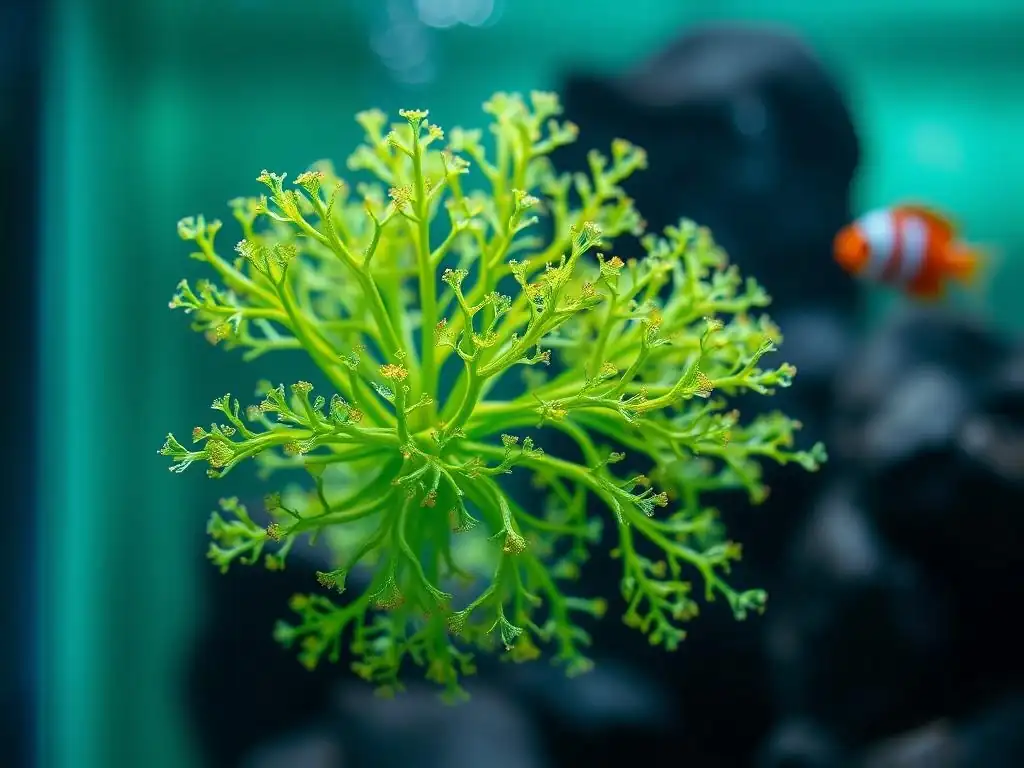
The initial step in Caulerpa propagation involves acquiring and preparing healthy starter fronds. Obtain your Caulerpa from a reputable source, ensuring it is vibrant green and free of any visible pests or nuisance algae. Once you have your culture, gently rinse it in clean saltwater to remove any loose detritus or debris. For propagation, you can use fragmentation: simply break or cut off healthy pieces of the Caulerpa runners or fronds. Each fragment should be at least 1-2 inches long to ensure it has enough energy reserves to establish itself.
Depending on the species and your setup, you can either allow the fragments to float freely in the refugium, or you can gently attach them to small pieces of live rock or frag plugs using a rubber band or reef-safe super glue. Attaching them can help prevent them from being swept away by the current and provides a stable base for the rhizoids to anchor, encouraging faster establishment and more efficient nutrient uptake. Ensure the attached pieces are placed in an area with adequate light and flow for optimal initial growth.
Creating the Ideal Environment for New Caulerpa Growth
Establishing the right environmental conditions is paramount for successful new Caulerpa growth and subsequent nutrient export. The water parameters in the propagation area should mirror those of a healthy reef tank: stable salinity between 1.024 and 1.026 specific gravity, a consistent temperature range of 75-78°F (24-25.5°C), and a pH level between 8.0 and 8.4. While Caulerpa thrives on nutrients, it's crucial that the main tank provides a consistent, albeit low, supply of nitrates (ideally 5-20 ppm) and phosphates (0.03-0.1 ppm) to fuel its growth.
Beyond chemical parameters, adequate water flow is essential. A gentle, laminar flow prevents detritus from settling on the fronds and ensures a constant supply of dissolved nutrients reaches the algae's surface for absorption. Avoid excessively strong flow, which can damage the delicate fronds. Finally, ensure the lighting chosen (as discussed previously) is correctly positioned and set to its reverse photoperiod, providing the necessary energy for the Caulerpa to actively photosynthesize and grow, thereby removing unwanted compounds from your aquarium water.
Monitoring Water Parameters: Ensuring Healthy Caulerpa Propagation
Consistent monitoring of water parameters is a critical aspect of ensuring healthy Caulerpa propagation and effective nutrient export. Regular testing of nitrates and phosphates in both the main display tank and the refugium will provide direct evidence of the Caulerpa's efficacy. Ideally, you should observe a noticeable reduction in these levels over time, indicating that the macroalgae is actively absorbing them. If nutrient levels remain stubbornly high despite robust Caulerpa growth, it may suggest an underlying issue with nutrient input or insufficient biomass.
Furthermore, monitoring alkalinity, calcium, and magnesium levels is also important. While Caulerpa primarily consumes nitrates and phosphates, it also utilizes trace elements like iron and iodine, and its rapid growth can subtly impact alkalinity. Observe the Caulerpa itself: healthy growth is characterized by vibrant green coloration and rapid expansion. Any signs of yellowing, browning, or melting indicate a problem, often related to nutrient starvation, sudden parameter shifts, or the algae "going sexual." Prompt identification and correction of these issues are vital for sustaining a thriving Caulerpa culture.
Maintaining Your Caulerpa Culture for Long-Term Nutrient Control
Regular Pruning: Controlling Caulerpa Growth and Preventing Sexual Reproduction
Regular pruning is perhaps the most critical maintenance task for any Caulerpa propagation aquarium beginners. Caulerpa is a fast-growing macroalgae, and if left unchecked, it can quickly outcompete other organisms for nutrients and space, potentially spreading into the main display tank.
More importantly, unpruned Caulerpa, especially when experiencing stress or nutrient depletion, has a tendency to "go sexual," releasing a milky white substance into the water. This process involves the entire plant converting its biomass into gametes, which can lead to a massive release of organic compounds and nutrients, potentially causing a dangerous ammonia spike and cloudy water that can devastate a reef tank.
To prevent this catastrophic event, it is crucial to harvest a portion of the Caulerpa biomass regularly, typically every one to two weeks, depending on its growth rate. Use clean scissors to cut off approximately 30-50% of the healthiest, most vigorous fronds. This not only keeps the Caulerpa in a vegetative state, preventing sexual reproduction, but also physically removes the absorbed nutrients from your aquarium system, completing the nutrient export cycle. Always dispose of the harvested biomass responsibly, never flushing it down a drain.
Nutrient Management: Balancing Caulerpa Needs with Aquarium Requirements
Effective nutrient management with Caulerpa involves a delicate balance: providing enough nutrients for the algae to thrive and export, but not so much that it overwhelms the system or leads to nutrient deficiencies in the Caulerpa itself. The goal is for the Caulerpa to consume the excess nitrates and phosphates generated by the main display tank's inhabitants. If the tank's nutrient levels (nitrate below 5 ppm, phosphate below 0.03 ppm) are consistently at zero, your Caulerpa may begin to starve and show signs of melt or stunted growth.
In such cases, it might be necessary to slightly increase nutrient input into the main tank, perhaps through slightly more generous feeding or by reducing other forms of nutrient export like chemical filtration (e.g., GFO). Conversely, if nutrient levels remain persistently high despite a robust Caulerpa culture, it indicates an imbalance where the nutrient input is simply too great for the existing Caulerpa biomass to handle. In this scenario, consider increasing the Caulerpa volume, optimizing its growth conditions, or addressing the source of excess nutrients in the main tank.
Preventing Caulerpa Takeover: Tips for Responsible Reefkeeping
While Caulerpa is an invaluable tool for nutrient control, its aggressive growth habit means that preventing a takeover is a constant consideration for responsible reefkeepers. The primary method of containment is to cultivate Caulerpa exclusively within a dedicated refugium or sump, physically separated from the main display tank. Ensure that the plumbing and flow patterns in your system are designed to prevent stray fragments from being carried into the display, where they can quickly anchor and spread across rockwork and sand.
Regular and diligent pruning, as discussed, is the most effective way to manage its biomass and prevent it from becoming too dense or stressed, which can trigger sexual reproduction and subsequent spore release. Additionally, periodically inspect your main display tank for any rogue Caulerpa fragments that might have escaped. If found, promptly remove them manually to prevent them from establishing a foothold. Adhering to these practices ensures that Caulerpa remains a beneficial ally in your reefkeeping endeavors, rather than a challenging invasive organism.
Troubleshooting Common Caulerpa Propagation Issues
Dealing with Caulerpa Melt: Identifying Causes and Solutions
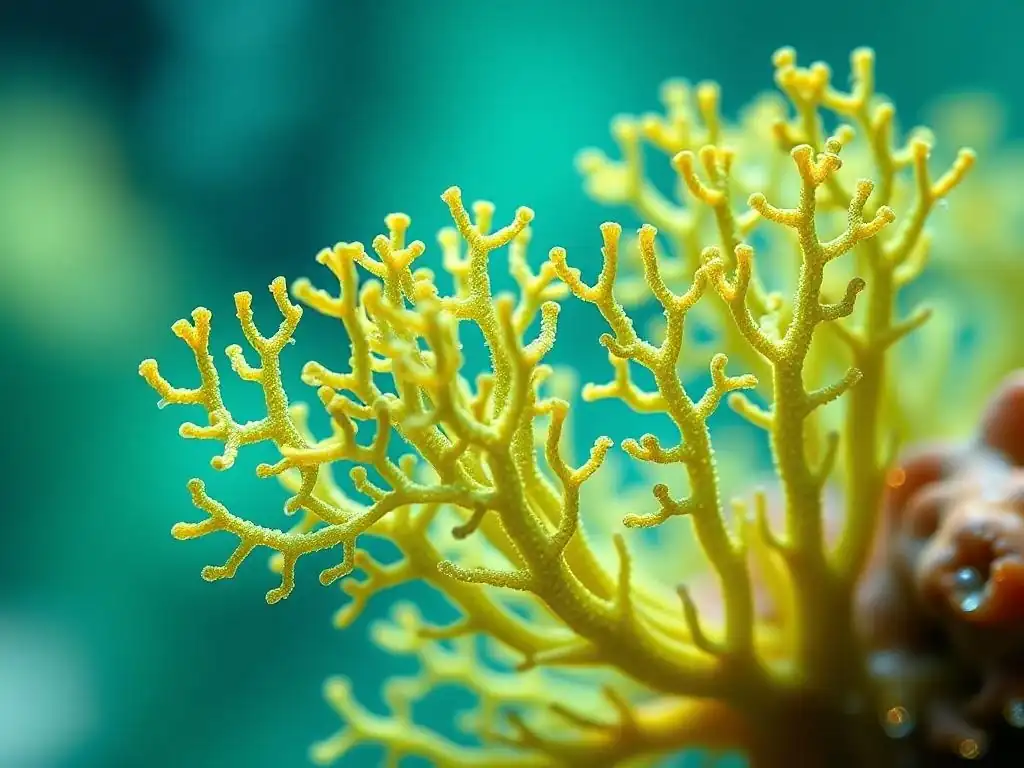
Caulerpa melt is a common and often alarming issue for Caulerpa propagation aquarium beginners, characterized by the algae turning pale, translucent, and eventually disintegrating into the water column. This phenomenon is typically a sign of severe stress and can be caused by several factors. The most frequent culprits include sudden shifts in water parameters (e.g., drastic salinity changes, temperature fluctuations), prolonged periods of nutrient starvation where the algae consumes all available nitrates and phosphates and then starves, or the plant "going sexual" and releasing its cellular contents.
To address Caulerpa melt, the first step is to thoroughly test all major water parameters, including salinity, temperature, pH, nitrates, and phosphates, to identify any anomalies. If nutrient levels are consistently undetectable, consider increasing nutrient input to the main tank slightly or introducing a small amount of a macroalgae-specific liquid fertilizer if your system is ultra-low nutrient.
Regular pruning is also crucial; old or stressed sections of Caulerpa are more prone to melting, and removing them encourages new, healthy growth. If the melt is due to sexual reproduction, immediate removal of the affected biomass and a large water change are necessary to mitigate the release of organics.
Addressing Nutrient Deficiencies in Your Caulerpa Culture
While Caulerpa's primary role is to export excess nutrients, it can also suffer from nutrient deficiencies if the aquarium water becomes too sterile. Symptoms of nutrient deficiency in Caulerpa typically include stunted growth, pale or yellowish coloration, and a general lack of vigor. The most common deficiencies are nitrates and phosphates, but trace elements like iron and iodine are also crucial for healthy macroalgae growth. Iron, in particular, is vital for chlorophyll production, and its deficiency often manifests as chlorosis (yellowing) of the fronds.
To remedy nutrient deficiencies, first confirm low levels through accurate water testing. If nitrates and phosphates are consistently near zero, consider slightly increasing feeding in your main display tank or reducing other forms of nutrient export like granular ferric oxide (GFO) or carbon dosing temporarily. For trace element deficiencies, targeted liquid supplements designed for reef tanks or macroalgae can be dosed according to manufacturer instructions.
However, exercise caution with dosing, as excessive amounts can lead to other problems in the main display tank. The goal is to provide just enough nutrients to sustain robust Caulerpa growth without allowing them to build up in the display.
Managing Pests Affecting Caulerpa Growth
Although Caulerpa is generally robust, it can occasionally fall prey to certain aquarium inhabitants that view it as a food source, hindering successful Caulerpa propagation. Common grazers include certain species of snails, such as some types of sea hares (e.g., Aplysia species), and various herbivorous crabs. Even some fish, particularly tangs or rabbitfish, if they manage to get into the refugium, might graze on the macroalgae. The presence of these grazers is often indicated by chewed or missing sections of the Caulerpa fronds.
The most effective strategy for managing pests is prevention. Cultivating Caulerpa in a dedicated refugium or sump that is isolated from the main display tank's inhabitants is key. Ensure that the plumbing for water return does not allow larger pests to migrate into the refugium.
If grazers are identified within the propagation area, manual removal is often the most straightforward solution. In some cases, introducing specific copepod or amphipod species can help maintain a healthy microfauna balance, but these typically do not consume Caulerpa itself. Regularly inspect your culture for any signs of damage or unwanted visitors to maintain a healthy and productive Caulerpa bed.
Sustainable Aquarium Practices: The Role of Caulerpa in Nutrient Cycling
Caulerpa as a Natural Nitrate and Phosphate Reducer
Caulerpa stands out as an exceptionally effective natural solution for managing nitrate and phosphate levels in saltwater aquariums, a cornerstone of sustainable reefkeeping. Unlike chemical filtration methods that absorb nutrients and eventually become saturated, Caulerpa actively incorporates these compounds into its biomass as it grows. For instance, a well-established bed of Caulerpa can process several milligrams per liter of nitrate and micrograms per liter of phosphate daily, depending on the volume of algae and the light intensity. This continuous uptake significantly reduces the potential for nuisance algae blooms and creates a more stable, healthier environment for corals and fish.
The biological process of nutrient assimilation by Caulerpa is far more sustainable than relying solely on chemical media, which require regular replacement and disposal. By physically removing the harvested Caulerpa biomass from the system, aquarists are performing true nutrient export, preventing the re-release of these compounds back into the water. This natural cycling mimics the processes found in wild reef ecosystems, where macroalgae play a vital role in maintaining water quality and supporting biodiversity, making Caulerpa propagation an eco-conscious choice for aquarium beginners.
Integrating Caulerpa into Your Reef Tank Ecosystem
Integrating Caulerpa into a reef tank ecosystem is best achieved through the use of a refugium, a dedicated compartment typically located in the sump. This setup allows the Caulerpa to grow vigorously without being grazed by herbivorous fish or corals in the main display tank. The refugium acts as a biological filter, constantly drawing nutrient-rich water from the main tank, processing it through the Caulerpa bed, and then returning nutrient-depleted water. This continuous exchange contributes significantly to overall water quality stability.
Beyond direct nutrient export, a thriving Caulerpa bed within a refugium enhances the entire aquarium ecosystem. It provides a protected breeding ground for beneficial microfauna like copepods and amphipods, which then populate the main display tank, serving as a natural food source for many corals, mandarins, and other fish. This enrichment of the food web contributes to healthier, more vibrant inhabitants and a more resilient system. The strategic placement and controlled growth of Caulerpa ensure it supports, rather than competes with, the delicate balance of the reef tank.
Responsible Disposal of Excess Caulerpa Biomass: Composting Options
The responsible disposal of excess Caulerpa biomass is an often-overlooked but critically important aspect of sustainable Caulerpa propagation. Given that some Caulerpa species, like C. taxifolia, are highly invasive in natural marine environments outside their native range, it is absolutely paramount that harvested Caulerpa never enters natural waterways. Flushing it down a toilet or disposing of it in a storm drain could introduce a non-native species into an ecosystem where it has no natural predators, potentially causing severe ecological damage.
The most environmentally sound method for disposing of excess Caulerpa is to compost it. The harvested algae are rich in nutrients and organic matter, making them an excellent addition to a garden compost pile. Simply add the Caulerpa fronds to your existing compost, ensuring they are well mixed with other organic materials.
If composting is not an option, the next best alternative is to place the Caulerpa in a sealed plastic bag and dispose of it with regular household waste, destined for a landfill. This prevents any possibility of viable fragments reaching a natural water body and underscores the commitment of Caulerpa propagation aquarium beginners to responsible environmental stewardship.
Advanced Caulerpa Cultivation Techniques
Implementing a Refugium for Enhanced Caulerpa Propagation
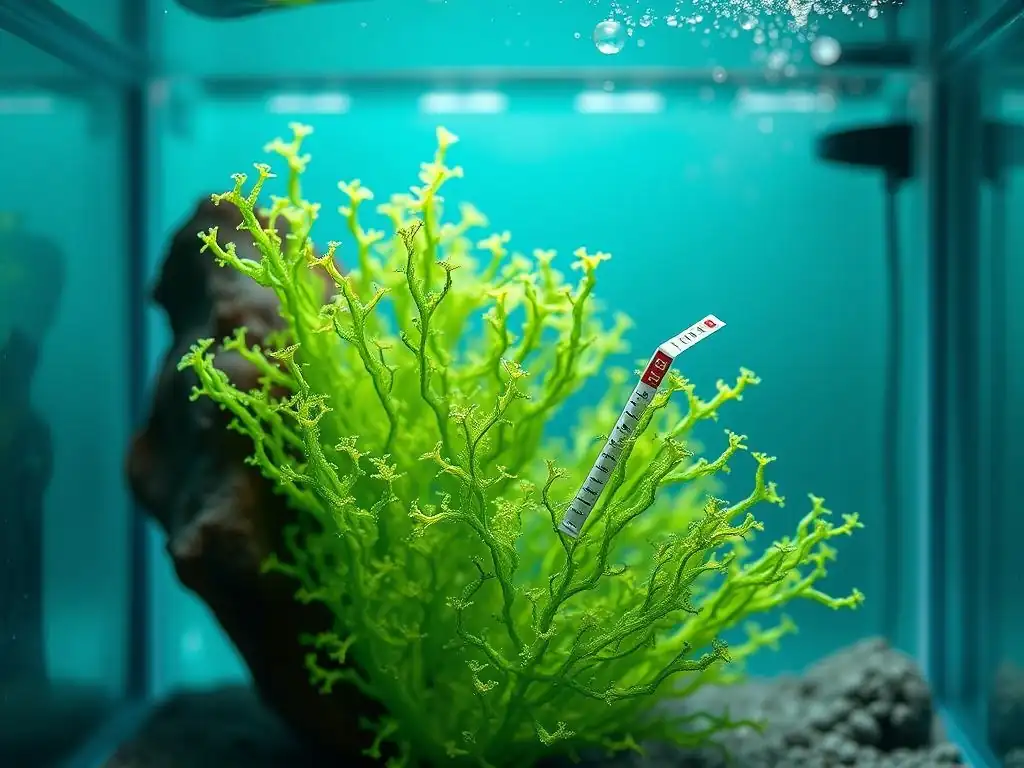
Implementing a well-designed refugium is arguably the most effective advanced technique for enhanced Caulerpa propagation and nutrient export. A refugium provides a dedicated, protected space where Caulerpa can grow unhindered by grazers or strong currents from the main display tank. This isolation allows for the cultivation of a much larger biomass of macroalgae than would be possible directly in the display, significantly increasing the system's capacity for nutrient removal. The continuous flow of water from the main tank through the refugium ensures a constant supply of nutrients to the Caulerpa.
For optimal performance, the refugium should be plumbed to receive water directly from the main tank's overflow and return it to the sump's return pump section, creating a consistent flow rate, typically around 5-10 times the refugium's volume per hour. A separate lighting fixture, often on a reverse daylight cycle, ensures maximum photosynthetic activity and pH stabilization during the main tank's dark period. Different refugium designs exist, from in-sump compartments to hang-on-back units, each offering varying degrees of space and ease of integration for robust Caulerpa propagation.
Utilizing Algae Scrubbers with Caulerpa
While Caulerpa itself is a powerful nutrient export tool, advanced aquarists sometimes utilize it in conjunction with other methods, such as algae scrubbers, to create a comprehensive nutrient management strategy. An algae scrubber operates by cultivating nuisance algae (typically turf algae) on a textured screen, which then absorbs nitrates and phosphates from the water. While an algae scrubber specifically targets turf algae, Caulerpa can complement its function by providing additional surface area for beneficial bacteria and microfauna, or by targeting different forms of dissolved organic compounds.
Integrating Caulerpa alongside an algae scrubber means you have two distinct biological filtration methods working in parallel. The scrubber effectively deals with fast-growing turf algae, which are highly efficient at nutrient uptake, while the Caulerpa provides the benefits of macroalgae, such as habitat for copepods and greater stability in pH. This dual approach can offer a more robust and resilient nutrient control system, ensuring that even under varying nutrient loads, your aquarium maintains optimal water quality. However, it's essential to monitor nutrient levels carefully to prevent over-stripping the water.
Optimizing Water Flow for Maximum Nutrient Uptake by Caulerpa
Optimizing water flow within the Caulerpa propagation area is a subtle yet crucial advanced technique for maximizing its nutrient uptake efficiency. Insufficient water flow can lead to "dead spots" where nutrients become depleted around the Caulerpa fronds, hindering growth. Stagnant water also allows detritus to settle on the algae, blocking light and potentially causing decay. Conversely, excessively strong or turbulent flow can stress the Caulerpa, causing it to detach from its substrate or even tear its delicate fronds, leading to melt.
The ideal water flow for Caulerpa is typically gentle to moderate and laminar, ensuring a consistent delivery of nutrient-rich water to every part of the algae. A flow rate that cycles the refugium's volume approximately 5 to 10 times per hour is a good starting point. This ensures that fresh, nutrient-laden water is constantly passing over the Caulerpa, allowing for continuous absorption of nitrates, phosphates, and other dissolved organics. Positioning a small, adjustable powerhead strategically within the refugium can help achieve the desired laminar flow, preventing both stagnation and excessive turbulence for optimal Caulerpa growth.
Conclusion: Mastering Caulerpa Propagation for a Healthy Aquarium
Key Takeaways for Successful Caulerpa Cultivation
Mastering Caulerpa propagation for aquarium beginners boils down to a few fundamental principles that ensure its success as a natural nutrient export tool. Firstly, establishing a dedicated refugium or propagation area is crucial, providing a controlled environment away from grazers and strong currents. Secondly, providing the correct lighting – specifically within the blue and red spectrums for 10-12 hours on a reverse photoperiod – is paramount for driving robust photosynthetic growth. Thirdly, consistent water parameters, mirroring those of a healthy reef tank, are essential for the algae's vitality.
Finally, the most critical ongoing practice is regular pruning. This not only controls the Caulerpa's aggressive growth but also actively removes the absorbed nutrients from the system, completing the nutrient export cycle. Pruning also prevents the Caulerpa from "going sexual," which can release harmful organics into the tank. By diligently adhering to these practices, Caulerpa propagation aquarium beginners can harness the power of this remarkable macroalgae to maintain stable, low-nutrient conditions, fostering a healthier and more vibrant reef aquarium.
The Future of Caulerpa in Sustainable Reefkeeping
The role of Caulerpa in sustainable reefkeeping is poised to become even more significant as aquarists increasingly seek natural, biologically driven solutions for their systems. As the hobby evolves towards more eco-conscious practices, the ability of Caulerpa to naturally reduce nitrates and phosphates without reliance on disposable chemical media makes it an invaluable asset. Its contribution to creating a more balanced, self-sustaining aquarium ecosystem, by providing habitat for beneficial microfauna and stabilizing water chemistry, aligns perfectly with the principles of long-term sustainability.
For Caulerpa propagation aquarium beginners, understanding and implementing these techniques offers a powerful method for achieving pristine water quality and fostering a thriving reef environment. The future of reefkeeping will likely see a greater emphasis on integrated biological filtration, where macroalgae like Caulerpa play a central role. By embracing responsible cultivation and disposal practices, aquarists can ensure that Caulerpa remains a beneficial and environmentally sound component of their aquatic endeavors, contributing to healthier tanks and a more sustainable hobby.
Frequently Asked Questions
How does Caulerpa propagation benefit a beginner's aquarium?
Caulerpa propagation allows beginners to manage excess nutrients like nitrates and phosphates, contributing to a healthier aquarium environment. It's a natural filtration method, reducing reliance on chemical solutions and promoting water quality.
What are the basic steps involved in Caulerpa propagation for beginners?
The basic steps include selecting a healthy Caulerpa sample, providing proper lighting and water parameters, and carefully fragmenting the algae. Ensure adequate water flow and monitor for excessive growth to prevent issues.
What specific water parameters are crucial for successful Caulerpa propagation in an aquarium?
Maintaining stable salinity (1.023-1.026 SG), appropriate temperature (72-78°F), and sufficient lighting are crucial. Regular testing and adjustments of these parameters are vital for Caulerpa health.
What are the potential downsides of Caulerpa growth in an aquarium, and how can beginners manage them?
Caulerpa can sometimes grow excessively and become invasive, known as a "Caulerpa crash," releasing nutrients back into the water. Beginners should regularly trim the algae and prevent it from spreading uncontrollably.
How does Caulerpa propagation contribute to sustainable nutrient management in a beginner's aquarium?
Caulerpa effectively absorbs excess nutrients from the water, reducing the need for frequent water changes and minimizing the buildup of harmful substances. This promotes a balanced ecosystem and reduces the risk of algae blooms.
Final Reflection: Cultivating Balance in Our Aquatic Worlds
The journey into Caulerpa propagation for aquarium beginners underscores a powerful truth: even seemingly simple ecosystems require careful understanding and responsible stewardship. Today, as we grapple with the impact of nutrient imbalances in our natural waterways, the lessons learned from managing a small aquarium become increasingly relevant. The ability to control and harness the growth of Caulerpa, a natural nutrient sink, offers a microcosm of the larger challenges and opportunities we face in preserving aquatic health on a global scale.
This exploration of Caulerpa propagation has not only provided practical techniques but has also highlighted the profound connection we share with the delicate balance of aquatic life. The act of nurturing and controlling this algae, observing its growth, and understanding its role in nutrient cycling, fosters a deeper appreciation for the intricate web of life that sustains us all. In nature, nothing exists alone.
- Rachel Carson. This quote perfectly encapsulates the interconnectedness that Caulerpa propagation helps us understand, reminding us that our actions, however small, ripple outwards.
As you embark on your own Caulerpa propagation journey, remember that you are not just tending to an aquarium; you are becoming a steward of a miniature ecosystem. Take the knowledge you've gained, the techniques you've learned, and the appreciation you've cultivated, and apply them to a broader understanding of environmental responsibility. Consider how you can further reduce your environmental footprint and contribute to the health of our planet's precious aquatic resources. Let the controlled growth of Caulerpa in your aquarium inspire a commitment to cultivating balance in the world around you.
Unleash the Power of Caulerpa: Start Growing Today!
Thanks for exploring the world of Caulerpa with us! We hope you’ve found this guide helpful in understanding how this fascinating macroalgae can contribute to a healthier and more sustainable aquarium. Now, it's time to put that knowledge into action and experience the benefits firsthand.
Ready to take the next step? Here are a few ways to get started:
- Begin your own Caulerpa propagation experiment. Dedicate a small refugium space and carefully monitor the growth and nutrient uptake.
- Explore alternative macroalgae options for nutrient control and share your experiences with the Aquarium Mastery community.
- Dive deeper into advanced aquarium husbandry techniques by researching innovative filtration methods.
What unexpected challenges do you anticipate facing as you start cultivating Caulerpa, and how might you creatively address them?