
Chaeto vs. Caulerpa vs. Gracilaria: Which Macroalgae is Best for Your Saltwater Setup?

Welcome to Aquarium Mastery!
Curious about creating the perfect saltwater haven? We're diving deep into the world of macroalgae, starting with a burning question: Chaeto vs. Caulerpa vs. Gracilaria: Which macroalgae reigns supreme for your saltwater setup? Discover the pros and cons of each, and unlock the secrets to a thriving, vibrant aquarium. Ready to grow? Let's get started!
- Introduction: Choosing the Right Macroalgae for Your Saltwater Aquarium
- Understanding Macroalgae in Saltwater Aquariums: Benefits and Functions
- Chaetomorpha (Chaeto): The Popular Refugium Algae
- Caulerpa: Fast-Growing and Controversial Macroalgae
- Gracilaria: A Palatable and Beneficial Macroalgae Option
- Chaeto vs. Caulerpa vs. Gracilaria: A Detailed Comparison Table
- Selecting the Best Macroalgae for Your Specific Saltwater Setup Needs
- Tips for Successfully Growing Macroalgae in Your Saltwater Aquarium
- Conclusion: Making an Informed Decision on Macroalgae for Your Saltwater Tank
-
Frequently Asked Questions
- What are the primary benefits of using macroalgae in a saltwater aquarium?
- How do Chaetomorpha (Chaeto), Caulerpa, and Gracilaria differ in their growth habits?
- Which of these macroalgae is generally considered the least risky in terms of potential tank problems?
- Which macroalgae is most effective at nutrient export, specifically nitrate and phosphate removal?
- Is Caulerpa really as bad as some aquarists claim, and under what circumstances might it be a suitable choice?
- Final Reflection: Cultivating Balance in Our Reefs
- Fuel Your Reef: Start Your Macroalgae Journey!
Introduction: Choosing the Right Macroalgae for Your Saltwater Aquarium
Choosing the ideal macroalgae for a saltwater aquarium is a pivotal decision for any aquarist aiming for a thriving, stable ecosystem. Macroalgae, often referred to as "nutrient sponges," play a crucial role in maintaining water quality and providing a natural environment for various marine organisms. This article delves into a detailed comparison of three popular macroalgae types: Chaetomorpha, Caulerpa, and Gracilaria, helping you determine the best macroalgae for your saltwater setup based on your specific tank goals and maintenance preferences.
Understanding Macroalgae in Saltwater Aquariums: Benefits and Functions
Macroalgae are a diverse group of marine plants that offer significant ecological benefits to captive saltwater environments. Beyond their aesthetic appeal, these organisms are vital for nutrient cycling, habitat creation, and overall water stability, making them an indispensable component for many successful reef and fish-only aquariums. Integrating the best macroalgae for a saltwater setup can dramatically improve the health and longevity of your aquatic inhabitants.
The Role of Macroalgae in Nutrient Control
Macroalgae are exceptionally efficient at absorbing excess nutrients, primarily nitrates and phosphates, from the water column. In a typical saltwater aquarium, fish waste, uneaten food, and decaying organic matter break down, leading to an accumulation of these undesirable compounds. High levels of nitrates (e.g., above 10-20 ppm) and phosphates (e.g., above 0.03 ppm) can fuel nuisance algae blooms, stress corals, and negatively impact fish health. By actively competing with nuisance algae for these nutrients, macroalgae help to keep them at bay.
For instance, a well-established refugium with a dense bed of macroalgae can effectively reduce nitrate levels from 20 ppm to less than 5 ppm over a few weeks, depending on the bioload and feeding regimen. This biological filtration mechanism is a cornerstone of advanced aquarium husbandry, providing a natural and sustainable method for maintaining pristine water parameters without relying solely on chemical filtration or frequent large water changes. Regular harvesting of the macroalgae biomass removes the absorbed nutrients from the system, completing the nutrient export cycle.
Macroalgae as a Natural Refuge for Small Organisms
Beyond their nutrient-scrubbing capabilities, macroalgae beds provide an invaluable refuge and breeding ground for a host of beneficial microfauna, including copepods and amphipods. These small crustaceans are essential components of the reef aquarium food web, serving as a natural food source for many corals, invertebrates, and even some fish species like mandarinfish and dragonets. A thriving copepod population is often indicative of a healthy and balanced ecosystem.
The intricate structures of macroalgae, such as the tangled strands of Chaetomorpha or the bushy forms of Gracilaria, offer protection from predation, allowing these micro-organisms to reproduce and flourish. This continuous supply of live food not only benefits tank inhabitants but also contributes to the overall biodiversity and stability of the aquarium. Many aquarists find that maintaining a robust pod population through macroalgae cultivation is key to the long-term success of their reef aquarium setup.
Enhancing Water Quality with Macroalgae: A Biological Filter
The active photosynthesis performed by macroalgae contributes significantly to overall water quality by consuming carbon dioxide and releasing oxygen into the water. This process helps to stabilize pH levels, particularly during the night when the tank's inhabitants (fish, corals, bacteria) consume oxygen and release CO2, which can cause pH to drop. A stable pH, typically between 8.0 and 8.4, is crucial for the health and calcification of corals and other calcifying organisms.
Furthermore, macroalgae act as a living biological filter, supporting a diverse community of beneficial bacteria that aid in the nitrification and denitrification processes. While their primary role is nutrient absorption, the complex surface area they provide offers ample space for these bacteria to colonize, further enhancing the breakdown of ammonia and nitrites into less harmful nitrates. This multi-faceted contribution to water quality solidifies macroalgae's position as a cornerstone in designing the best macroalgae saltwater setup.
Chaetomorpha (Chaeto): The Popular Refugium Algae
Chaetomorpha linum, commonly known as Chaeto, is arguably the most popular macroalgae choice for saltwater refugiums due to its non-invasive nature and effective nutrient export capabilities. Its ease of maintenance and predictable growth pattern make it an excellent option for beginners and experienced aquarists alike looking for the best macroalgae saltwater setup.
Chaeto Characteristics and Growth Habits
Chaeto is characterized by its spaghetti-like, tangled strands that form a dense, filamentous ball. Unlike many other macroalgae, it does not attach to substrates or rockwork with holdfasts, making it incredibly easy to manage and harvest. This free-floating growth habit is a significant advantage, as it prevents it from overgrowing other areas of the display tank. Its color typically ranges from light to dark green, depending on lighting and nutrient availability.
Under optimal conditions, Chaeto exhibits a moderate growth rate, typically increasing its biomass by approximately 10-20% per week in a well-lit refugium with sufficient nutrients. This consistent growth allows for regular harvesting, which is crucial for nutrient export. A typical Chaeto ball in a 20-gallon refugium might require trimming every 1-2 weeks, removing about 25-50% of its volume to sustain efficient nutrient uptake. Its robust nature makes it resilient to minor fluctuations in water parameters, contributing to its widespread adoption.
Benefits of Using Chaeto in a Saltwater Refugium
The primary benefit of using Chaeto in a saltwater refugium is its exceptional ability to absorb nitrates and phosphates without posing a risk of invasive growth or "going sexual" (releasing spores and decaying, which can pollute the tank). Its non-invasive nature means it won't take over the main display tank, unlike some other macroalgae species. This predictability offers peace of mind to aquarists, especially those with delicate reef systems.
Furthermore, the dense, intricate structure of a Chaeto ball provides an ideal habitat for the proliferation of copepods and amphipods. These micro-crustaceans thrive within the protected environment of the Chaeto, reproducing rapidly away from the predation of fish in the main display tank. This continuous supply of live food can then be periodically released into the display tank, providing a natural and nutritious supplement for corals, mandarinfish, and other inhabitants, making it a strong contender for the best macroalgae saltwater setup.
Maintaining Chaeto: Lighting, Flow, and Nutrients
Maintaining Chaeto is relatively straightforward, requiring specific conditions to optimize its growth and nutrient absorption. For lighting, Chaeto thrives under moderate intensity LED or fluorescent lights in the 6500K to 10000K spectrum, with a PAR (Photosynthetically Active Radiation) value typically ranging from 50 to 100 µmol/m²/s. A common practice is to run the refugium light on a reverse photoperiod (e.g., 12-18 hours during the tank's dark cycle) to help stabilize pH and provide continuous nutrient uptake.
Adequate water flow is also crucial for Chaeto. While it doesn't need turbulent flow, a gentle tumbling motion created by a small powerhead ensures that all parts of the Chaeto ball are exposed to light and nutrient-rich water, preventing detritus from accumulating within its strands.
Although Chaeto primarily consumes nitrates and phosphates, it also requires trace elements like iron, manganese, and iodine for optimal health. Regular water changes typically replenish these, but in heavily planted refugiums or systems with very low nutrient levels, occasional dosing of a comprehensive trace element supplement might be beneficial to ensure it remains the best macroalgae for a saltwater setup.
Potential Drawbacks of Chaeto
While Chaeto is highly regarded, it does have a few minor drawbacks. Its growth rate, though consistent, is generally slower compared to some other aggressive macroalgae like Caulerpa. This means that in systems with extremely high nutrient loads, Chaeto might struggle to keep up with nutrient export on its own, potentially requiring larger quantities or more frequent harvesting. For example, a 100-gallon tank with a heavy bioload might need a refugium containing 10-15 gallons of dense Chaeto to effectively manage nutrients.
Another consideration is its tendency to trap detritus within its dense structure. If not adequately tumbled or cleaned periodically, this accumulated detritus can break down and release nutrients back into the water, counteracting the benefits of the Chaeto. Regular manual agitation or ensuring sufficient flow through the Chaeto mass can mitigate this issue. Despite these points, its overall reliability and safety make it a top choice for the best macroalgae saltwater setup.
Caulerpa: Fast-Growing and Controversial Macroalgae
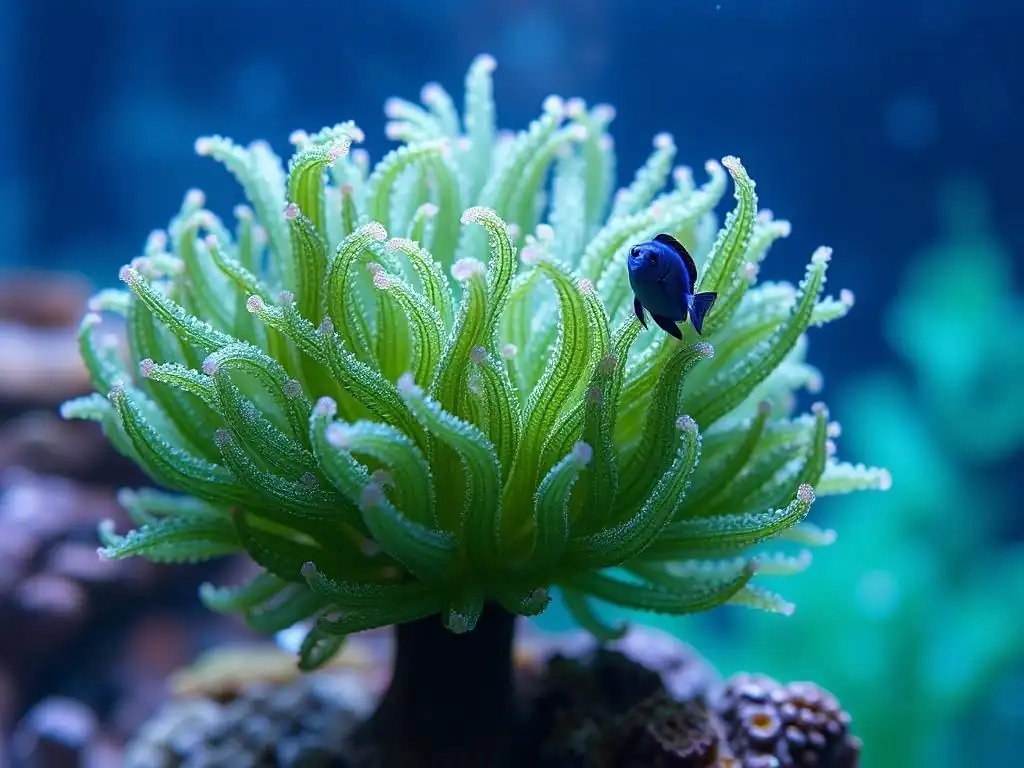
Caulerpa is a genus of macroalgae known for its rapid growth and diverse forms, making it an attractive option for nutrient export in saltwater aquariums. However, its widespread use is often accompanied by significant controversy due to its invasive potential and unique reproductive strategy, prompting careful consideration for any aquarist seeking the best macroalgae for a saltwater setup.
Caulerpa Characteristics and Growth Habits
Caulerpa species exhibit a wide variety of forms, from fern-like fronds ( Caulerpa taxifolia, Caulerpa prolifera) to grape-like clusters ( Caulerpa racemosa). Unlike Chaeto, Caulerpa typically grows by sending out rhizoids (root-like structures) that attach to rockwork or substrate, from which vertical fronds emerge. This growth habit means it can spread aggressively across surfaces, potentially outcompeting corals and other sessile invertebrates if not meticulously managed.
Under optimal conditions, Caulerpa can achieve incredibly rapid growth rates, often doubling its biomass in as little as 3-7 days, particularly species like C. taxifolia or C. prolifera. This aggressive growth is a double-edged sword: while it translates to highly efficient nutrient export, it also necessitates vigilant trimming to prevent it from overrunning the aquarium. Its vibrant green coloration can also be quite appealing in a display setting.
Benefits of Using Caulerpa for Nutrient Export
The primary advantage of Caulerpa is its unparalleled efficiency in nutrient uptake and export. Its rapid growth directly correlates with its ability to quickly absorb large quantities of nitrates and phosphates from the water column. In a system with persistent high nutrient levels, Caulerpa can significantly outperform slower-growing macroalgae in bringing parameters down to desirable levels. For example, a dense patch of Caulerpa in a 50-gallon tank has been observed to reduce nitrate levels by over 70% within a week, provided it is regularly harvested.
This makes Caulerpa a powerful tool for aquarists dealing with heavily stocked tanks or those experiencing chronic nuisance algae issues. Its fast growth also means that substantial biomass can be harvested frequently, ensuring continuous removal of absorbed nutrients from the system. When managed correctly, Caulerpa can be a highly effective component of the best macroalgae saltwater setup for nutrient control.
The Risk of Caulerpa Proliferation and "Going Sexual"
Despite its benefits, Caulerpa carries significant risks, primarily its potential for invasive proliferation and a phenomenon known as "going sexual" or "spiking." Caulerpa species are known to be highly invasive in natural marine environments globally, famously exemplified by the spread of Caulerpa taxifolia in the Mediterranean Sea, where it outcompeted native seagrasses and algae. In an enclosed aquarium, this invasiveness translates to it potentially smothering corals and other sessile invertebrates if not rigorously controlled.
"Going sexual" is a unique reproductive strategy where the entire Caulerpa colony releases its gametes (spores) into the water column. This event is often triggered by sudden changes in photoperiod, temperature fluctuations, or nutrient depletion. When Caulerpa goes sexual, the plant essentially "melts" or disintegrates, releasing a milky substance and dumping all its stored nutrients (nitrates, phosphates, and organic compounds) back into the aquarium water. This sudden nutrient spike can be devastating for a reef tank, leading to severe nuisance algae blooms, coral stress, and even fish deaths due to rapid shifts in water chemistry and oxygen depletion.
Controlling Caulerpa Growth in a Saltwater Tank
Controlling Caulerpa growth requires consistent effort and a proactive approach to mitigate its invasive tendencies and the risk of it "going sexual." Regular and aggressive trimming is paramount. Aquarists must manually remove significant portions of the Caulerpa biomass every few days to once a week, depending on its growth rate, before it has a chance to spread too widely or become stressed. It's crucial to remove all trimmed pieces from the aquarium immediately to prevent them from re-establishing elsewhere.
Maintaining stable water parameters and a consistent photoperiod in the refugium or display tank can help reduce the likelihood of Caulerpa going sexual. Avoid sudden light changes, prolonged darkness, or significant temperature swings. Some aquarists also employ herbivorous fish like tangs or rabbitfish in the display tank to graze on Caulerpa, though this is not a foolproof method of control and may not be suitable for all reef setups. For those seeking the best macroalgae saltwater setup with minimal risk, Caulerpa demands careful consideration.
Caulerpa Species Overview: Caulerpa Taxifolia
Among the many species of Caulerpa, Caulerpa taxifolia stands out due to its notoriety as a highly invasive species. Originally cultivated for aquarium use, a cold-tolerant strain escaped into the Mediterranean Sea in the 1980s and has since become a significant environmental threat, outcompeting native marine flora. This particular species is characterized by its bright green, fern-like fronds that can grow quite long, often exceeding 10-15 inches in length under optimal conditions.
In the aquarium hobby, while some strains are still available, the risks associated with C. taxifolia (and indeed, many Caulerpa species) have led many aquarists and responsible vendors to opt for safer alternatives like Chaeto. Its rapid proliferation and the severe environmental consequences of its accidental release have made it a controversial choice, especially for those prioritizing long-term stability and ecological responsibility in their best macroalgae saltwater setup.
Gracilaria: A Palatable and Beneficial Macroalgae Option
Gracilaria is a genus of red macroalgae that offers a compelling blend of aesthetic appeal, nutrient export capabilities, and nutritional value, making it an excellent choice for a variety of saltwater aquarium setups. Its diverse forms and palatability to herbivorous fish distinguish it from other common macroalgae, potentially making it the best macroalgae for a saltwater setup that includes grazers.
Gracilaria Characteristics and Growth Habits
Gracilaria species exhibit a wide range of appearances, from delicate, branching filaments to thick, bushy clumps. Colors typically range from vibrant reds and purples to olive green, depending on the species and lighting conditions. Unlike Caulerpa, most Gracilaria species are less invasive and tend to grow in more contained clumps, often attaching to rockwork with small holdfasts or simply resting on the substrate. A popular variety, Gracilaria parvispora (Red Bush or Ogo), forms dense, intricate structures.
The growth rate of Gracilaria is generally moderate, comparable to or slightly faster than Chaeto, but significantly slower and less aggressive than Caulerpa. Under good lighting and stable parameters, Gracilaria can add several inches of growth per week, making it an effective, yet manageable, option for nutrient export. Its less invasive nature means it requires less frequent and less aggressive trimming compared to Caulerpa.
Benefits of Using Gracilaria in a Saltwater Aquarium
Gracilaria offers several distinct advantages for saltwater aquariums. Firstly, it is an efficient nutrient exporter, actively absorbing nitrates and phosphates from the water column, similar to other beneficial macroalgae. Its robust structure also provides a good habitat for copepods and other microfauna, though perhaps not as densely as Chaeto.
Secondly, and uniquely among the three discussed, many Gracilaria species are highly palatable to a wide range of herbivorous fish. This dual benefit of nutrient export and live food source makes it particularly attractive for tanks housing tangs, rabbitfish, and certain angelfish, which constantly graze on algae. This natural grazing behavior can help keep the Gracilaria in check and supplement the fish's diet, contributing to their health and natural behaviors. Its vibrant coloration also adds an aesthetic appeal to refugiums or even display tanks.
Gracilaria as a Food Source for Herbivorous Fish
One of the most significant benefits of incorporating Gracilaria into your saltwater setup is its role as a natural, nutritious food source for herbivorous marine fish. Species such as Yellow Tangs ( Zebrasoma flavescens), Kole Tangs ( Ctenochaetus strigosus), Foxface Rabbitfish ( Siganus vulpinus), and even some dwarf angelfish readily graze on Gracilaria. This continuous grazing provides essential roughage and nutrients that are vital for the digestive health and overall well-being of these fish.
Offering Gracilaria directly from the tank environment mimics their natural foraging behavior, reducing aggression and stress associated with feeding time. It can also help to prevent head and lateral line erosion (HLLE) and other nutritional deficiencies often seen in captive herbivores. Aquarists often supplement their fish's diet with dried nori, but fresh Gracilaria offers a superior, live alternative. For those seeking the best macroalgae saltwater setup that doubles as a food source, Gracilaria is an excellent choice.
Maintaining Gracilaria: Lighting, Flow, and Nutrients
Maintaining Gracilaria for optimal health and growth requires attention to lighting, water flow, and nutrient availability. Gracilaria generally prefers moderate to high-intensity lighting, with a spectrum ranging from 6500K to 10000K, and PAR values typically between 80-150 µmol/m²/s. Adequate light is crucial for its vibrant coloration and robust growth. Like Chaeto, a reverse photoperiod in a refugium can be beneficial for pH stability.
Good water flow is also important to prevent detritus accumulation within its branches and to ensure consistent delivery of nutrients. A gentle to moderate flow is usually sufficient. While Gracilaria efficiently absorbs nitrates and phosphates, it also benefits from the presence of trace elements, particularly iron, which enhances its red pigmentation and overall vitality. In systems with very low nutrient levels, or those where Gracilaria is heavily grazed, occasional supplementation of liquid iron and other trace elements can be beneficial to sustain its health and growth, making it a viable contender for the best macroalgae for a saltwater setup.
Different Gracilaria Species and Their Uses: Gracilaria Hayi
The genus Gracilaria encompasses numerous species, each with unique characteristics and suitability for various aquarium applications. One popular and visually striking species is Gracilaria hayi, often marketed as "Red Ogo" or "Red Gracilaria." This species typically forms bushy, highly branched structures with a vibrant red to purplish coloration, making it a highly desirable addition to both refugiums and display tanks for its aesthetic appeal.
Gracilaria hayi is particularly valued for its palatability to herbivorous fish, making it an excellent live food source. Its denser structure also provides good hiding spots for copepods and other microfauna. Other notable species include Gracilaria parvispora (Red Bush), which has a coarser, more rigid texture, and various green Gracilaria species, though the red varieties are generally more common in the hobby. The diverse forms within the Gracilaria genus allow aquarists to select the best macroalgae for a saltwater setup based on specific needs, whether for nutrient export, aesthetics, or as a food source.
Chaeto vs. Caulerpa vs. Gracilaria: A Detailed Comparison Table
When selecting the best macroalgae for a saltwater setup, a side-by-side comparison of Chaetomorpha, Caulerpa, and Gracilaria is essential. Each offers distinct advantages and disadvantages concerning growth, nutrient uptake, maintenance, and potential risks, directly impacting their suitability for different aquarium environments.
| Feature | Chaetomorpha (Chaeto) | Caulerpa | Gracilaria |
|---|---|---|---|
| Growth Habit | Free-floating, tangled ball | Attached rhizoids, spreading | Attached or free-floating, bushy/branching |
| Primary Color | Green | Various shades of green | Red, purple, green (species dependent) |
| Nutrient Export | High, consistent | Very High, rapid | High, consistent |
| Risk of Proliferation | Very Low (non-invasive) | High (invasive, can "go sexual") | Low (less invasive than Caulerpa) |
| Pod Habitat | Excellent (dense, non-toxic) | Good (can be toxic if "goes sexual") | Good (provides structure) |
| Palatability to Fish | Low (generally not eaten by fish) | Low (generally not eaten by fish) | High (readily consumed by herbivores) |
| Maintenance | Easy (regular harvesting) | High (frequent, aggressive trimming; risk management) | Moderate (regular harvesting) |
| Refugium Suitability | Excellent (gold standard) | Good (with careful management) | Good |
| Display Tank Suitability | Low (aesthetic, can trap detritus) | High (aesthetic, but high risk of overgrowth) | Moderate to High (aesthetic, food source, less invasive) |
Growth Rate Comparison
The growth rates of these three macroalgae vary significantly, impacting how quickly they can process nutrients and how frequently they require harvesting. Caulerpa species are renowned for their exceptionally rapid growth, often doubling their biomass within a week under optimal conditions. This aggressive growth allows for very efficient nutrient export but demands constant monitoring and frequent, often daily, trimming in smaller systems. Without diligent management, Caulerpa can quickly overwhelm an aquarium.
In contrast, Chaetomorpha exhibits a moderate and more predictable growth rate, typically increasing by 10-20% weekly. This steady growth makes it easier to manage and less likely to cause sudden nutrient swings. Gracilaria generally falls between Chaulerpa and Chaetomorpha in terms of growth speed, with some species growing moderately fast while others are slower. For instance, a Gracilaria parvispora bush might grow several inches per week, requiring weekly or bi-weekly trimming. The choice here depends on the urgency of nutrient removal and the aquarist's willingness to commit to maintenance.
Nutrient Uptake Comparison
All three macroalgae are effective at absorbing nitrates and phosphates, but their efficiency and capacity differ. Caulerpa, due to its rapid growth, has an incredibly high nutrient uptake rate. It can quickly strip the water of available nitrates and phosphates, making it an attractive option for systems struggling with very high nutrient levels, potentially reducing nitrates from 30 ppm to under 5 ppm in a matter of days with sufficient biomass. However, this high uptake can also lead to nutrient depletion and trigger the "going sexual" event if not managed carefully.
Chaetomorpha offers a robust and consistent nutrient uptake. While not as explosively fast as Caulerpa, its steady absorption capabilities make it highly reliable for long-term nutrient control, preventing spikes and maintaining stable parameters over time. It is particularly effective in dedicated refugiums. Gracilaria also demonstrates high nutrient uptake capabilities, comparable to Chaeto in terms of efficiency. Its consistent growth and nutrient absorption, combined with its palatability to fish, make it a well-rounded choice for maintaining low nutrient levels in a diverse reef or fish-only setup.
Maintenance Requirements Comparison
The maintenance requirements for each macroalgae type significantly influence their practicality for different aquarists. Chaetomorpha is the lowest maintenance of the three. Its free-floating nature means it simply needs to be periodically removed and squeezed to release trapped detritus, followed by harvesting a portion of the ball every 1-3 weeks. This simple "pluck and discard" method makes it ideal for busy aquarists and those new to refugiums, solidifying its place as a top contender for the best macroalgae saltwater setup.
Caulerpa demands the most intensive maintenance. Its aggressive, spreading growth habit necessitates frequent and meticulous trimming, often weekly or even bi-weekly, to prevent it from overgrowing the tank or refugium. Furthermore, extreme care must be taken to remove all trimmed pieces to prevent re-establishment. The added risk of "going sexual" requires careful monitoring of water parameters and light cycles, adding another layer of management complexity. Gracilaria falls in the middle, requiring regular harvesting similar to Chaeto, typically every 1-2 weeks, but its attached or contained growth habit makes it less prone to uncontrolled spreading than Caulerpa.
Risk of Proliferation Comparison
The risk of unwanted proliferation is a critical factor, especially in reef aquariums where macroalgae could potentially compete with or smother corals. Chaetomorpha poses an extremely low risk of proliferation. Its non-invasive, free-floating nature means it will not attach to rockwork or substrate in the display tank, and any stray strands are easily removed or caught by filtration. This makes it an incredibly safe choice for any setup, particularly sensitive reef environments.
Caulerpa, conversely, carries a high risk of proliferation. Its ability to spread via rhizoids and its potential to "go sexual" and release spores means it can rapidly establish itself throughout the aquarium, including the main display tank. This invasive potential has led to it being banned or restricted in several regions due to environmental concerns, underscoring the caution required when using it.
Gracilaria presents a low to moderate risk. While it can attach to surfaces, its growth is generally more contained than Caulerpa, and it doesn't have the "going sexual" behavior that dumps nutrients, making it a safer option for those seeking the best macroalgae for a saltwater setup without high proliferation risk.
Suitability for Different Saltwater Aquarium Setups
The best macroalgae for a saltwater setup ultimately depends on the specific type of aquarium and the aquarist's goals. For refugiums, Chaetomorpha is widely considered the gold standard due to its non-invasive nature, ease of maintenance, and excellent ability to host copepods. It provides consistent nutrient export without the risks associated with other species.
Gracilaria can also be a good refugium choice, especially if you want to cultivate a food source for herbivorous fish or add a splash of color. Caulerpa can be used in refugiums, but only by experienced aquarists willing to commit to rigorous maintenance and risk management.
For display tanks, the choice becomes more nuanced. Gracilaria species, particularly the red varieties like Gracilaria hayi, can be aesthetically pleasing and serve as a natural food source for herbivorous fish, making them suitable for mixed-reef or fish-only-with-live-rock (FOWLR) tanks where fish will graze on them. Caulerpa can also be visually attractive, but its high invasive potential makes it a risky choice for most display tanks, especially those with corals. Chaetomorpha is rarely used in display tanks due to its unkempt appearance and tendency to collect detritus, though it is technically harmless.
Selecting the Best Macroalgae for Your Specific Saltwater Setup Needs
Choosing the best macroalgae for a saltwater setup requires a clear understanding of your aquarium's specific needs, inhabitants, and your personal maintenance commitment. Each macroalgae type excels in different areas, making a tailored decision crucial for the long-term health and stability of your marine environment.
Considerations for Fish-Only (FO) Aquariums
In Fish-Only (FO) or Fish-Only-With-Live-Rock (FOWLR) aquariums, the primary concern is usually nutrient control to prevent nuisance algae blooms and maintain a healthy environment for fish. Since there are no delicate corals to worry about, the risk of macroalgae "going sexual" or overgrowing corals is eliminated, offering more flexibility.
For these setups, Caulerpa can be a highly effective choice due to its aggressive nutrient uptake, especially in heavily stocked tanks where nutrient levels can rapidly escalate. Its rapid growth allows for quick nutrient reduction, for example, helping to keep nitrates below 10 ppm in a tank with a high bioload.
However, even in FO tanks, the regular, aggressive trimming required for Caulerpa remains a consideration. If you prefer less hands-on maintenance, Chaetomorpha in a dedicated refugium is still an excellent, low-risk option for consistent nutrient export. Gracilaria is also highly suitable, particularly if you have herbivorous fish like tangs or rabbitfish that will readily graze on it, providing both nutrient control and a natural food source. The best macroalgae for a saltwater setup in this context often balances powerful nutrient removal with manageable maintenance.
Considerations for Reef Aquariums
For reef aquariums, where the health and growth of corals are paramount, stability and risk mitigation are top priorities when selecting the best macroalgae for a saltwater setup. The potential for nutrient dumps from Caulerpa "going sexual" or its invasive growth smothering corals makes it a highly risky choice for most reef systems. A sudden spike in nitrates and phosphates, even for a few hours, can cause significant stress to corals, leading to tissue necrosis or even death.
Therefore, Chaetomorpha is overwhelmingly the preferred macroalgae for reef aquariums, almost exclusively housed in a dedicated refugium. Its non-invasive nature, predictable growth, and inability to "go sexual" provide unparalleled stability for sensitive coral environments. It consistently removes nitrates and phosphates, typically keeping them below 5 ppm and 0.03 ppm respectively, without posing a threat to the main display. Gracilaria can also be used in reef refugiums, or even in the display if you have herbivorous fish that will control its growth, as it offers both nutrient export and a natural food source without the high risks of Caulerpa.
Considerations for Refugium Setups
Refugiums are specialized sections of a sump or a separate tank designed to provide a safe haven for beneficial organisms and facilitate natural filtration processes. When it comes to refugium setups, the goal is maximum nutrient export and microfauna proliferation with minimal interference. Chaetomorpha is widely considered the gold standard and the best macroalgae for a saltwater setup within a refugium. Its free-floating, non-invasive growth habit means it won't attach to plumbing or overflow lines, and its dense structure provides an ideal breeding ground for copepods and amphipods, essential live food for many reef inhabitants.
While Caulerpa can be used in refugiums for aggressive nutrient export, its invasive nature and the risk of "going sexual" still require significant oversight, even in a separate chamber. It necessitates frequent and thorough trimming, and any accidental release of spores into the main system can be detrimental. Gracilaria is a good alternative for refugiums, particularly if you want to grow a live food source for your herbivores or add some color. It is less invasive than Caulerpa and generally easier to manage than other red macroalgae, making it a strong contender for various refugium configurations.
Matching Macroalgae to Your Tank Size and Nutrient Levels
The size of your aquarium and its prevailing nutrient levels are crucial factors in determining the best macroalgae for a saltwater setup. For smaller tanks (e.g., under 50 gallons) or those with very low bioloads, a modest amount of Chaetomorpha in a small refugium (e.g., 5-10 gallons) is often sufficient to maintain excellent water quality. Its consistent, moderate growth can handle typical nutrient inputs without overwhelming the system.
Conversely, in larger tanks (e.g., 100+ gallons) or those with a very heavy bioload and persistently high nutrient levels (e.g., nitrates consistently above 20 ppm), a more aggressive approach might be needed. While Chaetomorpha remains a reliable choice, a larger volume of Chaeto or potentially considering Caulerpa (with extreme caution and diligent management) in a very large refugium could be necessary to cope with the increased nutrient output.
Some aquarists with high-nutrient systems might even employ a combination of macroalgae or integrate other nutrient export methods like biopellets or carbon dosing. For tanks with herbivorous fish, incorporating Gracilaria in either the display or a refugium provides both nutrient control and a natural food source, optimizing the overall health and balance of the ecosystem.
Tips for Successfully Growing Macroalgae in Your Saltwater Aquarium
Successful cultivation of macroalgae requires understanding their basic needs: appropriate lighting, adequate water flow, and careful nutrient management. By optimizing these factors, you can ensure your chosen macroalgae thrives, providing maximum benefit to your saltwater aquarium and truly making it the best macroalgae saltwater setup.
Lighting Requirements for Optimal Macroalgae Growth
Lighting is perhaps the single most critical factor for successful macroalgae growth. Most beneficial macroalgae, including Chaeto, Caulerpa, and Gracilaria, are photosynthetic and require specific light conditions to thrive. They generally do best under full-spectrum LED or fluorescent lights with a Kelvin temperature range of 6500K to 10000K, which mimics natural daylight and provides the necessary wavelengths for photosynthesis. The intensity, measured in PAR (Photosynthetically Active Radiation), is also crucial.
For Chaeto, a moderate PAR level of 50-100 µmol/m²/s is typically sufficient, while Gracilaria and Caulerpa may benefit from slightly higher intensities, up to 150 µmol/m²/s, to encourage robust growth and vibrant coloration. A common practice in refugiums is to run the macroalgae light on a reverse photoperiod (e.g., 12-18 hours during the main tank's dark cycle). This helps to stabilize pH by consuming CO2 when the main tank's inhabitants are producing it, thus preventing nocturnal pH drops. Consistent lighting schedules are vital to prevent stress and potential issues like Caulerpa "going sexual."
Water Flow and Circulation
Adequate water flow and circulation are essential for macroalgae health, ensuring that all parts of the plant receive sufficient light and access to nutrients. For free-floating macroalgae like Chaeto, a gentle tumbling motion created by a small, appropriately sized powerhead is ideal. This tumbling prevents detritus from settling within the dense ball of algae, which can lead to nutrient leaching and anaerobic spots, and ensures even exposure to light and nutrient-rich water. A flow rate of 10-20 times the refugium volume per hour is often recommended.
For attached macroalgae like Caulerpa and Gracilaria, moderate, indirect flow is generally preferred. Strong, direct currents can damage their fronds or dislodge them from their attachment points. Good circulation helps deliver nitrates, phosphates, and trace elements to the plant's surfaces while also preventing dead spots where detritus could accumulate. Ensuring proper flow supports robust growth and maximizes the nutrient export capabilities of the best macroalgae for a saltwater setup.
Nutrient Management: Avoiding Deficiencies and Excesses
While macroalgae are grown specifically for their ability to absorb excess nitrates and phosphates, they also require trace amounts of other nutrients to thrive. Iron, for instance, is a critical micronutrient for photosynthesis and is often a limiting factor for macroalgae growth, particularly for red species like Gracilaria which show enhanced coloration with adequate iron. Other essential trace elements include manganese, iodine, potassium, and various vitamins.
In a well-maintained aquarium with regular water changes (e.g., 10-20% bi-weekly), these trace elements are usually replenished sufficiently. However, in systems with very low nutrient levels, or those where macroalgae growth is exceptionally vigorous, signs of deficiency (e.g., pale coloration, stunted growth) may appear. In such cases, targeted dosing of a comprehensive liquid trace element supplement designed for reef aquariums can significantly improve macroalgae health and growth. Conversely, excessive nutrients can lead to rapid, uncontrolled macroalgae growth or even trigger issues like Caulerpa going sexual, emphasizing the need for balanced nutrient management to maintain the best macroalgae saltwater setup.
Preventing Macroalgae Pests and Diseases
Even beneficial macroalgae can sometimes face challenges from pests or diseases, though these are less common than issues with nuisance algae. One common "pest" is the overgrowth of undesirable microalgae (like hair algae or bryopsis) within the macroalgae bed, often indicating excessively high nutrient levels or insufficient flow. This competition can stifle the growth of your desired macroalgae. Addressing the root cause of high nutrients and ensuring adequate flow are the primary solutions.
Another potential issue is the introduction of unwanted organisms like Aiptasia anemones or various types of worms that might hitchhike on new macroalgae. Always inspect new macroalgae carefully before adding it to your system, and consider a brief freshwater dip (for a few seconds) for hardy species like Chaeto to dislodge hitchhikers.
While true "diseases" of macroalgae are rare, sudden melting or decay (other than Caulerpa going sexual) can point to severe parameter swings, nutrient deficiencies, or insufficient light. Maintaining stable water parameters and providing optimal conditions are the best preventative measures for keeping your best macroalgae saltwater setup healthy.
Conclusion: Making an Informed Decision on Macroalgae for Your Saltwater Tank
The strategic inclusion of macroalgae is a powerful tool for any saltwater aquarist aiming to create a stable, healthy, and vibrant marine ecosystem. By carefully weighing the distinct characteristics, benefits, and drawbacks of Chaetomorpha, Caulerpa, and Gracilaria, you can make an informed decision that aligns perfectly with your aquarium's specific needs and your maintenance preferences.
Key Takeaways for Choosing the Ideal Macroalgae
When selecting the best macroalgae for a saltwater setup, remember these key takeaways:
- Chaetomorpha (Chaeto) is the safest and most reliable option, particularly for reef aquariums and beginner aquarists. Its non-invasive nature, consistent nutrient export, and excellent ability to host copepods make it the gold standard for refugiums. It requires minimal maintenance and poses virtually no risk of nutrient dumps.
- Caulerpa offers exceptionally rapid nutrient uptake but comes with significant risks, including invasive proliferation and the potential for a catastrophic "sexual" event that can pollute the tank. It is generally recommended only for experienced aquarists with fish-only tanks or those willing to commit to rigorous, frequent maintenance and risk management in a dedicated, isolated refugium.
- Gracilaria provides a balanced approach, offering good nutrient export, attractive coloration, and the unique benefit of being a palatable food source for herbivorous fish. It is less invasive than Caulerpa and a good choice for both refugiums and display tanks, especially where natural grazing is desired.
Ultimately, the "best" macroalgae is the one that best suits your specific aquarium type (reef vs. fish-only), your tank's nutrient load, your maintenance commitment, and your comfort level with potential risks. For most reef aquarists, Chaeto remains the safest and most effective choice for nutrient control and fostering microfauna.
Further Research and Resources for Saltwater Aquarists
To further enhance your understanding and success with macroalgae in your saltwater aquarium, consider exploring additional resources. Delve deeper into specific species profiles to understand their precise light, flow, and nutrient requirements. Many online forums and community groups dedicated to reef keeping offer valuable insights from experienced aquarists who share their real-world experiences with different macroalgae types.
Additionally, researching advanced refugium designs and nutrient management strategies can help you optimize your system for maximum benefit from your chosen macroalgae. Understanding how macroalgae interact with other filtration methods, such as protein skimmers and carbon dosing, will allow you to fine-tune your approach for ultimate water quality and a thriving marine environment. Continuous learning and adaptation are key to mastering the art of saltwater aquarium keeping and maintaining the best macroalgae saltwater setup possible.
Frequently Asked Questions
What are the primary benefits of using macroalgae in a saltwater aquarium?
Macroalgae primarily benefit saltwater aquariums by reducing nitrates and phosphates, acting as a natural filtration system, and providing a habitat for beneficial organisms.
How do Chaetomorpha (Chaeto), Caulerpa, and Gracilaria differ in their growth habits?
Chaeto grows in a tangled, free-floating mass, Caulerpa spreads through runners and rhizoids, and Gracilaria exhibits a bushy or branching growth form, depending on the species.
Which of these macroalgae is generally considered the least risky in terms of potential tank problems?
Chaetomorpha (Chaeto) is often considered the least risky because it is less likely to go sexual and crash, releasing nutrients back into the tank, compared to Caulerpa. This makes it a stable nutrient export option.
Which macroalgae is most effective at nutrient export, specifically nitrate and phosphate removal?
All three macroalgae can effectively remove nutrients, but Gracilaria, under optimal conditions, is known for its rapid growth rate and can therefore be a powerful nutrient exporter.
Is Caulerpa really as bad as some aquarists claim, and under what circumstances might it be a suitable choice?
Caulerpa has a reputation for being invasive and prone to sudden die-offs (going sexual). However, with careful management and pruning, and in specific systems needing rapid nutrient uptake, it can be a suitable, although risky, choice.
Final Reflection: Cultivating Balance in Our Reefs
The information presented throughout this article highlights the crucial role macroalgae plays in maintaining a healthy and thriving saltwater aquarium. Understanding the nuances of each species, from the rapid growth of Caulerpa to the nutrient-absorbing power of Chaeto and the palatability of Gracilaria, is paramount for any aquarist seeking to create a balanced ecosystem. This knowledge empowers us to make informed decisions, moving beyond simply choosing what looks aesthetically pleasing and instead prioritizing the long-term health and stability of our reef environments.
The selection of macroalgae extends far beyond mere aesthetics; it's a conscious decision that shapes the delicate balance within our miniature underwater worlds. My own experiences with saltwater aquariums have underscored the profound impact these seemingly simple plants have on water quality and the overall well-being of the inhabitants. The sea, once it casts its spell, holds one in its net of wonder forever.
- Jacques Cousteau. This quote perfectly encapsulates the allure and responsibility that comes with maintaining a saltwater aquarium, urging us to approach this hobby with respect and a commitment to understanding the intricate web of life we are nurturing.
As we conclude this exploration of macroalgae, I invite you to consider the broader implications of your choices. Are you selecting species that will contribute to a sustainable and thriving ecosystem? Are you actively monitoring and adjusting your setup to ensure the health of your chosen macroalgae and the well-being of your aquatic inhabitants? Let us all strive to be responsible stewards of these miniature reefs, cultivating not only beautiful aquariums but also a deeper understanding and appreciation for the delicate balance of the marine world.
Fuel Your Reef: Start Your Macroalgae Journey!
Thank you for diving into the world of macroalgae! We hope this article has provided you with a clearer understanding of which macroalgae might be best suited for your saltwater aquarium. Now, let's put that knowledge into action and take the next steps towards a healthier, more vibrant reef!
Here's how you can continue exploring the fascinating world of macroalgae:
- Commit to planting your first macroalgae in the next week. Order your chosen species, prepare your refugium, and observe the magic unfold.
- Research alternative nutrient export methods. Understand the pros and cons of each. This knowledge will help you maintain balance in your tank.
- Share this guide with fellow reef keepers! Helping others learn about the benefits of macroalgae strengthens our community.
What specific challenges do you anticipate encountering when introducing macroalgae to your aquarium, and how will you prepare to overcome them?