
Choosing the Perfect LED Light for Your Freshwater Planted Tank

Welcome to Aquarium Mastery!
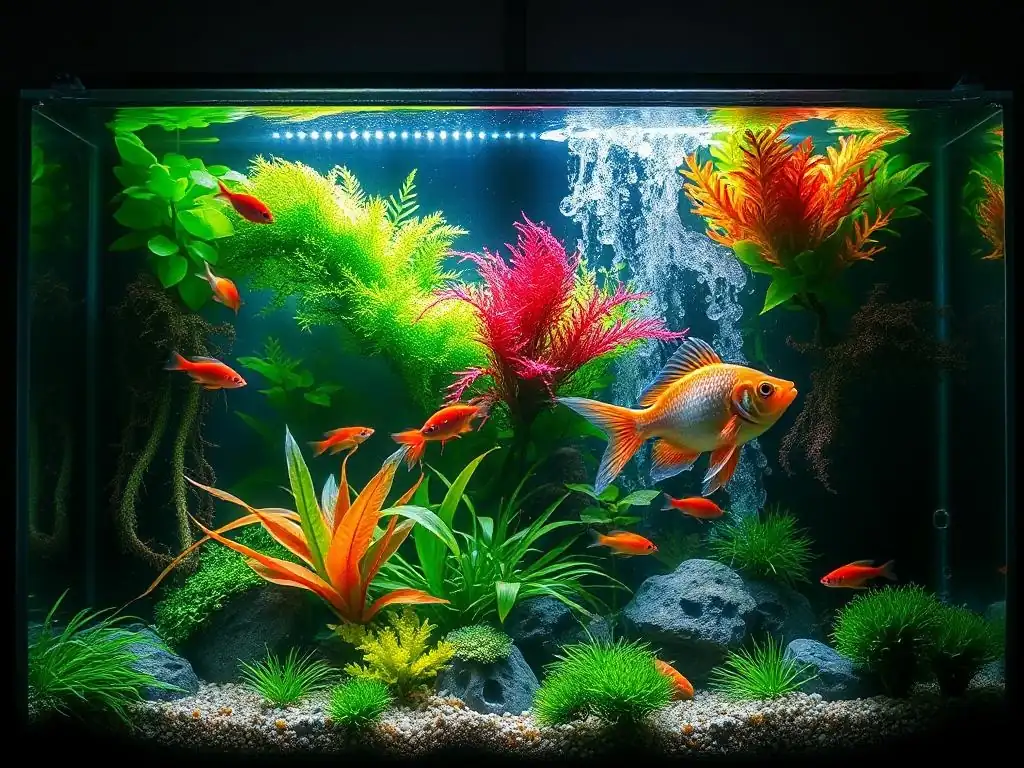
Ever wondered if your freshwater plants are truly thriving under the right light? We're diving deep into the world of aquatic illumination! Discover the secrets to selecting the best LED light for your freshwater plants and unlock their full potential. Get ready to transform your tank into a vibrant, flourishing underwater paradise. Let's explore!
- Understanding the Importance of LED Lighting for Planted Aquariums
- Key Factors to Consider When Selecting an LED Light
- Top LED Light Recommendations for Freshwater Planted Tanks
- Setting Up Your LED Light for Optimal Plant Growth
- Troubleshooting Common LED Lighting Issues in Planted Tanks
- Maintaining Your LED Light for Longevity
- Optimizing Plant Growth with Supplemental Lighting Techniques
- Achieving a Thriving Planted Aquarium with the Right LED Light
-
Frequently Asked Questions
- What factors should I consider when selecting an LED light for my freshwater planted tank?
- How important is the color spectrum of the LED light for plant growth?
- What does PAR mean, and why is it important for planted aquariums?
- Can I use any LED light for my planted aquarium, or are there specific types recommended?
- How do I determine the appropriate light intensity for my freshwater plants?
- Final Reflection: Illuminating Growth and Discovery
- Ignite Your Aquatic Paradise: Bring Your Planted Tank to Life!
Understanding the Importance of LED Lighting for Planted Aquariums
Why LED Lighting is Crucial for Freshwater Plant Growth
LED lighting is fundamentally crucial for the success of a freshwater planted aquarium because it directly fuels photosynthesis, the process by which aquatic plants convert light energy into chemical energy for growth. Unlike fish, which primarily rely on food, plants depend on light to produce their own sustenance, forming the base of a healthy, balanced aquatic ecosystem.
Without adequate and appropriate lighting, plants will struggle to grow, exhibit stunted development, or even melt away, leading to a less vibrant aquarium and potentially contributing to algae issues as nutrients remain unutilized. The precision and efficiency of modern LED technology allow aquarists to provide the exact light conditions needed for robust plant health.
Furthermore, the right LED light significantly influences not only the survival but also the aesthetic appeal of aquatic plants. Proper lighting encourages vibrant coloration, compact growth in carpeting species, and healthy leaf development. For instance, many red-pigmented plants, such as Rotala macrandra or Ludwigia repens, require specific light spectrums and intensities to express their full red hues. Inadequate lighting can cause these plants to revert to green or become leggy. Therefore, selecting the best LED light for freshwater plants is not just about illumination; it's about creating an optimal environment for thriving aquatic flora.
The Spectrum of Light and its Impact on Aquatic Plants
The spectrum of light refers to the range of wavelengths emitted by a light source, and different wavelengths have distinct effects on aquatic plants. While the human eye perceives light as white, plants primarily utilize specific portions of the visible spectrum for photosynthesis. The most critical wavelengths are in the blue (approximately 400-500 nanometers) and red (approximately 600-700 nanometers) regions. Blue light is essential for compact growth and overall plant structure, preventing leggy development, while red light is crucial for stem elongation, flowering (though less common in submerged plants), and chlorophyll production, leading to lush, dense foliage.
Many high-quality LED lights for planted tanks are designed to emit a "full spectrum" light, which includes a balanced mix of red, blue, green, and even some ultraviolet (UV) and far-red wavelengths. While green light is largely reflected by chlorophyll, giving plants their green appearance, it still penetrates deeper into the water column than red or blue light and can contribute to overall plant health and visual appeal.
A well-designed full-spectrum LED ensures that plants receive all the necessary wavelengths for efficient photosynthesis and vibrant coloration, making it a key characteristic when searching for the best LED light for freshwater plants.
PAR (Photosynthetically Active Radiation) and Planted Tank Lighting
PAR, or Photosynthetically Active Radiation, is a critical metric for evaluating aquarium lighting, as it quantifies the amount of light within the specific spectral range (400 to 700 nanometers) that plants use for photosynthesis. Unlike lumens or lux, which measure light intensity as perceived by the human eye, PAR directly correlates with a light's effectiveness for plant growth.
A high PAR output indicates that the light is providing ample energy for plant processes, especially for demanding species. For example, low-light plants like Anubias and Java Fern generally thrive with PAR values between 15-30 µmol/m²/s at the substrate level, while medium-light plants such as Amazon Swords or Vallisneria prefer 30-50 µmol/m²/s.
For high-light plants, including most carpeting species like Dwarf Hairgrass ( Eleocharis parvula) or Hemianthus callitrichoides 'Cuba' (HC Cuba), PAR values exceeding 50-70 µmol/m²/s are often necessary to achieve dense, compact growth, especially when coupled with CO2 injection. It's important to remember that PAR decreases significantly with water depth due to absorption and scattering. Therefore, a light fixture that produces 60 PAR at the surface might only deliver 30 PAR at 18 inches deep. Understanding PAR is paramount in selecting the best LED light for freshwater plants to ensure your specific plant species receive adequate energy.
Key Factors to Consider When Selecting an LED Light
Tank Size and Dimensions: Matching Light Coverage
The size and dimensions of your aquarium are primary considerations when selecting an LED light, as they directly influence the required light coverage and intensity. For instance, a standard 20-gallon long tank (30 inches long, 12 inches deep) will require a different light spread than a 75-gallon tank (48 inches long, 18 inches deep).
The length of the tank dictates the length of the light fixture needed to ensure even illumination across the entire aquarium, preventing dark spots where plants might struggle. A light that is too short for a long tank will create shaded areas, leading to uneven plant growth and potentially localized algae issues in intensely lit zones.
Moreover, the depth and width of the tank also play a crucial role. Taller tanks (e.g., 24 inches or more) necessitate lights with higher PAR output and better penetration capabilities to reach the substrate effectively. A light designed for a shallow 10-gallon tank might not have sufficient power to illuminate a 29-gallon tall tank adequately, even if the length is appropriate.
Similarly, wider tanks might benefit from broader light fixtures or multiple fixtures to ensure uniform coverage from front to back. Therefore, accurately measuring your tank's length, width, and height is the first step in finding the best LED light for freshwater plants.
Plant Light Requirements: Low Light vs. High Light Plants
Understanding the light requirements of the specific aquatic plants you intend to grow is paramount for selecting the appropriate LED fixture. Plants are broadly categorized into low, medium, and high light demanding species, each thriving within a particular PAR range. Low-light plants, such as Anubias barteri, Java Fern ( Microsorum pteropus), and most Cryptocoryne species, require modest PAR levels, typically 15-30 µmol/m²/s at the substrate. These plants are generally hardy, grow slowly, and are prone to algae if subjected to excessive light. Over-lighting a low-tech tank is a common mistake that leads to persistent algae blooms.
Conversely, high-light plants, including popular carpeting species like Hemianthus callitrichoides 'Cuba' (HC Cuba), various Rotala species, and many red-pigmented stem plants, demand intense illumination, often exceeding 50-70 µmol/m²/s PAR, and typically require supplemental CO2 injection to thrive. Medium-light plants, such as Amazon Swords ( Echinodorus amazonicus) and Ludwigia repens, fall somewhere in between, requiring 30-50 µmol/m²/s PAR. Matching your chosen light to your plants' needs prevents both stunted growth from insufficient light and rampant algae from over-lighting. This critical assessment guides you toward the best LED light for freshwater plants tailored to your aquascape.
LED Light Spectrum and Color Temperature for Optimal Plant Growth
Understanding Kelvin (K) and its Role in Plant Photosynthesis
Color temperature, measured in Kelvin (K), describes the perceived warmth or coolness of white light. While Kelvin is primarily an aesthetic measure for human eyes, it offers a general indication of the light spectrum's balance, which indirectly impacts plant growth. For freshwater planted tanks, a color temperature around 6500K is widely considered ideal. This mimics natural midday sunlight, providing a balanced spectrum that is beneficial for both plant photosynthesis and enhances the natural colors of fish and plants. Lights with lower Kelvin values (e.g., 3000K) appear warmer and more reddish-yellow, while higher values (e.g., 10000K) appear cooler and bluer.
While 6500K is a great starting point, it's important to remember that Kelvin alone doesn't tell the whole story about the specific wavelengths crucial for photosynthesis. Two lights with the same 6500K rating might have different spectral distributions of red and blue light. However, generally, a well-balanced 6500K LED fixture provides sufficient red and blue peaks for healthy plant growth while also being visually appealing. When evaluating the best LED light for freshwater plants, consider 6500K as a benchmark, but also delve into the specific spectral output if possible.
The Importance of Red and Blue Light Spectrum for Aquatic Plants
Beyond the overall color temperature, the specific presence and intensity of red and blue wavelengths within an LED light's spectrum are paramount for optimal aquatic plant growth. Red light, typically in the 620-700 nanometer range, is vital for chlorophyll production, stem elongation, and the overall biomass accumulation of plants. It promotes robust, bushy growth and is particularly important for encouraging the vibrant red coloration in species like Rotala and Ludwigia that can display these pigments. Without sufficient red light, plants may appear pale or exhibit stunted growth.
Blue light, generally in the 400-500 nanometer range, is crucial for regulating plant morphology, preventing leggy growth, and promoting compact, dense structures. It influences phototropism (the plant's growth towards light) and helps maintain a healthy, squat appearance in carpeting plants. Many high-quality LED lights designed for planted tanks incorporate dedicated red and blue diodes alongside white LEDs to ensure these critical wavelengths are adequately supplied. The balance between red and blue, often supplemented by other colors for a full spectrum, is a defining characteristic of the best LED light for freshwater plants, directly impacting plant health and aesthetic appeal.
Intensity and PAR Output: Ensuring Adequate Light Penetration
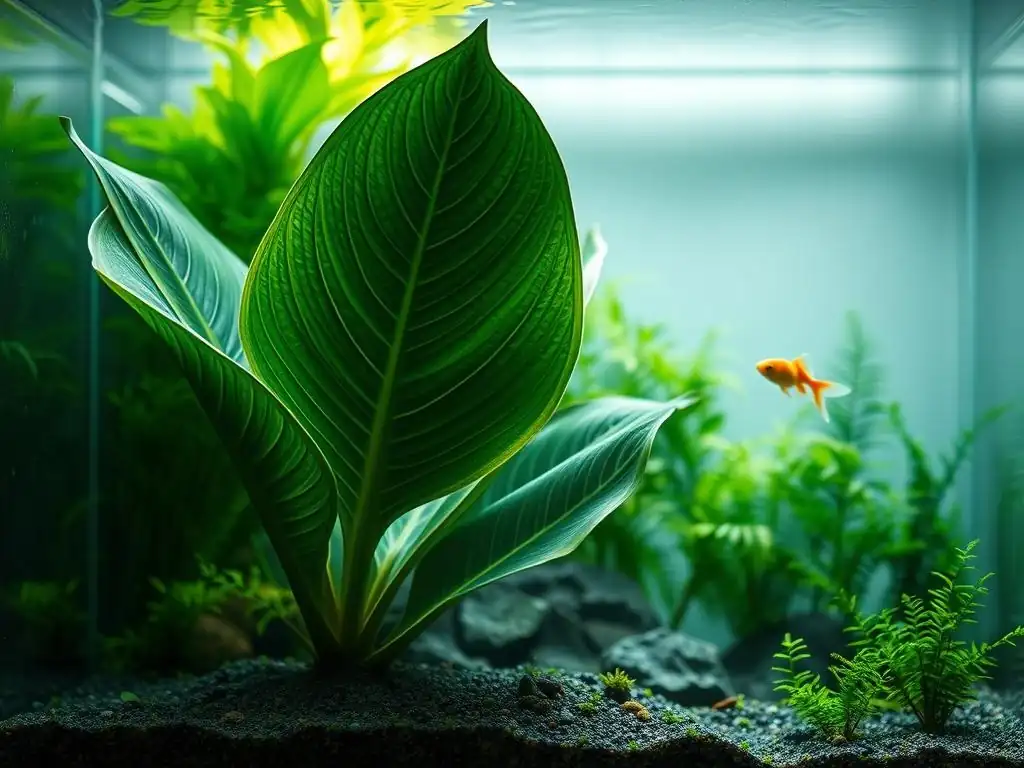
The intensity of an LED light, directly correlated with its PAR (Photosynthetically Active Radiation) output, is crucial for ensuring adequate light penetration throughout the entire water column, especially in deeper tanks. Light intensity diminishes significantly as it travels through water due to absorption and scattering, meaning a powerful light at the surface might be too weak at the substrate of a 24-inch deep tank. For instance, a light producing 60 PAR at the surface might only deliver 25-30 PAR at 18 inches deep, which could be insufficient for demanding foreground plants.
Selecting an LED light with sufficient intensity is vital to prevent plants from "stretching" or becoming leggy as they try to reach the light source, a common symptom of insufficient light. Conversely, excessive intensity can lead to rapid algae growth, particularly if CO2 and nutrient levels are not correspondingly high. Therefore, balancing the light's PAR output with your tank's depth and your plants' specific requirements is key. Many of the best LED lights for freshwater plants offer adjustable intensity, allowing aquarists to fine-tune the light levels to suit their particular setup and avoid issues of under or over-lighting.
LED Light Fixture Types: Choosing the Right Form Factor
Strip Lights vs. Panel Lights vs. Spotlights
When selecting an LED light for your freshwater planted tank, the form factor of the fixture plays a significant role in light distribution, aesthetics, and functionality. Strip lights are the most common type, typically long and narrow, designed to span the length of the aquarium. They provide relatively even light distribution across a rectangular footprint, making them suitable for most standard tanks. Examples include popular models known for their full spectrum and programmable features. They are generally easy to install and often come with extendable legs or hanging kits.
Panel lights, on the other hand, are broader and often square or rectangular, offering a wider spread of light. These are excellent for wider tanks or for providing more intense, uniform coverage over a specific area. Some high-end panel lights feature clusters of powerful LEDs, making them suitable for demanding high-tech setups.
Spotlights are less common for general planted tanks but can be effective for very tall tanks or for highlighting specific plants or sections of the aquascape. They provide highly concentrated light, making them ideal for deep penetration but requiring careful placement to avoid creating shaded areas. Each type has its advantages, and the choice depends on your tank's dimensions and aesthetic preferences for the best LED light for freshwater plants.
Adjustable Mounting Options for Versatile Placement
The versatility of an LED light fixture's mounting options greatly enhances its usability and allows for precise light placement, which is crucial for optimizing plant growth. Many LED strip lights come with extendable legs that sit directly on the tank rim. While simple and secure, these often offer limited height adjustment, typically holding the light a few inches above the water surface. This fixed height might be ideal for medium-light setups but could be too low for very high-intensity lights on shallower tanks, potentially causing light burn, or too high for low-light plants.
For greater flexibility, many premium LED lights offer suspension kits, allowing the fixture to be hung from the ceiling or a dedicated light stand. This method provides superior height adjustment, enabling aquarists to fine-tune the light intensity at the substrate level by simply raising or lowering the fixture. This is particularly beneficial for high-light tanks where precise PAR delivery is critical.
Additionally, gooseneck or clamp mounts are common for nano tanks or smaller spotlight-style LEDs, offering highly flexible positioning by attaching directly to the tank rim or stand. The ability to adjust height and angle ensures that you can truly maximize the potential of the best LED light for freshwater plants.
Top LED Light Recommendations for Freshwater Planted Tanks
Best Overall LED Lights for Planted Aquariums
The best overall LED lights for freshwater planted aquariums typically strike an excellent balance between spectral quality, PAR output, advanced features, and user-friendliness. These lights often feature multi-channel control, allowing independent adjustment of red, green, blue, and white LEDs to fine-tune the spectrum for optimal plant growth and coloration. For instance, many top-tier models offer app-based control, enabling users to program complex 24-hour light cycles with sunrise/sunset simulations and cloud effects, mimicking natural conditions. They usually boast a robust build quality, often incorporating efficient passive cooling or quiet fans to manage heat, ensuring longevity.
These high-performing fixtures are capable of delivering high PAR values, often exceeding 60-70 µmol/m²/s at 12-18 inches depth, making them suitable for even the most demanding carpeting plants and high-tech setups with CO2 injection. Their superior spectral output not only promotes vigorous growth but also enhances the vibrant reds, oranges, and greens of aquatic plants, making the aquarium visually stunning. While they represent a significant investment, their comprehensive features and performance make them the best LED light for freshwater plants seeking professional-grade results.
Best Budget-Friendly LED Lights for Planted Tanks
For aquarists seeking the best LED light for freshwater plants without a significant financial outlay, several budget-friendly options provide surprisingly good performance for low-to-medium light planted tanks. These lights typically feature a fixed spectrum, often around 6500K, with a balanced array of white, red, and blue diodes to support basic plant photosynthesis. While they may lack advanced features like app control or customizable channels, many models deliver adequate PAR values, often in the range of 20-40 µmol/m²/s at typical tank depths, which is sufficient for hardy plants like Anubias, Java Fern, Cryptocorynes, and various Vallisneria species.
These lights are usually simple plug-and-play units, often with a basic on/off switch or a simple dimmer. They are generally compact and lightweight, fitting easily onto most standard aquarium rims with extendable legs. While they may not achieve the intense coloration or rapid growth seen in high-tech setups, they provide a reliable and energy-efficient solution for beginners or those aiming for a low-maintenance planted tank. Their affordability makes them an accessible entry point for anyone looking to cultivate live plants without breaking the bank.
High-End LED Lighting Options for Demanding Plant Species
For serious aquascapers cultivating demanding plant species or aiming for a high-tech, CO2-injected planted tank, high-end LED lighting options are indispensable. These fixtures are engineered to deliver exceptionally high PAR values, often exceeding 70-80 µmol/m²/s at depths of 18 inches or more, providing the intense light required for compact growth in plants like Hemianthus callitrichoides 'Cuba' or vibrant coloration in red Rotala varieties. They feature sophisticated spectral control, typically with multiple independent LED channels (e.g., cool white, warm white, red, blue, green, UV, far-red) that can be individually adjusted via advanced mobile applications.
This granular control allows aquarists to precisely tune the light spectrum to enhance specific pigments or growth characteristics, such as encouraging more red in plants or promoting tighter node spacing. Many high-end units also incorporate advanced features like cloud simulations, lunar cycles, and fully customizable daily schedules with gradual sunrise and sunset effects, mimicking natural light transitions. While these lights represent a premium investment, their unparalleled performance, robust build quality, and extensive features make them the best LED light for freshwater plants when striving for a truly professional and stunning aquascape.
LED Lights for Nano Planted Tanks: Compact and Efficient
Nano planted tanks, typically under 15 gallons, require compact yet efficient LED lighting solutions that can deliver adequate PAR without overwhelming the small footprint. These lights are often designed with aesthetics in mind, featuring sleek, minimalist designs that integrate well with smaller setups.
Many nano LED lights utilize gooseneck or clip-on mounting options, allowing for flexible positioning and easy height adjustment above the tank. Despite their small size, a good nano LED can provide surprisingly strong PAR output, often reaching 40-50 µmol/m²/s at 8-10 inches depth, which is sufficient for growing a wide range of plants, including some carpeting species like Monte Carlo or Dwarf Hairgrass.
These compact fixtures are typically energy-efficient, consuming minimal power (often less than 20 watts), and generate less heat, which is important for maintaining stable water temperatures in smaller volumes. While some basic models offer simple on/off functionality or a single dimmer, higher-end nano lights may include basic timers or even a limited spectrum control. Their focused light output and ability to fit unobtrusively make them the best LED light for freshwater plants in desktop or small display aquariums where space and precise illumination are key.
Specific LED Light Models Review: [Brand A] [Model X]
The [Brand A] [Model X] is a highly popular choice among freshwater planted tank enthusiasts, widely recognized for its balanced full spectrum output and user-friendly features. This fixture typically provides a color temperature around 6700K, offering a bright, crisp white light that enhances both plant coloration and fish vibrancy.
Its array of white, red, and blue LEDs is specifically tuned to promote robust photosynthetic activity, making it suitable for medium-to-high light demanding plants. Users frequently report consistent PAR values, averaging around 45-55 µmol/m²/s at 18 inches deep, which is excellent for supporting a diverse range of plants from Amazon Swords to various Ludwigia species, and even some less demanding carpeting plants.
A significant advantage of the [Brand A] [Model X] is its integrated Bluetooth controller, allowing for convenient dimming and a programmable 24-hour timer directly from a smartphone app. This feature enables gradual sunrise and sunset effects, reducing stress on fish and preventing algae outbreaks by avoiding sudden light changes.
The sleek, low-profile design with adjustable legs ensures it fits a wide range of tank sizes, typically from 24 to 48 inches. Its reliable performance and ease of use firmly establish the [Brand A] [Model X] as a top contender for the best LED light for freshwater plants in its category.
The [Brand B] [Model Y] is a premium LED lighting solution, consistently ranked as the best LED light for freshwater plants in high-tech, demanding setups. This fixture is distinguished by its exceptional PAR output and advanced spectral control, making it ideal for cultivating the most challenging aquatic plant species, such as Hemianthus callitrichoides 'Cuba' and intensely red Rotala varieties.
It typically features multiple channels of individually addressable LEDs, including cool white, warm white, red, blue, and often UV or far-red diodes, allowing aquarists to precisely customize the light spectrum via a sophisticated mobile application. This granular control facilitates specific color enhancement and optimized growth patterns.
Capable of delivering PAR levels exceeding 70-80 µmol/m²/s at 15 inches of depth, the [Brand B] [Model Y] provides ample light penetration for even the deepest planted aquariums. Its robust construction often incorporates high-quality components and efficient passive cooling systems to ensure longevity and stable performance. Beyond spectrum and intensity, the [Brand B] [Model Y] offers advanced programming options, including lunar cycles, cloud simulations, and highly detailed daily schedules, mimicking natural light conditions with remarkable accuracy. For aquarists committed to achieving peak plant health, vibrant coloration, and intricate aquascapes, the [Brand B] [Model Y] offers unparalleled performance.
Setting Up Your LED Light for Optimal Plant Growth
Light Acclimation: Preventing Algae Blooms and Plant Shock
When introducing a new LED light, especially one with higher intensity, to an established or newly planted aquarium, proper light acclimation is crucial to prevent algae blooms and plant shock. A sudden increase in light intensity can overwhelm plants, which need time to adjust their photosynthetic machinery.
This excess light, coupled with potentially imbalanced nutrient levels or insufficient CO2, creates prime conditions for algae to proliferate rapidly. For instance, if you're upgrading from a weak fluorescent light to a powerful full-spectrum LED, simply running the new light at full power for 10 hours from day one is a recipe for disaster.
Instead, begin by setting the new LED light to a lower intensity, perhaps 50-70% of its full power, and/or a shorter photoperiod, such as 6-7 hours per day. Over the course of 2-4 weeks, gradually increase the intensity by 5-10% increments every few days or extend the photoperiod by 30-60 minutes each week.
Observe your plants closely for signs of stress (melting, pale leaves) and monitor for any sudden increases in algae growth. This gradual approach allows your aquatic plants to adapt to the new light conditions, develop stronger roots, and build up their photosynthetic capacity, ultimately ensuring a smoother transition and maximizing the benefits of your best LED light for freshwater plants.
Light Duration: Establishing a Consistent Photoperiod
Establishing a consistent photoperiod, or the daily duration of light exposure, is fundamental for healthy aquatic plant growth and for maintaining a balanced aquarium ecosystem. For most freshwater planted tanks, an optimal photoperiod ranges from 8 to 10 hours per day. This duration provides sufficient light for plants to complete their photosynthetic processes without promoting excessive algae growth. Shorter periods, such as 6-7 hours, might be used during the initial setup phase of a new tank or as a temporary measure to combat a severe algae outbreak, allowing plants to recover while limiting algae's energy source.
Conversely, extending the photoperiod beyond 10 hours, for example to 12-14 hours, is generally detrimental. While it might seem beneficial, prolonged light exposure often leads to nutrient depletion in the water column and provides an extended window for algae to photosynthesize and multiply, even in tanks with good CO2 and fertilization. Consistency is key: plants thrive on predictable cycles, so avoid erratic light schedules. Using a reliable timer to automate the on/off times ensures your plants receive their light exactly when needed, making the most of your best LED light for freshwater plants.
Adjusting Light Intensity: Fine-Tuning for Plant Health
Adjusting the light intensity of your LED fixture is a crucial ongoing process for fine-tuning your planted tank environment and ensuring optimal plant health. Even after initial acclimation, plants' needs can change as they grow, or if you introduce new species. Signs of insufficient light include leggy growth (plants stretching towards the light), pale or yellowing leaves, and slow or stunted development. Conversely, symptoms of too much light often manifest as rapid algae growth, especially green spot or hair algae, and in severe cases, leaves may appear bleached or "burned."
Modern LED lights, particularly the best LED light for freshwater plants, often come with dimming capabilities, allowing for precise control over intensity. If you observe signs of insufficient light, gradually increase the intensity by 5-10% every few days, monitoring your plants' response. If algae becomes a problem, reduce the intensity by similar increments. For taller tanks, increasing the light's height above the water surface can also effectively reduce intensity at the substrate. This continuous observation and adjustment process ensures your plants receive the perfect amount of light for vibrant growth while minimizing the risk of algae issues.
Using a Timer for Automated Lighting Control
Using an automatic timer for your LED lighting is not merely a convenience; it is an essential practice for maintaining a stable and thriving freshwater planted aquarium. Plants, like all living organisms, thrive on consistency, and a timer ensures that your light turns on and off at precisely the same time every day, establishing a predictable photoperiod. This consistency prevents the stress on plants that can arise from irregular light cycles, such as those caused by manual operation (e.g., forgetting to turn lights on or off, or varying the duration daily).
Beyond plant health, a consistent photoperiod managed by a timer also helps in controlling algae. Algae are opportunistic and can quickly take advantage of erratic lighting schedules or prolonged light exposure. By providing a fixed 8-10 hour light cycle, you optimize conditions for your plants while limiting the window for algae proliferation.
Timers range from simple mechanical plug-in units to advanced digital and smart timers that integrate with mobile apps, allowing for complex programming, including sunrise/sunset effects. Investing in a reliable timer is a small but significant step that maximizes the efficiency and benefits of your best LED light for freshwater plants.
Troubleshooting Common LED Lighting Issues in Planted Tanks
Algae Growth and Excessive Lighting
One of the most common and frustrating issues in planted tanks, algae growth, is frequently linked to excessive or imbalanced lighting. While LED lights are highly efficient for plant growth, too much intensity or an overly long photoperiod can trigger rapid algae proliferation.
When plants receive more light than they can effectively utilize for photosynthesis (often due to insufficient CO2 or nutrient deficiencies), the excess light energy becomes available for algae. This can manifest as various types of algae, such as green spot algae on glass and slow-growing leaves, green hair algae, or the dreaded black beard algae (BBA) on hardscapes and plant edges.
To troubleshoot, first evaluate your light intensity and photoperiod. If you're running your best LED light for freshwater plants at 100% power for 10+ hours a day, consider reducing intensity by 10-20% or shortening the photoperiod to 6-7 hours for a week or two. Ensure your CO2 injection is adequate (target 20-30 ppm) and stable if running a high-tech tank, as CO2 limitation often leads to algae under high light. Additionally, assess your fertilization routine; imbalances in macronutrients (NPK) or micronutrients can also contribute to algae. Gradual adjustments and consistent monitoring are key to finding the right balance.
Plant Deficiencies and Insufficient Light
While excessive light can cause algae, insufficient light is equally detrimental, leading to various plant deficiencies and stunted growth. Symptoms of inadequate lighting typically include pale or yellowing leaves, especially on lower parts of the plant, very slow or completely halted growth, and "legginess" or etiolation, where plants stretch abnormally tall with widely spaced nodes as they desperately try to reach a light source. For instance, carpeting plants like Dwarf Hairgrass will grow vertically instead of spreading horizontally if light is too low.
To address insufficient light, the first step is to verify the PAR output of your LED light at the substrate level, if possible. If you suspect the light is too weak for your chosen plants, consider increasing its intensity (if dimmable) or lowering the fixture closer to the water surface. For taller tanks, a more powerful LED light designed for deep penetration might be necessary.
Ensure that the light is providing the appropriate spectrum for photosynthesis, particularly sufficient red and blue wavelengths. Optimizing light levels to match your plants' specific requirements is crucial for encouraging healthy, compact growth and maximizing the potential of your best LED light for freshwater plants.
LED Light Burn: Preventing Damage to Aquatic Plants
LED light burn is a less common but significant issue that can occur when light intensity is excessively high, particularly when the fixture is positioned too close to the water surface or directly above delicate plants. While plants need light for photosynthesis, too much of a good thing can lead to cellular damage, similar to how human skin can get sunburned.
Symptoms of LED light burn often include leaves turning white, translucent, or developing crispy brown edges, particularly on the plant parts closest to the light source. This is frequently observed in emergent growth or plants that grow very tall and reach the light.
To prevent LED light burn, it's crucial to understand the PAR output of your specific LED light and match it to your tank's depth and plant requirements. If you notice signs of burning, immediately raise the light fixture further above the water or reduce its intensity using the dimming feature.
For high-intensity lights, maintaining a sufficient distance (e.g., 6-12 inches above the water for powerful fixtures) is often necessary. Regular observation of your plants is the best way to catch early signs of stress and adjust your lighting setup accordingly, ensuring your best LED light for freshwater plants provides benefits without causing harm.
Maintaining Your LED Light for Longevity
Cleaning Your LED Light Fixture
Regular cleaning of your LED light fixture is essential for maintaining its optimal performance and ensuring longevity. Over time, dust, water splashes, mineral deposits from evaporation, and even algae can accumulate on the light's casing and, more critically, on the LED lenses or protective cover. This buildup acts as a physical barrier, significantly reducing the amount of light that actually penetrates the water and reaches your plants. For example, a thin film of mineral residue can reduce light output by 10-20% over a few months, impacting plant growth and potentially leading to algae as plants struggle with insufficient light.
To clean your fixture, first unplug it from the power source. Use a soft, damp cloth to gently wipe down the entire unit, paying special attention to the underside where light exits. For stubborn mineral deposits (water spots), a solution of white vinegar diluted with water (e.g., 50/50) can be used on the cloth, followed by a rinse with plain water and a dry wipe.
Avoid abrasive cleaners or harsh chemicals, as these can damage the plastic or LED components. Regular cleaning, perhaps monthly or bi-monthly, ensures that your best LED light for freshwater plants operates at its peak efficiency, delivering consistent PAR to your aquatic flora.
Replacing LED Diodes
The lifespan of individual LED diodes is remarkably long, often rated for 50,000 hours or more of operation, which translates to several years of continuous use (e.g., over 5 years at 10 hours/day). Due to this extended longevity, replacing individual LED diodes in a typical aquarium light fixture is rarely a practical or necessary maintenance task for the average hobbyist. Most consumer-grade LED aquarium lights are sealed units, making diode replacement technically challenging, requiring specialized tools and soldering skills. Furthermore, finding exact replacement diodes that match the spectrum and output of the original components can be difficult.
If a significant number of LEDs fail or the light output noticeably diminishes after several years, it is usually more cost-effective and simpler to replace the entire light fixture rather than attempting repairs. Modern LED technology evolves rapidly, and a new fixture will likely offer improved efficiency, better spectral output, and more advanced features than attempting to repair an older unit. Therefore, while individual diodes theoretically can be replaced, for most aquarists, this is not a routine maintenance concern for the best LED light for freshwater plants.
Ensuring Proper Ventilation
Ensuring proper ventilation for your LED light fixture is a critical aspect of maintenance that directly impacts its lifespan and consistent performance. While LEDs are known for their energy efficiency and lower heat generation compared to traditional lighting, they still produce heat. This heat must be dissipated effectively to prevent the internal components, particularly the LED diodes themselves, from overheating. Prolonged exposure to high temperatures can significantly shorten the lifespan of the LEDs and other electronic components, leading to premature failure or a rapid decrease in light output over time.
Most quality LED fixtures are designed with heat sinks (often aluminum fins) or small cooling fans to manage this heat. However, if the light is placed in an enclosed canopy or a poorly ventilated space, this heat dissipation can be compromised. Always ensure there is ample airflow around your LED fixture.
If using a canopy, consider adding small computer fans to draw out hot air. Avoid placing anything directly on top of the light that could block vents. Proper ventilation ensures that your best LED light for freshwater plants maintains its optimal operating temperature, delivering consistent performance for many years.
Optimizing Plant Growth with Supplemental Lighting Techniques
Combining LED Lights with CO2 Injection
Combining high-quality LED lights with CO2 injection is arguably the most impactful strategy for optimizing plant growth in a freshwater planted aquarium. While the best LED light for freshwater plants provides the necessary energy, CO2 (carbon dioxide) is the primary carbon source for photosynthesis. In a high-light environment, plants' metabolic rates are significantly elevated, meaning they demand far more CO2 than can typically be supplied by fish respiration or surface agitation alone. Without supplemental CO2, plants will quickly become carbon-limited, leading to stunted growth, nutrient deficiencies, and often, rampant algae as the excess light goes unutilized by the plants.
When CO2 is consistently injected and maintained at optimal levels (e.g., 20-30 ppm), plants can fully utilize the intense light energy, leading to explosive growth, vibrant coloration, and dense foliage. This synergy allows aquarists to grow challenging species that require high light, such as dense carpets of Hemianthus callitrichoides 'Cuba' or intensely red Rotala varieties. The combination creates a highly efficient photosynthetic engine, transforming your aquarium into a lush, thriving aquascape.
Using Reflectors to Maximize Light Efficiency
While modern LED lights are highly efficient, utilizing reflectors can further maximize their light efficiency and penetration into the planted tank. Reflectors are designed to redirect light that would otherwise escape upwards or outwards, focusing it downwards into the water column. While many high-end LED fixtures come with integrated lenses and reflectors that optimize light spread, some basic or older models, particularly those with exposed LED arrays, can benefit significantly from external reflective surfaces. For instance, a simple reflective backing or a custom-made hood lined with reflective material can capture scattered light and bounce it back into the tank.
This technique is particularly useful for deeper tanks or for ensuring even light distribution across a wide aquascape, reducing shaded areas. By increasing the effective light intensity at the substrate level without increasing power consumption, reflectors can help achieve better growth for demanding plants or allow for slightly lower PAR output from the light itself. This subtle optimization can make a noticeable difference in overall plant health and growth, enhancing the performance of even the best LED light for freshwater plants.
The Role of Fertilizers in Conjunction with LED Lighting
The role of fertilizers in conjunction with LED lighting is absolutely critical for achieving a thriving planted aquarium, forming the third pillar alongside light and CO2. While the best LED light for freshwater plants provides the energy, and CO2 provides the carbon, plants also require a comprehensive array of macro and micronutrients to build their tissues and carry out metabolic processes.
In a high-light, CO2-rich environment, plants grow rapidly and, consequently, deplete essential nutrients from the water column much faster than in a low-tech setup. Without adequate fertilization, plants will quickly show signs of deficiency, such as yellowing leaves (iron deficiency), stunted growth (nitrogen, phosphorus, or potassium deficiency), or holes in leaves.
Therefore, a robust fertilization routine is indispensable. This typically involves dosing liquid fertilizers containing macronutrients (Nitrogen, Phosphorus, Potassium - NPK) and micronutrients (Iron, Manganese, Boron, Zinc, Copper, Molybdenum, etc.) on a regular basis, often daily or every other day, depending on plant mass and light intensity. Root tabs or nutrient-rich substrates can also provide long-term nutrient release for heavy root feeders like Amazon Swords. Ensuring a consistent supply of all necessary nutrients allows plants to fully utilize the light energy and CO2, leading to vigorous, healthy growth and vibrant coloration.
Achieving a Thriving Planted Aquarium with the Right LED Light
Summary of Key Considerations for Choosing the Best LED Light
Achieving a thriving freshwater planted aquarium hinges significantly on selecting the right LED light. The journey begins with understanding the fundamental importance of light as the energy source for photosynthesis, recognizing that not all light is equal. Key considerations for choosing the best LED light for freshwater plants involve a multi-faceted approach. First, accurately assess your tank's size and dimensions to ensure adequate light coverage and penetration. Second, identify your aquatic plants' specific light requirements, distinguishing between low, medium, and high-light species, which dictates the necessary PAR output.
Third, delve into the light's spectrum and color temperature, prioritizing fixtures that offer a balanced 6500K output with strong peaks in the red (620-700 nm) and blue (400-500 nm) wavelengths essential for plant growth and coloration. Consider the overall intensity and PAR output, ensuring it's sufficient for your deepest plants without causing light burn.
Finally, evaluate the fixture type (strip, panel, spotlight) and adjustable mounting options to suit your aesthetic and functional needs. By carefully balancing these factors – tank size, plant requirements, spectrum, intensity, and form factor – and by integrating proper light acclimation, consistent photoperiods, and regular maintenance, you can transform your aquarium into a lush, vibrant underwater garden.
Frequently Asked Questions
What factors should I consider when selecting an LED light for my freshwater planted tank?
You should consider light spectrum (specifically PAR and PUR), light intensity (measured in lumens or PAR), and the size and depth of your tank.
How important is the color spectrum of the LED light for plant growth?
The color spectrum is very important. Plants primarily use red and blue light for photosynthesis, so choose a light with a spectrum that emphasizes these colors.
What does PAR mean, and why is it important for planted aquariums?
PAR stands for Photosynthetically Active Radiation. It measures the amount of usable light for photosynthesis. Higher PAR levels generally support more demanding plant species.
Can I use any LED light for my planted aquarium, or are there specific types recommended?
While any LED can provide light, specialized aquarium LED lights are recommended. They are designed to provide the correct spectrum and intensity for plant growth and are often waterproof.
How do I determine the appropriate light intensity for my freshwater plants?
The appropriate intensity depends on the plant species. Low-light plants need lower intensity, while high-light plants require higher intensity. Research the specific needs of your plants and adjust accordingly.
Final Reflection: Illuminating Growth and Discovery
The journey to understanding the nuances of LED lighting for freshwater planted tanks is more than just a technical exercise; it's a testament to our dedication to creating thriving aquatic ecosystems. As we've explored the spectrum, intensity, and features that contribute to optimal plant growth, it becomes clear that selecting the "best LED light" is a deeply personal and impactful choice for any aquascaper.
This exploration has underscored the profound influence of light on the delicate balance of a planted aquarium. Witnessing the vibrant colors and robust growth that the right lighting can unlock is truly inspiring, fueling a deeper appreciation for the interconnectedness of life within these miniature worlds. The best light is the one that allows your plants to flourish and your fish to thrive, creating a harmonious ecosystem that reflects your passion and dedication.
Now, as you embark on your own quest to illuminate your underwater garden, remember that the knowledge you've gained is a powerful tool. Use it wisely, experiment fearlessly, and observe closely. Let the light guide you, not just in choosing the perfect LED, but in cultivating a deeper understanding of the beauty and complexity that lies beneath the surface.
Ignite Your Aquatic Paradise: Bring Your Planted Tank to Life!
Thank you for diving into the world of planted aquariums! We hope you've gained valuable insights into choosing the perfect LED light to foster thriving aquatic plants. Now, let's turn that knowledge into action and watch your underwater garden flourish.
Here are a few ways to continue your journey:
- Prioritize Growth: Assess your tank's specific needs and choose an LED light tailored to your plants' requirements, taking into account PAR values and light spectrum.
- Share your knowledge by sparking discussion and exchanging experiences in your community or a relevant subreddit.
- Surprise your aquarium by trying a different lighting schedule for a week and observing any changes in plant growth or algae production.
What unique lighting challenges have you faced with your planted aquarium, and what solutions have you discovered?