
Pearl Weed (Hemianthus Micranthemoides): Versatile Stem or Carpet?

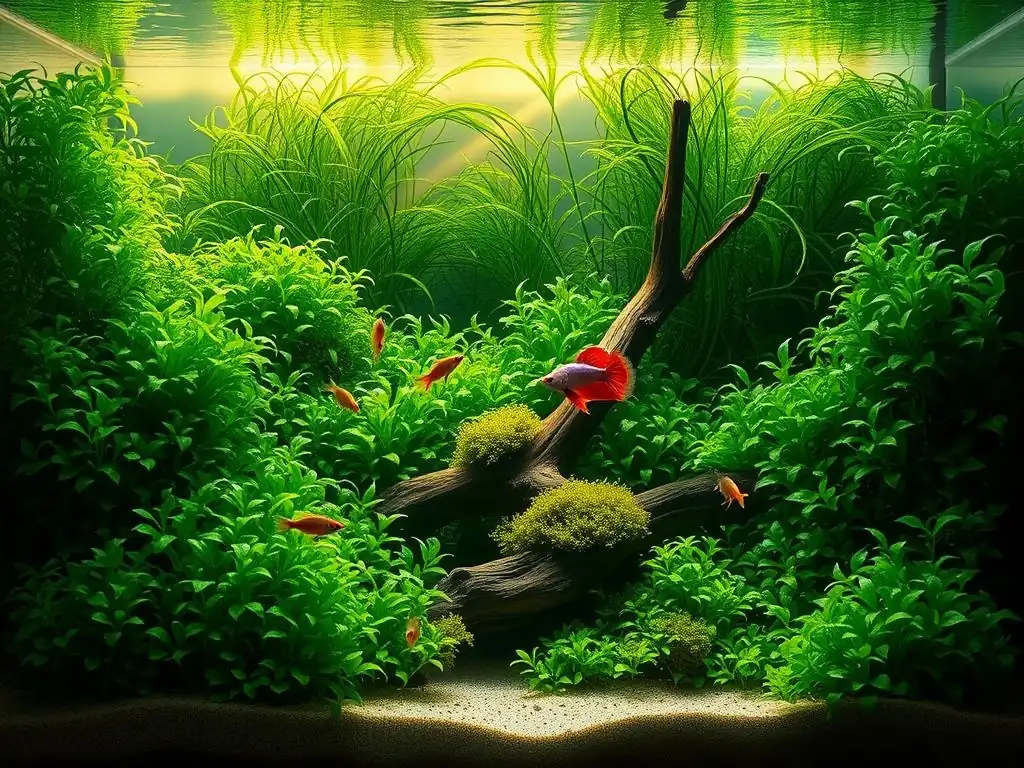
Welcome to Aquarium Mastery, where your aquatic dreams take root! Ever wondered if you could transform your aquarium floor into a lush, vibrant carpet? Dive in and discover the secrets to successful Hemianthus Micranthemoides carpet care. Is this versatile plant destined to be a simple stem or a breathtaking carpet in your aquarium? Let's explore its potential together and unlock the full beauty of Pearl Weed!
- Pearl Weed (Hemianthus Micranthemoides): Versatile Stem or Carpet? - Aquarium Mastery
- Introduction to Hemianthus Micranthemoides: The Pearl Weed
- Understanding Hemianthus Micranthemoides Growth Habits
- Planting and Propagating Hemianthus Micranthemoides
- Hemianthus Micranthemoides Carpet Care: Achieving a Lush Green Look
- Hemianthus Micranthemoides as a Stem Plant: Care and Maintenance Tips
- Common Problems and Solutions for Hemianthus Micranthemoides
- Tank Mates and Compatibility with Hemianthus Micranthemoides
- Hemianthus Micranthemoides vs. Other Carpeting Plants: A Comparison
- Aquascaping Ideas with Hemianthus Micranthemoides
- Conclusion: Mastering Hemianthus Micranthemoides Care for a Beautiful Aquarium
-
Frequently Asked Questions
- How can I achieve a dense Hemianthus micranthemoides (Pearl Weed) carpet in my aquarium?
- What are the key differences between using Hemianthus micranthemoides as a stem plant versus a carpet plant?
- What are the most common challenges when growing Hemianthus micranthemoides as a carpet, and how can I overcome them?
- What water parameters are ideal for successful Hemianthus micranthemoides carpet care?
- How often should I trim my Hemianthus micranthemoides carpet to maintain its shape and density?
- Final Reflection: Cultivating Beauty, Rooted in Care
- Cultivate Your Aquatic Paradise!
Pearl Weed (Hemianthus Micranthemoides): Versatile Stem or Carpet? - Aquarium Mastery
Introduction to Hemianthus Micranthemoides: The Pearl Weed
What is Pearl Weed and Why is it Popular in Aquariums?
Pearl Weed, scientifically known as Hemianthus micranthemoides, is a highly popular aquatic plant originating from North America. Characterized by its small, bright green, oval-shaped leaves, it possesses a delicate appearance that adds significant aesthetic value to any freshwater aquarium. Its versatility allows it to thrive in various setups, from small nano tanks to large display aquariums.
This plant's widespread popularity stems from its adaptability and rapid growth under optimal conditions. Aquarists appreciate its ability to be cultivated in different forms, providing dense foliage that offers excellent hiding spots for small fish and fry. Furthermore, its vibrant green hue contributes to a lush, natural environment, enhancing the overall beauty and ecological balance of the aquatic ecosystem.
Hemianthus Micranthemoides as a Stem Plant vs. a Carpeting Plant: An Overview
Hemianthus micranthemoides exhibits remarkable flexibility in its growth habit, allowing it to be utilized effectively as either a stem plant or a carpeting plant. When grown as a stem plant, it is typically allowed to grow taller, often reaching heights of 6 to 12 inches (15-30 cm), making it suitable for the midground or background of an aquascape. In this form, it creates a bushy, vibrant green backdrop or a soft, feathery texture, requiring regular pruning to maintain its shape and prevent it from overgrowing.
Conversely, Hemianthus micranthemoides can be encouraged to form a dense, low-lying carpet across the substrate, mimicking a verdant lawn. Achieving a successful Hemianthus micranthemoides carpet requires specific high-tech conditions, including intense lighting and consistent CO2 injection, which promote compact horizontal growth. This carpeting capability is one of its most sought-after features, transforming the foreground of an aquarium into a stunning, natural landscape.
Understanding Hemianthus Micranthemoides Growth Habits
Pearl Weed Growth Rate and Potential Size
Under optimal conditions, Hemianthus micranthemoides is known for its exceptionally fast growth rate. As a stem plant, it can grow approximately 1 to 2 inches (2.5-5 cm) per week, quickly reaching heights of up to 12 inches (30 cm) or more if left untrimmed. This rapid vertical growth necessitates frequent pruning to maintain the desired aquascape aesthetic and prevent it from shading out other plants.
When cultivated as a carpet, its growth habit shifts to a more horizontal spread, but the overall biomass increase remains significant. The small leaves, typically 3-5mm in length, grow densely together, forming a thick mat. However, if light is insufficient or CO2 is lacking, the plant will "stretch" or become leggy, growing taller with sparse leaves in an attempt to reach more light, even when intended as a carpet.
Factors Influencing Pearl Weed's Growth: Light, CO2, and Nutrients
Light is a critical factor dictating Hemianthus micranthemoides's growth form and vitality. For achieving a compact, dense carpet, high light intensity is essential, typically requiring Photosynthetically Active Radiation (PAR) levels of 50-70 µmol/m²/s at the substrate. In contrast, moderate light levels (e.g., 20-40 PAR) will encourage more vertical, stem-like growth, which is suitable if you prefer it as a midground or background plant.
Beyond light, consistent CO2 injection and a balanced nutrient regimen are paramount for robust growth, especially for a thriving Hemianthus micranthemoides carpet. CO2 levels between 20-30 ppm are generally recommended to prevent carbon limitation and promote vigorous photosynthesis. Furthermore, adequate macro-nutrients (Nitrogen, Phosphorus, Potassium) and micronutrients (especially Iron) are crucial. Maintaining nitrates around 10-20 ppm and phosphates at 1-2 ppm typically supports healthy growth and prevents deficiencies.
Planting and Propagating Hemianthus Micranthemoides
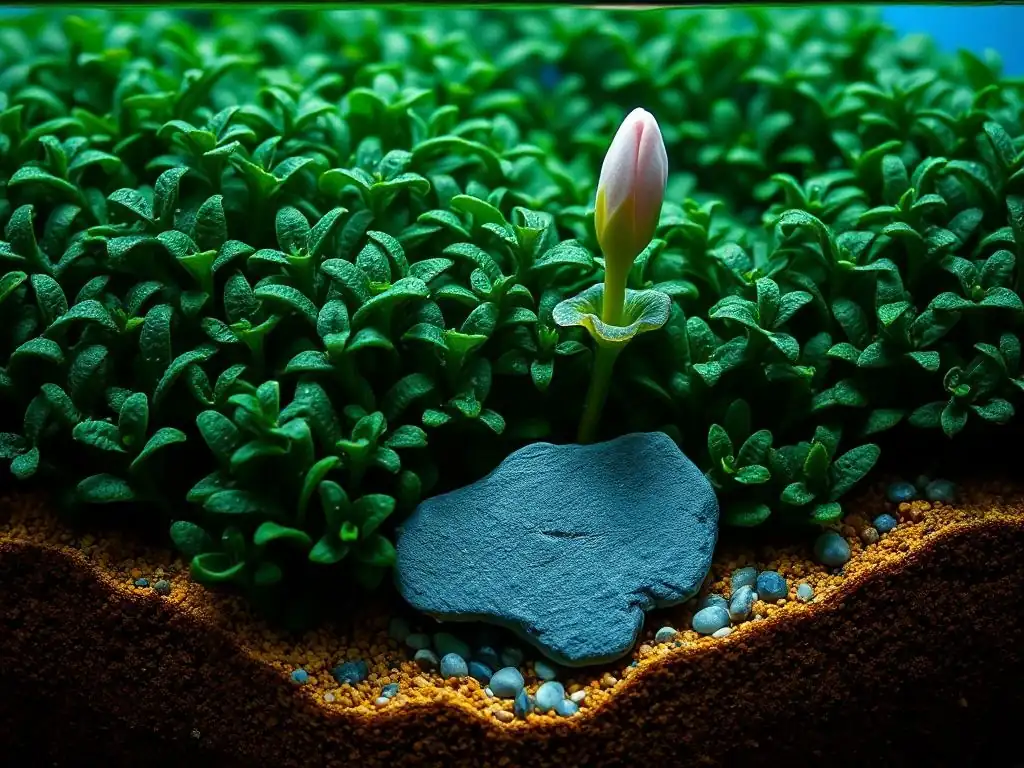
How to Plant Pearl Weed as a Stem Plant
When planting Hemianthus micranthemoides as a stem plant, begin by gently separating the individual stems from the main bunch, ensuring each stem has a few nodes. Using aquascaping tweezers, carefully plant each stem or small bunches of 2-3 stems into the substrate. Space them approximately 1 to 2 inches (2.5-5 cm) apart to allow for future growth and good water circulation around the leaves.
Ensure that the buried portion of the stem is deep enough to anchor the plant securely but not so deep that the lowest leaves are completely submerged in the substrate, as this can lead to rot. Initial melting of some leaves after planting is common as the plant adjusts to its new environment. With proper lighting and nutrients, new, healthy growth will quickly emerge from the nodes.
Creating a Pearl Weed Carpet: Planting Techniques and Considerations
To create a lush Hemianthus micranthemoides carpet, meticulous planting techniques are essential. Start by trimming healthy stems into small sections, typically 1 to 2 inches (2.5-5 cm) in length, removing any lower leaves. These small fragments should then be planted individually or in very small clusters (1-2 stems) close together, approximately 0.5 to 1 inch (1-2.5 cm) apart, either horizontally or at a shallow angle into the substrate. This close planting encourages rapid horizontal spreading and a dense carpet.
For optimal Hemianthus micranthemoides carpet care, a nutrient-rich substrate, high light intensity, and consistent CO2 injection are crucial from the outset. The "dry start method" (DSM) can also be employed for faster initial rooting and establishment before flooding the tank. Depending on conditions, a dense carpet can typically be established within 4 to 8 weeks, requiring patience and consistent environmental parameters.
Propagating Hemianthus Micranthemoides: Simple Steps for Success
Propagating Hemianthus micranthemoides is a straightforward process, primarily achieved through stem cuttings. Simply cut healthy stems from the parent plant using sharp aquascaping scissors. Cuttings should be at least 2-3 inches (5-7.5 cm) long, ensuring they have several nodes where new roots and shoots can develop.
Once cut, the stems can be immediately replanted into the substrate. They will readily root within a few days to a week, continuing to grow as new individual plants. This ease of propagation makes Hemianthus micranthemoides an excellent plant for quickly filling out an aquascape, replacing older growth, or sharing with other aquarists.
Hemianthus Micranthemoides Carpet Care: Achieving a Lush Green Look
Essential Nutrients for Healthy Pearl Weed Carpet Growth
Achieving a vibrant and dense Hemianthus micranthemoides carpet hinges significantly on a comprehensive nutrient strategy. This plant is a heavy feeder, especially when growing compactly. A balanced supply of macro-nutrients—Nitrogen (N), Phosphorus (P), and Potassium (K)—is critical. For optimal growth, target nitrate (NO3) levels between 10-20 ppm, phosphate (PO4) at 1-2 ppm, and potassium (K) around 10-20 ppm, often requiring daily or every-other-day liquid fertilization.
Beyond the macros, micronutrients, particularly iron (Fe), are indispensable for the lush green coloration of your Hemianthus micranthemoides carpet. Iron deficiency can lead to chlorosis, where leaves turn pale or yellow. Regular dosing of a complete liquid micronutrient blend, adhering to product instructions, ensures all trace elements are available. Root tabs can also supplement substrate nutrients, especially in inert substrates, providing a steady supply directly to the roots.
Light Requirements for Optimal Hemianthus Micranthemoides Carpet
Light is the single most important factor determining whether Hemianthus micranthemoides will carpet effectively or grow leggy. For a true, dense Hemianthus micranthemoides carpet, high light intensity is absolutely essential. This typically translates to Photosynthetically Active Radiation (PAR) levels of 50-70 µmol/m²/s or even higher at the substrate level, depending on tank depth and light fixture efficiency. Lights with strong penetration and broad spectrums are preferred.
An appropriate photoperiod of 8-10 hours per day is generally recommended. Too little light will cause the plant to stretch vertically in search of photons, while excessive light without sufficient CO2 and nutrients can trigger algae issues. Full-spectrum LED lighting in the 6500K-8000K range provides the ideal energy for photosynthesis, promoting the compact, bushy growth characteristic of a healthy Hemianthus micranthemoides carpet.
CO2 Injection for a Thriving Pearl Weed Carpet: Is it Necessary?
For a truly thriving and dense Hemianthus micranthemoides carpet, CO2 injection is not just recommended; it is almost necessary. While Hemianthus micranthemoides can survive in low-tech setups, it will not achieve its characteristic compact carpeting growth without a supplemental carbon source. Without CO2, it tends to grow taller, more sparsely, and slower, often appearing less vibrant.
Targeting a CO2 concentration of 20-30 ppm throughout the entire photoperiod is ideal. This can be monitored using a drop checker, aiming for a lime green color. Consistent CO2 supply prevents carbon limitation, allowing the plant to photosynthesize efficiently and utilize available light and nutrients to its fullest potential. This robust growth is the cornerstone of maintaining a beautiful and dense Hemianthus micranthemoides carpet.
Trimming and Maintenance of Your Hemianthus Micranthemoides Carpet
Regular and diligent trimming is crucial for maintaining a healthy and aesthetically pleasing Hemianthus micranthemoides carpet. Once the carpet reaches your desired thickness, typically 1-2 inches (2.5-5 cm), use sharp, long-handled aquascaping scissors to trim the top 1/2 to 2/3 of the carpet. This "haircut" encourages denser side-shoot development and prevents the lower layers from being shaded out, which can lead to rot and the carpet detaching from the substrate.
The frequency of trimming depends on your plant's growth rate, but it is often required every 1 to 3 weeks under high-tech conditions. After trimming, carefully remove all clippings from the tank using a net or siphon to prevent them from decaying and contributing to excess organic waste, which can impact water quality and encourage algae growth. This proactive maintenance is vital for successful Hemianthus micranthemoides carpet care.
Hemianthus Micranthemoides as a Stem Plant: Care and Maintenance Tips
Pruning and Shaping Techniques for Stem Pearl Weed
When growing Hemianthus micranthemoides as a stem plant, regular pruning is key to maintaining its shape and promoting bushy growth. Use sharp aquascaping scissors to cut the stems at the desired height, typically just above a node or leaf junction. This encourages new lateral shoots to emerge from the cut point, leading to a denser, more branched appearance rather than a single, tall stem.
To achieve a layered or sloped effect, prune the stems at varying heights, creating visual depth in your aquascape. Regular pruning, perhaps every 2-3 weeks depending on growth, prevents the plant from reaching the water surface too quickly and shading out plants below. The trimmed tops can be easily replanted to propagate new stems, effectively filling out sparse areas or expanding your plant collection.
Controlling Growth and Preventing Pearl Weed from Overgrowing
Hemianthus micranthemoides is a fast grower, and if left unchecked, it can quickly dominate an aquarium, potentially outcompeting slower-growing plants for light and nutrients. The primary method for controlling its growth as a stem plant is consistent and frequent pruning. By regularly trimming the tops, you manage its height and encourage lateral growth, keeping it within its designated area.
While nutrient limitation can slow growth, it's generally not recommended as a sole control method, as it can lead to overall plant health decline. Instead, focus on maintaining optimal nutrient levels for vibrant growth and rely on proactive pruning. If the plant becomes too dense, consider removing entire stems from the substrate to thin it out, ensuring good water circulation and light penetration throughout the plant mass.
Nutrient Requirements for Stem Pearl Weed Growth
Even when grown as a stem plant, Hemianthus micranthemoides benefits significantly from a comprehensive and balanced nutrient regimen. While it may be slightly less demanding than a high-density carpet, adequate levels of macro-nutrients—Nitrogen, Phosphorus, and Potassium—are still crucial. Maintaining nitrates between 5-15 ppm, phosphates at 0.5-1.5 ppm, and potassium at 5-15 ppm will support robust stem development and healthy foliage.
Micronutrients, particularly iron, are also vital for preventing deficiencies that can manifest as pale or yellowing leaves. Regular dosing of a complete liquid trace element fertilizer ensures the plant receives all necessary elements for vibrant green growth. While root tabs can be beneficial in inert substrates, liquid dosing is often sufficient for stem plants, as they absorb nutrients primarily through their leaves from the water column.
Common Problems and Solutions for Hemianthus Micranthemoides
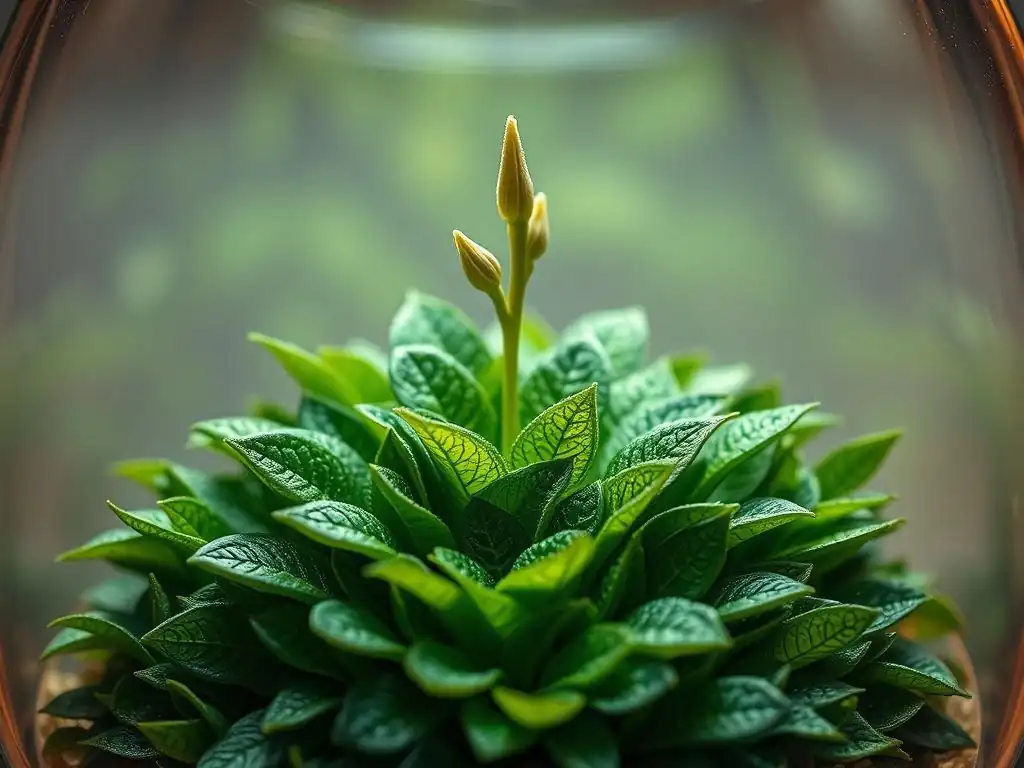
Pearl Weed Turning Yellow or Brown: Identifying the Cause and Finding Solutions
If your Hemianthus micranthemoides is turning yellow (chlorosis), the most common culprit is an iron deficiency or a general lack of micronutrients. Iron is essential for chlorophyll production, and without it, the leaves lose their vibrant green color. Browning, especially at the tips or base, can indicate a potassium deficiency or, in severe cases, root rot due to poor substrate conditions or insufficient light reaching lower leaves in a dense carpet.
To remedy yellowing, increase your iron and general micronutrient dosing. For browning, ensure adequate water circulation around the plants and consider adding root tabs if your substrate is older or nutrient-poor. If the browning is occurring at the base of a carpet, it might be due to self-shading, requiring more aggressive trimming to allow light penetration. Always test your water parameters to rule out ammonia or nitrite spikes, which can also stress plants.
Algae Growth on Pearl Weed: Prevention and Treatment
Algae growth on Hemianthus micranthemoides is a common issue and typically signals an imbalance in the aquarium, particularly related to light, CO2, or nutrient fluctuations. Green spot algae, hair algae, or even black beard algae can appear. Common causes include excessive light duration or intensity without sufficient CO2 and nutrient levels to support the plant's growth, or inconsistent CO2 supply.
To prevent algae, ensure a stable CO2 concentration of 20-30 ppm throughout the entire photoperiod, and maintain consistent nutrient levels with regular dosing. Avoid excessively long light cycles; an 8-10 hour photoperiod is usually sufficient. Manual removal of severely affected leaves and addressing the underlying imbalance are key. For a healthy Hemianthus micranthemoides carpet care, preventing algae through balance is far more effective than treating it.
Dealing with Leggy Growth in Hemianthus Micranthemoides
Leggy growth in Hemianthus micranthemoides is characterized by stems that stretch excessively, with leaves spaced far apart, often reaching towards the light source. This is a clear indicator of insufficient light intensity for the plant's needs, especially when attempting to cultivate a dense Hemianthus micranthemoides carpet. The plant is essentially "searching" for more light.
To correct leggy growth, increase your light intensity, ensuring PAR levels are appropriate for carpeting (e.g., 50+ PAR at the substrate). If you are not injecting CO2, consider adding it, as CO2 deficiency can also contribute to leggy growth by limiting the plant's ability to efficiently utilize available light. Regular trimming of the leggy tops will encourage new, more compact growth from the lower nodes, helping to restore the desired bushy or carpeting form.
Tank Mates and Compatibility with Hemianthus Micranthemoides
Best Fish and Invertebrates to Keep with Pearl Weed
Hemianthus micranthemoides thrives in peaceful community aquariums. Ideal fish tank mates are small, non-herbivorous, and non-digging species that will not disturb the delicate plant structure. Excellent choices include various species of Tetras (e.g., Neon Tetras, Cardinal Tetras, Ember Tetras), small Rasboras (e.g., Harlequin Rasboras, Chili Rasboras), peaceful Gouramis (e.g., Dwarf Gouramis), and smaller schooling fish like Guppies or Endler's Livebearers. Otocinclus catfish are also highly recommended for their algae-eating habits without harming plants.
For invertebrates, dwarf shrimp species such as Cherry Shrimp (Neocaridina davidi) or Amano Shrimp (Caridina multidentata) are perfect companions. They are diligent algae grazers and detritivores, contributing to tank cleanliness without damaging the Pearl Weed. Snails like Nerite snails are also safe and effective algae controllers that will not consume or uproot your Hemianthus micranthemoides carpet.
Avoiding Fish That Might Eat or Uproot Pearl Weed
To ensure the longevity and health of your Hemianthus micranthemoides, it's crucial to avoid fish species known for their herbivorous diet or aggressive digging behaviors. Large cichlids, such as Oscars or Jack Dempseys, will almost certainly uproot and destroy plants. Similarly, larger herbivorous fish like Goldfish, Silver Dollars, and some species of Plecos (e.g., Common Pleco) are notorious for eating or damaging aquatic plants.
Bottom-dwelling fish that extensively sift through the substrate, such as certain larger catfish species or some loaches, can also be problematic, especially for newly planted or shallowly rooted Hemianthus micranthemoides carpet setups. Their constant digging can dislodge the delicate plant fragments before they have a chance to establish a strong root system, leading to floating plants and a disrupted aquascape.
Hemianthus Micranthemoides vs. Other Carpeting Plants: A Comparison
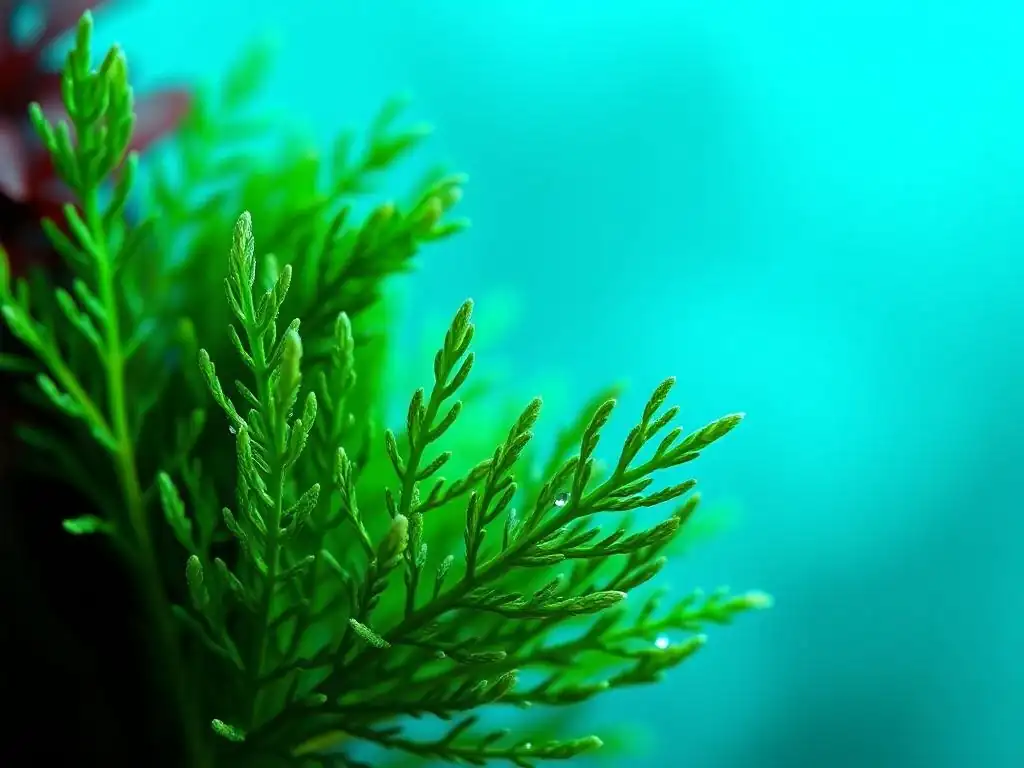
Pearl Weed vs. Dwarf Hairgrass: Which is Right for Your Aquarium?
Hemianthus micranthemoides and Dwarf Hairgrass ( Eleocharis parvula) are both popular choices for aquarium carpets, but they offer distinct aesthetics and care requirements. Dwarf Hairgrass grows via runners, forming a fine, grass-like texture that can range from a very low-lying carpet to a slightly taller, meadow-like appearance, often reaching 2-4 inches (5-10 cm). It typically requires very high light and consistent CO2 to spread densely and avoid melting.
In contrast, Hemianthus micranthemoides forms a denser, more bushy carpet with distinct small, bright green leaves, usually staying under 1-2 inches (2.5-5 cm) when properly trimmed. While both demand high-tech conditions for carpeting, Dwarf Hairgrass can be more challenging to establish and requires less frequent but more extensive thinning trims once established. Hemianthus micranthemoides carpet care involves more frequent, precise trimming, but many find its textured, bubbly appearance uniquely appealing. The choice largely depends on the desired aesthetic and your commitment to specific high-tech demands.
Pearl Weed vs. Monte Carlo: Growth Habits and Care Differences
Hemianthus micranthemoides and Monte Carlo ( Micranthemum tweediei) are often compared due to their similar use as foreground carpeting plants, but they have subtle yet significant differences. Monte Carlo features slightly larger, rounder leaves and generally exhibits a more aggressive and faster carpeting habit than Pearl Weed under comparable conditions. It tends to form a very dense, robust mat and roots more strongly into the substrate, making it less prone to detaching and floating.
Both plants require high light and CO2 injection for optimal carpeting. However, Monte Carlo is often regarded as slightly easier to carpet and maintain due to its more vigorous spreading and stronger rooting system. Hemianthus micranthemoides carpet care, while rewarding, can be more demanding in terms of light intensity and consistent trimming to prevent leggy growth and ensure the lower layers receive adequate light. The choice often comes down to personal preference for leaf shape and texture, with Monte Carlo offering a slightly coarser look compared to Pearl Weed's delicate appearance.
Aquascaping Ideas with Hemianthus Micranthemoides
Using Pearl Weed as a Midground Accent Plant
When allowed to grow taller and bushy, Hemianthus micranthemoides excels as a midground accent plant, adding depth and a soft, lush transition in an aquascape. Its bright green color and fine texture provide a beautiful contrast to darker or broader-leaved plants. It can be strategically pruned to maintain a desired height, typically between 4-8 inches (10-20 cm), creating a natural-looking shrubbery.
Planted in clusters around hardscape elements like driftwood or rocks, Pearl Weed can soften their appearance and provide a naturalistic feel. Its ability to grow densely makes it an excellent choice for filling gaps or creating visual pockets, enhancing the overall composition of your aquascape. The vibrant green also pops against red stem plants, creating a stunning visual dynamic.
Creating a Natural-Looking Riverbed with Pearl Weed
Hemianthus micranthemoides is perfectly suited for creating a natural-looking riverbed or stream effect in an aquarium. By planting it densely as a carpet in the foreground, you can allow it to gently undulate or follow the contours of the substrate, mimicking the mossy, lush banks of a pristine waterway. This effect is particularly striking when combined with well-placed hardscape.
To enhance the riverbed illusion, pair the Hemianthus micranthemoides carpet with smooth, water-worn pebbles, larger river stones, or a fine sand pathway that meanders through the green expanse. Small, scattered pieces of driftwood resembling submerged branches can complete the naturalistic scene, creating a tranquil and authentic aquascape that evokes the serenity of a real riverbed.
Combining Pearl Weed with Other Plants for a Stunning Aquascape
The fine texture and bright green hue of Hemianthus micranthemoides make it an incredibly versatile plant for combining with other species to create stunning aquascapes. As a foreground carpet, it pairs beautifully with plants offering contrasting textures, such as the fine blades of Dwarf Hairgrass for a varied ground cover, or the broader leaves of Cryptocoryne species for a more rugged, natural look.
For midground and background, consider layering Pearl Weed with plants of different heights and colors. For instance, its vibrant green contrasts wonderfully with red stem plants like Ludwigia repens or Rotala rotundifolia, creating eye-catching focal points. Combining a Hemianthus micranthemoides carpet with taller, bushy plants like Rotala H'ra or Staurogyne repens in the midground and background creates depth and a natural sense of scale, showcasing the plant's adaptability in diverse aquascape designs.
Conclusion: Mastering Hemianthus Micranthemoides Care for a Beautiful Aquarium
Hemianthus micranthemoides, or Pearl Weed, stands out as a remarkably versatile and rewarding aquatic plant for any freshwater aquarium. Its ability to be cultivated as both a delicate stem plant and a lush, dense carpet makes it a favorite among aquascapers, offering a range of aesthetic possibilities for foreground, midground, and even background placement. With its vibrant green coloration and fine texture, it consistently enhances the natural beauty of an aquascape.
Mastering Hemianthus micranthemoides carpet care and its stem form hinges on providing specific, consistent conditions: high light intensity, reliable CO2 injection, and a balanced regimen of macro and micronutrients. Diligent and regular trimming is also crucial for maintaining its desired form, whether you're aiming for a compact carpet or a bushy midground accent. By dedicating attention to these key aspects, aquarists can successfully cultivate this popular plant, achieving a stunning, healthy, and vibrant underwater landscape.
Frequently Asked Questions
How can I achieve a dense Hemianthus micranthemoides (Pearl Weed) carpet in my aquarium?
To achieve a dense carpet, provide high lighting, inject CO2, and use a nutrient-rich substrate. Regular trimming is also crucial to encourage lateral growth and prevent the Pearl Weed from growing upwards.
What are the key differences between using Hemianthus micranthemoides as a stem plant versus a carpet plant?
As a stem plant, it grows vertically and requires less intense lighting. As a carpet, Hemianthus micranthemoides needs intense lighting and CO2 to spread horizontally and form a dense, attractive carpet.
What are the most common challenges when growing Hemianthus micranthemoides as a carpet, and how can I overcome them?
Common challenges include algae growth due to high light and poor growth due to insufficient CO2. Ensure balanced nutrients, regular water changes, and proper CO2 levels to combat these issues.
What water parameters are ideal for successful Hemianthus micranthemoides carpet care?
Ideal water parameters include a pH of 6.0-7.5, a temperature of 72-78°F (22-26°C), and adequate levels of nitrates, phosphates, and potassium for nutrient uptake.
How often should I trim my Hemianthus micranthemoides carpet to maintain its shape and density?
You should trim your Hemianthus micranthemoides carpet every 1-2 weeks, depending on its growth rate. Regular trimming encourages denser growth and prevents it from becoming too tall and shaded.
Final Reflection: Cultivating Beauty, Rooted in Care
The journey of understanding Hemianthus Micranthemoides carpet care extends beyond mere technical instructions. It's a testament to the dedication and patience required to nurture beauty in the often-unseen world of the planted aquarium. The ability to transform this versatile plant into a lush, vibrant carpet is a reward in itself, reflecting a deeper understanding of aquatic ecosystems and the delicate balance they require.
This exploration into Pearl Weed's potential has highlighted its enduring influence on aquascaping. The sheer adaptability of Hemianthus Micranthemoides, its capacity to thrive as both a stem plant and a dense carpet, speaks volumes about the resilience and beauty found in nature. The best time to plant a tree was 20 years ago. The second best time is now.
This ancient proverb resonates deeply with the commitment required for successful Hemianthus Micranthemoides carpet growth, urging us to embrace the present and begin cultivating our own underwater landscapes.
Now, as you consider the information shared, I invite you to reflect on your own capacity for patience and dedication. Will you embrace the challenge of creating your own Hemianthus Micranthemoides carpet? Will you commit to providing the necessary care and attention to unlock its full potential? The beauty and tranquility of a thriving planted aquarium await those who are willing to cultivate it, one careful step at a time.
Cultivate Your Aquatic Paradise!
Thank you for delving into the world of Pearl Weed with us! We hope you've gained a newfound appreciation for its versatility and potential in your aquarium. Now, let's turn that knowledge into action!
- Start your own Pearl Weed patch! Carefully select a healthy portion, prepare your substrate, and witness the magic as it transforms your tank.
- Share your Pearl Weed journey! Post pictures of your setup on social media and tag Aquarium Mastery.
- Experiment with different trimming techniques to sculpt unique aquascapes.
What innovative Pearl Weed design will you bring to life in your aquarium?