
Echinodorus 'Kleiner Prinz': The Compact Red Sword Plant Profile

Welcome to Aquarium Mastery!
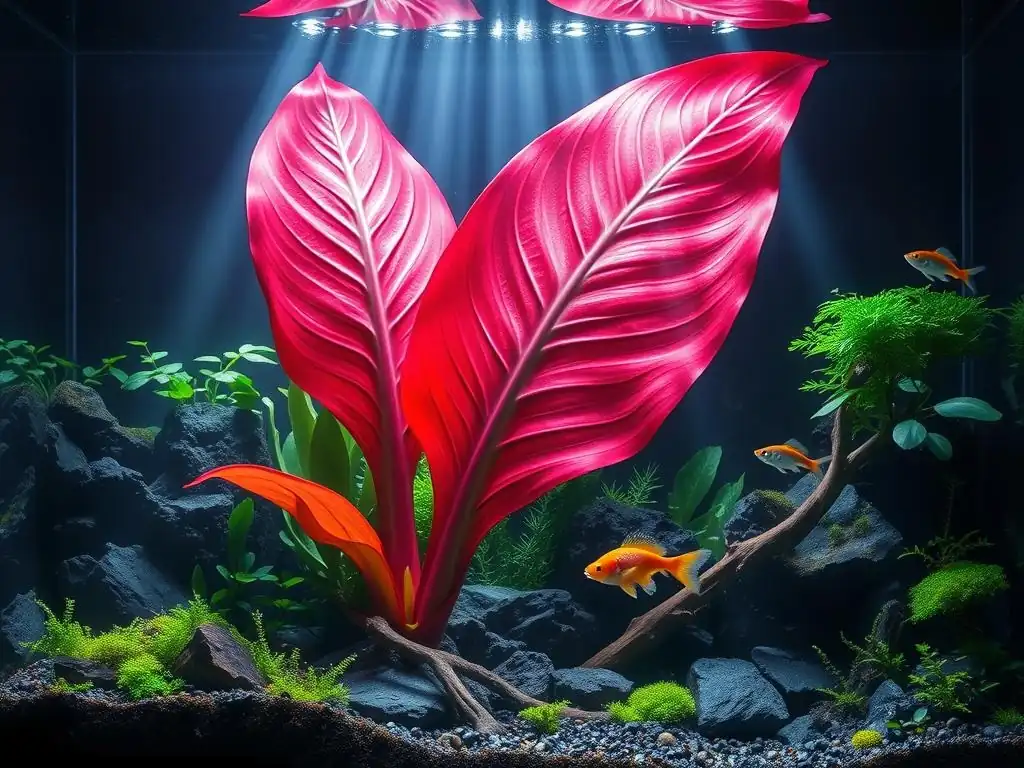
Curious about adding a splash of vibrant red to your underwater world? Then you've come to the right place! Dive in and discover everything you need to know about Echinodorus 'Kleiner Prinz', a captivating and compact sword plant. This profile unlocks the secrets to thriving with this beauty, but what makes it the perfect choice for your aquarium? Let's explore!
- Echinodorus 'Kleiner Prinz': The Compact Red Sword Plant Profile for Aquariums
- Introduction to Echinodorus 'Kleiner Prinz'
- Essential Echinodorus 'Kleiner Prinz' Care Tips for Optimal Growth
- Planting and Propagation of Echinodorus 'Kleiner Prinz'
- Tank Mates and Placement for Echinodorus 'Kleiner Prinz'
- Common Issues and Troubleshooting with Echinodorus 'Kleiner Prinz'
- Echinodorus 'Kleiner Prinz' vs. Other Red Aquarium Plants: A Comparison
- Purchasing Echinodorus 'Kleiner Prinz': What to Look For
- Conclusion: Mastering Echinodorus 'Kleiner Prinz' Care
-
Frequently Asked Questions
- What are the ideal water parameters for Echinodorus 'Kleiner Prinz'?
- How much light does Echinodorus 'Kleiner Prinz' need?
- What substrate is best for Echinodorus 'Kleiner Prinz'?
- How often should I fertilize Echinodorus 'Kleiner Prinz'?
- What are some common problems when caring for Echinodorus 'Kleiner Prinz'?
- Final Reflection: Embracing the Miniature Majesty
- Cultivate Your Aquatic Kingdom: Grow a 'Kleiner Prinz' Today!
Echinodorus 'Kleiner Prinz': The Compact Red Sword Plant Profile for Aquariums
Introduction to Echinodorus 'Kleiner Prinz'
What is Echinodorus 'Kleiner Prinz'? A Detailed Overview
Echinodorus 'Kleiner Prinz', often referred to as the 'Little Prince' sword plant, is a highly sought-after cultivar in the aquarium hobby, renowned for its compact size and striking reddish-brown to deep red foliage. This hybrid aquatic plant is a result of selective breeding, often believed to involve Echinodorus schlueteri 'Leopard' and Echinodorus horemanii 'Red', making it a robust and visually appealing choice for freshwater aquariums.
Unlike some larger Echinodorus species that can dominate a tank, 'Kleiner Prinz' typically reaches a manageable height of 6-10 inches (15-25 cm) and a width of 4-8 inches (10-20 cm), fitting well into a variety of tank sizes from 10 gallons upwards.
The leaves of Echinodorus 'Kleiner Prinz' emerge a lighter green and gradually transition to their characteristic reddish hue under optimal conditions, particularly with sufficient light. Its broad, oval-shaped leaves grow in a classic rosette pattern, forming a dense, bushy appearance. This compact growth habit, combined with its vibrant coloration, makes it an excellent focal point or midground plant in aquascapes, providing a beautiful contrast to greener flora. Its robust root system also contributes to substrate health by efficiently absorbing nutrients, making it a functional as well as aesthetic addition to a planted tank.
Why Choose 'Kleiner Prinz' for Your Freshwater Aquarium?
Choosing Echinodorus 'Kleiner Prinz' offers a unique blend of aesthetic appeal and manageable care, making it an excellent option for both novice and experienced aquarists seeking to add a splash of red to their freshwater setup. Its most prominent feature is undoubtedly its stunning coloration; under ideal lighting, the leaves develop a rich red, providing a captivating contrast to the greens of other aquatic plants.
This vibrant hue can transform the visual dynamics of an aquarium, creating depth and interest without requiring the extensive space that larger sword plants demand. For example, in a 20-gallon long tank, a cluster of three 'Kleiner Prinz' plants can form a striking midground centerpiece.
Beyond its visual impact, 'Kleiner Prinz' is celebrated for its relatively forgiving nature compared to other red-leaved plants. While it thrives under optimal conditions, it demonstrates a notable adaptability to a range of water parameters, making it less demanding than some high-tech red stem plants. Its strong root system means it primarily feeds from the substrate, simplifying water column fertilization for aquarists who prefer to minimize daily dosing. The plant's moderate growth rate also means less frequent trimming compared to fast-growing stem plants, contributing to easier Echinodorus 'Kleiner Prinz' care and maintenance.
Essential Echinodorus 'Kleiner Prinz' Care Tips for Optimal Growth
Optimal Water Parameters for Echinodorus 'Kleiner Prinz'
Ideal Temperature Range
Echinodorus 'Kleiner Prinz' flourishes in stable tropical freshwater conditions, with an ideal temperature range spanning from 72°F to 82°F (22°C to 28°C). Maintaining temperatures consistently within this range is crucial for promoting vigorous growth and preventing stress, which can manifest as stunted development or leaf deterioration. For instance, a sudden drop in temperature below 70°F (21°C) can trigger a slowdown in the plant's metabolic processes, making it more susceptible to nutrient deficiencies and potential melting of leaves.
While 'Kleiner Prinz' can tolerate slight deviations for brief periods, prolonged exposure to temperatures outside its preferred range can be detrimental. Temperatures consistently above 84°F (29°C) can accelerate its life cycle, potentially leading to premature decline if other essential parameters, such as CO2 and nutrient availability, are not perfectly balanced to support the increased metabolic rate. Conversely, cooler temperatures can inhibit the absorption of nutrients and slow down photosynthesis, impacting the plant's overall health and its ability to develop vibrant red coloration.
pH and Water Hardness Requirements
For optimal Echinodorus 'Kleiner Prinz' care, maintaining appropriate pH and water hardness levels is essential. This sword plant thrives in slightly acidic to neutral water, with an ideal pH range of 6.0 to 7.5. Consistency in pH is often more critical than hitting an exact number within this range; sudden or drastic pH swings, commonly caused by irregular water changes or insufficient buffering capacity, can severely stress the plant and impair its ability to absorb vital nutrients from both the water column and the substrate.
Regarding water hardness, 'Kleiner Prinz' performs best in soft to moderately hard water. A General Hardness (GH) of 3-8 dGH (approximately 50-140 ppm) and a Carbonate Hardness (KH) of 3-7 dKH (approximately 50-125 ppm) are generally recommended. While it exhibits a degree of adaptability, extremely soft water may necessitate additional mineral supplementation to provide adequate calcium and magnesium, which are crucial for plant health. Conversely, very hard water can sometimes limit the availability of certain micronutrients, particularly iron, which is vital for the plant's characteristic red pigmentation.
Lighting Needs for Red Sword Plants: Ensuring Vibrant Color
PAR (Photosynthetically Active Radiation) Requirements
To achieve the most vibrant red coloration in your Echinodorus 'Kleiner Prinz', it requires moderate to high light intensity. In terms of PAR (Photosynthetically Active Radiation), a range of 30-50 µmol/m²/s at the substrate level is generally recommended. This level of light ensures efficient photosynthesis, which is crucial for the production of anthocyanins—the pigments responsible for the plant's striking red hues. Lower light levels, such as 15-25 µmol/m²/s, will result in slower growth and a tendency for the leaves to remain predominantly green, significantly diminishing its characteristic aesthetic appeal.
For example, in an 18-inch deep aquarium, a high-quality LED fixture of 25-30 watts, designed for planted tanks, might be necessary to deliver adequate PAR to the substrate, depending on the fixture's specific output and lens design. Without sufficient light intensity, the plant will struggle to metabolize nutrients effectively, leading to stunted growth and a lackluster appearance. Proper PAR ensures that your Echinodorus 'Kleiner Prinz' can truly express its genetic potential for rich, deep red foliage, making it a standout feature in your aquascape.
Lighting Duration for Healthy Growth
A consistent photoperiod is paramount for the sustained health and vibrant coloration of Echinodorus 'Kleiner Prinz'. An ideal lighting duration is typically 8 to 10 hours per day. This period allows ample time for photosynthesis to occur, supporting robust growth and pigment development, without unduly promoting the proliferation of undesirable algae. Longer durations, especially beyond 12 hours, can often lead to excessive algae growth, particularly in tanks with higher nutrient levels or imbalanced CO2.
Utilizing a reliable timer to automate your lighting schedule is highly recommended to ensure consistency and prevent the irregular light cycles that can stress the plant. For instance, setting the lights to activate at 9 AM and deactivate at 7 PM provides a steady 10-hour photoperiod. This consistent routine helps the plant establish a healthy growth rhythm and maximize its photosynthetic efficiency. Deviating from this consistent schedule can disrupt the plant's internal clock, potentially leading to reduced vitality and diminished coloration, highlighting the importance of regulated lighting in optimal Echinodorus 'Kleiner Prinz' care.
Substrate and Fertilization for 'Kleiner Prinz'
Best Substrate Types for Rooted Plants
As a heavy root feeder, Echinodorus 'Kleiner Prinz' flourishes when planted in a nutrient-rich substrate. Specialized aquatic plant substrates, which are often composed of clay, laterite, or other nutrient-enriched materials, are highly recommended. These substrates are designed to slowly release essential macro and micronutrients directly to the plant's extensive root system, thereby supporting vigorous growth and enhancing its vibrant red coloration. Popular examples include ADA Aqua Soil, Fluval Stratum, or CaribSea FloraMax, all of which provide an excellent foundation for rooted plants.
An ideal substrate depth of at least 2-3 inches (5-7.5 cm) is crucial to allow the robust roots of 'Kleiner Prinz' to anchor firmly and access the necessary nutrients effectively. If using inert substrates such as sand or gravel, it is absolutely essential to supplement with root tabs. These concentrated fertilizer tabs are inserted directly into the substrate beneath the plant, providing a localized and continuous supply of nutrients that mimic the benefits of a dedicated plant substrate. Root tabs typically release nutrients over several months, ensuring a steady food source for your Echinodorus 'Kleiner Prinz'.
Comprehensive Guide to Fertilization: Macro and Micronutrients
A comprehensive fertilization regimen, encompassing both macro and micronutrients, is vital for the optimal health and vibrant coloration of Echinodorus 'Kleiner Prinz'. Macronutrients such as Nitrogen (N), Phosphorus (P), and Potassium (K) are fundamental for overall plant growth. For instance, a deficiency in nitrogen might manifest as a general yellowing of older leaves, while insufficient potassium can lead to pinholes or necrotic spots on the foliage. Regular dosing of liquid fertilizers that provide these elements, typically on a weekly or bi-weekly schedule according to product instructions, is often beneficial, especially in tanks with a high density of plants.
Micronutrients, particularly iron, play a critical role in the plant's ability to produce its characteristic red pigments. Iron deficiency is a common cause of pale green or yellowing new growth in 'Kleiner Prinz', with the red coloration becoming muted or absent. To combat this, regular supplementation with an iron-rich liquid fertilizer or the use of iron-fortified root tabs is highly effective.
Many aquarists aim for an iron concentration of 0.05-0.1 ppm in the water column to ensure sufficient availability. Other essential micronutrients like manganese, boron, and zinc are typically included in balanced liquid plant fertilizers, ensuring all nutritional needs are met for robust Echinodorus 'Kleiner Prinz' care.
CO2 Injection: Is it Necessary for Echinodorus 'Kleiner Prinz'?
While Echinodorus 'Kleiner Prinz' can survive and grow in a low-tech aquarium without supplemental CO2 injection, its growth rate will be noticeably slower, and its coveted red coloration will be significantly less intense. For optimal growth, larger leaf size, and to achieve the most vibrant, deep red hues, CO2 supplementation is highly recommended. Injecting CO2 to maintain levels between 20-30 ppm during the lighting period dramatically boosts photosynthesis, enabling the plant to utilize available light and nutrients far more efficiently.
In a high-tech setup featuring strong lighting and a nutrient-rich substrate, CO2 injection becomes almost essential. Without adequate CO2, the plant may struggle to process the high light intensity, potentially leading to stunted growth, increased susceptibility to algae, or even leaf melt. For example, a 20-gallon planted tank might require a CO2 dosing rate of 1-2 bubbles per second to achieve target levels, depending on water movement and diffuser efficiency. Providing consistent CO2 is a cornerstone of advanced Echinodorus 'Kleiner Prinz' care, ensuring the plant reaches its full potential in terms of health, size, and stunning coloration.
Planting and Propagation of Echinodorus 'Kleiner Prinz'
Planting Instructions: Getting Started with Your Red Sword
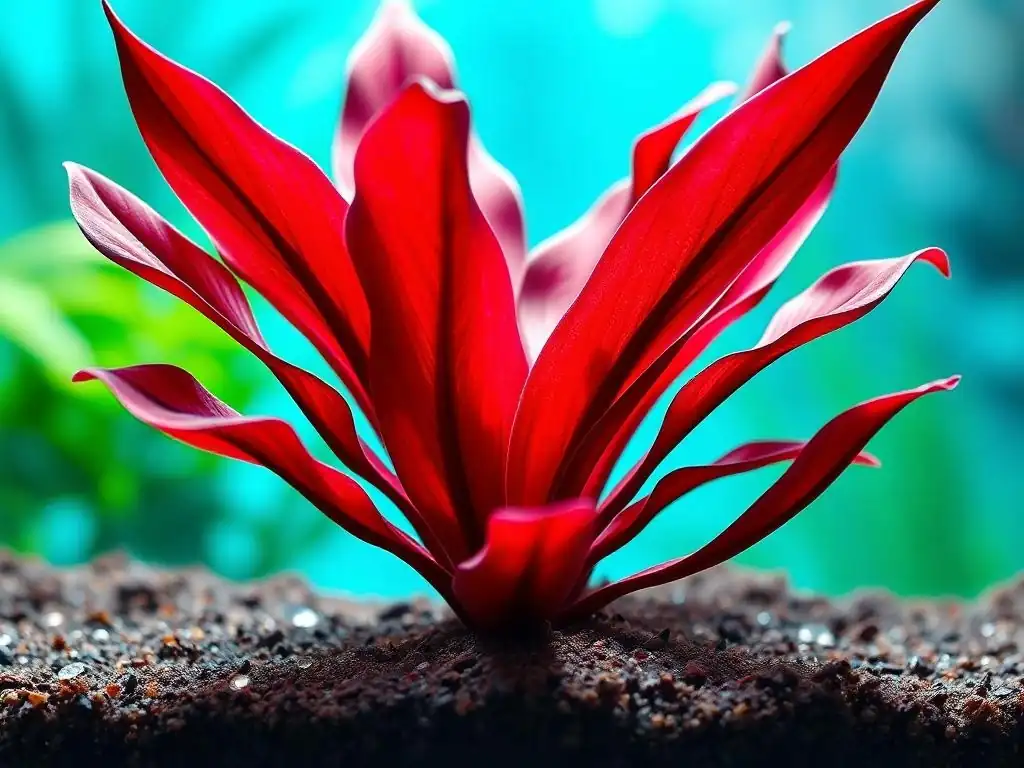
Proper planting is crucial for the successful establishment and long-term health of your Echinodorus 'Kleiner Prinz'. Begin by gently removing the plant from its packaging, carefully unwrapping any protective material around the roots. Inspect the roots and trim any excessively long, damaged, or decaying portions to about 1-2 inches (2.5-5 cm) to encourage new growth. Similarly, remove any yellowed or rotting leaves from the plant's crown. Create a small depression in your nutrient-rich substrate, ensuring it's deep enough to fully accommodate the roots.
Carefully place the plant into the depression, ensuring that the crown—the point where the leaves meet the roots—is positioned just above the substrate surface. It is vital not to bury the crown, as this can lead to rot and plant death. Gently backfill the substrate around the roots, making sure the plant is firmly anchored and stable. For instance, in a 30-gallon aquarium, planting 3-5 'Kleiner Prinz' specimens, spaced approximately 4-6 inches apart, can create an impactful midground grouping. After planting, perform a small water change to settle any disturbed substrate particles and clarify the water.
Propagating 'Kleiner Prinz': A Step-by-Step Guide
Adventitious Shoots
The most common and straightforward method for propagating Echinodorus 'Kleiner Prinz' is through adventitious shoots, also known as plantlets. Under optimal growing conditions, the mature mother plant will naturally send out runners or flower stalks that develop small, miniature plantlets along their length. These plantlets will gradually develop their own root systems and a few leaves while still attached to the main runner, drawing nutrients from the mother plant.
Once these plantlets have developed at least 3-4 leaves and a root system of approximately 1-2 inches (2.5-5 cm) in length, they are ready for separation. Carefully use sharp, sterilized aquascaping scissors to snip the plantlet from the runner, ensuring you cut cleanly.
For example, a healthy, well-established mother plant might produce 2-3 viable plantlets on a single runner within 4-6 weeks under ideal conditions. These newly detached plantlets can then be planted directly into the substrate as new individual plants, following the same planting instructions as a newly purchased specimen, contributing to the expansion of your 'Kleiner Prinz' collection.
Dividing the Rhizome
While less common for the compact Echinodorus 'Kleiner Prinz' compared to larger sword plant varieties, dividing the rhizome is another propagation method that can be employed, particularly with very mature and robust specimens. This technique involves carefully cutting the thick, horizontal rhizome (the underground stem) into sections. Each section must contain at least a few healthy leaves and a portion of the root system to ensure viability.
To perform rhizome division, gently unearth the mature 'Kleiner Prinz' plant from the substrate. Using a sharp, sterilized blade or a clean, sharp pair of scissors, make clean cuts through the rhizome, ensuring each new section has adequate foliage and roots. This method can be more stressful for the plant than adventitious shoot propagation, so it should only be attempted on truly robust specimens.
For instance, if an older 'Kleiner Prinz' has developed an exceptionally wide and dense root mass, it might yield one or two new plants through careful division. Replant each section as you would a new plant, providing optimal Echinodorus 'Kleiner Prinz' care to aid its recovery.
Tank Mates and Placement for Echinodorus 'Kleiner Prinz'
Choosing Compatible Fish and Invertebrates
Echinodorus 'Kleiner Prinz' is a hardy and robust plant that is generally compatible with the majority of common freshwater aquarium fish. However, it is prudent to avoid large, highly herbivorous species that are known to uproot plants or graze heavily on foliage. This includes fish such as large Cichlids (e.g., adult Oscars, Jack Dempseys), Silver Dollars, or Goldfish, which can cause significant damage. Instead, opt for smaller, peaceful community fish like various species of Tetras (e.g., Neon Tetras, Cardinal Tetras, Rummy Nose Tetras), Rasboras, Guppies, Mollies, and Corydoras catfish, all of which coexist harmoniously with sword plants.
Invertebrates are also excellent tank mates for Echinodorus 'Kleiner Prinz'. Amano shrimp, Cherry shrimp, and various snail species such as Nerite snails and Mystery snails are highly recommended. These invertebrates are not only non-destructive to the plant but can also be beneficial by helping to control nuisance algae that might otherwise grow on the plant's leaves. For example, a 20-gallon planted tank featuring 'Kleiner Prinz' could comfortably house a school of 15 Neon Tetras, 6 Corydoras, and 3-5 Amano shrimp, creating a balanced and visually appealing ecosystem.
Ideal Placement in Your Aquarium Layout
Background, Midground, or Foreground?
Given its compact size, typically reaching 6-10 inches (15-25 cm) in height, Echinodorus 'Kleiner Prinz' is most effectively positioned in the midground of larger aquariums or as a charming background plant in smaller tanks (e.g., 5-10 gallon setups). Its striking red coloration makes it an exceptional focal point, drawing the viewer's eye and adding a vibrant splash of color to the central areas of the aquascape. When planning your layout, consider its mature size to ensure it doesn't overshadow smaller foreground plants or get lost behind taller background species.
For maximum visual impact and to create a naturalistic feel, consider planting Echinodorus 'Kleiner Prinz' in groups of three or five. This grouping strategy allows the plants to form a dense, colorful bush effect, enhancing their collective beauty. Alternatively, a single, well-placed specimen can serve as a powerful accent plant. Ensure that each plant has ample space around its base for its robust root system to spread unhindered and for light to penetrate effectively to its lower leaves. Avoid overcrowding, as this can lead to shading, nutrient competition, and ultimately, diminished health and color for your 'Kleiner Prinz' plants.
Common Issues and Troubleshooting with Echinodorus 'Kleiner Prinz'
Identifying and Addressing Nutrient Deficiencies
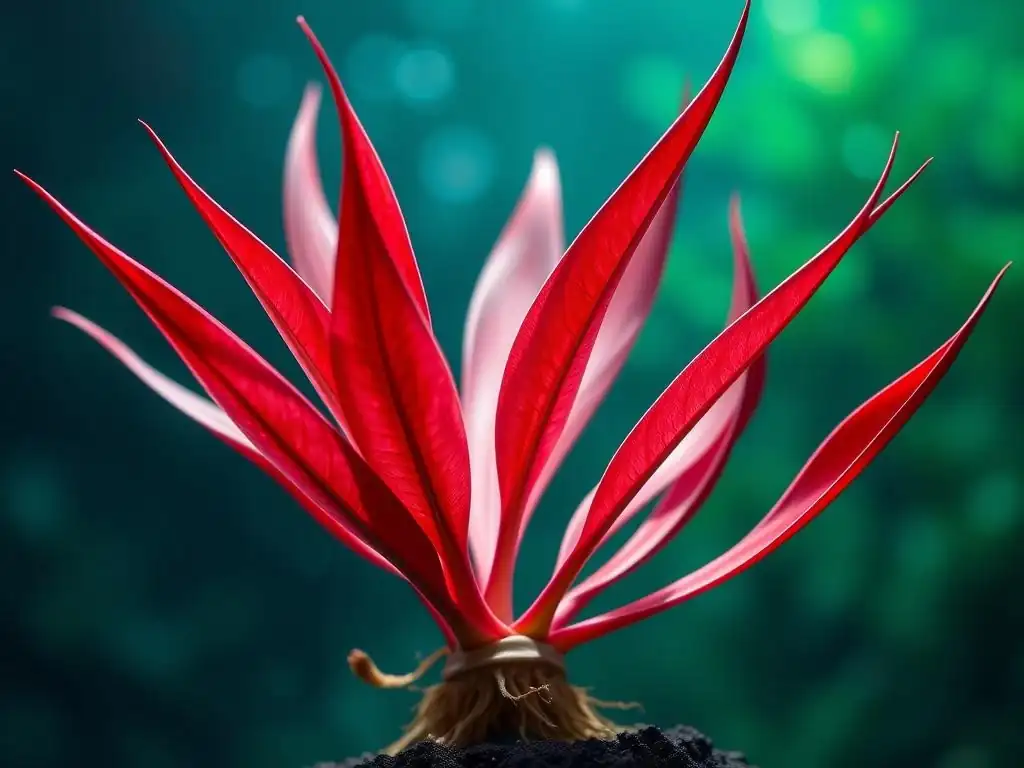
One of the most prevalent issues encountered with Echinodorus 'Kleiner Prinz' is nutrient deficiency, which typically manifests as distinct changes in leaf appearance. A general yellowing of older leaves, often starting from the tips or margins, is a strong indicator of nitrogen deficiency. Pinholes or areas of necrosis (tissue death) on existing leaves can point towards a lack of potassium. Perhaps most significantly for this red sword plant, pale green or yellowing new growth, especially when the leaf veins remain green, strongly suggests an iron deficiency, which directly impairs the plant's ability to produce its characteristic red pigments.
To effectively address these deficiencies, first ensure your substrate is nutrient-rich or supplement with root tabs every 3-6 months, as 'Kleiner Prinz' is a heavy root feeder. For immediate relief and ongoing maintenance, implement a comprehensive liquid fertilization routine that supplies both macro and micronutrients. For example, if iron deficiency is suspected, increase liquid iron dosing by 20-30% for a few weeks while diligently observing the plant's recovery. Regular water testing can help pinpoint specific nutrient imbalances, allowing for precise adjustments to your fertilization strategy to maintain optimal Echinodorus 'Kleiner Prinz' care and vibrant coloration.
Preventing and Treating Algae Growth on Sword Plants
Algae growth on the leaves of Echinodorus 'Kleiner Prinz' is a common nuisance and typically signals an imbalance within the aquarium ecosystem. The primary culprits are usually excessive light intensity or duration, often coupled with insufficient CO2 levels or an imbalance in essential nutrients. When these conditions occur, algae can outcompete the plants for resources, leading to their proliferation. Common types of algae found on sword plant leaves include green spot algae, appearing as small, hard green dots, and hair algae, which manifests as stringy, filamentous green strands.
To prevent algae, ensure your lighting is within the recommended PAR range (30-50 µmol/m²/s) and duration (8-10 hours daily). In high-light setups, it is crucial to provide adequate CO2 (20-30 ppm) and comprehensive nutrient dosing to support robust plant growth, thereby outcompeting algae. Introducing algae-eating invertebrates, such as Amano shrimp (e.g., 1 shrimp per 5-10 gallons) or various Nerite snail species, can significantly help control existing algae.
Manual removal of heavily affected leaves is also effective. For severe and persistent algae issues, a controlled 3-day blackout period can drastically reduce algae without harming the 'Kleiner Prinz', provided CO2 injection is paused during this time.
Dealing with Melting Leaves
Leaf melting, characterized by leaves becoming translucent, soft, and eventually disintegrating, is a frequently observed phenomenon, particularly with newly acquired Echinodorus 'Kleiner Prinz' plants. This process, often termed "melt," is a natural physiological response as the plant adapts to a new environment, especially if it was grown emersed (out of water) before being submerged in your aquarium. The plant must shed its old, aerial-adapted leaves and grow new, submersed-adapted foliage.
To mitigate the severity of melt and promote quick adaptation, ensure stable water parameters, provide a nutrient-rich substrate, and maintain consistent lighting and CO2 levels (if injected). Promptly remove any melting leaves to prevent them from decaying and fouling the water, which can contribute to algae growth.
While some initial melt is normal and expected, persistent melting of new growth or established leaves can indicate more severe underlying issues, such as significant nutrient deficiencies, drastic fluctuations in water parameters (e.g., sudden temperature drops), or insufficient CO2 in a high-light environment. For instance, if a 'Kleiner Prinz' plant loses more than 50% of its leaves within the first two weeks, a thorough re-evaluation of your setup's stability and nutrient availability is warranted.
Echinodorus 'Kleiner Prinz' vs. Other Red Aquarium Plants: A Comparison
Comparing Growth Habits and Care Requirements
Echinodorus 'Kleiner Prinz' distinguishes itself from many other popular red aquarium plants through its unique rosette growth habit and its primary reliance on root nutrition. Unlike stem plants such as Rotala rotundifolia 'Red' or Ludwigia repens 'Rubin', which grow vertically from a central stem and predominantly absorb nutrients from the water column, 'Kleiner Prinz' forms a compact basal rosette and propagates via runners. Stem plants typically demand frequent trimming and replanting to maintain density and color, whereas 'Kleiner Prinz' is more of a "plant-and-forget" species once established, requiring only occasional removal of old or damaged leaves.
In terms of care requirements, while both types of plants benefit from good lighting and CO2 for intense red coloration, 'Kleiner Prinz' places a greater emphasis on a nutrient-rich substrate. Many red stem plants, especially the more demanding varieties, often necessitate higher light and CO2 levels than 'Kleiner Prinz' to achieve their peak coloration.
For example, Alternanthera reineckii 'Mini' typically demands very high light and consistent CO2 injection for its vibrant red to burgundy leaves. In contrast, 'Kleiner Prinz' can achieve decent coloration under moderate conditions if its root nutrition is excellent, making it a more forgiving option for aquarists who are beginning to explore red plants.
Selecting the Right Red Plant for Your Aquarium
Choosing the appropriate red plant for your aquarium hinges on several factors, including your tank's specific conditions, your experience level, and your desired aquascape aesthetic. If you have a smaller aquarium (under 20 gallons) or are a beginner seeking a striking red focal point without the complexities of a high-tech setup, Echinodorus 'Kleiner Prinz' is an excellent choice. Its compact size and relatively moderate care requirements make it manageable, and its root-feeding nature can simplify water column fertilization for many aquarists.
Conversely, if you operate a high-tech aquarium with intense lighting and CO2 injection, and you enjoy the dynamic growth and regular trimming associated with stem plants, varieties like Rotala macrandra 'Red' or Ludwigia glandulosa might be more suitable. These plants offer a diverse range of red hues and textures, often achieving brilliant color under optimal high-tech conditions.
For example, an aquascaper aiming for a dense, vibrant red carpet might opt for Alternanthera reineckii 'Mini*, while someone seeking a sturdy, long-lasting red centerpiece with minimal maintenance might prefer 'Kleiner Prinz' or a larger, less demanding red sword plant. Always consider the overall design of your aquascape and the level of maintenance commitment each species requires.
Purchasing Echinodorus 'Kleiner Prinz': What to Look For
Identifying Healthy Specimens
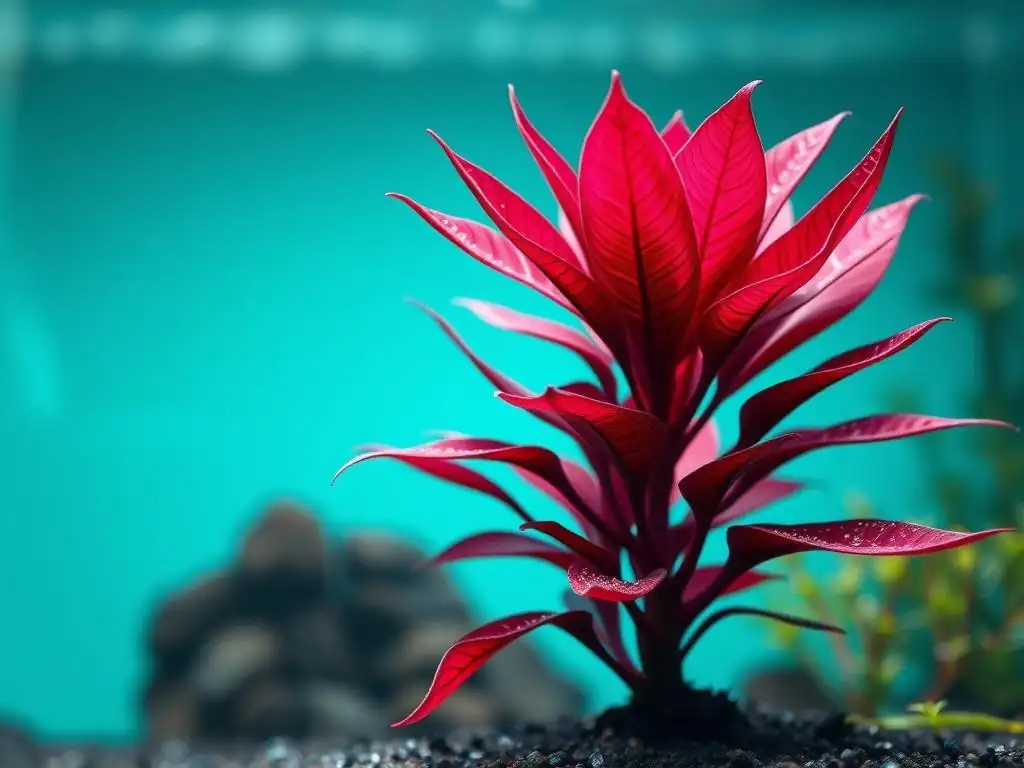
When purchasing Echinodorus 'Kleiner Prinz', whether from an online vendor or a local fish store, it is crucial to know how to identify healthy specimens to ensure a successful start in your aquarium. Look for plants with firm, vibrant leaves that show no signs of yellowing, translucence, or mushy spots, as these are clear indicators of stress, nutrient deficiency, or rot. Healthy 'Kleiner Prinz' will typically have a good number of leaves, and if grown under adequate light, the newer leaves should exhibit a distinct reddish tint.
Carefully inspect the root system if possible; healthy roots should appear white or light brown and feel firm, not black or slimy. Additionally, check the plant for any signs of nuisance algae or pests. While a minimal amount of algae might be present, excessive coatings, particularly of black beard algae, suggest suboptimal growing conditions or poor maintenance at the source. For example, a robust 'Kleiner Prinz' will usually present a compact rosette structure with no significant signs of melting or stunted new growth, indicating it has been well-cared for prior to purchase.
Where to Buy 'Kleiner Prinz' Online and Locally
Echinodorus 'Kleiner Prinz' is a popular and widely available aquatic plant, making it accessible through various reputable sources. Most local fish stores that specialize in live aquatic plants will likely stock 'Kleiner Prinz', allowing you the advantage of inspecting the plant directly for health and quality before making a purchase. This hands-on approach can be reassuring for many aquarists, ensuring they select the best possible specimen.
For a wider selection or potentially better pricing, especially for larger quantities, online aquatic plant vendors are an excellent option. Established online nurseries such as Buceplant, Aquarium Co-Op, or Marcus Fish Tanks frequently stock 'Kleiner Prinz' and often provide quality assurance with their plants. When buying online, always choose vendors with strong positive reviews regarding plant health, packaging, and shipping practices. These specialized vendors typically employ proper shipping methods, such as using heat packs in colder weather or adequate insulation, to ensure plants arrive healthy and ready for optimal Echinodorus 'Kleiner Prinz' care in your aquarium.
Conclusion: Mastering Echinodorus 'Kleiner Prinz' Care
Achieving a Thriving Red Sword Plant in Your Aquarium
Mastering Echinodorus 'Kleiner Prinz' care is an achievable goal for any aquarist, leading to a stunning and thriving red sword plant in their aquarium. The foundation of its success lies in providing stable water parameters, robust substrate nutrition, and appropriate lighting. Maintaining a consistent temperature range of 72-82°F (22-28°C), a pH of 6.0-7.5, and moderate water hardness creates an ideal environment. Crucially, a nutrient-rich substrate or regular supplementation with root tabs every 3-6 months, combined with consistent liquid macro and micronutrient dosing (especially iron), will fuel its vigorous growth and intensify its stunning red coloration.
Furthermore, optimizing lighting to 30-50 µmol/m²/s PAR for 8-10 hours daily, and considering CO2 injection for enhanced vibrancy and accelerated growth, will bring out the absolute best in this compact red sword plant. By diligently adhering to these essential Echinodorus 'Kleiner Prinz' care tips, regularly monitoring for any signs of nutrient deficiencies or algae growth, and selecting compatible tank mates, aquarists can successfully cultivate a vibrant and healthy 'Kleiner Prinz'. This dedication will transform their freshwater aquarium into a dynamic and visually captivating aquatic masterpiece, showcasing the plant's full potential.
Frequently Asked Questions
What are the ideal water parameters for Echinodorus 'Kleiner Prinz'?
The ideal water parameters include a temperature of 72-82°F (22-28°C), a pH of 6.5-7.5, and moderate water hardness. Consistent parameters are crucial for the plant's health and vibrant coloration.
How much light does Echinodorus 'Kleiner Prinz' need?
This plant requires moderate to high lighting. Insufficient light can lead to poor growth and a loss of its characteristic red hues.
What substrate is best for Echinodorus 'Kleiner Prinz'?
A nutrient-rich substrate is highly recommended. Adding root tabs or using a substrate specifically designed for aquatic plants will promote healthy root development.
How often should I fertilize Echinodorus 'Kleiner Prinz'?
Regular fertilization is beneficial, especially with liquid fertilizers containing iron and micronutrients. Monitor the plant's growth and adjust the fertilization schedule accordingly.
What are some common problems when caring for Echinodorus 'Kleiner Prinz'?
Common problems include leaf melt due to nutrient deficiencies or sudden changes in water parameters. Algae growth can also be an issue, so proper tank maintenance is essential.
Final Reflection: Embracing the Miniature Majesty
The journey through understanding Echinodorus 'Kleiner Prinz' reveals more than just optimal care tips; it highlights the enduring appeal of bringing miniature ecosystems into our lives. This compact red sword plant, with its vibrant hues and manageable size, perfectly embodies the modern desire for accessible beauty and a connection to nature within the confines of our homes. Its popularity underscores a broader trend: the appreciation for carefully curated, low-maintenance aquatic environments that offer a tranquil escape from the everyday.
The allure of Echinodorus 'Kleiner Prinz' extends beyond its aesthetic appeal; it fosters a sense of responsibility and connection to the natural world. Cultivating this plant, even in a small aquarium, allows us to participate in the delicate balance of an ecosystem, fostering a deeper appreciation for the interconnectedness of life. As the renowned naturalist John Muir eloquently stated: In every walk with nature one receives far more than he seeks.
This sentiment resonates deeply with the experience of nurturing Echinodorus 'Kleiner Prinz', rewarding us with beauty and a profound sense of connection.
Now, as you embark on your own journey with Echinodorus 'Kleiner Prinz', remember that patience and observation are key. Let the knowledge shared here guide you, but also allow yourself to learn from the plant itself. Embrace the opportunity to create a miniature masterpiece, a vibrant testament to the beauty and resilience of nature, right in your own home. Allow the vibrant red hues of this compact sword plant to inspire creativity and tranquility in your daily life.
Cultivate Your Aquatic Kingdom: Grow a 'Kleiner Prinz' Today!
Thanks for diving into the world of Echinodorus 'Kleiner Prinz'! Now that you're equipped with the knowledge to cultivate this captivating plant, let's transform that understanding into action and watch your aquarium flourish. Here are a few ways to get started:
- Boldly acquire your own Echinodorus 'Kleiner Prinz': Visit your local aquarium store or a trusted online retailer to find a healthy specimen and begin your journey with this captivating plant.
- Experiment with substrate enrichment: Try adding root tabs or liquid fertilizers to further enhance the vibrant red hues of your 'Kleiner Prinz.' Observe how different nutrient levels impact its growth and coloration.
- Share your 'Kleiner Prinz' progress! Join the Aquarium Mastery community forum and post photos of your plant's growth, share your tips, and inspire others.
What unique substrate or lighting combination will you use to unlock the full potential of your Echinodorus 'Kleiner Prinz'?