
Fertilizing Stem Plants: Liquid vs. Root Tabs for Explosive Growth

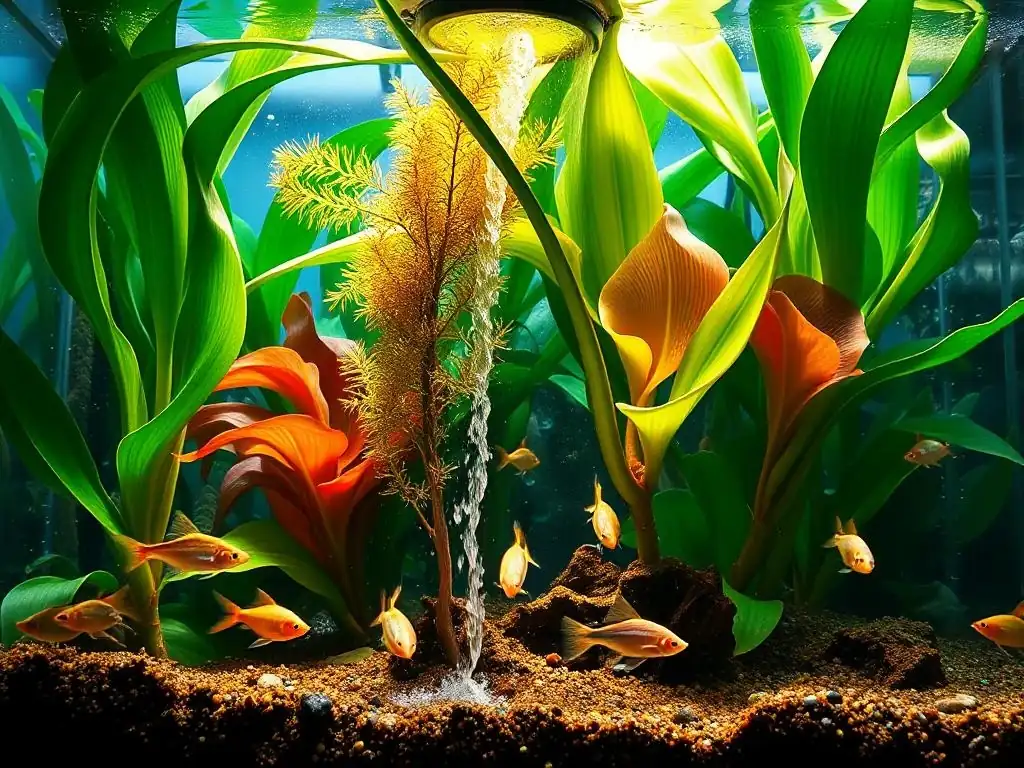
Welcome to Aquarium Mastery, your ultimate guide to thriving aquatic ecosystems! Ever wondered how to achieve explosive stem plant growth and unlock the full potential of your underwater garden? Dive in and discover the secrets behind liquid fertilizers, and how they can be the key to a vibrant and flourishing planted aquarium. Ready to witness the difference? Let's explore!
- Understanding the Nutrient Needs of Aquarium Stem Plants
- Liquid Fertilizers for Rapid Stem Plant Growth: A Deep Dive
- Root Tabs for Long-Term Stem Plant Nutrition: A Comprehensive Guide
- Liquid Fertilizers vs. Root Tabs: A Side-by-Side Comparison for Stem Plants
- Combining Liquid Fertilizers and Root Tabs for Maximum Stem Plant Growth
- Troubleshooting Common Fertilization Issues with Stem Plants
- Advanced Techniques for Fertilizing Demanding Stem Plants
- Conclusion: Choosing the Right Fertilization Method for Your Stem Plants and Achieving Explosive Growth
- Frequently Asked Questions
- Final Reflection: Cultivating Growth, Rooted in Potential
- Unlock Your Aquarium's Potential
Understanding the Nutrient Needs of Aquarium Stem Plants
Why Stem Plants Need Fertilization for Optimal Growth
Aquarium stem plants, unlike their terrestrial counterparts, exist in a relatively nutrient-poor, closed-system environment. In their natural habitats, aquatic plants benefit from a continuous influx of decaying organic matter, mineral runoff, and dissolved nutrients from the surrounding ecosystem. Within the confines of a home aquarium, these natural nutrient sources are often insufficient, especially in tanks with efficient filtration and low fish stocking densities. Without adequate supplementation, stem plants will quickly deplete the available nutrients in the water column and substrate, leading to stunted growth, discoloration, and eventual decline.
To achieve lush, vibrant growth and prevent deficiencies, regular fertilization is essential for stem plants. These plants are often fast-growing and demand a consistent supply of both macro and micronutrients to build new tissues, photosynthesize efficiently, and maintain their structural integrity. Adequate fertilization not only supports healthy plant development but also contributes to a stable aquarium ecosystem by outcompeting algae for available nutrients, leading to a clearer and more aesthetically pleasing tank. Consistent application of liquid fertilizers boosts stem growth by providing readily available nutrients that can be absorbed directly through the leaves.
Key Nutrients for Thriving Stem Plants: NPK and Micronutrients
For optimal growth, aquarium stem plants require a balanced supply of macronutrients and micronutrients. The primary macronutrients, often referred to as NPK, are Nitrogen (N), Phosphorus (P), and Potassium (K). Nitrogen is crucial for protein synthesis and overall plant growth, typically maintained at concentrations of 5-30 ppm (parts per million) in planted tanks. Phosphorus is vital for energy transfer and root development, with recommended levels ranging from 0.5-2 ppm. Potassium supports enzyme activation, nutrient transport, and overall plant vigor, ideally kept between 10-20 ppm.
Beyond NPK, stem plants also depend on a range of micronutrients, which are required in smaller quantities but are equally critical. These include Iron (Fe), essential for chlorophyll production and often maintained at 0.1-0.5 ppm; Manganese (Mn), involved in photosynthesis; Boron (B), important for cell wall formation; Zinc (Zn), for enzyme activity; Copper (Cu), in trace amounts for photosynthesis; and Molybdenum (Mo), for nitrogen metabolism.
Deficiencies in any of these micronutrients can lead to specific symptoms, such as yellowing between leaf veins (iron deficiency) or twisted new growth (boron deficiency), highlighting the need for a comprehensive fertilization strategy that ensures all necessary elements are present.
Identifying Nutrient Deficiencies in Aquarium Stem Plants
Recognizing nutrient deficiencies early is crucial for maintaining healthy stem plants. Symptoms often manifest differently depending on the specific nutrient lacking and whether it is mobile or immobile within the plant. For instance, a common sign of nitrogen or iron deficiency is the yellowing or paling of older leaves (chlorosis), as the plant reallocates mobile nutrients to new growth. If new growth appears pale or stunted while older leaves remain green, it often points to an immobile nutrient deficiency, such as iron, sulfur, or calcium.
Potassium deficiency frequently presents as small holes or yellowing spots on older leaves, sometimes followed by necrosis (tissue death) along the leaf edges. Phosphate deficiency can lead to stunted growth, unusually dark green leaves, and sometimes a purplish tint on the undersides of leaves. Observing these specific symptoms and cross-referencing them with known deficiency charts can help aquarists pinpoint the exact nutrient imbalance. Regular observation and a proactive approach to fertilization, often incorporating liquid fertilizers to boost stem growth, can prevent these issues before they become severe.
Liquid Fertilizers for Rapid Stem Plant Growth: A Deep Dive
How Liquid Fertilizers Work in Freshwater Aquariums
Liquid fertilizers are designed to dissolve directly into the aquarium water column, making nutrients immediately available for uptake by aquatic plants. Most stem plants, particularly those with fine foliage or high metabolic rates, are highly efficient at absorbing nutrients directly from the water column through their leaves and stems. This foliar uptake pathway allows for rapid assimilation of essential elements, leading to a quick response in plant health and growth. The dissolved nutrients circulate throughout the tank, ensuring all plants, regardless of their root system development or substrate contact, have access to vital elements.
The effectiveness of liquid fertilizers lies in their direct availability. When added, they quickly disperse, making macro and micronutrients accessible to plants within minutes or hours. This rapid delivery system is particularly beneficial for fast-growing stem plants that have high nutrient demands and can quickly deplete available resources in the water. Consistent dosing of liquid fertilizers boosts stem growth by maintaining a steady supply of these readily available nutrients, preventing deficiencies before they can manifest as visible symptoms.
Benefits of Using Liquid Fertilizers for Stem Plants
Precise Dosing for Controlled Nutrient Levels
One of the primary advantages of liquid fertilizers is the ability to precisely control the amount of nutrients added to the aquarium. Unlike solid forms, liquid solutions allow for exact volumetric measurements, enabling aquarists to fine-tune nutrient concentrations to meet the specific demands of their plant population. This precision is invaluable for preventing both nutrient deficiencies and excesses, which can lead to algae blooms or other imbalances. Many experienced aquarists utilize specific dosing regimens, such as the Estimated Index (EI) method, which heavily relies on precise liquid fertilizer additions to ensure optimal nutrient levels.
Rapid Nutrient Uptake by Stem Plant Foliage
Stem plants are highly adapted to absorb nutrients directly from the water column through their leaves and stems. Liquid fertilizers capitalize on this physiological characteristic, delivering essential elements directly to the primary sites of absorption. This rapid foliar uptake means that plants can quickly utilize the added nutrients for photosynthesis and growth, leading to almost immediate improvements in their health and vigor.
For instance, addressing an iron deficiency with a liquid iron supplement can often show visible improvement in leaf color within a few days. This swift absorption is why liquid fertilizers boost stem growth so effectively, especially for species like Rotala, Ludwigia, and Myriophyllum.
Addressing Immediate Nutrient Deficiencies with Liquid Fertilizers
The quick availability of nutrients from liquid fertilizers makes them an ideal solution for addressing immediate or acute nutrient deficiencies. If an aquarist observes symptoms like yellowing leaves or stunted growth, a targeted dose of the missing nutrient via a liquid supplement can provide a rapid fix. For example, if older leaves show signs of potassium deficiency (holes or yellowing), a dose of a potassium-rich liquid fertilizer can quickly reverse the symptoms. This responsiveness allows aquarists to react swiftly to their plants' needs, minimizing stress and preventing long-term damage.
Types of Liquid Fertilizers: All-in-One vs. Targeted Solutions
Liquid fertilizers come in two main categories: all-in-one solutions and targeted (or specialized) solutions. All-in-one fertilizers, such as Seachem Flourish or Tropica Plant Growth Premium Fertiliser, contain a comprehensive blend of macro and micronutrients in a single bottle. These are often preferred by beginners or those with moderately planted tanks due to their simplicity and convenience, providing a broad spectrum of nutrients with a single dose. They aim to provide a balanced nutrient profile that supports general plant health and development.
Targeted solutions, on the other hand, focus on specific nutrients, such as liquid iron, potassium, or nitrogen. These are particularly useful for advanced aquarists who perform regular water testing and wish to precisely dose individual nutrients based on their plants' specific requirements or to correct specific deficiencies.
For example, a tank with high fish load might naturally have sufficient nitrogen and phosphorus, allowing the aquarist to supplement only potassium and micronutrients. Combining targeted solutions allows for greater customization and control over the aquarium's nutrient profile, enabling aquarists to precisely tailor their approach to ensure liquid fertilizers boost stem growth without leading to an excess of any single element.
Best Practices for Liquid Fertilizer Application in Planted Tanks
Calculating the Correct Dosage for Your Aquarium
Calculating the correct dosage of liquid fertilizer is critical to avoid nutrient imbalances and potential algae issues. Most liquid fertilizers provide dosing instructions based on aquarium volume (e.g., "5 mL per 50 gallons"). However, these are often general guidelines. Factors like plant density, light intensity, CO2 injection, and fish load all influence nutrient consumption rates.
For heavily planted tanks with CO2, nutrient demands are significantly higher. Advanced users often use online calculators or testing kits to determine precise nutrient levels and adjust dosing accordingly, aiming for specific parts per million (ppm) targets for NPK and key micronutrients. Starting with a lower dose and gradually increasing it while observing plant response is a safe approach.
Frequency of Liquid Fertilizer Dosing for Stem Plant Health
The frequency of liquid fertilizer dosing depends largely on the type of fertilizer and the plant demands of the aquarium. All-in-one solutions are commonly dosed once or twice a week, typically after a water change, to replenish depleted nutrients. For high-tech tanks with intense lighting and CO2 injection, daily dosing of smaller amounts is often preferred.
This method, sometimes called "daily micro-dosing," ensures a constant and stable supply of nutrients, mimicking natural environments and preventing nutrient "dips" that can stress plants and encourage algae. Consistent, frequent application of liquid fertilizers boosts stem growth by providing a steady supply of nutrients, leading to more robust and continuous development.
Avoiding Algae Blooms with Proper Liquid Fertilization Techniques
While essential for plant growth, improper liquid fertilization is a common cause of algae blooms. Overdosing, especially with macronutrients like nitrogen and phosphorus, can lead to an excess of nutrients in the water column that plants cannot fully utilize, providing a perfect breeding ground for various types of algae, such as green spot algae or hair algae. To avoid this, it's crucial to match fertilization to light intensity and CO2 levels – the three pillars of a successful planted tank.
Low light tanks require less fertilizer, while high light, CO2-injected tanks demand more. Regular water changes (e.g., 30-50% weekly) are also vital to reset nutrient levels and export accumulated organic waste, further minimizing the risk of algae. Observing plant health and adjusting dosing based on their response, rather than blindly following instructions, is key to striking the right balance.
Root Tabs for Long-Term Stem Plant Nutrition: A Comprehensive Guide
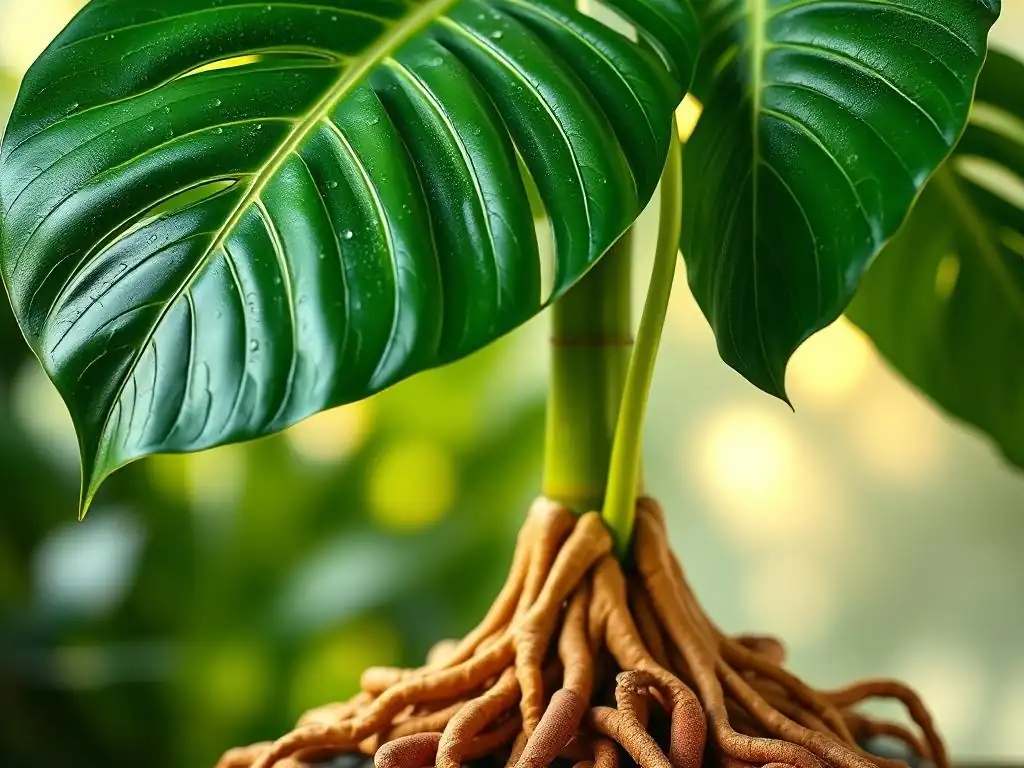
How Root Tabs Deliver Nutrients to Stem Plants
Root tabs are solid, slow-release fertilizer capsules or pellets designed to be inserted directly into the aquarium substrate, typically near the roots of plants. They work by gradually dissolving and releasing nutrients over an extended period, usually several weeks to a few months.
This localized delivery system ensures that nutrients are concentrated in the root zone, where they are directly accessible to plants that primarily absorb nutrients through their root systems. The components of root tabs are formulated to resist rapid dissolution in the water column, minimizing the risk of contributing to water column nutrient excesses that can fuel algae.
The mechanism of nutrient release from root tabs often involves a combination of diffusion and microbial activity within the substrate. As the tab slowly breaks down, nutrients are released into the interstitial water within the substrate, where they are then absorbed by the plant roots.
This method is particularly effective for heavy root feeders and for providing a consistent, long-term supply of nutrients without daily or weekly liquid dosing. While liquid fertilizers boost stem growth through foliar uptake, root tabs provide the foundational nutrient support that many stem plants, especially those with extensive root systems, deeply appreciate for sustained health and anchoring.
Advantages of Using Root Tabs for Stem Plants
Sustained Nutrient Release for Consistent Growth
One of the most significant advantages of root tabs is their ability to provide a sustained, long-term supply of nutrients. Unlike liquid fertilizers that are quickly dispersed and consumed, root tabs release nutrients slowly over weeks or even months. This slow-release mechanism ensures a consistent nutrient availability directly at the plant's root zone, promoting steady and uninterrupted growth. For aquarists who prefer less frequent maintenance or have plants that are primarily root feeders, this consistent supply can be highly beneficial, reducing the need for daily or weekly interventions.
Targeted Delivery to Root Systems
Root tabs offer a highly targeted method of nutrient delivery. By placing them directly into the substrate near the plant's roots, nutrients are concentrated where they are most needed by root-feeding stem plants. This ensures that the nutrients are efficiently absorbed by the plant and are less likely to dissipate into the general water column where they could potentially fuel algae growth.
Plants like Swords (Echinodorus species), Cryptocorynes, and even many stem plants such as Ludwigia and Rotala, develop robust root systems and benefit immensely from this direct, localized nutrient access. This targeted approach complements how liquid fertilizers boost stem growth through foliage, providing a comprehensive feeding strategy.
Reduced Risk of Algae Blooms Compared to Over-Dosing Liquid Fertilizers
Because root tabs release nutrients directly into the substrate rather than the water column, they generally pose a lower risk of causing algae blooms compared to over-dosing liquid fertilizers. Excess nutrients in the water column are readily available to algae, which can quickly proliferate. Root tabs, by keeping nutrients localized at the roots, minimize the amount of free-floating nutrients available to opportunistic algae. While not entirely eliminating the risk, proper use of root tabs can contribute to a more stable and algae-resistant aquarium environment, especially in tanks where water column nutrient control is a priority.
Types of Root Tabs: Clay-Based vs. Laterite Options
Root tabs come in various formulations, but broadly, they can be categorized into clay-based and laterite-based options, or combinations thereof. Clay-based root tabs, often seen in products like Seachem Flourish Tabs or API Root Tabs, typically consist of nutrient-rich clay that slowly releases macro and micronutrients. Clay has a high cation exchange capacity (CEC), meaning it can bind and release nutrients as needed by the plants, acting as a nutrient buffer. These are generally well-rounded, providing a good balance of essential elements.
Laterite-based root tabs, or those containing laterite (an iron-rich clay soil), are particularly effective for providing iron and other trace elements. Laterite is known for its ability to provide long-term iron supplementation, which is crucial for preventing chlorosis (yellowing) in many aquatic plants. Some root tabs combine various nutrient sources, including humates, peats, and specific mineral blends, to offer a more comprehensive nutrient profile. The choice between types often depends on the specific needs of the plants and the existing substrate's composition, with many aquarists opting for a mix or a general-purpose tab for broad spectrum benefits.
Proper Placement and Usage of Root Tabs for Stem Plants
Determining the Number of Root Tabs Needed
The number of root tabs required depends on several factors: the size of your aquarium, the density of your planted areas, and the specific nutrient demands of your plant species. As a general guideline, most manufacturers recommend placing one tab every 4-6 inches (10-15 cm) in a grid pattern across the planted areas.
For very dense groupings of stem plants, or for large root-feeding plants, you might place tabs closer together. It's better to err on the side of slightly more than too few, especially in new setups or tanks with inert substrates like sand or gravel that offer no inherent nutrients.
Optimal Placement Around Stem Plant Roots
Optimal placement involves inserting the root tabs directly into the substrate, approximately 1-2 inches (2.5-5 cm) deep, near the base of the stem plants. For stem plants planted in rows or clusters, place tabs strategically along the rows or around the perimeter of the cluster. Ensure the tab is fully buried to prevent it from dissolving into the water column too quickly or being disturbed by fish.
When planting new stem bundles, it's beneficial to place a tab directly underneath or immediately adjacent to the newly planted roots. This ensures immediate nutrient access as the plants establish and begin to root, providing a strong foundation for future growth.
Replacing Root Tabs for Continued Nutrient Supply
Root tabs are not a one-time solution; they are designed for long-term, slow release, meaning they will eventually be depleted. The lifespan of a root tab varies by brand and formulation, typically ranging from 1 to 4 months. Signs that your root tabs are depleted might include a slowdown in growth, paling of leaves, or other deficiency symptoms in your root-feeding plants, even if you are diligently dosing liquid fertilizers.
To maintain a consistent nutrient supply, it's advisable to replace root tabs regularly, perhaps every 2-3 months, as part of your routine aquarium maintenance. Some aquarists mark their calendar or use a task list to remind them when to replace tabs, ensuring their stem plants always have access to essential root-zone nutrients.
Liquid Fertilizers vs. Root Tabs: A Side-by-Side Comparison for Stem Plants
Growth Rate and Nutrient Availability: Which Method is Faster?
When comparing growth rate and nutrient availability, liquid fertilizers generally offer a faster and more immediate impact on stem plant growth. Nutrients delivered via liquid solutions are instantly available in the water column, allowing for rapid absorption through the leaves and stems. This immediate uptake can lead to noticeable improvements in plant vigor and growth within days, making liquid fertilizers boost stem growth significantly in high-demand scenarios. They are ideal for correcting acute deficiencies quickly and maintaining consistent water column nutrient levels.
Root tabs, conversely, provide a slower, more sustained release of nutrients directly into the substrate. While their effect is not as immediate as liquid fertilizers, they offer a consistent, long-term nutrient supply to the root zone. This steady release supports robust root development and overall plant health over weeks and months, contributing to a stable growth pattern rather than rapid bursts. For plants that are heavy root feeders, root tabs provide the foundational nutrients necessary for long-term vitality, complementing the rapid response offered by liquid dosing.
Ease of Use and Application: Liquid vs. Root Tabs
In terms of ease of use and application, liquid fertilizers are generally simpler for daily or weekly dosing. They involve merely measuring a specific volume and adding it directly to the aquarium water, often with no disruption to the substrate or aquascape. This straightforward application makes them convenient for routine maintenance and for beginners. However, precise daily dosing can become a consistent chore for some aquarists, and errors in measurement can quickly lead to nutrient imbalances.
Root tabs require a bit more effort to apply, as they must be inserted into the substrate, often using specialized tools like tweezers to avoid disturbing the tank. This process can be more disruptive, especially in established tanks with dense plant growth or delicate substrates. However, once placed, root tabs require infrequent replacement (every 1-4 months), making them a "set-and-forget" option for extended periods. This reduced frequency of application can be a significant advantage for aquarists who prefer less hands-on daily maintenance.
Cost-Effectiveness: A Long-Term Comparison
The cost-effectiveness of liquid fertilizers versus root tabs can vary significantly depending on brand, aquarium size, and plant density. Liquid fertilizers, especially concentrated all-in-one solutions, often appear more expensive upfront per bottle. However, a single bottle can last for many months for smaller tanks or moderately planted setups. For larger tanks or high-tech setups requiring daily dosing, the consumption rate can be high, leading to a significant recurring cost.
Root tabs, while seemingly less expensive per individual tab, add up in cost, especially for large aquariums or tanks with extensive planted areas requiring many tabs. Their long-term nature means less frequent purchases, but the cumulative cost over a year can be comparable to, or even exceed, liquid fertilizer expenses, depending on the specific product and dosing regimen. Ultimately, the most cost-effective solution often involves a combination of both, optimizing for specific plant needs and reducing waste.
Impact on Water Chemistry and Algae Growth
Both liquid fertilizers and root tabs can impact water chemistry and algae growth, though in different ways. Liquid fertilizers directly alter the water column's nutrient profile. Overdosing, particularly with nitrogen and phosphorus, can lead to nutrient spikes that directly fuel algae blooms. Consistent, accurate dosing, however, supports plant growth which, in turn, helps to outcompete algae. Regular water changes are crucial to managing water column nutrient levels when using liquid fertilizers.
Root tabs, by releasing nutrients primarily into the substrate, have a much lower direct impact on water column chemistry. This localized delivery significantly reduces the risk of algae blooms caused by excess free-floating nutrients. However, if root tabs are not fully buried or if they leach too quickly into the water column due to substrate disturbance, they can still contribute to algae issues. In general, root tabs are considered safer for algae control, especially for aquarists prone to over-dosing liquid nutrients.
Combining Liquid Fertilizers and Root Tabs for Maximum Stem Plant Growth

Creating a Balanced Fertilization Strategy
For achieving truly explosive and sustained growth in stem plants, a balanced fertilization strategy that intelligently combines both liquid fertilizers and root tabs is often the most effective approach. This dual method addresses the nutrient needs of plants through both their leaves and roots, ensuring comprehensive coverage. Liquid fertilizers provide the readily available water column nutrients for immediate foliar uptake, crucial for fast-growing stem plants and for correcting sudden deficiencies. Meanwhile, root tabs offer a stable, long-term supply of nutrients directly to the substrate, supporting robust root development and providing a foundational nutrient base.
A balanced strategy might involve using an all-in-one liquid fertilizer dosed weekly or daily to maintain consistent water column nutrient levels, while supplementing with root tabs every 2-3 months for the heavy root feeders and to enrich the substrate. This ensures that stem plants receive a continuous supply of macro and micronutrients from all necessary absorption pathways, leading to denser growth, vibrant coloration, and improved overall plant health. This comprehensive approach is particularly beneficial in high-tech planted tanks where nutrient demands are exceptionally high.
When to Use Both Methods for Optimal Results
Using both liquid fertilizers and root tabs is particularly advantageous in several scenarios. Firstly, in newly set up tanks with inert substrates like sand or gravel, which offer no inherent nutrients, root tabs are essential to establish a nutrient-rich foundation for stem plants to root into. Simultaneously, liquid fertilizers boost stem growth from day one by providing immediate access to nutrients in the water column as plants establish.
Secondly, in heavily planted aquariums, especially those with high light and CO2 injection, nutrient consumption is incredibly high. A dual approach ensures that the plants' voracious appetites are met, preventing deficiencies and supporting rapid, lush growth.
Thirdly, for tanks containing a mix of plant types – some primarily root feeders (like Cryptocorynes or Swords) and others primarily water column feeders (like many stem plants) – a combined strategy ensures all plants receive their preferred nutrient delivery method. Even many stem plants, while efficient at foliar uptake, develop significant root systems and benefit immensely from substrate nutrition. This integrated approach allows aquarists to fine-tune their fertilization to meet the diverse needs of their aquatic flora, leading to a more harmonious and thriving aquascape.
Avoiding Nutrient Overload and Imbalances
While combining liquid fertilizers and root tabs offers superior results, it's crucial to avoid nutrient overload and imbalances. Over-fertilization, especially without adequate plant mass to consume the nutrients, is a primary trigger for algae blooms. To prevent this, careful monitoring and adjustment are key. Start with recommended dosages for both products and observe your plants' response. If you notice excessive algae growth, consider reducing the dosage of your liquid fertilizer first, as it has a more immediate impact on water column nutrients.
Regular water testing for key parameters like nitrates and phosphates can provide valuable insights into your tank's nutrient levels. If levels consistently remain high despite healthy plant growth, it might indicate an excess. Conversely, if levels are consistently low and plants show deficiency symptoms, it's time to increase fertilization. Consistent water changes are also vital for resetting nutrient levels and exporting accumulated organic waste, providing a buffer against nutrient overload. By carefully balancing the inputs from both liquid fertilizers and root tabs, aquarists can achieve explosive stem plant growth without compromising tank health.
Troubleshooting Common Fertilization Issues with Stem Plants
Identifying and Addressing Nutrient Lockout
Nutrient lockout occurs when nutrients are present in the aquarium but are unavailable for plants to absorb, often due to incorrect water parameters. This can mimic deficiency symptoms, making diagnosis tricky. Common causes include extreme pH levels (either too high or too low, typically outside the 6.5-7.5 range for most plants), which can bind essential elements like iron, making them insoluble. High levels of certain elements, such as excessive calcium, can also interfere with the uptake of others, like potassium or magnesium.
To address nutrient lockout, the first step is to test your water parameters, particularly pH, KH (carbonate hardness), and GH (general hardness). Adjusting these parameters to their optimal ranges for planted tanks (e.g., pH 6.5-7.2, KH 3-8 dKH, GH 5-12 dGH) can often resolve the issue. Ensuring proper CO2 levels is also critical, as adequate CO2 lowers pH slightly and improves nutrient uptake. Regular water changes help to dilute problematic substances and reset water chemistry, allowing plants to once again access the necessary nutrients.
Dealing with Algae Blooms Caused by Over-Fertilization
Algae blooms are a common and frustrating issue, often directly linked to over-fertilization or an imbalance between light, CO2, and nutrients. If you experience a sudden proliferation of algae (e.g., green water, hair algae, green spot algae), it's a strong indicator that there's an excess of nutrients, particularly nitrogen and phosphorus, that your plants aren't fully utilizing. This usually happens when nutrient dosing outpaces plant consumption or when CO2 and light levels are insufficient to support robust plant growth.
To combat algae caused by over-fertilization, immediate action is required. Begin by performing large water changes (50-70%) to reduce the nutrient load in the water column. Temporarily reduce or halt your liquid fertilizer dosing, especially macronutrients. Ensure your CO2 injection is optimal and consistent, as strong CO2 levels dramatically improve nutrient uptake by plants. Increase light duration or intensity if appropriate for your plant species, but only if CO2 is sufficient. Physically remove as much algae as possible during maintenance. Gradually reintroduce fertilizers at a lower dose once the algae subsides, carefully observing plant and algae response.
Adjusting Your Fertilization Regimen Based on Plant Response
The most effective fertilization strategy is dynamic, constantly adjusted based on your plants' specific responses. Your aquarium is a unique ecosystem, and what works for one tank may not work for another. Regularly observe your stem plants for signs of deficiencies (yellowing, stunted growth, holes) or excesses (algae growth). If new growth is pale, you might need more iron. If older leaves are yellowing, consider increasing nitrogen or potassium. If algae is rampant, reduce overall nutrient input or increase CO2/light.
Keep a log of your dosing regimen, water parameters, and plant observations. This data will help you identify patterns and make informed decisions. Don't be afraid to experiment with slight adjustments to your dosing frequency or amounts. Remember that the goal is to find the "sweet spot" where your plants thrive without encouraging algae. This iterative process of observation, adjustment, and re-observation is key to mastering fertilization and achieving consistently healthy, explosive stem plant growth.
Advanced Techniques for Fertilizing Demanding Stem Plants
CO2 Injection and Its Impact on Nutrient Uptake
For truly demanding stem plants and to achieve explosive growth, CO2 injection is not merely an advanced technique but a fundamental requirement. Carbon dioxide is a primary building block for photosynthesis, and in most aquariums, it is the most limiting factor for plant growth. When CO2 levels are optimized (typically 20-30 ppm), plants can photosynthesize much more efficiently, leading to significantly higher nutrient uptake rates. This means that with CO2 injection, plants will consume available nutrients from both the water column and substrate at a much faster pace.
Therefore, tanks with CO2 injection require a substantially higher fertilization regimen. Without adequate CO2, even perfectly dosed liquid fertilizers will not boost stem growth to their full potential, and excess nutrients might simply fuel algae. Conversely, with optimal CO2, plants become nutrient sponges, allowing aquarists to dose higher levels of NPK and micronutrients without triggering algae, as the plants rapidly consume them. Investing in a reliable CO2 system and maintaining stable levels is the single most impactful step for unlocking the full potential of your stem plants and maximizing the effectiveness of your fertilization efforts.
The Importance of Light Intensity and Spectrum
Light is the energy source for photosynthesis, and its intensity and spectrum play a critical role in how effectively plants utilize nutrients. High-intensity lighting, especially in the red and blue spectrums that plants use most efficiently, drives faster photosynthesis, which in turn increases the demand for nutrients. In a low-light tank, plants will grow slowly and have lower nutrient requirements; attempting to dose high levels of fertilizer in such a setup will almost certainly lead to algae.
Conversely, in a high-light tank, insufficient fertilization will quickly lead to nutrient deficiencies and stunted growth, even with optimal CO2. The key is to balance light intensity, CO2, and nutrient availability. A high-light, high-CO2 tank can sustain a much higher nutrient load, allowing liquid fertilizers to boost stem growth dramatically. Understanding the specific light requirements of your chosen stem plant species and matching your lighting system accordingly is crucial for maximizing their growth potential and ensuring efficient nutrient utilization.
Maintaining Optimal Water Parameters for Plant Growth
Beyond the direct supply of nutrients and CO2, maintaining stable and optimal water parameters is fundamental for healthy plant growth and efficient nutrient uptake. Parameters such as temperature, pH, KH (carbonate hardness), and GH (general hardness) all influence plant metabolism and nutrient availability. Most tropical stem plants thrive in temperatures between 72-80°F (22-27°C). While pH directly impacts nutrient solubility, a stable pH (often slightly acidic, 6.5-7.2, for planted tanks with CO2) is more important than chasing a specific number.
KH and GH are important because they influence pH stability and provide essential minerals like calcium and magnesium, which are macronutrients for plants. Maintaining a moderate KH (3-8 dKH) ensures stable pH with CO2 injection, preventing drastic swings. A moderate GH (5-12 dGH) provides adequate calcium and magnesium. Regular water changes also play a vital role in exporting waste products, replenishing trace minerals, and preventing the buildup of inhibitors, thereby creating a clean, stable environment where stem plants can truly flourish and fully utilize all available fertilizers.
Conclusion: Choosing the Right Fertilization Method for Your Stem Plants and Achieving Explosive Growth
Frequently Asked Questions
How do liquid fertilizers boost stem plant growth?
Liquid fertilizers provide essential nutrients directly to the water column, allowing stem plants to absorb them through their leaves and stems. This results in faster nutrient uptake and explosive growth, especially beneficial for plants with limited root systems.
Are liquid fertilizers better than root tabs for stem plants?
Not necessarily. While liquid fertilizers offer rapid nutrient availability, root tabs provide a slow-release, localized nutrient source ideal for plants that feed primarily through their roots. The best approach often involves using both for optimal results.
How often should I dose liquid fertilizers in my aquarium?
The dosing frequency depends on the specific fertilizer and the needs of your plants. Generally, weekly or bi-weekly dosing is recommended, but always follow the manufacturer's instructions and monitor your plants for any signs of deficiency or excess.
Can I overdose liquid fertilizers, and what are the consequences?
Yes, overdosing is possible. Excessive nutrients can lead to algae blooms and harmful water parameters, potentially harming your fish and other aquarium inhabitants. Always adhere to recommended dosages and monitor your water chemistry.
What type of liquid fertilizer is best for stem plants?
Look for a comprehensive liquid fertilizer containing macronutrients (nitrogen, phosphorus, potassium) and micronutrients (iron, manganese, etc.). Ensure the formula is specifically designed for aquatic plants and consider a product with chelated iron for optimal absorption.
Final Reflection: Cultivating Growth, Rooted in Potential
The insights shared throughout this article highlight the crucial role of fertilization in achieving explosive stem plant growth in aquariums. But beyond the technical details of liquid fertilizers and root tabs, lies a deeper understanding of nurturing life and fostering vibrant ecosystems, a principle that resonates far beyond the glass walls of a fish tank. The choices we make, whether in our aquariums or in our daily lives, directly impact the health and vitality of the environments we cultivate.
This journey into the world of aquatic plant nutrition has underscored the delicate balance required for thriving ecosystems. It's a reminder that even seemingly small interventions, like choosing the right fertilizer, can have profound and lasting effects. The best time to plant a tree was 20 years ago. The second best time is now.
This ancient proverb beautifully encapsulates the proactive approach needed not only in aquascaping but also in addressing any challenge we face. The potential for growth, for beauty, for a flourishing environment, is always present, waiting to be unlocked.
As you consider the best approach for fertilizing your own stem plants, remember that the principles of observation, experimentation, and adaptation extend far beyond the aquarium. Embrace the opportunity to cultivate growth, not just in your tanks, but in all aspects of your life. What seeds of potential can you nurture today? What environment can you create to foster vibrant and explosive growth within yourself and the world around you? The power to cultivate a thriving ecosystem lies within your hands.
Unlock Your Aquarium's Potential
Thanks for diving into the world of aquatic plant fertilization! We hope this guide has given you the knowledge to help your stem plants flourish. Now, let's put that knowledge into action and create a thriving underwater paradise.
Here are a few things you can do right now:
- Decide on your fertilization strategy. Will you go liquid, root tabs, or a combination? Consider the needs of your specific plants and your tank setup.
- Explore the vast array of stem plants and choose a new species to introduce to your aquarium. Experiment with different growth patterns and colors to enhance your aquascape!
- Share your successes and challenges with stem plant fertilization in our Aquarium Mastery community forums. Your experiences can help others learn and grow!
Ready to start fertilizing and watch your stem plants explode with vibrant life?