
Floating Stem Plants: Benefits, Drawbacks, and Top Choices

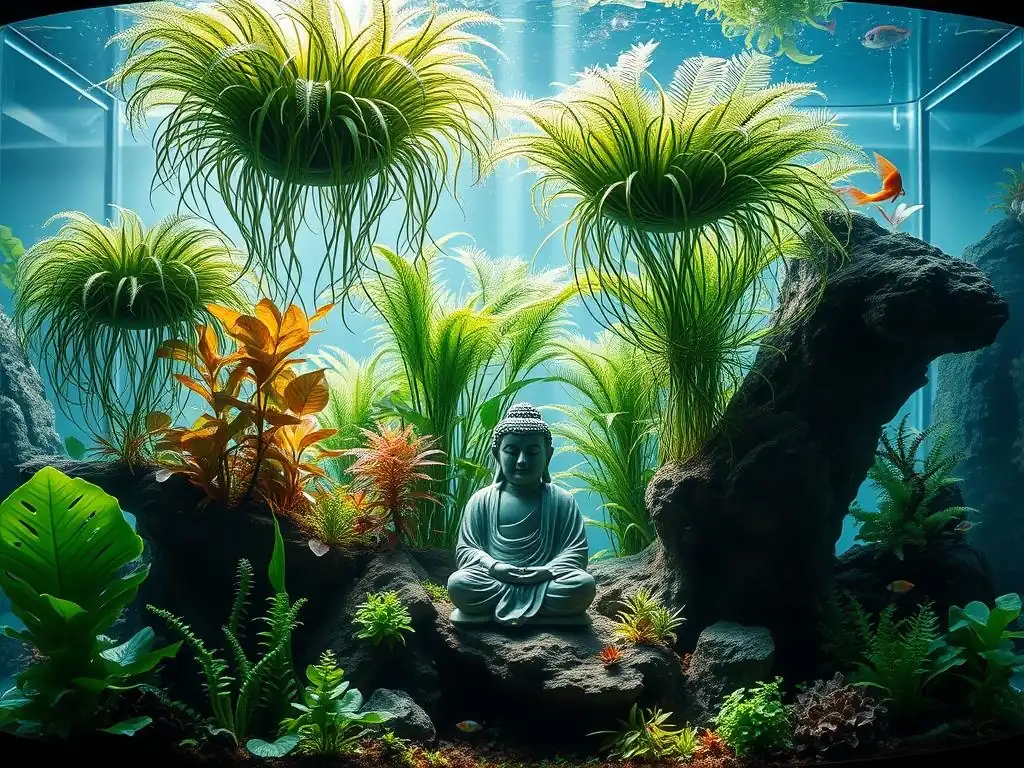
Welcome to Aquarium Mastery, where your underwater dreams take shape!
Ever wondered how to effortlessly enhance your aquarium's beauty and health? Dive in as we explore the world of aquatic plants, focusing specifically on the best floating stem plants for your aquarium. Discover their incredible benefits, potential drawbacks, and our top choices that will transform your tank into a vibrant ecosystem. Ready to unlock the secrets of these versatile plants? Let's get started!
- Floating Stem Plants: Benefits, Drawbacks, and Top Choices for Your Aquarium
- Introduction to Floating Stem Plants in Aquariums
- Benefits of Using Floating Stem Plants in Freshwater Aquariums
- Drawbacks and Considerations for Floating Stem Plants
-
Top Floating Stem Plants for Your Aquarium: A Comprehensive Guide
- Ceratophyllum demersum (Hornwort): An Easy-to-Grow Option
- Hygrophila polysperma (Dwarf Hygrophila): A Versatile Choice
- Limnophila sessiliflora (Ambulia): A Delicate and Beautiful Plant
- Cabomba caroliniana (Green Cabomba): A Classic Aquarium Plant
- Other Notable Floating Stem Plants for Aquarium Enthusiasts:
- Planting and Propagating Floating Stem Plants
- Common Issues and Solutions with Floating Stem Plants
- Choosing the Best Floating Stem Plants for Your Specific Aquarium Setup
- Conclusion: Mastering the Art of Floating Stem Plants in Aquariums
-
Frequently Asked Questions
- What are the benefits of using floating stem plants in my aquarium?
- Are there any drawbacks to using floating stem plants?
- What are some of the best floating stem plants for beginners?
- How do I properly care for floating stem plants in my aquarium?
- Can floating stem plants help improve the water quality in my aquarium?
- Final Reflection: Embracing the Aquatic Dance
- Cultivate Your Dreamscape: Grow Your Aquarium Now!
Floating Stem Plants: Benefits, Drawbacks, and Top Choices for Your Aquarium
Introduction to Floating Stem Plants in Aquariums
What are Floating Stem Plants and Why Choose Them?
Floating stem plants are a unique category of aquatic vegetation that, unlike typical rooted plants, primarily derive their nutrients and carbon dioxide directly from the water column and the air above the surface. While many stem plants can be rooted in substrate, they possess the remarkable ability to thrive completely unrooted, often forming dense mats at the water's surface. This adaptability makes them incredibly versatile and forgiving, capable of absorbing nutrients with their leaves and specialized adventitious roots that dangle freely in the water.
Choosing these plants offers numerous advantages for aquarists of all experience levels. Their rapid growth and minimal substrate requirements make them an excellent choice for beginners or those setting up new tanks, as they quickly establish biomass and contribute to biological stability.
Furthermore, they are a fantastic option for aquarists seeking the best floating stem plants aquarium additions that combine aesthetic appeal with powerful functional benefits, such as natural filtration and providing vital shelter for tank inhabitants. Many beginner aquarists find plants like Hornwort or Anacharis incredibly forgiving, often showing visible growth of 1-2 inches per week under good conditions.
The Role of Floating Stem Plants in a Healthy Aquarium Ecosystem
Floating stem plants play a pivotal role in maintaining a balanced and healthy aquarium ecosystem. Their primary function lies in their exceptional ability to absorb excess nutrients, particularly nitrates and phosphates, which are byproducts of fish waste and uneaten food. By rapidly consuming these compounds, they directly compete with and suppress the growth of undesirable algae, contributing significantly to clearer water and a more stable environment. This makes them among the best floating stem plants aquarium choices for ecological balance.
Beyond nutrient cycling, these plants are vital for oxygenation. Through photosynthesis, they release oxygen into the water during daylight hours, benefiting fish and beneficial bacteria. They also provide crucial physical structure, offering shade for light-sensitive fish and creating safe hiding spots for fry, shrimp, and shy species, significantly enhancing their survival rates and reducing stress. In a well-planted 20-gallon tank, a dense mat of floating stem plants can reduce nitrate levels by up to 10-15 ppm over a week, significantly aiding in maintaining water purity.
Benefits of Using Floating Stem Plants in Freshwater Aquariums
Natural Water Filtration with Floating Stem Plants
Floating stem plants are highly effective natural biofilters, performing a crucial role in maintaining pristine water quality within the aquarium. Their unrooted nature allows them to absorb dissolved organic compounds, nitrates, and phosphates directly from the water column through their leaves and dangling roots. This direct access to the water's nutrients makes them incredibly efficient at removing pollutants that can otherwise accumulate and lead to water quality issues.
The efficiency of these plants in nutrient removal can significantly reduce the burden on mechanical and biological filtration systems. For instance, in an aquarium with a healthy population of floating stem plants, the frequency of water changes can sometimes be slightly extended, as the plants actively process nitrogenous waste.
Studies have shown that a tank with a healthy population of floating stem plants can process nitrogenous waste significantly faster than an unplanted tank, with some reports indicating up to a 20% faster reduction in ammonia spikes. This makes them a great option when looking for the best floating stem plants aquarium filtration.
Nutrient Absorption and Algae Control
One of the most compelling reasons to incorporate floating stem plants is their unparalleled ability to combat nuisance algae. Algae thrive on excess nutrients, particularly nitrates and phosphates, and ample light. Floating stem plants, being fast growers and direct nutrient consumers, outcompete algae for these essential resources. By rapidly absorbing available nutrients, they effectively starve out algae, preventing unsightly blooms of green water, hair algae, or brown diatom algae.
This competitive advantage is particularly noticeable in tanks that might be slightly overstocked or receive more light than necessary. A dense canopy of floating stem plants can quickly bring a tank back into balance, making it much harder for algae to establish a foothold. In aquariums prone to green water or hair algae, introducing fast-growing floating stem plants like Hornwort can visibly reduce algae populations by 50-70% within a few weeks, provided there isn't an excessive nutrient overload.
Providing Shade and Shelter for Aquarium Inhabitants
The dense, sprawling growth of floating stem plants at the water's surface creates a natural canopy that provides essential shade for the aquarium inhabitants below. Many fish species, particularly those from heavily vegetated or jungle streams, prefer subdued lighting and can become stressed under intense, direct light. The dappled light created by a floating plant cover mimics their natural habitat, making them feel more secure and encouraging natural behaviors.
Beyond shade, these plants offer invaluable shelter and hiding spots. Fry, shrimp, and small, shy fish species find refuge within the intricate network of stems and roots, protecting them from larger, more aggressive tank mates. This significantly increases the survival rates of vulnerable offspring. Guppy fry survival rates can increase from an average of 30% in bare tanks to over 70% in tanks with dense floating plant cover, offering essential protection from adult fish predation.
Enhancing the Aesthetic Appeal of Your Aquarium
Floating stem plants add a unique and dynamic aesthetic to any freshwater aquarium, transforming the top layer into a vibrant, living landscape. Their natural, wild growth habit creates a sense of depth and realism that rooted plants alone cannot achieve. The way their stems interlace and their roots dangle gracefully into the water column provides a soft, organic look, softening the harsh lines of equipment and contributing to a more naturalistic environment.
Furthermore, many floating stem plants exhibit beautiful colors and textures, from the feathery green of Ambulia to the potential reddish hues of Rotala rotundifolia under high light. This allows aquarists to create visually appealing contrasts and focal points at the water's surface. A dense canopy of Rotala rotundifolia, with its potential to show reddish hues under high light, can transform the top layer of an aquarium into a vibrant, dynamic landscape, making it one of the best floating stem plants aquarium choices for visual impact.
Drawbacks and Considerations for Floating Stem Plants
Potential for Overgrowth and Light Blocking
While the rapid growth of floating stem plants is a significant benefit for nutrient absorption, it also presents a primary drawback: the potential for overgrowth. These plants can quickly multiply and spread across the entire water surface, forming a dense mat that blocks light from reaching the submerged plants below. This light deprivation can lead to the stunting, yellowing, and eventual demise of rooted aquatic plants that rely on direct light for photosynthesis.
This overgrowth can also hinder gas exchange at the water's surface, potentially reducing oxygen levels if not managed. Hornwort can grow up to 1-2 inches per day in optimal conditions, potentially covering a 10-gallon tank surface entirely within a week if not managed, drastically reducing light penetration to lower levels by over 80%. Regular monitoring and management are essential to maintain a healthy balance in the aquarium ecosystem.
Maintaining and Pruning Floating Stem Plants
Due to their vigorous growth, floating stem plants require consistent maintenance and regular pruning. If left unchecked, they can quickly consume the entire water surface, leading to the issues of light blocking and reduced gas exchange mentioned above. Aquarists must be prepared to dedicate time to periodically removing excess plant mass to ensure adequate light penetration for submerged plants and to maintain the overall health of the tank.
Pruning typically involves simply scooping out or trimming sections of the floating plant mass. The frequency of this task depends on the specific plant species and the nutrient levels in the tank. For a heavily planted 50-gallon aquarium, weekly or bi-weekly pruning sessions, removing about 20-30% of the floating plant mass, are often necessary to maintain balance and prevent light deprivation for bottom-dwelling plants. This routine maintenance is crucial for a thriving planted aquarium.
Compatibility with Other Aquarium Plants and Fish
Integrating floating stem plants successfully requires careful consideration of their compatibility with other aquarium plants and fish species. While they are generally beneficial, their shading effect means that light-demanding submerged plants, such as carpeting plants or certain red-leafed species, may struggle to thrive directly beneath a dense floating canopy. A balance must be struck to ensure all plant types receive sufficient light.
Furthermore, certain fish species might not be ideal companions for very dense floating plant cover. For example, Bettas, which are obligate air-breathers, need clear access to the surface to gulp atmospheric air. An excessively thick mat of floating plants can impede their ability to reach the surface comfortably. While most community fish tolerate floating plants, species like Bettas, known for surface breathing, might struggle with extremely dense coverage, requiring open patches. Similarly, high-light demanding carpeting plants will suffer if constantly shaded.
While floating stem plants are excellent at absorbing excess nutrients, their rapid growth can, paradoxically, sometimes lead to nutrient imbalances if not properly managed. In tanks with very dense floating plant biomass, these plants can become so efficient at nutrient uptake that they deplete essential macro and micronutrients from the water column, potentially starving out other submerged plants. This is particularly true for nutrients like iron, potassium, and even nitrates if the bioload is low.
Aquarists must monitor their tank's nutrient levels, especially if they notice signs of deficiency in other plants (e.g., yellowing leaves, stunted growth). Supplemental fertilization, often in the form of a comprehensive liquid fertilizer, may be necessary to ensure all plants receive the nutrients they need. In a tank with heavy floating plant biomass, iron deficiencies can manifest as pale new growth, sometimes within 2-3 weeks, necessitating the addition of liquid iron supplements at recommended doses, e.g., 0.1-0.2 ppm weekly.
Top Floating Stem Plants for Your Aquarium: A Comprehensive Guide
Ceratophyllum demersum (Hornwort): An Easy-to-Grow Option
Ceratophyllum demersum, commonly known as Hornwort, is an exceptionally popular and easy-to-grow floating stem plant. It features dark green, needle-like leaves arranged densely around its stems, giving it a bushy appearance. What makes Hornwort unique is its lack of true roots; it absorbs all its nutrients directly from the water column and can thrive entirely free-floating or loosely anchored. Its resilience and adaptability to a wide range of water conditions make it a fantastic choice for beginners.
Hornwort is renowned for its incredibly fast growth rate, allowing it to quickly establish biomass in a new tank and begin its beneficial work. It's an excellent nutrient absorber, making it invaluable for battling algae and maintaining water quality. Its hardiness means it can tolerate varying temperatures and pH levels, making it one of the best floating stem plants aquarium options for its resilience and functional benefits.
Hornwort Care Tips for Beginners
Hornwort is incredibly forgiving, making it ideal for novice aquarists. It thrives in low to moderate lighting, though it will grow faster under brighter conditions. Ideal temperatures range from 60-86°F (15-30°C), and it tolerates a wide pH range of 6.0-8.0. The most crucial care tip for Hornwort is regular removal of excess growth; left unchecked, it can quickly cover the entire water surface, blocking light from other plants.
This plant can simply be dropped into the aquarium and allowed to float. While it doesn't root, its stems can be loosely anchored or tucked into decor if a more contained look is desired. For a new 20-gallon tank, adding a handful of Hornwort can help cycle the tank faster by absorbing initial ammonia and nitrite spikes, reducing the cycling time by several days.
Benefits of Hornwort in Nutrient-Rich Tanks
Hornwort truly shines in tanks with higher nutrient loads, such as those with a significant fish population or those prone to overfeeding. Its phenomenal growth rate directly translates to a high demand for nutrients, making it exceptionally efficient at soaking up excess nitrates and phosphates. This aggressive nutrient uptake makes it a formidable ally in preventing and controlling algae blooms, which often plague tanks with abundant waste products.
By acting as a powerful biological filter, Hornwort helps maintain stable water parameters, contributing to a healthier environment for fish and invertebrates. In a moderately stocked 30-gallon tank, 10-15 stems of Hornwort can effectively reduce nitrates from 40 ppm to under 10 ppm within a week, assuming no new significant nitrate input. This makes it a go-to choice for aquarists struggling with high nutrient levels.
Hygrophila polysperma (Dwarf Hygrophila): A Versatile Choice
Hygrophila polysperma, commonly known as Dwarf Hygrophila, is a highly versatile and popular aquatic plant that can be grown either rooted in the substrate or allowed to float freely. When floating, its oval leaves, typically green but capable of developing reddish-brown hues under high light, create a lush surface cover. Its adaptability to various water parameters and its relatively fast growth rate make it a forgiving choice for many aquarists.
Dwarf Hygrophila is prized for its hardiness and ease of propagation, making it an excellent plant for beginners to experiment with. Its ability to thrive in both submerged and floating forms provides flexibility in aquascaping. It's a strong contender for the best floating stem plants aquarium setup due to its resilience and effectiveness in nutrient absorption.
Maintaining Dwarf Hygrophila for Optimal Growth
When floated, Dwarf Hygrophila requires moderate to high lighting to achieve its best color and robust growth. It prefers temperatures between 68-82°F (20-28°C) and a pH range of 6.0-8.0, showcasing its adaptability. The key to maintaining this plant, whether rooted or floating, is regular trimming. Floating pieces will continue to grow, and their stems can become quite long, developing extensive root systems that hang down into the water column.
Trimming not only controls its spread but also encourages bushier growth, making the plant appear fuller and more attractive. Floating Dwarf Hygrophila can develop an extensive root system that hangs down, creating a natural 'curtain' effect, which is particularly appealing in larger tanks and provides excellent cover for fish.
Using Dwarf Hygrophila to Reduce Nitrates
Dwarf Hygrophila is an incredibly efficient nitrate sponge, making it an invaluable asset in tanks where nitrate levels tend to climb. Its rapid growth directly correlates with its high rate of nutrient uptake, actively removing nitrates, phosphates, and other dissolved organic compounds from the water column. This makes it a powerful ally in the fight against algae and in maintaining overall water quality.
By incorporating a floating mass of Dwarf Hygrophila, aquarists can significantly reduce the need for frequent large water changes, as the plant effectively processes nitrogenous waste. In a 40-gallon community tank, a floating mass of Dwarf Hygrophila equivalent to a 6x6 inch square can consume approximately 5-7 ppm of nitrate per day, making it an excellent natural nitrate filter and a top choice for maintaining water purity.
Limnophila sessiliflora (Ambulia): A Delicate and Beautiful Plant
Limnophila sessiliflora, commonly known as Ambulia, is a delicate and beautiful floating stem plant that adds a fine, feathery texture to the aquarium. Its bright green, finely dissected leaves grow in whorls along its stems, creating an elegant and airy appearance. While it can be rooted in the substrate, it also thrives when left to float, where its stems can grow quite long, creating graceful strands just beneath the water's surface.
Ambulia is a popular choice for aquarists looking to add a touch of refinement and intricate detail to their tank's upper layers. Its moderate to fast growth rate and ability to provide a natural, soft cover make it highly desirable. It is one of the more aesthetically pleasing options for the best floating stem plants aquarium setups, offering both beauty and functionality.
Ambulia Care Requirements and Growth Habits
Ambulia generally requires moderate lighting to maintain its vibrant green color and healthy growth. It prefers temperatures between 72-82°F (22-28°C) and a slightly acidic to neutral pH range of 6.0-7.5. While it can tolerate a range of water hardness, it tends to prefer soft to medium-hard water. It's important to note that Ambulia can be somewhat sensitive to sudden changes in water parameters, and prolonged instability might cause its delicate leaves to melt.
When floated, Ambulia stems can reach lengths of over 12 inches, creating beautiful, flowing strands that provide excellent shelter and a natural look. To prevent it from becoming too leggy, occasional trimming can encourage bushier growth. When floated, Ambulia stems can reach lengths of over 12 inches, creating beautiful, flowing strands just beneath the water surface, ideal for shy fish like Sparkling Gouramis.
Ambulia as a Natural Indicator of Water Quality
Beyond its aesthetic appeal, Limnophila sessiliflora can serve as a natural indicator of water quality and nutrient availability in the aquarium. Its healthy, vibrant green growth signals that water parameters are stable and that essential nutrients are sufficiently present in the water column. Conversely, if Ambulia's leaves begin to show signs of distress, such as yellowing, stunting, or becoming translucent, it often points to specific nutrient deficiencies or a decline in overall water quality.
For example, pale or yellowing new growth on Ambulia often indicates an iron deficiency, while small holes or melting leaves might suggest a lack of potassium. Observing the plant's health can provide early warnings, prompting the aquarist to test water parameters or consider adding targeted liquid fertilizers. If Ambulia leaves start to yellow or become translucent, it often indicates an iron or potassium deficiency, signaling that a liquid fertilizer containing these elements might be needed, typically at a dose of 5ml per 10 gallons weekly.
Cabomba caroliniana (Green Cabomba): A Classic Aquarium Plant
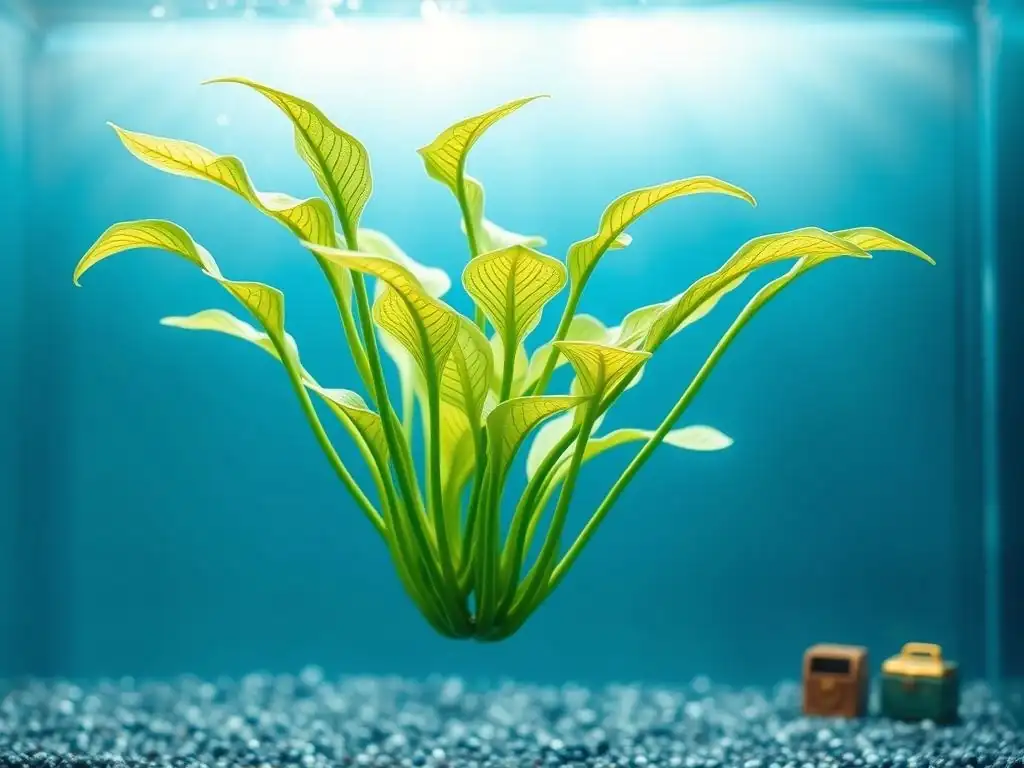
Cabomba caroliniana, commonly known as Green Cabomba, is a classic and widely recognized aquarium plant, cherished for its distinctive fan-shaped, finely dissected leaves that give it a soft, feathery appearance. While it is typically rooted in the substrate, Cabomba can also be successfully floated, where its vibrant green foliage creates a beautiful, intricate texture at the water's surface or just below it.
Its elegant structure and moderate growth rate make it a popular choice for adding depth and visual interest to the middle and upper layers of the aquarium. Cabomba is also well-regarded for its role in oxygenating the water and providing ample hiding spots for various aquatic inhabitants. It remains a classic and popular choice among the best floating stem plants aquarium options.
Growing Green Cabomba Successfully in Your Tank
To grow Green Cabomba successfully, whether rooted or floating, it generally requires moderate to high lighting to maintain its lush green color and prevent it from becoming leggy. It thrives in temperatures between 68-82°F (20-28°C) and a pH range of 6.0-7.5. This plant prefers clean, stable water conditions and can be somewhat sensitive to sudden fluctuations in water chemistry or excessive amounts of dissolved waste.
When floated, ensure that the stems have enough space and light to prevent lower sections from thinning out or decaying. Gentle water flow is beneficial, but strong currents can damage its delicate leaves. To encourage bushy growth when floated, gently rotate the stems periodically to ensure all sides receive adequate light, preventing lower sections from thinning out.
The Role of Green Cabomba in Oxygenating the Water
One of the significant benefits of including Green Cabomba in your aquarium, especially when it's healthy and thriving, is its excellent capacity for oxygenating the water. Its finely dissected leaf structure maximizes the surface area exposed to light, leading to highly efficient photosynthesis. During daylight hours, you can often observe tiny streams of oxygen bubbles (pearling) emanating from its leaves, indicating vigorous photosynthetic activity.
This oxygen production contributes directly to the dissolved oxygen levels in the aquarium, which is vital for the respiration of fish, invertebrates, and beneficial aerobic bacteria. In a 20-gallon tank with moderate lighting, a healthy clump of Green Cabomba can contribute significantly to dissolved oxygen levels, potentially increasing them by 1-2 ppm during peak photosynthesis hours, beneficial for fish health.
Other Notable Floating Stem Plants for Aquarium Enthusiasts:
Egeria densa (Anacharis/Elodea): A Fast-Growing Option for Beginners
Egeria densa, commonly known as Anacharis or Elodea, is another incredibly popular and hardy floating stem plant, often recommended for beginners. It features dense, bright green leaves arranged in whorls around its stems, giving it a lush, full appearance. Similar to Hornwort, Anacharis is extremely resilient and can thrive in a wide range of water conditions, making it an excellent choice for those new to planted tanks or looking for a low-maintenance option.
Its very fast growth rate makes it highly effective for nutrient export, rapidly absorbing nitrates and phosphates. This quick establishment of plant mass helps to outcompete algae and contributes to a more stable ecosystem. Many aquarists use Anacharis to quickly establish plant mass in new setups, helping to absorb initial ammonia spikes and outcompete early algae blooms within the first 2-3 weeks of tank cycling, making it one of the best floating stem plants aquarium options for cycling new tanks.
Rotala rotundifolia: A Beautiful Plant for Experienced Aquarists
Rotala rotundifolia is a highly versatile and beautiful stem plant that, while often rooted, can also be successfully floated, offering a unique aesthetic. When floated, its round to oval leaves can develop stunning pink or reddish hues, particularly under strong lighting, adding a vibrant splash of color to the water surface. Its growth is fast and adaptable, making it a favorite among aquarists looking to add dynamic visual interest.
While it is somewhat more demanding than plants like Hornwort or Anacharis in terms of light to achieve its best coloration, its ability to thrive as a floater makes it a compelling choice for those seeking color and texture from their best floating stem plants aquarium selection. When floated, Rotala rotundifolia can develop vibrant pink or red tips, especially if placed directly under strong lighting, adding a striking splash of color to the water surface.
Planting and Propagating Floating Stem Plants
How to Introduce Floating Stem Plants to Your Aquarium
Introducing floating stem plants to your aquarium is generally a straightforward process, but proper preparation is key to ensuring their health and preventing the introduction of unwanted pests. Before adding any new plant, it's crucial to thoroughly rinse it under cool running water to remove any debris, hitchhiking snails, or algae spores that might be clinging to the stems and leaves. A quick visual inspection for any signs of disease or damage is also recommended.
Once rinsed, simply place the stems directly onto the water surface of your aquarium. Most floating stem plants do not require any special anchoring or planting in the substrate; they will naturally orient themselves and begin to absorb nutrients from the water column. For rooted stem plants that you intend to float, simply allow them to drift freely. When introducing new Hornwort, a quick dip in a dilute potassium permanganate solution (if safe for your fish) for 1-2 minutes can help eliminate potential pests like snails or algae spores before adding it to the main tank.
Methods for Propagating Floating Stem Plants
Propagating floating stem plants is remarkably easy, making it simple to expand your plant mass or share with other aquarists. The most common and effective method is through stem cuttings. To propagate, identify a healthy, vigorous section of the plant, typically 4-6 inches long, and simply snip it off using sharp aquarium scissors. Ensure the cutting has several leaves attached.
Once separated from the mother plant, the cutting can be left to float on the water surface. These cuttings will quickly develop new growth and often begin to produce adventitious roots that dangle into the water, establishing themselves as independent plants. Some floating stem plants, like Dwarf Hygrophila, also naturally produce side shoots or runners that can be gently separated once they've developed a few leaves and roots. A single 6-inch stem of Dwarf Hygrophila, when floated, can produce 2-3 new side shoots suitable for propagation within a month, effectively tripling your plant mass.
Maintaining Optimal Water Parameters for Plant Growth
While floating stem plants are generally hardy, maintaining optimal water parameters significantly boosts their growth and vibrancy. Adequate lighting is crucial for photosynthesis; ensure your aquarium lighting system provides sufficient intensity and duration (typically 8-10 hours daily) for the specific plant species you have chosen. However, be mindful of overgrowth, which can block light from submerged plants.
Beyond light, a balanced supply of macro and micronutrients in the water column is essential. Even with fish waste providing some nutrients, a comprehensive liquid fertilizer containing nitrogen (N), phosphorus (P), potassium (K), and trace elements like iron (Fe) and magnesium (Mg) may be necessary, especially in heavily planted tanks or those with low bioloads. While floating plants can access atmospheric CO2, supplemental CO2 injection can dramatically accelerate their growth and health.
Maintaining nitrates around 5-10 ppm, phosphates at 0.5-1 ppm, and potassium at 10-20 ppm is generally ideal for robust growth of most floating stem plants. Regular liquid fertilization at 50% recommended dose might be needed weekly.
Common Issues and Solutions with Floating Stem Plants
Identifying and Treating Nutrient Deficiencies
Despite their hardiness, floating stem plants can exhibit signs of nutrient deficiencies, which manifest as specific symptoms on their leaves and stems. Yellowing or pale new growth often indicates an iron deficiency, as iron is crucial for chlorophyll production. Stunted growth, unusually small leaves, or a general paling of the plant can point to a lack of nitrogen or phosphorus, essential macronutrients for overall plant development. Pinholes, melting leaves, or yellowing edges are frequently symptoms of potassium deficiency.
The solution to these deficiencies typically involves targeted supplementation. Using a comprehensive liquid fertilizer that provides a full spectrum of macro and micronutrients is often the most effective approach. Alternatively, specific supplements (e.g., liquid iron, potassium solutions) can be added based on the identified deficiency. If Anacharis leaves turn pale yellow, a common sign of iron deficiency, adding a liquid iron supplement at the recommended dosage (e.g., 0.1 ppm) twice a week for two weeks often restores color. Regular water testing can help pinpoint imbalances before symptoms become severe.
Dealing with Algae Growth on Floating Stem Plants
While floating stem plants are excellent at preventing algae, they can sometimes fall victim to algae growth themselves, particularly if conditions are out of balance. Common causes include excessive light intensity or duration, an overabundance of nutrients (often from overfeeding or insufficient water changes), or an imbalance in the nutrient ratios. Green spot algae, hair algae, or even brown diatoms can appear on their leaves, detracting from their appearance and potentially hindering photosynthesis.
To address algae on floating stem plants, first evaluate your lighting schedule; reducing the duration (e.g., from 10 hours to 8 hours daily) can often help. Increase the frequency or volume of water changes to reduce excess nutrients. If the algae is due to a severe nutrient imbalance, introducing more fast-growing plants (if there's space) or adjusting your fertilization regimen might be necessary.
Manual removal of heavily affected leaves can also help. Reducing lighting duration from 10 hours to 8 hours daily can often curb green spot algae on floating plant leaves within 1-2 weeks, especially when combined with a 25% weekly water change.
Preventing Overgrowth and Maintaining a Balanced Ecosystem
The rapid growth rate of many floating stem plants, while beneficial for nutrient export, necessitates proactive management to prevent them from overwhelming the aquarium. Unchecked overgrowth can completely cover the water surface, blocking light to submerged plants and potentially reducing gas exchange, which can negatively impact fish health. The most effective method for prevention is regular pruning and manual removal of excess plant mass.
Establish a routine, perhaps once or twice a week, to scoop out or trim back a portion of your floating plants. This ensures that sufficient light reaches the lower levels of your tank and maintains an aesthetic balance. Additionally, avoid overfeeding your fish, as excess nutrients from uneaten food will fuel even more rapid plant growth. For a 75-gallon tank, scheduling a 15-minute weekly session to remove a bucketful of Hornwort or Dwarf Hygrophila trimmings is a simple routine that prevents light deprivation for the plants below.
Choosing the Best Floating Stem Plants for Your Specific Aquarium Setup
Considering Tank Size and Lighting Requirements
When selecting the best floating stem plants aquarium options for your setup, tank size is a primary consideration. In smaller nano tanks (under 10 gallons), very fast and aggressive growers like Hornwort can quickly overwhelm the surface, making maintenance constant. For these smaller volumes, a small handful of less vigorous floaters or careful management of faster growers is essential. Larger tanks (20 gallons and up) can more easily accommodate a greater biomass of fast-growing floating plants, allowing them to truly thrive without immediate concern of total surface coverage.
Equally important are your lighting requirements. While most floating stem plants are adaptable, some, like Rotala rotundifolia, will display their most vibrant colors (e.g., reds and pinks) only under moderate to high lighting. Others, like Hornwort, are extremely forgiving and will grow well under low light.
Match the plant's light needs to your aquarium's light fixture to ensure healthy growth and prevent issues like leggy stems or stunted development. For a nano tank (under 10 gallons) with moderate lighting, a small handful of floating Rotala rotundifolia or a few strands of Ambulia can provide adequate cover without overwhelming the space.
Matching Plants to Your Fish and Invertebrate Community
The type of fish and invertebrates in your aquarium should also influence your choice of floating stem plants. Some fish species have specific needs regarding surface access or plant compatibility. For instance, Bettas, known for their labyrinth organ, require easy access to the water surface to gulp air. A dense mat of floating plants can impede this, so it's advisable to create open patches or use a floating plant ring to contain the plants.
Conversely, species like Guppy fry, shrimp, or shy bottom dwellers (e.g., Corydoras) will greatly benefit from the dense cover and shade provided by floating plants. However, be cautious with known plant-nibblers, such as some larger cichlids, as they might damage or consume delicate floating plants. For instance, in a Betta tank, ensure there are open patches of water surface for the Betta to easily access air, perhaps by using a floating plant ring to contain plants like Hornwort to one side.
Evaluating Water Chemistry and Nutrient Levels
Understanding your aquarium's water chemistry and existing nutrient levels is crucial for selecting the most suitable floating stem plants. Most common floating stem plants are quite adaptable, tolerating a wide range of pH and hardness (GH/KH). However, some, like Ambulia, tend to prefer softer, slightly acidic water, while Hornwort is famously tolerant of harder, more alkaline conditions. Knowing your tap water parameters can guide your initial choices.
Furthermore, assess your tank's nutrient availability. In heavily stocked aquariums, fish waste alone might provide sufficient nitrates and phosphates to fuel robust floating plant growth. However, in lightly stocked tanks or those with very efficient filtration, you might need to supplement with liquid fertilizers to prevent nutrient deficiencies in your plants.
Testing your water regularly (e.g., weekly) for nitrates, phosphates, and GH/KH can guide your plant choices and fertilization, ensuring they receive the necessary sustenance. If your tap water is very soft (GH < 5 dGH), plants like Ambulia might thrive, whereas Hornwort is more tolerant of a wider range, including harder water up to 20 dGH.
Conclusion: Mastering the Art of Floating Stem Plants in Aquariums
Recap of Benefits, Drawbacks, and Top Plant Choices
Floating stem plants offer a compelling array of benefits for any freshwater aquarium, from their exceptional natural water filtration capabilities and potent algae control to providing vital shade and shelter for fish and invertebrates. They also significantly enhance the aesthetic appeal of your aquatic landscape, creating a dynamic and natural top layer. While their rapid growth necessitates consistent maintenance and pruning to prevent overgrowth and light blocking, these challenges are easily managed with a proactive approach.
Top choices like Ceratophyllum demersum (Hornwort) and Egeria densa (Anacharis/Elodea) are ideal for beginners due to their hardiness and rapid nutrient absorption. Hygrophila polysperma (Dwarf Hygrophila) and Limnophila sessiliflora (Ambulia) offer versatility and delicate beauty, while Cabomba caroliniana (Green Cabomba) provides classic aesthetics and excellent oxygenation. For those seeking vibrant color, Rotala rotundifolia stands out. By understanding their needs and managing their growth, aquarists can successfully integrate the best floating stem plants aquarium options into their setup, fostering a healthier, more beautiful, and balanced aquatic environment.
Further Resources for Aquarium Plant Care
Mastering the art of cultivating floating stem plants, and indeed any aquatic flora, is an ongoing journey that benefits greatly from continuous learning and observation. The dynamic nature of an aquarium ecosystem means that conditions can change, and plants may react differently over time.
Therefore, it is always recommended to consult additional resources, such as detailed plant profiles, specialized forums, and experienced aquarists, to deepen your understanding of aquatic plant care. Continued research into water chemistry, nutrient cycling, and specific plant requirements will empower you to troubleshoot issues effectively and ensure the long-term success and vibrancy of your planted aquarium.
Frequently Asked Questions
What are the benefits of using floating stem plants in my aquarium?
Floating stem plants offer several advantages, including natural filtration by absorbing excess nutrients, providing shade and shelter for fish, and adding a natural aesthetic to your aquarium.
Are there any drawbacks to using floating stem plants?
Yes, potential drawbacks include blocking too much light from reaching lower-level plants, requiring regular trimming to prevent overgrowth, and potentially introducing pests or diseases if not properly quarantined.
What are some of the best floating stem plants for beginners?
Some excellent choices for beginners are Anacharis (Egeria densa), Hornwort (Ceratophyllum demersum), and Water Sprite (Ceratopteris thalictroides). These plants are generally easy to grow and tolerant of varying water conditions.
How do I properly care for floating stem plants in my aquarium?
Care involves providing sufficient light (but not excessive), ensuring good water quality, and regularly trimming the plants to maintain their size and shape and prevent them from blocking too much light.
Can floating stem plants help improve the water quality in my aquarium?
Absolutely! Floating stem plants act as natural filters, absorbing nitrates and other pollutants from the water, which helps to maintain a healthy environment for your fish and other aquatic inhabitants and reduce the need for frequent water changes.
Final Reflection: Embracing the Aquatic Dance
The journey through the world of floating stem plants reveals more than just aesthetic appeal; it highlights the delicate balance within our aquariums and the profound impact of natural elements on these miniature ecosystems. As we strive to create thriving aquatic environments, understanding the benefits and drawbacks of these plants becomes crucial, not only for the health of our tanks but also for our connection to the natural world.
The allure of floating stem plants lies in their ability to mimic the wild, bringing a touch of untamed beauty into our homes. This connection to nature, however small, is profoundly important in a world increasingly detached from it. Look deep into nature, and then you will understand everything better.
- Albert Einstein. This quote resonates deeply when considering the symbiotic relationship between these plants and the aquatic life they support, reminding us of the interconnectedness of all things.
Now, as you consider adding these verdant wonders to your own aquarium, take a moment to reflect on the role you play in this delicate ecosystem. Embrace the opportunity to learn, experiment, and cultivate a thriving underwater world. Let the lessons learned from the "Best Floating Stem Plants Aquarium" guide not only your choices, but also your understanding of the intricate beauty and responsibility that comes with nurturing life, however small, within your care.
Cultivate Your Dreamscape: Grow Your Aquarium Now!
Thank you for diving into the world of floating stem plants! We hope you've discovered some new favorites and are excited about the possibilities they bring to your aquarium. Now, it's time to bring that inspiration to life.
Here are a few things you can do to continue your journey:
- Boldly plant your first floating stem plants, starting with a hardy species like Anacharis to gain confidence.
- Explore the fascinating world of underwater photography: Capture and share the unique beauty of your aquascape with fellow enthusiasts.
- Join our Aquarium Mastery community forum and share your experiences, ask questions, and inspire others!
Ready to transform your aquarium into a thriving ecosystem?