
From Frag to Forest: StepbyStep Guide to Introducing Macroalgae to Your Aquarium

Welcome to Aquarium Mastery!
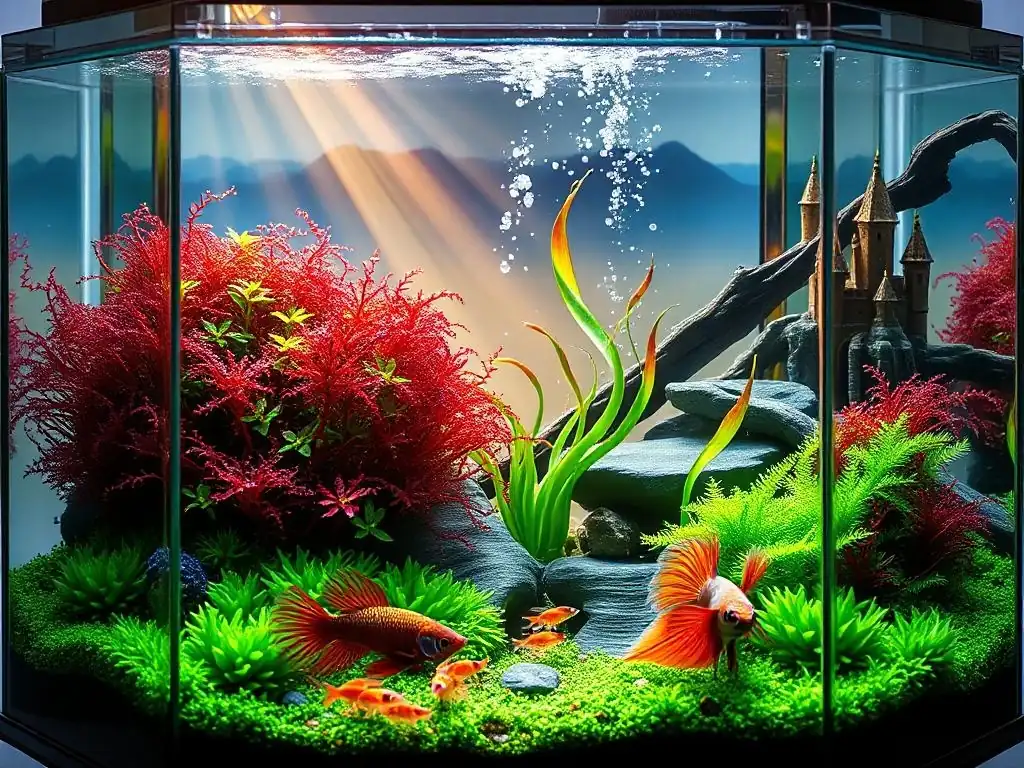
Ever dreamt of transforming your aquarium into a vibrant, thriving underwater ecosystem teeming with life? Get ready to dive in! This guide, From Frag to Forest, is your complete introduction to the wonderful world of macroalgae aquariums. Discover how to cultivate these stunning plants, unlock their incredible benefits, and create a truly captivating display. Curious to learn more? Let's get started!
- Macroalgae Aquarium Introduction Guide: A Complete Walkthrough
- Why Add Macroalgae to Your Saltwater Aquarium? Benefits and Considerations
- Preparing Your Aquarium for Macroalgae: Essential Steps
- Selecting the Right Macroalgae Species for Your Aquarium
- Step-by-Step: Introducing Macroalgae to Your Aquarium
- Monitoring and Maintaining Your Macroalgae Aquarium
- Troubleshooting Common Macroalgae Issues
- Long-Term Macroalgae Aquarium Care and Propagation
- Conclusion: Enjoying a Thriving Macroalgae Aquarium
- Frequently Asked Questions
- Final Reflection: Cultivating Underwater Gardens
- Cultivate Your Underwater Garden: Start Your Macroalgae Journey Today!
Macroalgae Aquarium Introduction Guide: A Complete Walkthrough
This guide provides a step-by-step approach to successfully introducing macroalgae to your saltwater aquarium, ensuring a thriving environment for these beneficial organisms.
Why Add Macroalgae to Your Saltwater Aquarium? Benefits and Considerations
Natural Filtration and Nutrient Control with Macroalgae
Macroalgae are exceptionally efficient at absorbing excess nitrates and phosphates from the water column, acting as a natural biological filter. This process, known as nutrient export, significantly contributes to maintaining pristine water quality in a closed aquarium system. For instance, a well-established refugium packed with fast-growing Chaetomorpha can effectively reduce nitrate levels by 10-20 ppm per week in a moderately stocked 100-gallon system, while simultaneously lowering phosphate concentrations from detectable levels (e.g., 0.2 ppm) to near undetectable limits.
By actively consuming these nutrients, macroalgae directly compete with nuisance algae, such as diatoms, hair algae, and cyanobacteria, which thrive on the same excess nutrients. This competitive advantage helps prevent unsightly and potentially harmful algae blooms, leading to a cleaner, healthier, and more stable aquarium environment. The consistent removal of macroalgae biomass through pruning then permanently exports these trapped nutrients from the system, preventing their re-release.
Enhancing Aquarium Aesthetics with Diverse Macroalgae Species
Beyond their filtration capabilities, macroalgae offer a diverse palette of colors and forms that can dramatically enhance the visual appeal of a saltwater aquarium. Species like the vibrant green "spaghetti algae" ( Chaetomorpha) provide a unique texture, while various Caulerpa species, such as Caulerpa prolifera with its blade-like fronds or Caulerpa racemosa with its grape-like clusters, introduce lush, dynamic greenery.
Furthermore, red macroalgae species like Gracilaria parvispora (Red Ogo) can add striking accents of deep red or purple, creating a naturalistic backdrop or focal point within the display tank. A thoughtfully designed macroalgae display can emulate natural reef ecosystems, offering a sense of depth and realism that complements the existing corals and fish, transforming the aquarium into a more visually engaging and biologically diverse habitat.
Macroalgae as a Refuge for Small Organisms and Fry
The dense, intricate structures formed by thriving macroalgae provide an excellent habitat and protective refuge for a myriad of beneficial microfauna, including copepods, amphipods, and other small invertebrates. These tiny organisms graze on detritus and microalgae within the macroalgae bed, reproducing rapidly in a predator-free environment, particularly within a dedicated refugium.
Studies have shown that a dense Chaetomorpha bed can increase copepod populations by over 300% within a single month, providing a continuous, natural food source for finicky eaters like mandarin gobies and scooter blennies, which often struggle to find enough food in typical reef tanks. Additionally, the protective cover offered by macroalgae is invaluable for housing fish fry, shy species, or newly introduced invertebrates, shielding them from larger, more aggressive tank mates and significantly improving their chances of survival.
Potential Drawbacks of Macroalgae: Overgrowth and Nutrient Export
While highly beneficial, macroalgae are living organisms that require management. Certain species, particularly some Caulerpa varieties, are known for their aggressive growth rates and can become invasive if not regularly pruned, potentially overrunning corals and other sessile invertebrates in the main display tank. Uncontrolled growth necessitates frequent harvesting, sometimes as often as weekly, to prevent them from outcompeting other tank inhabitants for space and light.
Another consideration is the method of nutrient export. While macroalgae lock up nitrates and phosphates, if a large mass of algae dies off simultaneously due to stress (e.g., sudden light changes, nutrient starvation, or chemical exposure), it can release a significant amount of trapped nutrients back into the water column, leading to a sudden and potentially harmful nutrient spike. To mitigate this, consistent and controlled harvesting of 10-20% of the macroalgae biomass every 2-4 weeks is recommended, ensuring a steady removal of nutrients without shocking the system.
Preparing Your Aquarium for Macroalgae: Essential Steps
Evaluating Existing Water Parameters for Macroalgae Success
Before introducing any macroalgae, it is crucial to assess your aquarium's current water parameters. While macroalgae are generally hardy, they thrive within specific ranges. Ideal nitrate levels for robust macroalgae growth typically fall between 5-10 ppm, and phosphates should be maintained between 0.01-0.05 ppm. Levels below these can starve the macroalgae, leading to stunted growth or die-off, while excessively high levels might indicate an underlying issue that needs addressing before macroalgae can effectively contribute to nutrient export.
Beyond primary nutrients, ensure that alkalinity (8-12 dKH), calcium (400-450 ppm), and magnesium (1250-1350 ppm) are stable. Although macroalgae consume these elements in smaller quantities compared to stony corals, consistent levels support overall biological health within the system. Regular testing provides a baseline and helps identify any imbalances that could hinder your macroalgae aquarium introduction guide's success.
Optimizing Lighting for Healthy Macroalgae Growth
Lighting is a critical factor for successful macroalgae cultivation, as they are photosynthetic organisms. Most common macroalgae species, like Chaetomorpha and Gracilaria, thrive under full-spectrum LED lights with a color temperature ranging from 6500K to 10000K, often specifically designed for refugiums (e.g., a Kessil H380 or an AI Prime Fuge). A photoperiod of 8-12 hours per day is generally recommended.
Many aquarists choose to run their refugium lights on a reverse photoperiod to the main display tank. This practice helps stabilize the aquarium's pH by having the macroalgae consume CO2 during the night when the main display's photosynthetic activity (and thus CO2 consumption) is absent. For optimal growth, target PAR (Photosynthetically Active Radiation) values between 50-150 µmol·m⁻²·s⁻¹ at the macroalgae level.
Establishing Proper Water Flow for Nutrient Distribution
While macroalgae do not require turbulent flow like some corals, a gentle to moderate flow is essential for their health and nutrient uptake. Adequate water movement ensures that nutrients are consistently delivered to the algae and prevents detritus from accumulating within the macroalgae mass, which can lead to anaerobic spots and nutrient re-release upon decomposition.
For a refugium, a flow rate of 1-3 times the refugium's volume per hour is typically sufficient. For example, a 20-gallon refugium would benefit from a small pump providing 20-60 GPH. In the display tank, ensure that the chosen macroalgae species are placed in areas with enough flow to keep them clean but not so strong that they are constantly battered or dislodged, which can cause physical damage and stress.
Maintaining Ideal Salinity and Temperature for Macroalgae
Consistency in salinity and temperature is paramount for the long-term health of your macroalgae. Maintain salinity levels consistent with typical reef tank parameters, ideally between 1.024 and 1.026 specific gravity. Fluctuations greater than 0.002 can cause osmotic stress to macroalgae, potentially leading to tissue damage or "going sexual" in some sensitive species like Caulerpa.
Similarly, keep the water temperature stable within the range of 76-80°F (24-27°C). Rapid temperature swings, such as a drop or rise of more than 2°F within an hour, can stress macroalgae and contribute to their decline. Employing an auto top-off (ATO) system is highly recommended to maintain consistent salinity by replacing evaporated freshwater, thereby preventing gradual salinity creep.
Selecting the Right Macroalgae Species for Your Aquarium
Popular Macroalgae Choices: Chaetomorpha, Caulerpa, Gracilaria
When beginning your macroalgae aquarium introduction guide, understanding the characteristics of popular species is key. Chaetomorpha (often called "Chaeto" or "spaghetti algae") is perhaps the most widely recommended species for refugiums due to its non-invasive, tangled growth habit and excellent nutrient export capabilities. It's easy to manage and less prone to "going sexual."
Caulerpa species, such as C. prolifera or C. taxifolia, are visually diverse and fast-growing, making them very effective at nutrient removal. However, they can be invasive and are known to "go sexual" under stress, releasing spores and potentially causing nutrient spikes. Gracilaria species, like Gracilaria parvispora (Red Ogo), are beautiful red or purple macroalgae often used in display tanks. They grow slower than Chaeto or Caulerpa but offer good nutrient export and are less prone to the "sexual" event, though some herbivores find them palatable.
Matching Macroalgae Species to Your Aquarium's Size and Inhabitants
The size of your aquarium and the type of inhabitants it houses should influence your macroalgae selection. For smaller tanks (under 30 gallons) or beginners, Chaetomorpha is generally the safest choice due to its contained growth and ease of management. It works perfectly in small hang-on-back refugiums.
In larger tanks with dedicated refugiums, you have more flexibility for faster-growing or more visually striking species. If you have herbivorous fish like tangs or angelfish, be aware that they may graze on macroalgae in the display tank. While this can provide a natural food source, it might hinder your nutrient export goals. Consider placing more palatable species like Gracilaria in a fish-proof area or opting for less palatable varieties if direct display is desired.
Considering Growth Rates and Maintenance Requirements of Different Species
The growth rate of a macroalgae species directly correlates with its maintenance needs. Chaetomorpha offers consistent, manageable growth, typically doubling its biomass every 2-3 weeks under optimal conditions, requiring harvesting every 2-4 weeks. Its simple structure allows for easy pruning by simply removing chunks.
Caulerpa species, by contrast, exhibit rapid and sometimes unpredictable growth, often necessitating weekly or bi-weekly pruning to prevent overgrowth. Their invasive nature and propensity to "go sexual" demand more active and vigilant management. Gracilaria species generally grow slower, requiring less frequent pruning, but they need stable parameters and good light to truly flourish and display their vibrant colors.
Sourcing Healthy Macroalgae Frags from Reputable Suppliers
The health of your initial macroalgae frag is paramount for a successful macroalgae aquarium introduction guide. Always source your macroalgae from reputable suppliers who maintain clean, pest-free systems. This minimizes the risk of introducing unwanted hitchhikers such as nuisance algae (e.g., Bryopsis), Aiptasia anemones, or other undesirable organisms into your main display tank.
Visually inspect any incoming macroalgae for vibrant color, healthy growth tips, and absence of necrotic (dying) tissue. It should not have any foul odor. Many aquarists opt for aquaculture facilities or online vendors that specialize in quarantined or lab-cultured frags, which significantly reduces the risk of pest introduction by over 80% compared to wild-collected specimens. Quarantine new macroalgae in a separate container for a few days to observe for any signs of pests before adding them to your main system.
Step-by-Step: Introducing Macroalgae to Your Aquarium
Acclimating Macroalgae to Your Aquarium Water
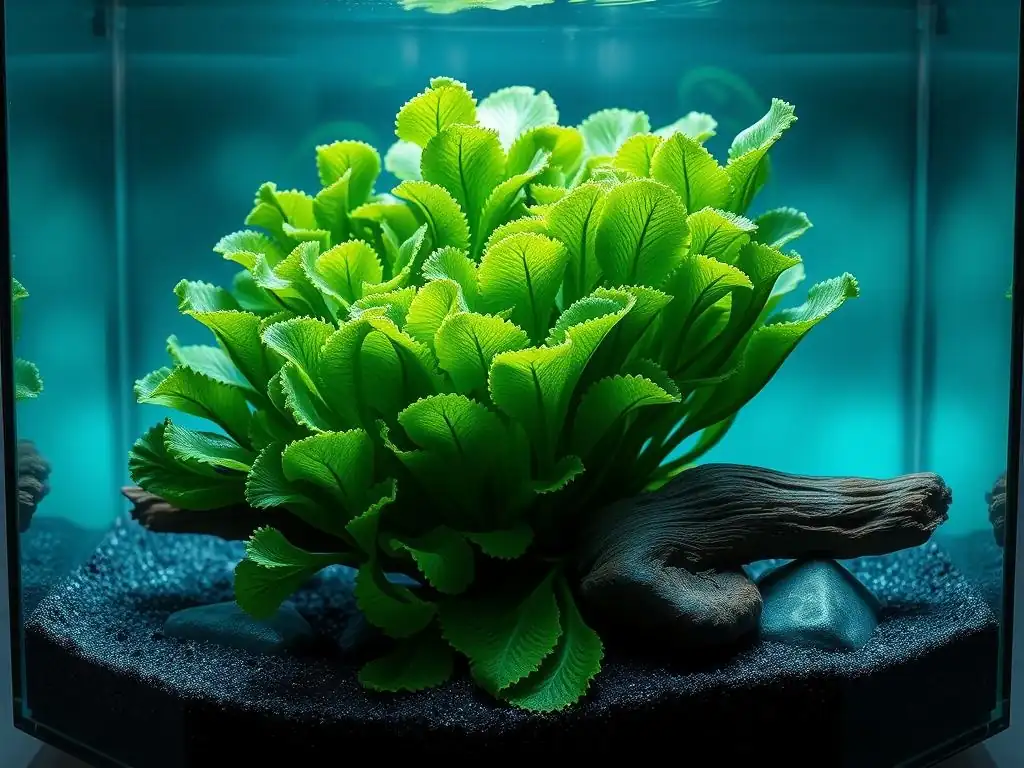
Proper acclimation is crucial to minimize stress and prevent shock when introducing macroalgae to your aquarium. Just like fish or corals, macroalgae can be sensitive to sudden changes in salinity, temperature, and pH. Float the sealed bag containing the macroalgae in your sump or display tank for 15-20 minutes to equalize the temperature.
Following temperature acclimation, consider a slow drip acclimation process over 30-60 minutes, similar to what you would do for sensitive invertebrates. This gradually adjusts the macroalgae to your tank's specific water chemistry, including salinity and pH, significantly reducing the risk of stress or die-off. Once acclimated, gently remove the macroalgae from its transport water and place it in its designated spot.
Preparing a Dedicated Refugium or Display Tank Placement
The placement of your macroalgae depends on its purpose and species. For optimal nutrient export and pest control, a dedicated refugium is ideal. This separate compartment, often part of a sump, provides a safe haven for macroalgae to grow without being grazed by fish or interfering with the main display aesthetics. Ensure the refugium has adequate flow and dedicated lighting.
If you intend to display aesthetic macroalgae species like Gracilaria in your main tank, choose a location where they receive appropriate light and flow. Avoid areas with very high flow that could dislodge them or extremely low flow where detritus might accumulate. Consider how the macroalgae will interact with corals and other inhabitants, ensuring it doesn't shade out light-dependent organisms or grow invasively.
Securing Macroalgae to Prevent Movement and Damage
Once acclimated, it's important to secure your macroalgae, especially in the display tank or areas with moderate flow. For tangled species like Chaetomorpha, simply placing a large clump in a refugium is often sufficient, as its structure helps it stay put. However, for branching or blade-like species such as Gracilaria or Caulerpa, attachment is often necessary.
You can use reef-safe super glue gel (cyanoacrylate), fishing line, or small rubber bands to attach macroalgae to frag plugs, live rock, or even rubble. For example, a small piece of Gracilaria can be gently glued to a frag plug, or the rhizoids of Caulerpa can be tucked into crevices in the rockwork. Ensure the attachment is secure enough to prevent dislodging but does not constrict or damage the algae's growth points.
Gradual Introduction to Light to Avoid Shock
One of the most critical steps in a successful macroalgae aquarium introduction guide is the gradual introduction to lighting. Macroalgae, especially after transit or being kept in low-light conditions, can be susceptible to light shock if immediately exposed to high-intensity illumination. This can lead to bleaching, tissue necrosis, or even a complete die-off.
Start with a reduced photoperiod, perhaps 4-6 hours for the first few days, or by lowering the light intensity significantly (e.g., 50% of the target PAR). Over the course of a week, gradually increase the photoperiod by 1-2 hours per day or the intensity by 10-20% daily until you reach your desired settings. This allows the macroalgae to slowly adapt to its new lighting environment, promoting healthy and robust growth.
Monitoring and Maintaining Your Macroalgae Aquarium
Regular Water Testing and Adjustments for Optimal Growth
Consistent monitoring of your aquarium's water parameters is crucial for maintaining a thriving macroalgae population. Perform regular tests for nitrates and phosphates, ideally weekly or bi-weekly. Aim to keep nitrates between 5-10 ppm and phosphates below 0.05 ppm for optimal macroalgae growth and effective nutrient export. If nutrient levels drop too low, your macroalgae's growth will stall, and it may begin to yellow or wither.
Conversely, if nutrients remain consistently high despite healthy macroalgae growth, it might indicate an imbalance in your bioload or a need for more aggressive harvesting. Adjust feeding schedules or consider increasing the amount of macroalgae if necessary. Additionally, monthly checks of alkalinity, calcium, and magnesium ensure all essential elements are available, even if consumed in smaller quantities by macroalgae compared to corals.
Pruning and Harvesting Macroalgae to Control Overgrowth
Regular pruning and harvesting are essential for sustained nutrient export and to prevent macroalgae from becoming invasive or decaying within your system. As macroalgae grows, it locks up nitrates and phosphates. To effectively export these nutrients, the algae biomass must be physically removed from the system.
For Chaetomorpha, simply remove a golf-ball to baseball-sized chunk (roughly 20-30% of the total biomass) every 2-4 weeks, depending on its growth rate. For Caulerpa species, which can grow more aggressively, more frequent pruning, perhaps weekly or bi-weekly, by snipping off sections of the frond, may be necessary. Consistent removal prevents the macroalgae from becoming too dense, which can lead to stagnant areas, or from going sexual and releasing stored nutrients back into the water.
Addressing Common Macroalgae Problems: Nutrient Deficiencies and Pests
Macroalgae can exhibit signs of stress or deficiency. Yellowing or browning of the algae tissue often indicates a lack of essential nutrients, such as nitrates, phosphates, or specific trace elements like iron. In such cases, evaluate your feeding regimen or consider targeted supplementation. For instance, if nitrates are consistently zero, a small amount of nitrate dosing might be required to sustain growth.
Pests are another concern. Always inspect new frags carefully. Common hitchhikers include nuisance algae like Bryopsis (a stubborn hair algae), Aiptasia anemones, or bubble algae. If identified, manual removal is the first step. For Bryopsis, specialized treatments or the introduction of certain manual removers may be necessary. Early detection and intervention are key to preventing widespread infestations that can compete with or smother your beneficial macroalgae.
Optimizing Iron and Trace Element Supplementation
While macroalgae primarily consume nitrates and phosphates, they also have a significant demand for various trace elements, particularly iron. Iron is crucial for photosynthesis and chlorophyll production in macroalgae. If your macroalgae's growth slows or its color fades despite adequate nitrates and phosphates, an iron deficiency might be the cause.
Consider supplementing with a liquid iron solution designed for marine aquariums, typically dosed weekly to maintain a target concentration of around 0.05 ppm. Other beneficial trace elements for macroalgae include iodine, manganese, and molybdenum. Many general trace element mixes formulated for reef tanks provide these in sufficient quantities, but targeted supplementation can be beneficial in very low-nutrient systems where macroalgae growth is a primary focus.
Troubleshooting Common Macroalgae Issues
Identifying and Treating Algae Blooms Affecting Macroalgae
Even with beneficial macroalgae, your tank can still experience nuisance algae blooms, which can smother or outcompete your desired macroalgae. These blooms, such as diatoms, dinoflagellates, or cyanobacteria, are typically symptomatic of underlying water quality issues, often excess nutrients, insufficient flow, or an inadequate clean-up crew.
If your macroalgae is being overtaken, identify the type of nuisance algae. Diatom blooms often occur in newer tanks or indicate silicate issues, while cyanobacteria (red slime algae) often points to low flow and high organic waste. Treatment involves addressing the root cause: increasing water changes, siphoning out the nuisance algae manually, optimizing flow, and ensuring your beneficial macroalgae are thriving enough to outcompete the undesirable forms.
Preventing Macroalgae from Going Sexual and Releasing Spores
The phenomenon of macroalgae "going sexual" is primarily a concern with Caulerpa species and can be detrimental. When stressed (by sudden changes in parameters like temperature, salinity, or light, or due to nutrient starvation), Caulerpa can release its contents into the water column, turning the tank cloudy and releasing a massive amount of stored nitrates and phosphates, potentially leading to an ammonia spike and widespread coral recession.
Prevention is key: maintain stable water parameters, ensure consistent lighting, and prune Caulerpa regularly to prevent it from becoming too dense or completely filling its designated space. If you notice Caulerpa becoming pale, stringy, or developing clear sections, it may be preparing to go sexual; prune it heavily immediately to remove the stressed biomass before it releases spores.
Dealing with Herbivorous Tank Mates Consuming Macroalgae
Many popular reef fish, such as tangs, angelfish, rabbitfish, and some blennies, are natural herbivores and will readily graze on macroalgae. While this can provide a natural food source for them, it can be counterproductive if your primary goal for the macroalgae is nutrient export or aesthetic display.
If your fish are consuming your beneficial macroalgae too quickly, consider placing the macroalgae in a fish-proof refugium or using a dedicated algae reactor where fish cannot access it. Alternatively, if you want to display macroalgae, choose species that are less palatable to your specific fish (though most herbivores will eventually sample anything) or provide alternative food sources like nori on an algae clip to distract them from your main macroalgae cultivation.
Long-Term Macroalgae Aquarium Care and Propagation
Propagating Macroalgae for Expanding Your Reef System
Propagating macroalgae is a straightforward process that allows you to expand your beneficial filtration or share with other aquarists. For most species, it simply involves snipping off a healthy piece (a "frag") and attaching it to a new frag plug, a piece of live rock, or simply letting it float in a suitable area.
For Chaetomorpha, you can simply grab a handful of the tangled mass and place it in a new refugium or section. For Caulerpa, cut a section of the rhizome (runner) with a few fronds attached. Gracilaria can be propagated by snipping a healthy branch. This ease of propagation makes macroalgae a sustainable and cost-effective method for enhancing your reef system's filtration or aesthetic appeal over time.
Maintaining Stable Conditions for Sustainable Macroalgae Growth
The key to long-term success with macroalgae is maintaining stable environmental conditions. Consistent temperature, salinity, pH, and nutrient levels are paramount. Automated top-off (ATO) systems are invaluable for keeping salinity stable by replacing evaporated water. Dosing pumps can ensure consistent delivery of trace elements if needed.
Regular monitoring of your water parameters will allow you to catch any fluctuations early and make necessary adjustments before they negatively impact your macroalgae or the rest of your reef system. A stable environment minimizes stress on the macroalgae, promoting continuous, healthy growth and maximizing its nutrient export capabilities.
Advanced Techniques for Macroalgae Cultivation
For aquarists looking to push the boundaries of macroalgae cultivation, several advanced techniques can be employed. While not strictly macroalgae, algae scrubbers operate on a similar principle of nutrient export through light-driven algae growth. Some advanced hobbyists in ultra-low nutrient systems (ULNS) might find it necessary to dose specific nutrients like nitrates or phosphates in very small, controlled amounts to sustain robust macroalgae growth, as their systems are too clean for the algae to thrive otherwise.
In very specialized setups, CO2 injection might be considered to significantly boost macroalgae growth, though this is rarely done in typical saltwater reef tanks due to its potential to lower pH and impact calcifying organisms. These advanced methods are generally reserved for experienced aquarists aiming for specific, high-performance macroalgae cultivation goals.
Conclusion: Enjoying a Thriving Macroalgae Aquarium
The Benefits of a Healthy Macroalgae Ecosystem in Your Saltwater Tank
Successfully integrating macroalgae into your saltwater aquarium, guided by this macroalgae aquarium introduction guide, offers a multitude of benefits that contribute to a more stable, resilient, and vibrant reef ecosystem. These include superior natural filtration and nutrient export, significantly reducing the need for chemical filtration and mitigating nuisance algae issues.
Beyond water quality, macroalgae enhance the biological diversity of your tank by providing crucial habitat and a continuous food source for beneficial microfauna. They also contribute significant aesthetic value, transforming your aquarium into a more natural and visually appealing display. A well-managed macroalgae system leads to more stable water parameters, healthier corals, and thriving fish, ultimately allowing you to enjoy a more robust and rewarding saltwater aquarium experience.
Frequently Asked Questions
How do I prepare my aquarium before introducing macroalgae?
Before introducing macroalgae, ensure your water parameters are stable and appropriate for the species. This includes checking salinity, nitrate, and phosphate levels. Also, ensure adequate lighting and flow are in place.
What types of macroalgae are best for beginners?
Some of the best macroalgae for beginners include Chaetomorpha (Chaeto), Caulerpa, and Ulva (Sea Lettuce). They are relatively easy to grow and maintain, providing nutrient export and shelter.
How should I acclimate new macroalgae to my aquarium?
Acclimation is crucial to prevent shock. Float the macroalgae in a bag within your aquarium for about 30 minutes to equalize the temperature. Then, slowly drip aquarium water into the bag for another 30 minutes before introducing it.
Where should I place macroalgae in my aquarium?
Placement depends on the type of macroalgae. Chaetomorpha is often kept in a refugium, while others like Caulerpa can be attached to rocks in the display tank. Ensure they receive adequate light and flow.
What are some common problems when growing macroalgae, and how can I solve them?
Common problems include algae die-off, nutrient deficiencies, and pest infestations. Regularly monitor water parameters and provide appropriate nutrients. Consider a quarantine tank for new additions to prevent introducing pests.
Final Reflection: Cultivating Underwater Gardens
The journey from a barren tank to a thriving ecosystem, as outlined in this guide, highlights the profound impact of intentional intervention in natural processes. The steps detailed are not merely instructions; they represent a commitment to fostering biodiversity and creating a miniature, self-sustaining world within the confines of glass. This commitment, in turn, reflects a growing awareness of our responsibility to understand and protect the delicate balance of marine environments, even on a small scale.
The introduction of macroalgae into an aquarium is more than just adding plants; it's about nurturing a living, breathing community. This act of creation, of cultivating a miniature ocean, fosters a deeper appreciation for the complexity and beauty of marine life. It also serves as a constant reminder of the interconnectedness of all living things. In nature, nothing exists alone.
- Rachel Carson. This quote perfectly encapsulates the essence of a balanced aquarium ecosystem, where each element plays a vital role in the overall health and well-being of the whole.
Now, armed with the knowledge and techniques presented in this guide, consider the potential of your own aquarium. Reflect on the impact you can have, not only on the health of your underwater inhabitants but also on your own understanding of the natural world. Embrace the challenge, nurture your macroalgae forest, and let it serve as a constant source of inspiration and a testament to the power of mindful stewardship.
Cultivate Your Underwater Garden: Start Your Macroalgae Journey Today!
Thank you for diving into the world of macroalgae with us! We hope this guide has sparked your interest and provided a solid foundation for introducing these fascinating plants to your aquarium. Now, let's get those green thumbs working!
Here are a few steps you can take to further your macroalgae adventure:
- Begin by selecting one hardy macroalgae species perfect for beginner aquarists, such as Chaetomorpha or Ulva. Observe its growth, and tailor your lighting and nutrient levels to its needs.
- Share your initial setup and progress with the Aquarium Mastery community! Post pictures and ask questions on our forums to connect with fellow enthusiasts.
- Go beyond aesthetics: Research the specific water quality benefits each type of macroalgae offers and experiment with how they impact your aquarium ecosystem.
Ready to transform your aquarium into a vibrant underwater forest? What unique method will you use to secure your macroalgae in your tank and ensure its healthy growth?