
Mayaca Fluviatilis: The Delicate Green Flowing River Plant

Welcome to Aquarium Mastery!
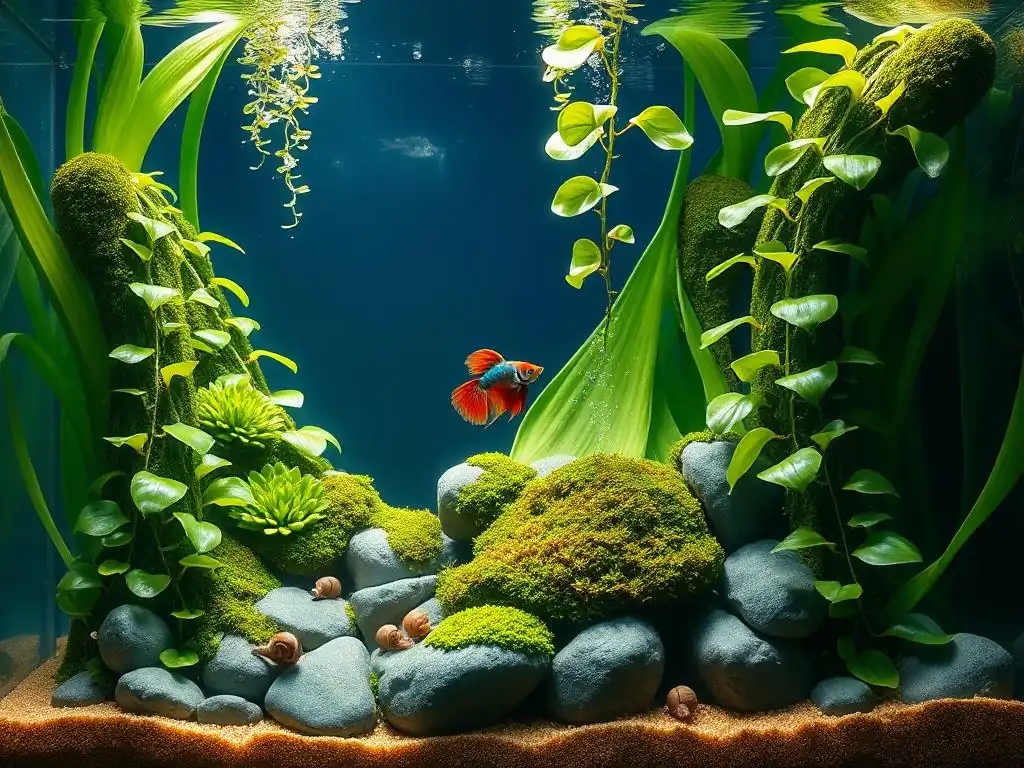
Ever been captivated by the idea of a lush, flowing river gracefully represented in your freshwater aquarium? Mayaca fluviatilis, with its delicate, vibrant green strands, can bring that dream to life. But mastering Mayaca care requires a little know-how. Dive in to discover everything you need to know about cultivating this beautiful plant and creating a thriving underwater paradise. Curious to learn more? Let's get started!
- Mayaca Fluviatilis: The Delicate Green Flowing River Plant for Your Freshwater Aquarium
- Understanding Mayaca Fluviatilis: An Introduction to the River Plant
- Mayaca Care: Essential Guidelines
- Planting and Propagating Mayaca Fluviatilis in Your Aquarium
- Common Issues and Troubleshooting Mayaca Fluviatilis
- Mayaca Fluviatilis Tank Mates: Compatibility and Considerations
- Mayaca Fluviatilis vs. Other Similar Aquatic Plants: A Comparison
- Achieving a Stunning Planted Tank with Mayaca Fluviatilis
-
Frequently Asked Questions
- What are the key considerations for Mayaca fluviatilis care in a freshwater aquarium?
- Is Mayaca fluviatilis suitable for beginner aquarists?
- What type of substrate is best for Mayaca fluviatilis?
- How often should I fertilize my aquarium with Mayaca fluviatilis?
- What are the common problems encountered when caring for Mayaca fluviatilis and how can I solve them?
- Final Reflection: Embracing the Delicate Balance
- Cultivate Your Underwater Oasis: Time to Plant & Prosper!
Mayaca Fluviatilis: The Delicate Green Flowing River Plant for Your Freshwater Aquarium
Understanding Mayaca Fluviatilis: An Introduction to the River Plant
What is Mayaca Fluviatilis? Origins and Habitat
Mayaca fluviatilis, commonly known as River Mayaca or Stream Bogmoss, is a strikingly delicate stem plant highly prized in the planted aquarium hobby. Characterized by its incredibly fine, needle-like leaves arranged alternately along a slender, often reddish stem, it creates a unique feathery and flowing appearance. Its vibrant, almost glowing green coloration, especially under optimal conditions, makes it a captivating addition to any freshwater aquarium.
This elegant aquatic plant hails primarily from slow-moving rivers, streams, and boggy areas across South America and the southeastern United States. In its natural habitat, Mayaca fluviatilis thrives in clear, soft, and slightly acidic waters, often found submerged or semi-submerged along the banks. Understanding these origins is key to successful Mayaca care freshwater aquarium environments, as replicating these conditions will yield the best growth and coloration.
Why Choose Mayaca Fluviatilis for Your Planted Aquarium? Benefits and Aesthetics
Choosing Mayaca fluviatilis offers significant aesthetic appeal, transforming an ordinary tank into a lush, dynamic aquascape. Its fine texture and bright green hue provide excellent contrast against larger-leaved plants or darker hardscape elements like driftwood and rocks. When planted densely, it mimics the appearance of underwater grass swaying gently in a current, creating a natural, serene "river" or "stream" effect that enhances the visual depth and realism of the aquatic environment.
Beyond its beauty, Mayaca fluviatilis contributes positively to the aquarium ecosystem. Like all aquatic plants, it actively participates in photosynthesis, releasing oxygen into the water column, which benefits fish and beneficial bacteria. Furthermore, it efficiently absorbs excess nutrients such as nitrates and phosphates, thereby helping to control algae growth and maintain stable water quality. This natural filtration is a crucial benefit for comprehensive Mayaca care freshwater aquarium setups, promoting a healthier and more balanced habitat.
Mayaca Care: Essential Guidelines
Optimal Water Parameters for Healthy Mayaca Growth
Achieving lush, vibrant growth for Mayaca fluviatilis hinges on maintaining stable and appropriate water parameters. This delicate plant is somewhat sensitive to fluctuating conditions, making consistent monitoring and adjustment a cornerstone of successful Mayaca care freshwater aquarium. Attention to detail in this area will prevent stress and promote robust health.
The overall water chemistry should mimic its natural soft, acidic habitat as closely as possible. While Mayaca fluviatilis can adapt to a small range of deviations, prolonged exposure to unsuitable parameters will result in stunted growth, discoloration, or even melting. Regular water testing is highly recommended to ensure these critical parameters remain within their optimal ranges.
Temperature Requirements for Mayaca Fluviatilis
Mayaca fluviatilis flourishes in a moderate temperature range, typical of many tropical freshwater aquariums. The ideal temperature for optimal growth and health falls between 68-82°F (20-28°C). While it can tolerate brief periods outside this range, prolonged exposure to temperatures below 65°F (18°C) can slow growth significantly, and temperatures consistently above 84°F (29°C) may lead to stress and melting.
Maintaining a stable temperature within this range is more important than hitting a precise number. Rapid temperature fluctuations can stress the plant, making it more susceptible to disease or decay. Using a reliable aquarium heater with a thermostat is crucial for consistent Mayaca care freshwater aquarium temperature management.
pH Levels Ideal for Mayaca Fluviatilis
The ideal pH range for Mayaca fluviatilis is slightly acidic to neutral, specifically between 5.5 and 7.0. This range closely mirrors the soft, acidic waters of its native environment. While it can often survive in pH levels up to 7.5, optimal growth and color vibrancy are typically observed at the lower end of this spectrum.
Water outside this preferred pH range can hinder the plant's ability to absorb essential nutrients, even if those nutrients are present in the water. For instance, high pH can "lock out" certain micronutrients like iron. Therefore, monitoring and maintaining the pH within the recommended range is vital for effective Mayaca care freshwater aquarium nutrient uptake and overall plant health.
Water Hardness (GH and KH) and Mayaca Care
Mayaca fluviatilis prefers soft to moderately hard water. The recommended General Hardness (GH) range is 2-8 dGH (35-140 ppm), and the Carbonate Hardness (KH) should be between 2-6 dKH (35-105 ppm). These parameters ensure that the water is not excessively hard, which can be detrimental to delicate plants like Mayaca.
High levels of GH can impede nutrient absorption and potentially lead to deficiencies, while a stable KH is crucial for buffering pH fluctuations, especially in tanks with CO2 injection. Maintaining water within these soft to moderate ranges contributes significantly to the plant's vitality and is a key aspect of successful Mayaca care freshwater aquarium maintenance.
Lighting Requirements for Mayaca Fluviatilis: Achieving Lush Growth
Lighting is arguably the most critical factor for successful Mayaca care freshwater aquarium setups. Mayaca fluviatilis is a high-light plant, and its vibrant green color and dense growth are directly dependent on adequate illumination. Insufficient light will lead to leggy, pale growth, and the plant may eventually wither away.
Providing the correct intensity and spectrum of light ensures robust photosynthesis, which powers the plant's growth and development. Without sufficient light, even with ideal water parameters and fertilization, Mayaca fluviatilis will struggle to thrive. Therefore, selecting and managing your lighting system effectively is paramount.
Light Intensity and Duration for Mayaca Growth
For optimal growth, Mayaca fluviatilis requires medium to high light intensity. This typically translates to a Photosynthetically Active Radiation (PAR) value of 30-50 PAR at the substrate level, depending on the tank depth and desired growth rate. While it can survive in medium light (20-30 PAR), its true potential for dense, vibrant growth is realized under higher intensity.
The duration of lighting should be consistent, typically 8-10 hours per day. A photoperiod longer than 10 hours can encourage excessive algae growth without significantly benefiting the plant further. Using a timer for your lights ensures consistency, which is vital for the plant's metabolic processes and overall Mayaca care freshwater aquarium health.
Choosing the Right Aquarium Lighting for Mayaca Fluviatilis
When selecting lighting for Mayaca fluviatilis, full-spectrum LED lights are highly recommended. Look for fixtures designed for planted aquariums, which offer a balanced spectrum with a color temperature typically between 6500K and 8000K. This range mimics natural daylight and supports robust plant growth.
Brands such as Chihiros, Twinstar, and Fluval Plant 3.0 are popular choices among aquarists for their ability to provide the necessary intensity and spectrum. Many modern LED lights also offer dimming capabilities, allowing you to fine-tune the light intensity to prevent algae outbreaks while still meeting the Mayaca fluviatilis's high demands. Investing in a quality lighting system is a cornerstone of advanced Mayaca care freshwater aquarium techniques.
Substrate and Fertilization for Mayaca Fluviatilis: Nutrient Needs
While Mayaca fluviatilis primarily absorbs nutrients from the water column through its leaves and stems, a nutrient-rich substrate and a comprehensive fertilization regimen are crucial for its long-term health and vigorous growth. This plant is a moderate to heavy feeder, especially when kept under high light and with CO2 injection.
A well-planned substrate and fertilization strategy ensures that all necessary macro and micronutrients are readily available to the plant. Deficiencies can quickly manifest as poor growth or discoloration, impacting the overall aesthetic and health of your Mayaca fluviatilis. Therefore, understanding and implementing proper nutrient management is vital for effective Mayaca care freshwater aquarium success.
Recommended Substrates for Planting Mayaca
For planting Mayaca fluviatilis, a fine-grained substrate is highly recommended. Substrates like specialized aquasoils (e.g., ADA Aqua Soil, Fluval Stratum) or fine sands are ideal. Aquasoils are particularly beneficial as they are rich in nutrients and have a high Cation Exchange Capacity (CEC), allowing them to absorb and release nutrients as needed by the plant.
Fine sand provides a stable anchor for the delicate root systems of Mayaca fluviatilis and prevents the stems from being easily dislodged. While Mayaca primarily feeds from the water column, a good substrate provides a secure base and can supplement essential root-absorbed nutrients, contributing to robust Mayaca care freshwater aquarium growth.
Fertilization Strategies for Optimal Mayaca Health
Given its fast growth rate and high light requirements, Mayaca fluviatilis demands a consistent and comprehensive fertilization strategy. This typically involves supplementing both macronutrients (Nitrogen, Phosphorus, Potassium - NPK) and a full range of micronutrients (especially Iron, Manganese, Boron, Zinc, Copper, Molybdenum). Without adequate fertilization, the plant will quickly show signs of deficiency, such as yellowing or stunted growth.
Many aquarists employ methods like the Estimative Index (EI) or a similar comprehensive dosing regimen, especially in high-tech setups. Regular water changes (e.g., 50% weekly) are essential when using comprehensive dosing to reset nutrient levels and prevent accumulation of unwanted elements. This diligent approach is fundamental to advanced Mayaca care freshwater aquarium practices.
Liquid Fertilizers for Mayaca Fluviatilis
Liquid fertilizers are the primary method for providing nutrients to Mayaca fluviatilis, as it absorbs heavily from the water column. A good quality all-in-one liquid fertilizer designed for planted tanks, or separate NPK and micronutrient solutions, should be dosed regularly. For instance, dosing 2-3 times a week, following the product's instructions, is common.
Products like Seachem Flourish, Aquarium Co-Op Easy Green, or specific NPK and trace element solutions ensure that the plant receives a balanced diet. Pay particular attention to iron, as Mayaca fluviatilis often shows iron deficiency through yellowing new growth. Consistent liquid fertilization is indispensable for vibrant Mayaca care freshwater aquarium growth.
Root Tabs for Mayaca Fluviatilis
While Mayaca fluviatilis is primarily a water column feeder, root tabs can provide a beneficial supplementary source of nutrients, especially in inert substrates like sand or gravel. These tabs, typically rich in iron and other micronutrients, can be placed directly under the plant's base every 3-4 months.
Root tabs ensure that any nutrients the plant might absorb through its roots are readily available, further supporting vigorous growth and preventing deficiencies. They are particularly useful for establishing newly planted stems and providing a slow-release source of vital elements, enhancing the overall Mayaca care freshwater aquarium nutrient strategy.
CO2 Injection and Mayaca Fluviatilis: Is it Necessary?
While Mayaca fluviatilis can survive in a low-tech setup without CO2 injection, its true potential for vibrant color, dense growth, and rapid development is unlocked with supplemental carbon dioxide. CO2 is a crucial component for photosynthesis, and providing it in adequate amounts significantly accelerates the plant's metabolic rate.
For optimal Mayaca care freshwater aquarium results, CO2 injection is highly recommended. Aim for a CO2 level of 20-30 ppm during the photoperiod. This can be monitored using a drop checker. Consistent CO2 supply not only promotes faster and bushier growth but also helps the plant outcompete algae for nutrients, contributing to a cleaner and healthier tank environment.
Planting and Propagating Mayaca Fluviatilis in Your Aquarium
Planting Techniques for Mayaca Fluviatilis: Getting Started
Planting Mayaca fluviatilis requires a delicate touch due to its fine stems and leaves. Proper planting ensures that the plant establishes quickly, minimizes initial melting, and sets the stage for healthy growth. Rushing this step can lead to frustration and a slower recovery for the plant.
Before planting, it's essential to prepare the stems adequately, especially if they come from a tissue culture cup or a potted source. This initial preparation, followed by careful insertion into the substrate, will significantly impact the plant's ability to thrive in its new freshwater aquarium environment.
Preparing Mayaca Stems for Planting
Upon receiving Mayaca fluviatilis, gently remove any packaging, rock wool, or ties. Inspect the stems for any damaged or decaying leaves and trim them off using sharp aquascaping scissors. It's often beneficial to cut the longer stems into smaller sections, typically 4-6 inches (10-15 cm) long, ensuring each section has several nodes from which new roots and shoots can emerge.
This preparation not only makes planting easier but also encourages bushier growth from the outset. Rinsing the plant gently under clean, dechlorinated water can also help remove any debris or excess nutrients from its previous environment, preparing it for optimal Mayaca care freshwater aquarium conditions.
Planting Mayaca in the Substrate
To plant Mayaca fluviatilis, use specialized planting tweezers to gently insert the bottom 1-2 inches (2.5-5 cm) of each stem into the substrate. Ensure that at least one or two nodes are buried, as these are where new roots will sprout. Due to its delicate nature, avoid crushing the stem.
For a lush, bushy appearance, plant individual stems or small groups of 2-3 stems about 1-2 inches (2.5-5 cm) apart. This spacing allows adequate light penetration and water circulation around each plant, promoting healthier growth and preventing lower leaves from dying off due to shading, which is crucial for effective Mayaca care freshwater aquarium layout.
Propagating Mayaca Fluviatilis: Expanding Your Collection
Mayaca fluviatilis is an exceptionally easy plant to propagate, making it simple to expand your existing collection or share with other aquarists. Its rapid growth rate under optimal conditions means you'll frequently have trimmings that can be replanted, quickly filling out your aquascape.
Propagation not only helps you achieve a denser, more mature look in your tank but also contributes to the plant's overall health by encouraging new growth. This straightforward process is a rewarding part of Mayaca care freshwater aquarium maintenance.
Stem Cuttings and Propagation
The most common and effective method for propagating Mayaca fluviatilis is through stem cuttings. When the plant reaches the water surface or becomes too tall, simply cut the top 4-6 inches (10-15 cm) of a healthy stem using sharp scissors. The cut top can then be replanted directly into the substrate, where it will develop new roots from the buried nodes within a week or two.
The remaining submerged portion of the parent plant will typically branch out from the nodes below the cut, leading to a bushier growth habit. This method allows for continuous expansion and shaping of your Mayaca fluviatilis display, an essential aspect of long-term Mayaca care freshwater aquarium management.
Encouraging Bushier Growth Through Pruning
Regular pruning is key to maintaining a dense, attractive bush of Mayaca fluviatilis. Instead of letting stems grow all the way to the surface and become leggy, trim them back when they reach your desired height or begin to show signs of thinning at the bottom. This encourages the plant to put energy into lateral growth rather than vertical growth.
When pruning, aim to cut just above a node. This stimulates the development of new side shoots from those nodes, resulting in a significantly bushier and more compact plant. Consistent pruning is not just for aesthetics; it's a vital part of Mayaca care freshwater aquarium to ensure the plant remains healthy and vibrant throughout its life in your tank.
Common Issues and Troubleshooting Mayaca Fluviatilis
Identifying and Addressing Nutrient Deficiencies in Mayaca
Despite diligent Mayaca care freshwater aquarium efforts, nutrient deficiencies can occasionally arise, particularly in high-tech setups where plants grow rapidly and deplete nutrients quickly. Mayaca fluviatilis is a fast-growing plant, and as such, it can be a good indicator of nutrient imbalances in your water column. Prompt identification and correction are crucial to maintain its health and appearance.
Understanding the specific symptoms associated with different nutrient deficiencies will allow you to diagnose and treat the problem effectively. Most issues can be resolved by adjusting your fertilization regimen or water parameters.
Yellowing Leaves: Possible Causes and Solutions
Yellowing leaves on Mayaca fluviatilis can indicate a few different nutrient deficiencies. If the new growth (top leaves) is yellowing, it often points to an iron deficiency. Iron is a crucial micronutrient for chlorophyll production, and without enough, new leaves will appear pale or bleached.
If the older, lower leaves are yellowing and melting, it's typically a sign of nitrogen deficiency. Nitrogen is a mobile nutrient, meaning the plant will move it from older leaves to support new growth.
- Solution for Iron Deficiency: Increase the dosage of a comprehensive liquid fertilizer that includes chelated iron, or consider adding specific iron supplements.
- Solution for Nitrogen Deficiency: Ensure your NPK (Nitrogen, Phosphorus, Potassium) liquid fertilizer provides adequate nitrogen. Test your nitrate levels; aiming for 10-20 ppm is generally good for planted tanks. Adjust dosing accordingly. Consistent Mayaca care freshwater aquarium fertilization prevents these common issues.
Stunted Growth: Diagnosing the Problem
Stunted growth in Mayaca fluviatilis, where the plant simply isn't growing or is growing very slowly despite seemingly good conditions, can be a frustrating issue with multiple potential causes. It often signifies a fundamental imbalance in one or more critical growth factors.
Common culprits for stunted growth include insufficient light intensity, inadequate CO2 supply (especially in high-tech tanks), or a lack of essential macronutrients (NPK) or micronutrients.
- Solution:
- Light: Verify your light intensity and duration. Ensure the plant is receiving medium to high light (e.g., 30-50 PAR for 8-10 hours).
- CO2: If using CO2, check your drop checker to ensure levels are consistently at 20-30 ppm. Inconsistent CO2 can be worse than no CO2.
- Nutrients: Review your fertilization schedule. Ensure you are providing a balanced array of macro and micronutrients. Test your water for nitrates and phosphates to confirm they are not depleted.
- Water Parameters: Check pH, GH, and KH to ensure they are within the optimal ranges for Mayaca care freshwater aquarium, as extreme deviations can inhibit growth.
Dealing with Algae on Mayaca Fluviatilis
Due to its delicate, fine leaves, Mayaca fluviatilis can be susceptible to algae growth, particularly if there's an imbalance in the aquarium. Algae can coat the leaves, blocking light and hindering photosynthesis, which can severely impact the plant's health. Prevention is always easier than removal when it comes to algae.
Understanding the root causes of algae proliferation and implementing preventative measures are crucial for maintaining a clean and healthy Mayaca fluviatilis display. When algae does appear, gentle and safe removal methods are necessary to avoid damaging the plant.
Preventing Algae Growth on Mayaca
Preventing algae on Mayaca fluviatilis involves maintaining a stable and balanced aquarium environment. The most common causes of algae are excessive light, unstable CO2 levels (if injected), and nutrient imbalances (either too much or too little).
- Light: Stick to a consistent photoperiod of 8-10 hours and avoid excessively high light intensity if CO2 and nutrients aren't perfectly balanced.
- CO2: If injecting CO2, ensure a stable and consistent supply of 20-30 ppm during the entire photoperiod. Fluctuations can trigger algae.
- Nutrients: Maintain balanced NPK and micronutrient levels. Avoid over-dosing fertilizers, especially phosphates and nitrates, if they are already abundant.
- Water Changes: Regular weekly water changes (e.g., 30-50%) help export excess nutrients and prevent buildup, which is vital for overall Mayaca care freshwater aquarium health.
Safe Algae Removal Methods for Delicate Plants
If algae does appear on your Mayaca fluviatilis, manual removal can be challenging due to the plant's delicate structure.
- Manual Removal: Very gently try to swirl a soft toothbrush or your fingers through the affected areas to dislodge algae. Be extremely careful not to damage the stems or leaves.
- Algae Eaters: Introduce effective algae-eating invertebrates. Amano shrimp (Caridina multidentata) are excellent algae grazers and will not harm Mayaca fluviatilis. Nerite snails (Neritina natalensis) also do a great job on surfaces.
- Blackout: In severe cases, a temporary 2-3 day blackout (no lights, cover the tank) can significantly reduce algae, but this should be a last resort as it can stress plants.
- Hydrogen Peroxide Spot Treatment (Caution!): For localized, stubborn algae, a very dilute spot treatment with hydrogen peroxide (H2O2) can be used. Syringe a small amount directly onto the algae, ensuring minimal contact with fish. Use extreme caution and research proper dosages thoroughly before attempting. This is a more advanced technique and should be used sparingly for Mayaca care freshwater aquarium.
Mayaca Fluviatilis Melting: Causes and Prevention
"Melting" refers to the sudden decay and dissolution of plant tissue, often appearing as translucent or mushy leaves and stems. Mayaca fluviatilis can be prone to melting, especially during the initial transition to a new aquarium or if environmental conditions are highly unstable. It's a clear sign of severe stress.
Understanding the primary causes of melting is crucial for prevention, as once a plant starts to melt extensively, recovery can be difficult. Consistent and stable conditions are the best defense against this common issue in Mayaca care freshwater aquarium.
- Causes of Melting:
- Drastic Environmental Changes: Sudden shifts in water parameters (pH, temperature, hardness) when introducing the plant or during large water changes.
- Nutrient Shock/Deficiency: A sudden lack of essential nutrients, especially if the plant was grown in a nutrient-rich environment and then moved to a nutrient-poor tank.
- Insufficient Light/CO2: Inadequate light or CO2 levels for a high-light demanding plant like Mayaca fluviatilis can lead to its demise.
- Poor Acclimation: Not allowing the plant to slowly adjust to new water parameters.
- Physical Damage: Rough handling during planting can damage delicate stems.
- Prevention:
- Acclimation: If possible, acclimate new plants slowly to your tank's water parameters.
- Stable Parameters: Ensure stable temperature ( 68-82°F / 20-28°C), pH ( 5.5-7.0), and hardness ( 2-8 dGH, 2-6 dKH) from the start.
- Adequate Lighting & CO2: Provide consistent medium to high light and, if possible, stable CO2 injection (20-30 ppm).
- Nutrient Availability: Begin a comprehensive fertilization regimen immediately upon planting.
- Gentle Handling: Plant with care using tweezers to avoid crushing stems.
- Patience: Give the plant time to adjust. Some initial melting is normal, but it should recover if conditions are stable. Proper Mayaca care freshwater aquarium minimizes post-planting shock.
Mayaca Fluviatilis Tank Mates: Compatibility and Considerations
Choosing the right tank mates for a Mayaca fluviatilis planted aquarium is essential to ensure the longevity and health of this delicate plant. Aggressive fish, large bottom-dwellers, or known plant-eaters can quickly uproot or damage the fine stems and leaves, undoing all your efforts in Mayaca care freshwater aquarium.
Focus on peaceful, smaller fish species and beneficial invertebrates that will coexist harmoniously with the plants without causing disruption. This careful selection contributes to a balanced and thriving aquatic ecosystem.
Suitable Fish Species for a Mayaca Planted Aquarium
Ideal fish species for a Mayaca fluviatilis tank are generally small, peaceful, and do not have a reputation for nipping at plants or digging extensively. Their calm demeanor ensures the delicate stems remain undisturbed.
- Small Schooling Fish: Neon Tetras (Paracheirodon innesi), Cardinal Tetras (Paracheirodon axelrodi), Ember Tetras (Hyphessobrycon amandae), and various species of Rasboras (e.g., Harlequin Rasboras, Chili Rasboras) are excellent choices. They provide movement and color without harming the plants.
- Livebearers: Peaceful livebearers like Guppies (Poecilia reticulata) and Endlers (Poecilia wingei) can also be good tank mates, provided their fin-nipping tendencies are minimal.
- Dwarf Gouramis (Trichogaster lalius) and Betta fish (Betta splendens) can also be suitable, especially in larger tanks with gentle flow, as they tend to be calm.
- Bottom Dwellers: Small, peaceful bottom-dwellers like Pygmy Corydoras (Corydoras pygmaeus) or Otocinclus catfish (Otocinclus affinis) are good choices as they are unlikely to uproot plants.
- Avoid: Large Cichlids, Goldfish, Silver Dollars, and other known plant-eaters or boisterous fish that might uproot delicate plants. Careful fish selection is a key component of holistic Mayaca care freshwater aquarium.
Invertebrates and Mayaca: Shrimp and Snail Compatibility
Many invertebrates are highly compatible with Mayaca fluviatilis and can even be beneficial for the aquarium's ecosystem, acting as natural cleaners. They typically do not consume healthy plant tissue and can help control algae.
- Shrimp: Amano shrimp (Caridina multidentata) are highly recommended as excellent algae eaters and are completely plant-safe. Various species of Neocaridina shrimp (e.g., Cherry shrimp, Blue Dream shrimp) are also great additions, adding color and helping with biofilm cleanup without harming the plants. Ghost shrimp are another safe option.
- Snails: Most peaceful aquarium snails are compatible. Nerite snails (Neritina natalensis) are fantastic algae grazers that won't consume healthy plants. Ramshorn snails and Malaysian Trumpet Snails (Melanoides tuberculata) also contribute to tank cleanup and substrate aeration without damaging Mayaca fluviatilis.
- Avoid: Large, aggressive snails or crayfish that might damage plants. The inclusion of suitable invertebrates enhances the overall Mayaca care freshwater aquarium environment by maintaining cleanliness and balance.
Mayaca Fluviatilis vs. Other Similar Aquatic Plants: A Comparison
Aquarists often encounter several fine-leaved, feathery stem plants that can look similar at first glance. While Mayaca fluviatilis has its distinct characteristics and specific Mayaca care freshwater aquarium needs, comparing it to commonly confused species can help in proper identification and care. Understanding these differences is crucial for selecting the right plant for your aquascape goals.
This comparison highlights the unique attributes of Mayaca fluviatilis in terms of appearance, growth habit, and care requirements, setting it apart from other popular aquatic plants that share a superficial resemblance.
Mayaca Fluviatilis vs. Cabomba caroliniana
Both Mayaca fluviatilis and Cabomba caroliniana (Green Cabomba) are popular, fine-leaved stem plants used in freshwater aquariums, but they have distinct differences.
- Leaf Structure: Cabomba caroliniana features fan-shaped, highly dissected leaves arranged in whorls around the stem, giving it a somewhat bushy, almost fan-like appearance. In contrast, Mayaca fluviatilis has more needle-like, delicate leaves that are arranged alternately along a slender stem, creating a softer, feathery texture.
- Growth Rate & Requirements: Cabomba is generally considered slightly less demanding than Mayaca in terms of CO2 and nutrient levels, though it still benefits greatly from them and requires moderate to high light. Mayaca fluviatilis is often seen as more delicate and requires more consistent high light, stable water parameters, and often CO2 injection for its best appearance and robust Mayaca care freshwater aquarium growth. Cabomba can also grow taller and more vigorously under ideal conditions.
Mayaca Fluviatilis vs. Egeria densa
Egeria densa, commonly known as Anacharis or Brazilian Elodea, is another widely available stem plant that can sometimes be confused with Mayaca fluviatilis due to its stem growth habit, but their appearances and care requirements are quite different.
- Leaf Structure: Egeria densa has thicker, broader, and more rigid leaves arranged in dense whorls along the stem, giving it a much coarser and less delicate texture than Mayaca fluviatilis. Mayaca's leaves are distinctly fine and needle-like, creating a feathery, flowing look.
- Hardiness & Care: This is the most significant difference. Egeria densa is renowned for being extremely hardy and adaptable, making it a popular choice for beginners. It tolerates a wide range of water parameters, can thrive in low to medium light, and does not require CO2 injection. Mayaca fluviatilis, on the other hand, is significantly more demanding, requiring high light, stable soft/acidic water, and often supplemental CO2 to truly flourish. The specific Mayaca care freshwater aquarium needs are much more stringent compared to the forgiving nature of Egeria densa.
Achieving a Stunning Planted Tank with Mayaca Fluviatilis
Aquascaping Ideas Using Mayaca Fluviatilis
Mayaca fluviatilis is an incredibly versatile plant for aquascaping, capable of creating a myriad of stunning effects. Its delicate texture and vibrant green color allow it to serve multiple roles, from a soft foreground accent to a lush midground bush, or even a flowing background element in smaller tanks. The key is to leverage its unique feathery appearance to enhance depth and natural movement within your aquascape.
One popular application is to plant Mayaca fluviatilis densely in rows or gentle curves to mimic the look of an underwater river or stream, a technique particularly effective in Iwagumi or nature aquarium layouts. Its fine leaves contrast beautifully with broader-leaved plants, rocks, or driftwood, drawing the eye and adding a dynamic element to the composition.
Mayaca Fluviatilis: A Summary of Key Care Points
To successfully cultivate a vibrant and healthy Mayaca fluviatilis in your freshwater aquarium, remember these key Mayaca care freshwater aquarium points:
- Lighting: Provide medium to high light intensity (30-50 PAR) for 8-10 hours daily, preferably with full-spectrum LEDs (6500K-8000K).
- Water Parameters: Maintain stable soft to moderately hard water with a pH of 5.5-7.0, GH of 2-8 dGH, and KH of 2-6 dKH. Optimal temperature is 68-82°F (20-28°C).
- CO2 Injection: Highly recommended for optimal growth, aiming for 20-30 ppm during the photoperiod.
- Fertilization: Implement a comprehensive liquid fertilization routine, including both macro (NPK) and micronutrients (especially iron), supplemented by root tabs in inert substrates.
- Substrate: Use fine-grained substrates like aquasoil or sand for easy anchoring.
- Planting & Pruning: Plant delicately with tweezers, burying 1-2 inches of stem. Regular pruning encourages bushier growth and propagation.
- Tank Mates: Choose small, peaceful fish and plant-safe invertebrates like Amano shrimp or Nerite snails.
By adhering to these guidelines, you can transform your aquarium into a breathtaking aquatic landscape featuring the delicate, flowing beauty of Mayaca fluviatilis. This commitment to detailed Mayaca care freshwater aquarium practices will yield a rewarding and visually stunning result.
Frequently Asked Questions
What are the key considerations for Mayaca fluviatilis care in a freshwater aquarium?
The key considerations are providing soft, acidic water and intense lighting. Supplementing with CO2 and nutrients is also crucial for healthy growth.
Is Mayaca fluviatilis suitable for beginner aquarists?
Generally, no. Mayaca fluviatilis is considered a delicate plant that requires stable water parameters and specific care requirements, making it better suited for experienced aquarists.
What type of substrate is best for Mayaca fluviatilis?
A nutrient-rich substrate is best. This allows the plant to easily access essential nutrients through its roots, supporting its growth. Consider using aquarium soil or a substrate enriched with fertilizers.
How often should I fertilize my aquarium with Mayaca fluviatilis?
Regular fertilization is necessary. You can use liquid fertilizers several times a week, adjusting the dosage based on plant growth and nutrient levels in the tank. Monitoring nutrient levels is key.
What are the common problems encountered when caring for Mayaca fluviatilis and how can I solve them?
Common problems include melting or stunted growth. This can be due to insufficient lighting, nutrient deficiencies, or unstable water parameters. Addressing these issues with increased lighting, fertilization, and regular water changes is essential.
Final Reflection: Embracing the Delicate Balance
The journey into understanding Mayaca fluviatilis reveals more than just the intricacies of aquarium plant care; it highlights the delicate balance required to nurture life, both within our tanks and beyond. The principles of providing the right light, nutrients, and environment for this flowing green river plant mirror the broader responsibilities we have towards fostering healthy ecosystems.
This exploration has underscored the profound impact even seemingly small actions can have on the aquatic world. The meticulous attention required for Mayaca care serves as a microcosm of the larger commitment needed to protect our planet's biodiversity. In nature, nothing exists alone.
- Rachel Carson. This quote resonates deeply, reminding us that every element, from the smallest plant to the largest ecosystem, is interconnected and interdependent.
As you consider the lessons learned about Mayaca fluviatilis, I invite you to reflect on the broader implications of nurturing life. How can you apply the principles of careful observation, patient cultivation, and mindful intervention to other areas of your life? Let the delicate beauty of this flowing green river plant inspire you to cultivate a more sustainable and harmonious relationship with the world around you, fostering growth and balance wherever you go.
Cultivate Your Underwater Oasis: Time to Plant & Prosper!
Thank you for diving into the world of Mayaca fluviatilis! We hope you've discovered the beauty and potential of this delicate aquatic gem. Now, let's translate that knowledge into a thriving underwater landscape.
Here are a few ways to bring the "Flowing River Plant" magic to your own aquarium:
- Get planting! This is your chance to acquire Mayaca fluviatilis and add this stunning plant to your aquarium. Witness its growth and vibrant green hues firsthand!
- Dive deeper:Research compatible tank mates and learn about specific water parameters that will help Mayaca fluviatilis flourish.
- Share your passion: Show off your Mayaca fluviatilis creations! Upload a photo of your aquarium and inspire other aquascapers on social media with the hashtag #AquariumMasteryMayaca.
Ready to transform your aquarium into a serene, green paradise?