
Low Light, High Impact: Thriving Plants Without Intense Illumination

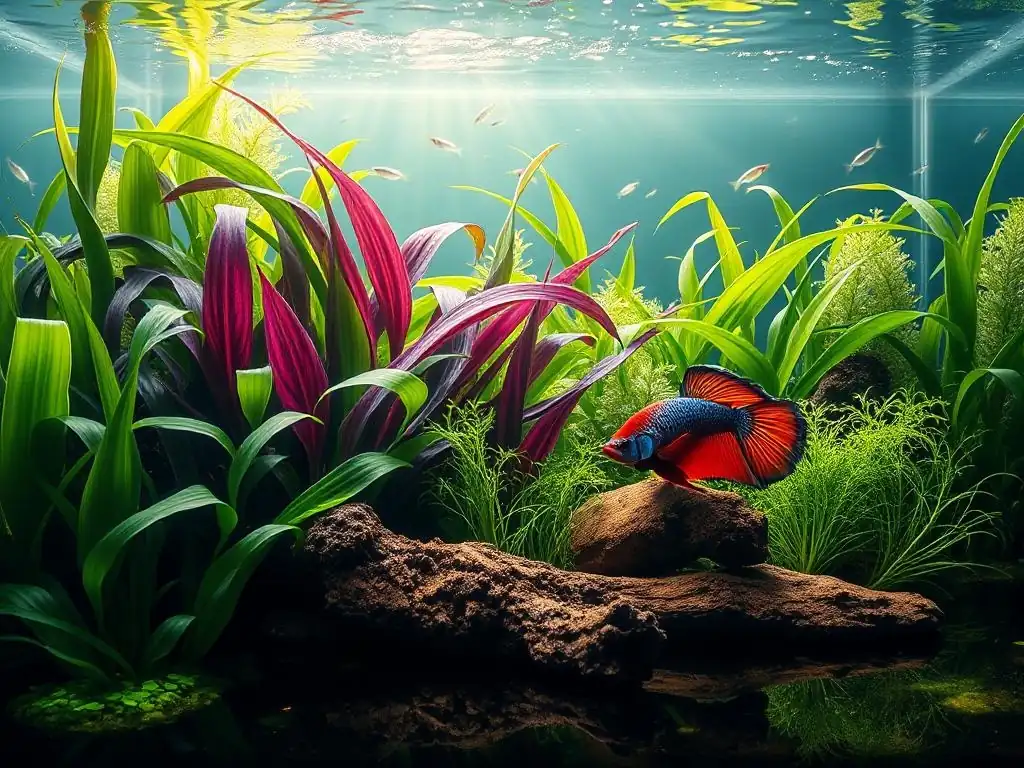
Welcome to Aquarium Mastery!
Ever dreamed of a lush, vibrant aquarium teeming with life, even without blasting it with intense light? You're in the right place. Dive in and discover the secrets to cultivating stunning underwater landscapes with our guide to low light aquarium plants. Uncover the varieties that thrive in dimmer conditions, learn their care requirements, and transform your aquarium into a captivating underwater paradise. Intrigued? Keep reading to unlock the secrets!
- Understanding Low Light Conditions in Freshwater Aquariums
- Top Low Light Aquarium Plants for Beginners
- Setting Up a Low Light Planted Aquarium
- Maintaining a Thriving Low Light Planted Aquarium
- Troubleshooting Common Problems in Low Light Planted Aquariums
- Optimizing Plant Growth in Low Light Aquariums
-
Frequently Asked Questions
- What are some examples of low light aquarium plants that are easy to care for?
- How much light is considered "low light" for aquarium plants?
- Can I use regular household lights for a low light planted aquarium?
- Do low light aquarium plants still require fertilization?
- How do I prevent algae growth in a low light planted aquarium?
- Final Reflection: Embracing the Shadows of Growth
- Cultivate Your Indoor Oasis: Bring Low-Light Charm to Life!
Understanding Low Light Conditions in Freshwater Aquariums
Defining Low Light for Aquatic Plants: PAR and Lux Considerations
Understanding what constitutes "low light" is fundamental for cultivating thriving low light aquarium plants. Photosynthetically Active Radiation (PAR) measures the amount of light available for photosynthesis, typically expressed in micromoles per square meter per second (µmol/m²/s). For low light setups, target PAR values at the substrate level typically range from 15 to 30 µmol/m²/s. In contrast, Lux, a measure of illuminance perceived by the human eye, is less accurate for plants but can offer a general idea, with low light tanks often falling between 2,000 and 4,000 Lux.
These PAR and Lux ranges are crucial because they dictate the metabolic rate of your low light aquarium plants. Plants adapted to these conditions have evolved to efficiently capture limited photons, often exhibiting slower growth rates and requiring fewer nutrients. This allows them to flourish without the need for intense lighting, CO2 injection, or complex fertilization regimes, making them ideal for beginners or those seeking a low-maintenance setup.
Factors Affecting Light Availability in Your Aquarium
Tank Depth and Light Penetration
Tank depth significantly impacts the amount of light that reaches your low light aquarium plants. As light travels through water, it is absorbed and scattered, leading to a reduction in intensity. For example, a light fixture providing 50 PAR at the surface might only deliver 20-25 PAR at a depth of 18 inches, a reduction of 50-60%. This phenomenon means that deeper tanks inherently require more powerful light fixtures to achieve the same PAR levels at the substrate, or they are naturally better suited for truly low light species.
Consider a standard 20-gallon long aquarium (30 inches long, 12 inches wide, 12 inches high) versus a 29-gallon tall tank (20 inches long, 10 inches wide, 24 inches high). Despite similar volumes, the shallower 20-gallon long will have significantly better light penetration to the substrate with the same light fixture. This makes it easier to establish a thriving environment for low light aquarium plants without needing to invest in high-output lighting, demonstrating the importance of tank dimensions in light planning.
Substrate Type and Light Reflectivity
The type of substrate you choose can subtly influence the light environment for your low light aquarium plants. Lighter colored substrates, such as natural sand or light-colored gravel (e.g., white or beige, with grain sizes typically 1-3mm), possess higher reflectivity. While the effect is not dramatic, they can reflect a small percentage of light back upwards towards the plants, potentially providing a marginal increase in overall illumination for the lower portions of the plant.
Conversely, darker substrates, such as black sand or specialized planted tank soils, tend to absorb more light. While this might slightly reduce the overall light reflection, it often enhances the visual contrast, making the vibrant green or reddish hues of low light aquarium plants stand out more vividly. The choice of substrate for low light setups is often more about aesthetic preference and providing a suitable rooting medium (if applicable) than a critical factor in light levels.
Water Clarity and Light Absorption
Water clarity is a critical, yet often overlooked, factor in determining the actual light available to your low light aquarium plants. Dissolved organic compounds (DOCs) from decaying plant matter, fish waste, or driftwood (tannins) can tint the water, significantly reducing light penetration. For instance, a tank with noticeable tea-colored tannins might experience a 10-20% reduction in effective PAR compared to crystal-clear water, directly impacting plant growth.
Suspended particulate matter, such as fine detritus, uneaten food, or even microscopic algae, can also scatter and absorb light. Regular maintenance practices are therefore paramount. Performing weekly water changes of 20-30% and ensuring efficient mechanical filtration (e.g., using fine filter floss or sponges in your filter) will help maintain pristine water clarity, maximizing the limited light available and ensuring your low light aquarium plants thrive.
Top Low Light Aquarium Plants for Beginners
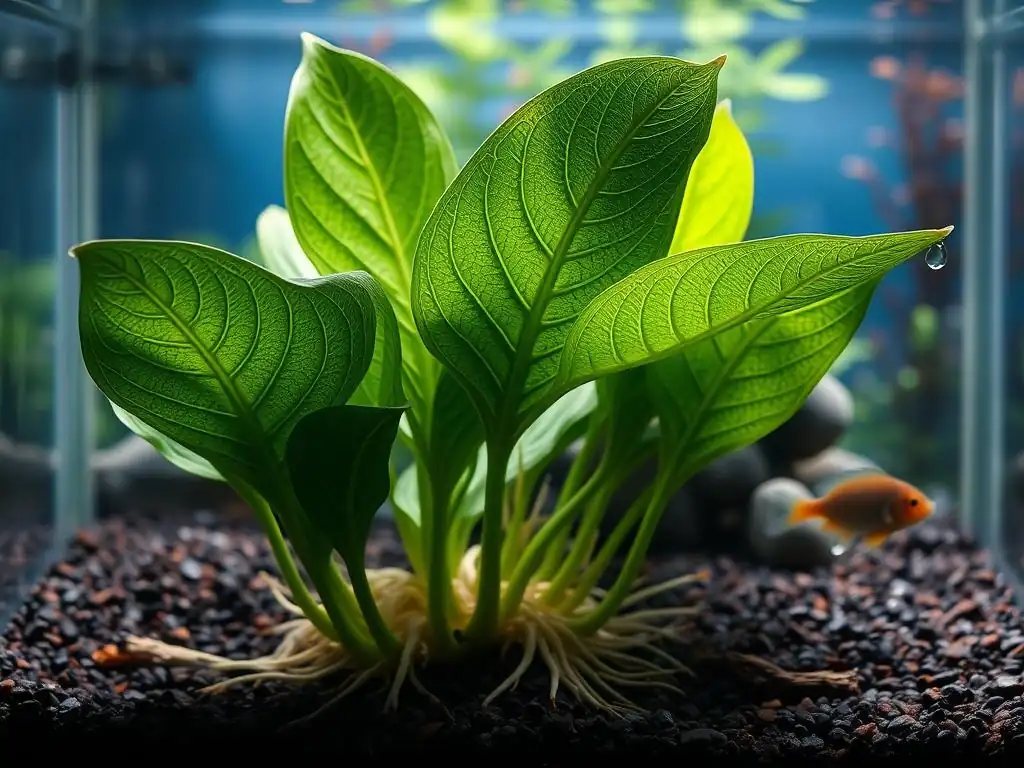
Anubias: The Undemanding Classic
Anubias Varieties Suitable for Low Light Tanks
Anubias is arguably the most popular and versatile genus of low light aquarium plants, originating from shaded, humid environments in West Africa. These epiphytic plants are characterized by their thick, leathery leaves and slow growth. Common varieties perfectly suited for low light conditions (typically requiring 10-20 PAR) include Anubias barteri var. nana, which grows to a compact 3-5 inches, making it ideal for foreground or midground placement. Anubias coffeefolia is another excellent choice, distinguished by its unique crinkled, dark green leaves and slightly larger size, usually reaching 6-8 inches.
For larger tanks or as a striking background plant, Anubias hastifolia offers arrow-shaped leaves and can grow impressively tall, sometimes exceeding 12-18 inches. All Anubias species are known for their resilience and adaptability, tolerating a wide range of water parameters (pH 6.0-8.0, temperature 72-82°F or 22-28°C) and thriving when attached to hardscape like driftwood or rocks, rather than being planted in the substrate. Their slow growth rate, often producing just one new leaf every 2-4 weeks, minimizes maintenance.
Anubias Care Tips: Avoiding Algae Growth
While Anubias are robust low light aquarium plants, they are particularly susceptible to algae growth on their broad leaves, especially green spot algae. The primary cause of algae on Anubias is often excessive light intensity or duration, even in a "low light" setup. For example, leaving lights on for more than 8 hours daily, or having a fixture that is too powerful for the tank's depth, can encourage algae. A photoperiod of 6-8 hours is generally optimal for Anubias.
To prevent algae, consider placing Anubias in naturally shaded areas of the aquarium, such as beneath a large piece of driftwood or taller plants. During weekly water changes, gently wipe the leaves with a soft cloth or an aquarium-safe sponge to remove any nascent algae growth. Introducing algae-eating invertebrates like Nerite snails (e.g., 1 snail per 5-10 gallons) can also be highly effective in keeping Anubias leaves pristine, ensuring these low light aquarium plants remain healthy and visually appealing.
Java Fern: A Versatile and Hardy Option
Planting and Attaching Java Fern
Java Fern ( Microsorum pteropus) is another cornerstone of low light aquarium plants, prized for its hardiness and classic appearance. Native to Southeast Asia, where it grows submerged on rocks and driftwood in streams, this plant is an epiphyte, meaning its rhizome (the thick horizontal stem from which leaves and roots grow) must not be buried in the substrate. Burying the rhizome will invariably lead to rot and the eventual demise of the plant.
To properly "plant" Java Fern, you should attach it to hardscape. Common methods include using fishing line, cotton thread, or a small dab of aquarium-safe super glue (cyanoacrylate gel) to secure the rhizome to a piece of driftwood or a rock. Over time, the plant's roots will naturally anchor it to the surface. Java Fern thrives in a wide range of water parameters (pH 6.0-8.0, temperature 68-82°F or 20-28°C) and requires minimal light, typically flourishing in 10-25 PAR, making it an incredibly resilient low light aquarium plant.
Java Fern Propagation Techniques
One of the most appealing aspects of Java Fern is its ease of propagation, making it simple to expand your collection of low light aquarium plants. Java Fern naturally produces small "plantlets" directly on its mature leaves, particularly on older or damaged foliage. These miniature versions of the parent plant develop tiny roots and leaves, usually becoming visible within a few weeks to a couple of months.
Once these plantlets are visibly formed and have developed a few leaves and roots (e.g., 0.5-1 inch in size), they can be gently detached from the mother leaf. You can then reattach these new plantlets to new pieces of hardscape, or simply allow them to float until they find a suitable spot to anchor themselves. This natural and effortless propagation allows aquarists to easily fill their low light aquarium with lush greenery.
Cryptocoryne: A Colorful and Adaptable Choice
Cryptocoryne Species That Thrive in Low Light
Cryptocoryne, often affectionately called "Crypts," is a diverse genus of low light aquarium plants originating from various parts of Asia. They are highly valued for their wide array of leaf shapes, textures, and stunning colors, which can range from various shades of green to deep reds and browns. Many Cryptocoryne species are excellent choices for low light setups, generally thriving in 15-30 PAR.
Popular options include Cryptocoryne wendtii, which comes in green, brown, and 'Red' varieties, typically growing 4-8 inches tall. Cryptocoryne parva is a tiny, slow-growing foreground plant, usually reaching only 1-2 inches in height, perfect for creating a dense carpet.
Cryptocoryne beckettii is another adaptable choice, displaying green to reddish-brown leaves and growing 6-10 inches tall. Unlike epiphytes, Crypts are true rooted plants that prefer to be planted in a nutrient-rich substrate. Once established, they are incredibly robust and can adapt to a wide range of water parameters, making them a fantastic choice for adding diverse foliage and color to a low light aquarium.
Cryptocoryne Melting: Prevention and Treatment
A common phenomenon new Cryptocoryne owners encounter is "Crypt melt." This occurs when Cryptocoryne plants are introduced to a new environment or experience significant changes in water parameters (e.g., drastic shifts in pH, temperature, or nutrient levels). The leaves may turn translucent, mushy, and seemingly "melt away" within a few days, which can be alarming for those new to low light aquarium plants.
To prevent melt, try to acclimate plants slowly to their new tank conditions and avoid sudden, drastic changes in water parameters. If melting does occur, it's important not to panic; the plant is usually just adapting to its new environment. Trim away the melting leaves to prevent them from decaying and fouling the water. The rhizome and roots typically remain healthy, and new leaves will usually sprout within 2-4 weeks as the plant successfully adapts to its low light aquarium environment.
Marimo Moss Balls: Unique and Low-Maintenance
Marimo Moss Ball Care: Light, Water Changes, and Rolling
Marimo Moss Balls ( Aegagropila linnaei) are a truly unique and exceptionally low-maintenance addition to any low light aquarium. Despite their common name, they are not true mosses but a rare spherical form of filamentous green algae found in cold, freshwater lakes primarily in Japan and Northern Europe. They are one of the ultimate low light aquarium plants, thriving even in very dim conditions (e.g., 5-10 PAR) and can actually suffer from too much light, which may cause them to turn brown or develop unwanted green spot algae.
Caring for Marimo Moss Balls is straightforward. They benefit from regular, gentle squeezing and rolling (e.g., once every 2-4 weeks) during water changes. This helps maintain their spherical shape and ensures all surfaces receive light, preventing dead spots. They also absorb nitrates and other excess nutrients from the water, contributing to overall water quality. Keeping them in cooler water (ideally below 78°F or 25°C) is beneficial, as higher temperatures can stress them.
Preventing Algae Growth on Marimo Moss Balls
While Marimo Moss Balls themselves are a form of algae, they can still become overgrown by undesirable types, such as green hair algae or brown diatom algae, if exposed to excessive light or if nutrient levels are imbalanced. For instance, direct, strong light for prolonged periods (over 8 hours) can cause them to turn brown or develop unsightly algal films on their surface.
To prevent unwanted algae, position your Marimo Moss Balls in shaded areas of the tank or beneath larger plants that can diffuse the light. If they start to develop brown or green patches, gently rinse them under cool, running water and lightly squeeze them to remove surface detritus and algae.
For stubborn spots, a very dilute solution of hydrogen peroxide (e.g., 1-2 ml per gallon, applied briefly with a syringe to the affected area) can be used as a spot treatment, though always with caution. Ensuring adequate water flow around them also helps prevent detritus buildup, keeping these unique low light aquarium plants healthy.
Bucephalandra: The Emerging Star of Low Light Aquariums
Bucephalandra Varieties and Their Unique Characteristics
Bucephalandra, often abbreviated to "Buce," is a genus of stunning epiphytic low light aquarium plants that has rapidly gained popularity. Endemic to the island of Borneo, these plants are highly prized for their incredible diversity in leaf shapes (from oval to wavy to narrow), colors (ranging from deep green to reddish-brown, often with iridescent blue or purple flecks when viewed under certain lighting), and unique textures. Popular varieties include 'Kedagang', 'Brownie Ghost', 'Sintang', and 'Wavy Green', each offering distinct aesthetic appeal to the aquascape.
Bucephalandra thrive in low to medium light conditions (typically 15-40 PAR), with many varieties flourishing beautifully even on the lower end of this spectrum. Their growth rate is generally slow, comparable to Anubias, often producing one new leaf every 3-6 weeks. This slow, steady growth makes them excellent choices for stable, low-maintenance setups where their unique characteristics as premium low light aquarium plants can be fully appreciated without constant intervention.
Bucephalandra Attachment and Propagation
Similar to Anubias and Java Fern, Bucephalandra are rhizome plants that must not be buried in the substrate. Their rhizome needs to be exposed to the water column to prevent rot. They naturally attach themselves to hardscapes such as rocks, driftwood, or lava rock. For initial placement, using a small amount of aquarium-safe super glue (cyanoacrylate gel) or fine fishing line is the recommended method to secure the plant. Over time, the plant's roots will anchor it firmly to the chosen surface.
Bucephalandra can be propagated by carefully cutting the rhizome with a sharp, clean razor blade or a pair of scissors. Ensure that each separated section has at least a few leaves and a healthy portion of the rhizome to ensure viability. These newly cut pieces can then be reattached to other hardscape elements, allowing aquarists to gradually expand their collection of these exquisite low light aquarium plants throughout their tank.
Setting Up a Low Light Planted Aquarium
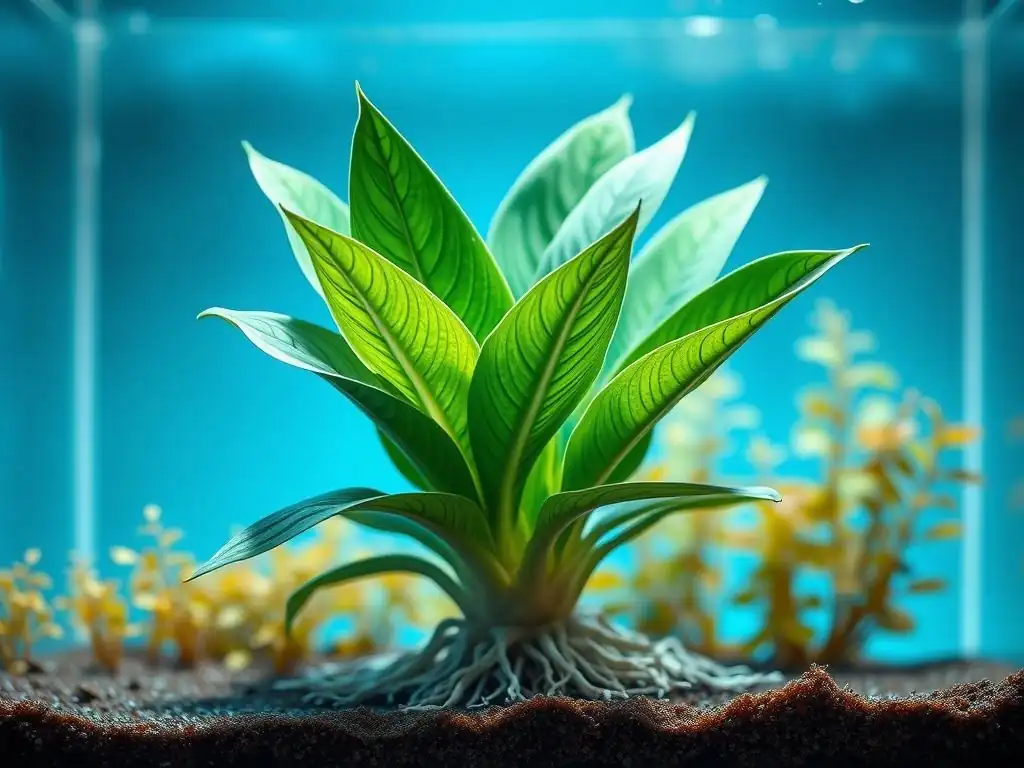
Choosing the Right Substrate for Low Light Plants
When setting up a low light planted aquarium, the substrate choice is less critical than for high-tech setups, but still important, particularly for root-feeding low light aquarium plants. Inert substrates like sand or fine gravel (e.g., 1-3mm grain size) are perfectly suitable. Many aquarists opt for natural river sand or fine-grade aquarium gravel, which are aesthetically pleasing and typically cost around $15-$25 for a 20lb bag. These provide a stable base for epiphytes and can be supplemented for root feeders.
For plants that primarily absorb nutrients through their roots, such as Cryptocoryne species or certain Swords, a specialized planted tank substrate (e.g., Fluval Stratum, ADA Aquasoil) can offer a significant nutrient boost. These substrates often contain essential minerals and trace elements, releasing them slowly over 6-12 months. However, they are not strictly necessary for low light aquarium plants if root tabs are utilized effectively, offering flexibility in budget and setup complexity.
Essential Fertilizers for Low Light Plant Growth
Liquid Fertilizers vs. Root Tabs for Low Light Plants
Even low light aquarium plants require essential nutrients for healthy growth, albeit in smaller quantities compared to high-light demanding species. Liquid fertilizers are dosed directly into the water column, benefiting plants that primarily absorb nutrients through their leaves, such as Anubias, Java Fern, and floating plants. Popular brands like Seachem Flourish or API Leaf Zone provide a comprehensive blend of micronutrients and some macronutrients, typically dosed 1-2 times per week according to label instructions.
Root tabs, on the other hand, are solid forms of fertilizer inserted directly into the substrate, providing a slow and localized release of nutrients. They are ideal for heavy root feeders like Cryptocoryne, Amazon Swords, and Vallisneria. Root tabs typically last for 3-6 months per tab. A common and effective strategy for low light aquarium plants is to use a combination: liquid fertilizer for water column feeders and root tabs for substrate feeders, ensuring all plants receive adequate nutrition.
Understanding Macronutrients and Micronutrients for Plant Health
For the robust health of your low light aquarium plants, understanding the two main categories of nutrients is crucial. Macronutrients—Nitrogen (N), Phosphorus (P), and Potassium (K), collectively known as NPK—are required in larger quantities. Nitrogen promotes lush leaf growth, phosphorus aids in root and flower development, and potassium supports overall plant vigor and disease resistance. In a low light aquarium, fish waste often provides sufficient nitrates (a form of nitrogen), but supplementation of phosphorus and potassium may still be necessary, especially in lightly stocked tanks.
Micronutrients, including Iron (Fe), Manganese (Mn), Boron (B), Zinc (Zn), Copper (Cu), and Molybdenum (Mo), are needed in trace amounts but are equally vital. Iron is particularly critical for chlorophyll production, and a deficiency often manifests as yellowing leaves (chlorosis). Many all-in-one liquid fertilizers formulated for low light aquarium plants include a balanced blend of both macro and micronutrients, simplifying the dosing regimen and ensuring comprehensive nutrition without the risk of over-fertilization.
CO2 Supplementation: Is It Necessary for Low Light Aquariums?
CO2 injection is generally not necessary for the vast majority of low light aquarium plants. Plants growing in low light conditions have significantly slower metabolic rates and consequently much lower demands for carbon dioxide. Attempting to inject high levels of CO2 without sufficient light can lead to a dangerous imbalance, often resulting in severe algae outbreaks as algae can utilize the excess CO2 more efficiently than the slower-growing plants. Furthermore, rapid fluctuations in CO2 levels can cause drastic pH drops, which can be harmful or even fatal to fish and invertebrates.
In a low light setup, the ambient CO2 produced by fish respiration and the natural gas exchange at the water's surface is typically sufficient to meet the modest needs of low light aquarium plants. The primary goal in a low light planted tank is to create a stable, balanced environment where plants can grow slowly but healthily, rather than pushing for the rapid, high-growth rates seen in high-tech, CO2-injected aquariums.
Alternatives to CO2 Injection in Low Light Planted Tanks
For those looking to provide a slight boost to their low light aquarium plants without committing to a full CO2 injection system, there are a few alternatives. Liquid carbon supplements, such as Seachem Flourish Excel or Easy-Life EasyCarbo, are popular options. These products do not directly provide CO2 but offer a bioavailable form of carbon that plants can utilize. They can provide a subtle enhancement to plant growth and often possess algicidal properties, making them a dual-purpose choice for low-tech setups. However, they should be used cautiously and precisely according to the manufacturer's instructions.
Another crucial factor for supporting low light aquarium plants is ensuring good water circulation and surface agitation. Adequate water flow helps distribute the naturally dissolved CO2 (from fish respiration and atmospheric exchange) evenly throughout the tank, making it more accessible to all plants. Gentle surface agitation promotes gas exchange between the water and the air, allowing atmospheric CO2 to dissolve into the water, which is often enough to support the modest carbon needs of most low light species.
Maintaining a Thriving Low Light Planted Aquarium
Regular Water Changes and Nutrient Management
Consistent maintenance is key to a thriving low light planted aquarium. Regular water changes are paramount, typically a weekly change of 20-30% of the tank's volume. This practice serves multiple vital functions: it replenishes essential trace elements that plants consume, removes accumulated nitrates and other waste products from fish and decaying matter, and helps maintain overall water quality and stability. Clean, fresh water is fundamental for the health of your low light aquarium plants.
Beyond water changes, effective nutrient management ensures a steady supply of what your low light aquarium plants need. While their requirements are modest, they still need consistent nutrition. This often involves dosing liquid fertilizers weekly after water changes (e.g., 1-2 pumps of an all-in-one fertilizer for a 20-gallon tank) and replacing root tabs every few months for heavy root feeders like Cryptocoryne. Closely monitoring plant health – observing for any signs of yellowing leaves, stunted growth, or unusual discoloration – is crucial for fine-tuning your fertilization regimen.
Algae Control in Low Light Aquariums
Identifying Common Algae Types and Their Causes
Even in a low light aquarium, algae can become an unwelcome guest, often signaling an underlying imbalance. Common types of algae include green spot algae (small, hard green dots, frequently caused by too much light or low phosphate levels), brown diatom algae (a slimy brown film, prevalent in new tanks or due to excess silicates), and green hair algae (stringy, often indicative of nutrient imbalances or excessive light duration). Accurately identifying the type of algae is the first step in diagnosing its root cause, which is crucial for protecting your low light aquarium plants.
While excess light is a frequent culprit, other factors can contribute to algae outbreaks. Nutrient imbalances, such as very low nitrates or fluctuating CO2 levels (if supplementing), or insufficient water flow, can also create conditions favorable for algae. For instance, persistent green spot algae on the broad leaves of Anubias in a low light tank might suggest that the light intensity is still too high for that specific plant's location, or that phosphate levels are critically low, allowing algae to outcompete your low light aquarium plants.
Effective Algae Control Methods for Low Light Tanks
Combating algae in a low light aquarium primarily relies on non-chemical methods. The first and most effective step is often to reduce light duration; try cutting back from 8 hours to 6-7 hours daily. Manual removal is also essential: scrubbing glass, gently wiping plant leaves, and siphoning off visible algae during water changes. Introducing algae-eating tank inhabitants, such as Amano shrimp (e.g., 1-2 per 10 gallons) or Nerite snails (e.g., 1 per 5 gallons), can provide continuous, natural algae control, helping to keep your low light aquarium plants pristine.
Nutrient balancing also plays a significant role. Ensuring consistent, adequate levels of macronutrients and micronutrients allows your low light aquarium plants to outcompete algae for available resources. For example, if green spot algae is persistent, a slight increase in phosphate dosing might be beneficial. Regular water changes dilute any excess nutrients that algae thrive on, further supporting the health and dominance of your low light aquarium plants.
Pruning and Propagation of Low Light Aquarium Plants
Encouraging Bushier Growth Through Pruning
While low light aquarium plants generally exhibit slower growth rates compared to their high-light counterparts, pruning remains a beneficial practice for maintaining plant health and aesthetic appeal. For stem plants (though less common in purely low light setups), trimming the top portion encourages the development of new side shoots, leading to a denser, bushier appearance. For popular low light epiphytes like Anubias or Bucephalandra, pruning typically involves removing older, yellowing, or damaged leaves at the base of the rhizome. This redirects the plant's energy towards producing new, healthy growth.
Pruning should always be performed with sharp, clean aquarium scissors to minimize damage to the plant tissue. It's important to avoid removing too much foliage at once, as this can stress the plant. For low light aquarium plants, pruning is less about managing rampant growth and more about maintaining the desired shape, removing any decaying material that could foul the water, and stimulating the production of new, vigorous leaves.
Troubleshooting Common Problems in Low Light Planted Aquariums
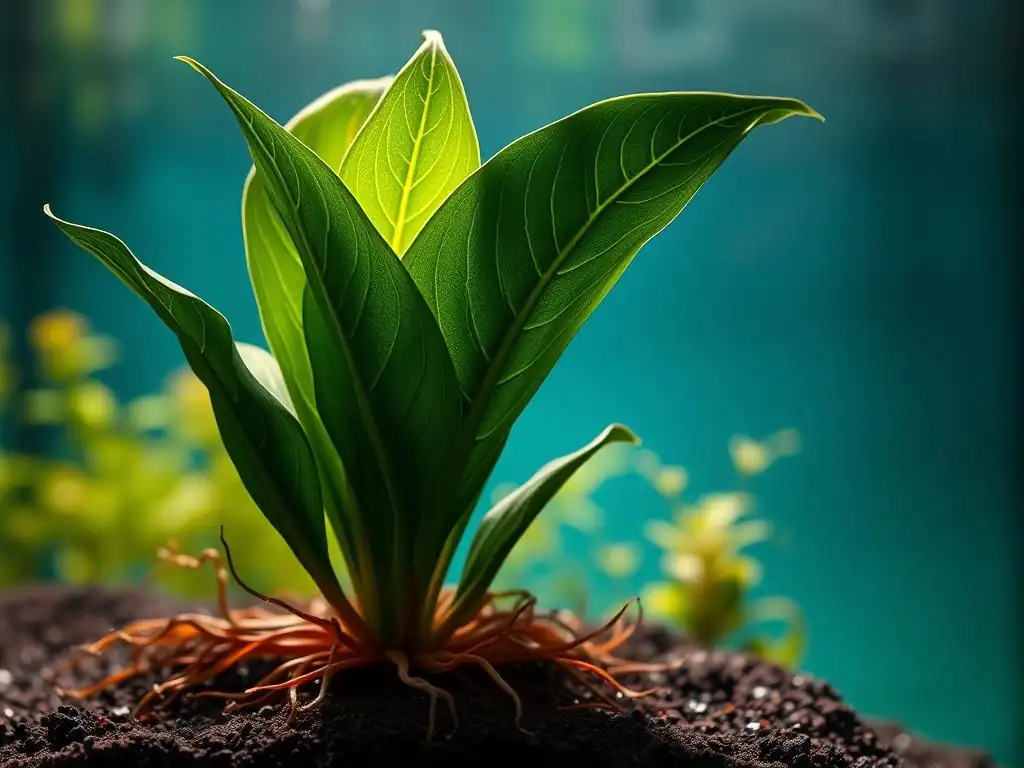
Slow Growth and Nutrient Deficiencies
While slow growth is characteristic of low light aquarium plants, excessively stunted or non-existent growth can indicate an underlying issue. This often points to insufficient light (e.g., the actual PAR reaching the plants is lower than estimated) or specific nutrient deficiencies. For instance, if Anubias or Java Fern are not producing any new leaves for extended periods (e.g., several months), it's worth checking the age of your light fixture (LEDs degrade over time) or slightly increasing your liquid fertilizer dosage.
Identifying specific nutrient deficiency symptoms is crucial for accurate treatment. Yellowing of older leaves (especially lower leaves) often signals a nitrogen deficiency, while stunted growth with unusually dark green leaves can point to a phosphate deficiency. Holes in leaves, particularly in older foliage, are a classic sign of potassium deficiency. For many low light aquarium plants, particularly Cryptocorynes, iron deficiency frequently manifests as yellowing of new growth. Adjusting your liquid or root tab fertilizers based on these visual cues is key to restoring plant health.
Yellowing Leaves and Poor Plant Health
Beyond specific nutrient deficiencies (like iron for new growth or nitrogen for older leaves), yellowing leaves in low light aquarium plants can stem from several other causes. Insufficient light, particularly if plants are placed in heavily shaded areas or if your light fixture is underpowered for your tank's depth, can lead to a gradual yellowing as plants struggle to photosynthesize. Over-fertilization, though less common in low light setups due to lower nutrient demands, can also lead to nutrient lockout, where plants cannot absorb available nutrients, resulting in yellowing.
To address yellowing leaves in your low light aquarium plants, first ensure your light duration is appropriate (6-8 hours daily). If specific deficiency symptoms are unclear, consider using a comprehensive liquid test kit to check water parameters, or try a general all-in-one liquid fertilizer designed for low-tech tanks to provide a balanced nutrient profile. Promptly removing severely yellowed or decaying leaves allows the plant to redirect its energy towards healthy, new growth.
Algae Blooms and Imbalances
The presence of an algae bloom in a low light aquarium is almost always a clear indicator of an imbalance within the tank's ecosystem. While excessive light (intensity or duration) is the most common trigger, algae can also proliferate due to sudden nutrient spikes (e.g., from overfeeding fish, irregular water changes, or decaying organic matter) or, paradoxically, a lack of consistent nutrient availability for the desirable low light aquarium plants themselves, which allows opportunistic algae to take over.
To systematically combat algae in a low light setup, begin by reducing your light duration to 6-7 hours daily. Increase water change frequency, perhaps performing a 30-40% change twice a week for a period, to dilute excess nutrients. Manually remove as much algae as possible from surfaces and plants. Ensure proper mechanical filtration and adequate water flow throughout the tank to prevent stagnant areas. Finally, re-evaluate your fertilization schedule to ensure your low light aquarium plants are receiving consistent, balanced nutrition, enabling them to outcompete the algae and restore equilibrium.
Optimizing Plant Growth in Low Light Aquariums
Enhancing Coloration in Low Light Plants
While many low light aquarium plants are celebrated for their vibrant greens, certain species, particularly some Cryptocoryne wendtii varieties (e.g., 'Red', 'Bronze') or various Bucephalandra species, possess the potential to display stunning reds, browns, or even iridescent blue/purple flecks. To enhance these colors, a slightly higher PAR level within the low-medium range (e.g., 30-40 PAR) can be beneficial, as can ensuring adequate iron and other crucial micronutrients through a well-rounded liquid fertilizer or root tabs.
Beyond light and nutrition, stable water parameters and a healthy, established root system (especially for Crypts) contribute significantly to vibrant coloration. Some aquarists observe that a slightly longer photoperiod (e.g., 8 hours instead of 6) or the use of specific full-spectrum LED lights, even at low intensity, can help to bring out the richer hues in select low light aquarium plants. Consistent care and patience are key, as color development often takes time.
Promoting Root Development in Low Light Conditions
For low light aquarium plants that are heavy root feeders, such as Cryptocoryne species and Amazon Swords, robust root development is crucial for their overall health and nutrient uptake. Healthy roots ensure efficient absorption of nutrients from the substrate, leading to stronger, more resilient plants. In a low light setting, providing a suitable substrate—such as fine gravel or sand—combined with regular supplementation of root tabs (e.g., replacing every 3-4 months) is paramount for encouraging a strong root system.
While not as critical as in high-tech tanks, ensuring the substrate doesn't become overly compacted can also benefit root growth by allowing better oxygenation. Gentle water flow across the substrate surface helps to deliver dissolved nutrients to the root zone. A thriving, extensive root system provides a solid foundation for your low light aquarium plants, making them more resistant to environmental fluctuations and promoting consistent, healthy growth.
Frequently Asked Questions
What are some examples of low light aquarium plants that are easy to care for?
Popular choices include Java Fern, Anubias, and Marimo Moss Balls. These plants are hardy and can thrive even with minimal lighting.
How much light is considered "low light" for aquarium plants?
Generally, "low light" refers to around 1 to 2 watts per gallon of water, or a PAR (Photosynthetically Active Radiation) value of approximately 15-30. This means indirect sunlight or low-intensity LED lighting.
Can I use regular household lights for a low light planted aquarium?
While technically possible, it's not recommended. Regular lights often lack the correct spectrum needed for plant growth. Invest in aquarium-specific LED lighting.
Do low light aquarium plants still require fertilization?
Yes, although less than high-light plants. Supplementing with liquid fertilizers or root tabs can provide essential nutrients like iron and potassium, promoting healthier growth.
How do I prevent algae growth in a low light planted aquarium?
Maintaining a balance between light, nutrients, and CO2 is crucial. Regular water changes, proper filtration, and introducing algae-eating creatures like snails can also help.
Final Reflection: Embracing the Shadows of Growth
The journey through the world of low light aquarium plants reveals a profound truth: beauty and vitality can flourish even in the absence of intense illumination. Just as these resilient aquatic species adapt and thrive in the shaded depths, so too can we find strength and growth in environments that may seem less than ideal. This exploration underscores the importance of understanding and appreciating the diverse forms of life that exist beyond the spotlight, reminding us that brilliance isn't always about outward intensity.
The enduring appeal of low light aquarium plants lies in their accessibility and their ability to bring a touch of nature's tranquility into our homes, regardless of the available sunlight. This accessibility is particularly meaningful in today's fast-paced world, offering a tangible connection to the natural world even within urban environments. In nature, nothing is perfect and everything is perfect. Trees can be contorted, bent in weird ways, and they're still beautiful.
- Alice Walker. This quote perfectly encapsulates the beauty of these plants; their resilience and adaptability are what make them so captivating and valuable.
Now, as you consider the potential of low light aquarium plants, I encourage you to reflect on the environments in your own life. Where might you be overlooking hidden potential, or underestimating the power of quiet resilience? Embrace the shadows, cultivate patience, and discover the unexpected beauty that can bloom even in the most unlikely of places. Let the thriving ecosystem of a low light aquarium serve as a constant reminder that growth, beauty, and impact are not always dependent on the brightest of lights.
Cultivate Your Indoor Oasis: Bring Low-Light Charm to Life!
Thanks for exploring the possibilities of thriving plants in low-light conditions with us! We hope this article has illuminated your understanding of how to create a lush, green space, even without intense sunlight. Now, let's put that knowledge into action.
Here are some steps you can take to transform your living space:
- Start Your Low-Light Garden: Select at least three plants from our recommended list and create a mini indoor garden!
- Document your plant's growth and share your progress on social media with #AquariumMasteryPlants.
- Explore alternative lighting options, such as LED grow lights, to see how they can enhance the growth of your plants.
What creative ways will you use low-light plants to enhance your space and bring nature indoors?