
From Snippet to Specimen: Caring for Newly Propagated Aquarium Plants

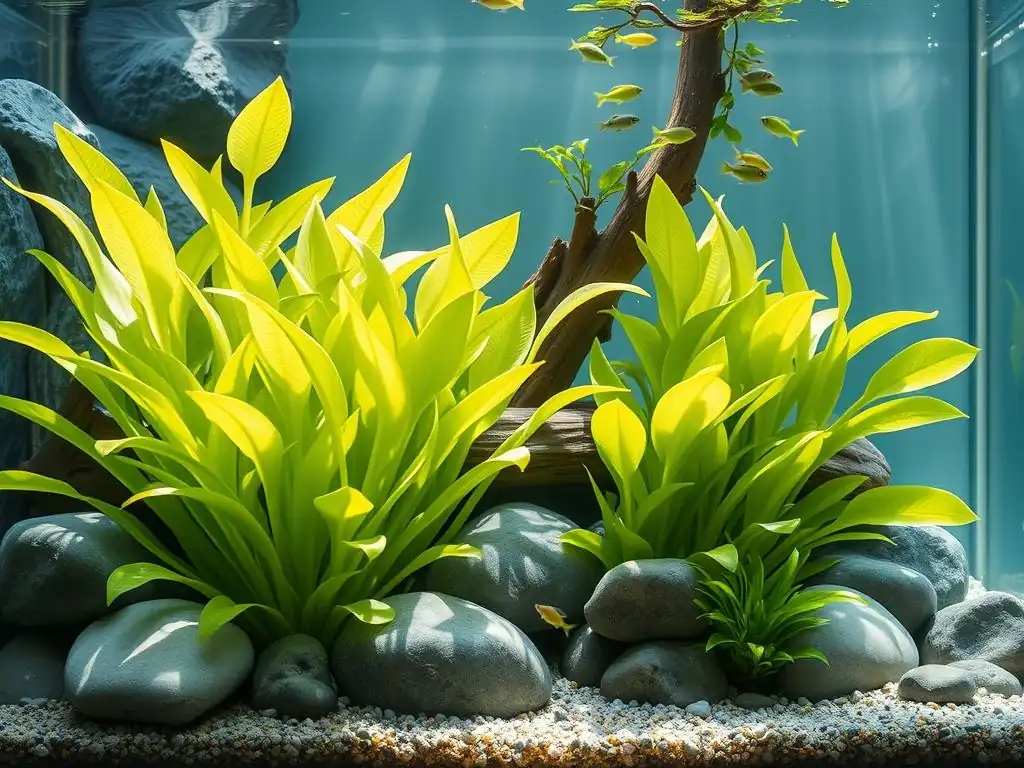
Welcome to Aquarium Mastery, where we dive deep into the art and science of creating thriving aquatic ecosystems! Ever wondered how to nurture those tiny snippets of hope into lush, vibrant additions to your aquarium?
Get ready to unlock the secrets to success! Our comprehensive guide, "From Snippet to Specimen: Caring for Newly Propagated Aquarium Plants," will walk you through everything you need to know about newly propagated aquarium plant care. Let's embark on this journey together and cultivate a stunning underwater world! Ready to grow?
- Understanding Newly Propagated Aquarium Plants: A Foundation for Success
- Essential Steps for Optimal Newly Propagated Aquarium Plant Care
- Specific Care Considerations for Different Propagation Methods
- Troubleshooting Common Issues with Newly Propagated Plants
- Long-Term Care and Maintenance for Thriving Aquarium Plants
- Conclusion: Nurturing Your Newly Propagated Aquarium Plants to Full Potential
-
Frequently Asked Questions
- How soon can I introduce newly propagated aquarium plants into my main aquarium?
- What are the key water parameters to monitor when caring for newly propagated aquarium plants?
- How much light do newly propagated aquarium plants typically need?
- What type of substrate is best for supporting the growth of newly propagated aquarium plants?
- How often should I fertilize newly propagated aquarium plants?
- Final Reflection: Cultivating Growth, Within and Without
- Nurture Your Aquatic Garden: Watch Your Propagations Thrive!
Understanding Newly Propagated Aquarium Plants: A Foundation for Success
Why Newly Propagated Plants Need Special Care
Newly propagated aquarium plants, whether from cuttings, rhizome divisions, or seeds, are in a highly vulnerable state compared to their mature counterparts. They lack an established root system capable of efficiently absorbing nutrients, and their cellular structures are still developing. This makes them particularly susceptible to environmental shocks, such as sudden changes in water parameters, light intensity, or nutrient availability. Without meticulous attention to newly propagated aquarium plant care, the success rate of establishing these young specimens can significantly drop, often falling below 50% for sensitive species if conditions are not optimized from the outset.
The energy demands of a newly propagated plant are also unique. Instead of focusing solely on growth, a significant portion of its metabolic energy is directed towards developing a robust root system and acclimating to its new environment. This critical phase requires precise conditions to ensure survival and eventual thriving. Proper newly propagated aquarium plant care minimizes stress, allowing the plant to invest its limited resources into essential developmental processes rather than recovery from adverse conditions.
The Delicate State of Young Aquatic Plants
The inherent fragility of young aquatic plants stems from their undeveloped root structures and often thinner, less resilient leaf tissues. For instance, a stem cutting of Rotala rotundifolia might only have a few nascent root primordia when planted, making it highly dependent on nutrients absorbed directly from the water column or very shallow substrate layers. This contrasts sharply with a mature plant that has an extensive root network penetrating deeper into the substrate, drawing on a wider range of nutrients.
Moreover, young plants have a lower tolerance for fluctuations in water chemistry. A sudden shift in pH by even 0.5 units, or a significant change in water hardness (GH/KH), can cause osmotic stress or nutrient lockout, leading to stunted growth or even melt. Their limited energy reserves mean they cannot easily rebound from such stressors, emphasizing the importance of consistent, stable conditions for successful newly propagated aquarium plant care.
Identifying Successful Propagation in Aquarium Plants
Identifying successful propagation involves observing specific visual cues and growth patterns, typically within a few weeks of planting. For stem plants like Ludwigia repens, the first sign of success is often the emergence of tiny, white rootlets from the nodes within 5 to 10 days, followed by new leaf growth from the apical meristem within 2 to 3 weeks. These new leaves will often appear vibrant green and unblemished, indicating healthy nutrient uptake and photosynthesis.
For rhizome plants such as Anubias barteri or Java Fern, success is marked by the appearance of new leaves unfurling from the rhizome, generally within 3 to 4 weeks. These new leaves will be noticeably smaller and lighter in color initially, gradually darkening as they mature. The absence of melting or discoloration, coupled with sustained new growth, confirms that your newly propagated aquarium plant care efforts are yielding positive results and the plant is actively establishing itself.
Essential Steps for Optimal Newly Propagated Aquarium Plant Care
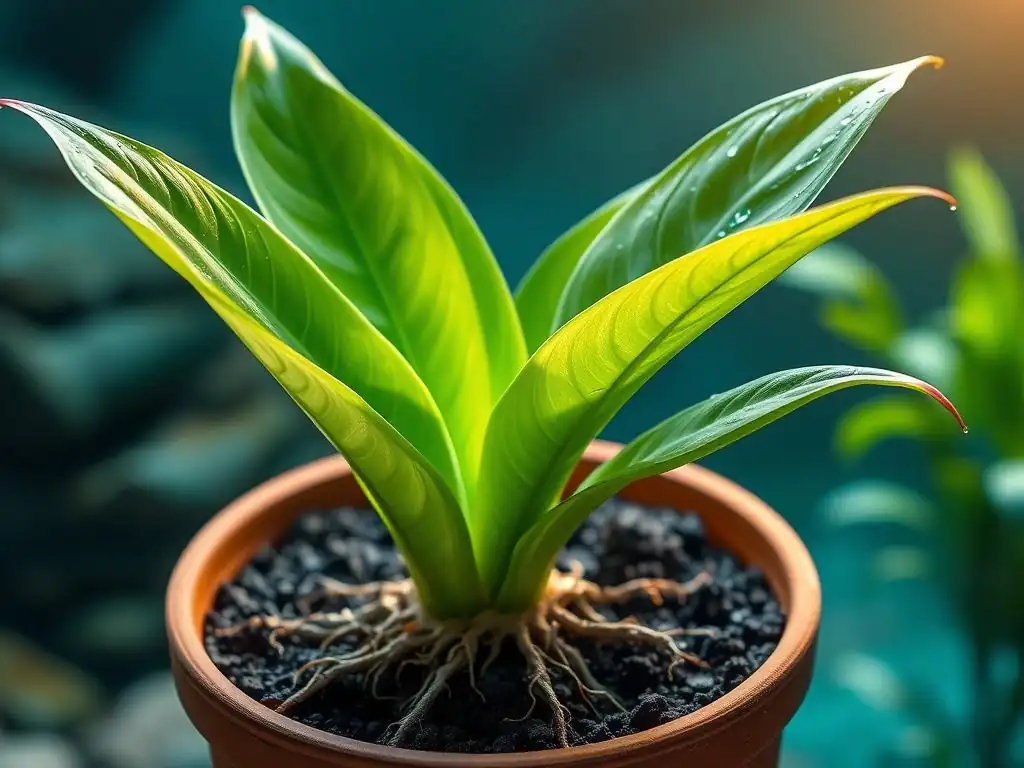
Acclimation: Introducing New Plantlets to the Aquarium Environment
Acclimation is a critical, often overlooked step in newly propagated aquarium plant care, ensuring a smooth transition for delicate plantlets into their new aquatic home. Just as fish need careful acclimation, plants, particularly those fresh from propagation, benefit immensely from a gradual introduction to prevent shock. Sudden changes in water temperature, pH, or lighting can severely stress young plants, leading to leaf melt, stunted growth, or even complete failure.
One effective technique for sensitive species involves a "drip acclimation" approach, similar to that used for delicate fish. Over the course of 30-60 minutes, small amounts of the aquarium's water are slowly added to the container holding the newly propagated plants, gradually equalizing parameters. Alternatively, for submerged propagation, ensuring the propagation tank's water parameters closely match the display tank's for at least 24 hours prior to transfer can significantly reduce stress, optimizing newly propagated aquarium plant care.
Gradual Acclimation Techniques for Sensitive Species
For highly sensitive species, such as certain Bucephalandra variants or delicate carpeting plants like Hemianthus callitrichoides 'Cuba' (HC Cuba), a multi-stage acclimation process can be beneficial. Begin by placing the propagated plantlets in a quarantine tank or a small container with water parameters identical to their propagation environment. Over the next 2-3 days, gradually adjust the water in this container by performing small, frequent water changes (e.g., 10-15% every 12 hours) using water from the target aquarium.
This slow, methodical approach allows the plant's cells to adjust osmotically and biochemically to the new water chemistry without experiencing severe shock. Additionally, for plants propagated emersed and then moved submerged, a transition period in a high-humidity, low-water-level environment can ease the shift. This meticulous newly propagated aquarium plant care reduces the likelihood of melt, which can be as high as 80% for some sensitive species when acclimation is rushed.
Avoiding Shock: Minimizing Stress on Young Plants
Minimizing stress on young plants is paramount for successful newly propagated aquarium plant care. Beyond water parameter acclimation, physical handling should be gentle and minimal. When planting, use soft-tipped tweezers to avoid crushing delicate stems or roots. For rooted cuttings, ensure the roots are not bent or damaged when inserting into the substrate.
Temperature stability is another key factor; sudden drops or spikes exceeding 2-3°C can be detrimental. Aim to keep the water temperature within a stable range, typically 22-26°C (72-79°F), which is optimal for most aquatic plant growth. Additionally, avoid exposing newly planted areas to strong currents initially, as this can dislodge developing roots and hinder establishment.
Providing the Right Lighting for Newly Propagated Aquarium Plants
Lighting is a fundamental component of newly propagated aquarium plant care, directly influencing the plant's ability to photosynthesize and grow. Young plants often require a specific balance of light intensity and duration, as too much light can lead to algae outbreaks or photoinhibition, while too little will stunt growth.
For the initial establishment phase, a moderate light intensity is generally recommended. A Photosynthetically Active Radiation (PAR) value of 20-30 µmol/m²/s at the substrate level is often sufficient for most newly propagated plants, promoting root development without overwhelming the plant or encouraging excessive algae. This is significantly lower than the 60-80 µmol/m²/s PAR often used for dense, established plant growth.
Light Intensity and Duration for Optimal Growth
The optimal light intensity for newly propagated aquarium plants is typically lower than for mature plants to prevent stress and algae. For instance, while an established high-tech tank might run lights at 70-100 PAR for 8-10 hours, newly planted tanks benefit from PAR values in the 30-50 range for the first 2-4 weeks. This lower intensity encourages root development and acclimatization without over-stimulating the plant or fostering algae.
Regarding duration, a consistent photoperiod of 8-10 hours per day is generally ideal for newly propagated aquarium plant care. Shorter durations (e.g., 6 hours) might be used temporarily if algae becomes an issue, but prolonged reduction can hinder growth. Longer durations (e.g., 12+ hours) are almost always detrimental, leading to increased algae risk and plant fatigue.
Choosing the Right Light Spectrum for New Plant Growth
While full-spectrum lighting is generally best for overall plant health, specific wavelengths can be particularly beneficial for new plant growth. The red (620-700 nm) and blue (400-500 nm) light spectrums are most efficiently absorbed by chlorophyll for photosynthesis. Blue light promotes compact, bushy growth and root development, which is crucial for newly propagated plants.
Many modern LED aquarium lights offer adjustable spectrums. For newly propagated aquarium plant care, a spectrum rich in blue and red, with sufficient green for visual appeal, is ideal. Aim for a color temperature between 6500K and 8000K, which mimics natural daylight and provides a balanced spectrum for healthy plant development.
Optimizing Substrate and Nutrients for New Plantlets
The foundation of successful newly propagated aquarium plant care lies in providing an optimal substrate and precise nutrient delivery, especially crucial for plants that are developing their root systems. The substrate not only anchors the plant but also serves as a reservoir for essential nutrients, facilitating healthy growth from the ground up.
For root-feeding plants or those establishing new roots, a nutrient-rich aquasoil or a fine-grained inert substrate topped with a dedicated plant substrate is highly beneficial. These substrates typically contain humic acids, iron, and other micronutrients that are readily available to developing roots. This direct access to nutrients is far more efficient for young plants than relying solely on water column fertilization.
Selecting the Ideal Substrate for Root Development
The ideal substrate for newly propagated aquarium plants should offer both physical stability and nutrient availability. A grain size of 1-3mm is generally preferred, as it allows roots to penetrate easily while still providing good aeration and preventing compaction. Inert substrates like sand or fine gravel can be used, but they should be supplemented with root tabs or a nutrient-rich layer beneath them.
Dedicated aquatic plant substrates, such as ADA Aqua Soil or Fluval Stratum, are excellent choices as they are designed to slowly release nutrients and buffer pH, creating an optimal environment for root development. For instance, these active substrates can maintain a slightly acidic pH (e.g., 6.0-6.8), which improves the uptake of many essential micronutrients like iron, a key element in newly propagated aquarium plant care.
Essential Nutrients for Newly Propagated Aquarium Plants: A Guide to Fertilization
Newly propagated plants, with their nascent root systems, require a precise balance of macro and micronutrients. While root tabs are crucial for substrate-feeding plants, water column fertilization is equally important for stem plants and those still developing roots, as they primarily absorb nutrients through their leaves.
Key macronutrients include Nitrogen (N), Phosphorus (P), and Potassium (K). Nitrogen is vital for leaf and stem growth, while phosphorus aids in root development and flowering (though flowering is rare in young submerged plants), and potassium supports overall plant vigor and disease resistance. Micronutrients like Iron (Fe), Manganese (Mn), and Boron (B) are also critical, particularly iron, which is essential for chlorophyll production and preventing chlorosis (yellowing leaves). For newly propagated aquarium plant care, a liquid all-in-one fertilizer dosed at half the recommended strength for the first 2-3 weeks can prevent nutrient deficiencies without over-saturating the water.
Maintaining Water Quality for Healthy Plant Growth
Maintaining pristine and stable water quality is paramount for the successful establishment and growth of newly propagated aquarium plants. Fluctuations in water parameters can impose significant stress on young plantlets, hindering their development and making them more susceptible to melt or disease.
Regular, small water changes are far more beneficial than infrequent, large ones. A weekly water change of 10-15% helps replenish essential minerals, remove accumulated waste products, and maintain stable parameters without causing drastic shifts. This consistent approach is a cornerstone of effective newly propagated aquarium plant care.
The Importance of Water Parameters: pH, GH, KH
Stable water parameters are non-negotiable for newly propagated aquarium plant care. The pH level, which measures acidity or alkalinity, should ideally be maintained within a range suitable for the specific plant species, commonly between 6.5 and 7.5 for most freshwater plants. Sudden pH swings, even by 0.2-0.3 units, can inhibit nutrient uptake and cause stress.
General Hardness (GH) and Carbonate Hardness (KH) are also crucial. GH indicates the concentration of magnesium and calcium ions, essential for plant cell wall structure and enzyme function. KH, or alkalinity, provides buffering capacity, preventing drastic pH fluctuations. For optimal newly propagated aquarium plant care, aim for a GH of 3-8 dGH and a KH of 3-6 dKH for most planted aquariums, ensuring these levels remain consistent.
Preventing Algae Growth in Newly Planted Tanks
Algae outbreaks are a common challenge in newly planted tanks, particularly those with newly propagated aquarium plants. Young plants are often not yet photosynthesizing efficiently enough to outcompete algae for nutrients, and excess light or nutrients can quickly lead to an explosion of unwanted growth.
To prevent algae, start with lower light intensity and duration (e.g., 6-8 hours daily at a moderate PAR). Ensure CO2 levels are stable and consistent if injecting, as fluctuating CO2 can severely stress plants and favor algae. Implement a strict maintenance schedule, including regular water changes and manual removal of any visible algae. Overfeeding fish should also be avoided, as excess fish waste contributes to nutrient overload, which fuels algae growth.
Specific Care Considerations for Different Propagation Methods
Caring for Cuttings: Stem and Leaf Propagation
Caring for cuttings, whether from stems or leaves, requires a focused approach to ensure root development and prevent decay. Stem cuttings from plants like Rotala, Ludwigia, or Bacopa are among the most common propagation methods. For newly propagated aquarium plant care using cuttings, the key is to provide a stable environment where they can divert energy into root formation.
When planting stem cuttings, ensure at least two nodes are buried in the substrate, as roots typically emerge from these points. Use fine-tipped tweezers to avoid damaging the delicate stem. Leaf cuttings, such as those from Cryptocoryne species, require even more patience, as the new plantlet emerges from the base of the leaf.
Rooting Cuttings Successfully: Tips and Tricks
Successful rooting of cuttings depends heavily on stable environmental conditions and gentle handling. For stem cuttings, a fine-grained substrate (1-3mm) allows for easy penetration and firm anchoring. Some aquarists find that placing cuttings in an area with slightly lower flow initially helps prevent dislodgement, allowing roots to establish.
Maintaining consistent water parameters, as discussed, is paramount. Additionally, a moderate CO2 level (20-30 ppm) can significantly accelerate root development and overall growth for many species, provided other parameters are optimal. For example, Hygrophila polysperma cuttings can show visible root growth within 3-5 days in a CO2-injected tank, while it might take 7-10 days or longer in a non-CO2 setup. This enhanced growth is a hallmark of effective newly propagated aquarium plant care.
Preventing Rot and Decay in Cuttings
Rot and decay are common issues with newly propagated aquarium plant cuttings, often caused by poor water quality, excessive organic matter, or bacterial infections. To mitigate this, ensure that the cutting is clean before planting, removing any damaged or decaying leaves. If propagating from an emersed setup, a brief dip in a mild potassium permanganate solution can disinfect the cutting.
Good water circulation around the base of the cutting helps prevent stagnant conditions that promote anaerobic bacteria. Avoid burying too much of the stem, as this can trap organic matter and lead to rot. If a cutting shows signs of melting or blackening at the base, it's best to remove it promptly to prevent the spread of decay to other plantlets, a crucial aspect of newly propagated aquarium plant care.
Managing Rhizome Divisions: Anubias and Java Fern
Managing rhizome divisions, common for plants like Anubias and Java Fern ( Microsorum pteropus), involves a different approach than stem cuttings. These plants grow from a thick, horizontal stem called a rhizome, from which roots and leaves emerge. The primary rule for newly propagated aquarium plant care with rhizome plants is never to bury the rhizome in the substrate.
Burying the rhizome will almost invariably lead to rot and eventual plant death because the rhizome needs exposure to oxygen in the water column. Instead, these plants should be attached to hardscape elements like rocks or driftwood using fishing line, cotton thread, or plant glue until their roots naturally anchor them.
Dividing Rhizomes Without Causing Damage
Dividing rhizomes requires a clean, sharp blade to make precise cuts. For Anubias or Java Fern, identify sections of the rhizome that have at least 3-5 leaves and a healthy portion of rhizome attached. Use a sterilized razor blade or sharp scissors to cut the rhizome cleanly, ensuring each new piece has enough growth points to thrive.
After division, inspect the cut ends for any discoloration or damage. It's often beneficial to allow the cut ends to air dry for 10-15 minutes before reintroducing them to the water, which can help prevent bacterial infections. This careful approach to newly propagated aquarium plant care minimizes stress and promotes faster recovery for the new plantlets.
Securing Rhizomes for Optimal Growth
Once divided, newly propagated rhizome plants need to be securely attached to a stable surface. Fishing line or cotton thread can be gently tied around the rhizome and the hardscape, ensuring it's snug but not constricting. Over time, the plant's roots will naturally adhere to the surface, and the thread can be removed or will degrade.
Another popular method for newly propagated aquarium plant care is using aquarium-safe super glue (cyanoacrylate gel). A small dab on the underside of the rhizome can securely attach it to a rock or wood within seconds. This method is particularly useful for delicate pieces or when precise placement is desired, allowing the plant to immediately focus on growth rather than re-anchoring.
Growing Plants from Seeds: A Patient Aquarist's Guide
Growing aquarium plants from seeds is a less common but rewarding method for newly propagated aquarium plant care, typically used for carpeting plants like Glossostigma elatinoides or "dwarf hairgrass" lookalikes. This method demands significant patience and specific environmental controls, often involving a "dry start" method to achieve high germination rates.
The dry start method involves germinating seeds in a high-humidity environment with minimal water, allowing seedlings to establish a strong root system before the tank is flooded. This technique can yield germination rates upwards of 80-90% for viable seeds, compared to significantly lower rates when attempting submerged germination.
Germinating Aquarium Plant Seeds Successfully
Successful germination of aquarium plant seeds typically requires warmth, high humidity, and consistent light. For the dry start method, spread the seeds evenly over a thin layer of moist, nutrient-rich substrate in your aquarium. Mist the substrate daily to keep it damp but not waterlogged. Cover the tank with plastic wrap or a lid to maintain 90-100% humidity.
Provide moderate lighting for 8-12 hours a day, and maintain a temperature of 25-28°C (77-82°F). Germination can occur within 5-14 days, with visible green sprouts emerging. This phase of newly propagated aquarium plant care is critical for establishing a dense carpet before flooding the tank, which typically occurs after 2-4 weeks of dry growth.
Providing the Right Conditions for Seedling Growth
Once seedlings have emerged, continued high humidity and consistent lighting are vital. Ensure the substrate remains moist but avoid standing water, which can lead to damping off (fungal disease) or rot. After 2-4 weeks of dry growth, when the seedlings have formed a decent root system and a visible carpet, the tank can be slowly flooded.
Flood the tank gradually over several hours to avoid dislodging the delicate seedlings, maintaining a low water level initially. Once flooded, introduce CO2 injection if applicable, and gradually increase light intensity to support the transition to submerged growth. This careful transition is a key aspect of successful newly propagated aquarium plant care from seed.
Troubleshooting Common Issues with Newly Propagated Plants
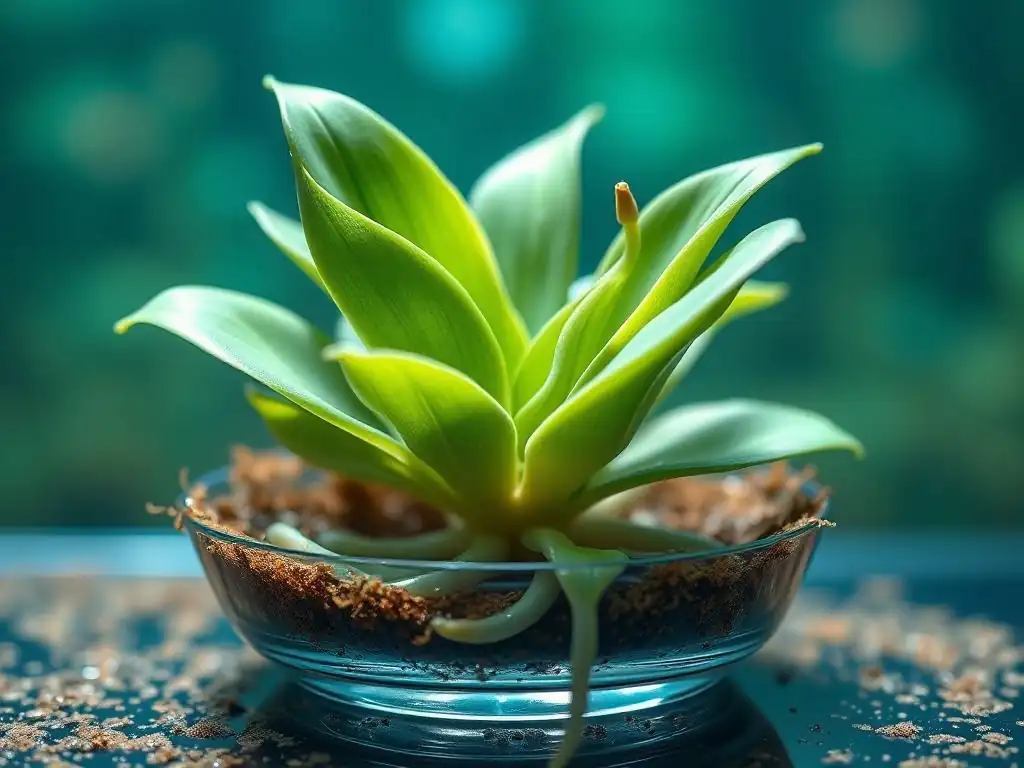
Identifying and Addressing Nutrient Deficiencies
Nutrient deficiencies are a common setback in newly propagated aquarium plant care, as young plants are highly sensitive to imbalances. Identifying these deficiencies early is crucial for timely intervention. For instance, yellowing of older leaves, especially starting from the tips, often indicates a nitrogen deficiency, as nitrogen is mobile within the plant and is moved to new growth.
In contrast, yellowing or stunted new growth, often with veins remaining green, points to an iron deficiency. Holes in leaves or yellowing between veins (interveinal chlorosis) can signal a potassium or magnesium deficiency, respectively. Addressing these issues promptly with targeted fertilization, either through liquid supplements or root tabs, is essential.
Dealing with Algae Outbreaks on Young Plants
Algae outbreaks are a frequent challenge in tanks with newly propagated aquarium plants, primarily because the young plants are not yet photosynthesizing efficiently enough to outcompete algae for available nutrients. Common culprits include excessive light intensity or duration, unstable CO2 levels, or an overabundance of nutrients.
To combat algae, first reduce the lighting duration to 6-7 hours per day for a week or two. Ensure CO2 levels are stable at 20-30 ppm if injecting, as fluctuating CO2 stresses plants and favors algae. Perform frequent small water changes (e.g., 20% every other day) to reduce excess nutrients. Manually remove as much algae as possible, and consider introducing algae-eating invertebrates like Amano shrimp (Caridina multidentata) or Nerite snails, which can help control the problem without harming the delicate plantlets.
Preventing Fish from Damaging New Plantlets
Preventing fish from damaging newly propagated aquarium plants is an important consideration, especially in community tanks. Some fish species, particularly certain types of mollies, goldfish, or larger cichlids, are known to nibble on or uproot plants. Young, tender plantlets are particularly vulnerable due to their delicate structure and shallow root systems.
To protect your new plantlets, consider housing them in a separate grow-out tank initially until they are well-established and more robust. If this isn't feasible, select fish species that are known to be plant-safe, such as small tetras, rasboras, or peaceful bottom dwellers like Corydoras catfish. For particularly vulnerable areas, temporary physical barriers, such as small plastic mesh or plant guards, can be used around clusters of newly planted specimens to deter curious fish until the plants have rooted firmly.
Long-Term Care and Maintenance for Thriving Aquarium Plants
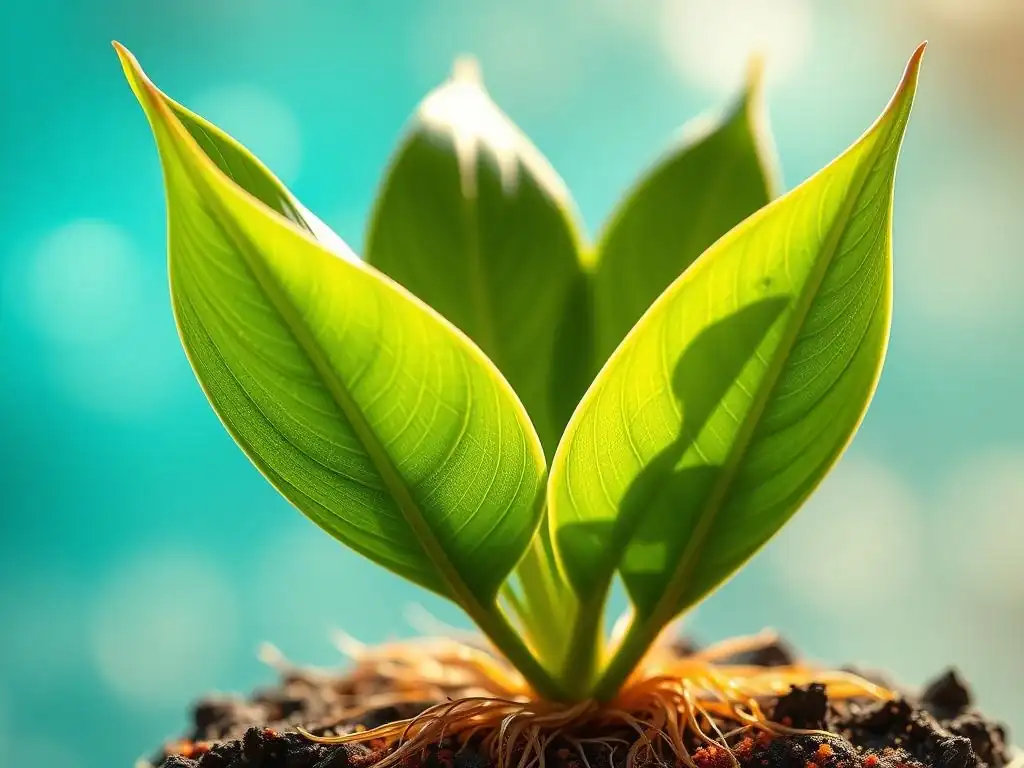
Gradual Transition to Established Tank Conditions
Once newly propagated aquarium plants have successfully rooted and show consistent new growth, typically after 4-6 weeks, they can begin a gradual transition to the established conditions of your main aquarium. This transition involves slowly increasing light intensity and duration, if they were initially kept on a reduced schedule, and adjusting nutrient dosing from specialized "new plant" formulas to a regular fertilization regimen.
Increase light intensity by no more than 5-10% weekly until the desired level is reached. Similarly, transition from daily micro-dosing of liquid fertilizers to a weekly or bi-weekly schedule, or introduce root tabs if the plants are heavy root feeders. This phased approach ensures the plants continue to thrive without experiencing shock, cementing the success of your newly propagated aquarium plant care efforts.
Regular Fertilization and Trimming for Healthy Growth
Regular fertilization and strategic trimming are indispensable for the long-term health and aesthetic appeal of your now-established plants. As plants mature, their nutrient demands increase, and consistent replenishment of macro and micronutrients becomes vital. Most aquarists find a weekly liquid fertilization routine, supplemented with root tabs every 1-3 months for heavy root feeders, maintains optimal growth.
Trimming is equally important, not just for shaping but also for promoting bushier growth and preventing shading. For stem plants, trimming the tops encourages side shoots, leading to a denser appearance. For carpeting plants, regular trimming prevents them from becoming too thick and lifting from the substrate. This ongoing maintenance is a continuation of diligent newly propagated aquarium plant care, ensuring sustained vitality.
Monitoring Water Parameters and Adjusting as Needed
Continuous monitoring of water parameters is a cornerstone of advanced newly propagated aquarium plant care, even after plants are well-established. While the initial focus is on stability for young plants, ongoing testing ensures that nutrient levels, pH, GH, KH, and CO2 (if injected) remain within optimal ranges for mature plant growth.
Weekly or bi-weekly testing allows for proactive adjustments to fertilization, water change schedules, or CO2 injection rates. For instance, a sudden drop in KH might indicate a need for a buffer, while consistently low nitrate levels suggest an increase in nitrogen dosing. Regular monitoring helps prevent deficiencies or excesses before they manifest as visible plant health issues, ensuring your aquarium remains a thriving aquatic ecosystem.
Conclusion: Nurturing Your Newly Propagated Aquarium Plants to Full Potential
Frequently Asked Questions
How soon can I introduce newly propagated aquarium plants into my main aquarium?
It's best to wait until the new plants have established a strong root system and show signs of healthy growth. This usually takes a few weeks in a separate quarantine tank.
What are the key water parameters to monitor when caring for newly propagated aquarium plants?
Maintaining stable water parameters is crucial. Pay close attention to temperature, pH, and nutrient levels, ensuring they are optimal for the specific plant species. Regularly test your water with an aquarium test kit.
How much light do newly propagated aquarium plants typically need?
Light requirements vary, but generally, newly propagated plants benefit from moderate lighting to encourage photosynthesis without causing algae blooms. Gradually increase light intensity as the plants mature.
What type of substrate is best for supporting the growth of newly propagated aquarium plants?
A nutrient-rich substrate designed for aquatic plants is ideal. Consider using aquarium soil or adding root tabs to provide essential nutrients directly to the roots.
How often should I fertilize newly propagated aquarium plants?
Fertilize regularly with a liquid fertilizer formulated for aquarium plants. Follow the manufacturer's instructions carefully to avoid overdosing, which can harm your fish and lead to algae growth.
Final Reflection: Cultivating Growth, Within and Without
The journey from a mere snippet of a plant to a thriving specimen mirrors a broader truth: nurturing potential yields remarkable results. Just as attentive care transforms a fragile cutting into a vibrant addition to an aquarium, so too can focused effort cultivate growth in all aspects of our lives. The principles of patience, observation, and tailored support, so crucial for newly propagated aquarium plant care, resonate far beyond the glass walls of a tank.
This process of nurturing life, of witnessing the slow, steady unfolding of potential, has profoundly impacted my perspective. It's a reminder that even the smallest beginnings hold immense promise, and that consistent, thoughtful attention is the key to unlocking that potential. The best time to plant a tree was 20 years ago. The second best time is now.
This ancient proverb perfectly encapsulates the spirit of propagation – seizing the opportunity to cultivate something beautiful and enduring, regardless of how late it may seem.
Now, consider the lessons learned from tending to these delicate aquatic lives. How can you apply the same principles of patience, observation, and tailored care to the "snippets" of potential within yourself, your relationships, or your community? Let the vibrant growth of your newly propagated aquarium plants serve as a constant reminder: cultivate with intention, nurture with care, and watch the extraordinary bloom.
Nurture Your Aquatic Garden: Watch Your Propagations Thrive!
Thanks for exploring the world of aquarium plant propagation with us! We hope you’re feeling inspired and equipped to expand your underwater paradise. Now, let’s put that knowledge into action and watch your newly propagated plants flourish!
- Carefully Monitor Water Parameters: Keep a close eye on your water's pH, ammonia, nitrite, and nitrate levels, especially in the first few weeks, to ensure a stable and healthy environment for your delicate new plants.
- Explore different substrate options:Experiment with nutrient-rich substrates to give your propagations an extra boost and see how they respond.
- Share your success: Post a photo of your thriving propagated plants on social media using #AquariumMasteryPropagation, and inspire other aquascapers!
What unique care tip will you implement to give your propagations the best possible start?