
The Symbiotic Relationship: How Macroalgae Supports Microfauna in Your Refugium

Welcome to Aquarium Mastery!
Ever wondered how to create a truly thriving ecosystem within your saltwater aquarium? Dive into the fascinating world of refugiums and discover the secret to achieving a delicate balance. This article explores the symbiotic dance of refugium macroalgae microfauna balance, unlocking the power of these tiny organisms to cultivate a vibrant and healthy environment. Curious to learn how macroalgae can fuel a thriving microfauna population and ultimately benefit your entire tank? Let's explore!
- Understanding the Refugium Ecosystem and its Importance for a Healthy Saltwater Aquarium
- Macroalgae and Microfauna: A Symbiotic Partnership in Action
- Optimizing the Refugium Macroalgae Microfauna Balance for a Thriving Aquarium
- Encouraging Microfauna Growth and Diversity in Your Refugium
- Troubleshooting Common Issues in Refugium Macroalgae and Microfauna Balance
- Maximizing the Benefits of Refugium Macroalgae Microfauna for a Pristine Aquarium
- Advanced Techniques for Enhancing the Refugium Ecosystem
- Conclusion: Harnessing the Power of the Refugium Macroalgae Microfauna Balance for Aquarium Mastery
-
Frequently Asked Questions
- What is a refugium and why is it important for maintaining an aquarium?
- How does macroalgae contribute to the balance in a refugium?
- What role does microfauna play in the overall health of the aquarium ecosystem?
- How does the symbiotic relationship between macroalgae and microfauna benefit the aquarium?
- What are some key considerations when setting up a refugium to promote macroalgae and microfauna growth?
- Final Reflection: Embracing the Refugium's Harmony
- Ignite Your Refugium's Potential!
Understanding the Refugium Ecosystem and its Importance for a Healthy Saltwater Aquarium
What is a Refugium and Why Use One?
A refugium, often abbreviated as "refug," is a dedicated, isolated section of a saltwater aquarium system, typically located within the sump or as a separate tank plumbed into the main display. Its primary purpose is to provide a stable, undisturbed environment where beneficial organisms, particularly macroalgae and various microfauna, can thrive without predation from the main display tank's inhabitants. This separation allows for the cultivation of a robust ecosystem that significantly contributes to the overall health and stability of the entire aquarium.
The strategic implementation of a refugium offers multiple advantages for maintaining a pristine saltwater environment. It acts as a natural filtration powerhouse, exporting excess nutrients like nitrates and phosphates through the growth of macroalgae. Furthermore, it serves as a continuous breeding ground for microfauna, which are essential for nutrient cycling and as a natural food source for corals and fish.
Many successful reef aquariums, including those with sensitive SPS (Small Polyp Stony) corals, widely utilize refugiums to achieve ultra-low nutrient systems and maintain a stable refugium macroalgae microfauna balance. For instance, a 15-20 gallon refugium can profoundly impact the stability of a 100-gallon reef tank.
The Role of Macroalgae in Refugiums: A Natural Filtration System
Macroalgae are the cornerstone of a functional refugium, serving as a highly effective natural filtration system. These larger forms of algae actively absorb dissolved nitrates, phosphates, and other undesirable compounds directly from the water column, effectively competing with and outcompeting nuisance algae that might otherwise proliferate in the main display tank. By sequestering these nutrients into their biomass, macroalgae prevent their accumulation, which can lead to unsightly algal blooms and stress for sensitive corals and fish.
Popular choices for refugium macroalgae include Chaetomorpha (often called "Chaeto"), Gracilaria, and Ulva. Chaetomorpha is particularly favored for its spaghetti-like structure, which provides ample surface area for beneficial bacteria and microfauna, and its non-invasive, non-attaching growth habit that makes harvesting simple. Under optimal conditions, a dense ball of Chaetomorpha weighing approximately 1 kilogram can absorb an estimated 10-20 milligrams of nitrate and 1-2 milligrams of phosphate daily from a typical reef system. Regular harvesting of this macroalgae, typically every 1-2 weeks, physically removes the absorbed nutrients from the system, maintaining the critical refugium macroalgae microfauna balance.
Microfauna in the Refugium: The Unsung Heroes of Water Quality
Microfauna refers to the diverse community of tiny invertebrates that flourish within the refugium environment. This includes a wide array of organisms such as copepods (e.g., Tisbe, Apocyclops), amphipods, rotifers, various types of worms, and other small crustaceans. While often unseen by the naked eye, these microscopic creatures play an indispensable role in maintaining superior water quality and overall ecosystem health within the saltwater aquarium.
These unsung heroes act primarily as detritivores and grazers. They diligently consume detritus, uneaten food particles, decaying organic matter, and even nuisance algae, preventing the buildup of harmful substances that could otherwise lead to nutrient spikes and poor water clarity.
By breaking down organic waste, they contribute significantly to the nutrient cycling process, converting waste products into more manageable forms. Copepod species like Tisbe furcata can double their populations every 3-5 days in ideal refugium conditions, providing a continuous, sustainable supply of live food that constantly grazes on micro-detritus, directly contributing to the refugium macroalgae microfauna balance and the health of the entire system.
Macroalgae and Microfauna: A Symbiotic Partnership in Action
Macroalgae as Habitat and Food Source for Microfauna
The intricate structures of macroalgae, particularly species like Chaetomorpha with its dense, tangled strands, provide an ideal habitat for a wide array of microfauna. These algal structures offer countless nooks and crannies that serve as protective refuges from predation, strong currents, and harsh lighting conditions, allowing delicate copepods, amphipods, and other small invertebrates to thrive and reproduce undisturbed. This sheltered environment is crucial for the establishment of a robust and self-sustaining microfauna population, which is essential for the refugium macroalgae microfauna balance.
Beyond providing shelter, macroalgae also act as a direct and indirect food source for these microscopic inhabitants. While some microfauna species directly graze on the surface of the macroalgae, consuming detritus and biofilm that accumulates there, others feed on the organic matter released by the macroalgae or the microscopic organisms that live symbiotically with the algae.
For example, amphipods might graze on decaying macroalgae bits, while copepods consume phytoplankton and bacteria that flourish within the macroalgal bed. This continuous supply of food and shelter ensures the microfauna population remains robust, ready to colonize the main display tank and provide a natural food source for corals and fish.
Microfauna Grazing on Macroalgae: Controlling Algae Growth
The relationship between macroalgae and microfauna is not entirely one-sided in terms of food. While macroalgae primarily serve as a habitat and indirect food source, certain microfauna species contribute to the overall health of the macroalgae by grazing on undesirable organisms that might grow on the macroalgae itself. This includes consuming detritus, diatoms, and other nuisance microalgae that could potentially smother or compete with the beneficial macroalgae.
This grazing action helps keep the macroalgae clean and healthy, optimizing its ability to absorb nutrients and grow efficiently. For example, some species of amphipods and small snails commonly found in refugiums will actively graze on biofilm and detrital layers that settle on Chaetomorpha or Gracilaria strands. This natural cleaning service ensures the macroalgae receives adequate light and flow, preventing any localized nutrient buildup within the refugium itself. This symbiotic grazing contributes significantly to maintaining a stable refugium macroalgae microfauna balance.
Nutrient Cycling: The Interplay Between Macroalgae, Microfauna, and Detritus
The refugium ecosystem is a dynamic hub for nutrient cycling, where macroalgae, microfauna, and detritus interact in a complex and highly beneficial manner. Macroalgae are the primary consumers of dissolved inorganic nutrients like nitrates and phosphates, converting them into organic biomass. This process directly removes harmful compounds from the water column, acting as the system's main nutrient export mechanism.
Simultaneously, microfauna play a critical role in breaking down organic detritus – uneaten food, fish waste, and decaying matter – into smaller particles and dissolved organic compounds. These smaller particles and compounds then become more accessible for uptake by beneficial bacteria and, importantly, by the macroalgae. For example, copepods will consume detritus and excrete waste products that contain nitrogen and phosphorus in forms readily available for macroalgal uptake. This continuous loop ensures that nutrients are efficiently processed and recycled within the refugium, preventing their accumulation in the main display tank and fostering a robust refugium macroalgae microfauna balance.
Optimizing the Refugium Macroalgae Microfauna Balance for a Thriving Aquarium
Selecting the Right Macroalgae Species for Microfauna Support
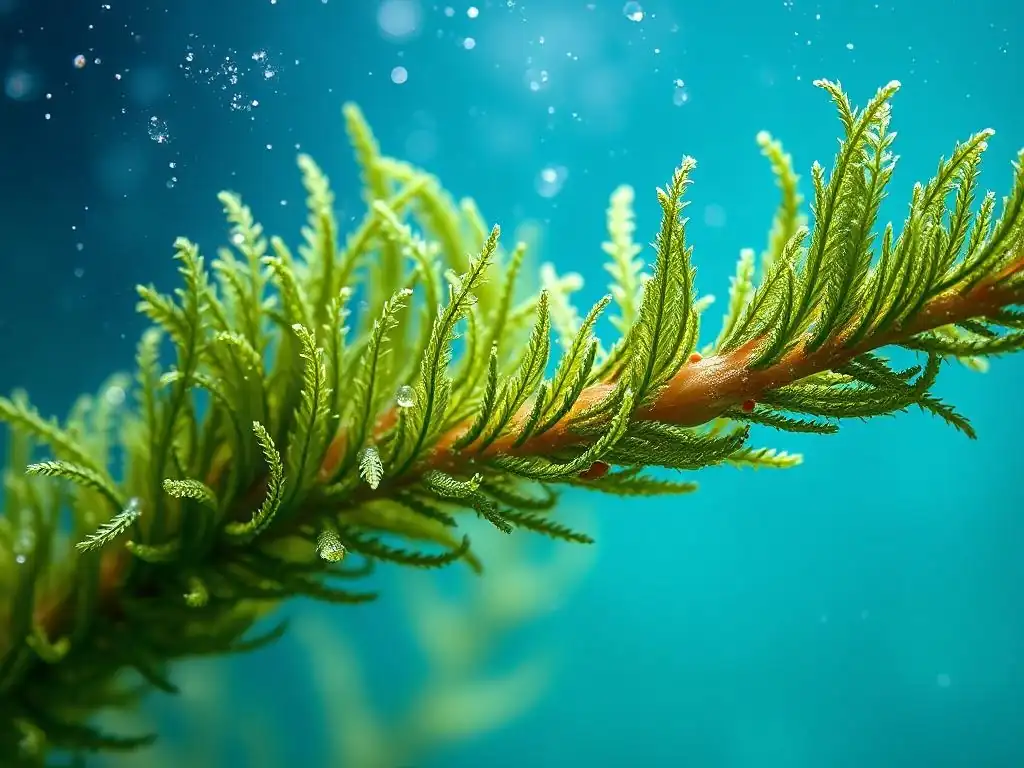
Choosing the appropriate macroalgae species is fundamental to establishing an effective refugium that supports a thriving microfauna population. The ideal macroalgae should exhibit robust growth, be easy to harvest, and possess a complex structure that offers ample surface area and protective nooks for microfauna. Species that grow quickly and absorb nutrients efficiently are preferred for their filtration capabilities.
Chaetomorpha linum, commonly known as "Chaeto," is overwhelmingly popular due to its rapid, non-invasive growth and its tangled, spaghetti-like form, which provides an excellent habitat for copepods and amphipods. Other beneficial species include Gracilaria (e.g., Gracilaria parvispora), which also grows quickly and offers a dense structure, and Ulva lactuca (Sea Lettuce), though it can be more challenging to contain. Avoiding invasive species like certain Caulerpa varieties, which can go sexual and release nutrients back into the water, is crucial for maintaining a stable refugium macroalgae microfauna balance.
Popular Macroalgae Choices: Chaetomorpha, Gracilaria, Ulva, and Halimeda
Among the myriad of macroalgae species available, a few stand out for their effectiveness in refugiums. Chaetomorpha is a top contender, prized for its ease of culture, non-invasive nature, and exceptional ability to harbor microfauna. Its dense, fibrous structure prevents it from attaching to rockwork, making harvesting straightforward. A typical 50-gallon reef tank might benefit from a baseball-sized clump of Chaetomorpha growing steadily.
Gracilaria, particularly red varieties, is another excellent choice. It grows quickly, is highly effective at nutrient export, and provides a different structural complexity that appeals to a diverse range of microfauna. Ulva (Sea Lettuce) is also a strong nutrient absorber but requires good flow to prevent detritus accumulation within its broad leaves. While less common for nutrient export, Halimeda (Money Plant Algae) is a calcifying macroalgae that can help maintain alkalinity and provide a unique habitat, though it grows slower and contributes less to immediate nutrient export compared to the others, making the refugium macroalgae microfauna balance slightly different.
Culturing and Maintaining Healthy Macroalgae in Your Refugium
Successful macroalgae cultivation hinges on several key factors: adequate lighting, consistent nutrient supply, and regular harvesting. Macroalgae require specific spectrums of light, typically in the red and blue ranges, to photosynthesize efficiently. Dedicated refugium LED lights, often operating on a reverse daylight photoperiod, are ideal. A typical refugium light might operate for 8-12 hours during the main tank's dark cycle to help stabilize pH.
Regular harvesting is paramount to ensure continuous nutrient export and to prevent the macroalgae from becoming too dense, which can lead to areas of stagnation and die-off. As the macroalgae grows, it locks up nitrates and phosphates; physically removing a portion of this biomass every 1-2 weeks exports these nutrients permanently from the system. For a 100-gallon system with a healthy refugium, removing about 10-20% of the macroalgae biomass weekly can effectively manage nutrient levels and support a robust refugium macroalgae microfauna balance.
Providing Adequate Flow and Lighting for Macroalgae and Microfauna
Optimal flow and lighting are critical for both macroalgae growth and microfauna proliferation within the refugium. While the refugium should generally have lower flow than the main display tank to prevent microfauna from being washed out, sufficient gentle water movement is necessary to deliver nutrients to the macroalgae and to prevent detritus from settling excessively. A flow rate of 1-3 times the refugium volume per hour is often sufficient.
Lighting is arguably the most important factor for macroalgae. Most beneficial macroalgae thrive under full-spectrum LED lights with a strong emphasis on red (630-660 nm) and blue (450-470 nm) wavelengths, typically provided by dedicated refugium lights. A common practice is to run the refugium light on a reverse daylight photoperiod (RDP), meaning the light is on when the main display tank lights are off. This helps stabilize the aquarium's pH by having the macroalgae consume CO2 during the night when the main display's photosynthetic organisms are not, thus fostering a balanced refugium macroalgae microfauna balance.
Encouraging Microfauna Growth and Diversity in Your Refugium
Introducing Microfauna Cultures to Your Refugium
To kickstart a thriving microfauna population, it is often beneficial to introduce live microfauna cultures directly into your refugium. While some microfauna may naturally colonize from live rock or sand, inoculating with commercially available cultures ensures a diverse and robust initial population. Common starter cultures include various species of copepods (e.g., Tisbe, Apocyclops, Tigriopus) and amphipods.
When introducing cultures, it is best to add them directly into the refugium, away from strong flow, allowing them to settle and reproduce. A typical 16 oz bottle of copepod culture can establish a colony in a 20-gallon refugium within a few weeks. Maintaining a consistent environment with plenty of macroalgae and a small amount of detritus will encourage rapid reproduction, leading to a self-sustaining population that continually seeds the main display tank with live food, ensuring the refugium macroalgae microfauna balance is maintained.
Creating a Safe Haven: Protecting Microfauna from Predators
The very essence of a refugium is to provide a safe haven for microfauna, protecting them from the predatory fish and invertebrates in the main display tank. This separation is crucial, as most fish and corals readily consume copepods and amphipods, quickly depleting their numbers if they are not allowed to reproduce in a protected environment. The design of the refugium, typically with baffles or dedicated chambers, prevents most larger organisms from entering.
Even within the refugium, it's important to avoid introducing any potential predators, such as certain types of crabs or carnivorous worms, that could decimate the microfauna population. The dense structure of macroalgae like Chaetomorpha further enhances this protection, offering countless hiding spots where the microfauna can breed and mature before being flushed into the main display. This protected breeding ground is vital for sustaining the refugium macroalgae microfauna balance.
Maintaining Optimal Water Parameters for Microfauna Survival
While microfauna are relatively hardy, maintaining stable and optimal water parameters within the refugium is crucial for their long-term survival and reproduction. Sudden swings in salinity, temperature, or pH can stress or kill off populations. The refugium typically benefits from the same stable parameters as the main display tank, including specific gravity around 1.025, temperature between 76-78°F (24-25.5°C), and a stable pH between 8.0-8.4.
Low levels of nitrates and phosphates, while ideal for the main display, are also beneficial for microfauna, as excessive nutrients can sometimes lead to bacterial blooms that consume oxygen, negatively impacting the microfauna. Providing a well-oxygenated environment, often achieved through gentle flow and surface agitation, further supports their health. A stable refugium macroalgae microfauna balance relies heavily on consistent water quality, ensuring a continuous supply of these beneficial organisms.
Troubleshooting Common Issues in Refugium Macroalgae and Microfauna Balance
Dealing with Excessive Macroalgae Growth
While macroalgae growth is desirable for nutrient export, excessive, uncontrolled growth can sometimes become an issue in a refugium. If macroalgae grows too dense, it can create stagnant areas, reduce water flow, and potentially lead to die-off from lack of light or flow, releasing trapped nutrients back into the water. This can disrupt the delicate refugium macroalgae microfauna balance.
The most effective solution is regular and consistent harvesting. For rapidly growing species like Chaetomorpha, removing 20-30% of the biomass weekly or bi-weekly is often necessary. If growth is still overwhelming, consider reducing the photoperiod of the refugium light (e.g., from 12 hours to 8-10 hours) or slightly dimming the light if adjustable. Ensuring adequate flow through the macroalgae bed also prevents stagnation and promotes healthier growth.
Addressing Microfauna Die-Offs: Identifying and Resolving the Root Cause
A noticeable decline or complete die-off of microfauna in the refugium can indicate underlying issues that need immediate attention to restore the refugium macroalgae microfauna balance. Common causes include sudden parameter swings (salinity, temperature, pH), presence of predatory organisms that have somehow entered the refugium, or the introduction of chemicals that are toxic to invertebrates (e.g., copper-based medications, certain pest control treatments).
To diagnose, first check all water parameters in the refugium and main sump for stability. Inspect the refugium thoroughly for any unwanted predators. If chemicals were recently used in the main display, consider whether they could have impacted the refugium. If no clear cause is identified, a small water change in the sump/refugium section and re-inoculating with a fresh microfauna culture, while ensuring stable conditions, can help re-establish the population.
Nutrient Imbalances and Their Impact on the Refugium Ecosystem
Nutrient imbalances, particularly very low or very high levels of nitrates and phosphates, can significantly impact the refugium macroalgae microfauna balance. While a refugium's goal is to reduce nutrients, extremely low levels (e.g., undetectable nitrates and phosphates) can starve macroalgae, leading to die-off. Conversely, persistently high nutrient levels indicate the refugium is not exporting enough, potentially due to insufficient macroalgae biomass, inadequate lighting, or lack of harvesting.
If nutrients are too low, macroalgae may bleach or turn pale; in such cases, reducing the refugium light duration or intensity can help, or even temporarily reducing the frequency of harvesting. If nutrients are too high, increase harvesting frequency, upgrade refugium lighting, or consider adding more macroalgae biomass. Monitoring nutrient levels with reliable test kits is essential for fine-tuning the refugium's performance and ensuring the ecosystem remains in harmony.
Maximizing the Benefits of Refugium Macroalgae Microfauna for a Pristine Aquarium
Reducing Nitrate and Phosphate Levels Naturally
The primary and most significant benefit of a well-maintained refugium with a healthy refugium macroalgae microfauna balance is its unparalleled ability to naturally reduce nitrate and phosphate levels. Macroalgae act as biological filters, absorbing these dissolved nutrients directly from the water column as they grow. This process is far more stable and consistent than chemical filtration media, which often require frequent replacement and can sometimes strip beneficial trace elements.
By continuously removing nutrients, macroalgae effectively starve out nuisance algae in the main display tank, leading to a cleaner and more aesthetically pleasing environment. For instance, a refugium with robust Chaetomorpha growth can help maintain nitrates below 5 ppm and phosphates below 0.03 ppm in a moderately stocked reef tank, significantly reducing the need for chemical phosphate removers or aggressive water changes for nutrient control.
Enhancing Water Clarity and Overall Water Quality
Beyond nutrient export, the dynamic interaction within the refugium contributes significantly to overall water quality and clarity. Microfauna, particularly copepods and amphipods, constantly graze on detritus, uneaten food, and suspended organic particles that might otherwise cloud the water. Their activity helps break down waste into smaller components that can be more easily processed by beneficial bacteria or removed by mechanical filtration.
Furthermore, a healthy refugium acts as a stable biological filter, providing vast surface area for nitrifying and denitrifying bacteria, which convert toxic ammonia and nitrite into less harmful nitrate, and then further into nitrogen gas. The stable pH provided by the reverse daylight photoperiod also contributes to overall water stability, preventing pH swings that can stress aquarium inhabitants. This comprehensive approach ensures a crystal-clear, healthy aquatic environment, directly attributable to the effective refugium macroalgae microfauna balance.
Providing a Natural Food Source for Your Fish and Invertebrates
One of the most enriching benefits of a thriving refugium ecosystem is its continuous production of live, nutritious food for the inhabitants of the main display tank. As microfauna populations flourish in the protected environment of the refugium, a portion of these copepods and amphipods are regularly flushed into the main display, providing a natural, enriching food source.
Fish like mandarin gobies, dragonets, and many wrasse species, which are often difficult to feed in captivity due to their reliance on live, tiny organisms, thrive in tanks with active refugiums. Even corals and other filter-feeding invertebrates benefit from the constant influx of these microscopic food items. This natural feeding mechanism reduces reliance on prepared foods, encourages natural foraging behaviors, and contributes to the overall health and vibrant coloration of your aquatic livestock, highlighting the importance of the refugium macroalgae microfauna balance.
Advanced Techniques for Enhancing the Refugium Ecosystem
Utilizing a Deep Sand Bed (DSB) in Conjunction with Macroalgae
Integrating a Deep Sand Bed (DSB) within the refugium can significantly enhance its capabilities, particularly for denitrification. A DSB typically consists of 4-6 inches (approximately 10-15 cm) of fine aragonite sand, creating an anaerobic zone within its lower layers. This oxygen-depleted environment is ideal for denitrifying bacteria, which convert nitrate (NO3) into harmless nitrogen gas (N2), completing the nitrogen cycle.
When combined with macroalgae, which primarily absorb nitrate from the water column, the DSB provides an additional, powerful layer of nitrate reduction. The macroalgae handles the bulk of the initial nutrient uptake, while the DSB tackles any remaining nitrate that penetrates the sand bed. This dual approach creates a highly efficient nutrient export system, further stabilizing water parameters and supporting a robust refugium macroalgae microfauna balance.
Implementing a Reverse Daylight Photoperiod for Optimal Nutrient Export
A reverse daylight photoperiod (RDP) is an advanced technique where the refugium lights are on during the main display tank's dark cycle. This strategy offers several key advantages for maintaining optimal water quality and nutrient export. During the day, when the main display lights are on, photosynthetic organisms (corals, display algae) consume carbon dioxide and release oxygen, causing pH to rise. At night, when these organisms respire, they release CO2, causing pH to drop.
By running the refugium lights at night, the macroalgae actively photosynthesize, consuming CO2 and releasing oxygen, thereby counteracting the pH drop from the main tank's respiration. This stabilizes the overall pH of the system, preventing large daily swings that can stress sensitive inhabitants. Furthermore, macroalgae are most efficient at nutrient uptake when nutrient levels are highest, which often occurs at night when the main display's organisms are not actively consuming them. This continuous nutrient removal optimizes the refugium macroalgae microfauna balance.
Incorporating Sponges for Enhanced Filtration
While not as commonly discussed as macroalgae or sand beds, incorporating certain types of marine sponges into a refugium can provide an additional layer of biological filtration and water purification. Sponges are highly efficient filter feeders, capable of removing microscopic particles, bacteria, and dissolved organic compounds from the water column. They also offer vast surface area for beneficial bacteria to colonize.
Species like encrusting or vase sponges, if provided with adequate, gentle flow and stable conditions, can contribute to water clarity and overall system health. They can process significant volumes of water, removing fine particulate matter that might otherwise contribute to detritus buildup or fuel nuisance algae. Their presence adds to the biodiversity of the refugium, subtly enhancing the intricate refugium macroalgae microfauna balance and contributing to a cleaner, more stable environment.
Conclusion: Harnessing the Power of the Refugium Macroalgae Microfauna Balance for Aquarium Mastery
The successful integration and meticulous management of a refugium, built upon the symbiotic relationship between macroalgae and microfauna, represents a cornerstone of advanced saltwater aquarium husbandry. This dynamic ecosystem transcends basic filtration, transforming your sump into a vibrant, self-sustaining powerhouse that actively purifies water, exports detrimental nutrients, and cultivates a continuous supply of natural live food. The interplay between macroalgae diligently absorbing nitrates and phosphates, and microfauna diligently consuming detritus and populating the water column, creates an unparalleled natural balance.
By understanding and optimizing the refugium macroalgae microfauna balance, aquarists can achieve remarkable stability in water parameters, significantly reduce the prevalence of nuisance algae, and foster a thriving, resilient marine environment. This holistic approach minimizes reliance on chemical additives and extensive manual cleaning, allowing for a more harmonious and enjoyable experience. Mastering this symbiotic partnership is not merely a technique; it is a fundamental pillar in achieving true aquarium mastery, leading to a vibrant, pristine, and self-sufficient aquatic paradise.
Frequently Asked Questions
What is a refugium and why is it important for maintaining an aquarium?
A refugium is a separate tank or compartment attached to the main aquarium, designed to promote a healthy ecosystem and improve water quality. It provides a safe haven for beneficial organisms and helps maintain nutrient balance.
How does macroalgae contribute to the balance in a refugium?
Macroalgae, such as Chaetomorpha, absorbs excess nutrients like nitrates and phosphates, thus reducing algae blooms in the main tank. It also provides shelter and a food source for microfauna and helps to maintain a stable pH.
What role does microfauna play in the overall health of the aquarium ecosystem?
Microfauna, including copepods and amphipods, are important food source for fish and invertebrates. They also consume detritus and algae, keeping the tank clean and contributing to nutrient cycling.
How does the symbiotic relationship between macroalgae and microfauna benefit the aquarium?
Macroalgae provides shelter and food for microfauna, while the microfauna helps to control algae growth on the macroalgae and consume detritus. This relationship promotes a natural and balanced ecosystem.
What are some key considerations when setting up a refugium to promote macroalgae and microfauna growth?
Proper lighting, water flow, and nutrient levels are crucial for successful macroalgae growth. Also, consider adding live rock to provide surfaces for microfauna to colonize and diversify.
Final Reflection: Embracing the Refugium's Harmony
The intricate dance between macroalgae and microfauna within a refugium, as we've explored, isn't just a biological curiosity; it's a microcosm of the delicate balance that sustains all ecosystems. Understanding and nurturing this symbiotic relationship in our own aquariums allows us to actively participate in creating healthier, more vibrant aquatic environments, mirroring the interconnectedness we strive for in the larger world.
This journey into the refugium's depths has profoundly underscored the importance of observing and appreciating the unseen forces that shape our world. It reminds us that even the smallest creatures play a crucial role in the grand scheme of things. Look deep into nature, and then you will understand everything better,
as Albert Einstein so eloquently stated. This quote resonates deeply when considering the refugium, a miniature world teeming with life, offering invaluable lessons about resilience, interdependence, and the beauty of natural processes.
Now, as you consider your own aquariums and the potential of a refugium, I invite you to reflect on the power of balance. Embrace the opportunity to create a thriving ecosystem, not just a display. Cultivate the symbiotic relationship between macroalgae and microfauna, and witness firsthand the remarkable harmony that unfolds. Let the refugium be a constant reminder of the interconnectedness of life and the profound impact we can have when we choose to nurture it.
Ignite Your Refugium's Potential!
Thanks for diving deep into the world of macroalgae and its vital role in refugium ecosystems! Now that you understand the symbiotic relationship between macroalgae and microfauna, it's time to put that knowledge into action and supercharge your own aquarium.
Here are some ways you can make the most of this knowledge:
- Introduce diverse macroalgae species into your refugium to observe how different microfauna populations flourish. This will help you fine-tune your refugium for optimal biodiversity.
- Share this newfound knowledge with fellow aquarium enthusiasts on social media or in online forums. Start a discussion about the benefits of macroalgae-microfauna symbiosis!
- Experiment with providing supplementary food sources for your microfauna, such as phytoplankton cultures, and document the impact on the overall health of your refugium ecosystem.
What specific type of macroalgae are you most excited to cultivate in your refugium to enhance microfauna populations?