
How to Trim and Maintain a Perfect Carpeting Plant Lawn

Welcome to Aquarium Mastery!
Ever dreamed of a lush, vibrant underwater carpet in your aquarium? Achieving that perfect, emerald lawn is easier than you think! Dive into our guide, "How to Trim and Maintain a Perfect Carpeting Plant Lawn," and unlock the secrets to pristine carpeting plant aquarium maintenance. Discover the essential techniques and tips that will transform your tank into a stunning underwater landscape. Ready to cultivate your masterpiece? Let's get started!
- How to Trim and Maintain a Perfect Carpeting Plant Lawn in Your Aquarium
- Understanding Carpeting Plants for Aquariums
- Essential Tools for Carpeting Plant Lawn Maintenance
- Step-by-Step Guide to Trimming Carpeting Plants
- Maintaining a Healthy Carpeting Plant Lawn
- Advanced Carpeting Plant Care Techniques
- Carpeting Plant Aquarium Maintenance Tips: A Summary
-
Frequently Asked Questions
- How often should I trim my carpeting plants in my aquarium?
- What's the best way to trim carpeting plants without uprooting them?
- What are some common signs that my carpeting plants need trimming?
- What can I do with the trimmings from my carpeting plants?
- How important is CO2 injection for maintaining a healthy carpeting plant aquarium?
- Final Reflection: Cultivating Underwater Harmony
- Nurture Your Substrate Oasis: Cultivate Your Carpeting Plant Skills!
How to Trim and Maintain a Perfect Carpeting Plant Lawn in Your Aquarium
Understanding Carpeting Plants for Aquariums
What are Carpeting Aquarium Plants?
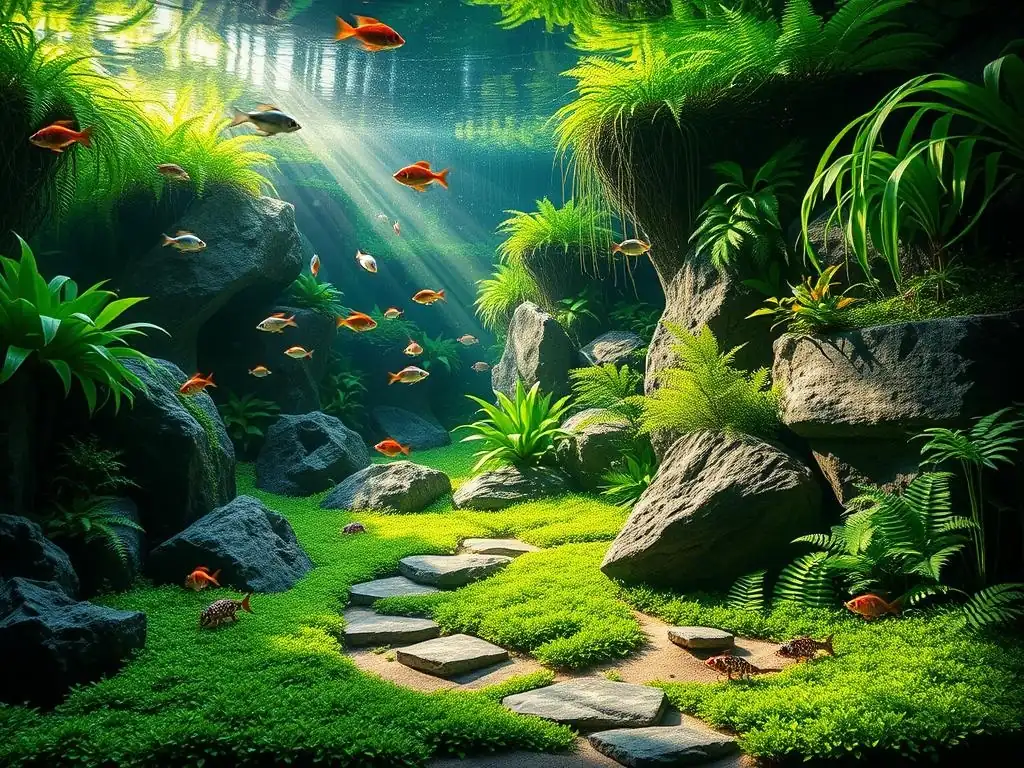
Carpeting plants are a specialized group of aquatic flora renowned for their low-growing, horizontal spread across the aquarium substrate, forming a lush, green "lawn." Unlike stem plants that grow vertically, carpeting varieties typically reach heights of only 1 to 5 centimeters, creating a dense foreground layer that enhances the natural aesthetic of any freshwater aquascape. Their primary role is to provide a vibrant, living ground cover, mimicking natural riverbeds or lake bottoms, and offering a significant visual impact by providing contrast and depth to the overall tank design.
Beyond their aesthetic appeal, carpeting plants contribute significantly to the aquarium's ecosystem. They provide ample surface area for beneficial bacteria to colonize, which aids in nitrogen cycle processes. Furthermore, a dense carpet offers excellent foraging grounds and hiding spots for small invertebrates like shrimp and fry, enhancing the biodiversity and stability of the aquatic environment. The robust root systems of these plants also help to stabilize the substrate, preventing fine particles from clouding the water and contributing to clearer water conditions.
Popular Carpeting Plant Species for Freshwater Tanks
Among the myriad of aquatic plants, a few species have risen to prominence as go-to choices for creating stunning carpets due to their growth habits and availability. These plants vary in their specific care requirements, but all generally thrive under optimal conditions of light, CO2, and nutrient availability, making carpeting plant aquarium maintenance tips crucial for their success. Understanding the nuances of each species is key to achieving a thriving, low-lying green expanse.
The selection of a carpeting plant often depends on the aquarist's experience level and the tank's technical setup. While some plants are more forgiving, others demand precise environmental parameters to truly flourish and form a dense carpet. Each of the following species offers unique textures and growth patterns, allowing for diverse aquascaping possibilities, from fine, delicate textures to more robust, grassy appearances.
Glossostigma elatinoides (Glosso)
Glossostigma elatinoides, commonly known as Glosso, is one of the fastest-growing and smallest true foreground plants used in aquascaping. It features tiny, spoon-shaped leaves that grow in pairs along a creeping stem, forming a vibrant green carpet under ideal conditions. To achieve its characteristic dense, horizontal growth, Glosso demands very high light intensity, typically above 60 PAR (Photosynthetically Active Radiation) at the substrate level, and consistent CO2 injection. Without adequate CO2, Glosso tends to grow vertically, reaching for light, rather than spreading outwards.
Under optimal conditions—high light, consistent CO2 (around 25-35 ppm), and a nutrient-rich substrate—Glosso can quickly spread, often covering a 10x10 cm area within two to three weeks. Its rapid growth necessitates frequent trimming, often every 1-2 weeks in a high-tech setup, to maintain its low profile and encourage lateral propagation, making it a plant that truly benefits from consistent carpeting plant aquarium maintenance tips.
Hemianthus callitrichoides 'Cuba' (Dwarf Baby Tears)
Hemianthus callitrichoides 'Cuba', or HC 'Cuba', is widely recognized as the smallest aquarium plant available, producing an incredibly fine-textured, dense carpet of tiny, bright green leaves. Its miniature size, with individual leaves often less than 2 millimeters across, creates a truly delicate and intricate foreground. Achieving a successful HC 'Cuba' carpet requires extremely high light (often exceeding 70 PAR) and a robust CO2 injection system, with stable CO2 levels crucial for preventing melting or stunted growth.
When thriving, HC 'Cuba' exhibits a remarkable "pearling" effect, where tiny oxygen bubbles visibly collect on its leaves due to intense photosynthesis. This plant is less forgiving than Glosso regarding CO2 and nutrient fluctuations; any instability can lead to browning or detachment from the substrate. Due to its delicate nature, meticulous carpeting plant aquarium maintenance tips related to water parameters and careful trimming are paramount for its long-term success.
Eleocharis acicularis (Dwarf Hairgrass)
Eleocharis acicularis, commonly known as Dwarf Hairgrass, offers a distinctly different aesthetic, forming a lush, grassy meadow rather than a dense, leafy carpet. It produces fine, needle-like blades that grow upwards and spread horizontally via runners, creating a natural, wilder look. While it can tolerate a wider range of light conditions than Glosso or HC 'Cuba', thriving in moderate to high light (around 40-70 PAR), its growth is significantly enhanced by CO2 injection and a nutrient-rich substrate, which encourages denser, faster spreading.
Dwarf Hairgrass can grow quite tall, sometimes reaching 10-15 centimeters in height if untrimmed, but it is typically kept shorter, around 2-5 centimeters, for a carpeting effect. Its propagation through runners means it can spread rapidly and fill in gaps effectively once established. Regular trimming is essential to maintain its desired height and prevent the lower layers from being shaded, which can lead to browning and die-off, underscoring the importance of proper carpeting plant aquarium maintenance tips for this species.
Essential Tools for Carpeting Plant Lawn Maintenance
CO2 Injection Systems for Lush Growth
Carbon dioxide (CO2) is a fundamental nutrient for the photosynthesis of aquatic plants, and for carpeting plants, it is often the most critical factor for achieving dense, vigorous growth. A well-maintained CO2 injection system ensures that plants have a steady and sufficient supply of carbon, which is often limited in typical aquarium water. Pressurized CO2 systems, comprising a CO2 cylinder, regulator, solenoid valve, and diffuser, are the most reliable and efficient, allowing for precise control over the CO2 dosage. DIY CO2 systems, while less expensive, offer inconsistent output and are generally not recommended for demanding carpeting plants.
Optimal CO2 levels for most carpeting plants are typically maintained between 20 to 30 parts per million (ppm), which can be monitored using a CO2 drop checker. Consistent CO2 supply not only accelerates plant growth and enhances their color but also helps plants outcompete algae for available nutrients, thereby preventing unsightly algae outbreaks. Investing in a quality CO2 system is perhaps the single most impactful step an aquarist can take to ensure the success and vibrancy of their carpeting plant lawn, making it a cornerstone of effective carpeting plant aquarium maintenance tips.
High-Intensity Aquarium Lighting for Carpeting Plants
Lighting is another non-negotiable component for the successful cultivation of carpeting plants. These species, by their very nature, require high light intensity to photosynthesize efficiently and maintain their low, spreading growth habit. Insufficient light will cause them to "reach" for the light, growing leggy and vertically instead of horizontally, or simply melt away. Modern LED lighting systems are highly recommended due to their energy efficiency, tunable spectrums, and ability to deliver the necessary Photosynthetically Active Radiation (PAR) values directly to the substrate.
For most demanding carpeting plants like HC 'Cuba' or Glosso, PAR values exceeding 50 µmol/m²/s at the substrate level are often necessary. The duration of the light cycle is also important, typically set for 6 to 8 hours per day to prevent algae growth while still providing ample time for photosynthesis. Proper light intensity ensures that the plants remain compact and develop the vibrant coloration characteristic of a healthy carpet, highlighting light management as a crucial aspect of carpeting plant aquarium maintenance tips.
Nutrient-Rich Substrates for Healthy Roots
While CO2 and light fuel the upper parts of carpeting plants, a nutrient-rich substrate is vital for their root systems, providing essential macro and micronutrients that cannot always be adequately supplied through the water column alone. Active substrates, often referred to as aqua soils or plant-specific substrates, are specially formulated to slowly release nutrients like iron, potassium, magnesium, and trace elements over extended periods. These substrates also typically have a high cation exchange capacity (CEC), meaning they can absorb nutrients from the water column and make them available to plant roots as needed.
Examples of such substrates include ADA Aqua Soil Amazonia or Fluval Stratum, which are designed to support robust root development and long-term plant health. These specialized substrates can often provide sufficient nutrients for several months to a year, reducing the immediate need for extensive liquid fertilization, especially for newly planted tanks. For established tanks with inert substrates, supplementing with root tabs becomes essential to provide localized nutrient delivery directly to the roots, which is a key carpeting plant aquarium maintenance tip for sustained growth.
Trimming Tools: Scissors and Tweezers
Precision tools are indispensable for effective carpeting plant aquarium maintenance tips, particularly when it comes to trimming and planting. High-quality aquarium scissors are designed to allow aquarists to reach into deep tanks and navigate around delicate aquascapes without disturbing the layout. Common types include straight scissors for general trimming, curved scissors for creating smooth, contoured lines on carpets, and wave scissors for broad, sweeping cuts over larger areas. The sharp blades ensure clean cuts, which are vital for plant health, preventing damage and encouraging healthy regrowth.
Aquascaping tweezers, typically long and slender, are equally important. They come in various lengths and tip styles (straight, curved, or angled) and are primarily used for carefully planting small carpeting plant portions into the substrate, ensuring their roots are firmly anchored. They are also invaluable for removing individual dead leaves, detaching unwanted plant runners, or precisely placing root tabs. Using dedicated stainless steel tools not only makes maintenance tasks easier but also minimizes the risk of introducing contaminants into the aquarium, contributing to overall tank hygiene.
Step-by-Step Guide to Trimming Carpeting Plants
Preparing for Trimming: Tank Assessment and Planning
Before commencing any trimming, a thorough assessment of your carpeting plant lawn and the overall aquarium environment is crucial. Observe which areas of the carpet have grown too dense, are shading lower layers, or are beginning to lift from the substrate. Look for signs of inhibited growth in adjacent plants due to lack of light, or areas where the carpet is encroaching on hardscape elements or other plant zones. This initial observation helps in planning the scope and technique of the trim.
It's generally advisable to perform a major trim either just before or during a routine water change. Trimming can release plant debris and some nutrients into the water column, which a subsequent water change will help remove, maintaining water quality. Ensure all necessary tools—aquascaping scissors (curved are often best for carpets), long tweezers, and a fine-mesh net to catch clippings—are clean and readily accessible. Having a clear plan minimizes stress on the tank and ensures an efficient trimming process, embodying sound carpeting plant aquarium maintenance tips.
Trimming Techniques for Different Carpeting Plant Types
The technique for trimming a carpeting plant lawn varies slightly depending on the species and its growth habit. The primary goal is always to maintain a low, dense carpet and encourage horizontal growth while ensuring light penetration to the lower layers. Consistency and patience are key, as frequent, smaller trims are often more beneficial than infrequent, drastic ones for the long-term health and aesthetic of the carpet.
Regardless of the species, always aim for clean cuts to minimize plant stress and prevent browning. Regular trimming also stimulates new growth, making the carpet denser and more vibrant. Effective carpeting plant aquarium maintenance tips emphasize understanding each plant's specific needs to achieve the desired aquascape.
Trimming Glosso for Horizontal Growth
Glossostigma elatinoides (Glosso) is known for its rapid growth, making frequent trimming essential to maintain its characteristic low, spreading habit. When Glosso grows too tall, the lower leaves often become shaded and can melt, leading to an unsightly carpet. To encourage horizontal growth and density, trim the tops of the Glosso stems using curved aquascaping scissors, effectively giving it a "haircut." Aim to cut about 50-70% of the plant's height, leaving enough of the lower stem and leaves to facilitate regrowth.
This aggressive top-trimming forces the plant to send out more runners laterally, making the carpet denser rather than taller. In high-tech setups with strong light and CO2, Glosso may require trimming every 1 to 2 weeks to prevent it from becoming too thick and lifting from the substrate. Regularly removing trimmings immediately after cutting is vital to prevent them from rotting and fouling the water, which is a key carpeting plant aquarium maintenance tip.
Maintaining a Dense Dwarf Baby Tears Carpet
Hemianthus callitrichoides 'Cuba' (HC 'Cuba') requires a slightly different trimming approach due to its miniature size and delicate nature. While it grows slower than Glosso, it can still become too dense, leading to shading of the lower layers and eventual die-off. When trimming HC 'Cuba', use small, sharp, straight scissors to meticulously cut the top layer of the carpet. Think of it as giving a very precise "buzz cut" to a lawn, aiming to remove about 30-50% of the height.
The goal is to maintain a uniform, low profile and encourage the growth of new, healthy leaves from the bottom. Due to its propensity to detach if disturbed, perform trims carefully and avoid significant pulling or agitation of the carpet. Trimming frequency for HC 'Cuba' might be every 3-4 weeks, depending on growth rate. After trimming, ensure all tiny clippings are removed with a fine net or siphon, as they can easily settle and decay within the dense carpet, a crucial carpeting plant aquarium maintenance tip for delicate plants.
Hairgrass Trimming for Optimal Light Penetration
Eleocharis acicularis (Dwarf Hairgrass) forms a grass-like carpet, and its trimming technique is akin to mowing a lawn. When hairgrass becomes too tall or dense, it can shade the substrate beneath, leading to browning of older blades and reduced light for other foreground elements. To trim hairgrass, use straight or wave scissors to cut the blades to a uniform height, typically between 2 to 5 centimeters, depending on the desired aesthetic.
You can trim hairgrass in sections or perform a general "mowing" action across the entire carpet. This encourages the growth of new, vibrant green blades and helps maintain light penetration to the lower parts of the plant and the substrate. Hairgrass might need trimming every 2-4 weeks, especially in setups with high light and CO2. Removing the long, thin clippings can be challenging, so use a net or siphon to thoroughly clean the tank post-trimming, ensuring effective carpeting plant aquarium maintenance tips are followed.
Post-Trimming Care: Fertilization and Water Changes
Immediately following a significant trimming session, it is imperative to perform thorough post-trimming care to ensure the health and rapid recovery of your carpeting plant lawn. The first crucial step is to meticulously remove all plant clippings from the aquarium. These small plant particles, if left to decompose, can contribute to elevated nutrient levels, potentially leading to algae outbreaks or ammonia spikes, thereby compromising water quality. Use a fine-mesh net to scoop out floating debris and a siphon to remove any settled trimmings from the substrate surface.
After removing clippings, a substantial water change, typically 30-50% of the tank volume, is highly recommended. This helps to dilute any released organic compounds or excess nutrients from the trimming process and refreshes the water with essential minerals. Following the water change, consider dosing a comprehensive liquid fertilizer, potentially at a slightly higher concentration than usual for a day or two, to provide readily available nutrients that aid in the plants' recovery and stimulate new growth. This immediate nutrient replenishment is a key carpeting plant aquarium maintenance tip for robust post-trimming recovery.
Maintaining a Healthy Carpeting Plant Lawn
Regular Fertilization for Vibrant Color and Growth
Consistent and balanced fertilization is paramount for maintaining the vibrant color and vigorous growth of a carpeting plant lawn. These demanding plants consume a wide array of nutrients, both macronutrients (Nitrogen, Phosphorus, Potassium - NPK) and micronutrients (Iron, Manganese, Boron, Zinc, etc.). A deficiency in any single nutrient can lead to stunted growth, discoloration, or melting of leaves, directly impacting the carpet's health and appearance. Many aquarists follow specific dosing methodologies like the Estimative Index (EI) or PPS-Pro to ensure comprehensive nutrient availability.
The frequency and amount of fertilization will depend on several factors, including light intensity, CO2 levels, plant mass, and the type of substrate. A well-executed fertilization regime, tailored to the specific needs of your aquarium, is a cornerstone of effective carpeting plant aquarium maintenance tips, preventing deficiencies and promoting lush, healthy growth. It's a continuous process of observation and adjustment to find the perfect balance for your unique setup.
Liquid Fertilizers for Carpeting Plants
Liquid fertilizers provide nutrients directly into the water column, making them immediately available for absorption by plant leaves and roots. This method is particularly effective for plants that absorb nutrients primarily through their foliage, or for quickly addressing specific nutrient deficiencies. Liquid fertilizers are available as comprehensive all-in-one solutions, or as individual macro and micronutrient supplements, allowing aquarists to fine-tune their dosing based on plant needs and water test results.
Daily or every-other-day dosing is common for high-tech planted tanks with demanding carpeting plants, ensuring a consistent supply of nutrients. For example, dosing an iron-rich liquid fertilizer daily can prevent yellowing of new growth, a common sign of iron deficiency in carpeting plants like Glosso. While convenient, consistent liquid fertilization requires regular monitoring of water parameters to avoid nutrient overloads that could encourage algae growth, making it a critical component of carpeting plant aquarium maintenance tips.
Root Tabs for Long-Term Nutrient Release
Root tabs are solid fertilizer capsules or tablets designed to be inserted directly into the substrate near the roots of plants. They provide a slow, sustained release of essential nutrients, particularly beneficial for heavy root-feeders or for tanks with inert substrates like sand or gravel that do not naturally supply nutrients. Root tabs typically contain a rich blend of macronutrients (NPK) and micronutrients, including iron, which are crucial for strong root development and overall plant health.
For carpeting plants that develop extensive root systems, such as Dwarf Hairgrass, root tabs offer a reliable, long-term nutrient source directly where it's needed most. It is generally recommended to replace root tabs every 3 to 4 months, or as indicated by the product's instructions, to ensure a continuous supply of nutrients. When inserting root tabs, use long tweezers to place them deep enough into the substrate to prevent them from dissolving prematurely into the water column, which is an important carpeting plant aquarium maintenance tip for substrate fertilization.
CO2 Monitoring and Adjustment for Optimal Growth
Maintaining stable and optimal carbon dioxide (CO2) levels is paramount for the health and vigorous growth of carpeting plants. CO2 is a primary ingredient for photosynthesis, and a consistent supply directly correlates with faster growth rates and healthier plant appearance. The most common method for monitoring CO2 levels in the aquarium is using a CO2 drop checker, which changes color based on the CO2 concentration in the water, typically aiming for a lime-green color indicating around 30 ppm.
Beyond the drop checker, monitoring the aquarium's pH can also provide insights, as CO2 injection lowers pH. Aim for a stable pH range that is suitable for your fish and invertebrates, while also ensuring adequate CO2 for plants. Adjustments to the CO2 regulator's bubble counter may be necessary based on drop checker readings, plant pearling intensity, and any signs of distress in livestock. Consistent and precise CO2 monitoring and adjustment are fundamental carpeting plant aquarium maintenance tips for preventing plant melt and promoting lush growth.
Preventing Algae Growth in Carpeting Plant Aquariums
Algae growth is a common frustration in planted aquariums, and it often indicates an imbalance in the tank's ecosystem, particularly concerning light, CO2, and nutrient levels. Carpeting plants, with their high demands, can be particularly susceptible if these parameters are not precisely met. Common imbalances include too much light without adequate CO2, fluctuating CO2 levels, or nutrient deficiencies that prevent plants from outcompeting algae. Identifying the specific type of algae can often point to the underlying imbalance, guiding the corrective actions.
Proactive prevention is always easier than reactive treatment. This involves maintaining stable water parameters, ensuring consistent CO2 delivery, providing balanced fertilization, and adhering to a regular water change schedule. For instance, if green spot algae appears, it might indicate low phosphate levels or insufficient CO2, prompting an adjustment in dosing or CO2 injection. Integrating various algae control methods into your carpeting plant aquarium maintenance tips strategy can significantly reduce the incidence of outbreaks.
Identifying Common Algae Types Affecting Carpeting Plants
Several types of algae commonly plague carpeting plants, each offering clues about potential imbalances in the aquarium. Green Spot Algae (GSA) appears as small, hard green dots on leaves and glass, often indicating low phosphate or insufficient CO2. Hair Algae, long, thin, green strands, frequently suggests an excess of light or fluctuating CO2 levels. Black Brush Algae (BBA), a tough, dark, beard-like growth, often points to unstable CO2 or flow issues.
Diatoms (brown algae) are common in new tanks and usually resolve as the tank matures, but persistent presence can indicate high silicates or nitrates. Cyanobacteria (blue-green algae) often forms a slimy, dark green or blue-green film, signaling high organic waste and low nitrates, often accompanied by poor circulation. Accurate identification is the first step in effective algae management, making it a critical aspect of carpeting plant aquarium maintenance tips.
Algae Control Methods: Snails, Shrimp, and Chemical Treatments
Biological control methods are often the first line of defense against algae. Amano shrimp ( Caridina multidentata) are highly effective algae eaters, particularly for hair algae and biofilm, and can be a great asset in a planted tank. Otocinclus catfish are excellent at consuming green spot algae and diatoms from plant leaves and hardscapes. Various snail species, such as Nerite snails, are also diligent grazers of green spot and other soft algae. These biological cleaners help to maintain a clean environment without introducing chemicals.
For more stubborn or widespread algae outbreaks, targeted chemical treatments can be used cautiously. Liquid carbon products, which contain glutaraldehyde, can be spot-dosed directly onto algae patches using a syringe, effectively killing many types of algae, including BBA, without harming plants if used correctly. However, chemical treatments should always be a last resort after addressing underlying imbalances, as they can sometimes impact sensitive invertebrates. Regular manual removal of algae during maintenance is also crucial, complementing other control methods in comprehensive carpeting plant aquarium maintenance tips.
Troubleshooting Common Carpeting Plant Problems
Even with diligent care, carpeting plants can sometimes exhibit signs of distress. Prompt identification and understanding of these issues are crucial for effective intervention and maintaining a thriving carpet. Problems often stem from imbalances in light, CO2, or nutrient availability, or changes in water parameters. Observing the specific symptoms—such as leaf discoloration, stunted growth, or melting—can provide valuable clues to the underlying cause, allowing for targeted adjustments.
A proactive approach to troubleshooting involves regular monitoring of plant health, water parameters, and equipment performance. Keeping a log of changes and observations can help pinpoint recurring issues and lead to more effective long-term solutions. Addressing problems swiftly prevents minor issues from escalating into significant setbacks for your carpeting plant lawn, making troubleshooting an essential part of carpeting plant aquarium maintenance tips.
Identifying Nutrient Deficiencies in Carpeting Plants
Nutrient deficiencies manifest in distinct ways on carpeting plants, providing visual cues for necessary adjustments in fertilization. Yellowing or paling of older leaves, particularly starting from the tips or margins, often indicates a nitrogen (N) deficiency. If new leaves are small, distorted, or turn pale yellow/white, it may point to an iron (Fe) deficiency, which is very common in planted tanks. Stunted growth and dark green leaves can signify a lack of phosphorus (P).
Potassium (K) deficiency often results in pinholes or yellowing on older leaves, sometimes with necrotic spots. Magnesium (Mg) deficiency can cause yellowing between the veins of older leaves, while the veins remain green. By learning to recognize these specific symptoms, aquarists can precisely adjust their liquid fertilizer or root tab dosing to rectify the imbalance, which is a key component of effective carpeting plant aquarium maintenance tips.
Addressing Melting and Discoloration Issues
Melting and general discoloration are alarming symptoms in carpeting plants, often indicating significant environmental stress. Melting, where plant tissue turns translucent and disintegrates, can be caused by sudden fluctuations in CO2 levels, drastic changes in water parameters (e.g., pH or temperature swings), or insufficient light after planting emersed-grown plants. If a plant was grown emersed (out of water) before being submerged, a period of melting is normal as it adapts to aquatic conditions, and new submerged growth will eventually emerge.
Discoloration, such as browning or blackening, often points to a lack of light reaching the lower layers of a dense carpet, or severe nutrient deficiencies, especially potassium or iron. It can also signify localized algae growth. To address these issues, ensure stable CO2 injection, consistent light intensity, and balanced fertilization. Regular, careful trimming to allow light penetration is also crucial. Removing melted or discolored parts promptly prevents decay and encourages healthy new growth, a vital carpeting plant aquarium maintenance tip.
Dealing with Carpeting Plant Detachment
Carpeting plant detachment, where sections of the carpet lift or float away from the substrate, is a frustrating problem. It typically occurs due to poor initial rooting, insufficient substrate depth, aggressive fish or invertebrate activity, or excessive gas buildup beneath the carpet. Plants like Dwarf Baby Tears (HC 'Cuba') are particularly prone to detachment if not firmly planted and allowed sufficient time to root.
To address detachment, carefully re-plant the detached sections using long aquascaping tweezers, ensuring they are firmly anchored into the substrate. For plants that spread via runners, ensure these runners are buried to encourage new root development. If gas buildup (often from decomposing organic matter or CO2 accumulation) is the cause, gently "burp" the carpet by pressing down on it to release the gas. Ensuring adequate substrate depth (at least 5-7 cm for most carpets) and managing strong water flow directly over the carpet are crucial preventive carpeting plant aquarium maintenance tips.
Advanced Carpeting Plant Care Techniques
Propagating Carpeting Plants for a Thicker Lawn
Propagating carpeting plants is an effective way to thicken an existing lawn or expand it to new areas of the aquarium. Most carpeting plants propagate readily through runners or by division. For plants like Dwarf Hairgrass ( Eleocharis acicularis), propagation occurs naturally via runners that spread horizontally beneath the substrate, sending up new plantlets. To encourage this, ensure the substrate is loose enough for runners to penetrate easily, and provide consistent nutrients.
For plants like Glosso ( Glossostigma elatinoides) and Dwarf Baby Tears ( Hemianthus callitrichoides 'Cuba'), propagation is primarily done by division. When trimming, healthy sections of the carpet with roots can be carefully separated into smaller portions.
These smaller portions can then be replanted into bare areas of the substrate using tweezers, firmly anchoring them to encourage new root growth. The "dry start method" (DSM), where plants are grown emersed in a humid environment before flooding the tank, is also a popular advanced technique for establishing a dense carpet quickly and can be a valuable carpeting plant aquarium maintenance tip for new setups.
Aquascaping Tips for Integrating Carpeting Plants
Integrating carpeting plants effectively into an aquascape involves more than just planting them; it requires an understanding of design principles to create depth, contrast, and visual flow. Carpeting plants naturally form the foreground layer, drawing the viewer's eye into the scene. To enhance perspective, consider creating a slight slope in the substrate, with the carpet gently rising towards the back, making the tank appear deeper than it is.
Contrast in texture and color is also key. A fine-leaved carpet like HC 'Cuba' can beautifully contrast with the bolder textures of driftwood or rocks, or with the larger leaves of midground plants.
When combining different carpeting species, such as a patch of Hairgrass next to a section of Glosso, ensure their growth requirements are compatible and that one does not outcompete or shade the other. Thoughtful placement of hardscape elements can also provide pockets for carpeting plants to grow around, creating a more natural and intricate landscape, which is an advanced carpeting plant aquarium maintenance tip for aesthetic appeal.
Achieving a "Dutch Style" Aquarium with Carpeting Plants
While the traditional Dutch style aquascape emphasizes dense groupings of various stem plants, creating vibrant "streets" of color and texture, carpeting plants still play a foundational role in providing a lush green base. In a Dutch layout, carpeting plants typically occupy the very front of the aquarium, establishing a clean, uniform foreground that allows the midground and background stem plants to truly pop with their diverse forms and colors.
A well-maintained carpet in a Dutch tank provides a strong visual anchor, offering a sense of scale and tidiness before the more chaotic beauty of the stem plant arrangements. For instance, a perfectly manicured carpet of Dwarf Baby Tears can highlight the intricate leaf patterns and vibrant hues of adjacent red or green stem plants. The challenge in a Dutch style setup is maintaining the carpet's pristine condition through diligent trimming and nutrient management, ensuring it complements rather than distracts from the overall plant-heavy design, making it an advanced application of carpeting plant aquarium maintenance tips.
Carpeting Plant Aquarium Maintenance Tips: A Summary
Key Takeaways for a Thriving Carpeting Plant Lawn
Achieving and maintaining a perfect carpeting plant lawn in your aquarium is a rewarding endeavor that hinges on a few critical factors. Firstly, providing high-intensity lighting and consistent CO2 injection is non-negotiable for most demanding carpeting species, driving their photosynthetic processes and encouraging dense, horizontal growth. Secondly, a nutrient-rich substrate, supplemented with liquid fertilizers and root tabs, ensures that plants receive a balanced diet of macro and micronutrients essential for vibrant color and robust health.
Finally, regular and precise trimming, tailored to the specific growth habits of each plant type, is crucial for maintaining the carpet's desired height, encouraging density, and preventing shading of lower layers. Consistent water changes and diligent algae management, often through biological controls and addressing underlying imbalances, complete the picture for a thriving ecosystem. These carpeting plant aquarium maintenance tips form the backbone of successful aquascaping with foreground plants.
Long-Term Care and Maintenance Schedule for Carpeting Plants
Establishing a consistent maintenance schedule is vital for the long-term health and beauty of your carpeting plant lawn. On a weekly basis, perform a 25-30% water change, dose liquid fertilizers according to your chosen method (e.g., EI or PPS-Pro), and check your CO2 drop checker to ensure optimal levels (aiming for lime green, indicating around 30 ppm). This routine ensures stable water parameters and consistent nutrient availability, which are fundamental carpeting plant aquarium maintenance tips.
Bi-weekly or monthly, depending on the plant species and growth rate, conduct trimming sessions as detailed above, carefully removing all clippings. Every 3-4 months, assess the need for new root tabs, particularly for heavy root feeders or if you notice signs of nutrient deficiency in the carpet. Regularly observe your plants for any signs of algae or nutrient deficiencies, allowing for prompt adjustments to your light, CO2, or fertilization regimen. This proactive and consistent approach will ensure your carpeting plant lawn remains a vibrant and healthy centerpiece in your aquarium.
Frequently Asked Questions
How often should I trim my carpeting plants in my aquarium?
You should trim your carpeting plants when they become too dense or start to shade lower leaves, typically every 1-3 weeks depending on the species and growth rate. Regular trimming promotes healthy, even growth.
What's the best way to trim carpeting plants without uprooting them?
Use sharp, aquarium-safe scissors or specialized trimming tools. Trim horizontally, keeping the blades close to the substrate to avoid disturbing the roots.
What are some common signs that my carpeting plants need trimming?
Signs include excessive vertical growth, yellowing or browning of lower leaves due to lack of light, and the carpet becoming too thick and suffocating.
What can I do with the trimmings from my carpeting plants?
You can replant the trimmings to expand your carpet, give them away to other aquarists, or discard them. Ensure trimmings are free from algae before replanting.
How important is CO2 injection for maintaining a healthy carpeting plant aquarium?
CO2 injection is highly beneficial, often essential, for most carpeting plants to thrive. It provides the necessary carbon for photosynthesis and encourages dense, lush growth.
Final Reflection: Cultivating Underwater Harmony
The journey to achieving a perfect carpeting plant lawn in an aquarium is more than just following a set of instructions; it's about understanding the delicate balance of an ecosystem and nurturing life within a glass enclosure. The principles of careful trimming, nutrient management, and light optimization, as discussed, are not merely techniques, but rather a pathway to creating a vibrant and thriving underwater landscape that mirrors the beauty and complexity of nature itself.
The dedication required to maintain a lush carpet of aquatic plants reflects a deeper appreciation for the interconnectedness of all living things. This pursuit, while seemingly focused on aesthetics, fosters a sense of responsibility and connection to the natural world, reminding us that even in our homes, we can cultivate miniature ecosystems. The best time to plant a tree was 20 years ago. The second best time is now.
This ancient proverb resonates deeply with the patience and long-term vision required to cultivate a thriving carpeting plant lawn, a testament to the rewards of persistent effort.
Now, as you embark on your own journey to create a stunning underwater carpet, remember that the most beautiful aquascapes are not born overnight. They are the result of careful observation, consistent effort, and a deep understanding of the needs of your plants. Embrace the challenges, learn from your mistakes, and find joy in the process of nurturing life.
Let the principles outlined in this article guide you, but allow your own creativity and intuition to shape your unique underwater paradise. Your dedication will not only transform your aquarium but also deepen your connection to the wonders of the aquatic world.
Nurture Your Substrate Oasis: Cultivate Your Carpeting Plant Skills!
Thank you for diving deep into the world of carpeting plants! We hope you've found the knowledge to create your own stunning underwater lawn. Now, it's time to take the next step and put those skills to work.
- Start Pruning: Schedule your first trimming session this week and watch your carpet thicken into a lush, green paradise.
- Experiment with DIY CO2 supplementation to see if it boosts your plant growth beyond expectations.
- Share your carpeting plant progress in the Aquarium Mastery community forum – we’d love to see your results!
What unique trimming technique are you most excited to try on your carpeting plants?