
The Ultimate Guide to Trimming & Replanting Stem Plants for Dense Growth

Welcome to Aquarium Mastery!
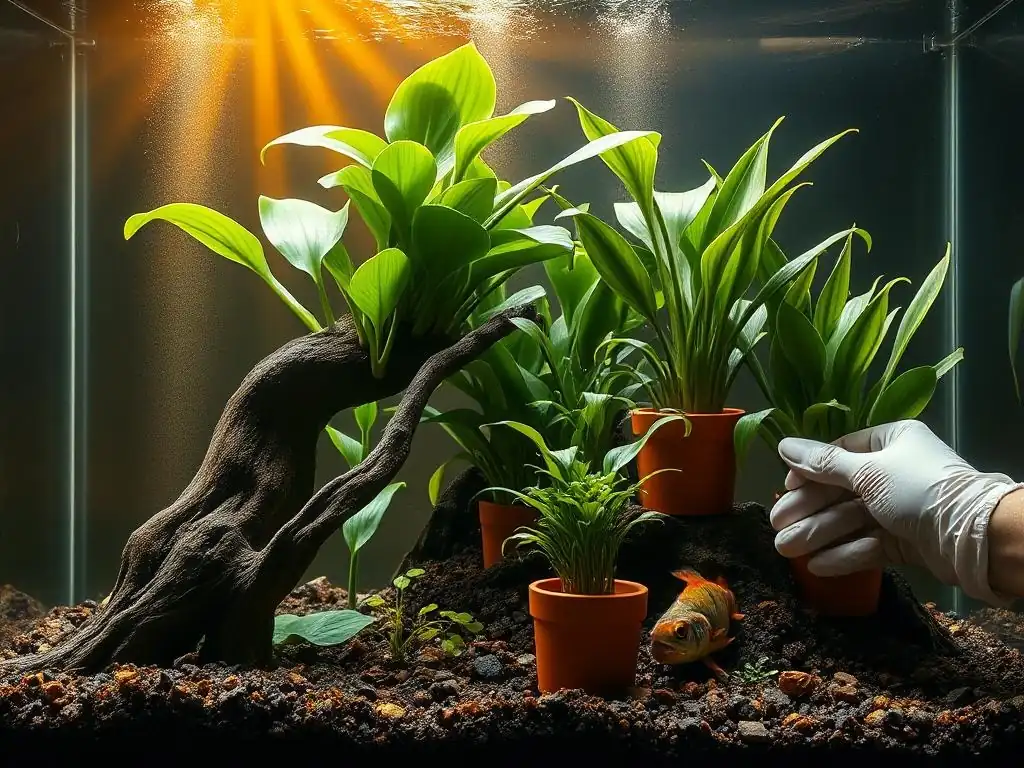
Ever wondered how to achieve that lush, vibrant aquascape you've always dreamed of? Our comprehensive guide on Stem Plant Trimming & Replanting unlocks the secrets to dense, healthy growth. Discover proven techniques and expert tips to transform your aquarium into a stunning underwater paradise. Ready to take your aquascaping skills to the next level? Let's dive in and explore the art of propagation!
- Introduction to Stem Plant Propagation: Achieving Lush Aquarium Growth
- Essential Tools and Preparation for Stem Plant Trimming
- Step-by-Step Guide to Trimming Stem Plants for Optimal Growth
- Replanting Stem Cuttings: Creating a Thriving Aquascape
- Maximizing Growth and Density: Post-Trimming Care and Maintenance
- Troubleshooting Common Issues with Stem Plant Trimming and Replanting
- Advanced Techniques for Stem Plant Propagation and Aquascaping
- Conclusion: Mastering Stem Plant Trimming and Replanting for a Beautiful Aquarium
- Frequently Asked Questions
- Final Reflection: Cultivating Growth, Rooting Resilience
- Unleash the Lushness: Transform Your Aquarium Today!
Introduction to Stem Plant Propagation: Achieving Lush Aquarium Growth
Understanding Stem Plants and Their Growth Habits in Aquariums
Stem plants, such as Rotala, Ludwigia, Hygrophila, and Myriophyllum, are characterized by their growth along a central stem from which leaves and side shoots emerge. Unlike rosette or carpeting plants, they exhibit apical dominance, meaning their primary growth occurs from the tip (apex) of the main stem, pushing upwards towards the light source. Under optimal conditions, these plants can grow quite rapidly, with some fast-growing species like Rotala rotundifolia capable of adding 1-2 inches in height per week, often reaching the water surface within a few weeks.
This upward growth habit means that without intervention, stem plants can quickly become leggy, with sparse lower leaves that may eventually melt due to insufficient light penetration. Their natural tendency is to grow tall and thin, rather than bushy. Understanding this fundamental growth pattern is crucial for successful stem plant trimming replanting and achieving the desired dense, lush aesthetic in a planted aquarium.
Why Trimming and Replanting is Crucial for Dense Plant Growth
The primary reason for regular stem plant trimming replanting is to encourage lateral branching and create a bushier, more compact plant. When the apical tip of a stem plant is cut, the plant's natural hormones (auxins) that suppress side shoot development are reduced, prompting the plant to divert energy to dormant nodes lower down the stem. This results in the emergence of multiple new shoots, transforming a single, tall stem into a dense cluster of foliage.
Furthermore, replanting the trimmed tops is an effective and economical method of propagation. Each healthy top cutting, when properly prepared and replanted, has the potential to develop into a new, independent plant. This process allows aquarists to rapidly increase their plant mass, fill in empty spaces, or create intricate aquascapes without needing to purchase additional plants, making it a cornerstone of maintaining a vibrant freshwater planted tank.
The Benefits of Regular Stem Plant Maintenance in Freshwater Aquariums
Regular maintenance through stem plant trimming replanting offers numerous benefits beyond just aesthetics. A dense, healthy plant mass actively absorbs excess nitrates, phosphates, and other nutrients from the water column, thereby outcompeting nuisance algae for these resources. This significantly contributes to a cleaner, more stable aquarium environment, reducing the frequency of aggressive algae outbreaks. For instance, a tank with a robust plant biomass can often maintain nitrate levels below 10 ppm, even with a moderate fish load, whereas unplanted tanks might see levels exceeding 20-30 ppm.
Moreover, a well-maintained, lush growth of stem plants provides essential shelter and hiding spots for aquarium inhabitants, including fish, shrimp, and fry. This natural cover reduces stress for the livestock and can even encourage breeding in certain species. The increased photosynthetic activity from a large, healthy plant population also contributes to higher dissolved oxygen levels in the water, further enhancing the well-being of the aquatic ecosystem.
Essential Tools and Preparation for Stem Plant Trimming
Gathering the Necessary Tools: Scissors, Tweezers
Successful stem plant trimming replanting hinges on having the right tools. High-quality aquatic plant scissors are indispensable. They typically come in two main forms: straight scissors, ideal for general trimming of plants in open areas and for making clean cuts on thicker stems, and curved scissors, which are excellent for precise cuts in tight spaces, around hardscape, or for shaping plant bushes.
It is crucial to invest in sharp, stainless steel scissors to ensure clean cuts that minimize damage to plant tissue, preventing potential melt or disease. A decent pair of specialized aquatic plant scissors can range from $15 to $40, but their durability and precision are well worth the investment.
Equally important are long-handled tweezers. These tools are vital for gently grasping and inserting stem cuttings into the substrate without disturbing established plants or the substrate itself. Straight tweezers are versatile for most planting tasks, while curved tweezers offer superior maneuverability for placing delicate cuttings in awkward angles or densely planted areas. They allow for accurate placement, ensuring that the base of the cutting is firmly anchored, which is critical for successful rooting and overall plant health.
Preparing Your Aquarium for Stem Plant Maintenance: Partial Water Changes
Before embarking on extensive stem plant trimming replanting, it is highly advisable to perform a partial water change. Lowering the water level by approximately 25-30% of the tank's volume provides easier access to the plants, especially those in the background or midground, making trimming more comfortable and precise. This also allows for better visibility, reducing the chances of accidental damage to other plants or tank inhabitants.
Furthermore, trimming plants can release some organic matter, plant sap, and detritus into the water column, which could temporarily impact water quality. Performing a water change immediately before or after the trimming session helps to dilute these substances and maintain stable water parameters. It ensures that any released nutrients are quickly removed, minimizing the risk of a post-trimming nutrient spike that could potentially fuel an algae bloom, thus setting the stage for healthy regrowth.
Choosing the Right Time for Trimming and Replanting Stem Plants
The optimal time for stem plant trimming replanting is when your plants show clear signs of needing it. This often includes stems reaching or breaking the water surface, lower leaves yellowing or melting due to light deprivation, or the overall plant mass becoming overly dense and shading out other plants. For fast-growing species like Rotala rotundifolia or Hygrophila polysperma, this might be as frequent as every 2-3 weeks under high-tech conditions. Slower-growing stem plants, such as some Ludwigia varieties, might only require trimming every 4-6 weeks.
It's generally best to integrate trimming into your regular aquarium maintenance schedule, perhaps during your weekly or bi-weekly water change day. Avoid trimming extensively if your fish are showing signs of stress or if the tank has recently undergone significant changes (e.g., new fish introduction, major hardscape rearrangement), as this can add unnecessary stress to the ecosystem. A consistent schedule helps maintain a balanced environment and predictable plant growth.
Step-by-Step Guide to Trimming Stem Plants for Optimal Growth
Identifying the Correct Cutting Points on Your Stem Plants
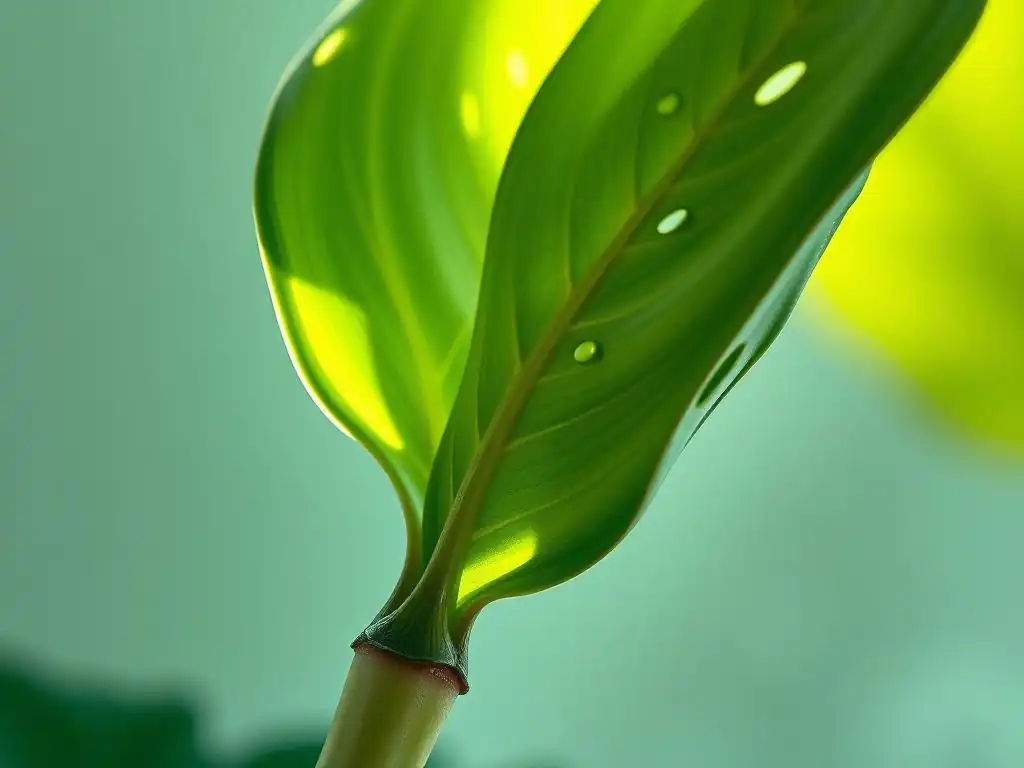
The key to effective stem plant trimming replanting for dense growth lies in identifying the precise cutting points. For the portion of the plant remaining in the substrate, make your cut just above a node – the point on the stem where leaves emerge or where new side shoots are likely to form. Cutting just above a node encourages the plant to branch out from that point, leading to a bushier appearance. If you cut between nodes, the remaining stem portion may struggle to produce new growth or could even rot back.
For the portion you intend to replant, ensure it has at least 3-4 healthy nodes, preferably with a few leaves attached. This provides enough stored energy and surface area for photosynthesis to support root development and new growth once planted. For example, if you have a 10-inch Ludwigia repens stem, you might cut it at 6 inches from the substrate, leaving the bottom 6 inches to branch, and taking the top 4 inches as a viable cutting for propagation.
Performing the Trim: Clean Cuts for Healthy Regrowth
Once the cutting point is identified, use sharp aquatic plant scissors to make a clean, swift cut. A clean cut minimizes damage to the plant's vascular system, allowing for faster healing and reducing the risk of bacterial or fungal infections. Avoid using dull scissors or tearing the stem, as this can crush plant cells, leading to brown or mushy ends that are prone to melting or slow regrowth.
For most stem plants, a straight cut is sufficient. Some aquascapers prefer a slight angle on the cut to theoretically increase the surface area for healing and prevent detritus from settling directly on the wound, though the practical benefits are often minimal for robust stem species. The priority is always a sharp, decisive cut to promote vigorous new growth from the trimmed stem and healthy rooting in the replanted top.
Different Trimming Techniques for Different Stem Plant Species
While the basic principle of stem plant trimming replanting remains consistent, specific techniques can be adapted for different species or desired aquascape effects.
- Topping: The most common method, involves cutting off the upper portion of the stem for replanting, leaving the lower portion to produce side shoots. This is ideal for most fast-growing stem plants like Rotala species, Cabomba, and Myriophyllum, allowing them to form dense bushes.
- Side Shooting/Pinching: For plants where you want to encourage bushiness from the very beginning, you can pinch or trim off just the very tip of the main stem, even when it's short. This immediately promotes lateral branching without removing significant plant mass.
- Staggered Trimming: Instead of cutting all stems to the same height, vary the cutting points within a group of plants. This creates a more natural, undulating appearance, adding depth and visual interest to the aquascape. For instance, in a large bush of Rotala H'ra, you might trim some stems at 4 inches, others at 6 inches, and some at 8 inches, encouraging varied growth patterns.
- Aggressive Trimming: For very dense, carpet-like growth from stem plants (e.g., Rotala mini species), you can trim them very low, sometimes just 1-2 inches above the substrate. This forces them to branch extensively and stay compact, forming a thick mat over time. This technique often requires strong lighting and CO2.
Replanting Stem Cuttings: Creating a Thriving Aquascape
Preparing Stem Cuttings for Replanting: Removing Lower Leaves
Once you have your fresh stem cuttings, the next crucial step in stem plant trimming replanting is preparing them for insertion into the substrate. Gently remove the leaves from the bottom 1-2 inches of each cutting. These leaves, if buried, would inevitably rot due to lack of light and oxygen, potentially releasing harmful organic compounds into the water and fostering bacterial growth around the newly forming roots.
To remove the leaves, you can either gently pluck them off by hand, ensuring not to tear the stem, or carefully use small, sharp scissors to snip them close to the stem. The goal is to create a bare stem section that can be easily and cleanly buried in the substrate, allowing for direct contact between the stem and the nutrient-rich medium, which is essential for successful rooting.
The Ideal Substrate for Rooting Stem Plant Cuttings
The choice of substrate plays a significant role in the success of rooting stem plant cuttings. A nutrient-rich substrate, such as specialized aquasoil or a layered substrate with a nutrient-rich base layer topped with inert gravel, provides essential macro and micronutrients directly to the developing roots. These substrates typically contain a balanced blend of minerals like iron, potassium, and trace elements that are crucial for initial growth. For example, a high-quality aquasoil can provide a consistent release of nutrients for 12-24 months, significantly boosting plant health.
If using an inert substrate like sand or fine gravel, it is imperative to supplement with liquid fertilizers or root tabs to provide the necessary nutrients. Regardless of the type, a substrate depth of at least 2-3 inches (5-7.5 cm) is recommended to ensure secure anchoring of the cuttings and ample space for root development. Finer grain sizes (e.g., 1-3mm) are generally preferred over coarse gravel as they allow for better root penetration and nutrient exchange.
Replanting Techniques: Spacing and Placement for Dense Growth
With your prepared cuttings and ideal substrate, it's time for replanting. Use your long-handled tweezers to gently grasp the stem cutting just above the bare section. Carefully insert the cutting deep into the substrate, ensuring that at least 1-2 nodes are buried. When removing the tweezers, gently wiggle them out to avoid pulling the cutting back up. For stability, you can also gently push some substrate around the base of the newly planted stem with the tweezers.
For achieving dense growth, the spacing of your cuttings is critical. For species like Rotala, planting cuttings relatively close together, perhaps 0.5-1 inch apart, will encourage them to grow into a compact bush. For a more natural, less uniform look, or for larger species, spacing them slightly further apart (e.g., 1.5-2 inches) might be appropriate. Planting cuttings in small groups of 3-5 stems, rather than single stems, often creates a more aesthetically pleasing and natural-looking cluster that quickly fills in to create a lush effect.
Maximizing Growth and Density: Post-Trimming Care and Maintenance
Optimizing Lighting for Stem Plant Growth After Trimming
After stem plant trimming replanting, optimizing lighting is paramount for encouraging rapid growth and density. Photosynthesis is the engine of plant growth, and light provides the energy. For moderate growth in a planted tank, a Photosynthetically Active Radiation (PAR) level of 30-50 PAR at the substrate level is generally sufficient. However, for fast-growing stem plants and to achieve truly dense growth, especially after significant trimming, aiming for 50-80+ PAR is often beneficial, particularly in CO2-injected setups.
The photoperiod, or duration of light exposure, is also important. An 8-10 hour photoperiod per day is typically optimal. Excessive light duration (e.g., 12+ hours) can stress plants and encourage algae growth, especially in tanks undergoing significant plant mass changes. For new cuttings, consider a slightly reduced photoperiod (e.g., 7-8 hours) for the first week to allow them to establish without being overwhelmed by light, gradually increasing it as they show signs of new growth.
Nutrient Management: Fertilizing for Lush and Healthy Stem Plants
Stem plants are generally heavy feeders, and consistent nutrient management is crucial for their lush and healthy growth, especially after stem plant trimming replanting. They require a balanced supply of both macronutrients (Nitrogen, Phosphorus, Potassium - NPK) and micronutrients (Iron, Magnesium, Manganese, Boron, Zinc, Copper, Molybdenum). Liquid fertilizers dosed regularly (e.g., daily or every other day) are highly effective in providing these nutrients directly to the water column where stem plants can readily absorb them through their leaves and newly forming roots.
A common dosing strategy for a 50-gallon high-tech planted tank might involve maintaining nitrate levels between 5-15 ppm, phosphates at 0.5-1.5 ppm, and potassium at 10-20 ppm, along with a comprehensive micronutrient mix. Many aquarists follow the Estimative Index (EI) method, which involves dosing high levels of all nutrients to ensure nothing is limiting, followed by a large weekly water change (50%) to reset parameters. Monitoring plant health and adjusting dosing based on observed deficiencies or excesses is key to long-term success.
CO2 Injection: Enhancing Growth Rates in Planted Aquariums
Carbon dioxide (CO2) is arguably the most critical nutrient for rapid and dense growth in aquatic plants, particularly for fast-growing stem plants. Injected CO2 significantly boosts the rate of photosynthesis, allowing plants to grow much faster, develop stronger stems, and exhibit more vibrant coloration. Aiming for a CO2 concentration of 25-35 ppm in the water during the light cycle is generally considered optimal for most planted aquariums. This can be monitored using a CO2 drop checker, which changes color based on the CO2 level.
The benefits of CO2 injection are profound: plants grow more robustly, outcompete algae more effectively for available nutrients, and can bounce back more quickly after stem plant trimming replanting. For a 50-gallon tank, a typical CO2 bubble count might range from 2-4 bubbles per second, adjusted based on the drop checker's reading and the tank's pH. Consistent CO2 supply during the entire photoperiod is vital; fluctuations can stress plants and promote algae.
Troubleshooting Common Issues with Stem Plant Trimming and Replanting
Identifying and Addressing Nutrient Deficiencies in Stem Plants
Even with regular stem plant trimming replanting, nutrient deficiencies can occur, manifesting in specific symptoms:
- Nitrogen (N) Deficiency: Characterized by overall yellowing or paling of older leaves, stunted growth, and sometimes smaller new leaves. The plant reallocates nitrogen from older leaves to new growth.
- Phosphorus (P) Deficiency: Symptoms include dark green leaves, stunted growth, and sometimes a purplish tint on leaves.
- Potassium (K) Deficiency: Often presents as pinholes, yellowing, or necrosis (tissue death) on older leaves, starting from the edges or tips.
- Iron (Fe) Deficiency: Primarily affects new growth, causing yellowing (chlorosis) of the youngest leaves, often between the veins, while the veins remain green.
- Magnesium (Mg) Deficiency: Similar to iron, but typically affects older leaves, showing yellowing between veins.
To address these, identify the specific symptom and supplement with the deficient nutrient. Regular water testing (e.g., for nitrates, phosphates) can help pinpoint macronutrient deficiencies. For micronutrients, a comprehensive liquid fertilizer containing all trace elements is usually sufficient. For instance, if nitrates consistently read below 5 ppm, increase nitrate dosing until levels are stable within the 5-15 ppm range.
Preventing Algae Growth After Trimming and Replanting
Stem plant trimming replanting can sometimes trigger temporary imbalances in the aquarium, making it susceptible to algae outbreaks. This is because plants may release some organic compounds, and new cuttings are initially less efficient at nutrient uptake. Algae thrive on excess nutrients and light.
- Consistent Water Changes: Perform regular partial water changes (e.g., 25-30% weekly) to remove excess nutrients and organic waste.
- Balanced Nutrient Dosing: Ensure your fertilization regimen is balanced. Both nutrient deficiencies and excesses can lead to algae. Avoid over-dosing, especially phosphates and nitrates, if you don't have enough plant mass to utilize them.
- Stable CO2: Maintain consistent CO2 levels (25-35 ppm) during the entire photoperiod. Fluctuating CO2 is a major trigger for algae.
- Appropriate Lighting: Avoid excessive light intensity or duration. If algae appears after trimming, consider slightly reducing your photoperiod (e.g., from 10 hours to 8 hours) for a week or two.
- Manual Removal: Physically remove any visible algae during your maintenance routine. Using an algae scraper or a toothbrush for hard-to-reach areas can be effective.
Dealing with Plant Melt and Decay in New Cuttings
It is common for newly planted stem cuttings, especially those that were grown emersed (out of water) before being submerged, to experience a period of "melt." This is where leaves turn translucent, mushy, or decay as the plant adapts to its new aquatic environment. This adaptation phase typically lasts for the first 1-2 weeks. While it can be alarming, it's often a natural process as the plant sheds its emersed-grown leaves and develops new, submersed-adapted foliage.
To minimize melt and promote recovery:
- Promptly Remove Decaying Leaves: Regularly remove any melting or decaying leaves from the tank. This prevents them from polluting the water and contributing to ammonia spikes.
- Ensure Stable Parameters: Maintain consistent water parameters, including temperature, pH, and hardness.
- Optimize CO2 and Nutrients: Ensure adequate CO2 injection and a balanced nutrient supply. These are crucial for the plant to quickly establish and push out new growth.
- Patience: Most healthy cuttings will push new, robust growth from their nodes after the initial melt phase. If melt is severe and persistent beyond 2-3 weeks, reassess your lighting, CO2, and nutrient levels, as these are usually the underlying causes.
Advanced Techniques for Stem Plant Propagation and Aquascaping
Creating Bushy Growth: Strategic Trimming for Desired Shapes
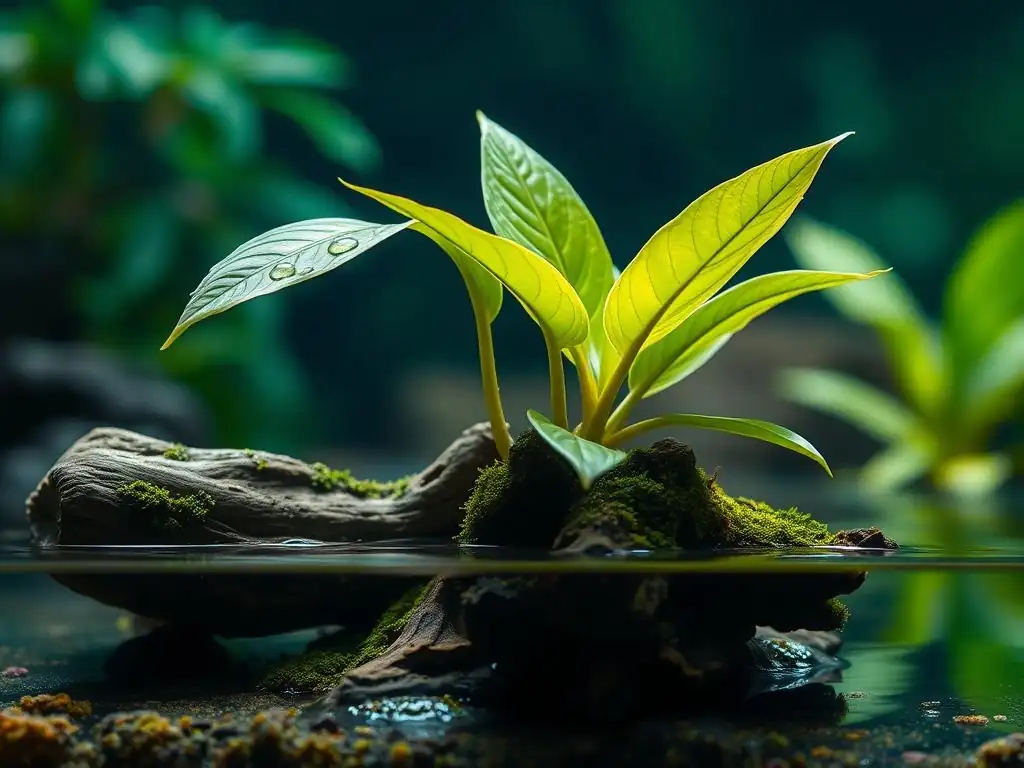
Beyond basic stem plant trimming replanting, advanced aquascapers employ strategic trimming to achieve specific shapes and densities. To create a truly bushy appearance, repeatedly "top" the stem plants once they reach your desired height. Instead of letting them grow tall, cut the main stem just 1-2 inches above the intended final height. This forces the plant to continuously branch out from the lower nodes, leading to an incredibly dense and compact bush. For instance, a group of Rotala H'ra can be trimmed weekly, removing the top 20-30% of their mass, to create a vibrant, tightly packed red bush.
Another technique is "hedging," where a mass of stem plants is trimmed uniformly to create a wall or a defined shape, similar to terrestrial garden hedges. This requires frequent, precise trimming (often bi-weekly) to maintain the desired contours and prevent any stems from growing out of alignment. This method is crucial for Dutch-style aquascapes, where plants are meticulously shaped to form distinct blocks of color and texture.
Propagating Rare and Delicate Stem Plant Varieties
Propagating rare or delicate stem plant varieties often requires a higher level of precision and environmental control. Species like Rotala macrandra 'Green Narrow Leaf' or Ammania gracilis can be more sensitive to fluctuations in water parameters, CO2 levels, or nutrient availability. When propagating these, ensure the parent plant is in peak health before taking cuttings. Smaller cuttings might be more prone to melt or slow establishment, so taking slightly larger, more robust cuttings (e.g., 5-6 nodes) can increase success rates.
Consider using a dedicated propagation box or a small, stable "holding" tank with optimized conditions (high CO2, rich substrate, stable nutrients) for these sensitive varieties. This allows them to root and establish without the competition or disturbances of a main display tank. Some aquascapers even employ methods like "dry start" propagation for delicate species, where cuttings are rooted in a high-humidity environment before being submerged.
Using Stem Plants to Create Stunning Aquascapes
Stem plants are the backbone of many stunning aquascapes, offering unparalleled versatility in creating depth, perspective, and vibrant splashes of color. Through strategic stem plant trimming replanting, they can be utilized as:
- Background Plants: Taller varieties like Rotala wallichii, Limnophila aquatica, or Hygrophila corymbosa can form lush, dense backdrops, providing a sense of depth and framing the hardscape.
- Midground Bushes: Medium-height stem plants such as Ludwigia repens, Rotala rotundifolia, or Alternanthera reineckii can be repeatedly trimmed to create colorful, compact bushes that serve as focal points or transition elements.
- Foreground Accents: Some smaller or aggressively trimmed stem plants (e.g., Rotala 'Bonsai', Pogostemon helferi) can even be used as foreground accents, though this requires very frequent and precise trimming to maintain their compact size.
By varying the heights, colors, and textures of different stem plant species, aquascapers can design intricate layouts, from the formal, plant-heavy Dutch aquascape to more naturalistic Iwagumi or Nature Aquarium styles. The ability to propagate and shape these plants through consistent stem plant trimming replanting allows for continuous evolution and refinement of the aquascape over time.
Conclusion: Mastering Stem Plant Trimming and Replanting for a Beautiful Aquarium
Key Takeaways for Successful Stem Plant Propagation
Mastering stem plant trimming replanting is an essential skill for any aquarist aiming to cultivate a dense, vibrant, and healthy planted aquarium. The journey begins with understanding the unique apical growth habit of stem plants and recognizing that regular intervention is necessary to encourage bushiness and prevent leggy growth. The core principles for success include:
- Regular Trimming: Consistently cutting the main stem just above a node promotes prolific side branching, leading to a fuller plant.
- Effective Propagation: Replanting the healthy top cuttings allows for rapid and cost-effective multiplication of your plant mass.
- Proper Tools: Sharp, clean aquatic scissors and tweezers are indispensable for precise cuts and gentle planting, minimizing plant stress.
- Optimal Environment: Providing adequate lighting (e.g., 50-80+ PAR), consistent CO2 injection (25-35 ppm), and a balanced nutrient regimen (macro and micronutrients) are non-negotiable for robust growth.
- Patience and Observation: Understanding that plants need time to adapt and being able to identify and address common issues like nutrient deficiencies or melt are crucial for long-term success.
Further Resources for Learning About Aquatic Plant Care
For those passionate about furthering their knowledge in aquatic plant care and mastering stem plant trimming replanting techniques, a wealth of information is available. Explore reputable aquatic plant forums and online communities, where experienced aquarists share their insights, troubleshoot common issues, and showcase their stunning aquascapes. These platforms often provide practical advice based on real-world experience, offering solutions to specific challenges you might encounter.
Additionally, consult detailed care sheets for specific plant species, often found on dedicated aquascaping websites or in specialized aquatic plant books. These resources provide in-depth information on ideal lighting, CO2 requirements, nutrient preferences, and specific trimming methods for individual stem plant varieties. Continuous learning and experimentation are key to evolving your skills and achieving the beautiful, lush planted aquarium you envision.
Frequently Asked Questions
How often should I trim my stem plants in my aquarium?
Trimming frequency depends on the growth rate of your plants and your desired aesthetic. Generally, trim every 1-2 weeks to maintain shape and encourage denser growth.
Where exactly should I cut the stem when trimming?
Cut the stem just above a leaf node. This encourages new shoots to grow from that point, leading to a bushier appearance.
What do I do with the trimmings after I've cut them?
You can replant the healthy trimmings! Simply remove the bottom leaves and gently push the stem into the substrate to create new plants.
Will trimming my stem plants hurt the existing plants?
No, trimming is beneficial! It encourages new growth and prevents the plants from becoming leggy and blocking light to lower plants.
How deep should I plant the trimmings when replanting them?
Plant them deep enough to stay anchored, usually around 1-2 inches into the substrate. Avoid burying them too deep, which could cause them to rot.
Final Reflection: Cultivating Growth, Rooting Resilience
The techniques explored in this guide, from precise trimming to strategic replanting, are not merely about horticultural practices; they represent a broader philosophy of nurturing potential and fostering renewal. Just as we prune and propagate stem plants to achieve denser, more vibrant growth, we can apply these principles to other aspects of our lives, cultivating resilience and creating opportunities for new beginnings.
The art of stem plant propagation, with its emphasis on careful observation and patient intervention, mirrors the delicate balance required in many of our endeavors. This process has reminded me of the power of intentional action and the beauty of seeing new life emerge from what was once considered a discarded cutting. The greatest glory in living lies not in never falling, but in rising every time we fall.
- Nelson Mandela. This quote perfectly encapsulates the spirit of replanting – giving a second chance, fostering renewed growth, and ultimately, creating something even more beautiful.
Now, consider the lessons learned from this guide and apply them to your own life. What areas need pruning? What dormant potential can be replanted and nurtured? Embrace the principles of stem plant propagation – the careful trimming away of the unnecessary, the strategic replanting of potential, and the unwavering commitment to cultivating growth – and watch as your own life flourishes with newfound density and vibrancy.
Unleash the Lushness: Transform Your Aquarium Today!
Thanks for diving into the world of stem plant propagation! We hope you've found some inspiring ways to achieve a thriving, dense aquascape. Now, it's time to put that knowledge into action and witness the magic unfold in your own aquarium!
Here's how you can take the next steps:
- Start Trimming! Don't wait, select your healthiest stem plants and perform your first trim to encourage new growth and branching. Remember the tips we shared and observe the results.
- Share your aquascaping journey! Post before-and-after photos of your trimmed plants on social media using #AquariumMastery, inspiring others and showcasing your skills.
- Explore Uncommon Varieties: Visit your local fish store or browse online for lesser-known stem plants to introduce unique textures and colors to your tank.
Ready to share which stem plant you're most excited to propagate and why?