
The Art of Trimming and Replanting: Aquascaping with Propagation in Mind

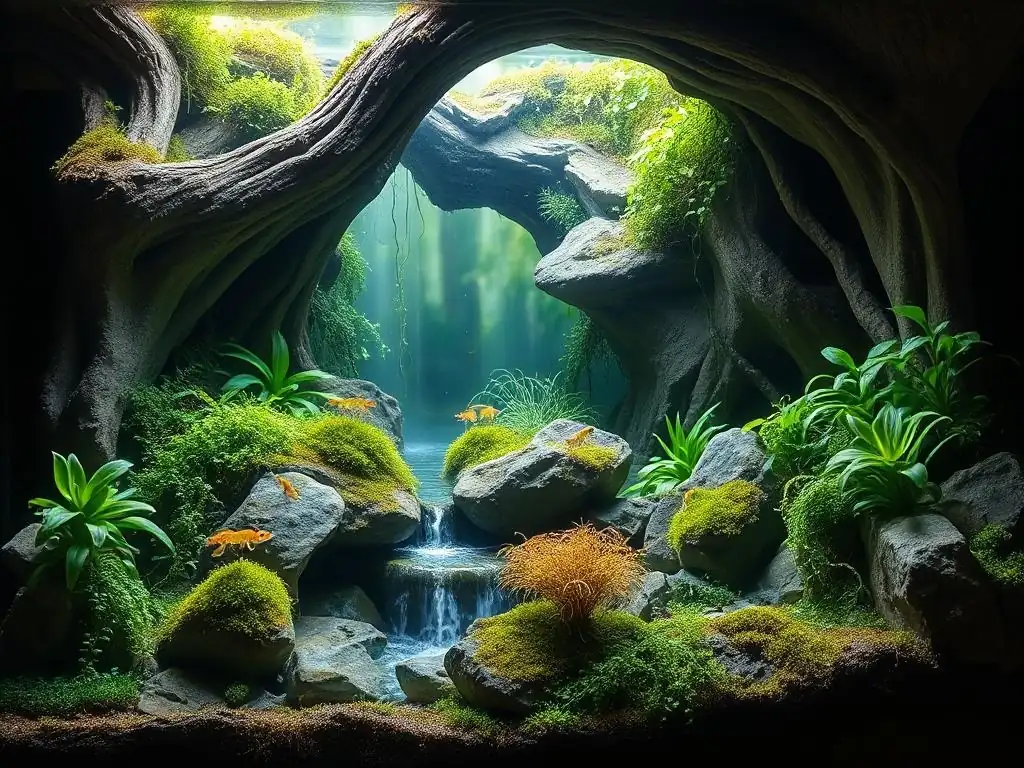
Welcome to Aquarium Mastery!
Ever wondered how to transform a single aquatic plant into a lush, thriving underwater landscape? Dive into "The Art of Trimming and Replanting: Aquascaping with Propagation in Mind," your definitive Aquascaping propagation techniques guide. Discover the secrets to multiplying your aquatic plants and creating breathtaking aquascapes – it's easier than you think! Ready to unlock the potential of your planted aquarium?
- Aquascaping with Propagation: Creating a Self-Sustaining Ecosystem
- Introduction to Aquatic Plant Propagation
- Effective Trimming Techniques for Propagation
- Replanting and Establishing New Plants
- Aquascape Design for Propagation
- Advanced Propagation Techniques
- Troubleshooting Propagation Challenges
- Aquascaping Examples Focused on Propagation
- Maximizing Growth and Aesthetics Through Propagation
- Conclusion: Cultivating a Thriving Aquarium Through Propagation
-
Frequently Asked Questions
- How does aquascaping propagation enhance my aquarium's aesthetic appeal?
- What are some common propagation techniques useful for aquascaping?
- Which aquarium plants are best suited for propagation in aquascaping?
- How often should I trim and propagate my aquascaping plants?
- What are some potential pitfalls to avoid when propagating plants in aquascaping?
- Final Reflection: Cultivating Growth, Rooted in Vision
- Elevate Your Aquascape: Propagate & Prosper!
Aquascaping with Propagation: Creating a Self-Sustaining Ecosystem
Introduction to Aquatic Plant Propagation
The Relationship Between Trimming and Propagation
Trimming is often perceived solely as a maintenance task to control plant growth and maintain the aesthetic form of an aquascape. However, it serves a far more critical role as the foundational step for most aquatic plant propagation techniques.
When a stem plant, for instance, is cut, the severed portion, if healthy, can be replanted to grow into a new individual, while the remaining mother plant often responds by producing new side shoots, leading to denser growth. This natural physiological response, where apical dominance is broken, encourages lateral branching and the development of multiple new growth points from the nodes below the cut.
This symbiotic relationship between trimming and propagation allows aquarists to not only manage the visual appeal of their tank but also to actively multiply their plant stock. For example, a single stem of Rotala rotundifolia trimmed by 50% can typically generate 2-3 new lateral shoots within a week, providing a continuous source of material for replanting or sharing. Understanding this dynamic is crucial for any aquarist aiming to create a self-sustaining and vibrant planted aquarium.
Benefits of Planning for Propagation
Planning for propagation from the outset offers numerous advantages for the aquascaper. Primarily, it provides a sustainable and cost-effective method for populating an aquarium, eliminating the need for continuous purchases of new plants. This can lead to significant savings; a single healthy Vallisneria spiralis mother plant, for instance, can produce 5-10 runners over a few months, potentially filling a 30-gallon tank's background without additional expenditure.
Beyond financial benefits, integrating aquascaping propagation techniques into your routine ensures a continuous supply of healthy, adapted plant material. It allows for the rapid filling of empty spaces, the creation of dense carpeting, and the maintenance of a dynamic, evolving aquascape. Furthermore, by regularly removing older, less vigorous growth and replacing it with new, actively growing cuttings, the overall health and vitality of the planted tank are significantly improved, contributing to a more balanced and stable aquatic ecosystem.
Effective Trimming Techniques for Propagation
Identifying Suitable Plants: Stem, Rhizome, and Rosette Varieties
Successful aquascaping propagation techniques hinge on understanding the growth habits of different aquatic plants. The vast majority of aquarium plants fall into three primary categories suitable for propagation: stem plants, rhizome plants, and rosette plants. Stem plants, such as Rotala, Ludwigia, and Hygrophila, are characterized by a central stem with leaves emerging from nodes, making them ideal for propagation through simple stem cuttings.
Rhizome plants, including Anubias and Microsorum (Java Fern), grow from a horizontal stem (rhizome) from which leaves and roots emerge. Propagation involves dividing this rhizome, ensuring each new section has leaves and roots. Rosette plants, like Echinodorus (Swords) and Cryptocoryne, form a cluster of leaves emerging from a central crown, often propagating via runners or adventitious plantlets.
Over 80% of commonly available aquarium plants can be propagated using variations of these methods. For instance, Rotala indica can be propagated from cuttings as short as 3 inches, while Anubias barteri rhizome divisions should be at least 2 inches long with 3-4 leaves for optimal success.
Selecting Appropriate Aquascaping Tools
The success of aquascaping propagation techniques is greatly influenced by the quality and type of tools used. Sharp, dedicated aquascaping scissors (straight or curved) are indispensable for making clean cuts, which are crucial for plant health and successful propagation. Dull tools can crush plant tissue, leading to cellular damage that increases the risk of bacterial infection and rot by up to 40% compared to a precise, clean cut. This can severely hinder the plant's ability to recover and form new roots or shoots.
Additionally, long-handled tweezers are essential for planting delicate cuttings deep into the substrate without disturbing the surrounding aquascape. Wave scissors are particularly useful for trimming dense carpets or large groups of stem plants with ease. Always ensure your tools are made of high-quality stainless steel to prevent corrosion in water and are thoroughly cleaned and sterilized before and after each use to prevent the transfer of algae or pathogens between plants or tanks.
Trimming and Propagation Methods for Different Plant Types
Propagating Rotala Species from Stem Cuttings
Propagating Rotala species, like Rotala rotundifolia or Rotala macrandra, is one of the simplest and most effective aquascaping propagation techniques. Begin by identifying healthy, mature stems that are at least 6-8 inches long. Using sharp aquascaping scissors, cut the stem just below a node (the point where leaves emerge) to ensure the cutting has a good chance of developing roots. The ideal length for a cutting is typically 4-6 inches, ensuring it has at least three distinct nodes.
Once cut, carefully remove the leaves from the bottom 1-2 inches of the stem to expose the nodes. These exposed nodes are where new roots will primarily emerge. Gently insert the prepared cutting into the substrate, burying at least 1-2 inches of the stem to provide stability and access to nutrients. Within 5-7 days, new root development should be visible, and the cutting will begin to establish itself as a new, independent plant.
Dividing Anubias Rhizomes for Propagation
Anubias species, such as Anubias nana or Anubias barteri, are rhizome plants and require a different approach for propagation. Unlike stem plants, the rhizome (the thick, horizontal stem from which leaves and roots grow) should never be buried in the substrate, as this can lead to rot. To propagate, carefully remove the Anubias plant from its current attachment (if any) and identify a healthy, mature rhizome.
Using a sharp, sterile blade or scissors, cut the rhizome into sections. Each section must contain at least 2-3 healthy leaves and a portion of the rhizome that is approximately 1.5-2 inches long. These new rhizome sections can then be attached to hardscape elements like driftwood or rocks using fishing line, cotton thread, or a small dab of aquarium-safe super glue. New root growth from the rhizome sections is typically observed within 2-3 weeks, firmly anchoring the new plant to its chosen surface.
Cultivating Echinodorus Plantlets from Runners
Rosette plants like Echinodorus (Amazon Swords) and Vallisneria commonly propagate via runners, making this a straightforward aquascaping propagation technique. Echinodorus species send out long stolons, or runners, from the base of the mother plant. Along these runners, small daughter plantlets will begin to form, initially developing tiny leaves and then a root system.
Allow these plantlets to develop sufficiently on the runner, typically until they have 3-4 leaves and a small root system that is at least 0.5-1 inch long. Once the plantlet is well-formed and capable of independent growth, use sharp scissors to carefully cut the runner, detaching the daughter plant from the mother. The newly separated plantlet can then be gently planted into the substrate in its desired location. A single healthy Echinodorus mother plant can produce 10-15 plantlets monthly under optimal conditions, providing a continuous supply for expanding your aquascape.
Replanting and Establishing New Plants
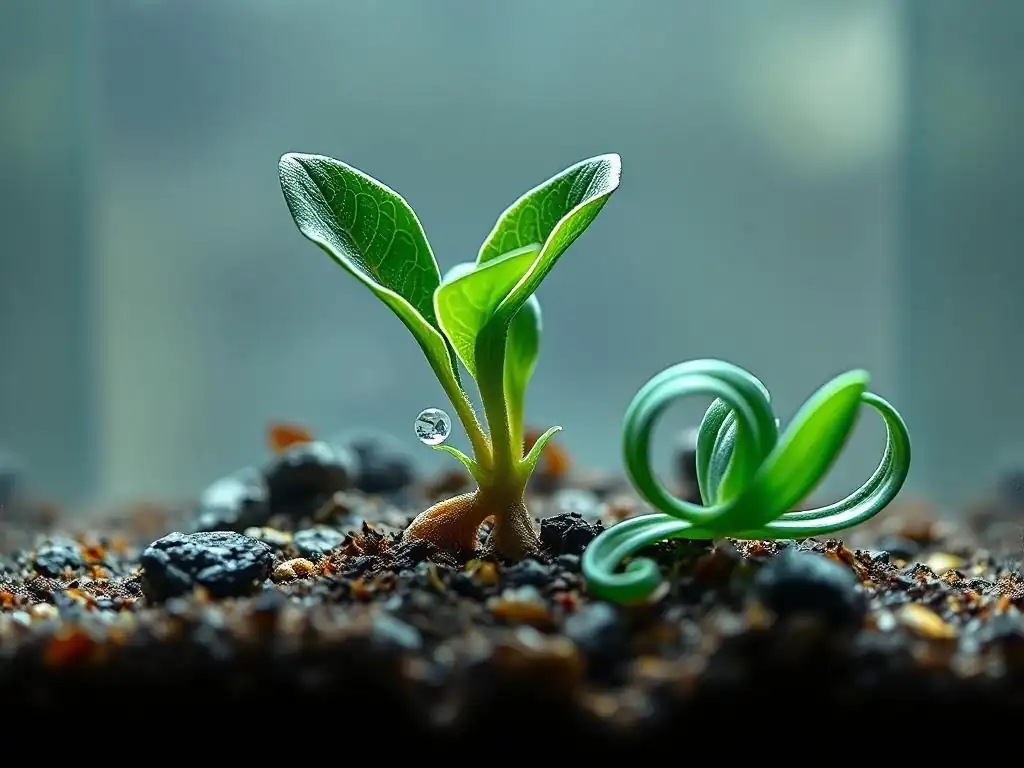
Substrate Preparation for Plant Cuttings
The successful establishment of new plant cuttings relies heavily on proper substrate preparation. A nutrient-rich substrate is paramount for providing the essential macronutrients (nitrogen, phosphorus, potassium) and micronutrients that young plants need for initial root development and robust growth. Substrates like Aqua Soil or nutrient-rich gravels can significantly increase root development speed by 20-30% compared to inert sand, offering a vital head start to vulnerable cuttings.
Furthermore, the texture of the substrate plays a crucial role. A fine-grained substrate, with particles typically ranging from 1-3mm, allows for easier penetration by delicate roots and provides better anchorage for cuttings, preventing them from floating to the surface. Before planting, ensure the substrate is adequately moistened and leveled to facilitate precise placement and immediate access to nutrients, setting the stage for strong, healthy root systems.
Securing Cuttings for Root Development
Once prepared, properly securing cuttings is vital to ensure their successful root development and establishment. For stem plants, the most common method is to plant them deep enough into the substrate. Burying at least 1-2 inches of the stem, particularly focusing on the nodes where roots emerge, helps to prevent the cutting from floating away and provides firm anchorage. This method can reduce the time for strong anchoring by 3-5 days compared to shallow planting. For particularly buoyant or delicate cuttings, small plant weights or planting them next to a piece of hardscape can offer additional stability.
For rhizome plants like Anubias or Microsorum, which should not have their rhizomes buried, securing them to driftwood or rocks is essential. This can be achieved using fishing line, cotton thread that will eventually decompose, or a small dab of aquarium-safe super glue (cyanoacrylate gel). Ensuring the rhizome is exposed to the water column prevents rot, which can occur in 70% of cases if improperly buried, allowing the plant to naturally attach itself to the hardscape over time.
Optimizing Growth Conditions for New Plants
Light Intensity and Duration for Propagation
Light is a critical factor for the successful propagation and establishment of new aquatic plants, as it fuels photosynthesis. For most newly planted cuttings, a moderate to high light intensity is beneficial to encourage robust growth without overwhelming the young plants. A Photosynthetically Active Radiation (PAR) level of 50-70 µmol/m²/s at the substrate level is generally ideal for robust new growth. It is important to provide a consistent photoperiod, typically 8-10 hours per day, to simulate natural conditions and support continuous photosynthetic activity.
While adequate light is necessary, excessive intensity or duration can stress new cuttings and promote undesirable algae growth, which can outcompete vulnerable plants for nutrients. Extending the photoperiod beyond 10 hours can increase the risk of algae blooms by up to 25%. Balancing light levels ensures that plants receive sufficient energy for growth while minimizing the potential for setbacks during the crucial establishment phase.
Fertilization Regimen for Initial Growth
A comprehensive fertilization regimen is crucial for new plant cuttings, as they require a steady supply of both macro and micronutrients to develop strong roots and new foliage. While a nutrient-rich substrate provides initial nourishment, liquid fertilizers ensure that all plants, including those not rooted directly in the substrate, receive adequate nutrients from the water column. Daily dosing of liquid macronutrients (nitrogen, phosphorus, potassium) and weekly dosing of micronutrients (iron, manganese, zinc, etc.) are often recommended to prevent deficiencies that can stunt growth within the first 2-3 weeks.
Furthermore, consistent carbon dioxide (CO2) injection is a cornerstone of successful planted aquariums and is particularly beneficial for accelerating the growth of new cuttings. Maintaining CO2 levels between 25-35 ppm can boost plant growth rates by 50-100% in high-light setups, promoting faster establishment and more vigorous development. Root tabs, placed near the base of newly planted stem and rosette plants, provide a localized, long-term nutrient boost, supporting robust root systems for up to 3-4 months.
Maintaining Water Quality for Propagation Success
Stable and pristine water quality is paramount for the successful propagation and establishment of new aquatic plants. Fluctuations in water parameters, such as pH (more than 0.5 units) or temperature (more than 2°F), can stress new plants, slowing their growth by up to 15% and making them more susceptible to disease or algae. Maintaining consistent parameters within the ideal range for your specific plant species is therefore essential.
Regular water changes, typically 25-30% weekly, are critical for removing accumulated waste products (like nitrates, which should ideally be kept below 20 ppm) and for replenishing essential trace elements that plants consume. Good water circulation throughout the tank ensures that nutrients are evenly distributed and that waste does not accumulate around the new cuttings, preventing the growth of unwanted biofilm or pathogens. Clean, stable water directly translates to healthier, faster-growing propagated plants.
Aquascape Design for Propagation
Selecting Fast-Growing and Easily Propagated Plants
Integrating aquascaping propagation techniques into your design begins with the intelligent selection of plant species. Opting for fast-growing and easily propagated plants forms the backbone of a self-sustaining aquascape. Species such as Rotala rotundifolia, Ludwigia repens, Hygrophila polysperma, and Vallisneria spiralis are excellent choices because they readily produce new growth and are simple to propagate from cuttings or runners.
These plants not only provide ample material for propagation but also contribute significantly to the overall health and aesthetics of the tank by rapidly absorbing excess nutrients and providing lush greenery. For instance, Rotala rotundifolia can double its biomass in 2-3 weeks under optimal conditions, providing a continuous supply of material. Approximately 60% of popular foreground and midground plants, including Glossostigma elatinoides and Staurogyne repens, are highly amenable to propagation by trimming and replanting, making them ideal for dynamic aquascapes.
Creating Dedicated Propagation Zones
For aquascapers focused on maximizing their plant stock, creating dedicated propagation zones within the main aquarium or in a separate grow-out tank can be highly beneficial. In the main aquascape, these zones are often discreet areas, perhaps behind hardscape elements or in a less visible corner, where cuttings can be planted and allowed to grow out without disrupting the primary aesthetic. This allows for controlled growth, where light and flow can be managed specifically for these vulnerable new plants, potentially increasing their establishment success rate.
Alternatively, a separate small "nursery" tank provides a controlled environment free from fish disturbance and allows for precise adjustments to light, CO2, and nutrient levels optimized purely for rapid plant growth. Designating a specific 10-15% area of the main tank for propagation, or using a small external tank, ensures that you have a consistent supply of healthy, mature plants ready to be integrated into your main display when needed.
Integrating Propagation into Regular Maintenance
To truly create a self-sustaining planted aquarium, aquascaping propagation techniques must be seamlessly integrated into your regular maintenance routine. Instead of viewing trimming as a chore, consider it an opportunity to multiply your plants. When you prune overgrown stems, instead of discarding the cuttings, prepare them for replanting. This approach ensures a continuous cycle of growth, trimming, and replanting.
Scheduling dedicated propagation sessions, perhaps every 2-4 weeks depending on the growth rate of your plants, ensures a consistent supply of healthy plant material. This routine maintenance, which might add an additional 15-30 minutes to a typical maintenance session, can significantly reduce the need for external plant purchases by over 90% annually. By making propagation a natural extension of your maintenance, you maintain a vibrant, dense aquascape while fostering a deeper connection with your aquatic garden.
Advanced Propagation Techniques
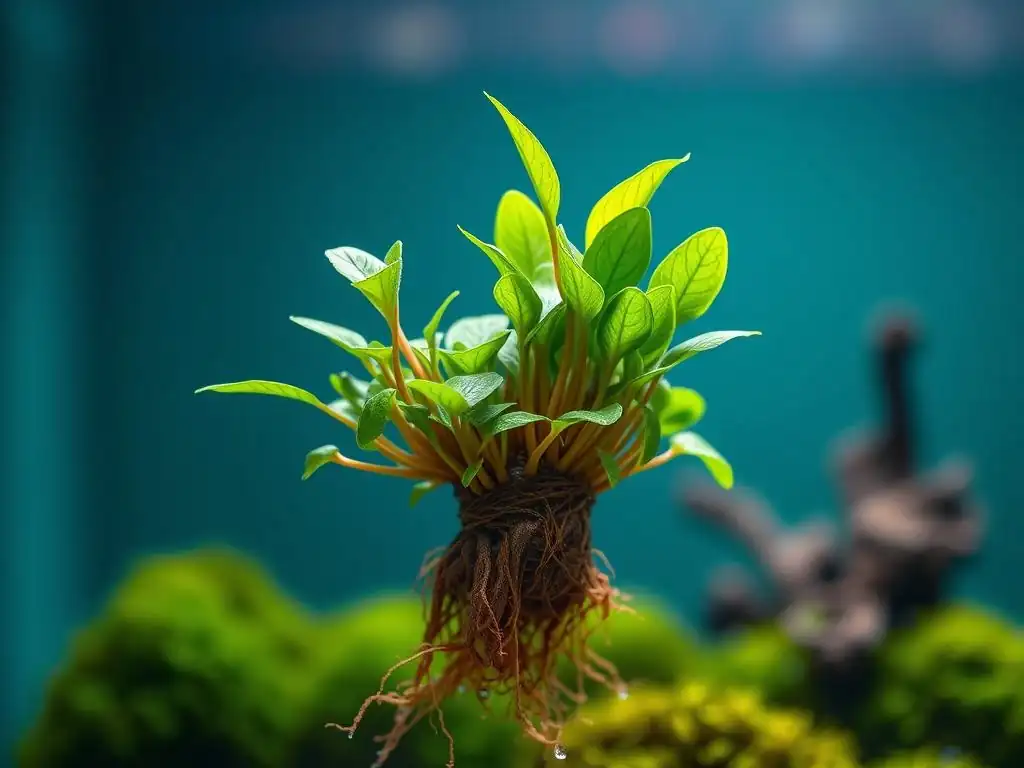
Utilizing In Vitro Propagation for Bucephalandra
For aquarists seeking the cleanest and most disease-free starts for their plants, in vitro propagation offers an advanced solution. This method involves growing plants in a sterile, gel-filled container under laboratory conditions, effectively creating tissue cultures. Plants like Bucephalandra species, known for their slow growth and susceptibility to algae in their initial stages, benefit immensely from this technique.
The primary advantage of in vitro plants is their absolute freedom from algae, snails, pesticides, and pathogens, ensuring a pristine introduction to your aquarium. A single in vitro cup, typically containing 10-20 small plantlets, can provide a clean and robust foundation for populating a 10-gallon tank with foreground coverage within 2-3 months. While more expensive upfront, the guaranteed purity and health of in vitro plants make them a valuable asset for sensitive aquascaping projects, minimizing initial troubleshooting.
Germinating Eleocharis Seeds in the Aquarium
Creating a dense, vibrant foreground carpet can be achieved through the advanced aquascaping propagation technique of germinating Eleocharis (Dwarf Hairgrass) seeds directly in the aquarium, often using the "dry start method." This method involves setting up the aquascape with substrate and hardscape, then planting the seeds on a moist, but not submerged, substrate. The tank is then covered to maintain high humidity, resembling a miniature greenhouse.
During the dry start phase, which can last from 4 to 8 weeks, the seeds germinate and the hairgrass establishes a strong root system without the challenges of aquatic algae or fish disturbance. Consistent misting daily is crucial to prevent the substrate from drying out; success rates for germination can exceed 80% when humidity is consistently maintained. Once a significant carpet has formed, the tank is slowly flooded. This method can achieve full carpet coverage in a 20-gallon tank within 4-6 weeks, significantly faster than planting individual pots of mature hairgrass.
Encouraging Adventitious Shoots on Bolbitis heudelotii
Bolbitis heudelotii, commonly known as African Water Fern, is a popular rhizome plant that can be propagated through the encouragement of adventitious shoots, an advanced yet straightforward aquascaping propagation technique. While typically propagated by dividing its rhizome, Bolbitis also has the ability to produce new plantlets directly from its leaves, particularly older or damaged ones.
To encourage this, carefully trim off an older, healthy leaf from the main plant near its petiole. Instead of discarding it, float this trimmed leaf on the water surface in a well-lit area of the aquarium. Over several weeks, small new plantlets (adventitious shoots) will begin to develop directly on the leaf blade, typically within 3-5 weeks if light is moderate.
Once these plantlets have developed a few leaves and a small root system, they can be carefully detached and attached to hardscape, contributing to the expansion of your Bolbitis collection. Each leaf can yield 1-3 new plantlets, offering a continuous source of new growth.
Troubleshooting Propagation Challenges
Controlling Algae on Cuttings
One of the most common challenges in aquascaping propagation techniques is the appearance of algae on newly planted cuttings. Young plants, still establishing their root systems and acclimating to the environment, are often slower to absorb nutrients, making them vulnerable targets for opportunistic algae. Excessive light intensity, prolonged photoperiods, unstable CO2 levels, and nutrient imbalances are primary culprits.
To mitigate this, consider reducing the photoperiod by 1-2 hours or lowering light intensity by 10-20% for the first week after planting new cuttings; this can significantly reduce the incidence of green spot algae. Ensuring stable and sufficient CO2 levels (25-35 ppm) is also crucial, as healthy plant growth helps plants outcompete algae for available nutrients. Regular water changes and spot treatment of affected leaves with a diluted hydrogen peroxide solution (if safe for your livestock) can also help control outbreaks and allow the cuttings to establish without competition.
Preventing Rot and Promoting Healthy Growth
Rot in new cuttings is a disheartening but often preventable issue in aquascaping propagation techniques. The primary causes include using dull tools that crush plant tissue, improper planting (especially burying rhizomes), poor water circulation, and severe nutrient deficiencies. When plant tissue is crushed, it creates an open wound susceptible to bacterial and fungal infections, leading to rapid decay.
To prevent rot, always use sharp, sterile aquascaping scissors to make clean cuts; this reduces the risk of rot by creating wounds that heal faster and minimize bacterial entry. For rhizome plants like Anubias and Microsorum, ensure the rhizome is never buried in the substrate, as this can lead to rot in 70-80% of cases. Adequate water circulation, circulating at least 5-10 times the tank volume per hour, prevents stagnant areas where pathogens thrive. Finally, providing a balanced fertilization regimen and stable water parameters supports overall plant health, making them more resilient to disease.
Addressing Nutrient Deficiencies in New Plants
New plant cuttings are particularly susceptible to nutrient deficiencies as they expend energy on root development and initial growth. Symptoms often manifest as yellowing leaves (indicating nitrogen or iron deficiency), stunted growth, or the appearance of pinholes (potassium deficiency). These signs typically appear within the first 1-2 weeks after planting if conditions are not optimal, slowing down the establishment process.
To address these deficiencies, a targeted fertilization strategy is essential. Dosing a comprehensive liquid fertilizer containing both macronutrients (NPK) and micronutrients (especially iron, manganese, and zinc) can often reverse symptoms within 3-5 days. For stem and rosette plants, placing root tabs near their base provides a concentrated, slow-release source of nutrients directly to the developing roots, offering a sustained boost for up to 3-4 months. Consistent CO2 injection also aids nutrient uptake, ensuring that the new plants have all the necessary building blocks for healthy and vigorous growth.
Aquascaping Examples Focused on Propagation
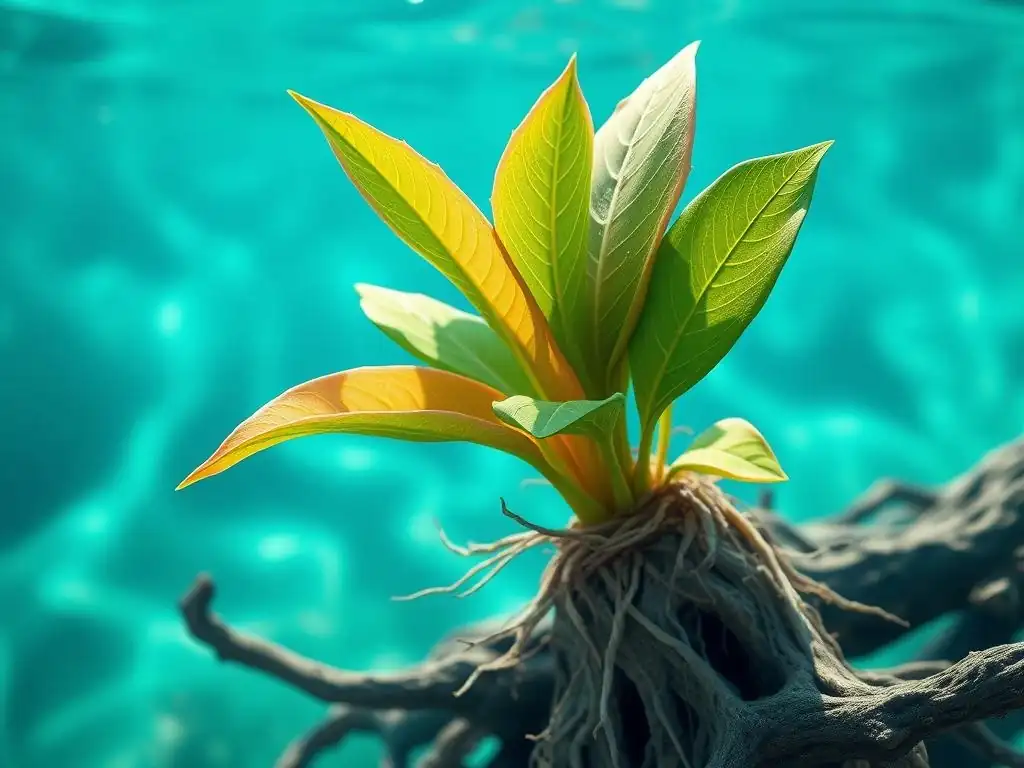
Case Study 1: A Ludwigia and Alternanthera Stem Plant Aquascape
A prime example of aquascaping propagation techniques in action is a vibrant 45-gallon Dutch-style aquascape, heavily reliant on the continuous propagation of stem plants such as Ludwigia super red and Alternanthera reineckii. In this setup, these fast-growing, colorful species are strategically placed in the midground and background to create lush, dense groupings. The aquascaper performs weekly trimming sessions, removing the top 4-6 inches of the healthiest stems.
These cuttings are then immediately replanted in open spaces or at the base of existing groups to increase density and maintain a fresh, vibrant appearance. This continuous cycle of trimming and replanting not only prevents the lower portions of the plants from melting due to lack of light but also ensures a constant supply of new, well-rooted plants. This strategy allows the aquascaper to fill out approximately 70% of the planted area with these striking red hues, generating and replanting 20-30 new stems each month, thereby eliminating the need to purchase additional plants.
Case Study 2: An Anubias and Microsorum Rhizome Plant Aquascape
A 20-gallon nano tank focused on an intricate spiderwood layout perfectly illustrates aquascaping propagation techniques for rhizome plants. The aquascape features a mature Anubias nana petite and Microsorum pteropus 'Windelov' (Windelov Java Fern) extensively covering the driftwood. Every 2-3 months, the aquascaper carefully inspects the larger, more established Anubias rhizomes and divides them into 2-3 new sections. Each new section is ensured to have at least 3-4 healthy leaves and a portion of the rhizome about 1.5-2 inches long.
These newly divided sections are then meticulously attached to additional branches of the spiderwood or to small, unobtrusive rocks using thin fishing line or aquarium-safe super glue. Similarly, Microsorum plantlets that naturally develop on older leaves are harvested and attached to new locations. This methodical approach allows the aquascaper to slowly but steadily cover over 80% of the hardscape surface with lush, dark-green foliage, creating a mature and densely planted look without purchasing new plants after the initial setup.
Case Study 3: Combining Stem, Rhizome, and Rosette Propagation
A 75-gallon community tank serves as an excellent model for integrating diverse aquascaping propagation techniques, showcasing a self-sustaining ecosystem. The background is dominated by a dense wall of Vallisneria spiralis, which propagates vigorously via runners. The aquascaper periodically harvests the daughter plantlets from these runners, typically yielding 5-8 new plants monthly, to expand the background coverage or to use in other areas.
In the midground, Cryptocoryne wendtii is propagated through the division of side shoots that emerge from the mother plants every 4-6 months, adding 2-3 new individuals to create lush clusters. The foreground features a vibrant carpet of Staurogyne repens, maintained through weekly trimming and replanting of 2-3 inch cuttings. This continuous process ensures the carpet remains dense and healthy, covering approximately 40% of the substrate area. This integrated approach, combining the propagation methods of all three major plant types, results in a constantly evolving, balanced, and sustainable aquascape that thrives on internal growth.
Maximizing Growth and Aesthetics Through Propagation
Balancing Propagation with Overall Aquascape Health
While aquascaping propagation techniques are vital for maintaining a lush and dynamic planted tank, it is crucial to balance propagation efforts with the overall health of the aquascape. Over-propagating or excessively trimming parent plants can lead to stress, potentially hindering their recovery and long-term vitality. For most stem plants, removing no more than 50% of the plant's biomass at any single trimming session is a good rule of thumb; exceeding this can slow recovery by 2-3 weeks.
It is also important to ensure that nutrient levels and CO2 supply are sufficient to support the increased biomass resulting from successful propagation. As your plant mass grows, their demand for nutrients will increase. Regular monitoring of water parameters and adjusting fertilization regimens accordingly will prevent deficiencies and ensure both the mother plants and new cuttings remain healthy and vibrant, contributing to a balanced and thriving ecosystem.
Maintaining a Balanced and Sustainable Ecosystem
The consistent application of aquascaping propagation techniques directly contributes to the creation of a balanced and sustainable aquatic ecosystem. By actively growing and multiplying plants within the aquarium, you reduce reliance on external purchases, minimizing the ecological footprint associated with commercial plant farming and transportation. A robust and actively growing plant mass is highly efficient at absorbing excess nutrients, particularly nitrates from fish waste, with well-planted tanks absorbing up to 90% of nitrates.
This natural nutrient export mechanism significantly contributes to stable water parameters, reducing the frequency of large water changes and minimizing the risk of algae outbreaks by 60-70%. Plants also provide essential oxygen, shelter for fish and invertebrates, and a natural food source for certain species, fostering a healthier and more resilient environment that operates in a harmonious, self-regulating cycle.
Long-Term Benefits of Planned Propagation
Embracing planned aquascaping propagation techniques yields substantial long-term benefits for the dedicated aquarist. Financially, it can result in significant savings; over a year, consistent propagation can save hundreds of dollars in plant purchases, especially for larger or multiple aquarium setups. Beyond the economic advantage, it provides a continuous, free supply of healthy, acclimatized plants perfectly suited to your aquarium's specific conditions, eliminating the risks associated with introducing new, potentially stressed or pest-ridden plants from external sources.
Furthermore, the process of active propagation deepens an aquarist's understanding of plant physiology, growth patterns, and the subtle needs of their aquatic garden. This hands-on experience fosters a greater appreciation for the delicate balance of the ecosystem. The result is not just a cost-effective hobby but a constantly evolving, aesthetically pleasing, and truly dynamic aquascape that grows and thrives under your care, providing immense satisfaction and a living piece of art that continuously adapts and flourishes.
Conclusion: Cultivating a Thriving Aquarium Through Propagation
Frequently Asked Questions
How does aquascaping propagation enhance my aquarium's aesthetic appeal?
Aquascaping propagation allows you to multiply your existing plants, creating a more lush and dynamic environment. It provides opportunities to reshape your layout and fill in empty spaces. This helps achieve a more balanced and visually pleasing aquarium.
What are some common propagation techniques useful for aquascaping?
Common techniques include stem cuttings, rhizome division, and runner separation. Stem cuttings involve snipping off a portion of the stem and replanting it. Rhizome division separates the horizontal, root-like stem into multiple sections. Runner separation involves detaching new plantlets that sprout from runners.
Which aquarium plants are best suited for propagation in aquascaping?
Many popular plants like Rotala, Ludwigia, Java Fern, and Anubias are easily propagated. Fast-growing stem plants are generally excellent for stem cuttings. Java Fern and Anubias are great for rhizome division due to their robust rhizomes.
How often should I trim and propagate my aquascaping plants?
The frequency depends on the growth rate of your plants. Regular trimming, typically every 1-2 weeks for fast-growing plants, encourages bushier growth and prevents overcrowding. Propagation should happen as needed when you have suitable cuttings or divisions.
What are some potential pitfalls to avoid when propagating plants in aquascaping?
Avoid damaging the parent plant during propagation. Ensure the cuttings are healthy and free from algae. Provide adequate light, nutrients, and CO2 for the new plants to thrive.
Final Reflection: Cultivating Growth, Rooted in Vision
The principles of aquascaping propagation, as explored throughout this guide, are not merely about multiplying plants; they are about cultivating growth and resilience within a closed ecosystem. Just as a gardener carefully prunes and replants to enhance a landscape, aquascaping propagation allows us to shape and enrich our underwater worlds, fostering biodiversity and stability in a way that mirrors the delicate balance of nature itself. This mindful approach is increasingly relevant as we seek sustainable and aesthetically pleasing solutions in all aspects of our lives.
The art of aquascaping, and particularly the techniques of propagation, has profoundly influenced the way we perceive and interact with aquatic environments. It's a reminder that even within the confines of a glass tank, we can create thriving ecosystems that reflect our creativity and commitment to sustainability. The best time to plant a tree was 20 years ago. The second best time is now.
This ancient proverb resonates deeply with the practice of aquascaping propagation; the sooner we embrace these techniques, the sooner we can witness the flourishing beauty and ecological benefits they provide.
As you embark on your own aquascaping journey, remember that propagation is more than just a technique; it's a philosophy. It's about nurturing life, fostering growth, and creating a sustainable and beautiful underwater world. Consider how you can apply these principles of careful trimming, strategic replanting, and mindful observation not only to your aquascape, but also to other areas of your life, cultivating growth and resilience in all that you do. Let the art of aquascaping propagation inspire you to create a more vibrant and sustainable future, one carefully cultivated stem at a time.
Elevate Your Aquascape: Propagate & Prosper!
Thank you for exploring the art of aquascaping with propagation in mind! We hope you've gained valuable insights into creating a thriving and sustainable underwater world. Now, it's time to put that knowledge into action and cultivate the aquascape of your dreams.
- Take the Plunge: Design Your Next Aquascape: incorporating at least one easily propagated plant variety.
- Share your propagation success stories with fellow aquascapers on social media using #AquariumMasteryPropagation.
- Experiment with a new trimming technique on an established plant and observe the growth patterns – what surprising shapes can you create?
What plant will you propagate first to unlock its full aquascaping potential?