
Understanding Nutrient Deficiencies in Aquarium Stem Plants

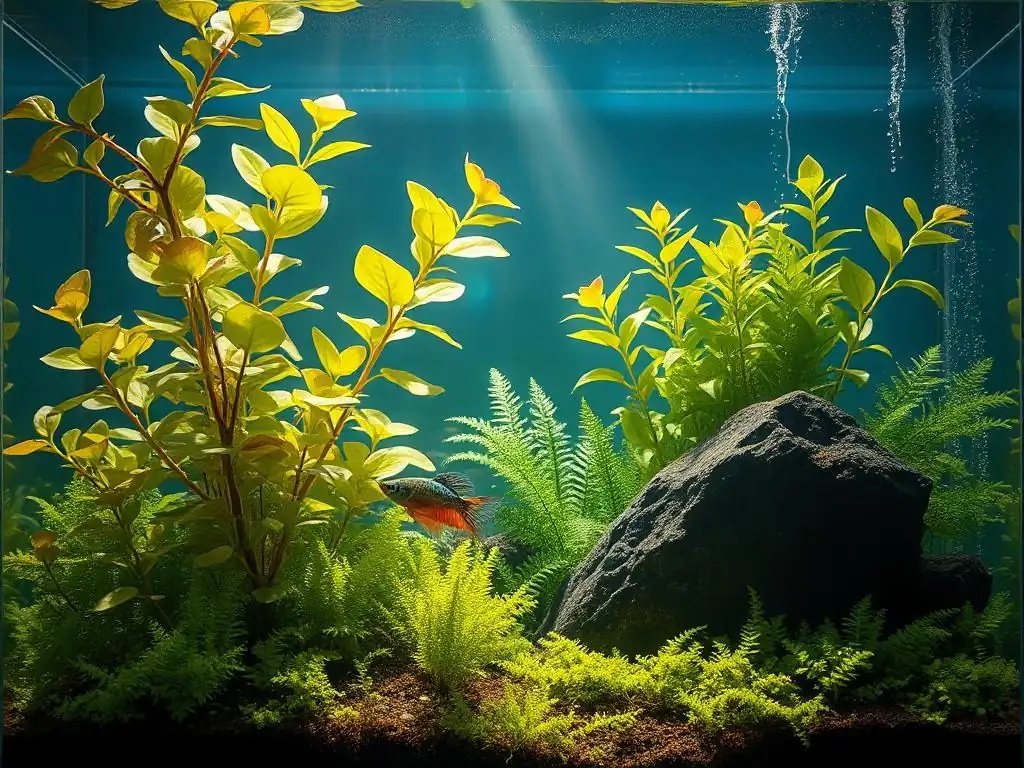
Welcome to Aquarium Mastery!
Ever wondered why your vibrant stem plants are looking a little… less vibrant? Dive in! This guide, "Understanding Nutrient Deficiencies in Aquarium Stem Plants," unlocks the secrets to keeping your aquatic flora thriving. Get ready to diagnose common issues, learn proactive solutions, and transform your aquarium into a lush, underwater paradise. Let's explore the vital nutrients your plants crave and how to ensure they get them!
- Identifying Nutrient Deficiencies in Aquarium Stem Plants: An Introduction
- Essential Nutrients for Healthy Stem Plants in Aquariums
- Diagnosing Stem Plant Nutrient Problems: A Visual Guide
- Causes of Nutrient Deficiencies in Planted Aquariums
- Solutions for Correcting Nutrient Deficiencies in Aquarium Stem Plants
- Preventing Nutrient Deficiencies in Aquarium Stem Plants: Proactive Measures
- Case Studies: Identifying and Correcting Stem Plant Nutrient Issues
- Advanced Techniques for Diagnosing and Treating Nutrient Deficiencies
- Conclusion: Maintaining Healthy Stem Plants Through Proper Nutrient Management.
-
Frequently Asked Questions
- What are the most common signs of nutrient deficiency in aquarium stem plants?
- Why are stem plants particularly susceptible to nutrient deficiencies in aquariums?
- How can I test for nutrient deficiencies in my aquarium water?
- What are the key nutrients that stem plants need to thrive in an aquarium?
- How often should I fertilize my aquarium to prevent nutrient deficiencies in stem plants?
- Final Reflection: Cultivating Growth, Rooted in Understanding
- Unveil Your Aquarium's Lush Potential!
Identifying Nutrient Deficiencies in Aquarium Stem Plants: An Introduction
Aquarium stem plants are a cornerstone of many vibrant freshwater aquascapes, known for their rapid growth and ability to create lush, natural environments. However, their health and aesthetic appeal are highly dependent on a balanced supply of essential nutrients. When these vital elements are lacking, stem plant nutrient deficiency symptoms quickly manifest, impacting not only the plant's appearance but also its overall vitality and ability to thrive. Recognizing these subtle yet critical signs early is paramount for any aquarist aiming to maintain a healthy and flourishing planted tank.
Understanding the specific visual cues associated with various nutrient shortages allows for targeted intervention, preventing prolonged stress and potential loss of your prized aquatic flora. This guide will delve into the intricacies of stem plant nutrient deficiency, offering a comprehensive overview of essential nutrients, their deficiency symptoms, underlying causes, and effective solutions to ensure your stem plants reach their full potential.
Essential Nutrients for Healthy Stem Plants in Aquariums
Healthy stem plant growth relies on a complex interplay of various chemical elements, broadly categorized into macronutrients and micronutrients. These elements are absorbed primarily through the leaves and stems from the water column, although some uptake also occurs through the roots from the substrate. A deficiency in even one of these essential nutrients can significantly hinder growth and lead to visible symptoms of distress, commonly referred to as stem plant nutrient deficiency.
Maintaining a consistent and balanced supply of all these elements is crucial for robust stem plant development. Without adequate levels, plants cannot perform vital metabolic functions, leading to stunted growth, discoloration, and increased susceptibility to algae. Proper fertilization strategies must consider both the quantity and ratio of these nutrients to prevent any form of stem plant nutrient deficiency.
Macronutrients: The Building Blocks for Stem Plant Growth
Macronutrients are elements required by plants in relatively large quantities for fundamental physiological processes, including photosynthesis, protein synthesis, and energy transfer. They form the structural components of plant cells and tissues, making them indispensable for vigorous growth. The primary macronutrients are Nitrogen (N), Phosphorus (P), and Potassium (K), often referred to as NPK. Additionally, secondary macronutrients like Magnesium (Mg), Calcium (Ca), and Sulfur (S) are also vital, though typically needed in slightly lesser amounts than NPK. Addressing deficiencies in these elements is a common step in resolving stem plant nutrient deficiency.
Ensuring adequate levels of these macronutrients is the first line of defense against many common stem plant problems. For instance, a typical planted aquarium might aim for nitrate levels between 5-15 ppm, phosphate levels around 0.5-2 ppm, and potassium levels in the 10-20 ppm range. These target ranges provide a general guideline, but actual plant demand can vary based on lighting intensity, CO2 levels, and plant mass.
Nitrogen Deficiency in Stem Plants: Symptoms and Solutions
Nitrogen is a crucial component of chlorophyll, amino acids, and proteins, making it essential for overall plant growth and green coloration. A stem plant nutrient deficiency related to nitrogen typically manifests as a general yellowing or paling of older leaves (chlorosis), starting from the tips and progressing inwards. This occurs because the plant mobilizes nitrogen from older, less critical tissues to support new growth, which may also appear stunted or spindly.
To correct a nitrogen deficiency, increasing nitrate levels in the water column is the primary solution. This can be achieved by dosing potassium nitrate (KNO3) or a liquid fertilizer specifically formulated with higher nitrate content. For example, adding enough KNO3 to raise nitrate by 5 ppm can often resolve the issue within a week or two. Regular water changes and a healthy fish load can also contribute to nitrate levels, though supplemental dosing is often necessary in heavily planted tanks with few fish.
Phosphorus Deficiency in Stem Plants: Symptoms and Solutions
Phosphorus plays a vital role in energy transfer (ATP), root development, and flower/seed production, though its primary impact on stem plants is related to energy metabolism and overall growth. Symptoms of phosphorus stem plant nutrient deficiency often include stunted growth, unusually dark green or bluish-green leaves, and in some red-leaved stem plants like Ludwigia repens, a noticeable deepening of red or purple coloration, particularly on older leaves. In severe cases, leaves may develop necrotic spots or appear distorted.
Addressing phosphorus deficiency involves dosing a phosphate source, such as monopotassium phosphate (KH2PO4). Aiming for phosphate levels between 0.5 and 2 ppm is generally recommended for most planted aquariums. Careful dosing is important, as excessive phosphate can sometimes contribute to algae issues, though this is often overstated when other nutrients and CO2 are balanced. Consistent monitoring with a phosphate test kit helps in maintaining optimal levels and preventing stem plant nutrient deficiency.
Potassium Deficiency in Stem Plants: Symptoms and Solutions
Potassium is critical for enzyme activation, photosynthesis, and nutrient transport within the plant. It also plays a key role in regulating water balance and maintaining cell turgor. A common and easily identifiable symptom of potassium stem plant nutrient deficiency is the appearance of small pinholes in older leaves, often followed by yellowing of leaf margins and eventual melting or necrosis. Unlike snail damage, these pinholes are typically uniform and lack clear bite marks. Stems may also appear weak and brittle.
To remedy potassium deficiency, supplemental dosing of potassium sulfate (K2SO4) or a liquid potassium supplement is highly effective. Many aquarists aim for potassium levels in the range of 10-20 ppm. For instance, adding 10 ppm of potassium weekly can significantly improve plant health within a few weeks. Regular water changes can deplete potassium, especially in soft water, making consistent dosing crucial for preventing this stem plant nutrient deficiency.
Magnesium Deficiency in Stem Plants: Symptoms and Solutions
Magnesium is a central atom in the chlorophyll molecule, making it indispensable for photosynthesis and the vibrant green color of plants. It also plays a role in enzyme activation and protein synthesis. A magnesium stem plant nutrient deficiency typically manifests as interveinal chlorosis (yellowing between the veins) on older leaves, while the veins themselves remain green. In severe cases, the entire leaf may turn yellow, become brittle, or show necrotic spots, often starting from the leaf margins.
Correcting magnesium deficiency involves dosing magnesium sulfate (Epsom salts) or a liquid magnesium supplement. A target range for magnesium in planted tanks is usually 5-10 ppm. For example, if your GH is very low, indicating low calcium and magnesium, adding Epsom salts can quickly alleviate the symptoms. Ensuring your general hardness (GH) is adequately supplied with both calcium and magnesium is key to preventing this common stem plant nutrient deficiency.
Micronutrients: Trace Elements Crucial for Stem Plant Health
Micronutrients, also known as trace elements, are essential for plant growth but are required in much smaller quantities compared to macronutrients. Despite their minute requirements, their absence or deficiency can severely impact plant health, leading to specific symptoms of stem plant nutrient deficiency. These elements act as cofactors for enzymes, participate in electron transport, and are vital for various metabolic pathways. Common micronutrients include Iron (Fe), Manganese (Mn), Boron (B), Zinc (Zn), Copper (Cu), Molybdenum (Mo), and Chlorine (Cl).
While many tap water sources contain some trace elements, their concentration is often insufficient for demanding planted tanks. Therefore, regular supplementation with a comprehensive trace element mix is generally recommended. Overdosing micronutrients can be toxic, so precise dosing, often following manufacturer recommendations or specific dosing methodologies, is crucial to avoid unwanted stem plant nutrient deficiency or toxicity.
Iron Deficiency in Stem Plants: Symptoms and Solutions
Iron is critical for chlorophyll formation, photosynthesis, and various enzyme functions. It is often the most common micronutrient deficiency observed in planted aquariums. A classic symptom of iron stem plant nutrient deficiency is chlorosis (yellowing) of new growth, while older leaves remain green. The new leaves may appear pale yellow, almost white, especially at the growing tips, and growth will be significantly stunted. This is particularly noticeable in fast-growing red stem plants, which may lose their coloration and turn green or pale.
To address iron deficiency, dosing a chelated iron supplement (e.g., Fe-DTPA, Fe-EDTA) is effective. Chelated forms of iron remain available in the water column longer, even in higher pH conditions. Maintaining iron levels between 0.1-0.5 ppm is a common recommendation. For instance, increasing daily iron dosing by 0.05 ppm can often resolve symptoms within a week in fast-growing stem plants like Rotala rotundifolia.
Manganese Deficiency in Stem Plants: Symptoms and Solutions
Manganese plays a vital role in photosynthesis, specifically in the water-splitting complex, and is also involved in enzyme activation and nitrogen metabolism. Symptoms of manganese stem plant nutrient deficiency can be similar to iron deficiency, often presenting as interveinal chlorosis on new leaves. However, the yellowing might be more mottled or patchy, sometimes accompanied by small necrotic spots or a general lack of vigor in new growth. Leaves may also appear distorted or smaller than normal.
Correcting manganese deficiency usually involves dosing a comprehensive trace element mix that includes manganese. While specific manganese test kits are rare for hobbyists, ensuring a balanced supply of all micronutrients often resolves the issue. Maintaining an adequate iron level often goes hand-in-hand with sufficient manganese, as both are affected by pH and redox potential.
Boron Deficiency in Stem Plants: Symptoms and Solutions
Boron is involved in cell wall formation, carbohydrate transport, and hormone regulation, particularly affecting the growing tips of plants. Boron stem plant nutrient deficiency is relatively rare in aquariums but can manifest as deformed or stunted new growth, thickening of leaves, and necrosis of the growing points. Stems might appear brittle, and overall plant development can be severely hampered.
Because boron is required in extremely small quantities and can be toxic in excess, direct dosing of boron is generally not recommended for the average aquarist. Instead, ensuring a high-quality, comprehensive trace element mix is used regularly should provide sufficient boron. Most well-formulated liquid fertilizers already include boron in safe, effective concentrations to prevent this specific stem plant nutrient deficiency.
Zinc Deficiency in Stem Plants: Symptoms and Solutions
Zinc is crucial for enzyme activity, protein synthesis, and hormone production, particularly auxins, which regulate plant growth. Zinc stem plant nutrient deficiency is also uncommon in typical aquarium settings. When it does occur, symptoms may include small, distorted new leaves, rosetting of growth (where new leaves fail to elongate and cluster tightly), and interveinal chlorosis on younger leaves. Overall growth will be significantly inhibited.
Similar to boron, zinc is best supplied through a balanced, comprehensive trace element supplement. Overdosing zinc can be detrimental to aquatic life and plants, so relying on commercial trace mixes designed for planted aquariums is the safest approach. These products are formulated to provide all necessary micronutrients, including zinc, in appropriate concentrations to prevent stem plant nutrient deficiency without risking toxicity.
Diagnosing Stem Plant Nutrient Problems: A Visual Guide
Diagnosing stem plant nutrient deficiency often begins with careful visual inspection. Plants communicate their health through their appearance, and understanding these visual cues is crucial for effective troubleshooting. While some symptoms can overlap, a systematic approach, considering the age of the affected leaves and the specific type of discoloration or damage, can significantly narrow down the potential culprits.
Observing your stem plants regularly, noting changes in color, growth pattern, and leaf integrity, provides invaluable insight. Keep a plant journal or take weekly photos to track progress and identify trends. This proactive observation is key to catching a stem plant nutrient deficiency before it severely impacts your aquascape.
Common Symptoms of Nutrient Deficiencies in Stem Plants
Nutrient deficiencies in stem plants manifest in various ways, but certain patterns are highly indicative of specific problems. For instance, issues appearing on older leaves often point to mobile nutrients (like Nitrogen, Phosphorus, Potassium, Magnesium) that the plant can reallocate to new growth. Conversely, problems on new growth typically suggest a deficiency in immobile nutrients (like Iron, Manganese, Boron, Zinc, Calcium) that cannot be moved from older tissues.
Understanding this distinction is fundamental to accurately diagnosing a stem plant nutrient deficiency. Combining this knowledge with the specific visual characteristics of the symptoms allows for a more precise identification of the missing element.
Yellowing Leaves: Identifying Possible Nutrient Deficiencies
Yellowing leaves, or chlorosis, are one of the most common signs of a stem plant nutrient deficiency, but the location and pattern of yellowing are critical diagnostic tools. If older, lower leaves are uniformly yellowing, it strongly suggests a Nitrogen deficiency. This is because nitrogen is a mobile nutrient, and the plant sacrifices older leaves to support newer, more vital growth.
If yellowing occurs between the veins (interveinal chlorosis) on older leaves, with veins remaining green, it points to a Magnesium deficiency. If new leaves are yellowing, especially at the tips and base, while older leaves remain green, an Iron deficiency is highly likely, as iron is an immobile nutrient. Similar symptoms on new leaves, possibly more mottled, could indicate a Manganese deficiency. Carefully observing which leaves are affected is key to pinpointing the specific stem plant nutrient deficiency.
Stunted Growth: Is Your Stem Plant Lacking Essential Nutrients?
Stunted growth is a general symptom that can indicate a broad range of underlying issues, including a significant stem plant nutrient deficiency. If your fast-growing stem plants like Rotala or Ludwigia are growing unusually slowly, producing smaller leaves, or failing to reach their expected height, it's a strong signal that something is amiss. This lack of vigor is often one of the first signs that plants are not receiving adequate resources.
While low CO2 or insufficient lighting can also cause stunted growth, nutrient deficiencies, particularly of macronutrients like Nitrogen, Phosphorus, or Potassium, are frequent culprits. A severe lack of any essential nutrient, whether macro or micro, will ultimately limit growth according to Liebig's Law of the Minimum. Observing stunted growth in conjunction with other symptoms, such as specific discolorations, helps narrow down the precise stem plant nutrient deficiency.
Pinholes and Leaf Damage: Nutrient Deficiency or Something Else?
The appearance of pinholes or other forms of leaf damage can be a perplexing symptom, often leading aquarists to suspect snails or other pests. However, when these symptoms are widespread and lack clear bite marks, they are a strong indicator of a specific stem plant nutrient deficiency: Potassium deficiency. Potassium-deficient leaves, particularly older ones, often develop small, circular holes, which can then expand, leading to melting or necrosis of the leaf tissue, especially along the edges.
It's crucial to differentiate these nutrient-related pinholes from actual physical damage, fish nipping, or snail activity. Snail damage often leaves irregular edges or trails, while potassium deficiency tends to produce more uniform, "punched out" holes. If you observe these symptoms and rule out pests, increasing potassium supplementation should be your next step to resolve this specific stem plant nutrient deficiency.
Deformed Leaves: A Sign of Micronutrient Imbalance?
Deformed or twisted leaves, particularly on new growth, are often a tell-tale sign of a micronutrient imbalance or deficiency. These symptoms arise when the plant cannot properly form new cells or tissues due to the lack of a critical trace element involved in cell division or structural integrity. While less common than macronutrient deficiencies, they can be quite striking.
Specific micronutrient deficiencies that lead to deformed leaves include Boron deficiency, which can cause thickened, brittle, or distorted new leaves and necrosis of growing tips. Zinc deficiency can also result in small, malformed new leaves or a "rosetting" effect where new growth is tightly clustered. In some cases, extreme Calcium deficiency (though less common in aquariums with adequate GH) can also lead to deformed new growth. Addressing these forms of stem plant nutrient deficiency typically involves ensuring a comprehensive and balanced trace element supplement is provided.
Causes of Nutrient Deficiencies in Planted Aquariums
Understanding the root causes of a stem plant nutrient deficiency is as important as identifying the symptoms. Deficiencies don't always stem from simply "not adding enough" fertilizer; complex interactions within the aquarium ecosystem, water chemistry, and even the substrate can play significant roles. A holistic approach to troubleshooting is essential for long-term plant health.
Factors such as tank age, plant mass, lighting intensity, and CO2 levels all influence nutrient demand and availability. For instance, a heavily planted tank with high light and CO2 will deplete nutrients much faster than a sparsely planted, low-tech setup. Recognizing these underlying factors helps aquarists implement effective preventative measures and solutions for any stem plant nutrient deficiency.
Inadequate Fertilization: Ensuring Sufficient Nutrient Levels
The most straightforward cause of stem plant nutrient deficiency is simply not providing enough of the necessary nutrients through fertilization. In a thriving planted aquarium, especially one with high light and CO2 injection, plants consume nutrients at a rapid rate. If these consumed nutrients are not replenished consistently, a deficit will inevitably occur, leading to visible signs of stress and stunted growth.
Many beginners underestimate the nutrient demands of aquatic plants, particularly fast-growing stem plants. Relying solely on fish waste or uneaten food for nutrients is often insufficient, especially for macronutrients like potassium and micronutrients like iron. Implementing a consistent and appropriate fertilization schedule, tailored to your tank's specific needs, is fundamental to preventing widespread stem plant nutrient deficiency.
Imbalanced Nutrient Ratios: The Importance of Proper Dosing
Even if all essential nutrients are present, an imbalance in their ratios can lead to what appears to be a stem plant nutrient deficiency. This concept is often explained by Liebig's Law of the Minimum, which states that plant growth is limited by the single scarcest resource, even if all other resources are abundant. For example, if you have plenty of nitrogen and phosphorus but very little potassium, your plants will only grow to the extent that potassium allows, and you'll see potassium deficiency symptoms.
Furthermore, certain nutrients can antagonize the uptake of others if present in excessive amounts. For instance, very high levels of potassium can sometimes inhibit magnesium uptake, leading to magnesium deficiency symptoms even if magnesium is technically present. Similarly, excess phosphate can sometimes tie up iron, making it unavailable. Therefore, understanding the balance between nutrients and striving for appropriate ratios in your dosing regimen is crucial to avoid induced stem plant nutrient deficiency.
Substrate Issues: Nutrient Availability and Uptake
While many stem plants primarily absorb nutrients from the water column through their leaves, their roots still play a role in anchoring and some nutrient uptake, particularly for elements like iron and phosphorus. The type and condition of your aquarium substrate can significantly impact nutrient availability and contribute to a stem plant nutrient deficiency over time. Inert substrates like sand or gravel provide no nutrients themselves, requiring all nutrients to be supplied via the water column or root tabs.
Nutrient-rich aquasoils, on the other hand, are designed to release nutrients into the water column and provide a nutrient-rich environment for roots. However, even aquasoils become depleted of nutrients over several months to a few years, depending on the plant load and tank maintenance. An aging or nutrient-poor substrate can therefore contribute to a stem plant nutrient deficiency, especially for plants that derive a significant portion of their nutrients from their roots.
Water Chemistry: pH, KH, and Nutrient Absorption
The overall water chemistry of your aquarium, particularly pH and alkalinity (KH), plays a critical role in nutrient solubility and uptake efficiency, directly influencing the likelihood of a stem plant nutrient deficiency. Many nutrients, especially micronutrients like iron, become less soluble and thus less available to plants at higher pH levels (above 7.5). This phenomenon is known as nutrient lockout. Even if you're dosing iron, if your pH is too high, the iron may precipitate out of solution and become unavailable.
Similarly, KH (carbonate hardness) affects the stability of CO2 levels, which is a crucial macronutrient for plant growth. Fluctuating or low CO2 can limit nutrient uptake, even if other nutrients are abundant. Maintaining stable and appropriate pH and KH levels, often within a range of 6.5-7.5 pH and 3-6 dKH for optimal plant growth, is essential for ensuring that the nutrients you dose are actually accessible to your stem plants, thereby preventing a stem plant nutrient deficiency.
Solutions for Correcting Nutrient Deficiencies in Aquarium Stem Plants
Once a stem plant nutrient deficiency has been identified, the next step is to implement effective solutions. This typically involves a multi-pronged approach that includes choosing the right fertilizers, adjusting water parameters, and understanding nutrient interactions. The goal is not just to add the missing nutrient but to create an environment where plants can efficiently absorb and utilize all necessary elements.
Patience is key during this corrective phase. Plants take time to recover, and new, healthy growth is the best indicator of success. Consistent application of solutions and careful observation will help restore your stem plants to their vibrant, healthy state and prevent future stem plant nutrient deficiency issues.
Choosing the Right Aquarium Fertilizer for Stem Plants
Selecting the appropriate fertilizer is paramount for correcting and preventing stem plant nutrient deficiency. Fertilizers come in various forms, each with its advantages and disadvantages regarding nutrient delivery and release. The best choice often depends on your aquarium setup, plant load, and personal preference for dosing frequency.
Many aquarists employ a combination of fertilizer types to ensure comprehensive nutrient coverage. For instance, liquid fertilizers provide immediate water column nutrients, while substrate fertilizers offer a long-term nutrient reservoir for root-feeding plants. Dry fertilizers provide a cost-effective way to customize dosing for specific stem plant nutrient deficiency issues.
Liquid Fertilizers: Quick Nutrient Delivery
Liquid fertilizers are a popular choice for planted aquariums, especially for stem plants that primarily absorb nutrients from the water column through their leaves and stems. They offer quick nutrient delivery, making them ideal for addressing immediate stem plant nutrient deficiency symptoms or for daily/weekly dosing regimens in high-demand tanks. Liquid fertilizers are available as all-in-one solutions, providing a balanced mix of macro and micronutrients, or as individual nutrient supplements (e.g., liquid iron, liquid potassium).
The primary advantage of liquid fertilizers is their ease of use and immediate availability to plants. They allow for precise control over nutrient levels, enabling aquarists to fine-tune dosing based on plant growth and observed deficiencies. However, they require consistent dosing, often daily or every other day in highly planted, high-tech setups, to maintain stable nutrient levels and prevent a recurring stem plant nutrient deficiency.
Substrate Fertilizers: Long-Term Nutrient Release
While stem plants are often considered water column feeders, a healthy root system contributes to their overall vigor and nutrient uptake. Substrate fertilizers, such as nutrient-rich aquasoils or root tabs, provide a long-term, slow-release source of nutrients directly to the plant roots. These are particularly beneficial for heavy root feeders, but even stem plants can benefit from a nutrient-rich substrate, especially for elements like iron and phosphorus that can be less stable in the water column.
Aquasoils are a comprehensive substrate solution that releases nutrients over time, providing an excellent foundation for plant growth. Root tabs, on the other hand, are capsules or tablets inserted into the substrate near plant roots, offering targeted nutrient delivery. While substrate fertilizers don't immediately address water column stem plant nutrient deficiency symptoms, they contribute to overall plant health and reduce the reliance on constant liquid dosing for certain elements.
Dry Fertilizers: Cost-Effective Nutrient Supplementation
Dry fertilizers, consisting of individual nutrient salts (e.g., potassium nitrate for nitrogen, monopotassium phosphate for phosphorus, potassium sulfate for potassium, CSM+B for trace elements), offer the most cost-effective and customizable approach to nutrient supplementation. They are typically purchased in bulk and then mixed into solutions or dosed directly into the tank. This method is favored by experienced aquarists who prefer precise control over each nutrient component.
The main advantages of dry fertilizers are their low cost per dose and the ability to tailor nutrient ratios precisely to the specific needs of a tank, which is invaluable for correcting a particular stem plant nutrient deficiency without over-dosing other elements. However, they require more knowledge about nutrient chemistry and calculation to ensure accurate dosing. They are often used in advanced dosing methods like the Estimative Index (EI) to prevent any potential stem plant nutrient deficiency.
Adjusting Water Parameters for Optimal Nutrient Uptake
Beyond simply adding fertilizers, optimizing water parameters is crucial for ensuring that the nutrients you provide are actually available and absorbable by your stem plants. Even with a perfect dosing regimen, unfavorable water chemistry can lead to nutrient lockout, effectively causing a stem plant nutrient deficiency even when the elements are present in the water.
Focusing on pH stability and adequate carbon dioxide (CO2) levels are two of the most impactful adjustments you can make. These parameters directly influence the efficiency of photosynthesis and the chemical forms of nutrients, thereby dictating how well your plants can thrive.
Maintaining Proper pH Levels
The pH of your aquarium water significantly influences the solubility and availability of various nutrients. Most aquatic plants thrive in slightly acidic to neutral water, typically within a pH range of 6.5 to 7.5. In this range, essential nutrients, particularly micronutrients like iron and manganese, remain more soluble and thus more readily available for plant uptake.
At higher pH levels (e.g., above 7.8), some nutrients can precipitate out of solution or convert into forms that are difficult for plants to absorb, leading to nutrient lockout and a subsequent stem plant nutrient deficiency. For instance, iron becomes much less available at alkaline pH. Regularly monitoring and maintaining a stable pH within the optimal range is therefore vital for maximizing nutrient absorption and preventing nutrient-related issues.
Managing Carbon Dioxide (CO2) for Plant Growth
Carbon dioxide (CO2) is arguably the most critical macronutrient for aquatic plants, comprising about 40-50% of a plant's dry weight. It is essential for photosynthesis, the process by which plants convert light energy into chemical energy. Inadequate CO2 levels will severely limit plant growth, even if all other nutrients are abundant. Low CO2 often leads to stunted growth, slow nutrient uptake, and increased susceptibility to algae, masking other stem plant nutrient deficiency symptoms.
For optimal growth in high-light planted tanks, CO2 levels should ideally be maintained between 20-30 ppm. This can be achieved through pressurized CO2 injection systems. Consistent and stable CO2 supply allows plants to efficiently utilize other macro and micronutrients, accelerating growth and significantly reducing the likelihood of a stem plant nutrient deficiency. Without sufficient CO2, plants cannot effectively process the nutrients provided, leading to wasted fertilizer and poor plant health.
Identifying and Addressing Nutrient Lockout
Nutrient lockout occurs when nutrients are present in the water or substrate but are unavailable to plants due to unfavorable water chemistry or antagonistic interactions with other elements. This can be a frustrating situation, as you might be diligently dosing fertilizers yet still observe symptoms of stem plant nutrient deficiency. Identifying and addressing nutrient lockout requires understanding how various elements interact and how water parameters influence their availability.
Correcting nutrient lockout often involves adjusting water chemistry, such as pH, or performing large water changes to "reset" the nutrient balance. It highlights the complexity of a planted aquarium ecosystem, where simply adding more of a nutrient isn't always the solution to a stem plant nutrient deficiency.
Understanding Nutrient Interactions
Nutrient interactions can be complex, with some elements enhancing the uptake of others (synergistic) and some inhibiting it (antagonistic). For example, excess levels of one nutrient can sometimes "lock out" another, making it unavailable to the plant even if it's present in the water. A classic example is the antagonism between potassium and magnesium: very high potassium levels can sometimes interfere with magnesium uptake, leading to magnesium deficiency symptoms. Similarly, high phosphate levels can sometimes reduce the availability of iron and zinc.
Understanding these interactions is crucial for preventing induced stem plant nutrient deficiency. Rather than blindly increasing a specific nutrient, it's often more effective to ensure a balanced supply of all essential elements and maintain optimal water parameters. This holistic approach minimizes the risk of one nutrient negatively impacting the uptake of another.
Performing Water Changes to Restore Balance
Regular and appropriately sized water changes are a fundamental practice in maintaining a healthy planted aquarium and can be a powerful tool for addressing nutrient imbalances and lockout. Large water changes (e.g., 30-50% weekly) dilute accumulated excess nutrients, reset the overall water chemistry, and remove any substances that might be causing nutrient lockout or inhibiting nutrient uptake.
While frequent dosing adds nutrients, water changes ensure that the system doesn't become oversaturated with any particular element or waste product that could hinder plant health. For instance, if you suspect a nutrient imbalance or lockout is causing a stem plant nutrient deficiency, a large water change can effectively "reset" the tank's water column, allowing you to re-dose nutrients precisely and observe plant response. This practice is especially critical in high-tech, high-dosing planted tanks.
Preventing Nutrient Deficiencies in Aquarium Stem Plants: Proactive Measures
Proactive measures are far more effective than reactive treatments when it comes to maintaining healthy stem plants. By establishing a consistent routine and understanding the fundamental requirements of aquatic plants, aquarists can significantly reduce the likelihood of ever encountering a severe stem plant nutrient deficiency. Prevention involves regular monitoring, consistent supplementation, and creating an optimal environment for growth.
A well-planned maintenance schedule that incorporates these proactive steps will not only prevent nutrient deficiencies but also promote robust growth, vibrant coloration, and overall stability in your planted aquarium. This approach minimizes stress for both plants and aquarist, ensuring a thriving aquascape free from visible signs of stem plant nutrient deficiency.
Regular Water Testing: Monitoring Nutrient Levels
Regular water testing is a cornerstone of proactive nutrient management and an invaluable tool for preventing stem plant nutrient deficiency. By routinely testing key parameters such as Nitrate (NO3), Phosphate (PO4), Potassium (K), and Iron (Fe), aquarists can monitor nutrient consumption rates and identify declining levels before visible deficiency symptoms appear. Establishing a baseline for your tank's nutrient consumption allows for more informed and precise dosing decisions.
For instance, if your nitrate levels consistently drop to near zero before your next scheduled dose, it indicates that your plants are consuming more nitrogen than you're providing, signaling a potential nitrogen stem plant nutrient deficiency in the making. Aim to test at least weekly, especially in high-tech setups, to ensure consistent nutrient availability and to fine-tune your fertilization regimen, thereby avoiding any nutrient-related stress on your stem plants.
Consistent Fertilization Schedules: Avoiding Deficiencies
Consistency is paramount in preventing stem plant nutrient deficiency. Plants thrive on stability, and providing a steady supply of nutrients on a regular schedule is far more beneficial than sporadic, large doses. Fluctuations in nutrient availability can stress plants, leading to weakened growth and increased susceptibility to algae. Whether you choose daily, every-other-day, or weekly dosing, sticking to a routine is crucial.
For example, many high-tech planted tank enthusiasts follow methods like the Estimative Index (EI), which involves dosing a generous amount of all macro and micronutrients several times a week to ensure non-limiting levels, followed by a large weekly water change to reset. This consistent, slightly excessive dosing strategy effectively prevents any stem plant nutrient deficiency by ensuring that plants always have access to what they need for optimal growth.
Choosing Compatible Substrates: Ensuring Nutrient Availability
The choice of substrate plays a significant role in the long-term health and nutrient availability for your stem plants, contributing to the prevention of stem plant nutrient deficiency. While many stem plants absorb nutrients from the water column, a nutrient-rich substrate provides a stable, long-term reservoir, especially for elements like iron and phosphorus, which can be less stable in the water column.
Active substrates like aquasoils are designed to slowly release nutrients and buffer pH, creating an ideal environment for rooted plants. If using inert substrates like sand or gravel, supplementing with root tabs is essential to provide nutrients to the root zone, even for stem plants that primarily feed from the water. Ensuring your substrate choice is compatible with your plant selection and provides adequate nutrient availability is a key proactive measure against stem plant nutrient deficiency.
Selecting Appropriate Lighting: Supporting Plant Growth and Nutrient Uptake
Lighting is the engine of photosynthesis, driving nutrient demand and consumption in aquatic plants. Selecting appropriate lighting, in terms of intensity, spectrum, and duration, is crucial for preventing stem plant nutrient deficiency. Too little light will result in slow growth and reduced nutrient uptake, making it difficult for plants to utilize available nutrients effectively. Conversely, too much light can accelerate growth beyond the available nutrient supply, quickly leading to deficiencies and algae outbreaks.
For most planted tanks, a PAR (Photosynthetically Active Radiation) level of 30-50 PAR at the substrate is considered moderate, while 50-80+ PAR is indicative of high-light setups. Matching your lighting intensity with your CO2 and nutrient dosing is critical. A high-light tank without sufficient CO2 and nutrients will inevitably suffer from stem plant nutrient deficiency and algae problems. Balancing these three pillars – light, CO2, and nutrients – is the foundation of a healthy, deficiency-free aquascape.
Case Studies: Identifying and Correcting Stem Plant Nutrient Issues

Real-world examples provide invaluable insight into identifying and correcting stem plant nutrient deficiency. These case studies illustrate how common symptoms manifest and how targeted interventions can restore plant health. By examining specific plant species and their responses to nutrient adjustments, aquarists can better understand the practical application of nutrient management principles.
These scenarios highlight the importance of careful observation and methodical troubleshooting, reinforcing that a specific stem plant nutrient deficiency often presents with characteristic signs. Learning from these examples can help aquarists diagnose and resolve similar issues in their own tanks more efficiently.
Case Study 1: Rotala rotundifolia and Iron Deficiency
Scenario: An aquarist noticed that the new growth on their Rotala rotundifolia, a popular fast-growing stem plant known for its vibrant red tips under high light, was turning progressively paler, almost white, especially at the very tips. Older leaves remained a healthy green, but the overall growth rate of the plant had slowed considerably. The aquarist was dosing a general all-in-one liquid fertilizer three times a week.
Diagnosis: The symptoms – chlorosis on new growth while older leaves remained green, coupled with stunted growth – are classic indicators of an Iron deficiency. Rotala rotundifolia is a particularly good indicator plant for iron, as its red coloration diminishes and new growth becomes pale when iron is insufficient. The general fertilizer, while providing some iron, was likely not supplying enough for the rapid growth rate in this high-light tank.
Solution: The aquarist began supplementing their regular dosing with a chelated iron solution, specifically increasing the target iron level from an estimated 0.05 ppm to 0.2 ppm daily. Within 7-10 days, new leaves emerging from the Rotala rotundifolia tips showed a noticeably greener hue, and within two weeks, the characteristic red coloration began to return, indicating the successful resolution of the iron stem plant nutrient deficiency.
Case Study 2: Ludwigia repens and Potassium Deficiency
Scenario: In a moderately planted tank, the Ludwigia repens stems, which usually display attractive reddish-green leaves, started showing small, scattered pinholes on their older, lower leaves. Over a few days, these pinholes expanded, leading to yellowing of the leaf margins and some melting. The stems themselves felt somewhat brittle to the touch. The aquarist initially suspected snails but found no evidence of them.
Diagnosis: The presence of pinholes on older leaves, followed by yellowing and melting, without signs of pest damage, is a hallmark symptom of Potassium deficiency. Ludwigia repens is a common victim of this stem plant nutrient deficiency, often mistaken for other issues. The brittleness of the stems further supported the diagnosis, as potassium contributes to cell wall strength.
Solution: The aquarist confirmed their current potassium dosing was minimal (estimated 5 ppm weekly from their general fertilizer). They then started dosing potassium sulfate (K2SO4) to increase the water column potassium levels to approximately 15-20 ppm weekly. Within two weeks, new leaves emerging from the Ludwigia repens stems were healthy and free of pinholes, and the existing damage stabilized, confirming that addressing the potassium stem plant nutrient deficiency was the correct course of action.
Advanced Techniques for Diagnosing and Treating Nutrient Deficiencies
For aquarists seeking to optimize their planted tanks and delve deeper into nutrient management, advanced techniques offer more precise control and diagnostic capabilities. These methods move beyond visual cues, incorporating scientific principles and specialized tools to fine-tune nutrient levels and prevent any form of stem plant nutrient deficiency.
Understanding these advanced concepts allows for a more proactive and data-driven approach to plant health, minimizing guesswork and maximizing the potential of your aquascape. They are particularly beneficial for high-tech setups with demanding plant species where even subtle nutrient imbalances can hinder growth and promote algae.
Using Test Kits to Measure Specific Nutrient Levels
While visual diagnosis is a crucial first step, using specific liquid test kits to measure nutrient levels provides quantifiable data, allowing for precise identification and correction of a stem plant nutrient deficiency. Hobby-grade test kits are readily available for key macronutrients like Nitrate (NO3), Phosphate (PO4), and Potassium (K), as well as micronutrients such as Iron (Fe).
For example, if your Rotala rotundifolia shows signs of iron deficiency, testing your water's iron level (aiming for 0.1-0.5 ppm) can confirm if it's truly low. Similarly, if you suspect potassium deficiency, a potassium test kit can verify if levels are below the recommended 10-20 ppm. While test kits for all micronutrients are not commonly available, testing the major ones, combined with visual symptoms, provides a robust diagnostic approach to pinpointing a stem plant nutrient deficiency. Interpreting these results in conjunction with plant symptoms allows for targeted dosing, avoiding unnecessary additions of other nutrients.
Understanding Liebig's Law of the Minimum in Planted Aquariums
Liebig's Law of the Minimum is a fundamental ecological principle that is highly relevant to understanding stem plant nutrient deficiency in planted aquariums. It states that plant growth is not determined by the total amount of resources available, but by the scarcest resource (the limiting factor). In simpler terms, if your plants are lacking even one essential nutrient, their growth will be limited by that specific nutrient, regardless of how abundant all other nutrients are.
For instance, if you provide ample nitrogen, phosphorus, and potassium, but your CO2 levels are consistently low, CO2 becomes the limiting factor, and your plants will exhibit stunted growth and poor health, resembling a general stem plant nutrient deficiency. Similarly, if iron is deficient, even with perfect macronutrient levels, growth will be constrained. Applying Liebig's Law means identifying the most limiting factor first and addressing it, rather than just adding more of everything, to effectively resolve a stem plant nutrient deficiency.
Advanced Fertilization Methods: EI Dosing and Estimative Index
For experienced aquarists with high-light, CO2-injected tanks, advanced fertilization methods like the Estimative Index (EI) dosing system are highly effective at preventing any form of stem plant nutrient deficiency. EI operates on the principle of providing non-limiting levels of all essential macro and micronutrients, ensuring that plants always have access to everything they need for robust growth. This is achieved by dosing a slight excess of nutrients throughout the week, followed by a large (50%) weekly water change to "reset" the water column and prevent nutrient build-up.
The primary benefit of EI is its simplicity in preventing deficiencies; by always providing more than enough, you eliminate nutrient limitation as a variable. This allows aquarists to focus on optimizing light and CO2. While it requires consistent, large water changes, EI dosing is renowned for promoting exceptionally fast and healthy plant growth, virtually eliminating the occurrence of stem plant nutrient deficiency by ensuring all essential elements are constantly available in abundance.
Conclusion: Maintaining Healthy Stem Plants Through Proper Nutrient Management.
Maintaining healthy, vibrant stem plants in an aquarium is a rewarding endeavor that hinges on a comprehensive understanding of their nutritional needs. Recognizing the signs of stem plant nutrient deficiency, from yellowing leaves to stunted growth, is the first critical step in troubleshooting. Each symptom provides a clue, guiding aquarists towards the specific macronutrient or micronutrient that is lacking, whether it's nitrogen, phosphorus, potassium, iron, or another vital element.
Beyond mere identification, successful nutrient management involves addressing the underlying causes, be it inadequate fertilization, imbalanced nutrient ratios, substrate issues, or unfavorable water chemistry. Implementing targeted solutions, such as choosing appropriate fertilizers, optimizing water parameters like pH and CO2, and understanding nutrient interactions, ensures that plants can efficiently absorb and utilize the elements they need.
Proactive measures, including regular water testing, consistent fertilization schedules, and appropriate lighting, are essential for preventing a stem plant nutrient deficiency before it even begins. By combining careful observation with a methodical, informed approach to nutrient provision, aquarists can cultivate lush, thriving aquatic landscapes where stem plants flourish free from the constraints of nutrient limitations.
Frequently Asked Questions
What are the most common signs of nutrient deficiency in aquarium stem plants?
Common signs include yellowing leaves (chlorosis), stunted growth, and holes in leaves. These symptoms often indicate a lack of essential nutrients.
Why are stem plants particularly susceptible to nutrient deficiencies in aquariums?
Stem plants generally have a faster growth rate than other aquarium plants. This rapid growth demands a higher uptake of nutrients from the water column and substrate.
How can I test for nutrient deficiencies in my aquarium water?
You can use aquarium test kits specifically designed to measure levels of nitrates, phosphates, iron, and other vital nutrients. Regular testing helps you identify and address imbalances early.
What are the key nutrients that stem plants need to thrive in an aquarium?
Stem plants require macronutrients like nitrogen, phosphorus, and potassium (NPK), as well as micronutrients like iron, magnesium, and trace elements. These are essential for healthy growth and coloration.
How often should I fertilize my aquarium to prevent nutrient deficiencies in stem plants?
The frequency of fertilization depends on the plant species, lighting, and CO2 levels, but generally, weekly or bi-weekly dosing with a liquid fertilizer is recommended. Observe your plants closely and adjust accordingly.
Final Reflection: Cultivating Growth, Rooted in Understanding
The journey through understanding stem plant nutrient deficiency reveals more than just the science of aquarium keeping; it illuminates the delicate balance within our miniature aquatic ecosystems. The ability to diagnose and address these deficiencies is not merely about maintaining aesthetically pleasing tanks, but about fostering thriving environments where life can flourish. This knowledge empowers us to become more responsible stewards of the underwater world we create.
This exploration has profoundly impacted my perspective on aquarium keeping, moving beyond simple maintenance to a deeper appreciation of the intricate relationships at play. Witnessing a struggling plant regain its vitality after addressing a specific deficiency is a truly rewarding experience, highlighting the power of informed intervention. The best time to plant a tree was 20 years ago. The second best time is now.
This ancient proverb resonates deeply, reminding us that even seemingly small actions, taken with understanding, can yield significant and lasting results in our aquariums and beyond.
Now, armed with this understanding of stem plant nutrient deficiencies, I urge you to look closely at your own aquatic gardens. Observe, diagnose, and act with intention. Let this knowledge not only transform your aquariums into vibrant displays of life, but also inspire a deeper appreciation for the interconnectedness of all living things. Cultivate growth, both within your tanks and within yourself, and watch as the seeds of understanding blossom into a flourishing ecosystem.
Unveil Your Aquarium's Lush Potential!
Thank you for exploring the world of aquarium plant nutrition with us! Now that you understand how to identify and address nutrient deficiencies, it's time to take action and create a thriving underwater garden.
Here's how you can make a difference:
- Immediately assess your aquarium stem plants. Check for the telltale signs of deficiencies we discussed and identify what your plants need most.
- Experiment with a new fertilization regime – but document your process. Tracking your changes and their impact will help you fine-tune your approach and achieve optimal results.
- Share photos of your aquarium plants (healthy or struggling!) on the Aquarium Mastery forums and ask for advice from fellow aquascapers. Let's grow together!
What's one small tweak you'll make to your fertilization routine this week based on what you've learned?