Nature's Nudge: Mastering Spawning Triggers for Successful Fish Breeding
🌿 Unlock the secrets to Successful fish spawning triggers with expert techniques that enhance breeding success in your freshwater or saltwater aquarium,…
Read article
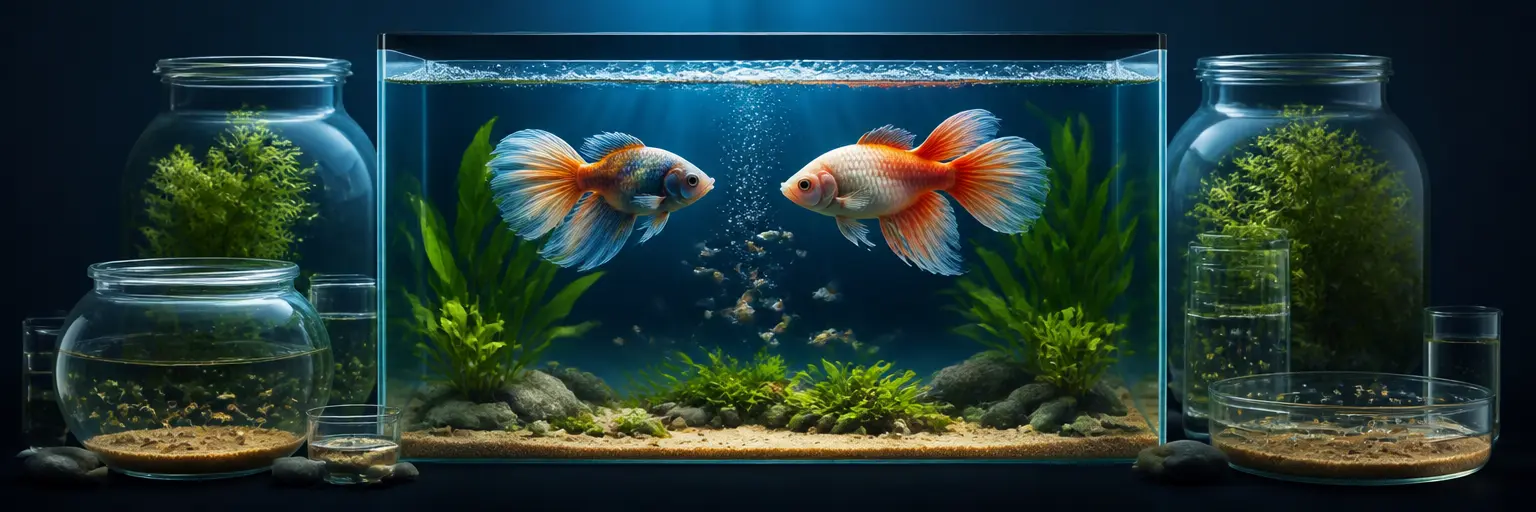
🐠 Master the essentials of aquarium fish breeding with practical techniques for conditioning pairs, preparing spawning tanks, protecting eggs, and rearing healthy fry. Discover guidance on water quality, breeding setups, feeding schedules, and nutritious fry foods for freshwater and saltwater species. Whether you’re a beginner or an experienced aquarist, Aquarium Mastery helps you confidently raise vibrant young fish and improve breeding success.
🌿 Unlock the secrets to Successful fish spawning triggers with expert techniques that enhance breeding success in your freshwater or saltwater aquarium,…
Read article
🌟 Prepare your aquatic paradise with our Aspiring Fish Breeder Checklist. Ensure your tank’s readiness for successful breeding by mastering water chemistry,…
Read article
🌊 Discover effective strategies to prevent saltwater fish parental cannibalism and protect eggs and fry. AquariumMastery.com offers expert guidance on safeguarding your…
Read article
🌊 Discover expert tips for a successful saltwater breeding tank setup, ensuring optimal conditions for spawning. AquariumMastery.com provides comprehensive guidance on creating…
Read article
🐟 Unlock the secrets to a successful Breeding fish tank setup by selecting the right champions and conditioning them for peak reproductive…
Read article
🐟 Discover expert tips for raising fish fry successfully with AquariumMastery.com’s comprehensive step-by-step guide, covering tank setup, water chemistry, and care essentials…
Read article
🐟 Discover the truth behind Eggspectations versus reality in saltwater fish breeding with AquariumMastery.com’s comprehensive guide. Learn essential fry care and breeding…
Read article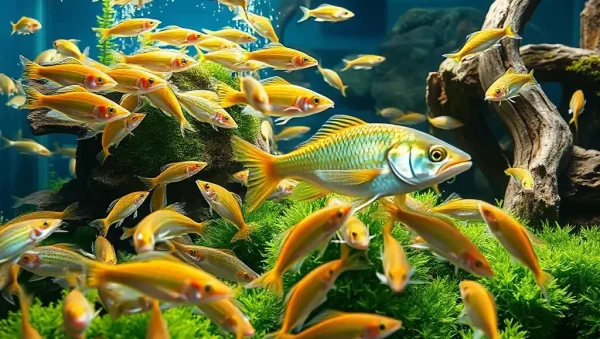
🐟 Discover essential tips for newborn fish fry feeding to ensure healthy growth and vibrant development. AquariumMastery.com offers expert guidance on nurturing…
Read article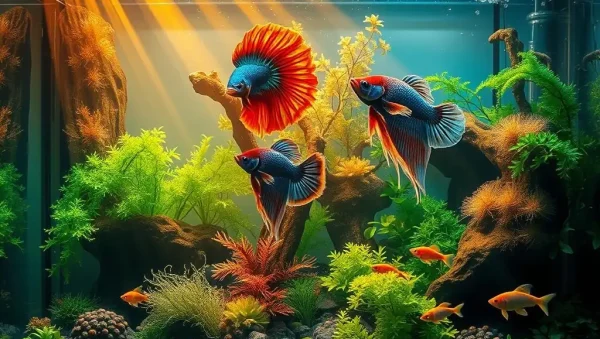
🐟 Struggling with fish breeding spawning problems? AquariumMastery.com offers expert tips to troubleshoot common challenges, optimize spawning conditions, and ensure successful breeding…
Read article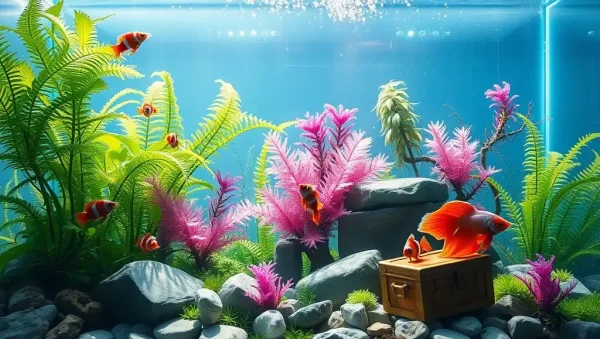
🌊 Mastering water chemistry fry rearing is essential for healthy fry development. AquariumMastery.com offers expert guidance on optimizing water conditions, ensuring your…
Read article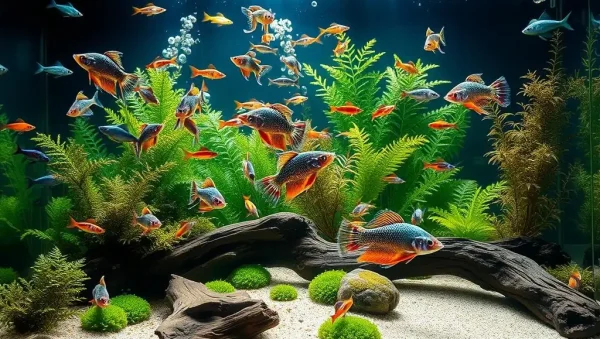
🌟 Discover essential techniques for healthy livebearer fry rearing, ensuring your newborns thrive. AquariumMastery.com offers expert guidance on birthing, tank setup, and…
Read article
🌟 Discover the essential principles for breeding aquarium fish successfully with AquariumMastery.com. This comprehensive guide covers vital techniques, water chemistry, and species-specific…
Read articleDiscover the essential principles of aquarium fish breeding and fry rearing with practical guidance from Aquarium Mastery. This subcategory explains how to prepare breeding tanks, condition adult fish, encourage spawning, protect eggs, and raise healthy fry in freshwater and saltwater aquarium environments. Whether you are breeding livebearers, egg scatterers, bubble nest builders, mouthbrooders, cichlids, or community aquarium species, you will find clear information on breeding techniques, water quality, spawning behavior, fry foods, filtration, disease prevention, and juvenile fish care.
Successful aquarium fish breeding begins with healthy, mature, and properly conditioned parent fish. Learn how to identify breeding pairs, distinguish male and female fish, provide nutritious conditioning foods, and create suitable environmental triggers using temperature, water changes, lighting, and habitat design. Species-specific preparation can significantly improve spawning success and reduce stress.
Readers can also expect guidance on selecting compatible breeding stock and avoiding common problems such as poor genetics, overcrowding, aggression, and inadequate nutrition. These fundamentals apply to popular aquarium fish, including guppies, mollies, platies, bettas, tetras, danios, gouramis, angelfish, cichlids, and many other freshwater species.
A dedicated breeding tank gives fish the privacy, water quality, and safety they need to spawn successfully. Explore recommendations for tank size, spawning mops, live plants, caves, breeding cones, egg traps, dividers, and bare-bottom setups. The right aquarium layout depends on whether the fish are egg layers, livebearers, nest builders, or protective parents.
Learn how to manage filtration and water movement without harming eggs or newly hatched fry. Sponge filters are often ideal because they provide gentle biological filtration while preventing tiny fry from being pulled into an intake. You will also find advice on cycling the aquarium, maintaining stable parameters, and preparing a safe environment before breeding begins.
Different aquarium fish use different spawning strategies, and understanding these behaviors is essential for protecting eggs. This section covers egg scattering, egg depositing, bubble nests, substrate spawning, plant spawning, mouthbrooding, and breeding in caves or shelters. Recognizing the spawning method helps aquarists choose the correct breeding equipment and parental management plan.
Find practical information about removing adults when necessary, preventing egg fungus, maintaining oxygenation, and monitoring hatching development. Readers will learn how gentle water movement, clean conditions, stable temperature, and appropriate lighting can support healthy egg development while reducing losses from fungus, predation, or poor water chemistry.
Raising fish fry requires careful attention during the most vulnerable stage of their development. Learn when newly hatched fry begin free-swimming, how to identify their first feeding stage, and how to provide suitable foods such as infusoria, microworms, baby brine shrimp, powdered fry food, vinegar eels, and finely crushed flakes. Proper fry nutrition supports growth, coloration, immune health, and survival.
This subcategory also explains feeding frequency, portion control, uneaten food removal, and gradual transitions to larger foods as juveniles grow. Since fry have small stomachs and produce waste quickly, readers will learn how to combine frequent small feedings with regular maintenance to keep the rearing tank clean and stable.
Stable water chemistry is one of the most important factors in aquarium breeding success. Explore how temperature, pH, hardness, ammonia, nitrite, nitrate, salinity, and oxygen levels influence spawning, egg development, hatching, and fry growth. Testing aquarium water regularly helps identify problems before they cause developmental issues or mass fry loss.
Readers can expect practical advice on water changes, remineralization, dechlorination, quarantine, and matching replacement water to the breeding tank. The guidance applies to both freshwater and marine breeding projects, while emphasizing that ideal parameters vary by species and should be researched before spawning attempts.
Fry tanks require a careful balance between cleanliness and stability. Learn how to use sponge filters, air pumps, gentle circulation, siphon hoses, airline tubing, and protective screens to maintain water quality without accidentally removing delicate fry. Consistent maintenance prevents ammonia spikes and helps create a healthier environment for rapid juvenile development.
Discover safe methods for removing debris, performing small water changes, cleaning equipment, and monitoring biological filtration. The focus is on simple routines that reduce stress and avoid sudden parameter changes, making fry rearing more manageable for beginners and experienced aquarists alike.
Newly hatched fry are vulnerable to adult fish, tank mates, poor water quality, and infectious disease. This section explains how to use breeding boxes, nursery tanks, dense plants, spawning mops, tank dividers, and species-appropriate shelters to improve survival rates. Separating fry from predators is often one of the most effective steps a breeder can take.
You will also learn how to recognize warning signs such as lethargy, clamped fins, abnormal swimming, white patches, rapid breathing, wasting, and unexplained deaths. Quarantine, careful observation, clean equipment, and appropriate treatment decisions are emphasized to help prevent problems from spreading through the aquarium system.
Fry rearing does not end once the fish begin swimming and feeding independently. Learn how to grade juveniles by size, prevent bullying and competition, provide adequate space, and adjust food size as fish mature. Frequent observation and gradual growth-based changes help juveniles develop strong bodies, natural behavior, and better coloration.
Readers can also explore when to move young fish into larger grow-out aquariums, how to avoid overcrowding, and how to prepare juveniles for community tanks or responsible rehoming. These techniques support sustainable aquarium breeding and help ensure that young fish are placed in suitable long-term environments.
Livebearers such as guppies, platies, mollies, and endlers are often among the easiest fish to breed because they give birth to free-swimming fry. They usually reproduce readily in stable community aquariums, although adult fish may eat the young. A separate nursery tank, floating plants, or breeding cover can improve fry survival.
Maintain excellent water quality, provide gentle water movement, and remove infertile or damaged eggs when appropriate. Some species benefit from mild antifungal treatments, such as carefully dosed products recommended for aquarium use. Always research the specific fish because treatment tolerance varies, and avoid exposing sensitive fry or beneficial biological filtration to unsafe chemicals.
The best first food depends on fry size and species. Very small fry may need infusoria, liquid fry food, or other microscopic foods, while larger fry can often eat microworms, vinegar eels, powdered food, or newly hatched baby brine shrimp. Feed small amounts several times daily and remove excess food to protect water quality.
Small, regular water changes are usually safer than occasional large changes. Many fry tanks benefit from frequent partial changes based on water test results, stocking density, feeding volume, and filtration capacity. Always match temperature and water chemistry closely, and use gentle siphoning methods to prevent accidentally removing fry.
It depends on the species. Some fish provide valuable parental care, while others eat eggs or fry immediately after spawning. Research the natural behavior of the species and observe the parents closely. If aggression, egg consumption, or fry predation occurs, move the adults or protect the eggs and young fish in a separate breeding or nursery aquarium.