
Acan Coral Diseases & Issues: Diagnosis, Treatment & Prevention

Welcome to Aquarium Mastery!
Dive into the fascinating world of coral health! Are your Acans looking less vibrant than usual? Unravel the mysteries of Acan coral disease treatment and discover practical solutions to keep your prized corals thriving. Let's explore the secrets to diagnosis, effective treatment, and preventative measures for a healthy and vibrant reef aquarium!
- Acan Coral Health: Diagnosis, Treatment & Prevention
- Understanding Acan Corals and Their Susceptibility to Stress
- Diagnosing Acan Coral Issues: Identifying the Cause
- Acan Coral Treatment Options: A Practical Guide
- Preventing Acan Coral Problems: Proactive Measures
- Common Issues Affecting Acan Corals: Beyond Disease
- Advanced Acan Coral Care: Maintaining Long-Term Health
- Case Studies: Successful Acan Coral Recovery
- Conclusion: Ensuring the Health and Longevity of Your Acan Corals
-
Frequently Asked Questions
- What are the most common signs of disease in Acan corals?
- What are some potential causes of Acan coral diseases?
- How can I prevent Acan coral diseases in my aquarium?
- What are some effective treatments for Acan coral diseases?
- Where can I find more detailed information about specific Acan coral diseases and their treatments?
- Final Reflection: Cultivating Resilience in Reefs
- Ignite Your Reef Tank's Brilliance!
Acan Coral Health: Diagnosis, Treatment & Prevention
Understanding Acan Corals and Their Susceptibility to Stress
Introduction to Acan Corals: Beauty and Requirements
Acan corals, primarily Acanthastrea lordhowensis and related species, are highly prized by aquarists for their vibrant coloration, unique patterns, and relatively robust nature compared to more delicate coral types. These Large Polyp Stony (LPS) corals are characterized by their fleshy polyps that can inflate significantly, often obscuring their skeletal structure. Their popularity stems from their striking visual appeal and their ability to thrive in a range of lighting and flow conditions, making them a favorite for both novice and experienced reef keepers.
Despite their general hardiness, Acan corals are not immune to stress and can quickly succumb to adverse conditions if not properly managed. Like all corals, they are sensitive organisms that rely on stable environmental parameters to maintain their health and vibrant appearance. Understanding their fundamental needs—moderate light (typically 75-150 PAR), moderate, turbulent flow, and consistent water chemistry—is the first step in preventing common Acan coral disease treatment scenarios.
Stressors Contributing to Acan Coral Issues
Acan corals, while relatively forgiving, are highly susceptible to various environmental stressors that can compromise their health and lead to significant issues. One of the most common culprits is fluctuating water parameters. Sudden shifts in salinity, temperature (outside the ideal 76-78°F or 24.4-25.5°C range), pH, alkalinity (ideally 8-9 dKH), calcium (400-450 ppm), or magnesium (1300-1400 ppm) can rapidly induce stress, leading to tissue recession or bleaching. For instance, a drop in alkalinity by more than 0.5 dKH within 24 hours can be enough to stress a sensitive Acan.
Beyond parameter instability, poor water quality, characterized by elevated nitrates (above 10 ppm) or phosphates (above 0.03 ppm), creates an environment conducive to bacterial proliferation and inhibits coral calcification. Inadequate or improper lighting, whether too intense leading to photoinhibition or too dim causing starvation, also contributes significantly to stress. Furthermore, physical damage from aggressive tank mates, falling rockwork, or even improper handling can create open wounds, making the coral vulnerable to secondary bacterial infections, which often necessitate prompt Acan coral disease treatment.
Common Acan Coral Problems: An Overview
Acan corals can exhibit a range of health problems, from subtle changes in appearance to rapid tissue loss. One of the most alarming issues is tissue recession, which can manifest as either Rapid Tissue Necrosis (RTN) or Slow Tissue Necrosis (STN). RTN involves the sudden and widespread loss of coral tissue, often appearing overnight, while STN is a more gradual decline, typically starting from the base or edges of the coral. Both conditions expose the underlying skeleton and, if left unaddressed, can lead to the coral's demise.
Another prevalent problem is coral bleaching, where the Acan loses its vibrant color and appears pale or even stark white. This is primarily due to the expulsion of symbiotic zooxanthellae, microscopic algae living within the coral's tissues, often triggered by temperature spikes or excessive light intensity. Beyond these, Acans are also vulnerable to bacterial and protozoan infections, such as Brown Jelly Disease (BJD), as well as infestations by specific pests like Acan-eating nudibranchs or predatory flatworms. Each of these issues requires careful diagnosis and a targeted Acan coral disease treatment approach.
Diagnosing Acan Coral Issues: Identifying the Cause
Visual Indicators of Acan Coral Problems
Observing your Acan corals daily is crucial for early detection of health issues. A healthy Acan typically exhibits fully inflated polyps, vibrant and consistent coloration, and no visible exposed skeleton. The polyps should feel firm and fleshy to the touch (if gently handled) and respond to feeding cues by extending their tentacles. These are positive signs of a thriving coral, robust enough to ward off potential infections.
Conversely, early signs of distress in Acan corals are often subtle but critical indicators of underlying problems. Reduced polyp extension or inflation, where the coral appears shrunken or "deflated," is a common initial symptom. Fading or dull coloration, often appearing patchy, can suggest nutrient deficiencies or lighting imbalances. A slimy appearance or the presence of white patches on the tissue can point towards bacterial infections or beginning tissue necrosis. Any visible exposed skeleton, especially if increasing in area, indicates tissue recession and requires immediate investigation to determine the appropriate Acan coral disease treatment.
Recognizing Tissue Recession in Acan Corals
Tissue recession in Acan corals is a severe and often rapidly progressing condition characterized by the loss of living tissue, exposing the underlying white skeleton. This can manifest in two primary forms: Rapid Tissue Necrosis (RTN) and Slow Tissue Necrosis (STN). RTN typically appears as a sudden, dramatic sloughing off of tissue, often leaving a distinct white line where the tissue is peeling away from the skeleton.
It can consume an entire colony within 24-48 hours. For example, a 3-inch Acan colony can lose 50% of its tissue to RTN overnight if conditions are severely unstable or a virulent pathogen is present.
STN, on the other hand, is a more gradual process, where tissue loss occurs slowly over days or weeks, often starting from the base of the coral or areas of physical damage. The exposed skeleton might become covered in algae as it dies off. Both RTN and STN are generally symptomatic of severe stress, such as drastic shifts in alkalinity or temperature, or aggressive bacterial infections. Prompt identification is critical, as effective Acan coral disease treatment for tissue recession often involves immediate isolation and intervention to halt the progression and save the remaining healthy tissue.
Identifying Bleaching in Acan Corals
Bleaching in Acan corals is a distinct visual indicator of severe stress, where the coral loses its characteristic vibrant coloration and appears pale, translucent, or stark white. This phenomenon occurs when the coral expels its symbiotic zooxanthellae, the photosynthetic algae living within its tissues that provide the coral with essential nutrients and its color. While the coral itself is still alive during bleaching, it is in a highly compromised state, relying solely on direct feeding for survival and becoming significantly more vulnerable to disease.
The primary triggers for Acan coral bleaching are environmental extremes. Temperature stress is a leading cause; for instance, prolonged exposure to temperatures above 82°F (27.8°C) or below 74°F (23.3°C) can induce bleaching. Excessive light intensity or sudden changes in light spectrum can also cause photoinhibition, forcing the coral to expel its zooxanthellae. In some cases, poor water quality, such as sustained high nitrates (e.g., over 20 ppm) or phosphates (e.g., over 0.05 ppm), can also contribute to bleaching by stressing the coral's internal systems. Addressing the underlying stressor is paramount for successful Acan coral disease treatment for bleaching.
Spotting Infections: Bacterial and Protozoan Issues in Acans
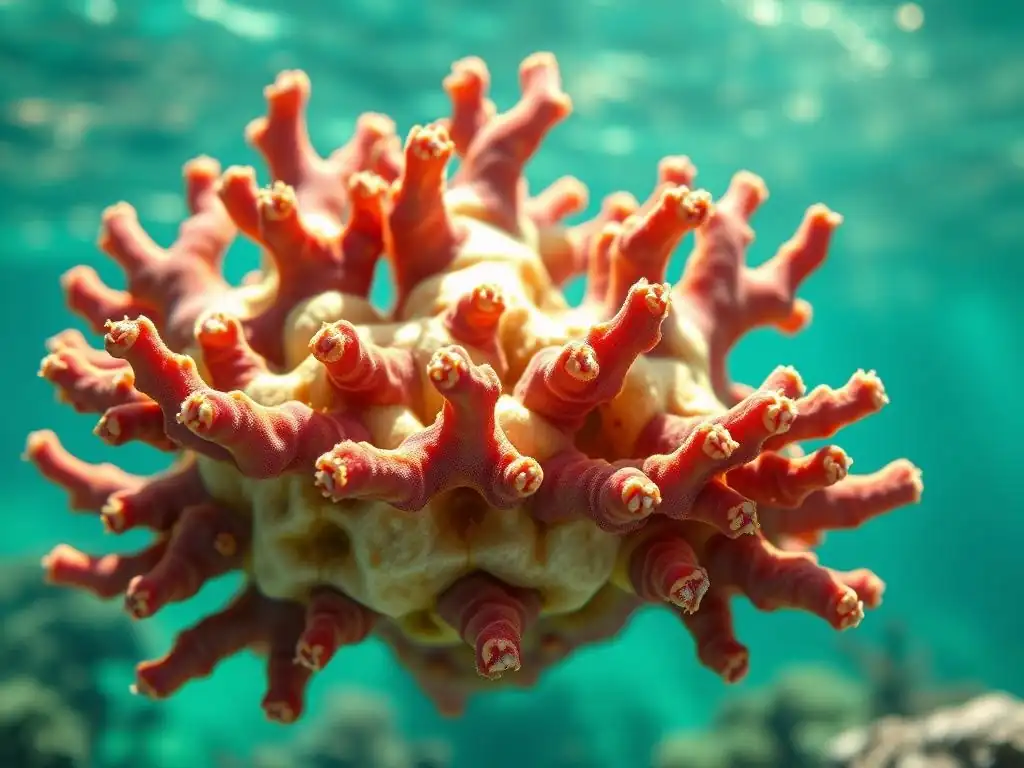
Bacterial and protozoan infections can be devastating to Acan corals, often causing rapid tissue degradation. One of the most notorious bacterial infections is Brown Jelly Disease (BJD), which appears as a thick, gelatinous brown slime covering the coral tissue, rapidly consuming it. This highly contagious infection can spread quickly to neighboring polyps or corals if not immediately addressed. BJD often initiates on areas of physical damage or stress, indicating that compromised coral integrity is a common precursor to bacterial onslaught.
Protozoan infections are less frequently documented as primary causes of Acan coral issues but can occur, often presenting as a general decline in health, localized tissue recession, or a "fuzzy" appearance on the coral surface. While visually less distinct than BJD, protozoan issues can still lead to significant tissue loss if left untreated. For both bacterial and protozoan infections, early identification is key.
Look for any unusual growths, discoloration that isn't bleaching, or rapid tissue decay. Prompt Acan coral disease treatment, often involving targeted dips or antibiotics, is crucial to prevent the infection from spreading and consuming the entire colony.
Differentiating Between Issues and Pest Infestations in Acan Corals
Distinguishing between environmental issues, infections, and pest infestations is critical for effective Acan coral disease treatment. While tissue recession or bleaching might stem from water parameter instability or lighting problems, a pest infestation will present specific, observable signs. For instance, Acan-eating nudibranchs ( Phestilla melanobrachia) are small, often camouflaged predators that feed exclusively on Acan coral tissue.
Their presence is usually indicated by localized bite marks, circular lesions on the coral, or the nudibranchs themselves, which often mimic the coral's coloration and are found in crevices or on the underside of the coral. Their egg masses, typically white spirals, may also be visible on the skeleton.
Similarly, predatory flatworms, such as Convolutriloba retrogemma (red planaria), can irritate Acan coral tissue, causing it to retract or appear stressed, even though they don't directly consume the coral. These flatworms are often seen crawling on the coral surface or congregating in detritus nearby.
Unlike infections, which typically involve a generalized breakdown of tissue, pest damage is often localized and can be accompanied by visible pests or their remnants. A thorough visual inspection, often aided by a magnifying glass, and a diagnostic coral dip can help confirm the presence of pests and differentiate them from other health issues, guiding the appropriate Acan coral disease treatment.
Acan Coral Treatment Options: A Practical Guide
Water Parameter Adjustments for Acan Coral Recovery
When an Acan coral shows signs of distress, the first and most critical step in Acan coral disease treatment is to meticulously review and stabilize water parameters. While specific target numbers are important, consistency is paramount. For salinity, aim for a stable 1.025-1.026 specific gravity, avoiding swings greater than 0.001 within 24 hours. Temperature should be maintained consistently between 76-78°F (24.4-25.5°C), with fluctuations kept to less than 1°F (0.5°C) per day.
Alkalinity, calcium, and magnesium are vital for skeletal growth and overall coral health. Maintain alkalinity between 8-9 dKH, calcium at 400-450 ppm, and magnesium at 1300-1400 ppm. Any adjustments to these parameters should be made slowly and incrementally, ideally no more than 0.5 dKH per day for alkalinity, and 20 ppm for calcium, to prevent further shock.
Furthermore, controlling nitrates (below 10 ppm) and phosphates (below 0.03 ppm) is crucial, as elevated levels can contribute to tissue recession and inhibit recovery. Implementing small, frequent water changes (e.g., 10% twice a week) with a high-quality salt mix can effectively help stabilize parameters and dilute potential toxins, providing a foundational environment for Acan coral disease treatment.
Quarantine Procedures for Affected Acan Corals
Establishing a dedicated quarantine tank (QT) is an indispensable tool for effective Acan coral disease treatment and preventing the spread of issues within your main display. A QT setup doesn't need to be elaborate; a simple 10-gallon tank with a small heater, a powerhead for gentle flow, an air stone, and a low-intensity light is often sufficient.
The primary advantage of a QT is its isolation, allowing you to administer targeted treatments without affecting the delicate ecosystem of your main tank. This means you can use medications or dips that might be harmful to other inhabitants or beneficial bacteria in your primary system.
When an Acan coral exhibits signs of disease or pest infestation, immediately transfer it to the QT. This isolation period, typically lasting 2-4 weeks or until the coral shows clear signs of recovery, allows for close observation and focused intervention.
For instance, if you suspect a bacterial infection, you can perform antibiotic dips in the QT without concern for your main tank's biological filtration. Moreover, a QT provides a controlled environment to fine-tune water parameters specifically for the stressed coral, which might differ slightly from the main tank's established parameters, thereby enhancing the efficacy of the Acan coral disease treatment.
Treatment Protocols for Acan Coral Issues
Antibiotic Treatments for Bacterial Infections in Acan Corals
Bacterial infections, particularly aggressive forms like Brown Jelly Disease (BJD), demand swift and decisive Acan coral disease treatment. For localized infections, a topical application of an antibiotic paste can be highly effective. This involves carefully removing the affected coral from the water, gently suctioning off any visible brown jelly, and then applying a thick paste made from a broad-spectrum antibiotic (such as Neomycin or Furan-2, mixed with a small amount of tank water) directly onto the infected area. This method ensures concentrated delivery of the medication to the affected tissue.
For more widespread bacterial issues or when BJD is rapidly progressing, short-term antibiotic dips in a separate container can be employed. Prepare a solution of the antibiotic (e.g., 1 tablet of Furan-2 per gallon of tank water) using water from the quarantine tank. Dip the affected Acan coral for a recommended period, typically 5-10 minutes, while observing it closely for adverse reactions.
While systemic antibiotic treatment by dosing the entire quarantine tank is possible, it carries risks to the tank's biological filtration and is generally less recommended unless directed by an experienced aquarist or veterinarian. Always follow product instructions carefully and consider the potential impact on beneficial bacteria.
Treatments for Protozoan Infections in Acan Corals
Protozoan infections in Acan corals are less common than bacterial issues and can be more challenging to definitively diagnose and treat. Often, a general decline in coral health or localized tissue irritation might be observed. While specific anti-protozoan medications exist (e.g., Metronidazole), their direct efficacy against coral protozoans is not as well-established as for other aquatic organisms. Therefore, the primary Acan coral disease treatment for suspected protozoan issues often focuses on strengthening the coral's natural defenses and improving its environment.
This typically involves meticulous attention to water quality, ensuring all parameters are stable and optimal, and that the coral is receiving adequate nutrition. Short, preventative dips using commercial coral dips that have mild antiseptic properties can sometimes help, though they are primarily aimed at pest removal.
If a protozoan infection is suspected, maintaining the coral in a pristine quarantine environment with excellent flow and consistent feeding can give it the best chance to recover naturally. In some severe cases, a course of a broad-spectrum anti-parasitic medication in the quarantine tank might be considered, but this should be approached with caution due to potential side effects on beneficial microorganisms.
Dip Solutions for Acan Coral Infections
Coral dips are an essential first line of Acan coral disease treatment, particularly for new arrivals or corals showing early signs of irritation or potential pest infestation. Commercial coral dips, such as Coral RX, Revive Coral Cleaner, or even diluted household products like Bayer Complete Insect Killer (containing Imidacloprid), are designed to dislodge pests like nudibranchs and flatworms, and provide a mild antiseptic effect. These dips work by irritating the pests, causing them to detach from the coral, making them easier to remove.
The dipping procedure involves preparing the solution in a separate container using water from the coral's current tank. The coral is gently placed in the dip for a specified duration, typically 5 to 15 minutes, depending on the product and the coral's sensitivity. During the dip, gently agitating the coral or using a turkey baster to squirt water over its polyps can help dislodge stubborn pests or detritus.
After the dip, the coral should be thoroughly rinsed in clean tank water before being returned to the display or quarantine tank. It's crucial to observe the coral closely during and after the dip for any signs of extreme stress, such as excessive sliming or tissue retraction.
Surgical Intervention: Removing Affected Tissue in Acan Corals
In cases of localized tissue necrosis, such as a small patch of RTN or an isolated area of Brown Jelly Disease, surgical intervention can be a highly effective Acan coral disease treatment to prevent the spread of the issue. This method involves physically removing the diseased tissue, ideally with a small margin of healthy tissue, to ensure the infection is completely excised. The key is precision and speed to minimize stress on the coral.
The procedure typically requires a sharp, sterile razor blade or scalpel. The affected coral is carefully removed from the water, placed on a clean, soft surface (like a paper towel), and the diseased area is meticulously cut away.
For example, if a 2-inch Acan colony has a 0.5-inch section of RTN, carefully cut around that 0.5-inch section, ensuring the cut is made into healthy tissue by approximately 1-2 millimeters. After excision, the coral should be dipped in an antiseptic solution, such as a povidone-iodine based coral dip, for a few minutes to disinfect the wound, then placed in a clean quarantine tank with optimal flow and stable parameters to recover.
Acan Coral Fragging as a Salvage Method
When a significant portion of an Acan coral colony is affected by disease or necrosis, but some healthy polyps remain, fragging can serve as a vital salvage method. This involves carefully cutting and separating the healthy sections from the dying or diseased parts of the colony. The goal is to isolate and preserve the viable tissue, preventing the spread of the issue to the remaining healthy polyps. For instance, if an Acan colony has RTN rapidly consuming half of its structure, carefully fragging the healthy half away can save the coral's genetics and establish a new, healthy colony.
While fragging is an effective Acan coral disease treatment for salvage, it also introduces additional stress to an already compromised coral. Therefore, it should be considered a last resort when other interventions have failed or are not feasible. After fragging, the newly separated healthy frag should be dipped in an antiseptic solution (like iodine dip) and immediately placed in a pristine quarantine tank with stable water parameters, moderate flow, and appropriate lighting. Providing optimal conditions in the QT is crucial for the frag to heal, encrust, and eventually thrive, preventing further tissue loss.
Preventing Acan Coral Problems: Proactive Measures
Maintaining Optimal Water Quality for Acan Corals
The cornerstone of long-term Acan coral health and the most effective preventative Acan coral disease treatment is maintaining consistently optimal water quality. This involves diligent monitoring and management of key parameters. Regular testing, ideally weekly or bi-weekly, for alkalinity, calcium, magnesium, nitrates, and phosphates, allows for proactive adjustments before parameters drift into stressful ranges. For example, maintaining alkalinity at a steady 8.0-8.5 dKH prevents the rapid swings that can trigger tissue recession.
Consistent water changes, typically 10-20% weekly or bi-weekly, are fundamental. These help replenish essential trace elements that corals consume, while simultaneously diluting accumulated pollutants and excess nutrients. Using a high-quality salt mix from a reputable brand ensures that the new water introduced provides the necessary mineral balance without introducing undesirable contaminants. Beyond regular water changes, effective protein skimming, proper filtration, and avoiding overfeeding are all crucial components of maintaining the pristine water quality that Acan corals need to thrive and resist disease.
The Importance of Proper Alkalinity, Calcium, and Magnesium
Alkalinity, calcium, and magnesium are the three fundamental pillars of water chemistry for calcifying corals like Acans. These elements are the building blocks for their skeletal growth and overall physiological health. Alkalinity, ideally maintained between 8-9 dKH, represents the water's buffering capacity and its ability to resist pH swings. Too low alkalinity can lead to stunted growth and tissue recession, while excessively high levels can cause precipitation and stress.
Calcium, typically targeted at 400-450 ppm, is directly utilized by corals to build their aragonite skeletons. Consistent calcium levels ensure continuous growth and repair. Magnesium, at 1300-1400 ppm, plays a crucial role in preventing the precipitation of calcium carbonate, thereby allowing calcium and alkalinity to remain soluble and available for coral uptake.
Maintaining stability in these three parameters is far more important than hitting exact numbers; sudden fluctuations, even if within "acceptable" ranges, can severely stress Acan corals and make them susceptible to problems that require Acan coral disease treatment. Using a dosing system or two-part solution can help maintain these levels consistently.
Nitrate and Phosphate Control in Acan Coral Aquariums
Controlling nitrate and phosphate levels is paramount for preventing issues in Acan corals. While corals do require trace amounts of nutrients, elevated levels of nitrates (above 10 ppm) and phosphates (above 0.03 ppm) can become toxic, inhibit calcification, promote undesirable algae growth that can smother corals, and directly stress Acans, making them more vulnerable to infections. For instance, prolonged exposure to phosphates above 0.1 ppm can significantly impede an Acan's ability to grow its skeleton.
Several strategies can be employed for effective nutrient control. Regular water changes are the simplest and most effective method for diluting these compounds. Avoiding overfeeding and ensuring all food is consumed minimizes nutrient input.
Robust protein skimming is essential for removing organic waste before it breaks down into nitrates and phosphates. Additionally, employing chemical filtration media like Granular Ferric Oxide (GFO) for phosphate removal or utilizing biological methods such as biopellets, carbon dosing, or a macroalgae refugium for both nitrate and phosphate reduction can help maintain undetectable or very low levels, fostering a healthier environment and reducing the need for aggressive Acan coral disease treatment.
Acclimation Procedures for New Acan Corals
Proper acclimation is a critical preventative measure for all new Acan corals entering your aquarium. The transition from a supplier's tank to your home system can be incredibly stressful due to differences in water parameters, lighting, and flow. Skipping or rushing acclimation can induce severe shock, leading to immediate tissue recession, bleaching, or an increased susceptibility to disease.
The drip acclimation method is highly recommended for Acans, allowing for a slow, gradual equalization of temperature and salinity. This process should ideally last 1-2 hours, slowly introducing your tank water into the bag water until the salinity matches. Beyond water parameters, lighting acclimation is equally vital.
New Acans should initially be placed in lower light areas of your tank and gradually moved to their desired, brighter location over several days to weeks. This prevents photoinhibition and bleaching. Furthermore, always quarantine new corals in a separate tank for at least 4-6 weeks, inspecting them thoroughly and performing preventative dips to ensure no pests or diseases are introduced to your main display, thereby minimizing the need for future Acan coral disease treatment in your established colonies.
Proper Acan Coral Placement and Flow
Strategic placement and appropriate flow are crucial for the long-term health and vibrancy of Acan corals, significantly reducing their susceptibility to issues. Acans generally prefer moderate light levels, typically in the 75-150 PAR range. Placing them directly under intense LED pucks can lead to bleaching and photoinhibition, while too low light can cause them to fade and eventually starve. It's often best to start them in a lower light area and gradually move them if they show signs of wanting more light, such as increased color intensity.
Flow is equally important. Acans require moderate, indirect, and turbulent flow to prevent detritus from settling on their fleshy polyps and to ensure efficient nutrient exchange. Too strong a flow can cause tissue damage, tearing, or prevent the polyps from fully extending and feeding.
Conversely, insufficient flow allows detritus to accumulate, leading to tissue necrosis and fostering bacterial growth. Ensure there is enough water movement to gently sway the polyps without blasting them directly. Also, provide ample space (at least 3-4 inches) between Acans and other corals, as they can extend sweeper tentacles at night and sting neighboring corals, leading to tissue damage that often requires Acan coral disease treatment.
Preventing Pest Introduction in Acan Corals
Preventing the introduction of pests is arguably one of the most proactive and effective measures in maintaining Acan coral health and avoiding the need for extensive Acan coral disease treatment. Many common coral pests, such as Acan-eating nudibranchs, predatory flatworms, and Sundial snails, are introduced on new corals. The most robust defense against these unwelcome invaders is a strict quarantine protocol for all new coral acquisitions.
A dedicated quarantine tank (QT) allows you to observe new corals in isolation for at least 4-6 weeks. During this period, perform multiple preventative coral dips (e.g., using Coral RX or Bayer Complete Insect Killer) spaced a few days apart, as many pests lay eggs that are resistant to dips. Thoroughly inspect the coral, especially the underside and crevices, for any visible pests or egg masses before and after dipping.
If pests are found, manually remove them with tweezers or a turkey baster during the dip. Never introduce a new coral directly into your display tank without proper quarantine and dipping, as a single pest can quickly decimate your entire Acan collection.
Regular Observation and Early Intervention
Regular, diligent observation of your Acan corals is perhaps the most powerful tool for preventing minor issues from escalating into major problems requiring intensive Acan coral disease treatment. Daily visual inspections allow you to catch the earliest signs of distress, such as subtle changes in color, reduced polyp inflation, or the initial appearance of white patches on the tissue. For example, noticing a slight retraction of polyps on one side of a colony might indicate localized flow issues or early tissue recession.
The principle of "early intervention" dictates that the sooner a problem is identified, the higher the chance of successful resolution. If you notice a change, immediately test your water parameters, assess flow and lighting, and consider isolating the affected coral in a quarantine tank for closer observation and targeted treatment. Keeping a log of your water parameters, feeding schedules, and any observed changes in coral health can help identify patterns and potential triggers. Proactive monitoring transforms reactive problem-solving into preventative care, significantly enhancing the long-term health and vibrancy of your Acan coral collection.
Common Issues Affecting Acan Corals: Beyond Disease
Acan Coral Tissue Necrosis: Causes and Solutions
Acan coral tissue necrosis, primarily seen as Rapid Tissue Necrosis (RTN) or Slow Tissue Necrosis (STN), is a devastating condition where the living tissue dies off, exposing the underlying skeleton. While often associated with bacterial infections, necrosis can also be a direct result of severe environmental stress, independent of a specific pathogen.
For instance, a sudden temperature drop from 78°F to 72°F (25.5°C to 22.2°C) or an alkalinity crash from 9 dKH to 6 dKH can induce RTN within hours. Prolonged exposure to high nitrates (e.g., consistently above 20 ppm) or phosphates (e.g., consistently above 0.05 ppm) can also lead to chronic stress and STN.
Solutions for non-infectious necrosis focus on immediately identifying and rectifying the underlying stressor. This involves stabilizing all water parameters to their optimal ranges, ensuring adequate but not excessive flow, and verifying appropriate lighting intensity. If the necrosis is localized, surgical intervention by fragging off the healthy tissue can prevent further spread.
For instance, a 4-inch Acan colony with necrosis starting from one edge might be saved by fragging off the healthy 3 inches. Post-fragging, the healthy piece should be placed in a pristine quarantine environment with highly stable parameters to encourage recovery, making this a crucial Acan coral disease treatment for salvage.
Acan Coral Fading Color: Addressing Nutrient Imbalances and Lighting
Fading color in Acan corals, where their vibrant hues become dull or washed out, is a common issue that typically points to either nutrient imbalances or inappropriate lighting. In a Ultra Low Nutrient System (ULNS), where nitrates are often undetectable and phosphates are near zero, Acans can suffer from "starvation," as their symbiotic zooxanthellae require some level of nutrients to thrive. In such cases, the coral may expel some zooxanthellae, leading to a paler appearance. Conversely, excessively high nitrates (e.g., >15 ppm) and phosphates (e.g., >0.05 ppm) can also cause fading by stressing the zooxanthellae.
Lighting is another critical factor. Too little light intensity (e.g., below 50 PAR) will not allow the zooxanthellae to photosynthesize effectively, leading to a loss of coloration and potentially starvation. Conversely, too much light (e.g., consistently above 200 PAR) can cause photoinhibition and bleaching, where the coral expels its zooxanthellae to protect itself, resulting in a white or faded appearance.
The solution involves adjusting feeding strategies to ensure appropriate nutrient levels (e.g., aiming for nitrates 2-5 ppm, phosphates 0.01-0.03 ppm) and fine-tuning lighting intensity and spectrum. Gradually increasing feeding or adjusting light fixtures can often restore the Acan's vibrant coloration, acting as a preventative Acan coral disease treatment.
Acan Coral Overgrowth and Competition
While Acan corals are prized for their growth, their expansion can sometimes lead to issues of overgrowth and competition within a crowded reef tank. As Acans grow, their fleshy polyps can come into direct contact with neighboring corals or even other polyps on the same colony. This direct contact can lead to aggressive interactions, as Acans, like many LPS corals, possess sweeper tentacles that can inflict potent stings on other corals, causing tissue recession or even death for the less aggressive neighbor. An Acan extending a 2-inch sweeper tentacle overnight can severely damage a nearby soft coral.
Furthermore, if an Acan colony grows too large and its polyps become excessively crowded, they can start to compete with each other for space and light, potentially leading to self-shading or localized tissue necrosis within the colony itself. The solution involves providing adequate spacing from the outset, allowing several inches of clearance around each Acan colony. As colonies grow, regular monitoring is essential.
If competition becomes an issue, consider fragging the colony to reduce its size or repositioning it to a less crowded area of the tank. This proactive management prevents physical damage that might otherwise require Acan coral disease treatment.
Acan Coral Pest Management: Nudibranchs, Flatworms, and Other Threats
Beyond general diseases, Acan corals are specifically targeted by certain pests that can cause significant damage. Acan-eating nudibranchs ( Phestilla melanobrachia) are highly specialized predators that feed exclusively on Acan coral tissue. They are often camouflaged, mimicking the coral's color, and can quickly decimate a colony if left unchecked. Their presence is usually indicated by localized feeding scars or the nudibranchs themselves, which can be difficult to spot, often found in crevices or on the undersides of polyps.
Other threats include predatory flatworms, such as Convolutriloba retrogemma (red planaria), which, while not directly consuming coral tissue, can irritate it, causing retraction and stress. Sundial snails ( Heliacus areola) are also known predators of Acan and other LPS corals, often active at night. Effective pest management is a crucial component of Acan coral disease treatment and prevention.
This involves rigorous quarantine and dipping of all new corals, manual removal of visible pests, and repeated dips if infestations are confirmed (e.g., 3 dips spaced 3-5 days apart to target newly hatched eggs). Biological control, such as the introduction of certain wrasses, can sometimes help, but should be approached with caution as they are not always reef-safe.
Advanced Acan Coral Care: Maintaining Long-Term Health
Proper Feeding Strategies for Acan Corals
While Acan corals derive most of their energy from photosynthesis via their symbiotic zooxanthellae, they are also facultative filter feeders that greatly benefit from direct feeding. Providing supplemental nutrition enhances their growth rate, improves coloration, and boosts their overall resilience, making them less susceptible to stress and disease. High-quality, finely chopped meaty foods such as mysis shrimp, brine shrimp, copepods, or specialized coral pellets and powdered foods (e.g., Polyp-Lab Reef-Roids) are excellent choices.
Feeding should ideally occur 1-3 times per week, typically after the main lights have dimmed or turned off, as this is when Acan polyps are most extended and receptive to capturing food. Using a turkey baster or pipet allows for targeted feeding, ensuring the food reaches the coral directly and minimizes waste in the tank.
For example, turning off the flow for 15-20 minutes during feeding allows the coral to consume the food without it being immediately swept away. This direct nutritional input is a proactive measure that strengthens the coral's immune system, reducing the likelihood of needing intensive Acan coral disease treatment later on.
Understanding Acan Coral Lighting Requirements
Understanding and providing the correct lighting is fundamental to the long-term health and vibrant coloration of Acan corals. Acans thrive under moderate lighting intensity, typically in the range of 75-150 PAR (Photosynthetically Active Radiation). Too little light (e.g., below 50 PAR) can lead to fading colors, reduced polyp extension, and eventual starvation, as their zooxanthellae cannot produce enough energy. Conversely, too much light (e.g., consistently above 200 PAR) can cause photoinhibition, leading to severe bleaching as the coral expels its symbiotic algae to protect itself from excessive light energy.
The spectrum of light is equally important. Acans benefit from a broad spectrum LED or T5 lighting setup that includes a significant blue component (actinics, typically 420-470 nm), which is crucial for zooxanthellae photosynthesis and enhances the coral's natural fluorescence. When introducing new Acans or changing lighting fixtures, it's vital to acclimate them slowly by placing them in lower light areas first and gradually moving them to their desired intensity over several days or weeks. This careful management of lighting is a key preventative measure against stress-induced issues that would otherwise require Acan coral disease treatment.
The Role of Trace Elements in Acan Coral Health
Beyond the major elements like alkalinity, calcium, and magnesium, trace elements play a subtle yet vital role in the long-term health and vitality of Acan corals. Elements such as iodine, strontium, potassium, boron, and iron are consumed by corals during their metabolic processes, including calcification, cellular function, and enzyme activity. While required in very small quantities, deficiencies can lead to stunted growth, poor coloration, and increased susceptibility to stress and disease. For instance, adequate iodine levels are believed to support coral health and boost their natural defenses.
The primary method for replenishing trace elements in a reef aquarium is through regular, consistent water changes with a high-quality salt mix. Most reputable salt brands are formulated to contain a balanced profile of these essential elements. While some advanced aquarists choose to dose specific trace elements, this should be done with extreme caution and only if you have the means to accurately test for them.
Overdosing trace elements can be far more detrimental than a slight deficiency. Maintaining pristine water quality and performing consistent water changes are generally sufficient to provide the necessary trace elements, minimizing the need for specific Acan coral disease treatment related to nutrient deficiencies.
Case Studies: Successful Acan Coral Recovery
Case Study 1: Rapid Tissue Necrosis (RTN) Treatment
Scenario: A 4-inch Acan colony, previously thriving, suddenly developed Rapid Tissue Necrosis (RTN) overnight. A significant portion of its tissue, approximately 30%, had completely sloughed off, exposing the white skeleton. Investigation revealed a heater malfunction had caused a brief, but severe, temperature spike in the display tank to 86°F (30°C) before returning to 78°F (25.5°C).
Intervention:
- Immediate Isolation: The affected Acan was promptly removed from the main display and placed into a dedicated 10-gallon quarantine tank (QT) with stable parameters (77°F, 8.5 dKH, 420 ppm Ca, 1350 ppm Mg).
- Surgical Removal: Using a sterile razor blade, the necrotic tissue was carefully cut away, ensuring a small margin (approx. 2mm) of healthy tissue was also removed to prevent further spread. The exposed skeleton was gently brushed clean.
- Antiseptic Dip: Following the surgery, the coral was given a 10-minute dip in a solution of Furan-2 (1 tablet per gallon of QT water) to address any potential underlying bacterial components and disinfect the wound.
- Optimized QT Environment: The QT maintained consistent water flow and moderate lighting. Daily 1-gallon water changes were performed in the QT for the first week to ensure pristine conditions and remove any residual medication or dying tissue.
Outcome: The spread of RTN halted within 24 hours of the intervention. Over the next 3-4 weeks, the Acan slowly began to show signs of recovery, with new tissue growth observed around the edges of the fragged area. The colony was successfully saved, albeit smaller, demonstrating that swift and targeted Acan coral disease treatment can halt even aggressive conditions like RTN.
Case Study 2: Algae Overgrowth and Tissue Recession Correction
Scenario: An established 6-inch Acan colony in the main display tank began exhibiting slow tissue recession (STN) from its base, accompanied by a noticeable encroachment of hair algae onto the exposed skeleton and even some living tissue. Water tests consistently showed elevated nitrates (30 ppm) and phosphates (0.1 ppm) for several weeks.
Intervention:
- Manual Algae Removal: The hair algae directly encroaching on the Acan's tissue and skeleton was carefully siphoned and manually removed.
- Increased Water Changes: The regular weekly 10% water change schedule was increased to 20% twice a week for a month to rapidly reduce nutrient levels.
- Nutrient Export Enhancement: A Granular Ferric Oxide (GFO) reactor was installed to specifically target and reduce phosphates, and a carbon dosing regimen (e.g., vinegar dosing) was initiated to lower nitrates.
- Enhanced Flow: A small powerhead was repositioned to provide more gentle, turbulent flow directly around the Acan to prevent detritus accumulation on its polyps and discourage algae settlement.
- Targeted Feeding Adjustment: Feeding of the main tank was slightly reduced to minimize nutrient input, and the Acan itself was target-fed small amounts of coral-specific food twice a week to ensure it received adequate nutrition despite lower ambient nutrients.
Outcome: Within 1 week, the tissue recession halted, and the hair algae began to recede. Over the next month, as nitrates dropped to below 5 ppm and phosphates to below 0.03 ppm, the Acan's tissue fully recovered, covering the previously exposed skeleton. The comprehensive approach to water quality and flow demonstrated an effective Acan coral disease treatment by addressing the root cause of the stress and promoting self-repair.
Conclusion: Ensuring the Health and Longevity of Your Acan Corals
Maintaining the health and vibrant beauty of Acan corals is a rewarding aspect of reef keeping, demanding a blend of diligent observation, proactive care, and informed intervention. As we've explored, Acans, while relatively hardy, are susceptible to a range of stressors, from fluctuating water parameters and inadequate lighting to bacterial infections and pest infestations. Early diagnosis of issues, whether it's tissue recession, bleaching, or the presence of specific pests, is paramount for successful outcomes.
Effective Acan coral disease treatment relies on a multi-faceted approach: stabilizing water parameters, implementing quarantine procedures, employing targeted dips or antibiotic treatments when necessary, and even considering surgical intervention or fragging as salvage methods. Beyond reactive measures, prevention is truly the best cure. By consistently maintaining optimal water quality, ensuring proper acclimation, providing appropriate placement and flow, preventing pest introduction, and observing your corals daily, you significantly reduce the likelihood of serious health issues. The continuous commitment to these proactive measures ensures the long-term health, growth, and stunning longevity of your cherished Acan coral collection.
Frequently Asked Questions
What are the most common signs of disease in Acan corals?
Common signs include tissue recession, bleaching (loss of color), and the appearance of jelly-like substances on the coral. These symptoms often indicate underlying stress or infection.
What are some potential causes of Acan coral diseases?
Poor water quality is a major culprit, along with parasites, bacterial infections, and physical damage from tankmates or equipment. Maintaining stable conditions is crucial.
How can I prevent Acan coral diseases in my aquarium?
Regular water testing and changes are essential. Also, ensure proper flow and lighting, and quarantine new arrivals to prevent introducing diseases.
What are some effective treatments for Acan coral diseases?
Treatments vary depending on the disease, but often involve coral dips with iodine solutions or antibiotics, and improving water parameters to support recovery.
Where can I find more detailed information about specific Acan coral diseases and their treatments?
AquariumMastery.com provides comprehensive guides on diagnosing and treating various Acan coral diseases, including specific medication recommendations and preventative measures.
Final Reflection: Cultivating Resilience in Reefs
The intricacies of Acan coral disease, as explored in this article, are not merely academic; they represent a microcosm of the larger challenges facing our planet's coral reefs. The increasing prevalence of these diseases serves as a stark reminder of the delicate balance within marine ecosystems and the urgent need for proactive conservation efforts. Understanding Acan coral disease treatment is, therefore, a critical step towards safeguarding these vital habitats for future generations.
This journey into the world of Acan corals has underscored the profound interconnectedness of life and the responsibility we bear to protect it. Witnessing the resilience of these organisms, even in the face of adversity, inspires a deeper appreciation for the natural world and fuels a desire to contribute to its preservation. We are tied to the ocean. And when we go back to the sea, whether it is to sail or to watch it, we are going back from whence we came.
- John F. Kennedy. This quote resonates deeply, reminding us that the health of our oceans, and the corals within them, is inextricably linked to our own well-being.
Now, armed with knowledge about Acan coral disease treatment and prevention, consider your role in this vital endeavor. Reflect on how you can contribute, whether through supporting sustainable practices, advocating for responsible environmental policies, or simply spreading awareness about the plight of coral reefs. Let the lessons learned here inspire you to become a steward of the marine environment, ensuring that these vibrant ecosystems continue to thrive for years to come.
Ignite Your Reef Tank's Brilliance!
Thanks for exploring the world of Acan corals with us! We hope you’ve gained the knowledge to keep these vibrant creatures thriving in your reef tank. Now, let's put that knowledge into action.
Here's how you can ensure your Acans flourish:
- Immediately inspect your Acan corals for any early signs of disease or stress, referring back to the visual guides in this article. Early detection is key!
- Dive deeper into the fascinating world of coral health. Research different feeding strategies to optimize the coloration and growth of your Acans.
- Share this article with fellow reefing enthusiasts! Help spread awareness and contribute to a healthier reefing community.
What innovative technique will you try first to enhance the vitality of your Acan corals?