
Acropora Pest Alert: Identifying and Eradicating AEFW & Red Bugs Before Devastation

Welcome to Aquarium Mastery!
Ever feel a shiver of dread when you spot something unexpected on your prized Acropora? You're not alone. The world of reef keeping is beautiful, but it's not without its challenges. Are your corals under attack from AEFW or red bugs? This article dives deep into essential Acropora pest control methods, offering practical advice to identify, treat, and prevent these silent killers from devastating your SPS collection. Ready to protect your reef? Let's begin!
- Understanding Acropora Pests: A Reef Keeper's Guide
- Identifying Acropora-Eating Flatworms (AEFW)
- Red Bugs on Acropora: Identification and Impact
- Acropora Pest Control Methods: A Comprehensive Approach
- AEFW Eradication: A Step-by-Step Guide
- Red Bug Eradication: A Detailed Protocol
- Preventing Future Acropora Pest Outbreaks
- Long-Term Acropora Health: Post-Pest Management
- Conclusion: Protecting Your Acropora with Vigilance and Knowledge
-
Frequently Asked Questions
- What are the most common pests that affect Acropora corals?
- How can I identify AEFW infestations in my Acropora aquarium?
- What are some effective treatment options for Acropora Eating Flatworms?
- How do I identify a Red Bug infestation on my Acropora corals?
- What are some common Acropora pest control methods for Red Bugs?
- Final Reflection: Safeguarding Reefs, One Coral at a Time
- Safeguard Your Reef: Act Now Before Pests Take Over!
Understanding Acropora Pests: A Reef Keeper's Guide
The Threat to Acropora: AEFW and Red Bugs
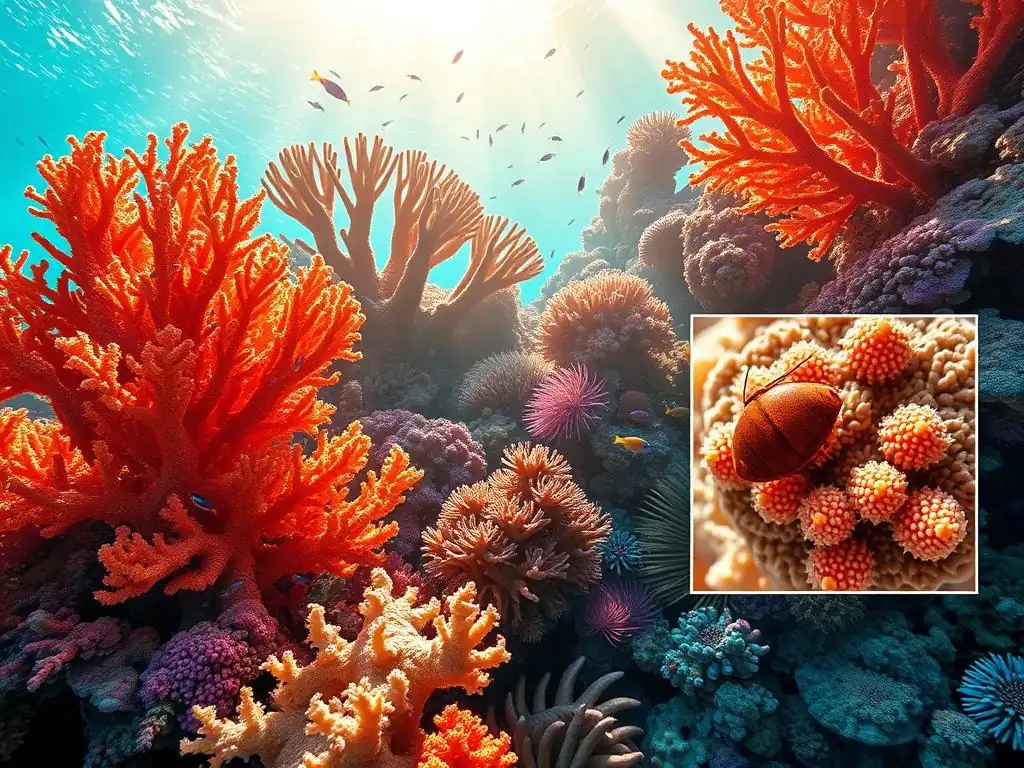
Acropora corals, celebrated for their vibrant colors and intricate structures, are often considered the pinnacle of a successful reef aquarium. However, these stunning corals are particularly vulnerable to a range of pests, with Acropora Eating Flatworms (AEFW), scientifically known as Amakusaplana acroporae, and Red Bugs ( Tegastes acroporanus) being among the most destructive. These two pests pose significant threats, capable of causing rapid decline and even total loss of Acropora colonies if not identified and addressed promptly. Their presence necessitates robust Acropora pest control methods.
AEFW directly consume the living tissue of Acropora corals, leading to visible bite marks and swift tissue recession, often culminating in Rapid Tissue Necrosis (RTN). Red Bugs, while not tissue consumers, are parasitic copepods that feed on the coral's zooxanthellae and mucus, depriving the coral of essential nutrients. This parasitic feeding causes the coral to lose color, exhibit stunted growth, and become significantly weakened, making it more susceptible to other stressors and diseases. Both pests reproduce quickly, making early intervention critical.
Why Early Detection of Acropora Pests is Crucial
The insidious nature of Acropora pests, particularly AEFW, lies in their rapid reproductive cycles and devastating impact. A single mature AEFW, for instance, can lay dozens of eggs daily, leading to an exponential increase in population size within a short period. This rapid proliferation means that a seemingly minor infestation can escalate into a full-blown crisis, capable of decimating an entire Acropora collection in a matter of days or weeks if left unchecked.
Early detection is paramount because it allows reef keepers to implement targeted Acropora pest control methods before the infestation becomes widespread throughout the display tank. Isolating affected corals and treating them in a dedicated quarantine system minimizes the risk of spreading pests to healthy colonies. Addressing a nascent infestation is significantly easier and less stressful for both the corals and the reef keeper than attempting to eradicate a deeply entrenched outbreak that might require systemic treatments affecting the entire aquarium ecosystem.
Identifying Acropora-Eating Flatworms (AEFW)
Recognizing AEFW Damage: Visual Cues on Your Acropora
AEFW damage manifests as distinct visual cues on Acropora corals, making them identifiable if one knows what to look for. The most common sign is localized tissue loss, appearing as white patches of bare skeleton where the flatworms have grazed. These bite marks often appear irregular and can sometimes resemble snail trails, particularly when observed at night with a flashlight. The damage frequently begins in the shaded or less visible areas of the coral, such as the underside of branches or near the base, before progressing to more exposed areas.
Beyond direct tissue loss, infested Acropora colonies may exhibit retracted polyps, even during periods when they would normally be fully extended, indicating stress. The coral's overall coloration might also appear duller or faded in the affected areas. Unlike general coral bleaching caused by light or temperature issues, AEFW damage is typically localized and has a more defined margin between healthy tissue and bare skeleton. Observing these specific signs is the first step in successful Acropora pest control methods.
AEFW Identification: Distinguishing from Other Coral Issues
Identifying AEFW requires keen observation and the ability to differentiate them from other common coral problems. Adult AEFW are small, translucent, oval-shaped flatworms, typically ranging from 5 to 15 millimeters in length. Their coloration often mimics that of the Acropora coral they are feeding on, making them incredibly camouflaged. They tend to cling tightly to the coral's surface but may detach and float in the water column if disturbed, sometimes releasing a brown, stringy fecal matter.
It is crucial to distinguish AEFW damage from other forms of tissue loss. For instance, bacterial infections might present as "brown jelly disease" or RTN with a visible slime layer, whereas AEFW damage typically leaves clean, white skeleton. Physical damage or alkalinity burns also leave distinct marks. The definitive identification of AEFW often involves observing the flatworms themselves, particularly at night with a red flashlight, or after performing a prophylactic coral dip, which causes them to detach and become visible in the dip solution.
AEFW Life Cycle: Understanding the Enemy
Understanding the AEFW life cycle is fundamental to developing effective Acropora pest control methods. AEFW are hermaphroditic, meaning each individual possesses both male and female reproductive organs, allowing any single flatworm to reproduce if conditions are favorable. They reproduce by laying distinctive amber-colored egg clusters, which are typically 1 to 3 millimeters in diameter and often contain between 10 and 30 eggs. These egg clusters are commonly found in crevices, on the underside of Acropora branches, or within the coral's skeletal structure, making them difficult to spot.
At typical reef tank temperatures, generally between 25-27°C (77-80°F), AEFW eggs typically hatch within 7 to 10 days. The newly hatched juvenile flatworms are voracious eaters and immediately begin feeding on Acropora tissue. This rapid reproductive cycle, coupled with the resilience of the eggs to many chemical treatments, necessitates repeated treatments over several weeks to ensure all generations are eradicated. Missing even a single egg cluster can lead to a resurgence of the infestation.
Red Bugs on Acropora: Identification and Impact
Identifying Red Bugs: Microscopic Menace
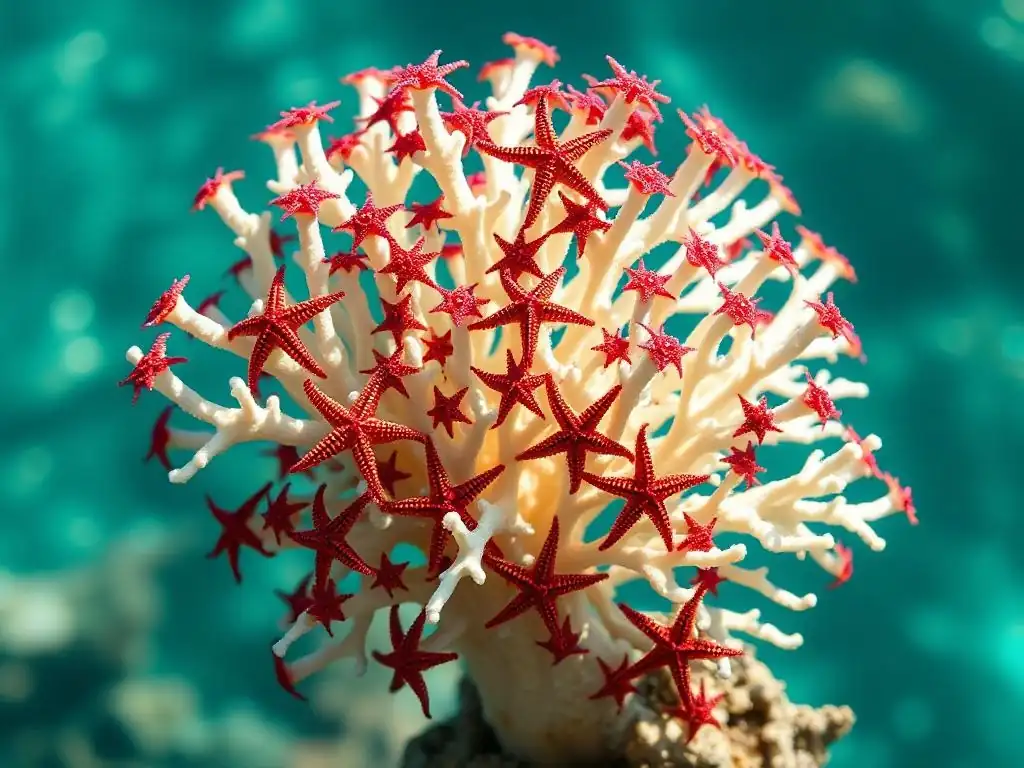
Red Bugs, scientifically classified as Tegastes acroporanus, are a common and frustrating pest for Acropora enthusiasts. These are tiny, copepod-like crustaceans, typically less than 1 millimeter in length, making them extremely difficult to spot with the naked eye. They are reddish-orange in color and tend to congregate in large numbers on the tips and upper branches of Acropora corals, where water flow is highest.
To accurately identify Red Bugs, a magnifying glass or a strong light source is often necessary. When observed, they appear as minute, fast-moving specks scurrying across the coral's surface. They are most easily seen when the coral's polyps are retracted or after a coral dip, as they may detach and become free-swimming in the dip solution. Their presence, even in small numbers, is a strong indicator that specific Acropora pest control methods targeting copepods are required.
Red Bug Symptoms: How They Affect Acropora Health and Color
Red Bugs are parasitic, feeding primarily on the coral's zooxanthellae – the symbiotic algae that provide the coral with most of its energy through photosynthesis – and the coral's nutrient-rich mucus. This parasitic feeding deprives the Acropora of vital resources, leading to a range of noticeable symptoms. The most prominent symptom is a significant loss of coloration, with infested corals often appearing dull, faded, or turning a pale brown, even under optimal lighting conditions.
Beyond color loss, Acropora infested with Red Bugs frequently exhibit poor polyp extension. The coral's polyps may remain retracted for extended periods, failing to extend fully even when environmental conditions are ideal. While Red Bugs do not directly consume coral tissue, their continuous feeding weakens the coral considerably, making it more susceptible to environmental stress, disease, and other opportunistic pathogens. A healthy Acropora colony typically displays vibrant colors and robust polyp extension, starkly contrasting with an infested one.
Red Bug Impact on Acropora Growth and Vigor
The chronic nutrient deprivation caused by Red Bug infestations has a profound impact on the Acropora coral's growth and overall vigor. Infested colonies typically exhibit significantly stunted growth rates, often showing no measurable growth over periods where a healthy frag might add several centimeters. This lack of growth is a major concern for reef keepers aiming to cultivate large, mature Acropora colonies.
Furthermore, the reduced vigor makes the Acropora more vulnerable to minor fluctuations in water parameters, lighting, or flow. A coral weakened by Red Bugs is less resilient and less able to recover from even slight environmental stressors, which can ultimately lead to tissue recession or even total colony loss. Effective Acropora pest control methods are therefore not just about eliminating the pests but also about restoring the coral's ability to thrive, grow, and maintain its natural resilience.
Acropora Pest Control Methods: A Comprehensive Approach
Quarantine Procedures for New Acropora Frags: Preventing Infestations
The most effective initial defense against Acropora pests is a stringent quarantine protocol for all new coral additions. A dedicated quarantine tank, separate from the main display, serves as a crucial barrier, preventing the introduction of pests and diseases into your established reef system. This tank does not need to be elaborate; basic lighting, adequate flow, and simple filtration (such as a sponge filter or small hang-on-back filter) are sufficient.
Upon receiving new Acropora frags, they should be immediately dipped using an appropriate solution and then placed into the quarantine tank for a minimum of 4 to 6 weeks. During this period, regular visual inspections are essential. If any signs of pests, such as AEFW or Red Bugs, are observed, repeat dips or more aggressive Acropora pest control methods can be applied within the quarantine system without risking contamination of the entire display tank. This proactive approach significantly reduces the likelihood of future outbreaks.
Acropora Dip Solutions: Choosing the Right Treatment
Coral dips are topical treatments designed to dislodge, stun, or kill external parasites and pests on the coral's surface. They are a cornerstone of many Acropora pest control methods and are typically the first line of defense after quarantine. When preparing a dip, always use water from the main display tank to minimize thermal or salinity shock to the coral.
The dipping process involves immersing the coral in the prepared solution for a recommended duration, often accompanied by gentle agitation to help dislodge pests. After the dip, it is crucial to thoroughly rinse the coral in clean tank water before returning it to the quarantine or display system. Always follow the specific instructions provided by the dip manufacturer regarding dosage and immersion time, as improper use can harm the coral.
Iodine-Based Dips for Acropora Pest Management
Iodine-based dips, such as Lugol's solution, have historically been used in reef keeping for their antiseptic properties and ability to aid in coral recovery from minor tissue damage. When used as a dip, iodine can help dislodge some external parasites and clean minor lesions on the coral's tissue. It is generally considered a gentler option compared to some stronger chemical dips and can be beneficial for overall coral health.
However, while iodine dips may dislodge some general external parasites, they are typically not considered highly effective Acropora pest control methods for established infestations of specific and resilient pests like AEFW or Red Bugs. They might cause some pests to detach, but they rarely achieve complete eradication, especially of eggs. For these more persistent pests, stronger, targeted treatments are usually required to ensure successful removal.
Bayer Insecticide Dips: A Potent AEFW Treatment Option
Bayer Complete Insect Killer, specifically formulations containing Imidacloprid (often found in products like Bayer Advanced Complete Insect Killer for Soil & Turf), has become a widely adopted and highly effective Acropora pest control method for AEFW among reef hobbyists. A common dosage involves using approximately 1 milliliter of the concentrate per gallon of dip water, though precise measurements are crucial due to its potency.
When using a Bayer dip, Acropora corals are typically immersed for 5 to 10 minutes. During this time, adult AEFW and juveniles will often detach from the coral and fall to the bottom of the dip container, where they can be clearly observed. This dip is highly effective at killing the active flatworms but does not kill their eggs, necessitating multiple repeat treatments to break the life cycle. Always use proper personal protective equipment, such as gloves and eye protection, and ensure good ventilation when handling this chemical.
Coral RX Dip: An Alternative Pest Control Solution
Coral RX is a popular commercially available coral dip formulated from natural extracts. It is designed as a broad-spectrum pest control solution, aiming to be tough on pests but gentle on corals. It is effective against a range of common aquarium pests, including some types of flatworms, copepods, and nudibranchs, making it a versatile tool in a reef keeper's arsenal of Acropora pest control methods.
The benefits of Coral RX include its relatively mild nature compared to harsher chemical dips, making it suitable for more sensitive Acropora species or for regular prophylactic use during quarantine. While it may not be as potent as Imidacloprid against a heavy AEFW infestation, it excels at dislodging pests, making them easier to remove manually or via rinsing. It is an excellent choice for initial quarantine dips and for managing minor pest issues, contributing to a holistic approach to Acropora health.
Systemic Treatments for Acropora Pest Eradication
Systemic Acropora pest control methods involve introducing medication directly into the main display tank water, allowing it to circulate throughout the entire system. This approach is generally reserved for severe or widespread infestations that are difficult to manage with localized dips alone, particularly for pests like Red Bugs that can be challenging to eradicate completely through external treatment.
The decision to use a systemic treatment should be carefully considered due to the potential impact on other tank inhabitants, including beneficial bacteria in the live rock and sand bed, and various invertebrates. While effective, these treatments carry inherent risks and are typically a last resort. When considering systemic Acropora pest control methods, it is crucial to understand the specific pest being targeted and the potential side effects on the entire reef ecosystem.
Managing Red Bugs with Interceptor Spectrum
For the eradication of Red Bugs ( Tegastes acroporanus), the canine heartworm medication Interceptor Spectrum (active ingredient: Milbemycin Oxime) has proven to be an exceptionally effective systemic Acropora pest control method. Milbemycin Oxime targets crustacean pests like Red Bugs without typically harming corals, fish, or most other desirable invertebrates at recommended dosages.
A common protocol involves dissolving one 23mg tablet of Interceptor Spectrum per 100 gallons of tank water. The tablet should be thoroughly dissolved in a small amount of tank water before being added to a high-flow area of the display. It is critical to remove activated carbon, Purigen, and turn off UV sterilizers and protein skimmers (or run them wet to skim off medication) during treatment. This treatment usually requires multiple doses, typically three doses spaced 5-7 days apart, to effectively break the Red Bug life cycle, as Milbemycin Oxime kills the active bugs but not their eggs.
Considerations and Risks of Systemic Acropora Treatments
While highly effective for specific pests, systemic Acropora pest control methods introduce a chemical into the entire aquarium environment and carry inherent risks. The primary concern is the potential impact on the beneficial bacterial populations responsible for biological filtration in the live rock and sand bed. A significant reduction in these bacteria can lead to dangerous ammonia and nitrite spikes, threatening all tank inhabitants.
To mitigate these risks, it is essential to follow specific protocols. Always remove chemical filtration media like activated carbon and Purigen, and turn off UV sterilizers, as they will remove the medication. Increasing aeration during treatment is also advisable. After the treatment cycle is complete, performing large water changes (25-50%) and potentially re-dosing beneficial bacteria products can help restore water quality and biological stability. Thorough research and careful planning are paramount before deploying any systemic Acropora pest control methods.
AEFW Eradication: A Step-by-Step Guide
Step 1: Visual Inspection and Identification Confirmation
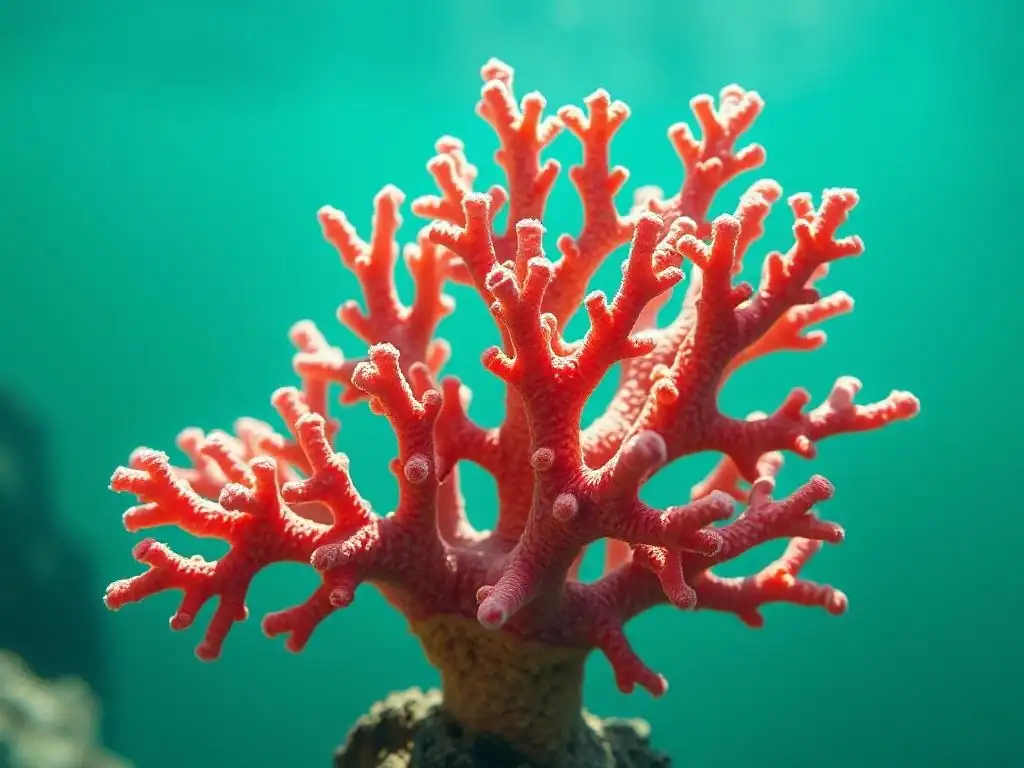
The first critical step in AEFW eradication is a meticulous visual inspection of all your Acropora colonies. Carefully examine each coral, paying close attention to signs of tissue recession, bite marks, or unusual polyp retraction. Use a magnifying glass or a strong flashlight, especially after the main tank lights are off, to look for the translucent, oval-shaped flatworms themselves or their distinctive amber-colored egg clusters. Eggs are often found in shaded areas or crevices.
If visual inspection reveals suspected AEFW damage but no flatworms, a diagnostic dip of a small, expendable frag (if available from the affected colony) can help confirm their presence. During the dip, AEFW will detach and fall to the bottom of the container, providing definitive confirmation. Documenting the affected colonies and the severity of the infestation will help in planning the subsequent treatment steps.
Step 2: Acropora Dip and Quarantine
Once AEFW are confirmed, all affected Acropora colonies, and ideally all Acropora from the display tank, should be removed for treatment. Prepare a potent dip solution, such as Bayer Complete Insect Killer (containing Imidacloprid), at the recommended concentration (e.g., 1 ml per gallon of tank water). Immerse each coral in the dip solution for 5-10 minutes, gently agitating it to encourage the flatworms to detach. Observe the bottom of the dip container for the expelled AEFW.
After dipping, thoroughly rinse each coral in a separate container of clean tank water to remove any residual dip solution and detached pests. All dipped corals must then be placed into a dedicated quarantine tank. This crucial step prevents re-infestation of the main display tank and provides a controlled environment for close monitoring and subsequent repeat treatments without stressing the entire reef system.
Step 3: Observation and Repeat Treatments
Following the initial dip, close observation of the quarantined Acropora is essential. Over the next 5-7 days, continuously monitor for any signs of newly hatched AEFW or any remaining adults that might have survived. It is vital to remember that the initial dip effectively kills adult and juvenile flatworms but does not kill their eggs.
Due to the AEFW life cycle, repeat dips are absolutely necessary to achieve complete eradication. A common and highly effective protocol involves repeating the dip every 5 to 7 days for a minimum of 4 to 6 weeks. This consistent application of Acropora pest control methods ensures that any eggs that hatch are killed before they can mature and lay new eggs, thereby breaking the reproductive cycle and preventing a resurgence of the infestation.
Step 4: Monitoring for Recurrence and Prevention
After the intensive dipping period, and once no AEFW or their eggs have been observed for at least two consecutive weeks in the quarantine tank, the Acropora corals can be considered ready to return to the main display. However, vigilance must continue. Even after successful eradication, a small number of pests or eggs can sometimes persist or be re-introduced.
Regular visual inspections of all Acropora colonies in the main display tank should become a routine part of your aquarium maintenance. Any new Acropora additions should always undergo the full quarantine and prophylactic dip protocol before being introduced to your established system. This proactive and continuous approach is the most reliable way to prevent future AEFW outbreaks and maintain long-term Acropora health.
Red Bug Eradication: A Detailed Protocol
Step 1: Accurate Identification and Population Assessment
Before initiating any treatment for Red Bugs, it is crucial to confirm their presence and assess the extent of the infestation. Use a magnifying glass to meticulously inspect your Acropora corals, particularly the tips and areas showing poor polyp extension or color loss. Look for the tiny, reddish-orange copepods scurrying across the coral's surface. Their rapid movement and distinctive color are key identifying features.
Once Red Bugs are confirmed, try to estimate the severity of the infestation. If only a few isolated corals are affected, targeted dips might be considered as an initial step. However, for widespread infestations affecting multiple Acropora colonies throughout the display tank, a systemic treatment is typically the most effective Acropora pest control method to ensure complete eradication.
Step 2: Interceptor Spectrum Treatment Application
For systemic Red Bug eradication, Interceptor Spectrum (containing Milbemycin Oxime) is the preferred treatment. Before application, remove all activated carbon, Purigen, and turn off UV sterilizers and protein skimmers (or run them wet to skim off medication). Calculate the precise dosage: one 23mg tablet per 100 gallons of actual water volume in your tank. Dissolve the tablet thoroughly in a small cup of tank water, ensuring no undissolved particles remain, then slowly add the solution to a high-flow area of your display tank.
Allow the medication to circulate for at least 6-8 hours, or up to 24 hours. During this period, closely observe your tank inhabitants for any signs of stress, although corals, fish, and most invertebrates are generally tolerant at the correct dosage. Most Red Bugs will die and become visible as tiny red specks accumulating on the sand bed or rockwork.
Step 3: Water Changes and Monitoring
After the designated treatment period, it is essential to perform a significant water change, typically 25-50%, to remove the medication and any dead Red Bugs and their debris. Reintroduce fresh activated carbon and Purigen into your filtration system to further absorb any residual medication from the water column.
Following the water change, continue to closely monitor your Acropora corals and the entire tank over the next few days. While Milbemycin Oxime is highly effective at killing active Red Bugs, it does not kill their eggs. Therefore, newly hatched juveniles may appear in the days following the initial treatment, necessitating further action.
Step 4: Repeat Treatments as Needed for Complete Eradication
To effectively break the Red Bug life cycle and ensure complete eradication, repeat treatments with Interceptor Spectrum are crucial. A common and highly successful protocol involves a second dose 7 days after the first, and a third dose 7 days after the second (i.e., three doses over a two-week period). This schedule ensures that any eggs that hatch after the previous treatment are killed before they can mature and reproduce.
After the full treatment cycle, continue to monitor your Acropora colonies for several weeks. While Milbemycin Oxime is very effective, occasional re-introductions can occur, often from new, unquarantined corals. Therefore, ongoing vigilance and strict quarantine procedures for all new Acropora additions remain paramount for long-term Red Bug prevention, completing a robust set of Acropora pest control methods.
Preventing Future Acropora Pest Outbreaks
Maintaining Optimal Water Parameters for Acropora Health
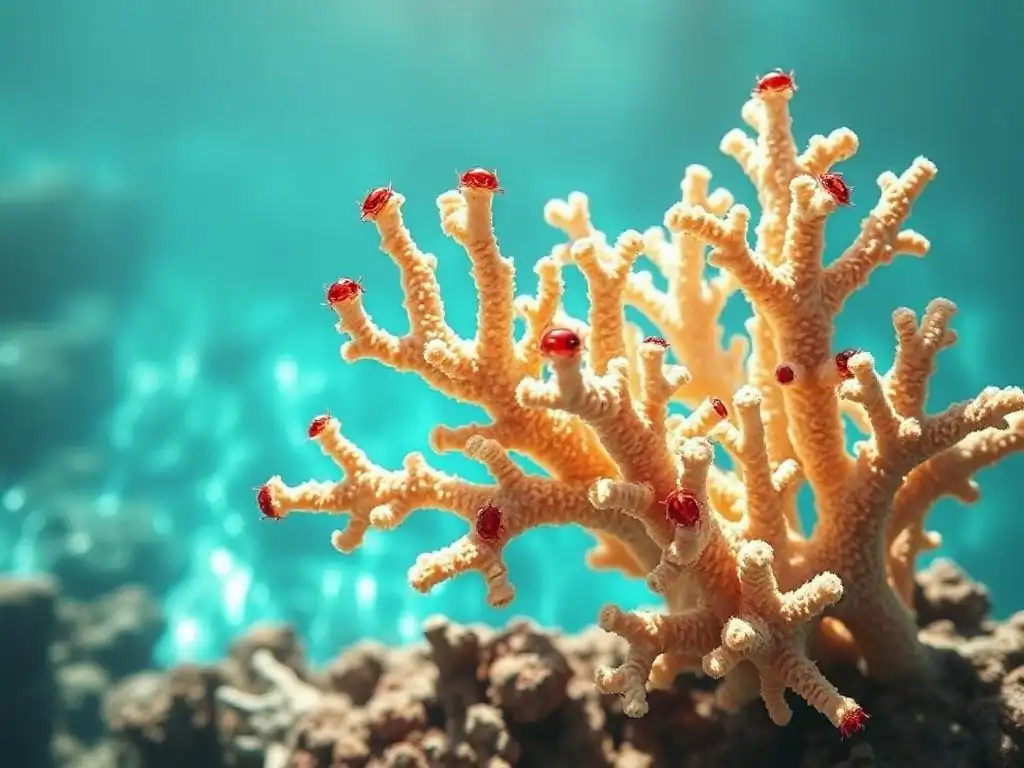
A healthy Acropora colony is inherently more resilient to pest infestations and better equipped to recover from stress. Maintaining stable and optimal water parameters is therefore a fundamental preventive Acropora pest control method. This includes consistent levels of alkalinity, ideally between 8-9 dKH, calcium at 400-450 ppm, and magnesium between 1300-1400 ppm. Wild fluctuations in these parameters can severely stress Acropora, making them vulnerable to opportunistic pests.
Beyond the major elements, consistent temperature (25-27°C or 77-80°F), stable salinity (1.025-1.026 specific gravity), and ultra-low levels of nitrates (<5 ppm) and phosphates (<0.05 ppm) are also critical. Regular water testing and a disciplined dosing regimen or consistent water change schedule will prevent parameter swings, support robust growth, and enhance the coral's natural immune response, making it less appealing or susceptible to pests.
Regular Inspection and Observation: The Key to Prevention
The single most effective long-term Acropora pest control method is diligent and routine observation. Reef keepers should dedicate a few minutes each day to closely inspect all their Acropora colonies. Look for any subtle changes in color, polyp extension, or the earliest signs of tissue recession. Early detection of even a single pest can prevent a localized issue from escalating into a full-blown infestation that threatens your entire collection.
Utilize tools such as a magnifying glass or a powerful flashlight, especially during the hours after the main tank lights have turned off, to spot nocturnal pests like AEFW or the tiny, fast-moving Red Bugs. Proactive daily vigilance allows for immediate intervention, often with localized dips, which can save valuable corals and prevent the need for more drastic and system-wide Acropora pest control methods.
Introducing Natural Predators: Biological Control Options
While not a standalone solution for established infestations, some natural predators can play a supplementary role in Acropora pest control methods by helping to manage low-level populations or clean up remnants after chemical treatments. For instance, certain species of wrasses, such as the Six-Line Wrasse ( Pseudocheilinops hexataenia) or the Melanurus Wrasse ( Halichoeres melanurus), have been observed to occasionally pick at Red Bugs and other small copepods.
However, it is crucial to understand the limitations of biological control. Fish behavior can be unpredictable; not all individual fish will exhibit the desired predatory behavior, and they rarely consume enough pests to eradicate a significant infestation. Furthermore, introducing new fish can introduce other issues like aggression or disease. Therefore, biological control should be considered as a potential supplementary measure rather than a primary Acropora pest control method for serious outbreaks.
Long-Term Acropora Health: Post-Pest Management
Acropora Recovery: Supporting Growth and Coloration
After successfully eradicating pests from your Acropora colonies, the focus shifts to supporting their recovery and promoting robust growth and vibrant coloration. Ensure that the aquarium's water parameters remain pristine and stable, as consistency is key to recovery. Consider increasing the frequency or quantity of nutrient input, such as broadcast feeding with high-quality coral foods, amino acids, and vitamins. These additional nutrients can significantly aid in tissue regeneration and overall coral vitality.
Monitor the corals closely for signs of new tissue growth, improved polyp extension, and the return of their natural, vibrant colors. This recovery process can vary significantly depending on the severity and duration of the initial infestation, potentially taking several weeks to many months. Patience, coupled with consistent and optimal care, is paramount to seeing your Acropora colonies fully rebound and thrive post-pest management.
Nutrient Management Strategies for Acropora Health
Maintaining appropriate nutrient levels is vital for long-term Acropora health, especially after a pest battle. While ultra-low nutrient systems (ULNS) are popular for Acropora, overly sterile conditions can sometimes stress recovering corals. Aim for a balanced nutrient level, such as nitrates between 2-5 ppm and phosphates between 0.02-0.05 ppm, to support the health of the coral's symbiotic zooxanthellae, which are crucial for energy production.
Implement a consistent dosing regimen for essential elements like alkalinity, calcium, and magnesium, which are rapidly consumed by growing Acropora. Supplementation with high-quality amino acids and vitamins can directly benefit coral tissue repair and enhance coloration, particularly beneficial for Acropora recovering from parasitic stress. Regular, small feedings of appropriate coral foods also contribute significantly to their overall health and resilience against future stressors, complementing previous Acropora pest control methods.
Lighting Adjustments for Optimal Acropora Growth
Lighting is a cornerstone of Acropora health and growth. After pest eradication, ensure your lighting system provides adequate Photosynthetically Active Radiation (PAR) levels, typically ranging from 250-500 PAR, depending on the specific Acropora species and its placement within the tank. Using a PAR meter to measure light intensity at various depths can help optimize light exposure.
If corals were housed in a lower-light quarantine tank during treatment, gradually acclimate them to the higher intensity of the main display to prevent light shock. A broad-spectrum light with strong blue components (around 450-470 nm) combined with sufficient white and red wavelengths will promote optimal photosynthesis by the zooxanthellae and encourage the vibrant coloration Acropora are known for. Proper lighting not only drives growth but also strengthens the coral's overall health, contributing to its natural defenses and reducing susceptibility to future pest issues, enhancing the effectiveness of all Acropora pest control methods.
Conclusion: Protecting Your Acropora with Vigilance and Knowledge
The journey of maintaining a thriving Acropora reef is undoubtedly rewarding, yet it comes with the inherent challenge of managing pests like AEFW and Red Bugs. Successful Acropora pest control methods hinge on a combination of unwavering vigilance, proactive quarantine, and the precise application of targeted treatments. Early detection is the reef keeper's most potent weapon, allowing for swift intervention that can prevent minor infestations from escalating into devastating outbreaks.
By understanding the life cycles and visual cues of these insidious pests, employing strict quarantine protocols for all new additions, and knowing when and how to apply effective dips or systemic treatments, reef keepers can safeguard their prized Acropora colonies. Long-term success further relies on maintaining pristine water parameters and providing optimal care, which naturally enhances the coral's resilience. With knowledge and consistent effort, the beauty and growth of Acropora can continue to be the centerpiece of a vibrant and healthy reef aquarium.
Frequently Asked Questions
What are the most common pests that affect Acropora corals?
The most common pests are Acropora Eating Flatworms (AEFW) and Red Bugs. These pests can rapidly damage and even kill Acropora corals if left untreated.
How can I identify AEFW infestations in my Acropora aquarium?
Look for tissue recession, unexplained paleness, and small bite marks on the coral. AEFW are often difficult to spot directly, but these signs are strong indicators.
What are some effective treatment options for Acropora Eating Flatworms?
Treatments include dipping the coral in a flatworm exit solution, biological control methods using natural predators, or manual removal of the flatworms.
How do I identify a Red Bug infestation on my Acropora corals?
Red Bugs are small, red crustaceans that are visible on the coral's surface, especially in areas with good water flow. They can cause reduced polyp extension and coral stress.
What are some common Acropora pest control methods for Red Bugs?
Treatments often involve dipping the coral in a suitable insecticide, using biological control with certain wrasse species, or using medications specifically designed for Red Bugs.
Final Reflection: Safeguarding Reefs, One Coral at a Time
The information presented throughout this article underscores the critical importance of proactive Acropora pest control in maintaining the health and vitality of our reef ecosystems, both in home aquariums and the wild. Ignoring the early warning signs of Acropora Eating Flatworms (AEFW) and Red Bugs can lead to devastating consequences, impacting not only individual coral colonies but also the delicate balance of the entire reef environment. The methods outlined provide aquarists with the tools and knowledge necessary to combat these threats effectively, ensuring the longevity of these magnificent creatures.
The fight against coral pests is not merely a technical exercise; it's a testament to our commitment to environmental stewardship. My own experiences with coral husbandry have taught me the profound interconnectedness of all living things within an aquarium, mirroring the complex relationships found in natural reefs. We are tied to the ocean. And when we go back to the sea, whether it is to sail or to watch it, we are going back from whence we came.
- John F. Kennedy. This quote reminds us that the health of our oceans, and the corals within them, is inextricably linked to our own well-being.
Now, armed with this knowledge of Acropora pest control methods, I urge you to reflect on your own role in preserving these underwater treasures. Consider the impact of your choices, both big and small, on the health of our reefs. Take the initiative to implement these strategies in your own aquariums, share this information with fellow hobbyists, and advocate for responsible practices that protect these vital ecosystems for generations to come. Let's work together to ensure that the vibrant beauty of Acropora corals continues to thrive, inspiring awe and wonder for years to come.
Safeguard Your Reef: Act Now Before Pests Take Over!
Thank you for diving into the world of reef protection! Now that you're armed with the knowledge to identify and combat Acropora-eating flatworms (AEFW) and red bugs, let's turn that awareness into action to secure the health of your reef.
Here's how you can take immediate steps to protect your Acropora corals:
- Implement a rigorous coral dipping routine: Before introducing any new Acropora into your tank, always dip them in a coral dip solution following the manufacturer's instructions to eliminate any potential pests. This is your first line of defense against infestation!
- Carefully inspect existing corals for any signs of AEFW or red bugs, paying close attention to the base and branches. Use a magnifying glass and a flashlight to thoroughly examine each coral.
- Share your knowledge! Educate fellow reef keepers about the dangers of AEFW and red bugs, and encourage them to adopt proactive prevention and treatment measures.
What preventative measures are you most excited to implement to fortify your reef's defenses against these unwelcome invaders?